

Note: This article contains affiliate links. If you click on these links and make a purchase, I may earn a small commission at no extra cost to you. This helps support my research and content. Read my full affiliate disclosure here.
If you use your 2015-2020 Ford F-150 for towing, heavy loads, or frequent highway hauling, transmission heat is one of the most common stressors that shortens service life. The right transmission cooler reduces fluid temperatures, stabilizes line pressure, and helps preserve the transmission under sustained loads. This guide covers our top shortlisted transmission coolers for the 2015-2020 F-150, chosen for fitment, cooling performance, and installation practicality.Below we evaluate cooling capacity, ease of installation, and plumbing compatibility so you can pick the option that matches your towing habits and garage skills.
Looking for other parts? See all Ford F-150 parts & accessories.
Top Picks at a Glance
| Best Overall The best all-around choice for most situations | LYAUTOELE Transmission Oil Cooler Assembly (FL3Z-7A095-B) for Ford F-150 2015–2019 |  |
| Best Quality Built to a higher standard if you want something more solid | ETL Transmission Oil Cooler for Ford F-150 2015-2017 and Ford Raptor 2017+ (Black) |  |
| Best Budget The cheapest option that still gets the job done reliably | Sunbelt Transmission Oil Cooler for Ford F-150 (2015–2018) |  |
| Highest Rated A top-rated pick with lots of positive feedback | Mishimoto MMTC-F150-15SL Transmission Oil Cooler for Ford F-150 (2015–2017) and Raptor (2017+) |  |
| Best Seller A high-volume bestseller chosen again and again | Ucreative 30-Row Aluminum Stacked-Plate Transmission Oil Cooler Kit |  |
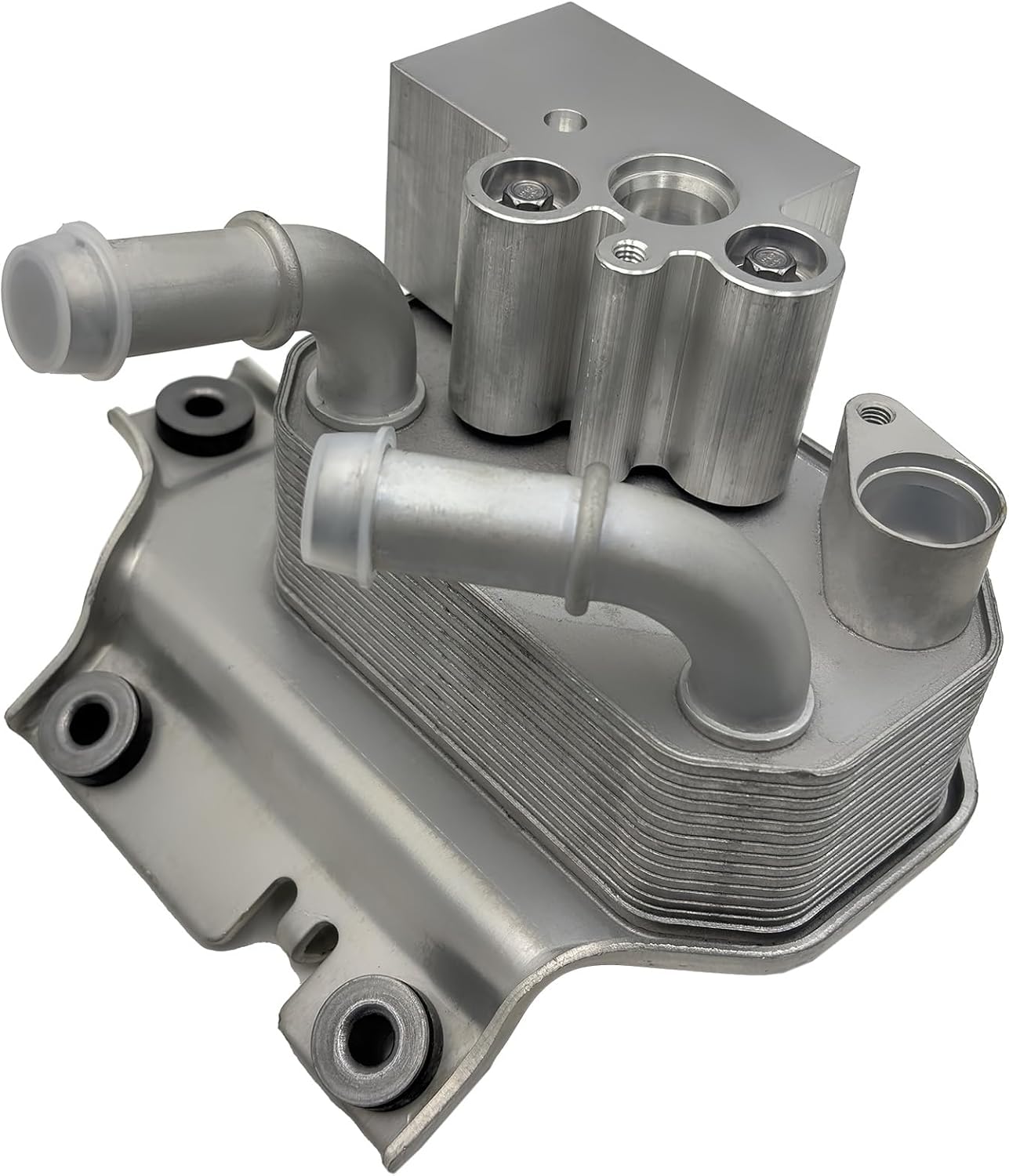
LYAUTOELE Transmission Oil Cooler Assembly (FL3Z-7A095-B) for Ford F-150 2015–2019
| Manufacturer | LYAUTOELE |
|---|---|
| Model | Automatic Transmission Fluid Oil Cooler Assembly |
| Manufacturer Part Number | for FL3Z-7A095-B |
| Fitment Years | Ford F-150 2015 2016 2017 2018 2019 |
This LYAUTOELE transmission oil cooler assembly replaces the factory unit on 2015–2019 Ford F-150 trucks to cool transmission fluid and reduce overheating risk. It is built as a machined assembly intended for direct fitment to the specified model years and installs where the factory cooler sits, so typical use is a like-for-like replacement during repair or preventive maintenance. The cooler’s construction aims to improve fluid heat dissipation, which can help maintain transmission performance and extend component life under normal towing and daily driving. Because it is a vehicle-specific replacement part, installation is straightforward for a technician familiar with F-150 transmission plumbing, though hose and seal inspection or replacement is recommended during service. The product listing provides the manufacturer part number for cross-reference. Limitations are that fitment is restricted to the listed years and the listing does not include hoses, fittings, or explicit torque/spec instructions, so expect to source small consumables separately and follow factory service guidance for installation.
Best for: Buyers who want a straightforward, factory-style replacement to restore or maintain proper transmission cooling on a 2015–2019 F-150 and prioritize reliable fit and function over custom upgrades.
Less Ideal for: People seeking an upgraded high-capacity aftermarket cooler for heavy-duty towing or racing applications should consider purpose-built performance coolers instead.
- Direct replacement for Ford F-150 2015–2019 using the FL3Z-7A095-B part number
- Machined exterior construction for consistent fit and finish
- Designed to cool transmission fluid and reduce overheating during towing or heavy use
- Factory-style assembly simplifies installation compared with repairing individual cooler components
- Does not include hoses, clamps, or fittings so additional parts may be needed for a complete installation
- Fitment limited strictly to 2015–2019 F-150 model years listed
Verdict: Choose this LYAUTOELE assembly when you need a direct, factory-style transmission cooler replacement to restore proper cooling on a 2015–2019 Ford F-150.
ETL Transmission Oil Cooler for Ford F-150 2015-2017 and Ford Raptor 2017+ (Black)

| Manufacturer | ETL Performance |
|---|---|
| Item model number | 244006 |
| Exterior | Machined |
| Manufacturer Part Number | 244006-Black |
This ETL transmission oil cooler is an aluminum, tube-and-fin aftermarket unit designed as a direct bolt-on for Ford F-150 2015-2017 and Ford Raptor 2017+. It replaces the factory cooler using the same mounting points and includes a bracket and bolts for straightforward installation. The cooler’s larger internal fluid capacity and expanded tube and fin surface area are aimed at lowering transmission temperatures during heavy towing and repeated high-load driving, with the product marketed for applications up to 12,000 lb towing. In practice you can expect cooler shifting and reduced thermal stress during long climbs or repeated tow cycles compared with the stock cooler. The package lists both black and silver finishes and it is machined for a finished look. Limitations are typical of aftermarket coolers: fitment is limited to the specified Ford models and years, and buyers should verify hose and fitting compatibility with their truck plumbing before installation. Professional installation is recommended if you want leak-free hose routing and proper torque on transmission fittings.
Best for: Drivers who frequently tow or haul with a 2015–2017 F-150 or a 2017+ Raptor and prioritize maintaining lower transmission temperatures and more consistent shift performance under heavy loads.
Less Ideal for: Casual drivers who do little towing or those with different model years or non-Ford trucks should consider other coolers or factory replacements better matched to their vehicle.
- Direct bolt-on design uses factory mounting points for easier installation
- Aluminum tube-and-fin construction increases fluid capacity and surface area for better heat dissipation
- Includes bracket and mounting bolts so no extra hardware is required
- Optimized claims for heavy-duty towing up to 12,000 lb to help manage transmission temperatures
- Fitment is limited to Ford F-150 2015-2017 and Ford Raptor 2017+ so not universal
- Fittings and hoses may require verification or adapter parts for some trucks
Verdict: If you tow regularly with a 2015–2017 F-150 or a 2017+ Raptor, this larger-capacity aluminum cooler is a direct bolt-on upgrade to help keep transmission temps under control.
Sunbelt Transmission Oil Cooler for Ford F-150 (2015–2018)

| Manufacturer | Sunbelt Radiators |
|---|---|
| Model | Automotive Transmission Oil Cooler |
| Position | Front |
| Manufacturer Part Number | SBTFO4050159 |
The Sunbelt transmission oil cooler is a direct-fit replacement designed to install in the front of 2015–2018 Ford F-150 trucks. It functions as an inline heat exchanger for transmission fluid, drawing heat away from the gearbox during towing or heavy driving to reduce operating temperature and component wear. The unit is described as built from corrosion-resistant materials and tested for performance, which suggests durability for everyday use. Its OE-fit design means it should align with factory mounting points and plumbing for a straightforward swap without extensive modifications. For budget-focused buyers this cooler delivers core cooling capability at a lower price than many branded alternatives, though it lacks detailed performance metrics like flow rate or fin density and does not advertise heavy-duty or high-capacity upgrades for serious towing demands. Expect a competent, cost-conscious replacement that restores factory cooling performance but may not match premium aftermarket high-capacity coolers for extreme-duty use.
Best for: Buyers seeking an affordable, factory-fit transmission cooler to replace a worn unit and restore reliable temperature control during regular driving and light towing.
Less Ideal for: Drivers who frequently tow heavy loads or need an upgraded high-capacity cooling solution for severe-duty use should consider performance aftermarket coolers instead.
- Designed to fit Ford F-150 2015–2018 without major modification
- Constructed from corrosion-resistant materials for longer service life
- Factory-style fit and mounting for straightforward installation
- Performance-tested units to ensure consistent functionality
- No published performance specifications such as flow rate or cooling capacity
- Not marketed as a heavy-duty high-capacity cooler for extreme towing
Verdict: A budget-friendly, direct-fit transmission cooler that restores factory-style cooling for 2015–2018 Ford F-150s without needing modifications.
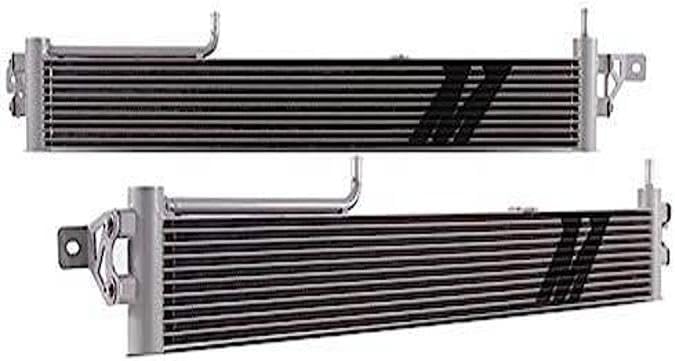
Mishimoto MMTC-F150-15SL Transmission Oil Cooler for Ford F-150 (2015–2017) and Raptor (2017+)
| Compatible vehicles | Ford F-150 2015–2017; Ford Raptor 2017+ |
|---|---|
| Core design | 10-row tube-and-fin |
| Material | Aluminum |
| Included components | Mishimoto tube-and-fin transmission cooler (1) |
The Mishimoto MMTC-F150-15SL is a bolt-in transmission oil cooler built to reduce transmission oil temperatures during towing, off-road use, or heavy-duty driving on compatible Ford trucks. It uses a 10-row tube-and-fin core with significantly more tube and fin surface area and higher fluid capacity than the factory cooler, so it moves heat into the airstream more effectively and helps keep the transmission cooler under load. Constructed from machined aluminum, the unit resists corrosion and looks substantially more robust than the small stock cooler. Installation is intended to be direct with factory routing and lines on 2015–2017 F-150s and 2017+ Raptors, though trucks that did not come with a factory cooler may require replacement trans lines. Real-world reports show consistent temperature drops of about 5–15 degrees F while towing; some installations need grille removal and basic hand tools. The main limitations are fitment restricted to the listed model years and the occasional bracket alignment issue on newer Raptor generations, but for a reliability-focused upgrade this cooler offers durable construction and measurable cooling gains.
Best for: Buyers who prioritize long-term transmission reliability and plan to tow, haul, or run demanding duty cycles on supported model years will appreciate this robust, engineered cooling upgrade.
Less Ideal for: Drivers with F-150 model years outside the specified 2015–2017 range or owners seeking a universal cooler for multiple truck generations should look for other options.
- 10-row tube-and-fin core delivers substantially increased cooling surface compared with the stock cooler
- High fluid capacity and larger core volume to reduce transmission temperatures under load
- Precision-machined aluminum construction for corrosion resistance and long-term durability
- Direct bolt-in design for factory routing on supported model years minimizes modifications
- Backed by a lifetime warranty from the manufacturer
- Fitment limited to 2015–2017 Ford F-150 and 2017+ Raptor models only
- Trucks delivered without a factory cooler may require replacement transmission lines for proper installation
Verdict: Choose this Mishimoto direct-fit cooler when you want a durable, factory-compatible upgrade that noticeably lowers transmission temps for towing and heavy use on supported F-150/Raptor years.
Ucreative 30-Row Aluminum Stacked-Plate Transmission Oil Cooler Kit

| Oil capacity | 0.74L |
|---|---|
| Test pressure | 116 PSI |
| Burst pressure | 232 PSI |
| Material | Aluminum alloy |
| Rows | 30 |
This Ucreative 30-row stacked-plate cooler is a compact aluminum transmission oil cooler kit intended to lower transmission fluid temperatures for street and light performance use. It installs in front of the radiator or in any location with good airflow and comes with 10AN-to-8AN and 10AN-to-6AN fittings for braided lines. The stacked plate design gives high cooling efficiency relative to its small footprint and users report clear drops in operating temps when mounted behind the grille or with an auxiliary fan. Practical benefits for an F-150 include reduced thermal stress on the transmission during towing or repeated highway pulls and the ability to fit in tight spaces in the front end. Important limitations are that the kit does not include installation instructions or mounting hardware beyond basic fittings, it may require brackets or extra hoses for a truck-specific install, and long-term durability depends on careful mounting and leak-free thread sealing. Expect to plan a custom mount and check clearances before buying for a 2015–2020 F-150.
Best for: A cautious F-150 owner looking to reduce transmission operating temperatures for towing or frequent highway loads while keeping the installation compact and straightforward.
Less Ideal for: Buyers who want a fully bolt-in, vehicle-specific cooler kit with brackets and hoses included should consider purpose-built F-150 kits instead.
- High cooling capacity from a 30-row stacked-plate core in a relatively small package
- Aluminum construction resists corrosion and supports heat transfer
- Includes common AN adapters (10AN to 8AN and 10AN to 6AN) for braided-line hookups
- Compact footprint makes it possible to mount behind the grille or in tight front-end locations
- No installation brackets or vehicle-specific hardware included
- No printed installation instructions supplied with the kit
Verdict: A compact, high-efficiency 30-row aluminum cooler that is a good choice for F-150 owners who want measurable transmission temp reduction but can fabricate or provide vehicle-specific mounting.
Choosing the Right 2015-2020 Ford F-150 Transmission Cooler: Key Factors to Consider
Cooling Capacity and Core Design
Cooling capacity determines how effectively the cooler pulls heat out of transmission fluid during sustained towing or steep descents. Core design, including tube-and-fin versus stacked-plate or multi-pass cores, affects the surface area in contact with air and fluid. A larger, denser core typically provides lower steady-state temperatures but may increase airflow resistance behind the grille.
For the 2015-2020 F-150 you should match capacity to intended use. Occasional light towing may only need modest extra cooling, while frequent heavy towing requires a cooler with higher surface area and multi-pass flow to avoid thermal soak. Consider how core thickness affects bumper clearance and grill airflow on this truck.
Fitment and Plumbing Compatibility
Correct fitment with the F-150 transmission lines and available mounting points is crucial for reliable operation. Transmission lines on the 2015-2020 F-150 use specific hose sizes and fittings; choosing a cooler that includes compatible adapters or dedicated lines reduces the chance of leaks and simplifies installation. Bracket location also matters because the cooler needs unobstructed airflow and secure attachment to withstand vibration.
Check whether the cooler requires modification of the bumper, removal of the grille, or relocation of the condenser fan. Poor fitment increases installation time and may lead to routing issues with transmission cooler lines that could rub or kink.
Material Quality and Corrosion Resistance
Material quality affects longevity, especially in regions that use road salt or drive on gravel. Aluminum cores with proper brazing resist corrosion and dissipate heat efficiently. Fin thickness and protective coatings influence how long the cooler maintains performance when exposed to debris and moisture. Fittings and adapters should be corrosion-resistant and use sealed connections to prevent leak paths.
For the 2015-2020 F-150, which is often used year-round, choose coolers with durable finishes and rugged end tanks. Reinforced mounting points and robust welds or brazes reduce the chance of failure from vibration and thermal cycling.
Installation Complexity and Hardware
Installation complexity varies from bolt-on kits with vehicle-specific brackets to universal units that need custom hoses and mounting. Consider how much time, tools, and fabrication you are willing to invest. A transmission cooler kit that includes vehicle-specific brackets, line adapters, hose clamps, and clear instructions reduces installation time and the risk of incorrect plumbing on the F-150.
If you plan to do the work yourself, choose an option with straightforward line connections and accessible mounting points. For shop installs, simpler units reduce labor and the chance of post-install leaks or poor routing.
Impact on Transmission Pressure and Flow
Any addition to the transmission fluid circuit can alter flow characteristics and backpressure. Low restriction designs minimize pressure drop while still providing effective heat transfer. Some coolers use larger diameter fittings or multi-pass routing to optimize flow without stressing seals or pump output.
On the 2015-2020 F-150, avoid excessively restrictive coolers that could lead to higher operating pressure or inadequate lubrication of critical transmission components. Confirm that the cooler's recommended line sizes and fittings match the truck's factory plumbing or the recommended upgrade path.
Serviceability and Long-Term Maintenance
Serviceability covers ease of inspection, cleaning, and repairs. A cooler with accessible mounting and a replaceable core or easily reachable fittings simplifies maintenance. Periodic cleaning of the fins and inspection for leaks are normal maintenance tasks, so consider how easy it is to access the cooler on the F-150 without removing major body panels.
Also look for designs that allow simple replacement of lines or end tanks if a leak develops. Durable hose clamps and standardized fittings make future maintenance quicker and less expensive.
How Transmission Cooling Affects Towing on the 2015-2020 F-150
Transmission heat builds quickly under heavy towing because clutch packs and torque converters dissipate energy as heat. On the 2015-2020 F-150, long uphill runs and repeated towing cycles can push fluid temperatures high enough to degrade friction materials and shorten transmission life. Adding or upgrading a transmission cooler helps manage operating temperature spikes and keeps fluid viscosity within a safer window.
Reducing peak fluid temperature preserves internal clearances and helps maintain consistent shift quality under load. For owners who tow frequently, a properly sized cooler can be the difference between routine maintenance intervals and premature transmission service.
- Lower peak and average fluid temperatures during towing
- Reduced risk of clutch and band overheating
- More consistent line pressure and shift behavior under load
Vehicle-Specific Mounting Points and Common Locations
The 2015-2020 F-150 offers several practical mounting locations for an auxiliary cooler: behind the front bumper, in front of the radiator, or next to the A/C condenser where airflow is strong. Each location has tradeoffs in protection, airflow, and ease of access. Behind the bumper offers protection but reduced airflow; in front of the radiator maximizes cooling but can complicate service access.
When planning installation, map out routing for the transmission cooler lines to avoid sharp bends, heat sources, and moving suspension components. Secure lines with proper clamps and keep clearances from the exhaust and steering components.
- Front-of-vehicle locations maximize airflow
- Behind-bumper mounts offer impact protection but less cooling
- Avoid routing lines across sharp edges or near hot exhaust components
Line Routing, Fittings, and Common Adapter Needs
Transmission coolers interface with the F-150's factory cooler lines using either quick-disconnect fittings or hose connections with adapters. Some kits include vehicle-specific adapters that eliminate the need to cut factory lines. When adapters are not included, owners may need to use adapter fittings or replace sections of line with compatible hose and clamps.
Properly sized hose and secure fittings prevent leaks and preserve system pressure. Use stainless or plated clamps and firm support points to reduce fatigue at connection areas.
- Confirm hose diameter and fitting types before installation
- Use corrosion-resistant clamps and supports
- Plan routing to minimize hose length and avoid kinks
Cooling Vs. Airflow Tradeoffs With Front-Mounted Accessories
Adding a large transmission cooler can affect airflow to the radiator and condenser. On the 2015-2020 F-150, ensure the cooler does not obstruct essential cooling passages. Layered or stacked cooling accessories should be arranged to maintain airflow to the engine radiator and A/C condenser while still exposing the transmission cooler to fresh air.
If you run multiple front-mounted accessories, consider slimmer high-efficiency cores or multi-pass designs that provide strong cooling with reduced frontal area. Proper spacing and bracket design help maintain airflow balance.
- Avoid blocking radiator airflow with oversized cores
- Use bracket spacing to create airflow gaps when stacking coolers
- Choose core styles that balance frontal area and heat transfer
When to Consider Upgrading Transmission Cooler Lines
Factory transmission cooler lines are sized for stock operating conditions. If you frequently tow near the truck's capacity or install a high-capacity cooler, upgrading to heavier duty hoses and fittings reduces the chance of collapse, kinking, or premature failure. Braided or reinforced hoses offer better resistance to abrasion and heat exposure under the hood.
Upgraded lines also make routing more flexible and can reduce pressure loss across long runs. When planning a line upgrade, match hose inner diameter to the cooler's inlet/outlet recommendations to preserve flow characteristics.
- Consider reinforced hoses for repeated high-load towing
- Match inner diameter to cooler specifications
- Use heat shielding where hoses pass near exhaust components
Signs You Might Need a Cooler Upgrade
Watch for higher than normal transmission fluid temperatures when towing, persistent overheating warnings, or odors that suggest burnt fluid. While normal temperature variation occurs, sustained high readings during typical towing runs indicate the factory cooling is not sufficient for your use case. Increased shift harshness or early clutch wear are longer-term symptoms of chronic high fluid temperature.
If you plan to increase towing frequency, tow heavier trailers, or operate in high ambient temperatures, proactively upgrading the transmission cooler can prevent costly transmission repairs down the road.
- Consistently high transmission temperature readings under load
- Changes in shift quality after towing
- Visible fluid discoloration or burned smell during service
Still looking for the perfect fit?
Select your Ford F-150 configuration to see the most relevant Transmission Coolers recommendations
How We Chose the Best 2015-2020 Ford F-150 Transmission Cooler
We focused on attributes that directly affect real-world performance and durability on the 2015-2020 Ford F-150. Core evaluation criteria included cooling efficiency under load as measured by surface area and core design, plumbing and fitting compatibility with the F-150 transmission lines, and whether the unit supports common towing duty cycles for this model range. We also considered construction quality, corrosion resistance of the heat exchanger and fittings, and serviceability features like replaceable cores or accessible mounting points. Installation factors were assessed for both DIY owners and shops, weighing included hardware and required line adapters.We excluded products that lacked clear fitment information for the 2015-2020 F-150, units with substandard materials or unsealed fittings, and any cooler intended only for light-duty or cosmetic use. The final shortlist balances cooling capacity with straightforward integration into the F-150 cooling and transmission plumbing, prioritizing long-term reliability under towing and daily driving.
Our full evaluation process is outlined in our review methodology.
FAQ
How do I check if my F-150 needs an auxiliary transmission cooler?
Monitor transmission fluid temperature during towing or heavy use if you have a scan tool. Repeatedly high temps, shifts that feel different after long tows, or fluid darkening at service intervals often indicate inadequate cooling.
Can I install an external cooler myself on a 2015-2020 F-150?
Many owners can install an external cooler with basic tools if the kit includes vehicle-specific hardware. Expect to route lines, secure brackets, and bleed air from the circuit. If adapters or line fabrication are required, consider professional help.
Will adding a transmission cooler affect my truck's warranty or transmission pressure?
Adding an auxiliary cooler typically does not change internal transmission pressures when properly sized and plumbed. Warranty impacts depend on service terms and whether installation causes damage; follow recommended installation practices and document the work.
Where is the best place to mount a cooler on the 2015-2020 F-150?
Mounting in front of the radiator or condenser provides the best airflow and cooling but may complicate service access. Behind the bumper offers protection but less cooling. Choose a location that balances airflow, protection, and routing simplicity.
Do I need different lines or adapters for the 2015-2020 F-150?
It depends on the cooler you choose. Some kits include F-150-specific adapters that mate to factory lines. Universal coolers may require replacing sections of line or using adapter fittings to ensure leak-free connections.
How often should I inspect an aftermarket transmission cooler?
Inspect the cooler and lines at regular service intervals and after heavy towing trips. Check for leaks, damaged fins, and secure mounting. Clean debris from fins and verify clamps remain tight.
Final Verdict
For the 2015-2020 Ford F-150, prioritize a transmission cooler that balances cooling capacity with proper fitment and durable materials. Match the cooler size and core design to your towing frequency and trailer weight, and plan line routing to avoid heat and abrasion. Consider ease of installation and whether vehicle-specific adapters are included to reduce leak risk.Ultimately, choose an option that lowers peak fluid temperatures without introducing restrictive plumbing or airflow conflicts. That approach preserves transmission life and keeps shift quality consistent under load.
Explore More:
- Check out all Ford F-150 parts & accessories
- Explore Transmission Coolers Maintenance & Repair Guides
- Explore Transmission & Drivetrain
- Browse all Auto Parts
