
Note: This article contains affiliate links. If you click on these links and make a purchase, I may earn a small commission at no extra cost to you. This helps support my research and content. Read my full affiliate disclosure here.
If you plan to tow with a Mitsubishi Outlander, the right tow hitch receiver makes a big difference in safety and usability. Choosing an appropriate receiver affects what you can tow, how you mount accessories, and how the vehicle handles when loaded. This guide highlights seven shortlisted tow hitch receivers chosen for fit and function specific to the Outlander, with attention to common buyer concerns like towing capacity, mounting method, and installation complexity. Read on to see the evaluation criteria and key tradeoffs to help you pick the best option for your towing needs.
Looking for other parts? See all Mitsubishi Outlander parts & accessories.
Top Picks at a Glance
| Best Overall The best all-around choice for most situations | Draw-Tite 76543 Class 3 Trailer Hitch, 2-Inch Receiver |  |
| Best Quality Built to a higher standard if you want something more solid | CURT Class 3 Trailer Hitch 2-Inch Receiver for Mitsubishi Outlander (Model 13566) |  |
| Best budget The cheapest option that still gets the job done reliably | YZONA RV 2" Trailer Hitch Receiver, 3,500 lb Capacity | 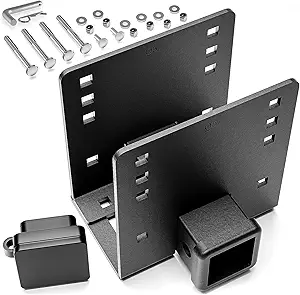 |
| Most Popular A crowd favorite that many people choose with confidence | CURT Class 3 Trailer Hitch 2-Inch Receiver for Mitsubishi Outlander |  |
| Best Seller A high-volume bestseller chosen again and again | CURT Class 3 Trailer Hitch 13163 for Mitsubishi Outlander |  |
1. Draw-Tite 76543 Class 3 Trailer Hitch, 2-Inch Receiver
| Receiver size | 2 in. |
|---|---|
| Maximum Towing Capacity | 3500 Pounds |
| Tongue Weight Rating | 525 Pounds |
| Material Type | Alloy Steel |
| Finish Type | Powder Coated |
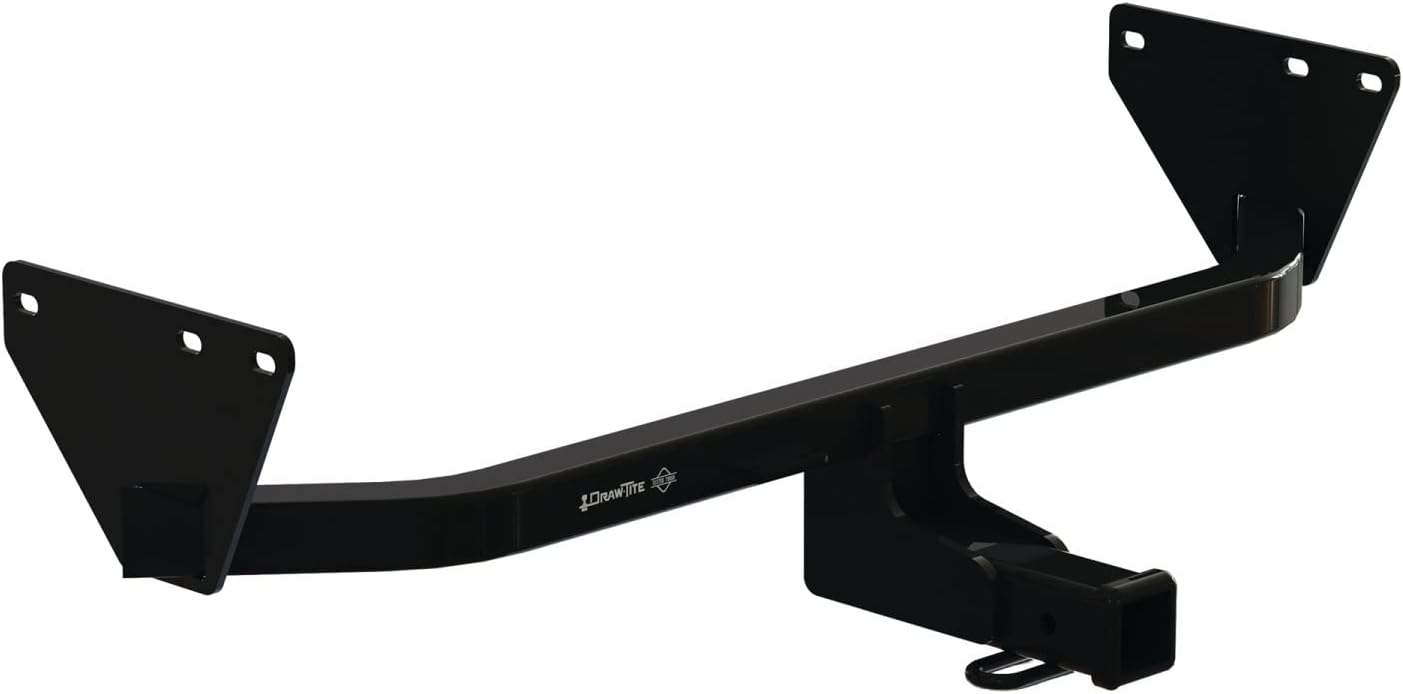
This Draw-Tite 76543 is a custom-fit Class 3 trailer hitch designed for the Mitsubishi Outlander and similar SUVs, providing a 2-inch receiver for common towing accessories. It mounts to the vehicle frame for a clean look and uses all-welded alloy steel with a black powder coat to resist corrosion during regular use. The hitch is rated to 3,500 pounds gross trailer weight and 525 pounds tongue weight, making it suitable for light trailers, bike racks, and cargo carriers. Installation is vehicle-specific but can be awkward alone because the unit is heavy and needs aligning to frame holes; reviewers note it is straightforward with a second person or a lift. The removable ball mount and pin are sold separately, so you will need those to tow. Practical benefits are solid construction, a factory-style fit, and a widely compatible 2-inch receiver size; limitations are the weight and the need for additional towing hardware and basic tools for a secure install.
Best for: Buyers who want a balanced, reliable factory-quality hitch for everyday towing and accessory use and prefer a vehicle-specific fit that blends with the Outlander’s rear end.
Less Ideal for: Drivers who need higher-capacity towing for large trailers or those who want a bolt-on hitch that can be installed single-handedly without lifting assistance should consider other options.
- Vehicle-specific, custom-fit design for a clean, secure attachment
- 2-inch receiver that supports common ball mounts, bike racks, and cargo carriers
- All-welded alloy steel construction with powder coat for durability and corrosion resistance
- 3,500 lb GTW and 525 lb tongue weight ratings suitable for light towing and cargo accessories
- Heavy unit that can be difficult to position alone during installation
- Removable ball mount, pin, and clip are not included
Verdict: A durable, vehicle-specific Class 3 hitch that gives the Mitsubishi Outlander factory-quality towing capability with a standard 2-inch receiver.
2. CURT Class 3 Trailer Hitch 2-Inch Receiver for Mitsubishi Outlander (Model 13566)

| Receiver tube | 2 inches |
|---|---|
| Weight carrying capacity (GTW) | 2,000 lbs |
| Tongue weight (TW) | 200 lbs |
| Material Type | Carbon Steel |
This CURT Class 3 hitch is a custom-fit receiver built for select Mitsubishi Outlander models and intended for everyday towing tasks like small trailers, bike racks and cargo carriers. It installs to the vehicle frame with vehicle-specific mounting points, a powder-coated finish to resist corrosion and a 2-inch receiver tube that accepts standard hitch accessories. The hitch is rated for a 2,000 lb gross trailer weight and 200 lb tongue weight, meeting SAE J684 safety testing, so it covers light-duty towing while staying compact. Installation typically requires basic hand tools and a second person to align and lift the hitch; some reviewers noted limited clearance around the exhaust and the need for a 3/4-inch socket for certain fasteners. The finish and welded construction give confidence in long-term durability, but the capacity is limited to smaller trailers and loads consistent with the Outlander’s towing limits, so it is not for heavy-duty towing tasks.
Best for: Performance-oriented buyers who prioritize a strong, factory-quality tow solution for light towing and regular accessory use on a Mitsubishi Outlander.
Less Ideal for: Do not choose this hitch if you need to tow heavy trailers or carry loads that exceed small SUV towing needs; heavier towing requires a higher-capacity receiver and vehicle modifications.
- Vehicle-specific design for a precise frame-mounted fit
- 2-inch receiver compatible with common hitch accessories
- Powder-coated finish and liquid A-coat for improved corrosion resistance
- Tested to SAE J684 and built from high-strength steel for reliable strength
- Rated for light towing only with a 2,000 lb GTW and 200 lb tongue weight
- Installation can be awkward in tight spaces and may require a helper and specific socket sizes
Verdict: A rugged, vehicle-specific 2-inch Class 3 receiver that delivers factory-quality fit and corrosion-resistant construction for light-duty towing on the Mitsubishi Outlander.
3. YZONA RV 2" Trailer Hitch Receiver, 3,500 lb Capacity

| Material | Carbon Steel |
|---|---|
| Finish Type | Powder Coated |
| Fits Beam Widths | 2 to 4 inches |
| Maximum Towing Capacity | 3500 Pounds |
| Pull Force | 3500 Inch Pounds |
The YZONA RV 2" trailer hitch receiver is a basic, affordable adapter that turns a compatible bumper beam into a usable hitch for light towing and accessory mounts. It installs with included bolts and an adjustable clamp so it can grip bumper beams from 2 to 4 inches wide without welding. In practice you would use it to carry cargo baskets, bike racks, tire carriers, or a small ball mount on an Outlander if the bumper beam and mounting points match. The hitch is built from carbon steel with a powder coat to resist corrosion and the stamped towing ratings list a 3,500 lb gross trailer weight and 350 lb tongue weight. Buyers report solid fit and durability for bikes and cargo but some had to relieve weld beads or modify bolt holes on wider beams for a flush fit. It is not engineered for heavy-duty plowing or high-impact work and a few reviews note lighter gauge metal in certain areas, so stick to rated loads and inspect fitment carefully before towing on a Mitsubishi Outlander.
Best for: Budget-conscious owners who prioritize a low-cost, functional hitch for light towing or accessory carrying on their Mitsubishi Outlander and want a bolt-on solution rather than a custom weld job.
Less Ideal for: Drivers who need a heavy-duty, high-impact hitch for plowing, commercial towing, or carrying very heavy cargo should choose a heavier gauge, dedicated receiver rated above this product.
- Clear stamped ratings for up to 3,500 lb gross trailer weight and 350 lb tongue weight
- Adjustable clamp design fits 2" to 4" bumper beams without welding
- Powder coated carbon steel construction resists corrosion for outdoor use
- Comes with mounting hardware to perform a bolt-on installation
- May require minor trimming or hole relief on some bumper beams to seat fully flush
- Not intended for heavy-impact uses such as plow mounting or extreme towing beyond stated rating
Verdict: A cost-effective, bolt-on 2" receiver for light towing and accessory mounts on compatible Outlander bumper beams, but not for heavy-duty or high-impact use.
4. CURT Class 3 Trailer Hitch 2-Inch Receiver for Mitsubishi Outlander
| Receiver size | 2-inch |
|---|---|
| Gross trailer weight | 3,500 lb |
| Tongue weight | 525 lb |
| Material | Carbon Steel |
| Finish | Co-cured undercoat and powder-coat |
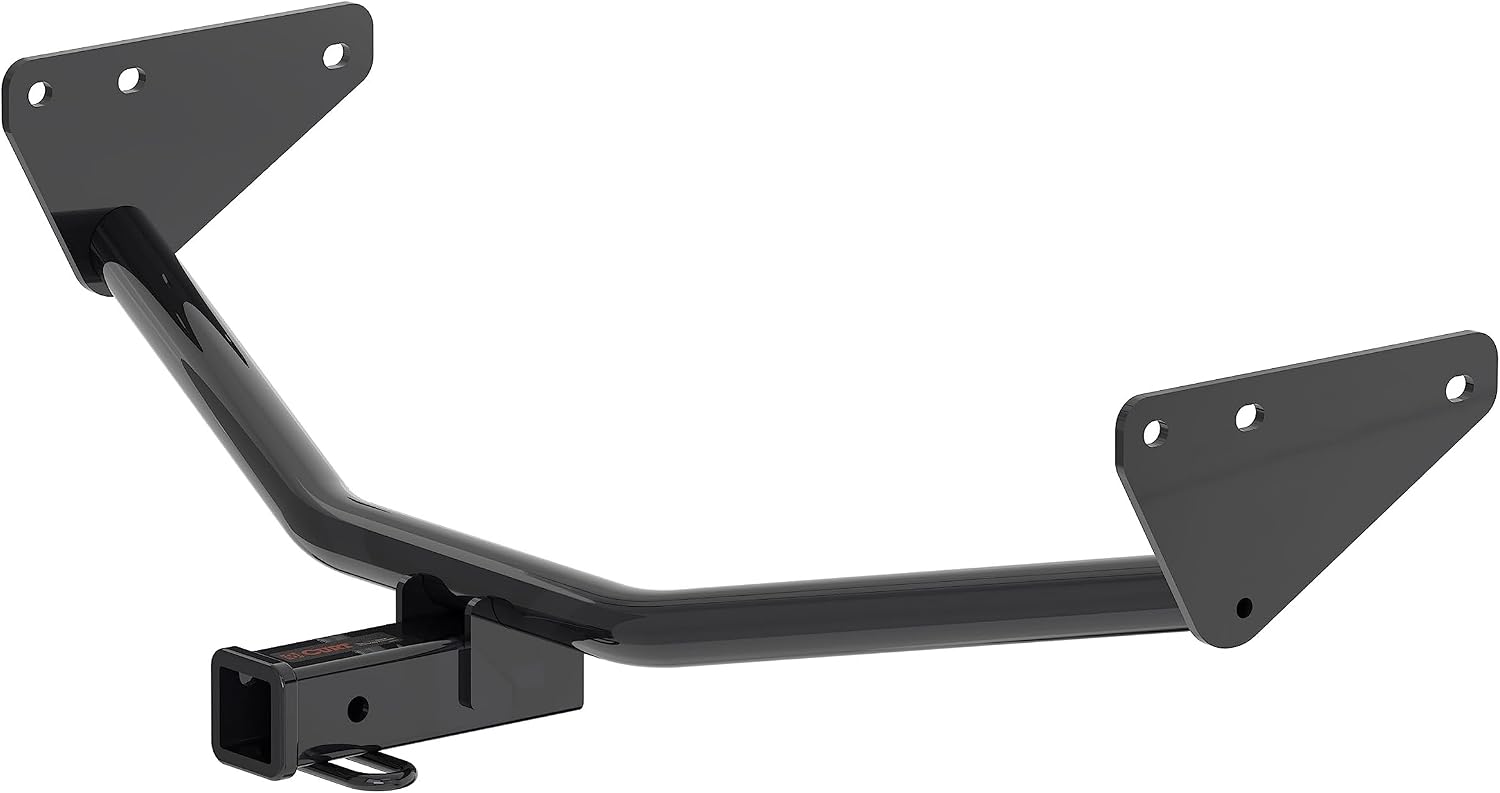
This CURT Class 3 trailer hitch is a custom-fit receiver engineered specifically for select Mitsubishi Outlander models to provide towing capability and discreet integration with the vehicle. It installs to factory mounting points and presents a concealed main body for a near-factory appearance while offering a 2-inch receiver tube for common hitch accessories. Built from carbon steel with a co-cured liquid Bonderite undercoat and powder-coat finish, the design emphasizes durability against rust and chips for long-term use. It is rated for 3,500 lb gross trailer weight and 525 lb tongue weight, making it suitable for small campers, boat trailers, cargo carriers and bike racks within those limits. Buyers should expect a moderately involved DIY install that typically requires basic hand and power tools and a helper or lift for alignment. There is no integrated wiring or ball mount included so plan to add those separately, and towing must always stay within the hitch and vehicle limits.
Best for: Balanced buyers who want a factory-quality, vehicle-specific hitch that offers solid towing capability without altering the Outlander’s appearance and who value long-term durability.
Less Ideal for: Drivers who need high-capacity towing above 3,500 lb or who want a complete plug-and-play kit with wiring and ball mount included should consider alternative solutions.
- Vehicle-specific design for a tight, factory-like fit
- Rated 3,500 lb GTW and 525 lb tongue weight for common light towing tasks
- Durable carbon steel construction with co-cured undercoat and powder-coat finish for corrosion resistance
- Low-profile, concealed main body maintains the Outlander’s rear styling
- Does not include wiring harness, ball mount, or electrical components
- Installation can require effort and tools and may be easier with an assistant
Verdict: A factory-fit, durable Class 3 hitch that gives Mitsubishi Outlander owners reliable 3,500 lb towing capacity while keeping a low-profile, factory appearance.
5. CURT Class 3 Trailer Hitch 13163 for Mitsubishi Outlander

| Receiver tube | 2 inch |
|---|---|
| Material | Carbon Steel |
| Finish Type | Gloss, Powder-Coated |
| Vehicle fit | Mitsubishi Outlander |
The CURT 13163 is a custom-fit Class 3 trailer hitch built for the Mitsubishi Outlander that gives you a 2-inch receiver and towing capacity suitable for small campers, boat trailers, or hitch-mounted racks. It installs using the Outlander mounting points and typically takes one to two people about 30 to 60 minutes depending on access to the muffler and spare-tire area. The hitch is made from high-strength carbon steel with a co-cured liquid undercoat and powder-coat finish for corrosion resistance, and it is tested to SAE towing specs. In practice this means a durable, frame-integrated attachment that handles bikes, cargo carriers, and light trailers without fuss. Expect some heft during installation and occasional scuffs from shipping since the receiver is heavy and the packaging is minimal. The kit includes the hitch hardware but not a ball mount, pin, or clip, so you will need those items separately. For risk-averse buyers the factory-quality fit, proven construction, and clear vehicle-specific design make this a dependable, straightforward upgrade.
Best for: Risk-averse mainstream buyers who prioritize a factory-quality, vehicle-specific hitch that minimizes fitment uncertainty and delivers dependable towing for everyday recreational and utility needs.
Less Ideal for: Shoppers seeking a fully hidden or low-profile dealer-style hitch or those who want an all-in-one package that includes a ball mount and hitch pin should consider alternatives.
- Vehicle-specific design for a precise fit on the Mitsubishi Outlander
- Constructed from high-strength carbon steel with a co-cured undercoat and powder coat finish for corrosion resistance
- 2-inch receiver supports common Class 3 towing uses like bike racks, cargo carriers, and small trailers
- Tested to SAE J684 standards and offers specified GTW and TW ratings for safer towing
- Heavy assembly can require two people and some vehicle disassembly for installation
- Minimal original packaging often leads to scuffs or paint chips on arrival
Verdict: A durable, vehicle-specific Class 3 hitch that gives Outlander owners a reliable 2-inch receiver for everyday towing and hitch-mounted accessories.
Choosing the Right Mitsubishi Outlander Tow Hitch Receiver: Key Factors to Consider
Towing Capacity and Tongue Weight
Towing capacity determines the maximum trailer weight the vehicle can tow safely, while tongue weight sets the vertical load the hitch and rear suspension must carry. Confirming both numbers helps prevent overloads that can compromise braking, steering, and stability.
Pick a receiver whose rated towing capacity aligns with the Outlander's limits and the loads you plan to tow. Matching tongue weight ratings to your trailer and cargo reduces sway risk and protects the hitch, frame, and suspension from premature wear.
Hitch Class and Receiver Size
Hitch class and receiver tube size dictate what ball mounts, cargo carriers, and accessories will fit. Common classes and tube dimensions correspond to different load ranges and accessory compatibility, so knowing the receiver size ahead of time avoids buying incompatible parts.
Consider whether you need a larger receiver for heavy towing or frequent accessory use. Smaller receivers may be lighter and less obtrusive but could limit the types of trailers or attachments you can use safely.
Mounting Method and Installation Complexity
Installation can range from simple bolt-on kits that reuse existing frame holes to options requiring drilling, trimming, or welding. Bolt-on designs typically reduce labor time and make removal or replacement easier, while more invasive installs may require professional tools and skills.
Estimate the time and skill you have available and decide whether you prefer a do-it-yourself install or professional installation. Also consider whether the receiver design requires modifying bumper covers or wiring so you can plan for any additional parts or labor.
Material Quality and Corrosion Resistance
Hitches are exposed to road salts, moisture, and heavy loads, so robust materials and protective finishes matter for longevity. Look for thick steel construction and finishes such as powder coat or rust-resistant plating that hold up to abrasion and weather.
Better corrosion protection reduces maintenance and the chance of structural weakening over time. Inspect how fasteners and welds are treated, since those are common failure points on poorly finished units.
Fitment and Vehicle Integration
A receiver designed to integrate with the Outlander's frame and bumper minimizes trim removal and ensures proper alignment of mounting points. Good fitment reduces stress on attachment hardware and preserves the vehicle's appearance and rear clearance for parking sensors or exhaust outlets.
Verify whether the receiver requires removal of bumper fascia, relocation of sensors, or additional brackets. Receivers that align with factory mounting points usually simplify installation and reduce the risk of interfering with other vehicle systems.
Accessory Compatibility and Wiring
Consider what accessories you will use, such as ball mounts, cargo carriers, bike racks, or trailer wiring harnesses. Some receivers include wiring integration features or pre-drilled plates for electrical connectors, making it easier to set up trailer lights and brakes.
Ensure the chosen receiver offers the clearance and mounting locations you need for preferred accessories. Plan for whether an adapter, wiring module, or additional harness is necessary to connect trailer lights and electric brakes safely.
How We Chose the Best Mitsubishi Outlander Tow Hitch Receiver
We focused on selections that fit the Mitsubishi Outlander and supported typical towing and accessory use cases for this SUV. Key evaluation criteria included rated towing capacity and tongue weight tolerance to ensure safe loads, hitch class and receiver size to match common ball mounts and accessories, ease of installation including bolt-on versus weld-in options, corrosion resistance and material quality for long-term durability, and compatibility with vehicle wiring or trim to minimize modification.We excluded universal or generic designs that required major cutting, welding, or structural modification to the frame. We also filtered out products lacking clear load ratings or manufacturer fitment guidance. The final list favors options that balance straightforward installation, reliable towing specs, and materials suited to road exposure while remaining specific to the Mitsubishi Outlander platform.
Our full evaluation process is outlined in our review methodology.
FAQ
How do I confirm a hitch receiver fits my Mitsubishi Outlander?
Check the receiver's stated vehicle fitment and mounting points against your Outlander model year and trim. Look for installation instructions or bolt patterns that match factory holes. If documentation is unclear, contact the manufacturer or consult a professional installer to avoid fitment issues.
Can I install a tow hitch receiver myself?
Many receivers are designed for bolt-on installation and can be fitted by a competent DIYer with basic hand tools and a jack. More involved installs that require drilling, welding, or bumper trimming are best left to professionals. Factor in time, tools, and comfort with vehicle modifications before attempting installation.
What hitch class should I choose for light towing with an Outlander?
For lighter trailers and typical cargo carriers, a lower-rated hitch class and smaller receiver size may be adequate. Match the hitch class to your trailer's gross trailer weight and tongue weight rather than choosing solely by the receiver's appearance. Always stay within both the hitch and vehicle's rated limits.
Do I need a wiring harness when adding a receiver hitch?
If you plan to tow a trailer with lights or brakes, you will need the appropriate wiring to connect signals and power. Some receivers are designed to accommodate factory wiring harnesses or aftermarket modules. Verify whether your Outlander requires a dedicated harness or if an adapter can be used.
How can I prevent rust on a hitch receiver?
Choose a receiver with a durable finish such as powder coat or corrosion-resistant plating and keep fasteners tight. Periodically inspect the hitch, clean off road salt and grime, and touch up exposed metal with rust-resistant paint. Applying a thin layer of lubricant on moving parts can also reduce corrosion.
Conclusion
Prioritize a receiver that matches the Mitsubishi Outlander's towing and tongue weight requirements while offering a mounting method you can install or have installed without excessive modification. Balance material durability and corrosion protection against installation complexity and accessory needs.Deciding factors like hitch class, receiver size, and fitment integration will determine what accessories and trailers you can use safely. Focus on clear load ratings, straightforward installation, and proven corrosion protection to get the most reliable everyday towing performance.
Explore More:
- Check out all Mitsubishi Outlander parts & accessories
- Explore Exterior Accessories
- Browse all Accessories
