

Note: This article contains affiliate links. If you click on these links and make a purchase, I may earn a small commission at no extra cost to you. This helps support my research and content. Read my full affiliate disclosure here.
Picking the right tires for your Hyundai Sonata matters for safety, ride comfort, and fuel economy. The wrong choice can reduce traction in wet or cold conditions and shorten tire life, while the right tire improves braking, cornering, and noise levels. This guide highlights a curated shortlist of seven top options for Hyundai Sonata tires, chosen for balance across common driving needs.We evaluated candidates for real-world performance and durability, with a focus on wet traction, treadwear, ride comfort, and fitment. Read on to see which tire attributes matter most and which contenders made the cut.
Looking for other parts? See all Hyundai Sonata parts & accessories.
Top Picks at a Glance
| Best Overall The best all-around choice for most situations | Fullway HP108 215/60R16 All-Season Radial Tire (Set of 4) |  |
| Best Quality Built to a higher standard if you want something more solid | MICHELIN Defender2 All-Season Tire — 235/65R17 104H | 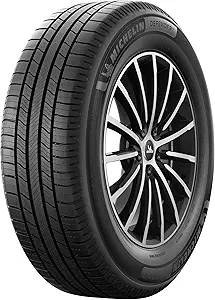 |
| Best Value The sweet spot between price and what you get | TRAVELSTAR UN99 All-Season Tire 215/65R16 (Set of 2) |  |
| Best Budget The cheapest option that still gets the job done reliably | Hankook Kinergy ST H735 All-Season Tire 205/65R16 95H |  |
| Highest Rated A top-rated pick with lots of positive feedback | Kumho Solus TA31 All-Season Tire (215/55R17 94V) |  |
| Most Popular A crowd favorite that many people choose with confidence | Pirelli P Zero All Season 215/55R17 Performance Tire |  |
| Best Seller A high-volume bestseller chosen again and again | Forceum Octa All-Season Performance Tire — 205/55R16 (set of 4) |  |
Fullway HP108 215/60R16 All-Season Radial Tire (Set of 4)

| Size | 215/60R16 |
|---|---|
| Construction Type | Radial |
| Load Range | XL |
| UTQG | Treadwear 380, Traction A, Temperature A |
| Tread Type | Asymmetrical |
The Fullway HP108 215/60R16 is an all-season radial tire aimed at drivers who want reliable everyday performance on a budget. For Hyundai Sonata owners, this size is a common factory fit and these tires deliver a quiet, comfortable ride with an asymmetrical tread pattern designed to help with wet traction and stability. The tire carries an XL load rating and a UTQG of 380/AA, which suggests good treadwear and strong traction and temperature resistance for typical commuting and longer road trips. Users report balanced ride quality and consistent wear after several thousand miles, and the construction and tread depth are tuned for touring and performance on paved roads. Limitations to note are that this is an economical brand rather than a premium nameplate, so extreme handling, high-speed performance, or winter-ice grip will not match top-tier performance tires. Expect good value for routine driving but consider a specialized tire if you need maximum wet braking, snow capability, or spirited handling on a Sonata.
Best for: Balanced all-round buyers who prioritize a comfortable, durable daily tire for a Hyundai Sonata and want the best value across commuting, highway cruising, and occasional road trips.
Less Ideal for: Drivers who demand high-performance cornering, maximum wet braking, or specialized winter traction should opt for a premium summer or dedicated winter tire instead.
- Asymmetrical tread and all-season design provide confident wet traction and a quiet highway ride.
- UTQG 380 treadwear and A/A traction/temperature ratings indicate above-average longevity for everyday use.
- XL load rating gives added load capacity for a stable feel on midsize sedans like the Sonata.
- Multiple user reports of balanced performance and consistent wear on long road trips.
- Economy brand construction means handling and extreme-condition performance lag behind premium tires.
- Not optimized for severe winter conditions or ice compared with dedicated winter tires.
Verdict: A cost-conscious all-season tire that gives Hyundai Sonata drivers a quiet, durable daily ride while sacrificing the peak performance of premium options.
MICHELIN Defender2 All-Season Tire — 235/65R17 104H

| Rim Size | 17 Inches |
|---|---|
| Load Index | 104 |
| Speed Rating | H |
| Seasons | Year Round |
| Construction Type | Radial |
The MICHELIN Defender2 is a long-wearing all-season touring tire engineered for confident daily driving on sedans such as the Hyundai Sonata. It uses a symmetrical tread with locking 3-D sipes to increase biting edges for improved wet and dry braking and consistent handling in mixed conditions. The tire is intended for universal fit on passenger cars and provides factory-quality construction with a 104 load index and H speed rating suitable for typical Sonata driving. Michelin highlights extended tread life backed by an 80,000-mile manufacturer treadwear limited warranty, which makes it attractive for drivers who prioritize longevity and low replacement frequency. On the downside, the Defender2 is a touring-focused tire so it favors comfort and durability over sportier high-speed cornering or track performance; buyers who want maximum grip in aggressive driving will prefer performance tires. Overall the Defender2 is a quiet, comfortable option that trades peak cornering for long service life and reliable all-season traction on a Sonata-sized vehicle.
Best for: Performance-oriented buyers who prioritize high-quality, long-lasting tires and confident all-season braking for everyday driving and highway miles.
Less Ideal for: Drivers seeking maximum track or aggressive spirited handling should choose a dedicated performance tire instead of this touring-focused model.
- Long manufacturer-backed tread life and 80,000-mile treadwear limited warranty
- Symmetrical tread with 3-D sipes for improved wet and dry stopping performance
- Designed for a comfortable, quiet ride suited to daily highway and city driving
- Touring-focused compound and tread design prioritize wear and comfort over extreme cornering grip
Verdict: Buy the Michelin Defender2 if you want a factory-quality all-season tire that delivers exceptional tread life and reliable wet and dry stopping for Sonata daily driving.
TRAVELSTAR UN99 All-Season Tire 215/65R16 (Set of 2)

| Size | 215/65R16 98H |
|---|---|
| Seasons | Year Round |
| Tread Depth | 9.8 32nds |
| Load Capacity | 1653 Pounds |
| Maximum Pressure | 44 Pound per Square Inch |
The TRAVELSTAR UN99 is an all-season passenger tire sold as a set of two intended for everyday driving on paved roads. It uses a non-directional tread with four wide circumferential grooves to channel water and reduce hydroplaning risk, and the center rib is designed to sharpen steering response and cornering stability. Buyers will notice a quiet ride thanks to the optimized pitch design and reviewers report smooth, comfortable handling on typical commutes. The tire carries a 50,000-mile limited treadwear promise plus a three-year road hazard warranty and a five-year limited manufacturer warranty, which provides extra reassurance for value-oriented buyers. Limitations include its 4-ply construction and a speed rating of H, which make it suitable for standard highway driving but not for high-performance or aggressive spirited driving. Also the listed size 215/65R16 must match the vehicle's recommended tire size for proper fit and handling.
Best for: Practical optimizers looking for an affordable, reliable all-season tire that prioritizes quiet daily driving and long tread life for a Sonata-sized sedan.
Less Ideal for: Drivers who prioritize high-speed handling, track use, or require specific performance tire characteristics should consider higher-performance alternatives.
- All-season M+S rating and four wide grooves for dependable wet traction and reduced hydroplaning
- Optimized pitch and center rib design for a quieter ride and improved steering response
- 50,000-mile limited treadwear warranty plus three-year road hazard protection and five-year limited warranty
- Sold as a two-pack, simplifying partial replacements and delivering clear value
- 4-ply construction and H speed rating limit suitability for high-speed performance driving
- Available only in the listed size, so wheel/tire compatibility must be confirmed before purchase
Verdict: A cost-conscious, quiet all-season tire with long tread warranty that suits everyday Sonata driving but not high-performance use.
Hankook Kinergy ST H735 All-Season Tire 205/65R16 95H

| Size | 205/65R16 |
|---|---|
| Load Index | 95 |
| Speed Rating | H |
| Seasons | Year Round |
| Tread Depth | 10 32nds |
The Hankook Kinergy ST H735 is an all-season touring tire meant for everyday passenger use and is sized 205/65R16 to fit many Hyundai Sonata trims that accept 16-inch wheels. It provides predictable dry and wet grip, a quiet comfortable ride, and a tread depth and compound tuned for long mileage, which makes it a sensible replacement when you want to stretch tire dollars without stepping down to unknown no-name brands. Typical use is commuter and highway driving where stability at H speed rating and resistance to wear matter more than track performance. Notable features in the listing include a road hazard warranty, a non-directional tread for easy rotation, and a 95 load index that supports typical Sonata loads. Downsides are that it is not a dedicated winter tire so snow/ice performance will be limited compared with winter-specific rubber, and highly spirited driving will expose its touring-oriented limits. For Sonata owners seeking an affordable, factory-quality replacement that prioritizes comfort and longevity, it delivers solid real-world value.
Best for: Budget-conscious buyers who prioritize low cost of ownership and a comfortable, reliable tire for daily commuting on a Hyundai Sonata.
Less Ideal for: Drivers who need strong winter traction or pursue high-performance handling should choose a specialized winter or performance tire instead.
- Designed for everyday commuting with a comfortable, quiet ride
- All-season tread for reliable wet and dry traction in varied conditions
- Non-directional tread allows simple rotation patterns to extend life
- 95 load index and H speed rating match common Hyundai Sonata requirements
- Long mileage focus for lower replacement frequency
- Not intended for severe winter driving on snow and ice
- Performance limited for aggressive or performance-oriented driving
Verdict: A budget-friendly, factory-quality all-season tire that gives Hyundai Sonata owners comfortable daily driving and long mileage at a modest cost.
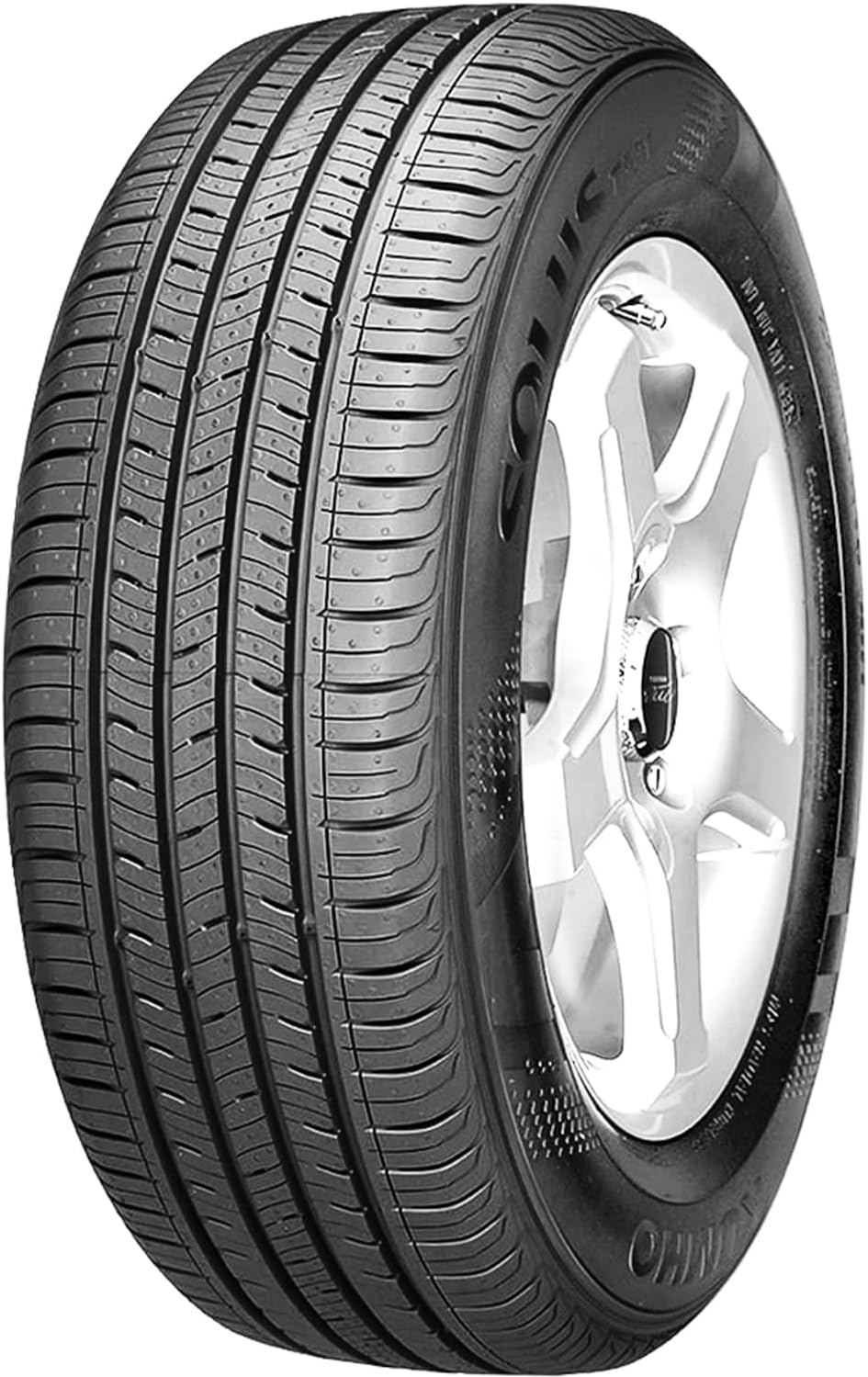
Kumho Solus TA31 All-Season Tire (215/55R17 94V)
| Size | 215/55R17 94V |
|---|---|
| Seasons | Year Round |
| Tread Type | Symmetrical |
| Load Capacity | 1477 Pounds |
| Maximum Pressure | 44 Pound per Square Inch |
The Kumho Solus TA31 is an all-season touring tire tuned for comfort and steady wear on midsize sedans like the Hyundai Sonata. It is typically used as a direct replacement for factory-sized 215/55R17 tires, offering a symmetric tread, siping and four circumferential grooves to channel water and reduce hydroplaning risk. Drivers report a quiet, low-vibration ride and good tread life, so it suits daily commuting and highway miles where comfort and reliability matter. The V speed rating and 94 load index match common Sonata requirements, and the compound is balanced toward mileage rather than aggressive grip, which helps reduce rolling resistance and noise. Expect predictable wet traction and longer service between rotations, but do not expect high-performance handling or snow-specific capability in severe winter conditions. Shipping and packaging reports vary, so inspect delivered tires for scuffs before installation. For Sonata owners prioritizing dependable, comfortable all-season performance, this is a practical factory-replacement choice.
Best for: Reliability-focused buyers who prioritize a quiet, comfortable ride and long tread life for regular commuting and highway driving in a Hyundai Sonata.
Less Ideal for: Drivers who need winter-specific performance or aggressive handling for spirited driving should choose a specialized winter or performance tire instead.
- Designed for quiet, comfortable highway and city driving
- Symmetric tread with four grooves and sipes improves water evacuation and wet traction
- Balanced compound aimed at extended tread life and lower rolling resistance
- Matches common Sonata 215/55R17 factory replacement sizing and load/speed ratings
- Not optimized for heavy snow or aggressive sporty driving
- Manufacturer lists no warranty
Verdict: A practical, comfort-oriented all-season replacement for Hyundai Sonata owners seeking reliable wet traction and long wear rather than high-performance handling.
Pirelli P Zero All Season 215/55R17 Performance Tire

| Size | 215/55R17 94V |
|---|---|
| Tread Depth | 9 32nds |
| Maximum Pressure | 51 PSI |
| Construction Type | Radial |
| UTQG | 500AA |
The Pirelli P Zero All Season is aimed at drivers who want sportier handling without sacrificing daily comfort. It uses a ribbed, symmetrical tread with nanofiller and race-derived carbon black to sharpen steering response and maintain grip in wet and dry conditions. The tread pattern includes circumferential grooves to evacuate water and inner winter siping to help light snow traction, while a variable pitch sequence reduces cabin noise for quieter highway miles. Typical use is on midsize sedans with 17-inch wheels where responsive cornering and a smooth ride are priorities. Practical benefits include confident wet grip, reduced road noise, and a composed feel through turns. Limitations to consider are that aggressive drivers may find grip falls off in heavy snow or very wet emergency maneuvers and long-term tread hardness reported by some users can reduce wet performance as the tire wears. Also, this size may have shorter wear life than harder-compound touring tires if driven hard consistently.
Best for: Convenience-driven buyers who prioritize a quiet, comfortable ride with responsive handling for daily commuting and highway cruising on a Hyundai Sonata.
Less Ideal for: Drivers who frequently encounter deep snow, long winter storms, or who prioritize maximum tread life over handling should consider a dedicated winter or touring tire instead.
- Sport-oriented tread and compound deliver sharper steering response and good dry grip.
- Circumferential grooves and inner siping improve wet evacuation and light snow traction.
- Variable pitch tread design helps keep interior noise low for comfortable highway driving.
- Available technologies on select sizes such as RunFlat and sealant options increase convenience and peace of mind.
- May lose some wet/snow edge as tread hardens toward end of life for heavy-mile drivers.
- Focused on performance so it can wear faster than harder touring tires under spirited driving.
Verdict: A good match for Sonata owners who want quiet, comfortable daily driving with sporty handling, but not the best choice for severe winter conditions or drivers seeking maximum tread longevity.
Forceum Octa All-Season Performance Tire — 205/55R16 (set of 4)

| Size | 205/55R16 |
|---|---|
| Tread Type | Asymmetrical |
| Construction Type | Radial |
| Load Range | XL |
| Unit Count | 4.0 Count |
The Forceum Octa is an all-season, asymmetrical passenger tire sold as a set of four and aimed at drivers who want competent handling without a premium brand price. Its tread features three center ribs for steering stability, circumferential grooves to channel water and an outer shoulder design for improved cornering, which makes it suitable for everyday driving on Hyundai Sonata models that accept 205/55R16 fitment. Typical use is street driving through wet and dry conditions where predictable braking and reduced hydroplaning are priorities. Buyers report a quiet, stable ride and good value; the tire’s XL load range increases load capability compared with standard passenger tires. Limitations include that it is a value brand rather than a long-established premium maker and long-term treadwear and high-speed durability data are limited, so owners seeking maximum mileage warranty or track-level performance should consider alternatives. Fitment must match the Sonata trim that specifies 205/55R16 tires.
Best for: Risk-averse mainstream buyers who prioritize predictable, all-season street performance and value when fitting a Hyundai Sonata that uses 205/55R16 tires.
Less Ideal for: Drivers who demand premium-brand longevity, extended mileage warranties, or track/high-performance driving should consider higher-end replacement tires instead.
- Asymmetrical tread with center ribs improves steering response and stability on regular roads.
- Circumferential grooves help disperse water and reduce hydroplaning risk in wet conditions.
- Sold as a four-pack which simplifies replacing all four tires at once for consistent handling.
- XL load range gives added load capacity over standard passenger tires.
- From a value-oriented brand so long-term treadwear and high-speed durability data are less established.
- No manufacturer mileage warranty or detailed longevity specs provided in the listing.
Verdict: A cost-conscious all-season choice for Hyundai Sonata drivers seeking balanced wet/dry performance and a quiet ride, but without premium-brand longevity guarantees.
Choosing the Right Hyundai Sonata Tires: Key Factors to Consider
Tire Size And Fitment
Correct tire size is essential for proper handling, speedometer accuracy, and safety. Using the manufacturer-specified size maintains the designed suspension geometry and ensures load ratings align with the vehicle. If you change rim diameter or tire profile, you should confirm overall diameter and load capacity to avoid negative effects on handling or clearance.
Fitment also affects ride and steering response. Lower-profile tires may sharpen cornering but can increase road noise and harshness, while taller sidewalls often yield a more comfortable ride. Always reference the vehicle's tire placard or owner manual and follow recommended load ratings.
Tread Pattern And Wet Traction
Tread design drives water evacuation and resistance to hydroplaning, which matters for safety in rain. Asymmetric and directional patterns often emphasize channels and grooves that move water away from the contact patch, improving wet braking and cornering. Consider the balance between wet-weather bite and dry-road stability based on where you drive most often.
Sipes and small biting edges boost traction on slick surfaces but can increase tread wear on some compounds. Look for tread designs rated for effective wet braking and consider user reports or manufacturer wet-stopping metrics when evaluating options.
Treadwear Rating And Longevity
Treadwear expectations affect long-term ownership cost and convenience. Tires with harder compounds or conservative tread designs typically last longer but may compromise ultimate grip. Conversely, softer performance-focused compounds can provide superior handling at the expense of quicker wear.
Consider the manufacturer's treadwear grade as a baseline and weigh it against warranty coverage and real-world reviews. Your driving style, local road conditions, and maintenance habits will strongly influence actual tread life.
Seasonal Performance And Climate
Match the tire compound and design to the climate you encounter. All-season tires aim to provide usable performance across a range of temperatures, while dedicated winter tires use softer rubber and specialized tread to remain pliable and grip on snow and ice. Summer-focused tires typically deliver better dry and wet handling in warm conditions but lose traction in cold weather.
If you face regular below-freezing temperatures or significant snowfall, prioritize winter-rated tires during those months. In milder climates, a high-quality all-season tire can offer a good compromise between safety and convenience.
Ride Comfort And Noise
Tire construction, compound, and tread design influence cabin noise and ride harshness. Tires built for comfort often feature optimized tread blocks, sound-absorbing features, and sidewall designs that cushion impacts. Noise levels matter for long commutes or highway driving where constant hum can become fatiguing.
Performance-oriented tires may prioritize steering feel over comfort and can transmit more road harshness. Consider your typical drive length and surface conditions when balancing noise and responsiveness.
Handling And Steering Response
The tire's stiffness, tread compound, and contact patch shape determine steering precision and cornering stability. Stiffer sidewalls and more aggressive tread compounds tend to reduce flex under load, improving feedback and control during quick maneuvers. This matters if you value confident handling on twisty roads or during emergency avoidance.
Keep in mind that enhancing handling can affect ride comfort and treadwear. Decide which attributes you prioritize and seek tires that strike the right compromise for daily driving versus occasional spirited use.
Understanding the Tire Sidewall on Your Hyundai Sonata
The numbers and letters stamped on a tire sidewall tell you everything you need to match replacement Hyundai Sonata tires to the vehicle. Decoding size, load index, and speed rating helps ensure the right fit and safe operation. Familiarity with these markings makes it easier to verify fitment when shopping or reading a tire size guide.
For Sonata owners, focus on the factory-recommended size and the load index that supports the vehicle curb weight plus passengers and cargo. The speed rating indicates the maximum speed the tire is engineered for and should not be downgraded without understanding the trade offs for handling and comfort.
- Tire size format: width/profileRdiameter (for example, 225/45R17).
- Load index: a number that maps to maximum load capacity.
- Speed rating: a letter indicating maximum safe speed for the tire.
- DOT and manufacture date: four-digit code showing week and year of production; avoid tires older than six years.
Seasonal Care and Swapping for Better Year-round Performance
If you drive your Hyundai Sonata through distinct seasons, swapping between seasonal sets can deliver safer traction and better braking. Use winter-specific tires in cold months and summer or all-season options when temperatures rise. Proper storage and a timely swap preserve tire life and optimize performance.
When planning a swap, inspect each tire for uneven wear, sidewall damage, and remaining tread depth. Store the off-season set upright in a cool, dry place away from direct sunlight and sources of ozone such as electric motors.
- Switch to winter tires before temperatures consistently drop below 45 degrees Fahrenheit for improved grip.
- Label wheels and record rotation positions to make reinstallation straightforward.
- Check pressure after swap and again after about 50 miles to account for seating and temperature changes.
Rotation, Balancing, and Alignment: Maintaining Even Wear
Routine maintenance keeps Hyundai Sonata tires wearing evenly and extends service life. Regular rotation redistributes wear, balancing prevents vibration, and alignment ensures the tires contact the road properly. Together these services protect tread life and support predictable handling.
Most shops recommend rotating tires every 5,000 to 7,500 miles, but follow your Sonata owner manual for the best interval. If you notice vibration, pulling to one side, or rapid edge wear, have tire balancing and alignment checked promptly to avoid accelerated replacement.
- Rotate tires at recommended intervals or with every oil change for convenience.
- Have wheels balanced when you install new tires or if you experience steering vibration.
- Check alignment annually or whenever you hit a curb or pothole hard.
Recognizing when to Replace Hyundai Sonata Tires
Knowing how often to replace tires depends on driving habits, conditions, and how well they have been maintained. Rather than a fixed calendar interval, replace tires when tread depth, structural damage, or age compromise safety. Regular inspections help you spot problems early.
Use simple visual and physical checks such as the tread wear indicators and the penny test to gauge remaining tread. If you notice cracking in the sidewall, bulges, or tread separation, replace the tire immediately to avoid a failure while driving.
- Tread wear indicators become flush with the tread surface at the legal minimum. Replace before reaching this point for optimal wet traction.
- If tread depth falls below 4/32 inch and you drive in wet or winter conditions, plan to replace soon.
- Replace tires older than six to ten years regardless of tread if they show signs of aging.
How Tires Affect Fuel Economy, Comfort, and Braking for the Sonata
Tire choice and condition influence Hyundai Sonata fuel economy, ride comfort, and stopping distances. Lower rolling resistance tires can improve MPG modestly but may change ride firmness. Conversely, tires focused on wet grip can slightly increase rolling resistance but shorten braking distances in adverse conditions.
Maintaining proper inflation and avoiding excessive loads are the easiest ways to protect economy and braking performance. Underinflation increases rolling resistance and heat build up, which accelerates wear and reduces fuel efficiency.
- Check pressures monthly and adjust to the vehicle manufacturer recommendation on the door placard.
- Avoid overloading the vehicle to prevent premature wear and poor fuel economy.
- Consider the trade offs between comfort, noise, and efficiency when selecting tires for daily driving.
Upgrading Tires on Your Sonata: Performance and Practical Trade Offs
Some Sonata owners consider upgraded tires to sharpen handling or improve wet and dry grip. Performance-oriented tires can enhance cornering and steering response, but they often wear faster and may produce more road noise. Choose upgrades that match how you use the vehicle to balance longevity and driving feel.
If you prioritize crisp handling for spirited driving, select tires with a performance focus while accepting shorter tread life. For most daily driving, a well-rated all-season tire provides a balanced mix of traction, comfort, and durability.
- Match upgrades to typical driving: highway commuters prioritize comfort and low rolling resistance, while enthusiastic drivers may accept trade offs for improved grip.
- Stick to manufacturer-approved sizes unless you consult a professional for wheel and suspension changes.
- After upgrading, recheck alignment and balance to get the best performance from new tires.
How We Chose the Best Hyundai Sonata Tires
We screened a wide range of tires to find seven options that suit the Hyundai Sonata platform and typical driving patterns. Our evaluation prioritized wet- and dry-weather traction, treadwear estimates, comfort and noise levels, and compatibility with common Sonata wheel sizes. We also considered ride quality over potholes and responsiveness during everyday maneuvers.Additional selection filters included load capacity appropriate for midsize sedans, availability of common tire sizes used on the Sonata, and manufacturers with documented warranty and wear-rating information. We excluded tires intended exclusively for heavy-duty trucks, off-road use, or race-only applications that do not match the Sonata's weight and performance envelope. The final list focuses on balanced choices that address safety, longevity, and daily driving comfort.
Our full evaluation process is outlined in our review methodology.
FAQ
How do I know what tire size my Hyundai Sonata needs?
Check the tire placard on the driver's door jamb or the owner's manual for the factory-recommended sizes. You can also read the sidewall of your current tires for the stamped size code. Matching the recommended size helps preserve handling, clearance, and accurate speedometer readings.
Are all-season tires adequate if I experience occasional snow?
All-season tires provide balanced performance across a range of conditions and can handle light, infrequent snow. However, they usually do not match the traction of dedicated winter tires in sustained freezing temperatures or heavy snowfall. For regular cold-weather driving, winter tires remain the safer choice.
How often should I replace my Sonata's tires?
Replacement frequency depends on driving habits, road conditions, and tire maintenance. Many owners replace tires every 3 to 6 years or when tread depth approaches the legal or safety threshold. Regular inspections for uneven wear and checking tread depth help determine the right time to replace them.
What does a tire's treadwear rating mean?
A treadwear rating is a relative number that estimates how long a tire's tread may last compared with a control standard. Higher numbers suggest longer potential life, but actual wear depends on driving style, road surfaces, and maintenance. Use the rating as one factor alongside warranties and real-world feedback.
Do I need balancing and alignment after installing new tires?
Yes, balancing and a wheel alignment are usually recommended after installing new tires. Proper balancing prevents vibration and premature wear, while alignment ensures the tires track correctly and wear evenly. Skipping these services can reduce tire life and affect handling.
Can I mix different tire types on my Sonata?
Mixing tire types across the vehicle can lead to uneven handling and unpredictable traction, especially in adverse conditions. It is generally best to fit identical tires on the driven axle at a minimum and ideally all four tires should match in type, tread pattern, and wear level for consistent performance.
Final Verdict
Choosing tires for a Hyundai Sonata is about balancing safety, comfort, and longevity. Prioritize correct fitment and wet-weather performance if you drive in rain frequently, or consider dedicated winter rubber if you face sustained cold and snow. Weigh tradeoffs between tread life, noise, and handling to find the best match for your driving habits.Regular maintenance, including rotations, balancing, and periodic alignment checks, will help you get the expected life from any tire choice and maintain consistent handling and braking performance.
Explore More:
- Check out all Hyundai Sonata parts & accessories
- Explore Tires Maintenance & Repair Guides
- Explore Wheels & Tires
- Browse all Auto Parts
