

Note: This article contains affiliate links. If you click on these links and make a purchase, I may earn a small commission at no extra cost to you. This helps support my research and content. Read my full affiliate disclosure here.
Finding the right tires for a Honda Civic Sport matters more than many owners expect. The Sport uses a firmer chassis setup and lower-profile tires, so the wrong choice can reduce grip, comfort, and lifespan. Whether you drive daily in mixed weather or push the car on spirited weekend runs, choosing tires that match your driving style and local conditions will improve safety and handling.This guide covers a shortlist of the top seven tire options for the Civic Sport and explains the key criteria used to evaluate them, including wet and dry traction, treadwear expectations, ride comfort, and compatibility with the Sport configuration. Read on to see how each type addresses common Civic Sport needs before you inspect individual product details below.
Looking for other parts? See all Honda Civic parts & accessories.
Top Picks at a Glance
| Best Overall The best all-around choice for most situations | MICHELIN Pilot Sport All Season 4 Performance Tire (235/40ZR18 95Y XL) |  |
| Best Quality Built to a higher standard if you want something more solid | Yokohama Advan Sport A/S+ 205/55R16 91W All-Season Performance Tire |  |
| Best Value The sweet spot between price and what you get | Milestar MS932 Sport All-Season Radial Tire — 205/55R16 91V |  |
| Best Budget The cheapest option that still gets the job done reliably | Cosmo MuchoMacho 225/50ZR17 XL All-Season High-Performance Tire |  |
| Highest Rated A top-rated pick with lots of positive feedback | MICHELIN Pilot Sport 4S 235/40ZR18 (95Y) XL — performance summer tire (single) |  |
| Most Popular A crowd favorite that many people choose with confidence | Lexani LXUHP-207 225/40R18 Ultra High Performance Summer Tire |  |
| Best Seller A high-volume bestseller chosen again and again | Fullway HP108 All-Season Performance Tire — 205/55R16 (single) |  |
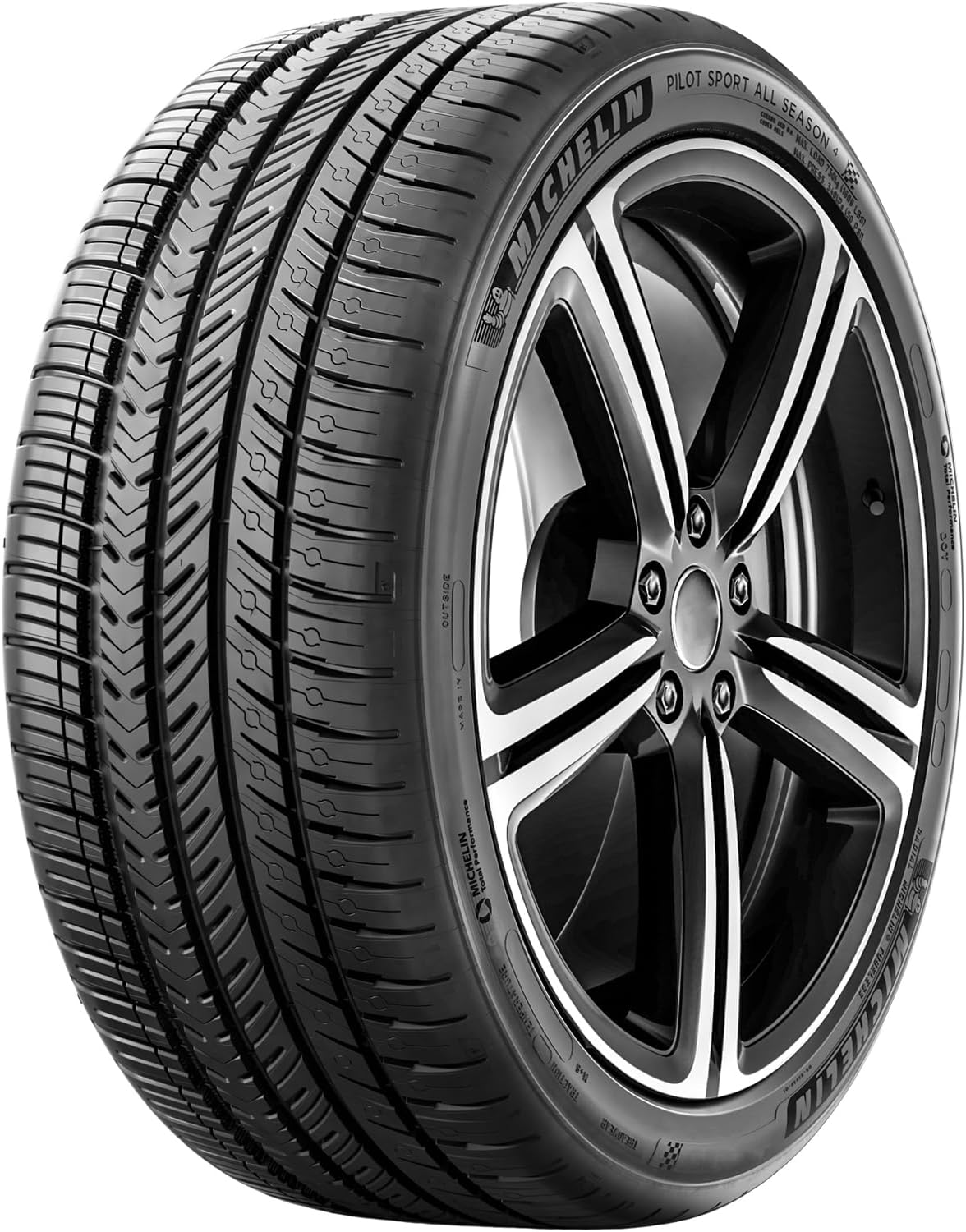
1. MICHELIN Pilot Sport All Season 4 Performance Tire (235/40ZR18 95Y XL)
| Size | 235/40ZR18/XL 95Y |
|---|---|
| Tread Type | Asymmetrical |
| Construction Type | Radial |
| Load Capacity | 1521 Pounds |
| UTQG | 540AAA |
The Michelin Pilot Sport All Season 4 is a performance-oriented all-season tire engineered for drivers who want confident handling in mixed conditions. It uses an Extreme Silica+ compound plus Helio+ technology and a 360 degree variable sipe design to improve wet grip and biting edges for light snow, while an asymmetric tread and Dynamic Response Technology help maintain steering precision for spirited driving. Typical use is on sporty compact and midsize cars where drivers expect sharp cornering, shorter braking distances, and a quieter ride than track-focused tires. Notable benefits are stronger wet and snow traction relative to older Michelin A/S models and claimed longer tread life than several competitors. Trade-offs include its performance focus, which can mean a firmer ride and higher cost versus budget all-season tires, and some users report variable wear life depending on driving style. Overall it is a solid choice if you prioritize year-round grip and handling from a premium brand.
Best for: Drivers who want a balanced, year-round tire that emphasizes handling and wet-weather confidence while still offering reasonable tread life for everyday driving on sporty compact cars.
Less Ideal for: Drivers whose top priorities are the lowest possible cost, the softest ride, or maximum winter-only traction should consider more budget or winter-specific options instead.
- Designed for all-season performance with improved wet braking and increased snow traction over previous Michelin A/S models
- Asymmetric tread and Dynamic Response Technology deliver precise steering and stable cornering
- Extreme Silica+ compound and 360 degree sipes enhance grip in wet and cold conditions
- Manufacturer claims improved tread life versus several leading competitors
- Premium price and firmer ride compared with economy all-season tires
- Tread life can vary by vehicle and driving style, with some users reporting faster wear
Verdict: Choose the Pilot Sport All Season 4 when you want a premium, year-round performance tire that prioritizes wet grip and handling for a sporty daily driver.
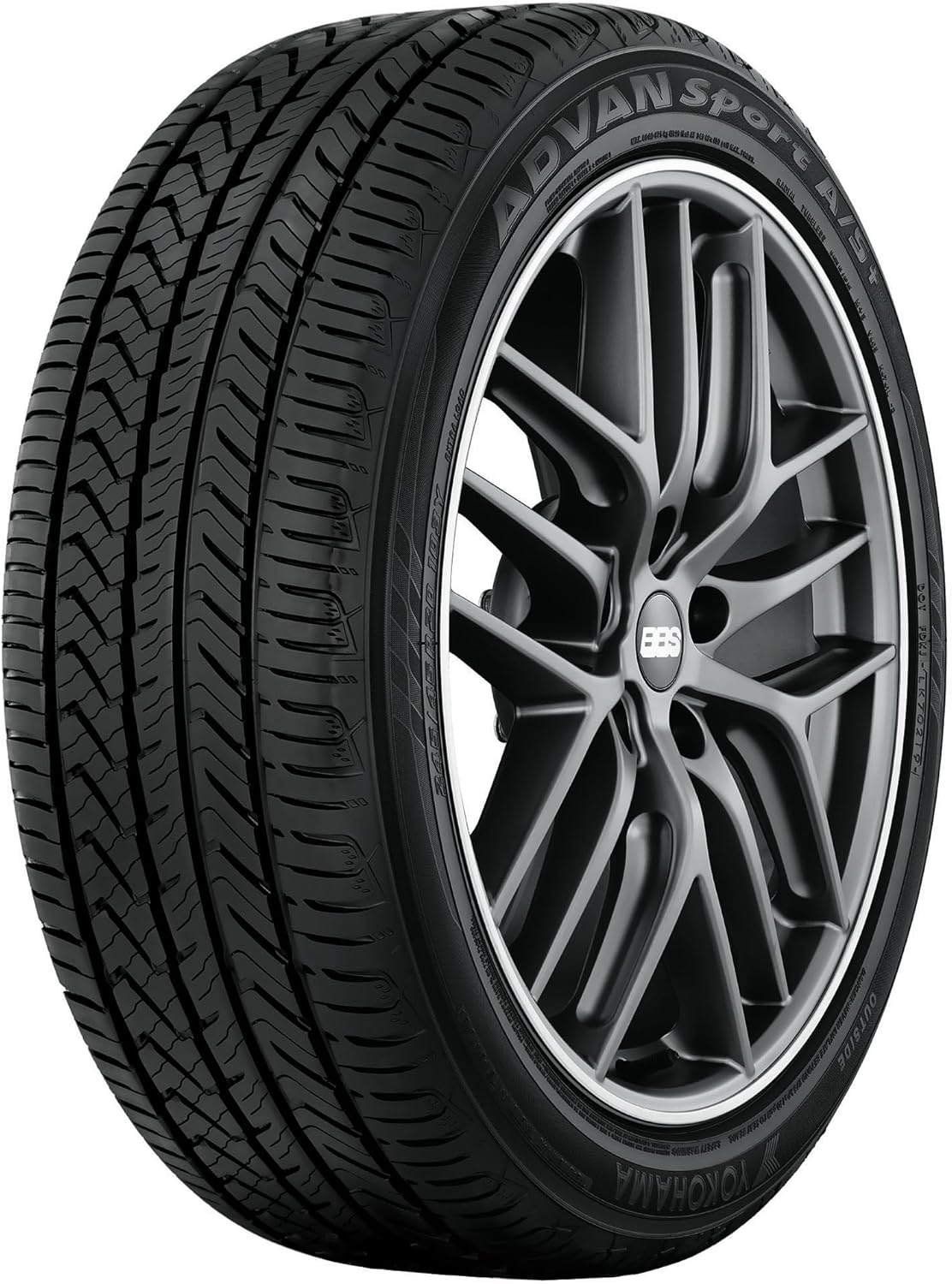
2. Yokohama Advan Sport A/S+ 205/55R16 91W All-Season Performance Tire
| Size | 205/55R16 91W |
|---|---|
| Tread Type | Symmetrical |
| Construction Type | Radial |
| Load Capacity | 1356 Pounds |
| UTQG | 440/AA/A |
The Yokohama Advan Sport A/S+ is an all-season performance tire aimed at drivers who want confident handling across wet and dry roads without sacrificing tread life. It uses a symmetrical tread pattern and a durable radial construction to deliver predictable steering response and lower road noise for everyday driving. Yokohama advertises extended wear and backs the tire with a long treadwear promise, which translates to fewer replacements over time for commuters and sport-compact drivers. In use the tire balances grip and comfort well: it gives crisp turn-in for spirited driving while remaining quiet enough for daily highway miles. Limitations to note are that this is a grand touring/performance all-season rather than a summer ultra-high-performance tire, so extreme track-focused grip and heat resistance will be less than dedicated summer compounds. Fitment is for the specified 205/55R16 size, so confirm the Civic Sport’s wheel and load requirements before purchase.
Best for: Drivers who prioritize a blend of everyday comfort, reliable all-season traction, and durable tread life for a sporty compact car.
Less Ideal for: Drivers who primarily drive on track or need the ultimate summer performance compound should choose a dedicated summer tire instead.
- All-season tread that balances wet and dry grip for year-round use
- Engineered for longer tread life and backed by a long treadwear coverage
- Symmetrical design and radial construction for predictable handling and lower road noise
- Not optimized for extreme track use or maximum high-temperature grip
Verdict: Choose the Advan Sport A/S+ when you want a quiet, long-wearing all-season performance tire that improves handling for a sporty compact like the Civic Sport.
3. Milestar MS932 Sport All-Season Radial Tire — 205/55R16 91V

| Size | 205/55R16 91V |
|---|---|
| Tread Depth | 10 32nds |
| Load Capacity | 1356 Pounds |
| Construction Type | Radial |
| Special Features | tread_wear_indicator |
The Milestar MS932 Sport is an all-season touring tire built to provide predictable handling and comfortable daily driving. Its wide ribs and non-directional tread pattern improve straight-line stability and cornering response, while angled and longitudinal sipes help disperse water for better wet traction. Typical use is everyday commuting and light performance driving on paved roads where a quiet, stable ride and long tread life matter more than track-level grip. Notable features include a 10/32 tread depth and a tread wear indicator, and the tire carries a 91V speed/load rating suitable for many compact cars. Practical benefits are strong value for the price, low road noise in highway driving, and generally reliable wet-weather performance. Important limitations are that it is not a winter-certified snow tire and drivers in heavy snow should plan for dedicated winter rubber, and some users report variable long-term wear depending on alignment and driving conditions.
Best for: A buyer focused on practical value who wants a quiet, stable daily-driving tire that offers decent wet performance and long usable tread life for a Civic Sport-style compact car.
Less Ideal for: Drivers who need certified winter traction, track-focused enthusiasts seeking ultra-high performance, or people who prioritize maximum mileage warranties over upfront value should look elsewhere.
- All-season tread design balances dry and wet traction for everyday driving
- Wide ribs and tread pattern deliver steady handling and low road noise
- Deep 10/32 tread and wear indicators support longer tread life and easier inspection
- Not certified for severe winter conditions so it is not a substitute for winter tires
Verdict: A budget-friendly all-season tire that gives Civic Sport owners a quiet, stable daily-driving experience with solid wet traction and respectable tread life.
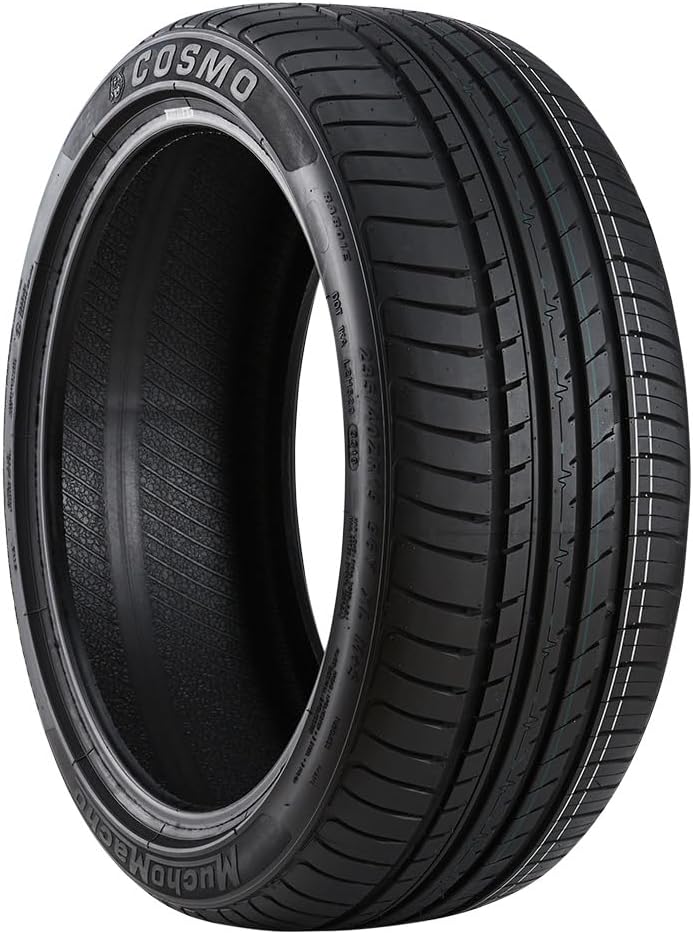
4. Cosmo MuchoMacho 225/50ZR17 XL All-Season High-Performance Tire
| Rim Size | 17 Inches |
|---|---|
| Load Index | 98 |
| Speed Rating | W |
| Tread Type | Asymmetrical |
| Seasons | Year Round |
The Cosmo MuchoMacho is an all-season performance passenger tire that aims to deliver sporty handling and extended tread life at a budget-friendly price. It uses an asymmetric tread with four channel grooves and a stiff center rib to improve water evacuation, reduce vibration, and sharpen steering response for spirited driving on pavement. The tire carries a UTQG 300 treadwear grade and AAA traction rating, which suggests strong wet braking and good longevity when rotated and aligned regularly. Its XL extra-load construction and W speed rating make it suitable for sport trims that demand higher load and speed capability. Practical benefits include improved wet resistance versus basic touring tires, quieter operation from noise-reduction technology, and a design tuned for responsive cornering. Limitations are that it is not a dedicated winter tire so performance will drop in heavy snow or ice, and buyers should confirm the exact fitment and load needs for their Civic Sport trim before ordering.
Best for: Drivers who want sporty handling and confident wet-road performance for daily driving while prioritizing cost effectiveness and longer tread life.
Less Ideal for: Drivers who need strong snow and ice performance or who regularly drive in severe winter conditions should choose a dedicated winter tire instead.
- High UTQG 300 and AAA traction rating for strong wet braking and durability potential
- Asymmetric tread with four channel grooves reduces hydroplaning risk and improves water evacuation
- Extra Load XL construction and W speed rating support sport-oriented driving demands
- Noise-reduction technology for a quieter ride compared with typical performance tires
- Not a dedicated winter or heavy-snow tire so traction falls off in severe cold or deep snow
Verdict: Offers sporty, high-traction all-season performance and extended tread life at a value price, making it a practical choice for budget-minded sport-leaning drivers.
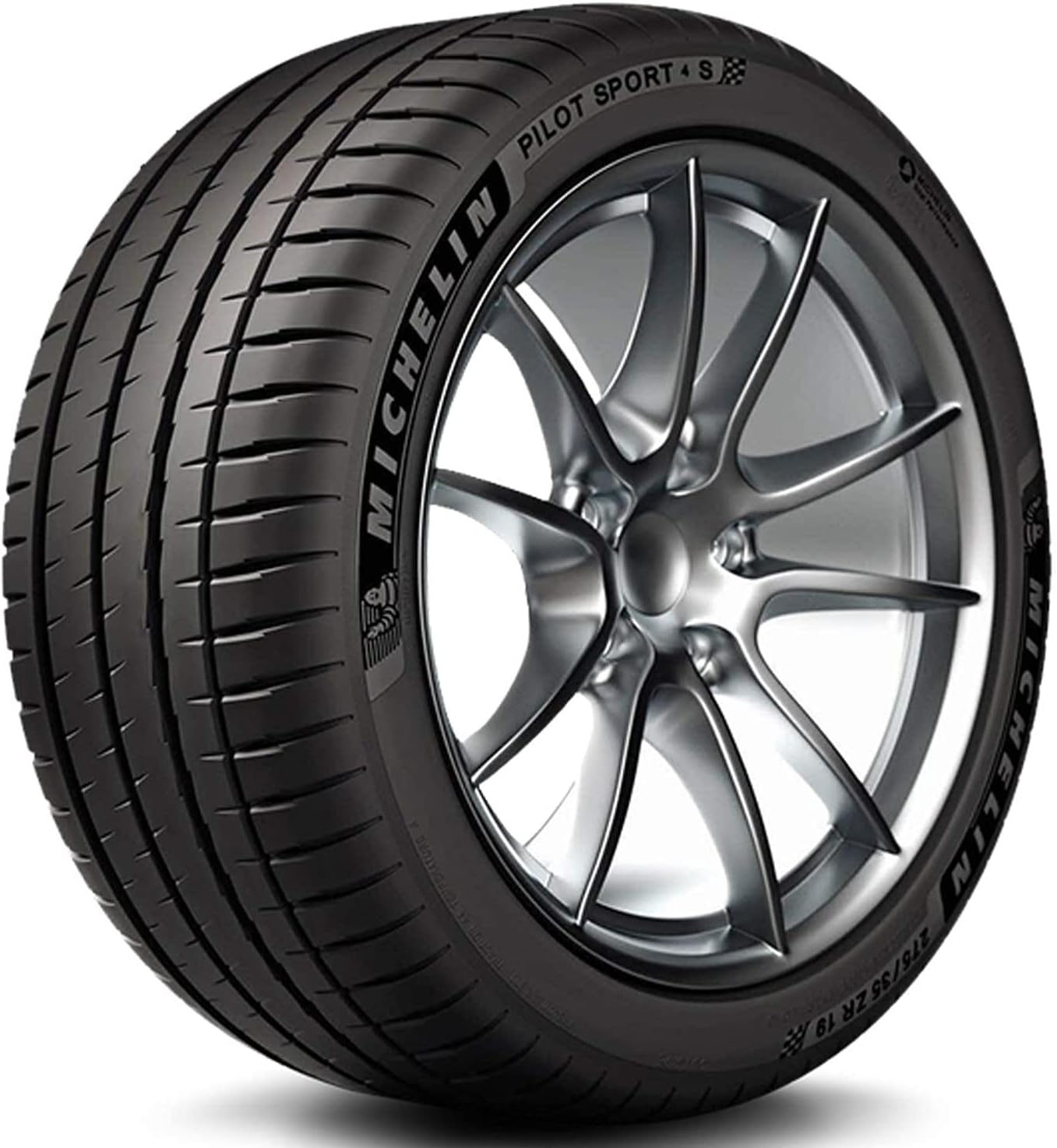
5. MICHELIN Pilot Sport 4S 235/40ZR18 (95Y) XL — performance summer tire (single)
| Rim Size | 18 Inches |
|---|---|
| Load Index | 95 |
| Speed Rating | Y |
| Tread Type | Asymmetrical |
| Load Range | XL |
The Michelin Pilot Sport 4S is a performance summer tire built to deliver sharp steering, high-speed control, and confident braking in both dry and wet conditions. It is typically used on sporty compact cars and hot hatches where handling precision and road feel matter most. Key features include an asymmetrical tread pattern and a construction tuned for maximum grip and stability, plus an XL load rating and Y speed rating for higher-load, high-speed driving. Practical benefits include shorter braking distances, responsive turn-in, and durability backed by Michelin’s treadwear limited warranty and roadside assistance components. Limitations are that this is a year-round listing but the tire is positioned for summer performance so it will not perform like a true all-season in cold, snowy, or icy conditions, and buyers should expect a firmer ride compared with touring tires. This single-unit listing covers one tire only and rims are not included.
Best for: Drivers who prioritize dependable, repeatable performance and strong braking on dry and wet roads and want a tire that supports confident, predictable handling for spirited Civic Sport driving.
Less Ideal for: Drivers who need year-round traction in snow or ice or who prefer a softer, comfort-oriented touring ride should consider true all-season or winter tires instead.
- Class-leading dry grip and responsive steering for spirited driving.
- Strong wet braking performance compared with other summer performance tires.
- XL load rating and Y speed rating suitable for higher-speed driving.
- Backed by manufacturer treadwear warranty and roadside/assistance benefits.
- Not intended for snow or sustained cold-weather use despite the year-round label.
- Single tire listing requires purchasing four for a matched set.
Verdict: Choose the Pilot Sport 4S for confident, reliability-focused performance and strong wet and dry braking on a Honda Civic Sport when you want precise handling at higher speeds.
6. Lexani LXUHP-207 225/40R18 Ultra High Performance Summer Tire

| Rim Size | 18 Inches |
|---|---|
| Load Index | 92 |
| Speed Rating | W |
| Tread Type | Asymmetrical |
| Seasons | Summer |
The Lexani LXUHP-207 is a budget-focused ultra-high-performance summer tire intended for drivers who want sharper handling and improved wet resistance without a premium brand price. It uses a V-shaped, asymmetrical tread with four longitudinal grooves to evacuate water and a solid center rib to help with straight-line stability and turn-in response. Typical use is street and occasional spirited driving in warm conditions; the tire is not intended for snow or winter use. Benefits include noticeable wet grip and reduced hydroplaning risk, a quiet, comfortable ride thanks to a computer-optimized tread, and a factory-backed limited treadlife figure for predictable replacement planning. Downsides to expect are moderate sidewall flex compared with true track-oriented tires and mixed longevity reports that suggest wear can vary by vehicle and driving style. Fitment is for 225/40R18 sizes and equivalent applications where a summer UHP tire is appropriate.
Best for: Drivers who want a low-cost summer performance tire that improves wet traction and steering feel while keeping road noise down, and who value peer feedback when choosing a safe, budget-friendly upgrade.
Less Ideal for: Drivers who need year-round or winter traction, competitive track tires, or those who prioritize maximum treadlife above performance and handling.
- V-shaped asymmetrical tread with four longitudinal grooves for better wet traction and hydroplaning resistance
- Solid center rib and directional design that improve steering response and high-speed stability
- Computer-optimized pattern reduces road noise for a quieter, more comfortable ride
- Backed by a manufacturer limited treadlife (stated 50,000 miles) for predictable service planning
- Designed only for warm-weather summer use and not suitable for snow or winter driving
- Some users report uneven or accelerated wear on certain vehicles, so longevity can be inconsistent
Verdict: Choose the LXUHP-207 if you want an affordable summer UHP tire that improves wet grip and steering feel while keeping cabin noise low.
7. Fullway HP108 All-Season Performance Tire — 205/55R16 (single)

| Size | 205/55R16 |
|---|---|
| Load Capacity | 1356 Pounds |
| Tread Type | Asymmetrical |
| Construction Type | Radial |
| UTQG | Treadwear 380, Traction A, Temperature A |
The Fullway HP108 is an all-season passenger tire designed to provide a quiet, comfortable ride and decent wet traction at a budget price. It is typically bought as a set for compact cars and is used for daily commuting, highway miles, and occasional light winter conditions. The tire features an asymmetrical tread and a 4-ply SL load rating with UTQG ratings of 380 treadwear, A traction, and A temperature, which indicate reasonable durability and strong wet grip for its class. Owners report low noise, predictable handling, and satisfactory performance in rain and light snow. Because this is a value-priced, non-premium tire, expect compromises in ultimate dry grip and high-mileage longevity compared with midrange or premium brands. Fitment requires the correct 205/55R16 size and professional mounting and balancing for best results. For buyers seeking an affordable replacement that prioritizes quiet daily driving and reliable wet traction, the HP108 delivers practical performance without the markup of premium name brands.
Best for: Buyers who prioritize a quiet, safe everyday ride on a tight budget and want a straightforward replacement tire that performs well in rain and light snow.
Less Ideal for: Drivers who push for maximum dry grip, track use, or who need the longest possible mileage from a premium touring tire should consider higher-tier options.
- All-season asymmetrical tread offers dependable wet traction and light snow capability
- Quiet, comfortable ride suitable for daily commuting
- UTQG 380/ A/ A suggests reasonable tread life and good traction for the price
- Value-oriented pricing makes replacing all four tires affordable
- Not a high-performance or long-life premium tire compared with established midrange brands
Verdict: A practical, budget-friendly all-season tire that gives Honda Civic Sport drivers quiet daily performance and reliable wet traction without premium pricing.
Choosing the Right Honda Civic Sport Tires: Key Factors to Consider
Traction and Wet Performance
Traction is the most critical factor for the Civic Sport because the vehicle's sport-tuned suspension rewards a tire that can transfer contact forces cleanly during cornering and braking. Prioritize tires with proven wet-grip compounds and tread patterns that evacuate water efficiently to reduce hydroplaning risk.
Look for compound and tread designs that maintain grip across temperature ranges common in your area. A tire that performs well in both wet and dry conditions will improve confidence and safety without forcing you into a seasonal swap unless your climate demands it.
Treadwear and Longevity
Treadwear determines how often you will replace tires and directly affects ownership cost. Civic Sport owners should balance a desire for sharper grip with realistic mileage expectations. Tires with higher treadwear ratings or reinforced compounds tend to last longer but may sacrifice a small amount of ultimate grip.
Check manufacturer mileage warranties and independent wear tests where available, and consider driving habits. If you do a lot of highway miles, prioritize longer-lasting compounds. If you regularly drive aggressively, accept faster wear in exchange for superior grip.
Ride Comfort and Noise
Although the Sport trim is firmer than base models, daily comfort still matters for commuting and long trips. Tire construction, sidewall design, and tread block pattern all influence how much road harshness and noise are transmitted into the cabin.
A good Civic Sport tire will strike a balance: firm enough to preserve steering feedback and cornering stability, yet engineered to damp certain frequencies to keep highway noise and vibrations manageable. Consider tires with noise-reducing features if you spend many hours on the road.
Seasonal Suitability
Decide whether you need all-season performance, a winter-specific tire, or a dedicated summer/performance tire. All-season tires offer year-round convenience and acceptable wet and light-snow performance but will not match the cold-weather traction of a winter tire.
If you live where winters are severe, a winter tire optimized for snow and low temperatures will significantly improve safety. Conversely, enthusiasts who prioritize dry grip in warm months may prefer a summer or performance tire and switch to winters as needed.
Size, Load Rating, and Fitment
Always choose tires that match the Civic Sport's recommended wheel diameter, width, and load rating. Incorrect sizing affects speedometer accuracy, handling balance, and clearance around the wheel well. Load rating is essential to ensure the tire supports the vehicle and any cargo safely.
Consult the vehicle placard or owner's manual for approved sizes and stick within the manufacturer's specified load index. If considering staggered widths or nonstandard sizes, be aware of potential impacts on handling and warranty coverage.
Tire Balancing, Alignment, and Maintenance
Even the best tire can underperform if improperly installed or maintained. Proper wheel balancing and alignment preserve even treadwear and ensure predictable handling. Check alignment after mounting new tires or after suspension work to avoid premature edge wear.
Regular rotation, pressure checks, and inspections for damage extend tire life and maintain safety. Understanding maintenance needs helps you budget for long-term ownership and get the expected performance from your chosen tires.
Choosing Between All-Season and Summer Tires
All-season tires provide a compromise of wet traction, light snow capability, and longevity. For many Civic Sport owners who drive year-round in moderate climates, a high-quality all-season tire delivers reliable daily performance without seasonal swaps. Summer tires or performance compounds prioritize dry and warm-weather grip at the cost of winter traction and typically faster wear.
If you spend most time in warm conditions or enjoy aggressive driving on dry roads, a summer-performance tire will sharpen steering feel and cornering grip. If winters here bring ice and deep snow, plan for a dedicated winter set to maintain safety during cold months.
- All-season: year-round convenience, moderate snow handling, longer tread life
- Summer/performance: superior dry grip, firmer ride, reduced cold-weather traction
- Winter: specialized rubber and siping for cold temperatures and snow
Interpreting Treadwear Ratings and Mileage Warranties
Treadwear ratings and manufacturer mileage warranties offer guidance but are not perfect predictors of real-world life. Ratings are useful for comparing similar tire families, while warranties indicate the manufacturer's confidence in expected miles. Remember that aggressive driving, road conditions, and improper maintenance can significantly shorten lifespan.
When comparing options, weigh the warranty length against expected grip. Some tires advertise long life but deliver middling handling. Match your priorities: prioritize warranty and economy for daily drivers, or accept shorter life for performance-focused compounds.
- Check the stated treadwear rating and any mileage warranty
- Factor in driving habits and local road conditions
- Expect variance between advertised and actual mileage
Understanding Tire Size and the Tire Size Guide
Tire size determines clearance, speedometer accuracy, and sidewall height. For the Civic Sport, stick to manufacturer-approved sizes listed on the vehicle placard. Changing overall diameter affects gearing and calibration, while wider tires can increase grip but may cause rubbing if not properly selected.
Consult a tire size guide or your owner's manual to verify compatible widths and aspect ratios. If you need a specific visual or performance outcome, an experienced shop can recommend an appropriate alternate size while ensuring load rating and fitment remain safe.
- Verify wheel diameter, width, and aspect ratio with the vehicle placard
- Consider sidewall height for ride comfort and curb protection
- Ensure load index matches or exceeds manufacturer recommendations
How Tire Tread Wear Indicators Help You Know When To Replace
Tread wear indicators are molded bars in the grooves that show when the tread depth approaches the legal or safe limit. Regularly inspect these indicators and measure tread depth to decide when to replace tires. Reduced tread depth increases braking distances and decreases hydroplaning resistance.
Besides the indicators, other signs like uneven wear, cracks, bulges, or persistent vibration signal the need for replacement. Knowing how often to replace tires depends on mileage, driving habits, and the indicators you observe during inspections.
- Use tread wear indicators and a tread depth gauge for accuracy
- Replace tires when tread depth approaches local legal limits or safety thresholds
- Watch for uneven wear patterns that suggest alignment or suspension issues
Installation, Balancing, and Alignment Best Practices
Proper installation is essential to get the full performance and life from new tires. Always have tires mounted and balanced by trained technicians. Balancing prevents vibration and uneven wear while correct torqueing of lug nuts ensures safety.
After mounting new tires, check wheel alignment and correct it if necessary. Alignment keeps the contact patch even across the tire surface, improving handling and extending tread life. Maintain recommended tire pressures and rotate tires on a regular schedule.
- Balance wheels at installation and after repairs
- Check alignment when you fit new tires or notice uneven wear
- Follow rotation intervals in the owner's manual
Finding the Right Tire for Your Driving Style
Your driving preferences should guide the tire choice. If you prioritize comfort and quiet cruising, choose a touring-style all-season with emphasis on noise reduction. If you prioritize crisp steering and cornering for spirited driving, favor performance-oriented tires with firmer sidewalls and stickier compounds.
Consider how often you drive on highways versus back roads. Higher-mileage drivers benefit from durable compounds, while weekend enthusiasts may accept faster wear for sharper handling. Match the tire's performance profile to how you actually drive the Civic Sport.
- Touring/all-season: comfort and long life
- Performance: sharper handling and quicker steering response
- Winter: essential for severe cold and snow
Still looking for the perfect fit?
Select your Honda Civic configuration to see the most relevant Tires recommendations
How We Chose the Best Honda Civic Sport Tires
We selected the seven tires on this list using a Civic Sport-focused framework that reflects how owners use the car. Primary evaluation criteria included wet and dry traction, because the Sport model's lower-profile tires and firmer suspension make handling and braking performance critical in everyday driving and emergency maneuvers. Treadwear and expected mileage were weighted heavily to reflect long-term ownership costs and reliability.Ride comfort and road noise were assessed to ensure acceptable daily driving refinement on the Sport's suspension. Fitment compatibility with the Sport configuration and common wheel sizes was verified to avoid incorrect widths, diameters, or load indices. Fuel efficiency impact and rolling resistance were considered for drivers who want to preserve mpg. Finally, availability of appropriate seasonal options and tires designed for varying climates was checked so owners in different regions can choose the correct compound.We excluded options that do not meet Civic Sport wheel size or load-rating norms, and we filtered out tires intended exclusively for commercial trucks or off-road use. The goal was to present practical, road-oriented choices that balance grip, longevity, and ride quality for Civic Sport owners.
Our full evaluation process is outlined in our review methodology.
FAQ
How often should I replace tires on my Civic Sport?
Replacement depends on mileage, driving style, and tread depth. Many drivers replace at 40,000 to 60,000 miles, but aggressive drivers or those in harsh conditions may need new tires sooner. Use tread depth measurements and watch for uneven wear or damage to decide.
Can I use all-season tires year-round on a Civic Sport?
All-season tires are suitable year-round in mild climates and provide a balance of wet traction and light snow capability. In regions with heavy snow or prolonged freezing temperatures, a dedicated winter tire is safer and will outperform all-season rubber.
What tire size should I choose for the Civic Sport?
Stick to the sizes listed on your vehicle placard or owner's manual to maintain correct handling and load capacity. If you consider an alternate size for appearance or performance, consult a tire professional to ensure proper fitment and load rating.
How important is wheel alignment after fitting new tires?
Alignment is very important because incorrect alignment causes uneven wear and can reduce tire life and handling precision. Have alignment checked after mounting new tires or after suspension work to ensure optimal contact and even wear.
Will performance tires reduce fuel economy on my Civic Sport?
Performance tires can negatively affect fuel economy because they often have stickier compounds and higher rolling resistance. The impact is usually modest, but drivers focused on fuel savings should consider touring or eco-oriented tires with lower rolling resistance.
What does the tire tread wear indicator tell me?
Tread wear indicators are small raised bars in the grooves that become level with the tread when depth nears the replacement threshold. They provide a visual cue that tread is low, but using a tread depth gauge gives a more accurate reading for safety decisions.
Final Verdict
Choosing the right tires for a Honda Civic Sport means balancing wet and dry traction, expected tread life, and ride comfort. Prioritize traction and proper fitment first, then weigh tradeoffs between longevity and sharper handling to match your driving habits. Maintain correct pressures, balancing, and alignment to get the most from any tire choice.Decide based on your local climate and driving style: pick all-season tires for year-round convenience in mild climates, a winter-specific tire for harsh winters, or a performance-focused tire if you favor spirited driving. That approach will keep your Civic Sport safe, predictable, and enjoyable to drive.
Explore More:
- Check out all Honda Civic parts & accessories
- Explore Tires Maintenance & Repair Guides
- Explore Wheels & Tires
- Browse all Auto Parts
