

Note: This article contains affiliate links. If you click on these links and make a purchase, I may earn a small commission at no extra cost to you. This helps support my research and content. Read my full affiliate disclosure here.
Choosing the right tires for your 2026 Chevrolet Tahoe affects ride comfort, handling, and safety under real-world conditions. The Tahoe is often used for family hauling, towing, and long highway miles, so tires that balance load capacity, braking, and longevity matter more than seasonal marketing claims.This guide shortlists seven top tires that match the Tahoe's size and load expectations across the 2021-present model range. We evaluated options for wet and dry traction, load rating, tread life, and noise to highlight the most practical choices. Read on to see which tire types and technical traits matter most for your Tahoe.
Looking for other parts? See all Chevrolet Tahoe parts & accessories.
Top Picks at a Glance
| Best Overall The best all-around choice for most situations | Hankook Dynapro HT (RH12) All-Season 285/45R22 XL Tire |  |
| Best Quality Built to a higher standard if you want something more solid | Pirelli Scorpion All Season Plus 3 275/60R20 115H Tire |  |
| Best Value The sweet spot between price and what you get | GT Radial Adventuro HT All‑Season Highway Tire P265/70R17 |  |
| Best Budget The cheapest option that still gets the job done reliably | Fullway HS266 All-Season Performance Tire — 285/45R22, Load 114, Speed V (set of 4) |  |
| Highest Rated A top-rated pick with lots of positive feedback | Starfire Solarus HT All-Season 275/55R20 XL 117H Tire |  |
| Most Popular A crowd favorite that many people choose with confidence | Fullway HS266 All-Season Truck/SUV Performance Radial Tire 275/55R20 117H |  |
| Best Seller A high-volume bestseller chosen again and again | Goodyear Eagle Touring 285/45R22 All-Season Tire |  |
1. Hankook Dynapro HT (RH12) All-Season 285/45R22 XL Tire

| Rim Size | 22 Inches |
|---|---|
| Load Index | 114.0 |
| Speed Rating | H |
| Load Capacity | 2601 Pounds |
| Tread Type | Non-Directional |
The Hankook Dynapro HT RH12 is an all-season light truck tire built to handle SUV and larger crossover duty while carrying heavier loads. Its non-directional tread and XL ply construction provide predictable handling in dry and wet conditions and a higher load capacity for towing or hauling. In everyday use the tire delivers a quiet, comfortable ride for highway miles and responsive steering on paved roads, while tread depth and a year-round compound maintain traction through light rain and mild winter conditions. Buyers should note this is a highway-terrain focused tire rather than an aggressive off-road or deep-snow performer, so expect limited traction in heavy mud or deep snow. The H speed rating supports sustained highway speeds and the 50 psi maximum inflation gives room for proper load management. For someone wanting a durable, versatile replacement tire that balances comfort, load capacity, and all-season traction, the Dynapro HT is a solid choice; drivers who need dedicated winter or off-road capability should look at specialized alternatives.
Best for: Buyers who want a balanced, highway-focused tire for daily driving and occasional towing that prioritizes comfort, predictable handling, and year-round usability.
Less Ideal for: Drivers who regularly tackle deep snow, heavy off-road trails, or need a dedicated winter tire should choose a specialty tire instead.
- All-season tread that handles wet and dry pavement reliably
- XL ply and 114 load index for higher load capacity and towing stability
- Non-directional tread for even wear and easy rotation patterns
- Comfort-oriented design yields quiet highway manners
- Not intended for aggressive off-road use or heavy snow conditions
Verdict: A comfortable, higher-load all-season tire that suits drivers wanting a reliable highway-focused option for daily driving and light towing.
2. Pirelli Scorpion All Season Plus 3 275/60R20 115H Tire

| Rim Size | 20 Inches |
|---|---|
| Load Index | 115.00 |
| Speed Rating | H |
| Seasons | NON_WINTER, Year Round |
| Tread Type | Asymmetrical |
The Pirelli Scorpion All Season Plus 3 is a touring all-season tire engineered for crossovers, SUVs, and light trucks, offering a balance of long mileage, comfort, and predictable handling. On a Chevrolet Tahoe it provides improved wet and dry grip compared with older touring designs thanks to an updated tread pattern, 3D sipes, and a new compound that Pirelli says extends tread life. You can expect a quieter ride and reduced road noise compared with more aggressive all-terrain options, making it a good choice for daily driving, highway miles, and family trips. The tire is rated 115 load index and H speed, supports higher inflation pressures, and features full-depth sipes to maintain traction as the tread wears. The main compromises are that it is not a winter/snow-specific tire and will not match the off-road traction of all-terrain tires, so drivers who regularly face deep snow or frequent unpaved routes should consider winter or off-road-focused alternatives.
Best for: Drivers who prioritize on-road performance, long highway mileage, and a comfortable, quiet ride on a full-size SUV like the Chevrolet Tahoe.
Less Ideal for: Those who need a dedicated winter tire for frequent heavy snow or who regularly drive off-road and need aggressive traction.
- Touring all-season compound and tread design aimed at extended mileage
- 3D sipes and asymmetric tread for improved wet and dry handling
- Quieter ride and increased comfort compared with previous generation
- High load capacity suited to large SUVs and light trucks
- Not optimized for severe winter conditions or heavy snow
- Less capable off-road traction compared with all-terrain tires
Verdict: A comfortable, long‑mileage all-season tire well suited to Tahoe owners who want quiet, predictable on-road performance.
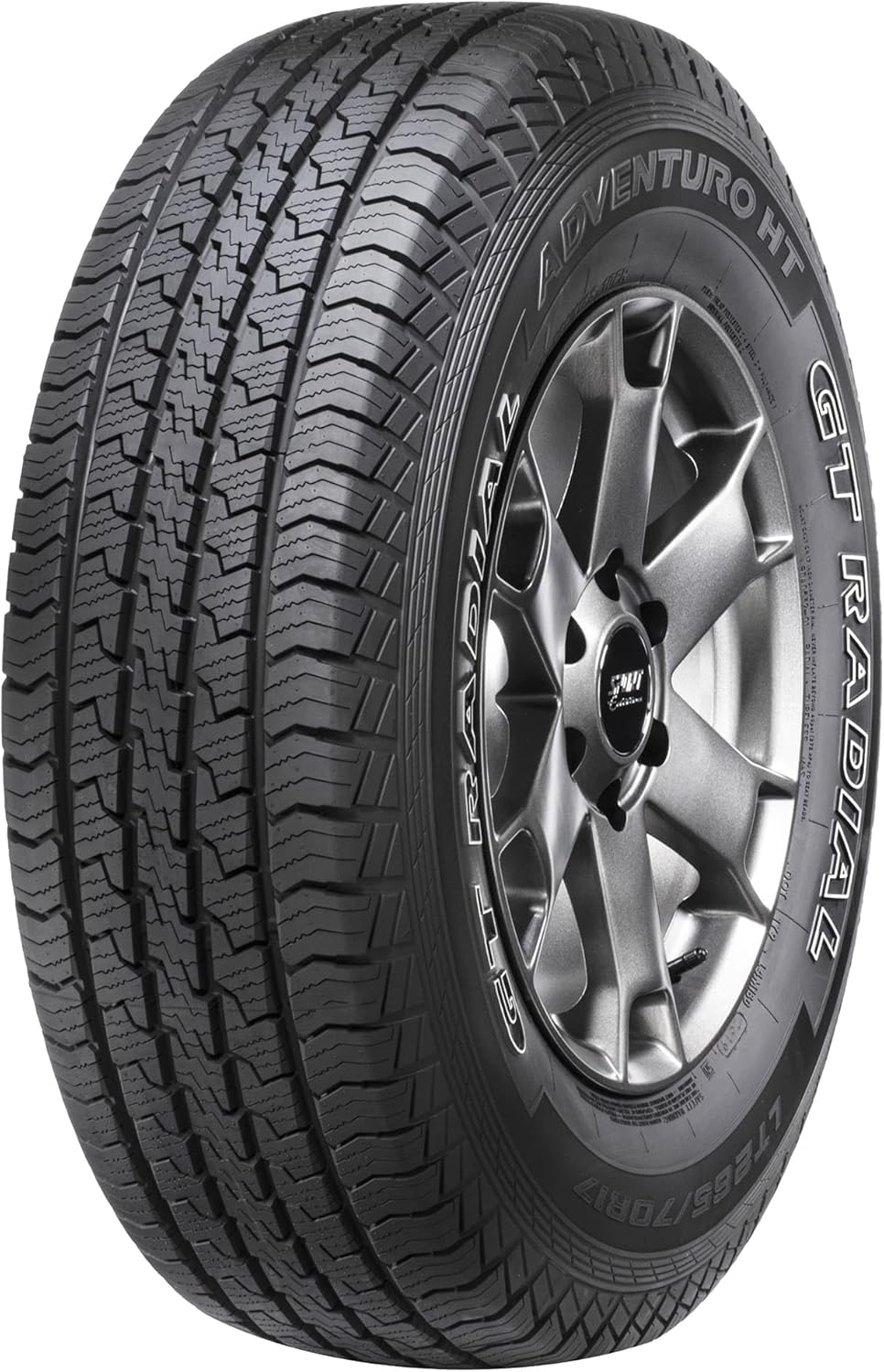
3. GT Radial Adventuro HT All‑Season Highway Tire P265/70R17
| Rim Size | 17 Inches |
|---|---|
| Load Index | 113 |
| Speed Rating | T |
| Tread Type | Asymmetrical |
| Seasons | Year Round |
The Adventuro HT is designed as a year-round highway tire for light trucks and SUVs and in P265/70R17 size it fits many 2026 Chevrolet Tahoe configurations that use 17-inch wheels. Its continuous center rib helps stability and shorter braking distances at highway speeds, while full-depth wavy sipes and chamfered tread edges work to shed water and improve grip in wet or light snowy conditions. The tread is optimized for a quieter ride thanks to pitch sequencing, and a dual sidewall design gives a choice of appearance. GT Radial rates the treadlife at up to 60,000 miles and includes a 30-day test drive. Expect competent wet traction, predictable handling on pavement, and a comfortable, low-noise highway feel. This tire is not a dedicated winter or off-road tire, so drivers who need heavy snow performance or aggressive off-road traction should look elsewhere; also confirm that 17-inch P265/70R17 is the correct size for your Tahoe trim before buying.
Best for: Buyers looking to optimize everyday driving on pavement—prioritizing low road noise, predictable wet-weather braking, and long tread life for a 2026 Chevrolet Tahoe with 17-inch wheels.
Less Ideal for: Drivers who frequently encounter deep snow, ice, or aggressive off-road terrain should choose a dedicated winter or all-terrain tire instead.
- Year-round highway-focused tread for stable highway handling and reduced braking distance
- Full-depth wavy sipes and chamfered edges improve wet and light-snow traction and reduce hydroplaning risk
- Optimized pitch sequencing for a quieter, more comfortable ride
- Dual sidewall design offers two appearance options to match the vehicle look
- 60,000 mile limited treadlife backing and 30-day test drive for confidence in longevity
- Not intended for heavy snow or severe winter conditions or deep off-road use
Verdict: A solid highway-focused, all-season tire choice for Tahoe drivers who want quiet highway manners, reliable wet traction, and long tread life.
4. Fullway HS266 All-Season Performance Tire — 285/45R22, Load 114, Speed V (set of 4)

| Size | 285/45R22 |
|---|---|
| Load Index | 114 |
| Speed Rating | V |
| Seasons | Year Round |
| Tread Type | Directional |
The Fullway HS266 is an all-season directional performance tire intended for trucks and SUVs that need a large 22-inch fitment. It uses a directional tread pattern and an all-season compound to improve wet traction and resist hydroplaning, while shoulder blocks and tread groove placement are designed to sharpen responsiveness and cornering stability. In everyday use it should deliver quieter highway manners than many aggressive performance tires thanks to pitch variation in the tread, and the V speed rating and 114 load index support heavier SUVs. This particular listing is a cost-oriented option sold as a four-pack, so it is best for buyers prioritizing upfront value rather than premium brand performance. Expect competent wet and dry handling for casual driving and commuting, but do not expect the same consistent high-speed stability, treadwear longevity, or winter traction as higher-end all-season or dedicated snow tires. Installation, balancing, and alignment will affect real-world ride and wear results.
Best for: Buyers seeking an affordable replacement set for a large 22-inch SUV tire who prioritize reasonable all-season wet and dry performance over premium brand longevity.
Less Ideal for: Drivers who frequently tow or carry maximum loads, require strong winter snow performance, or demand the longest-lasting, highest-performing sport tires should look at higher-tier options.
- Directional tread and all-season compound improve wet traction and hydroplaning resistance
- Shoulder block design and tread pattern boost cornering responsiveness
- V speed rating and 114 load index suitable for heavier SUVs and everyday highway use
- Sold as a set of four, simplifying replacement and initial purchase
- Treadwear longevity and winter snow traction likely lag premium or specialty tires
Verdict: A cost-conscious four-tire package that delivers solid all-season wet and dry performance for large SUVs without the premium price.
5. Starfire Solarus HT All-Season 275/55R20 XL 117H Tire

| Size | 275/55R20XL |
|---|---|
| Load Capacity | 2833 Pounds |
| Tread Depth | 10.5 32nds |
| Maximum Pressure | 50 PSI |
| UTQG | 500-A-B |
The Starfire Solarus HT is an all-season touring tire built for highway use on larger SUVs and light trucks. Its symmetrical five-rib pattern, wet grip grooves, and traction sipes aim to deliver steady all-season traction and even treadwear, which helps maintain predictable performance over time. Typical use is daily driving and long highway miles where a quiet ride and mileage life matter more than off-road capability. Notable features include a 50,000-mile warranty, XL load rating, and a UTQG of 500-A-B, which together suggest durable treadlife and competent wet traction. Practical benefits are lower road noise, even wear that reduces replacement frequency, and the higher load capacity for heavier SUVs. Important limitations are that it is a highway touring tire rather than an off-road or performance option, so it will not provide the aggressive traction or mud-terrain durability some drivers need, and winter performance will be limited compared with dedicated winter tires despite the M+S marking.
Best for: A buyer who prioritizes dependable, long-lasting highway performance for a full-size SUV and wants a quiet, low-maintenance tire for daily driving and long trips.
Less Ideal for: Drivers who regularly need heavy off-road capability, aggressive mud or rock traction, or dedicated winter traction should choose a specialty tire instead.
- Symmetrical five-rib pattern promotes even treadwear and a quiet highway ride
- Wet Grip Grooves and traction sipes improve all-season wet traction
- 50,000-mile warranty indicates confidence in treadlife
- XL load rating supports heavier SUV loads
- Not designed for serious off-road or aggressive all-terrain use
Verdict: Choose this tire if you want a reliable, long-wearing all-season highway tire that keeps a full-size SUV quiet and predictable on the road.
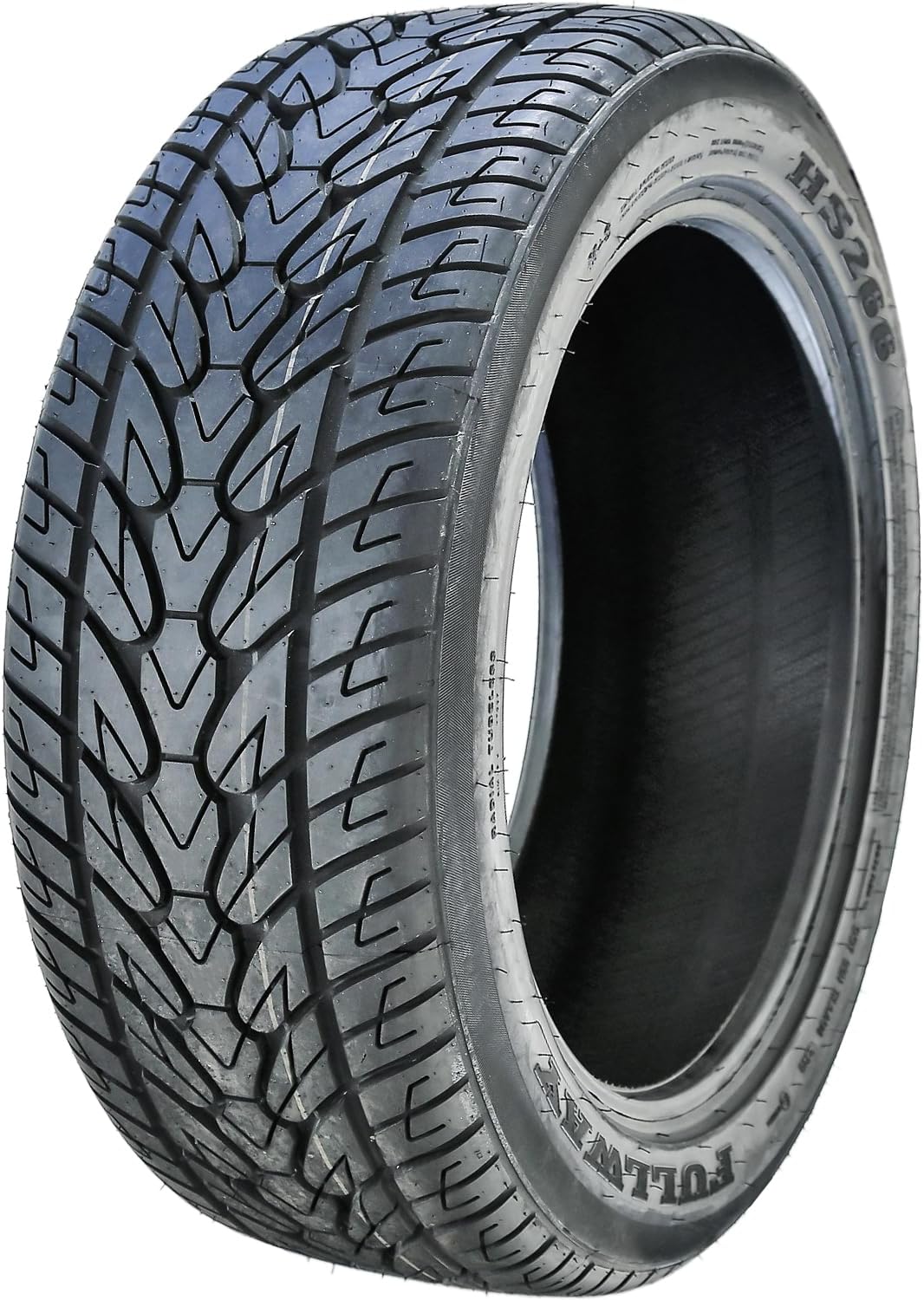
6. Fullway HS266 All-Season Truck/SUV Performance Radial Tire 275/55R20 117H
| Size | 275/55R20 |
|---|---|
| Load Index / Speed | 117H |
| Load Range | XL |
| Construction | Radial |
| UTQG | Treadwear 420, Traction A, Temperature A |
The Fullway HS266 is an all-season, highway-performance radial intended for trucks and SUVs in the 275/55R20 size. It delivers predictable handling on pavement and a comfort-oriented ride thanks to its highway tread pattern and 4-ply XL construction. Typical use is daily driving, commuting, and light hauling where a higher load capacity is helpful; the 117H rating and XL load range support heavier loads versus standard passenger tires. Notable features include a high treadwear rating (420) and A traction and temperature UTQG grades, which suggest long life and solid wet performance for an affordable tire. Expect decent grip in rain and confident highway stability, but this is not a dedicated off-road or winter tire and will not match premium-brand wet braking or winter traction. Buyers should also account for brand reputation differences compared with established premium manufacturers and verify fitment and OE-equivalent load/ride characteristics for their Tahoe setup.
Best for: Buyers seeking an affordable, long-wearing all-season tire for daily driving and light hauling on a full-size SUV who prioritize proven user feedback and value over name-brand prestige.
Less Ideal for: Do not choose this tire if you need aggressive off-road capability, winter-optimized traction, or factory-quality performance tuning from a premium tire line.
- All-season highway tread tuned for comfortable, stable on-road driving
- XL 4-ply construction and 117 load index for higher load capacity
- High treadwear rating indicating longer expected life
- UTQG A traction and temperature grades for reliable wet performance and heat resistance
- Not engineered for serious winter or off-road conditions
- Brand is budget-focused so long-term durability and support may differ from major premium manufacturers
Verdict: A cost-conscious, long-wearing all-season tire that delivers stable highway performance and extra load capacity for full-size SUVs like the Tahoe.
7. Goodyear Eagle Touring 285/45R22 All-Season Tire

| Size | 285/45R22 |
|---|---|
| Tread Type | Symmetrical |
| Load Capacity | 1700 Pounds |
| Maximum Pressure | 44 PSI |
| UTQG | 500 A A |
The Goodyear Eagle Touring in 285/45R22 is an all-season touring tire built for steady everyday driving on large SUVs like the 2026 Chevrolet Tahoe when 22-inch wheels are fitted. Its optimized tread pattern and circumferential grooves help channel water away from the contact patch to reduce hydroplaning, while multiple sipes improve grip on wet and light snowy surfaces. The symmetric tread and robust inner construction aim to keep a consistent contact patch for predictable steering response and comfortable ride quality with lower road noise than aggressive performance tires. Its UTQG 500 A A rating suggests a balance of tread life and traction. Downsides are that it is a touring tire rather than a dedicated winter or high-performance tire, so it will not match specialized snow tires in deep winter or ultra-high-performance all-season tires in spirited handling. Buyers should also verify load range XL is appropriate for their Tahoe's load and wheel specifications.
Best for: Drivers of a Chevrolet Tahoe with 22-inch wheels who prioritize predictable, quiet everyday performance and confident wet-weather handling over specialized winter or track capability.
Less Ideal for: Drivers who regularly face heavy snow, ice, or need maximum performance handling should choose a dedicated winter tire or high-performance alternative instead.
- Effective water evacuation from circumferential grooves improves wet traction
- Symmetric touring tread and construction tuned for a quiet, comfortable ride
- Multiple sipes enhance grip on wet and light snowy roads
- Load range XL supports heavier loads common on large SUVs
- Not a dedicated winter tire so performance will be limited in deep snow and icy conditions
Verdict: A reliable, quiet all-season touring tire that gives Chevrolet Tahoe drivers confident wet-weather control and comfortable highway manners on 22-inch wheels.
Choosing the Right 2026 Chevrolet Tahoe Tires: Key Factors to Consider
Tire Size and Load Rating
Using the correct tire size and load rating is the starting point for safe operation on the 2026 Chevrolet Tahoe. Tire size affects speedometer accuracy, ground clearance, and the fitment inside the wheel well. Load rating determines how much weight each tire can support; undersized load ratings can overstress sidewalls and shorten tire life or lead to failure when towing or carrying full passenger loads.
When comparing options, confirm the tire's load index and aspect ratio match the vehicle's requirements. Consider tires with a higher load rating if you regularly tow or carry heavy cargo. Choosing a tire size outside factory recommendations can also affect suspension geometry and require recalibration of stability systems.
Tread Design and Traction
Tread pattern and compound dictate how a tire grips pavement, sheds water, and bites into loose surfaces. For the Tahoe, look for tread designs that provide reliable wet braking and aquaplaning resistance, since large SUVs are more prone to lateral instability in poor conditions. Asymmetric or directional treads can improve high-speed straight-line stability and water evacuation.
Tread compound matters for temperature-dependent grip. Softer compounds improve cold-weather bite but can wear faster in hot climates. Evaluate tread siping, groove volume, and block stability to balance traction across expected driving conditions.
Seasonal Performance and All-Weather Needs
Decide whether you need dedicated winter tires, all-season tires, or an all-terrain compromise based on your climate and driving. All-season tires provide convenient year-round use and acceptable wet/dry performance, but they usually compromise on snow and ice traction compared with purpose-built winter tires. If you encounter significant winter conditions, a set of winter tires will improve braking and control.
For mixed uses that include light off-pavement driving, an all-terrain tire can offer extra grip and sidewall protection, but typically with higher road noise and reduced fuel efficiency. Match the tire type to seasonal exposure and road surfaces you most frequently drive.
Tread Life and Warranty
Treadwear expectations influence long-term ownership costs on a vehicle that racks up highway miles like the Tahoe. Manufacturers publish treadwear ratings and mileage warranties that provide a baseline for expected life. A harder-wearing compound and stable block design extend miles before replacement, though extreme use or repeated heavy loads will shorten life.
Check the warranty terms for prorated coverage, requirements for regular rotation, and any exclusions. Consistent maintenance, including rotation and alignment, helps realize published mileage estimates.
Comfort, Noise, and Ride Quality
Ride comfort and cabin noise are important for family trips and highway driving in the Tahoe. Tires with continuous center ribs and optimized block sequencing tend to reduce road hum and vibration. Sidewall construction also affects ride harshness; stiffer sidewalls improve handling but can transmit more road shock to the cabin.
If comfort is a priority, look for tires engineered for low noise and smooth transitions between road surfaces. Consider how often you drive on coarse pavement, since aggressive tread patterns increase perceptible noise and vibration.
Towing and Load Management
Many Tahoe owners tow trailers or carry heavy loads, so a tire's capacity under heat and sustained load is critical. Tires designed for truck and SUV use typically feature reinforced carcass construction, higher ply ratings, and heat-resistant compounds to maintain integrity under strain. Heat buildup from towing accelerates wear and can lead to structural failure if tires are underspecified.
When choosing tires, factor in typical towing weight, trailer tongue load, and long-distance highway use. Selecting higher load-rated tires and monitoring inflation under load helps maintain safe operating temperatures and prolongs service life.
Deciding Between All-Season and Winter Tires
If you live where winters are mild and snowfall is rare, a modern all-season tire can provide balanced year-round performance without the hassle of seasonal changeovers. All-season designs focus on long tread life, predictable wet and dry grip, and lower road noise, making them a common default for family SUVs like the Tahoe.
For locations with regular snow, ice, or extended periods of subfreezing temperatures, purpose-built winter tires deliver notably shorter stopping distances and improved control. Winter tires use softer compounds and more aggressive siping to remain pliable and to bite into snow and ice. Plan for a dedicated winter set if you frequently encounter frozen roads.
- All-season tires: convenience, longer life, moderate winter performance
- Winter tires: superior cold-weather grip, shorter wear in warm months
- Switching wheels saves time and preserves each tire's service life
How Tire Size Affects Tahoe Handling
Upsizing wheels or changing aspect ratios can slightly alter steering feel, acceleration, and fuel economy. Larger diameter wheels with lower-profile tires can improve cornering responsiveness but may increase road harshness and risk tire damage on rough surfaces. Smaller diameter tires with taller sidewalls improve ride comfort and absorb potholes better.
Always verify that the selected tire size maintains appropriate load capacity and does not cause rubbing in full-lock steering or with suspension compression. If you change size, check speedometer calibration and stability system behavior.
- Higher sidewall: better impact absorption and comfort
- Lower profile: sharper handling, more road feedback
- Maintain load index when altering tire diameter
Maintaining Tires for Maximum Life and Safety
Regular maintenance preserves performance and extends service life. Check tire pressure monthly and before long trips or towing. Proper inflation reduces uneven wear, improves fuel efficiency, and helps prevent overheating under load. Follow the vehicle manufacturer's inflation recommendations for normal and loaded conditions.
Rotate tires at recommended intervals to promote even wear and inspect tread depth and sidewalls for damage. Alignment checks after hitting curbs or potholes prevent accelerated shoulder wear. Balancing reduces vibration that can lead to premature suspension component wear.
- Check pressure monthly and before towing
- Rotate every 5,000 to 7,000 miles or per owner manual
- Inspect tread and sidewalls regularly for cuts, bulges, or abnormal wear
Matching Tires to Towing and Payload Needs
When towing, inflation and load capacity become more critical than in daily commuting. Increasing cold inflation to the vehicle maker's recommended towing pressure supports heavier loads and reduces flexing in the sidewall. Confirm the tire's load index comfortably exceeds the per-axle load you typically carry.
Consider tires with reinforced constructions and heat-resistant compounds if you frequently tow long distances or at highway speeds. Properly rated tires reduce the risk of failure and maintain handling predictability under duress.
- Use higher load-rated tires for frequent towing
- Monitor temperature and pressures during long tows
- Ensure spare tire matches load capability or carry a rated temporary spare
Noise and Comfort Tradeoffs With Aggressive Treads
All-terrain or heavy-duty truck tires offer off-road traction and sidewall protection but often trade comfort and noise for capability. If your Tahoe spends most time on pavement, select tires engineered to minimize road roar and harshness. For mixed on/off-road use, weigh the need for traction against the added cabin noise and earlier tread wear.
Manufacturers mitigate noise through staggered tread blocks and variable pitch patterns, which help break up harmonic frequencies. If quiet highway cruising is a priority, seek tires specified for low noise or touring-oriented highway performance.
- Aggressive tread: more noise, better off-road grip
- Touring tires: quieter, smoother highway manners
- Consider run-flat or reinforced sidewalls only if needed for puncture resistance
Still looking for the perfect fit?
Select your Chevrolet Tahoe configuration to see the most relevant Tires recommendations
How We Chose the Best 2026 Chevrolet Tahoe Tires
We prioritized criteria that directly affect performance and safety on the 2026 Chevrolet Tahoe and other 2021-present Tahoe model years. Evaluation emphasized load rating and construction because the Tahoe commonly carries heavy passenger and cargo loads. Tread design and compound were assessed for balanced wet and dry traction, braking distance, and expected tread life. Ride comfort and noise levels were included to reflect common long-distance driving and family use. Snow and ice capability was measured in terms of tread siping and rubber compound suitability rather than seasonal labels. Fuel efficiency effects were considered through rolling resistance estimates. We excluded tires not offered in sizes matching the Tahoe's factory specifications or those with insufficient load capacity for towing or full passenger loads. We also filtered out tires with poor available testing data or unclear warranty coverage. Final picks represent a cross-section of all-season, all-terrain, and dedicated winter-directional options suitable for different driving priorities while ensuring compatibility with the Tahoe's weight and intended use.
Our full evaluation process is outlined in our review methodology.
FAQ
How do I read the tire size and load rating on a Tahoe tire?
Tire sidewalls display a size code and a load index. The size shows width, aspect ratio, and wheel diameter. The load index is a numeric code that maps to the maximum weight a single tire can carry. Use the vehicle placard or owner manual to confirm compatible sizes and required load ratings for your Tahoe.
How often should I replace tires on my Tahoe?
Replacement intervals depend on mileage and condition. Many tires last between 40,000 and 70,000 miles, but driving style, climate, and load affect that range. Inspect tread depth, look for uneven wear, and follow the manufacturer recommendations. Replace tires sooner if you detect structural damage or tread depth nearing minimum safe limits.
Can I use a single winter tire on the Tahoe instead of four?
Mounting a single winter tire is not recommended. Mismatched traction between front and rear axles can alter handling and stability, especially on slippery surfaces. For balanced control, use a matching set of winter tires on all driven wheels, and ideally switch all four to a dedicated winter wheel and tire set.
Will larger wheels and low-profile tires harm ride quality?
Larger wheels with lower-profile tires typically make ride quality firmer and increase the risk of damage from potholes. While steering feel may improve, expect more road noise and a harsher ride. If you change wheel size, ensure the tires chosen still meet the Tahoe's load and clearance requirements.
How important are tire balancing and alignment for the Tahoe?
Balancing and alignment are critical for smooth ride and even tread wear. Unbalanced wheels cause vibration and premature wear, while poor alignment leads to uneven shoulder or cupping wear. Have alignment checked after suspension work or impacts and balance wheels whenever new tires are mounted.
Should I prioritize tread life or wet-weather traction?
The right priority depends on your typical driving. If you mostly drive highways and value long intervals between replacements, prioritize tread life. If you regularly encounter heavy rain or wet roads, choose tires with stronger wet braking and aquaplaning resistance. Most modern touring tires aim to balance both, but tradeoffs remain.
Final Verdict
For the 2026 Chevrolet Tahoe, prioritize tires that meet or exceed the vehicle's load rating and offer balanced wet and dry traction. Your driving climate and towing needs should guide whether you choose touring all-season, all-terrain, or dedicated winter tires. Remember that proper inflation, regular rotations, and alignment checks are as important as the tire you select.Focus on load capacity, tread design, and durability when making a final decision. Choosing tires that match your typical driving and payload needs will provide the best combination of safety, comfort, and long-term value.
Explore More:
- Check out all Chevrolet Tahoe parts & accessories
- Explore Tires Maintenance & Repair Guides
- Explore Wheels & Tires
- Browse all Auto Parts
