

Note: This article contains affiliate links. If you click on these links and make a purchase, I may earn a small commission at no extra cost to you. This helps support my research and content. Read my full affiliate disclosure here.
Choosing the right tires for a 2004-2012 Chevrolet Colorado matters for safety, towing capability, ride comfort, and fuel economy. Your Colorado spends time on highways, city streets, and sometimes rough or wet surfaces, so the tire you pick affects braking distance, handling, and load performance. This guide highlights a short list of top tires suited to the Colorado's size and typical uses, with attention to wet and dry grip, tread life, load rating, and ride comfort.Below you will find the seven shortlisted tire options we evaluated and the criteria that shaped our selections, followed by practical guidance on fitment and seasonal choices.
Looking for other parts? See all Chevrolet Colorado parts & accessories.
Top Picks at a Glance
| Best Overall The best all-around choice for most situations | Goodyear Wrangler TrailRunner AT All-Terrain Tire 235/75R15 |  |
| Best Quality Built to a higher standard if you want something more solid | Goodyear Wrangler DuraTrac LT275/65R18 113Q All-Terrain Tire |  |
| Best Value The sweet spot between price and what you get | GT Radial Adventuro AT3 P245/70R17 All-Season Tire |  |
| Best Budget The cheapest option that still gets the job done reliably | Lexani LXHT-206 P235/70R16 Highway All-Season Tire |  |
| Highest Rated A top-rated pick with lots of positive feedback | BFGoodrich All-Terrain T/A KO3 LT265/75R16 E 123/120S |  |
| Most Popular A crowd favorite that many people choose with confidence | Starfire Solarus AP All-Season 265/70R16 Tire |  |
| Best Seller A high-volume bestseller chosen again and again | STARFIRE Solarus HT All-Season 265/65R17 112T Tire |  |
1. Goodyear Wrangler TrailRunner AT All-Terrain Tire 235/75R15

| Rim Size | 15 Inches |
|---|---|
| Load Index | 105 |
| Speed Rating | S |
| Tread Type | Symmetrical |
| Seasons | Year Round |
The Goodyear Wrangler TrailRunner AT is an all-terrain radial built to bridge everyday highway driving and moderate off-road use. Its large interlocking tread blocks and symmetrical tread design provide durable traction on dirt and gravel while still rolling quietly on pavement, making it suitable for mixed driving around town and weekend trails. The tire is rated S for speed with a 105 load index and a 4-ply construction intended for light truck duty, and the 12/32 tread depth suggests reasonable longevity for an AT pattern. Expect predictable handling in dry and wet conditions, plus enough sidewall and tread stiffness for light off-road chores. It is sold per tire and fits 15-inch rims in the 235/75R15 size; like other AT tires, it sacrifices some fuel economy and on-road refinement compared with dedicated highway tires. Buyers should also confirm correct sizing and load needs for their 2004–2012 Chevrolet Colorado before purchase.
Best for: Drivers who want one tire that handles daily highway miles comfortably while also taking occasional dirt or gravel roads without swapping tires.
Less Ideal for: Drivers who spend almost all miles on highway pavement and prioritize lowest noise and maximum fuel economy should consider a dedicated highway tire instead.
- Balanced on-road comfort and off-road traction from an all-terrain tread pattern
- Large interlocking tread blocks for durability and improved grip on loose surfaces
- 12/32 tread depth offers reasonable wear life for an AT tire
- Built for light truck fitment with a 105 load index for typical midsize truck needs
- All-terrain design is noisier and less fuel efficient than a highway-specific tire
Verdict: A practical all-terrain choice for Colorado owners who need dependable on-road manners with capable light off-road performance.
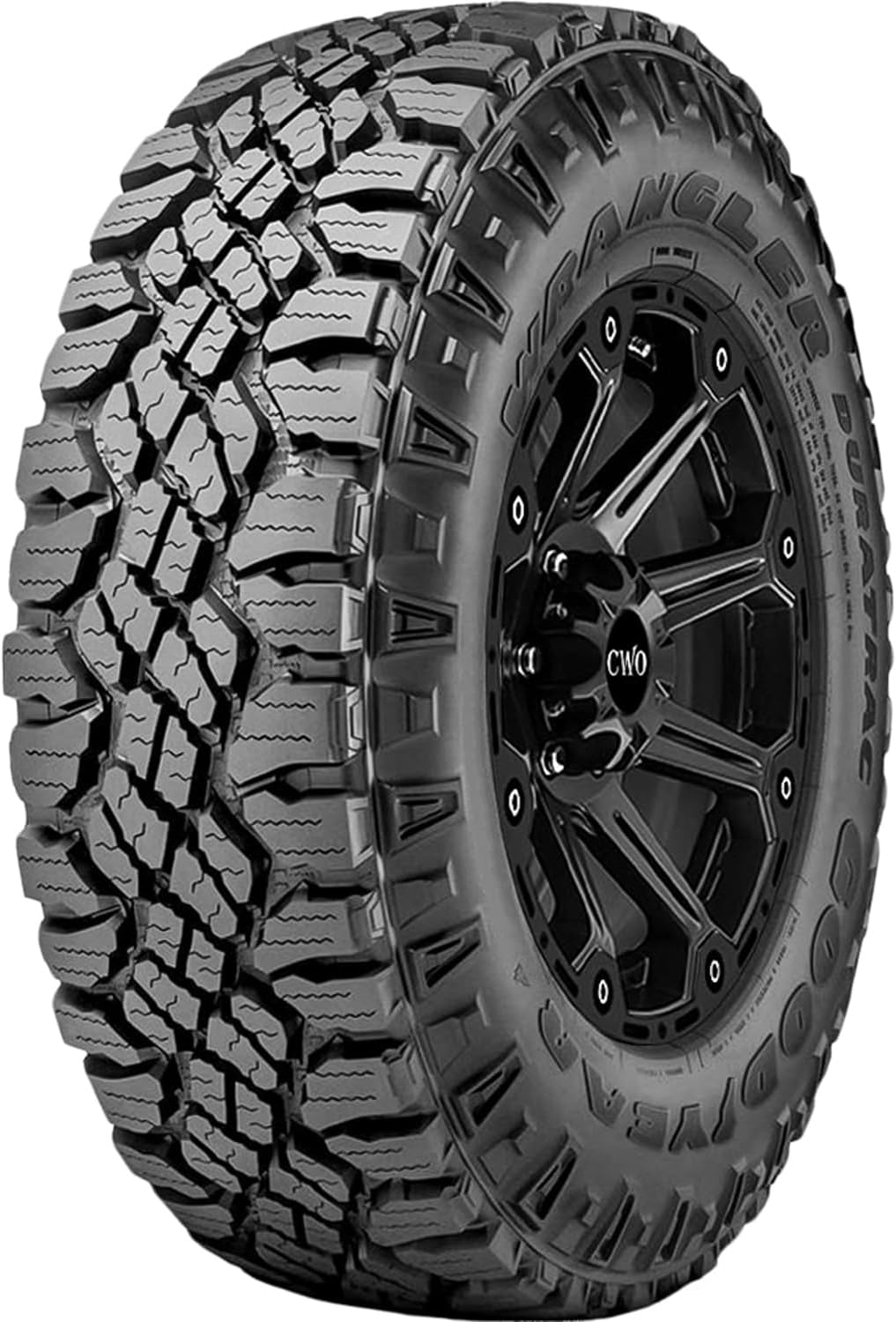
2. Goodyear Wrangler DuraTrac LT275/65R18 113Q All-Terrain Tire
| Size | LT275/65R18 113Q |
|---|---|
| Load Capacity | 2535 Pounds |
| Load Index | 113.0 |
| Load Range | C |
| Seasons | Year Round |
The Goodyear Wrangler DuraTrac is a purpose-built light-truck all-terrain tire that balances off-road bite with tolerable on-road manners. It uses aggressive center and shoulder tread geometry plus TractiveGroove technology and self-cleaning shoulder blocks to pull through mud, gravel, and snow while resisting stone retention. The construction and 24-ply rating contribute to a stiff footprint and strong load capacity, so it is suited for trucks that carry gear or tow. A rim protector helps guard wheels from curb damage and select LT sizes can be studded for added winter traction. On paved roads the tread is firmer than touring tires, so steering feel is direct but you should expect higher road noise and a slightly harsher ride compared with highway-focused tires. The DuraTrac also aims for long tread life with a 50,000-mile limited tread-life warranty, but aggressive tread means the quietest, smoothest highway performance is not its priority. Fitment should be limited to vehicles that accept LT275/65R18 113Q tires and owners who need durable, traction-first rubber for mixed on/off-road use.
Best for: Buyers who prioritize off-road capability and load-hauling durability for a Colorado built around robust traction and long tread life.
Less Ideal for: Drivers who want the quietest, most comfortable highway ride or who prioritize maximum fuel economy should consider highway-touring or all-season truck tires instead.
- Aggressive tread with TractiveGroove and self-cleaning shoulder blocks for strong mud and snow traction
- 24-ply construction and C load range provide robust load capacity and durability for light-truck use
- Rim protector reduces risk of curb damage to wheels
- Studdable LT sizes available for enhanced winter traction
- 50,000-mile limited tread-life warranty indicates long-wear design
- Tread design and stiff construction produce higher road noise and a firmer ride on pavement
Verdict: Choose the DuraTrac when you need durable, traction-first tires for mixed off-road and towing use on a Colorado that accepts LT275/65R18 rubber.
3. GT Radial Adventuro AT3 P245/70R17 All-Season Tire

| Rim Size | 17 Inches |
|---|---|
| Load Index | 108 |
| Speed Rating | T |
| Tread Type | Non-Directional |
| Seasons | Year Round |
The GT Radial Adventuro AT3 in 245/70R17 is an all-season light truck tire built for everyday driving and occasional off-pavement use. It features a non-directional tread and 10-ply construction that together provide a durable contact patch and predictable handling in wet and dry conditions. With a 108 load index (1925 lb capacity) and a T speed rating the tire suits carrying moderate loads on mid-size pickups and SUVs while keeping ride comfort reasonable for daily commuting. The 12/32 tread depth suggests longer tread life compared with many highway tires, and the universal fitment and 17-inch rim size match common setups for 2004–2012 Chevrolet Colorado models. Trade-offs include a load range of SL rather than heavier-duty load ranges, so drivers who regularly tow heavy trailers or carry very heavy payloads may prefer a more heavy-duty tire, and the T speed rating limits high-speed capability compared with higher-speed light truck tires. Overall it is a value-oriented all-season option that balances durability and year-round traction for practical owners.
Best for: Buyers who prioritize a durable, year-round tire for daily driving and occasional light hauling on a mid-size truck and want a practical, value-focused replacement.
Less Ideal for: Drivers who regularly tow heavy trailers, carry consistently heavy payloads, or need higher speed-rated light truck tires for performance-oriented driving.
- High load index (108) supports nearly 1,925 lb per tire for common light-truck loads
- 10-ply construction and 12/32 tread depth improve durability and expected tread life
- Non-directional all-season tread provides predictable wet and dry traction year-round
- Fits 17-inch rims which are common on many mid-size trucks and SUVs
- Load range is SL, so it is not optimized for frequent heavy towing or maximum payloads
- T speed rating limits high-speed performance compared with higher-speed-rated tires
Verdict: A practical, durable all-season 17-inch tire that balances load capacity and tread life for everyday Colorado owners seeking value and reliability.
4. Lexani LXHT-206 P235/70R16 Highway All-Season Tire

| Size | P235/70R16 |
|---|---|
| Load Index | 107 |
| Speed Rating | T |
| Load Range | XL |
| Tread Type | Non-Directional |
The Lexani LXHT-206 is a highway-terrain, all-season radial tire intended for light trucks and SUVs, sized P235/70R16 to fit many mid-size pickups like the Chevrolet Colorado. It uses a special rubber compound and a notched center rib to boost straight-line stability and help the tire wear more evenly over time. Circumferential grooves help channel water away to lower hydroplaning risk while shoulder ribs and lateral grooves improve handling responsiveness for everyday driving. The tread pattern is computer-tuned to reduce road noise, making highway commuting and longer trips more comfortable. This tire comes in an XL load range for heavier loads and a 4-ply construction that balances durability with ride comfort. Keep in mind it has no manufacturer warranty listed, so expect to rely on the tread life and performance rather than a guarantee; also it is a general highway tire, so it will not match the traction of dedicated off-road or winter tires in extreme conditions.
Best for: Owners seeking an affordable, quiet highway tire that delivers steady year-round grip and decent durability for daily driving and light hauling on a mid-size pickup.
Less Ideal for: Drivers who frequently tackle deep mud, heavy off-road trails, or severe winter conditions should choose tires specifically engineered for those environments instead.
- All-season compound aimed at longer tread life and consistent year-round traction
- Circumferential grooves and lateral channels that reduce hydroplaning on wet roads
- Notched center rib and shoulder ribs for improved straight-line stability and handling
- Computer-tuned tread pattern designed to lower road noise for a quieter ride
- No manufacturer warranty is listed
- Designed for highway use so it will not perform as well as dedicated off-road or winter tires in extreme conditions
Verdict: A budget-friendly all-season highway tire that gives quiet, stable year-round performance suitable for daily driving on a 2004–2012 Colorado.
5. BFGoodrich All-Terrain T/A KO3 LT265/75R16 E 123/120S

| Rim Size | 16 Inches |
|---|---|
| Load Index | 123 |
| Speed Rating | S |
| Load Capacity | 3415 Pounds |
| Load Range | E |
The BFGoodrich All-Terrain T/A KO3 is built as a durability-first all-terrain tire for light trucks and SUVs. It uses a revised tread pattern, tougher all-terrain compound, and CoreGard sidewall protection to resist cuts, punctures, and stone damage when driven on gravel, dirt, and rough roads. Typical use is mixed on- and off-road driving where reliability matters more than ultimate on-road comfort; expect solid mud and snow traction from the serrated shoulders and mud-phobic bars and improved wet-road behavior from the streamlined tread. The tire is rated LT with a Load Range E and a high load index suitable for heavier-duty Colorado duty cycles, and it comes with a 50,000-mile treadwear limited warranty. Trade-offs are a firmer ride and slightly higher road noise compared with highway-focused tires, and the aggressive tread will wear differently than highway tires under long highway-only use. For owners who need a durable, repair-resistant all-terrain that can handle rough seasonal conditions, the KO3 is a reliable choice.
Best for: Buyers who prioritize durability and consistent all-terrain traction for daily-driving and light off-road use on a 2004–2012 pickup, and who want a tire that minimizes downtime from punctures or sidewall damage.
Less Ideal for: Drivers who prioritize the quietest possible highway ride or maximum fuel economy on long pavement-only commutes should consider a highway touring tire instead.
- Reinforced sidewall technology for improved resistance to cuts and punctures.
- All-terrain compound and tread design tuned for mixed off-road and wet traction.
- High load index and E load range suitable for heavier light-truck use.
- Backed by a 50,000-mile manufacturer's treadwear limited warranty.
- Deep tread depth and mud-phobic features that help self-clean in off-road conditions.
- More road noise and a firmer ride compared with highway-focused touring tires.
- Aggressive tread may wear faster if used primarily on long highway drives.
Verdict: Choose the KO3 when you need a rugged, repair-resistant all-terrain tire that delivers dependable traction and long service life for heavier light-truck use.
6. Starfire Solarus AP All-Season 265/70R16 Tire

| Size | 265/70R16 112T |
|---|---|
| Tread Depth | 11 32nds |
| Load Capacity | 2469 Pounds |
| Construction Type | Radial |
| UTQG | 500AB |
The Starfire Solarus AP is an all-season, all-terrain radial sized 265/70R16 intended for light trucks and midsize SUVs. It uses sharp-angled center blocks and full-depth sipes to improve traction on loose surfaces and in light snow while wide anti-hydroplane grooves channel water to reduce hydroplaning. The tread pattern includes a zig-zag element that helps keep road noise down for everyday driving. In practice the tire delivers predictable on-road manners and acceptable off-pavement grip for dirt or gravel roads, making it a practical option for drivers who need year-round capability without paying premium prices. Expect a quieter highway ride and decent wet stopping compared with many budget tires, plus a factory-backed 50,000 mile warranty. The main compromises are that it is a value-brand tire rather than a premium performance or heavy-duty off-road tire, so extreme mud, deep snow, or aggressive towing use may expose its limits.
Best for: Drivers of 2004–2012 Chevrolet Colorado seeking a budget-conscious tire that provides reliable wet and light‑snow performance and a quieter highway ride for daily driving and light off-pavement use.
Less Ideal for: Drivers who regularly tackle deep mud, heavy snow, aggressive off-road trails, or who need a heavy-duty towing tire should consider specialized mud-terrain or heavy-load options instead.
- All-season tread with full-depth sipes for improved wet and light-snow traction
- Wide circumferential grooves that help resist hydroplaning
- Quiet zig-zag tread pattern reduces road noise
- Backed by a 50,000 mile warranty from the manufacturer
- Not intended for heavy off-road use or deep snow performance compared with dedicated mud or winter tires
- Value-brand construction may not match longevity or high-speed performance of premium tires
Verdict: A cost-conscious, all-season tire that gives Colorado owners dependable wet and light-snow traction plus a quiet ride for everyday driving.
7. STARFIRE Solarus HT All-Season 265/65R17 112T Tire

| Size | 265/65R17 112T |
|---|---|
| Tread Depth | 10.5 32nds |
| Maximum Pressure | 44 PSI |
| Construction Type | Radial |
| UTQG | 500-A-B |
The STARFIRE Solarus HT is an all-season highway touring tire engineered for light trucks, SUVs, and similar pickup applications. Its five-rib symmetrical tread, wet grip grooves, and traction sipes aim to deliver predictable year-round traction on wet and dry roads while keeping road noise low. Buyers will appreciate the focus on even treadwear and a manufacturer-backed 50,000-mile warranty that supports long-term value and ownership confidence. The tire is M+S rated for light snow and has a 500-A-B UTQG rating indicating decent treadwear and traction for its class. Practical limits include its highway-oriented design, which favors comfort and longevity over aggressive off-road traction, and the load range SL that suits typical light-duty use but is not for heavy loads or towing beyond the rating. Expect solid highway handling and a quiet ride on paved Colorado roads with adequate wet-weather performance, but plan different tires if you need serious off-road grip or heavy-load capability.
Best for: Drivers who prioritize a quiet, durable highway tire with predictable year-round performance and long tread life for daily driving and regional trips.
Less Ideal for: Drivers who frequently tackle technical off-road trails, require heavy-load or towing capacity beyond light-duty ratings, or need a dedicated winter tire for severe snow.
- Touring tread pattern designed for even wear and a quiet ride
- Wet Grip Grooves and traction sipes improve all-season wet performance
- 50,000-mile warranty provides long-term ownership confidence
- M+S rating offers basic snow capability for winter commute
- Not optimized for aggressive off-road use or deep snow conditions
Verdict: A conservative, long-wearing all-season highway tire that gives risk-averse buyers quiet, reliable year-round performance and a reassuring 50,000-mile warranty.
Choosing the Right 2004-2012 Chevrolet Colorado Tires: Key Factors to Consider
Tire Size and Fitment
Confirm the correct tire size stamped on your Colorado's placard or owner manual before shopping. Using the right diameter and width preserves speedometer accuracy, ride height, and clearance for braking components. Different model years and trim levels within 2004-2012 may have come with different stock wheel sizes, so match replacement tires to your vehicle's wheel diameter and bolt pattern.
Fitment also affects tire sidewall height and aspect ratio, which change ride comfort and handling. Choosing an incorrect overall diameter can alter gearing and ABS calibration. When changing sizes for load or aesthetics, consider the impact on suspension clearance and steering geometry and ensure the selected tire size supports the recommended load index for your truck.
Load Rating and Ply Construction
Load rating tells you how much weight each tire can safely carry; for a pickup like the Colorado, select tires with a load index that meets or exceeds the vehicle's Gross Axle Weight Rating when loaded. Ply or the modern equivalent construction influences sidewall strength and resistance to punctures when hauling or towing.
Heavier-duty constructions increase durability and reduce risk of overheating under load but may add stiffness that changes ride quality. If you regularly tow or carry heavy payloads, prioritize higher load-rated tires and check for reinforced or XL-rated options that match your typical use.
Tread Pattern and Wet Traction
Tread design affects braking, hydroplaning resistance, and steering response on wet roads. Look for tread patterns with wide circumferential grooves and well-designed siping to channel water away from the contact patch. For Colorado owners driving in rainy or mixed-weather conditions, wet traction is a primary safety consideration.
Aggressive, open treads are better for mud and off-road use but can trade off road noise and wear on pavement. Symmetric or asymmetrical highway patterns often balance mileage and wet performance for everyday driving while still offering adequate traction for light off-pavement use.
Tread Life and Warranty
Tire longevity affects operating cost and convenience. Look at manufacturer treadwear ratings and mileage warranties as proxies for expected service life, but treat them as comparative guides rather than guarantees. Real-world tread life depends on driving style, load, alignment, and rotation frequency.
A solid warranty can protect against premature wear patterns and manufacturing defects. For the Colorado, where owners often cover significant miles or haul loads, prioritizing tires with proven longevity or extended mileage warranties can reduce total ownership cost.
Seasonal Performance and Climate Suitability
Select a tire compound and pattern suited to the climates you encounter. All-season tires provide balanced performance across a range of temperatures and light winter conditions, while dedicated winter tires offer superior grip on snow and ice. If you live where temperatures drop below 45 degrees F regularly, a winter-specific tire will outperform an all-season option in cold weather.
Consider whether you need an all-terrain tread for mixed road and light off-road use, or a highway-focused tread for mostly paved driving. Seasonal choices should also factor in how often you switch between sets; having dedicated winter tires requires storage and a plan for seasonal mounting and balancing.
Ride Comfort, Noise, and Handling
Tire construction and tread pattern influence ride quality and cabin noise. Higher-void or blocky treads designed for off-road traction tend to be louder and can transmit more vibration. Conversely, highway tires with closed shoulders and continuous ribs typically provide a quieter, more comfortable ride and more predictable steering on pavement.
Handling characteristics such as steering response and lateral grip can vary with sidewall stiffness and tread compound. Match tire choices to your driving priorities: prioritize comfort and low noise for commuting, or choose firmer, more responsive designs if you prioritize spirited driving or precision towing control.
Understanding Common 2004-2012 Colorado Tire Sizes
Many 2004-2012 Chevrolet Colorado trucks were equipped with wheel sizes that accept 15- to 17-inch tires, and common tire widths fall in ranges that fit these wheels. Knowing your truck's exact OEM size simplifies selection and ensures proper clearance for brakes and suspension components.
When considering alternate sizes for improved load capacity or aesthetics, verify the overall diameter change is minimal to avoid speedometer and ABS discrepancies. Also confirm wheel offset and backspacing are compatible to prevent rubbing during full steering lock or suspension compression.
- Check the door placard or owner manual for stock tire dimensions.
- Measure current tire diameter if you suspect a nonstandard size has been fitted previously.
- Consult a professional when upsizing wheels to ensure brake and fender clearance.
Seasonal Options: When to Choose Winter Vs All-Season
If you regularly face snow, ice, or sustained subfreezing temperatures, dedicated winter tires substantially improve braking and lateral control compared with all-season tires. Winter compounds remain flexible at low temperatures and have tread features designed for snow traction.
For milder climates with occasional light snow, a premium all-season tire can offer a useful compromise: acceptable year-round traction, longer mileage expectations, and no midseason changeover. Consider whether you want to switch tires seasonally or rely on a single all-season set based on your local climate and driving habits.
- Winter tires recommended if temperatures often fall below 45 degrees F.
- All-season best for moderate climates and reduced maintenance from not swapping tires.
- Dedicated winter sets require additional storage and seasonal mounting.
Tire Maintenance: Rotation, Balancing, and Alignment
Regular tire maintenance extends tread life and preserves handling. Rotate tires at recommended intervals or every oil change to promote even wear and check for uneven patterns that suggest alignment or suspension issues. Proper balancing reduces vibration and premature wear.
Wheel alignment keeps steering predictable and minimizes shoulder wear. After a suspension repair, wheel change, or noticeable pull, have alignment checked. Correct tire pressure is also critical for even wear and fuel economy.
- Rotate tires every 5,000 to 7,500 miles or per owner manual guidance.
- Balance tires at installation and whenever vibration is noticed.
- Check alignment annually or after hitting a curb or pothole.
Load Carrying and Towing: Matching Tires to Duty
If you use your Colorado for towing or regular hauling, confirm the tire load index supports your typical payloads. Under-rated tires can overheat and wear prematurely when subjected to heavier loads. Choose reinforced or higher-load-index tires when your vehicle routinely approaches its payload or towing limits.
For frequent towing, also consider the tire's speed rating under load and monitor pressures closely; underinflation under load accelerates wear and increases risk of failure. Upgrading to a tire designed for light-truck use can improve sidewall durability and heat dissipation.
- Calculate expected axle loads when towing to ensure tire load index is sufficient.
- Use higher pressure within the manufacturer's recommended range when carrying heavy loads.
- Inspect tires for heat-related sidewall damage after long tows or heavy hauling.
Noise and Comfort: Balancing Ruggedness With Daily Use
Pick a tire that fits how you use the truck. If most driving is daily commuting, prioritize highway-oriented tires with closed tread patterns that reduce road noise and increase comfort. If you need occasional off-road capability, choose a tread that balances traction with acceptable on-road manners.
Consider the tradeoff between rugged all-terrain designs and comfort; more aggressive treads increase cabin noise and can reduce fuel economy. To preserve a quiet ride, look for tires advertised with noise-reduction features or continuous center ribs.
- Highway tires for quieter ride and better fuel economy.
- All-terrain for mixed surfaces at the cost of more road noise.
- Check user feedback on NVH for real-world impressions.
Still looking for the perfect fit?
Select your Chevrolet Colorado configuration to see the most relevant Tires recommendations
How We Chose the Best 2004-2012 Chevrolet Colorado Tires
We shortlisted tires for the 2004-2012 Chevrolet Colorado by focusing on real-world needs for this midsize truck. Our evaluation emphasized load rating and sidewall strength because many Colorado owners tow or carry payloads that demand tires with reliable capacity. We also prioritized wet- and dry-grip performance to reduce stopping distances in rain and on mixed road surfaces. Tread-life estimates and warranty coverage were considered to assess long-term cost of ownership. Ride comfort and NVH were included to reflect daily driving experience. For seasonal relevance we included options suitable for four-season use and choices with winter traction characteristics.Excluded from consideration were tires sized only for passenger cars and specialty high-performance or race-oriented tires that do not meet typical truck load requirements. We filtered out options lacking published load index data or those without established user feedback on durability. Final selections balanced technical spec review, user-reported longevity, and suitability for the Colorado's common tire sizes and driving duties.
Our full evaluation process is outlined in our review methodology.
FAQ
How often should I replace tires on a 2004-2012 Colorado?
Replacement depends on tread depth, age, and visible damage. Many owners replace tires between 40,000 and 70,000 miles, but check tread depth, sidewall condition, and the manufacture date. Replace tires sooner if tread is below 2/32 inch or if you see cracking, bulges, or uneven wear.
Can I use a different tire size than stock on my Colorado?
You can use alternate sizes but keep overall diameter changes small to avoid speedometer and ABS issues. Confirm wheel clearance, load rating, and that the new size fits your wheel width and offset. Professional fitment advice is recommended for nonstandard sizes.
What tire pressure should I run when towing with a Colorado?
Follow the placard or owner manual for the baseline pressures, then increase within the vehicle manufacturer's recommended range for heavier loads. Properly inflated tires reduce heat buildup and uneven wear when towing. Check pressures before long trips and while the tires are cold.
Are all-season tires adequate for occasional winter driving?
For occasional light snow and mild winter temperatures, high-quality all-season tires can be adequate. However, for frequent snow, ice, or sustained subfreezing conditions, a dedicated winter tire provides notably better traction and shorter stopping distances.
How can I tell when tire tread wear indicators require replacement?
Most tires have molded tread wear indicators that become flush with the tread surface at 2/32 inch remaining. Also use a tread depth gauge or a coin test to monitor depth. Uneven wear or indicators showing across the tread mean it is time to replace the tire.
Does balancing and alignment really matter after new tires are installed?
Yes. Proper balancing prevents vibration and uneven wear, while alignment ensures even contact and predictable handling. Have tires balanced at installation and get an alignment if you experience pulling, uneven shoulder wear, or after suspension work.
Final Verdict
For the 2004-2012 Chevrolet Colorado, prioritize tires that meet or exceed the required load rating and suit your seasonal needs. If you tow or haul regularly, choose reinforced, higher-load-index tires and monitor pressures frequently. If most driving is daily commuting, favor highway-oriented tires that deliver quieter ride, better fuel economy, and longer tread life.Balancing wet traction, tread life, and load capacity will help you select the best option for your driving profile. Use the factors above to weigh tradeoffs and pick a tire that aligns with your priorities for safety, durability, and comfort.
Explore More:
- Check out all Chevrolet Colorado parts & accessories
- Explore Tires Maintenance & Repair Guides
- Explore Wheels & Tires
- Browse all Auto Parts
