

Note: This article contains affiliate links. If you click on these links and make a purchase, I may earn a small commission at no extra cost to you. This helps support my research and content. Read my full affiliate disclosure here.
You want a thermostat that gets the Jeep Wrangler 3.6L to operating temperature quickly and then keeps it stable under load. The right thermostat affects warm-up time, cabin heat, engine efficiency, and how the cooling system responds during towing or spirited driving. This guide focuses on the top shortlisted thermostats that fit the 3.6L configuration and explains the practical differences that matter for owners. We evaluated units for fitment, opening temperature consistency, coolant flow characteristics, and durability under typical Wrangler use. Read on to understand what to look for and how these factors influence real-world performance before you pick a replacement.
Looking for other parts? See all Jeep Wrangler parts & accessories.
Top Picks at a Glance
| Best Overall The best all-around choice for most situations | Dorman 902-852 Engine Coolant Thermostat Housing Assembly |  |
| Best Quality Built to a higher standard if you want something more solid | Mopar Genuine Thermostat Housing for 3.6L V6 |  |
| Best Value The sweet spot between price and what you get | A-Premium Engine Coolant Thermostat Housing Assembly with Thermostat |  |
| Best Budget The cheapest option that still gets the job done reliably | Rldym Engine Coolant Thermostat Housing Assembly (902-852) |  |
| Highest Rated A top-rated pick with lots of positive feedback | MITZONE Aluminum Thermostat Housing Assembly with Thermostat and Gasket | 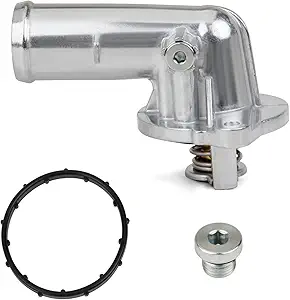 |
| Most Popular A crowd favorite that many people choose with confidence | AA Ignition Aluminum Thermostat Housing Assembly (includes sensor and gasket) |  |
| Best Seller A high-volume bestseller chosen again and again | Allmotorparts Aluminum Thermostat Housing Assembly for 3.6L Dodge/Jeep |  |
1. Dorman 902-852 Engine Coolant Thermostat Housing Assembly

| Manufacturer | Dorman Products |
|---|---|
| Model | 902-852 |
| Compatible vehicles | Select Dodge/Jeep models (see fitment list) |
| Exterior | Ready To Paint If Needed |
This Dorman 902-852 thermostat housing assembly replaces the factory water outlet and houses the thermostat for compatible 3.6L Jeep and Dodge applications. It is used as a direct replacement when the original unit cracks, leaks, or the thermostat sticks open and causes low operating temperature codes. The assembly ships with a preinstalled gasket and is molded to match the stock mounting and hose connections, which makes installation straightforward for a home mechanic and typically takes under 30 minutes. Dorman highlights the part is built to resist thermal cycling that can cause cracking, and many users report it restores normal coolant temperature and clears P0128 codes. Expectations should be realistic though: a few customers experienced fitment or function problems on certain model years, so confirm vehicle fitment carefully before installing and be prepared to pressure-test the cooling system and top up coolant after service. For routine cooling-system repairs this unit offers a low-cost, readily available alternative to a factory replacement.
Best for: Jeep owners looking for an affordable, straightforward replacement to restore correct operating temperature and clear temperature-related fault codes, who prefer a part they can install themselves or with minimal shop time.
Less Ideal for: Drivers who prioritize exclusively OEM parts or those unable to verify exact year/engine fitment should consider sourcing a factory-specified thermostat housing through a dealer or authorized parts distributor.
- Direct-fit replacement designed for specified Dodge and Jeep model years
- Preinstalled gasket simplifies installation and helps achieve a leak-free seal
- Engineered to resist extreme temperature changes and reduce cracking risk
- Many users report it resolves P0128/low-temperature codes and restores cabin heat
- Some buyers reported fitment or functional failures on certain model years requiring additional repairs or diagnostics
Verdict: A cost-effective, direct-replacement thermostat housing that typically restores correct operating temperature on 3.6L Jeep applications while keeping installation simple for DIYers.
2. Mopar Genuine Thermostat Housing for 3.6L V6

| Specific Uses For Product | Automotive cooling systems for 3.6L V6 engines |
|---|---|
| Included Components | thermostat, housing, seal, and bleeder screw |
| Material Type | Metal |
| Manufacturer | Mopar |
This Mopar thermostat housing assembly replaces the factory unit on 3.6L V6 engines and is built to the same specifications as the part that came with the vehicle. Installation is straightforward for a DIYer or tech: remove the intake cover and hoses, drain a small amount of coolant, unbolt the old housing and swap in the Mopar unit using the supplied seal and bleeder screw. The included thermostat is calibrated for proper warm-up and operating temperature, and the bleeder makes burping the cooling system easier after installation. Using a genuine Mopar part reduces fitment issues and helps avoid the premature failures sometimes seen with cheaper aftermarket housings. The housing is metal with a brushed finish which feels durable, though you will still need to handle bolts carefully to avoid over-torquing plastic mating surfaces elsewhere. If you want a direct, factory-fit replacement that restores correct temperature control on a 3.6L Jeep, this assembly delivers consistent results with minimal fuss.
Best for: Buyers who prioritize reliable, factory-spec cooling performance and want a direct plug-and-play replacement to restore correct engine operating temperature on a 3.6L Jeep.
Less Ideal for: Drivers looking for a budget aftermarket alternative or performance-modified thermostats with nonstandard temperature ratings should consider other options.
- Direct factory replacement built for 3.6L V6 engines, minimizing fitment and compatibility issues
- Includes thermostat, seal, and bleeder screw for a complete install
- Metal construction and factory-quality fitment improve durability over many aftermarket units
- Bleeder screw simplifies removing air from the cooling system after service
- Some users reported a fragile locating tab which may break during handling or installation
Verdict: Choose this Mopar housing when you want a reliable, factory-fit replacement that restores correct temperature control on a 3.6L Wrangler.
3. A-Premium Engine Coolant Thermostat Housing Assembly with Thermostat

| Manufacturer | PremiumpartsWhosale |
|---|---|
| Brand | A-Premium |
| Manufacturer Part Number | APTHA0058C |
| Vehicle Fitment | Select 3.6L Jeep Grand Cherokee, Wrangler, Wrangler JK and Dodge Durango years listed |
| Type | Outlet with thermostat |
This thermostat housing assembly combines the housing, thermostat, and seal into a single replacement unit for 3.6L Jeep and Dodge V6 engines. It is a plug-and-play style outlet assembly intended to replace the factory housing and restore coolant flow and temperature regulation after a leak or failed thermostat. Installation is straightforward for a mechanically minded DIYer since the housing mounts with two bolts and the part matches common OEM reference numbers. The listing highlights corrosion resistance and durability, and multiple users report good fit and reliable performance. One important limitation is thermostat calibration: an included thermostat may open at a different temperature than some factory thermostats, which can trigger a low-temp engine code on vehicles that require a higher opening point. For buyers focused on a quick, budget-friendly repair that restores sealing and basic thermostat function this is a practical option, but check the required thermostat opening temperature for your vehicle before installing.
Best for: Buyers who want a practical, cost-conscious repair that replaces the housing and thermostat together and prefer a ready-to-install unit they can fit themselves or have fitted quickly by a shop.
Less Ideal for: Drivers who require an exact factory-specified thermostat opening temperature for engine management or those who prefer purchasing the thermostat separately to control calibration.
- Includes housing, thermostat, and seal for a single replacement install
- Listed to match several OEM reference part numbers for direct fitment
- Designed to resist corrosion and provide long service life
- Many buyers report straightforward plug-and-play installation and good fit
- Thermostat opening temperature may differ from factory spec on some vehicles, risking a check-engine code
- Limited to specific 3.6L V6 fitment and mounting pattern
Verdict: A practical, budget-friendly all-in-one housing and thermostat replacement for 3.6L Jeep/Dodge V6 owners who want a quick, reliable repair.
4. Rldym Engine Coolant Thermostat Housing Assembly (902-852)

| Manufacturer | Rldym |
|---|---|
| Model | 902-852 |
| Compatible engines | 3.6L V6 |
| Interchange numbers | 49569, 823203, 85944, 5184651AF |
This Rldym thermostat housing assembly replaces several factory part numbers and is intended as a direct-fit replacement for 3.6L V6 applications listed by the maker. It mounts in place of the original housing and routes coolant through the thermostat area, restoring proper engine temperature control after a failed or leaking factory unit. The listing highlights a brushed exterior and claims premium materials and pre-sale testing; customers report straightforward installation and reliable operation on compatible vehicles. For a budget-focused buyer this part delivers the basic function you need without dealer pricing and can save on repair costs if the fitment matches. Expect fewer bells and whistles than OE-brand parts and limited documentation or brand reputation compared with established OEM suppliers. Verify the interchange numbers and your engine type before ordering to avoid fitment issues and be prepared to supply your own gasket or sealant if not included.
Best for: A buyer looking to repair a cooling-system leak or failed thermostat housing on a 3.6L Jeep Wrangler who prioritizes keeping repair costs low and getting a functional, direct-fit replacement quickly.
Less Ideal for: If you want a name-brand OEM replacement with extensive dealer support or full factory documentation, consider sourcing from an established parts supplier instead.
- Direct replacement for listed 3.6L V6 models so installation is typically straightforward
- Covers multiple OEM part numbers to simplify finding the right unit
- Low-cost option that can reduce repair expenses compared with dealer parts
- Brushed exterior and claimed testing suggest reasonable durability for everyday driving
- Limited brand history and fewer support resources compared with established manufacturers
- Listing does not clearly state whether a gasket or hardware is included
Verdict: A budget-friendly, direct-fit thermostat housing for 3.6L Wrangler applications that restores cooling function without dealer-level cost.
5. MITZONE Aluminum Thermostat Housing Assembly with Thermostat and Gasket
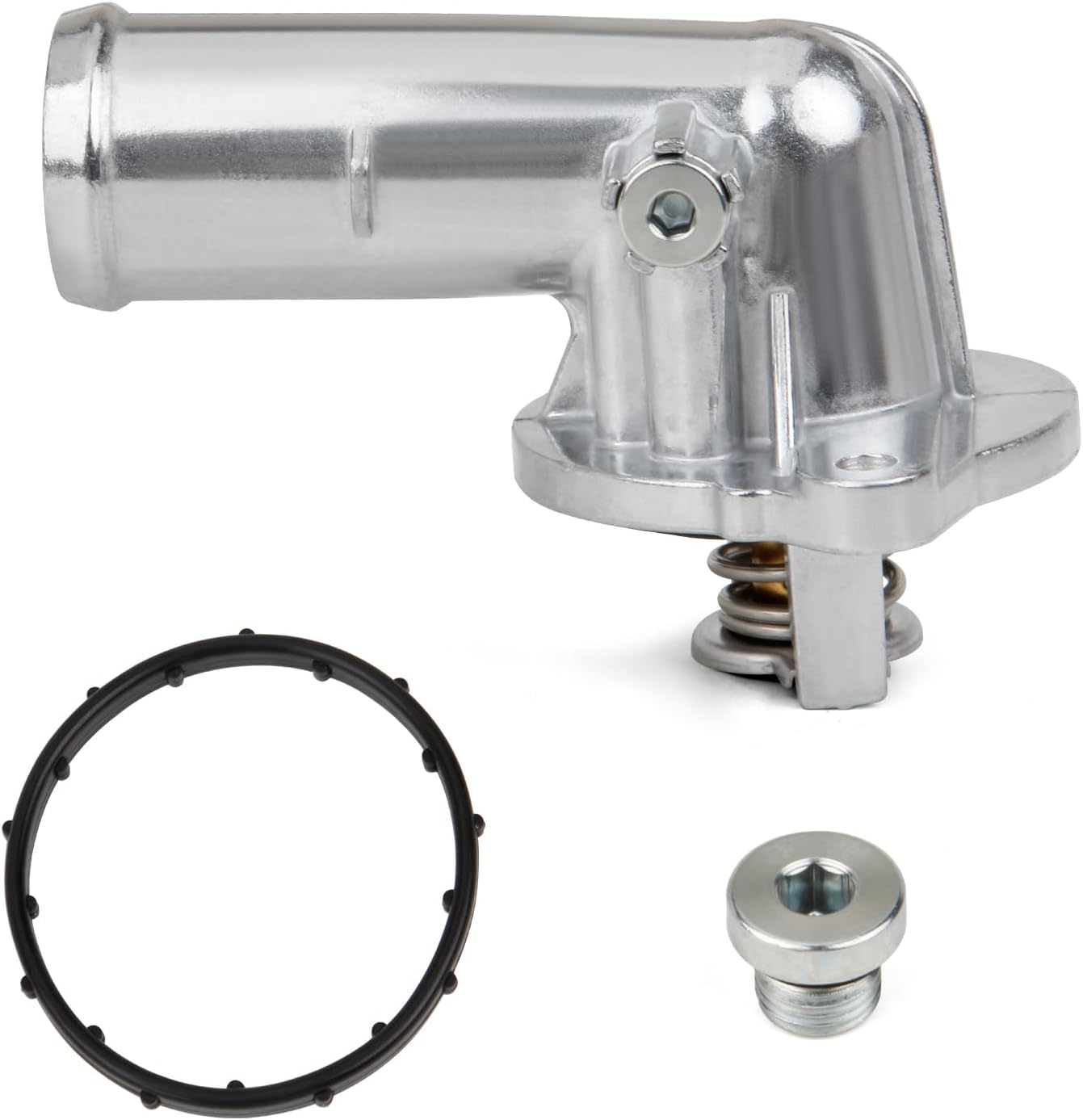
| Compatible replace numbers | 902-852, 5184651AF/AG/AH |
|---|---|
| Thermostat opening temp | 203 Deg. F / 95 °C |
| Included components | Thermostat housing, thermostat, gasket, screw |
| Exterior material | Aluminium |
This aluminum thermostat housing assembly replaces the stock plastic coolant outlet and is supplied complete with a thermostat, gasket, and a mounting screw. It is designed as a direct replacement for specific Pentastar V6 applications and installs like the original part, with users reporting straightforward bolt-up fitment and only minor alignment differences that flexible radiator hoses accommodate. The cast aluminum body gives a more robust mating surface than plastic housings and reduces the risk of heat-related cracking. The included thermostat is rated to open around 203 F (95 C), and buyers note stable operating temperatures and no leaks when the block mating surface is cleaned and the gasket is seated correctly. Some reviews praise the part as a high-value upgrade versus factory plastic, while a small number report thermostat sticking or opening issues, so careful bench-checking of the included thermostat before installation is prudent for those prioritizing absolute reliability.
Best for: Buyers who want a more durable, long-lasting replacement for a plastic coolant outlet and who prioritize preventing future failures from heat and pressure in Pentastar V6 engines.
Less Ideal for: If you prefer buying a replacement thermostat separately from a known aftermarket thermostat brand or need guaranteed factory-match parts from a vehicle dealer, this all-in-one aftermarket kit may be less suitable.
- Cast aluminum construction is stronger and more heat-resistant than the original plastic housing
- Includes thermostat, gasket, and a mounting screw for a mostly complete replacement kit
- Reports of direct fit and easy installation on compatible Pentastar engines
- Machined mating surface reduces chance of coolant leaks when installed properly
- A few customers reported thermostat function problems, so the included thermostat may require bench testing before installation
Verdict: A stout aluminum replacement housing kit that upgrades the fragile plastic outlet and delivers better heat resistance and leak resistance for owners chasing reliability.
6. AA Ignition Aluminum Thermostat Housing Assembly (includes sensor and gasket)

| Compatible engines | 3.6L Dodge and Jeep vehicles (listed years) |
|---|---|
| Includes | Sensor and gasket |
| Exterior | Machined aluminum |
| Manufacturer | AA Ignition |
This aluminum thermostat housing replaces the common plastic factory unit on 3.6L Dodge and Jeep engines and is intended as a direct-fit replacement for the listed year ranges. It controls coolant flow and comes with the temperature sensor and gasket, so you can swap the entire assembly in one job. The full-aluminum, machined construction reduces the cracking and heat-related failures that plague plastic housings and gives a more durable long-term seal when installed with proper clamps and coolant bleeding. Several buyers report straightforward fitment and a noticeable end to coolant leaks and erratic temperature readings after installation. Fitment problems and leaks have been reported in a minority of cases, so verify the exact year and engine variant before buying and use proper hose clamps and torque sequence during installation. This part is a practical upgrade if you want a metal housing to reduce repeat replacements, but expect to spend a little extra time on careful installation and coolant system bleeding to avoid air pockets or leaks.
Best for: Buyers who want a more durable, metal replacement for the 3.6L Wrangler thermostat housing and prefer a complete kit that replaces the housing and sensor in one service interval, with attention to proper installation.
Less Ideal for: If you are looking for a universal part or are unwilling to verify exact year/engine fitment and perform careful coolant bleeding, this specific replacement may cause fitment or sealing headaches.
- All-aluminum machined construction reduces heat-related cracking compared with plastic housings
- Includes thermostat sensor and gasket for a complete one-piece replacement
- Designed as a direct replacement to match factory mounting and hose locations
- Machined exterior finish suggests consistent cast and mating surfaces
- Some buyers reported fitment or sealing issues requiring clamp or gasket changes
Verdict: A direct-fit aluminum replacement that eliminates the weak plastic housing design and gives a longer-lasting, all-in-one swap for 3.6L Jeep Wrangler cooling systems.
7. Allmotorparts Aluminum Thermostat Housing Assembly for 3.6L Dodge/Jeep

| Brand | Allmotorparts |
|---|---|
| Manufacturer Part Number | AMP361 |
| Compatible Engines | 3.6L V6 Pentastar |
| Replaces Part Numbers | 902-852, 902852, 5184651AH/AF/AG |
This aluminum thermostat housing from Allmotorparts replaces the factory plastic housing on 3.6L Dodge and Jeep engines and is intended as a direct-fit replacement for the listed model years. It installs in the cooling outlet between the engine and radiator and functions the same as the original housing while holding the thermostat and bleeder screw for removing air during refill. Notable features include a metal construction that reviewers say resists cracking and a factory-style fit that bolts in without modification. For routine DIY replacement it simplifies the job for owners comfortable with basic cooling-system work, but you must follow proper cooldown and bleeding procedures to avoid air pockets and temperature issues. This is an aftermarket part rather than a genuine factory unit, so expect variations in finish and the need to confirm vehicle compatibility before purchase. The housing offers a durable alternative to brittle plastic units but does not include the thermostat itself or additional gaskets in the listing, so plan accordingly for a full service.
Best for: Buyers looking to replace a failing or cracked plastic thermostat housing with a more durable metal option who prioritize long-term reliability and a straightforward, factory-style replacement process.
Less Ideal for: People who want an exact genuine manufacturer part or who prefer a complete overhaul kit including thermostat and multiple seals should consider other options.
- Aluminum construction more resistant to heat cycling and cracking than plastic housings
- Reported direct-fit installation for specified 3.6L Dodge and Jeep years with no modifications
- Factory-style design includes bleeder provision to help remove trapped air during coolant fill
- Aftermarket replacement that replaces multiple OEM part numbers for easier sourcing
- Aftermarket item so fit, finish, and exact material properties can vary from the factory part
Verdict: A sturdily made aluminum replacement housing that gives risk-averse owners a more durable, factory-fit alternative to the plastic original for 3.6L Dodge and Jeep engines.
Choosing the Right Jeep Wrangler 3.6L Thermostat: Key Factors to Consider
Opening Temperature and Tolerance
Thermostats open at a specified temperature to regulate coolant flow. Choosing a unit with the correct opening temperature and tight manufacturing tolerance keeps the Jeep Wrangler 3.6L operating in its intended band, which affects emissions, fuel efficiency, and cabin heat. A thermostat that opens too early can cause the engine to run cold, reducing combustion efficiency and increasing wear during short trips. Conversely, one that opens too late raises the risk of localized overheating under load.
Tolerance matters because even small deviations across cycles change the consistency of temperature control. Look for documentation of nominal opening temperature and tolerance range. Consistent performance across repeated thermal cycles indicates better thermal regulation and fewer surprises on the road.
Flow Characteristics When Fully Open
When the thermostat is fully open, the cooling system must move sufficient coolant to dissipate heat at high engine loads or during towing. Flow characteristics include the internal passage design and how unobstructed the opening becomes at full travel. A restrictive design can create hotspots and force the water pump and radiator to work harder.
Assess how the thermostat integrates with the existing coolant passages and whether it provides a straight-through flow path when open. For the Wrangler 3.6L, where occasional off-road or heavy-load use is common, a thermostat that permits robust flow when open reduces the chance of overheating during sustained high-load operation.
Material Durability and Corrosion Resistance
Thermostats operate in a corrosive environment of coolant and variable temperatures. Materials that resist corrosion and degradation extend service life and lower the chance of mechanical sticking. Components such as the valve, housing flange, and spring should be made from metals and coatings that withstand long-term exposure to OEM coolant formulations.
Poor materials lead to sticking, leaks, or sudden failure. Consider thermostats with stainless steel or treated components and durable seals. A more durable thermostat reduces the frequency of engine thermostat replacement and the risk of roadside failures.
Seal Design and Ease of Installation
A reliable seal between the thermostat and housing prevents coolant leaks and air ingress, both of which compromise cooling performance. Pay attention to whether the unit uses a gasket, O-ring, or integrated seal and whether an installation kit is required. Proper sealing also affects whether you will need to replace the housing gasket during installation.
Installation complexity matters for owners doing the job themselves. Thermostats that fit without modification, align easily with bolt patterns, and use standard gaskets reduce installation time and the likelihood of a thermostat housing seal leak. Clear instructions and compatibility with factory-fastening hardware simplify the job for DIYers.
Compatibility and Part-Number Fitment
Correct part-number fitment removes guesswork and ensures the thermostat seats correctly and operates as intended. Even thermostats that claim general compatibility can differ in flange geometry, depth, or sensor boss location. Confirming exact fitment for the Jeep Wrangler 3.6L avoids returns and improper installation.
Check documentation for the OEM opening temperature, housing orientation, and any required adapter components. Accurate part-number fitment reduces the chance of rework and protects the cooling system from misaligned components that could cause leaks or poor sealing.
Maintenance Considerations and Lifecycle
Thermostats are typically low-maintenance, but their failure modes impact the service interval of related cooling components. A stuck thermostat can cause overheating or prolonged cold running, which in turn affects head gasket life and coolant chemistry. Consider the expected service life and whether replacing other consumables, such as the housing gasket or coolant, is advisable at the same time.
Owners who plan to drive in extreme conditions should account for earlier replacement intervals and inspect the cooling system for signs of seal degradation or corrosion. Choosing a thermostat with a predictable lifecycle reduces unexpected maintenance and supports planned cooling system service.
Common Thermostat Symptoms on the Wrangler 3.6L
Recognizing thermostat-related symptoms early prevents more serious engine damage. Typical signs include inconsistent cabin heat, extended warm-up times, and intermittent temperature gauge spikes during heavy use. Overheating symptoms are often gradual and may present as higher normal operating temperature under load rather than an immediate gauge redline.
A thermostat that sticks open usually causes the engine to run cold, which you might notice as low cabin heat or slightly reduced fuel economy. A thermostat that sticks closed, or opens late, tends to produce overheating during extended idling or towing. Watch for coolant leaks around the housing or bubbles in the reservoir, which can signal seal issues or boiling at hotspots.
- Low or no cabin heat during warm-up
- Temperature gauge creeping higher under load
- Coolant puddles or dampness near the thermostat housing
- Bubbles or foaming in the coolant reservoir
- Poor fuel economy on short trips due to cold running
How to Test a Jeep Wrangler 3.6L Thermostat
Basic testing can be performed without removing the thermostat by monitoring warm-up behavior and watching the upper radiator hose. When the engine is cold, the hose should remain cool; as the thermostat opens, the hose will begin to warm as hot coolant flows through the radiator. A hose that warms immediately can indicate a stuck-open thermostat.
For a more definitive check, follow safe procedures for a cold engine and observe coolant flow with the radiator cap removed only when safe and pressure is released. Alternately, bench tests using a controlled heat source and a thermometer confirm opening temperature, but this requires removal and proper safety precautions. If you are unsure, have a technician perform the test to avoid burns or coolant loss.
- Monitor upper radiator hose temperature during warm-up
- Look for abrupt gauge changes during idling or load
- Bench-test removed thermostat in a pot of water to observe opening
- Use a temperature gun to verify coolant temperature at the housing
Thermostat Housing Seal Leak: Symptoms and Fixes
A failed seal at the thermostat housing can cause slow coolant loss, air ingestion, and intermittent overheating. Typical signs include drips beneath the housing, residue buildup, or a steady drop in reservoir level without obvious external leaks. Because the housing sits at a coolant flow junction, even a small leak can introduce air and affect system pressure.
Fixes usually involve replacing the gasket or O-ring and ensuring the mating surfaces are clean and flat. Inspect the housing for cracks and torque bolts to manufacturer specs. Replacing the thermostat and seal together is often a cost-effective preventive step when addressing this failure mode.
- Visible coolant seepage around the housing flange
- Coolant level slowly decreasing over weeks
- Air pockets forming in the cooling system after fill
- Ensure clean mating surfaces and proper bolt torque when reassembling
DIY Replacement Tips for Owners
Many Jeep owners can replace the thermostat with basic tools and a workshop manual. Park on a level surface, let the engine cool completely, and drain coolant to a safe level before removing the housing. Keep a drain pan under the vehicle and mark hose locations to avoid routing mistakes during reassembly.
Always replace the seal or gasket with the thermostat and use new hardware if recommended. After installation, refill and properly bleed the cooling system to remove trapped air pockets. Check for leaks during a short test drive and re-torque bolts after the engine reaches operating temperature.
- Drain coolant to below the housing before removal
- Replace the housing gasket or O-ring with the thermostat
- Bleed the cooling system to remove air after refilling
- Inspect hoses and clamps while the job is open
When to Involve a Technician
Call a technician if you encounter persistent overheating, repeated leaks after seal replacement, or unclear symptoms such as erratic gauge behavior combined with coolant loss. Technicians can perform pressure tests, verify flow rates, and bench-test thermostats to isolate failures.
Professional services are also advisable if the housing shows corrosion, bolt holes are damaged, or if the vehicle exhibits head gasket failure signs. Complex cooling issues often require diagnostic equipment and experience to avoid misdiagnosing components that appear faulty but are actually secondary symptoms.
- Persistent overheating despite thermostat replacement
- Repeated thermostat housing leaks after repairs
- Visible corrosion or damaged mounting points
- Signs of head gasket issues such as milky oil or white exhaust smoke
Planning for Parts and Maintenance Intervals
When replacing the thermostat, consider refreshing other consumables like coolant, clamps, and the housing gasket. Doing these tasks together saves labor time and reduces the chance of future leaks. Keep a record of thermostat replacement dates so you can track performance over time.
If you frequently tow, drive in extreme climates, or use the vehicle off-road, plan on more frequent inspections. A planned maintenance interval that includes the cooling system prevents surprises and keeps the Jeep Wrangler 3.6L running reliably across seasons.
- Replace gasket and inspect hoses during thermostat service
- Record replacement dates and monitor symptoms afterward
- Inspect cooling system more often under heavy-use conditions
Still looking for the perfect fit?
Select your Jeep Wrangler configuration to see the most relevant Thermostats recommendations
How We Chose the Best Jeep Wrangler 3.6L Thermostat
Our selections started with units specifically cataloged to fit the Jeep Wrangler 3.6L configuration to avoid fitment surprises. We prioritized consistent opening temperature and minimal deviation from the factory spec because variances change warm-up time and coolant flow characteristics. Flow performance under full opening is important for preventing hotspots and maintaining consistent cooling when the engine is under load or towing. Durability of the valve mechanism and corrosion-resistant materials matter for longevity in varied climates, so we favored thermostats with proven material choices and robust housings. We also considered sealing design and the likelihood of thermostat housing seal leak issues, since an improper seal can lead to coolant loss and air ingestion. Ease of installation and compatibility with common gasket and O-ring types were weighed, along with how straightforward replacement procedures are for owners performing engine thermostat replacement themselves. Units with ambiguous part-number fitment or that required additional adapters were excluded. Finally, we screened out products without sufficient documentation of opening temperature or manufacturing controls, so the shortlist reflects reliable, well-documented options that suit typical Jeep Wrangler 3.6L use.
Our full evaluation process is outlined in our review methodology.
FAQ
What are the most common signs of a bad thermostat on a Wrangler 3.6L?
Common signs include long warm-up times, low cabin heat, temperature gauge fluctuations under load, and visible coolant leaks at the thermostat housing. Sticking in either position produces distinct symptoms: running cold if stuck open, overheating if stuck closed.
Can I test the thermostat without removing it?
Yes. You can observe warm-up behavior and the upper radiator hose temperature to infer thermostat operation. For a definitive result a bench test after removal is more accurate, but only attempt that if you can do so safely or with professional help.
How likely is a thermostat housing seal leak and how is it fixed?
Seal leaks are a common failure mode due to gasket degradation or improper surface prep. Fixes typically involve replacing the gasket or O-ring, cleaning mating surfaces, and torquing bolts to spec. If the housing is cracked, it should be replaced.
Should I replace coolant when doing a thermostat swap?
It depends on coolant age and condition. If the coolant is old, contaminated, or shows signs of corrosion, replace it when servicing the thermostat. If coolant is relatively new and clean, a partial drain and refill with proper bleeding may be sufficient.
What risks come from using a thermostat with the wrong opening temperature?
A thermostat that opens too early can lead to the engine running persistently cold, reducing efficiency and increasing wear. One that opens too late risks overheating during high-load conditions. Both scenarios can affect engine longevity and should be avoided by matching OEM specs.
How do I know the correct thermostat part-number fitment for my Wrangler 3.6L?
Confirm fitment using the vehicle year and 3.6L configuration in parts documentation, and verify flange geometry and sensor boss locations in the part details. Avoid parts with unclear fitment notes or that require adapters unless specified for this configuration.
Final Verdict
Prioritize a thermostat that matches the Jeep Wrangler 3.6L's specified opening temperature, offers reliable full-flow characteristics, and uses durable materials with a proven sealing design. Addressing fitment and seal condition during installation reduces the chance of leaks and repeat repairs. Balance the value of improved materials and documented tolerances against the expected lifecycle and serviceability. Choosing a correctly specified thermostat and replacing the housing gasket as needed gives the best chance of restoring dependable temperature control. Focus on fitment accuracy and thermal performance to pick a unit that keeps your Wrangler running safely and predictably.
Explore More:
- Check out all Jeep Wrangler parts & accessories
- Explore Thermostats Maintenance & Repair Guides
- Explore Cooling System
- Browse all Auto Parts
