

Note: This article contains affiliate links. If you click on these links and make a purchase, I may earn a small commission at no extra cost to you. This helps support my research and content. Read my full affiliate disclosure here.
If you drive a 2018-present Jeep Wrangler you need a thermostat that keeps engine temperature stable under towing, off-road, and stop-and-go conditions. A correct thermostat controls coolant flow to help the engine reach and maintain its designed operating temperature, which affects performance, emissions, and heater output. Picking the wrong unit can cause overheating, poor warm-up, or heater problems. This guide covers seven shortlisted thermostats chosen for compatibility with the 2018-present Wrangler lineup and common driving demands. We evaluated each option for fitment accuracy, thermal opening temperature, durability, and ease of installation to help you make a confident selection. Read on to see which features matter most and how to diagnose common thermostat problems before you replace one.
Looking for other parts? See all Jeep Wrangler parts & accessories.
Top Picks at a Glance
| Best Overall The best all-around choice for most situations | TRQ Thermostat with Housing Assembly for 2018–2024 Jeep Wrangler |  |
| Best Quality Built to a higher standard if you want something more solid | Mishimoto Thermostat with Aluminum Housing for Jeep Wrangler JK 3.6L (2012–2018) |  |
| Best Value The sweet spot between price and what you get | C-Tzu Aluminum Thermostat Housing Assembly (Upgrade) |  |
| Best Budget The cheapest option that still gets the job done reliably | LEIMO KPARTS Thermostat Housing Assembly for 3.6L V6 Engines |  |
| Highest Rated A top-rated pick with lots of positive feedback | Mopar Genuine Thermostat Housing with Thermostat and Seal (3.6L) |  |
| Most Popular A crowd favorite that many people choose with confidence | MITZONE Aluminum Thermostat Housing Assembly with Thermostat and Gasket | 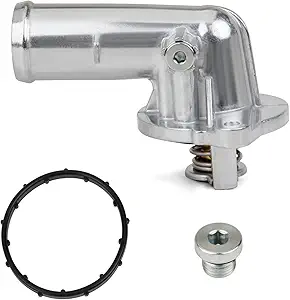 |
| Best Seller A high-volume bestseller chosen again and again | Dorman Engine Coolant Thermostat Housing Assembly (902-852) |  |
1. TRQ Thermostat with Housing Assembly for 2018–2024 Jeep Wrangler

| Fitment | 2018-2024 Jeep Wrangler L4 2.0L |
|---|---|
| Material | Aluminum |
| Mounting Hardware Included | Yes/No listed variably |
| Manufacturer Part Number | ECA59722 |
| Reference Numbers | 5048424AA/AB/AC/AD |
This TRQ thermostat with housing assembly replaces the factory unit on 2018–2024 Jeep Wrangler 2.0L models and is sold as a ready-to-install, direct-fit component. The housing is machined aluminum and arrives preassembled with the thermostat installed, which simplifies installation and reduces time spent during coolant system service. In real-world use it restores proper engine temperature control and several owners report immediate resolution of temperature-related codes and no leaks after installation. TRQ supports DIYers with installation videos and provides a spare bleeder screw in some listings. Fitment appears accurate for the listed Wrangler engines but check the vehicle fit guide before buying since one review noted bolt interference on a different application. The assembly does not include mounting hardware in some listings, so you may need to reuse or source bolts during installation. For a balanced buyer wanting a durable metal replacement that minimizes teardown and installs quickly, this unit offers a practical OEM-style swap with fewer headaches than replacing just the thermostat itself.
Best for: Drivers who want a durable, ready-to-install replacement that restores cooling performance with minimal fuss and who prefer a metal housing over the original plastic design.
Less Ideal for: People who want a bare thermostat only or those replacing parts for vehicles outside the specified Wrangler 2.0L fitment should look for a different SKU or a simple thermostat unit.
- Preassembled direct-fit design speeds installation and reduces labor time
- Machined aluminum housing is more durable than original plastic housings
- Includes thermostat installed and sometimes a spare bleeder screw for convenience
- Manufacturer provides DIY installation videos to guide repairs
- Mounting hardware may not be included in every listing, requiring reuse or purchase of bolts
- One reported instance of bolt interference on a different vehicle application suggests checking fit carefully
Verdict: A durable, preassembled aluminum thermostat housing that restores cooling system reliability for 2018–2024 Jeep Wrangler 2.0L models while keeping installation quick and simple.
2. Mishimoto Thermostat with Aluminum Housing for Jeep Wrangler JK 3.6L (2012–2018)

| Material Type | Aluminum, Metal |
|---|---|
| Valve Type | Thermostat |
| Size | Vehicle Specific |
| Included Components | Thermostat Housing, Thermostat, Gasket |
This Mishimoto thermostat replaces the factory plastic thermostat housing with a machined aluminum one-piece unit and includes a metal bleeder screw, gasket, and the thermostat calibrated to open at 194°F. It is a direct-fit replacement for Wrangler JK 3.6L applications and is intended to improve durability and reduce the likelihood of leaks from cracked plastic housings. The aluminum housing gives a more robust mounting surface and should stand up better to repeated coolant changes and higher under-hood temperatures. The included bleeder screw makes filling and burping the cooling system easier during installation, and the thermostat uses a quality wax element for consistent operation at its stock opening temperature. The main trade-off is higher cost compared with basic plastic replacements, but buyers get a longer-lasting metal housing and easier maintenance rather than the cheapest option.
Best for: Enthusiasts who prioritize long-term cooling reliability and want a performance-minded, durable replacement for the stock plastic thermostat housing on a Wrangler JK 3.6L.
Less Ideal for: Buyers seeking the lowest possible upfront cost or those replacing parts on non-Wrangler vehicles should consider other options.
- Durable machined aluminum housing reduces risk of cracks and coolant leaks.
- Direct-fit design for Jeep Wrangler JK 3.6L simplifies installation.
- Includes bleeder screw to make filling and bleeding the cooling system easier.
- Thermostat calibrated to stock opening temperature for predictable engine warm-up.
- Higher price than basic plastic replacement housings.
Verdict: Choose this Mishimoto thermostat to upgrade the weak plastic housing to a durable aluminum unit that improves longevity and serviceability for Jeep Wrangler JK 3.6L cooling systems.
3. C-Tzu Aluminum Thermostat Housing Assembly (Upgrade)

| Compatible engines | 3.6L V6 Pentastar |
|---|---|
| Fitment years | Jeep Wrangler 2012-2018 (JK & JL 2018), Grand Cherokee 2011-2015, Dodge Durango 2011-2015 |
| Opening temperature | 95°C |
| Manufacturer | C-Tzu |
This aluminum thermostat housing assembly replaces the fragile plastic unit on 3.6L Pentastar engines used in certain Jeep Wranglers, Grand Cherokees, and Dodge Durangos. It houses the thermostat and sensor ports and controls coolant flow to the radiator until the engine reaches operating temperature, helping prevent overheating and P0128 cold-running codes. The upgraded aluminum construction resists corrosion, high heat, and cracking better than the original plastic housings, and the kit includes the O-ring for a tighter seal. Installation is straightforward for a DIYer familiar with cooling-system work and bleeding the system after fitting. Some users report excellent fit and reliability, while a minority experienced early failures or loose top fasteners, so double-check screw fitment during installation and confirm proper sealing. The unit replaces several factory part numbers for direct fitment on the listed 3.6L applications and comes with a one-year warranty for added confidence.
Best for: Buyers looking to replace a cracked or aging plastic thermostat housing with a longer‑lasting metal unit and who prefer a straightforward DIY swap that improves durability without major modifications.
Less Ideal for: If you want a lifetime performance upgrade or a professional-level racing part, this is not for you; also avoid if you cannot or will not bleed the cooling system after replacement.
- Aluminum construction more durable and heat resistant than factory plastic housings
- Designed to fit specific 3.6L Pentastar applications for direct replacement
- Includes O-ring for improved sealing and easier installation
- Replaces multiple factory part numbers so it matches factory connection points
- Some buyers reported premature failures or loose top fastener requiring attention during install
Verdict: A direct-fit aluminum replacement that upgrades the weak plastic housing for owners who want a durable, easy DIY swap to reduce repeat thermostat housing failures.
4. LEIMO KPARTS Thermostat Housing Assembly for 3.6L V6 Engines

| Included Components | Thermostat Housing Assembly |
|---|---|
| Material Type | Metal |
| Compatible Engines | 3.6L V6 |
| Manufacturer Part Number | 5184651AG |
This thermostat housing assembly is a budget-friendly direct replacement for the factory unit on 3.6L V6 models and is designed to be a drop-in swap. It houses the engine coolant thermostat and restores proper coolant routing so the engine warms up and reaches operating temperature as intended. The cast metal construction is described as resistant to cracking and leaking, and the integrated design simplifies swapping the assembly without having to transfer small parts. Typical use is a straightforward DIY repair when you have coolant leaks, erratic temperature readings, or a thermostat-related check engine code. Many buyers report easy installs and exact fitment for Jeep Wranglers, but a minority report early thermostat failures, so quality control appears inconsistent. Expect to pair this with a coolant flush and fresh gasket/sealant during installation. If you need a low-cost replacement that matches factory geometry, this unit delivers value, but be prepared to address warranty or replacement if the thermostat component itself fails prematurely.
Best for: Drivers looking to fix a leaking or failed thermostat housing on a 3.6L V6 Wrangler affordably and who prefer a straightforward DIY repair with a direct-fit replacement.
Less Ideal for: Anyone who prioritizes guaranteed long-term OEM-level reliability over upfront savings should consider factory-branded parts or higher-end aftermarket options instead.
- Factory-style fit and mounting for 3.6L V6 engines makes installation simple
- Metal construction intended to resist cracking and leaking under temperature changes
- Sold as a complete housing assembly so you replace the whole unit in one job
- Multiple buyers report quick, exact fit for Jeep Wrangler and easy DIY installation
- Some units have reported thermostat element failures leading to overheating in a minority of cases
Verdict: A cost-conscious direct-replacement housing that restores factory fit and usually works well for DIY thermostat repairs on 3.6L V6 Wranglers.
5. Mopar Genuine Thermostat Housing with Thermostat and Seal (3.6L)

| Specific Uses For Product | Automotive cooling systems for 3.6L V6 engines |
|---|---|
| Included Components | thermostat, housing, seal, and bleeder screw |
| Material Type | Metal |
| Mounting Type | engine mount |
| Model Name | 5184651AH |
This Mopar genuine thermostat housing kit replaces the factory housing and thermostat on 3.6L V6 Jeep Wrangler engines and is intended as a direct, vehicle-specific replacement. Installation is straightforward for anyone with basic tools: drain a small amount of coolant, remove two housing bolts and the radiator hose, swap the unit, then refill and bleed the cooling system using the included bleeder screw. The kit contains the thermostat, housing, seal, and bleeder for a single convenient package and is built to factory specifications with metal construction and a brushed finish. Using the factory-style part reduces the risk of fitment problems, coolant leaks, or premature valve failure that can occur with generic alternatives. A realistic limitation is that this is a single-piece service part: if you need different thermostat calibration or a performance-oriented valve, this stock replacement will not change operating temperature behavior. Expect routine maintenance-level installation and long-term reliability when you choose the OEM part.
Best for: Buyers who prioritize long-term, worry-free cooling system repairs and want a factory-quality, vehicle-specific replacement that matches original fit and function.
Less Ideal for: Drivers seeking a performance thermostat with a different opening temperature or aftermarket features should look at performance-specific options instead.
- Factory-designed fit for 3.6L V6 engines reduces fitment and leak risks
- Includes thermostat, housing, seal, and bleeder screw for a complete replacement
- Metal construction and factory-quality build improve durability over many aftermarket units
- Straightforward, vehicle-specific swap that most DIYers can complete with basic hand tools
- Does not change thermostat opening temperature or provide performance tuning
Verdict: Choose this Mopar housing kit when you want a direct, factory-quality replacement for a 3.6L Jeep Wrangler cooling system to maximize reliability and fitment.
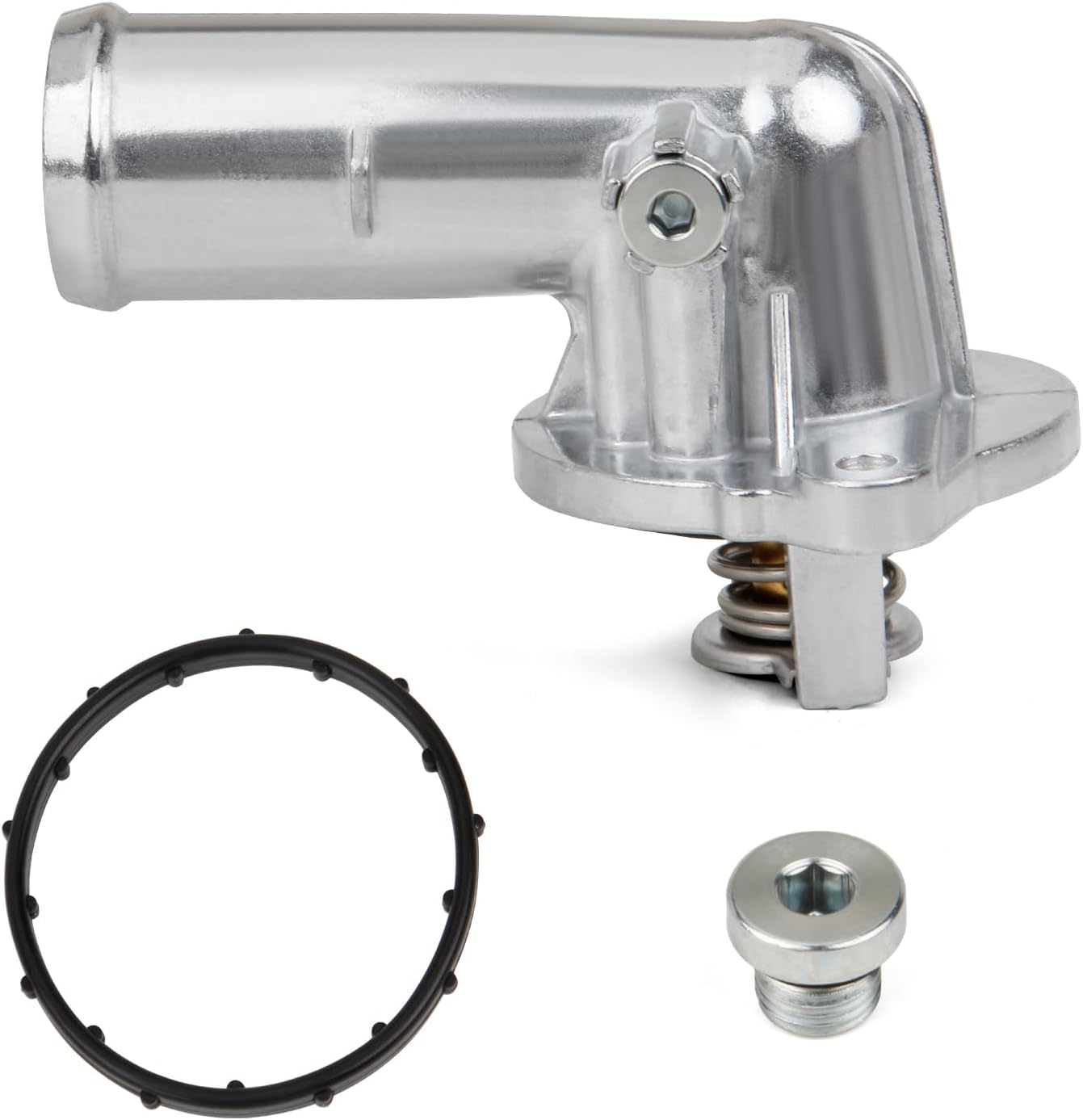
6. MITZONE Aluminum Thermostat Housing Assembly with Thermostat and Gasket
| Model | 001-504ALU |
|---|---|
| Manufacturer | MITZONE |
| OEM Part Number | 5184651AF, 5184651AG, 5184651AH, 902-852 |
| Thermostat Opening Temp | 203 Deg. F / 95 °C |
| Position | Inside |
This MITZONE assembly replaces the factory plastic coolant outlet with a cast aluminum housing plus a ready-to-install thermostat and gasket. It is used as a direct replacement where the original part failed or as an upgrade to reduce the risk of cracking and coolant leaks associated with plastic housings. Reviewers report straightforward, bolt-on installation with mounting points that line up to the block and generally no leak issues when installed with care. The housing is cast aluminum, which improves heat resistance and perceived long-term durability, and the kit includes a gasket and screw to simplify the swap. Some users noted the thermostat opens at roughly 190 to 203 F and that the housing orientation can differ slightly from factory, which the flexible radiator hose usually accommodates. A minority of reviews reported thermostat function problems, so test and monitor engine temperature after install and consider using a known-good thermostat if you want extra assurance. For many owners this is a solid, cost-effective upgrade over the plastic factory piece.
Best for: Buyers who want a more durable, metal replacement for a failing plastic thermostat housing and who value community feedback confirming fit and performance on similar Jeep models.
Less Ideal for: If you prefer dealer-original parts or need a housing guaranteed by the vehicle manufacturer, choose a factory-sourced replacement instead.
- Cast aluminum construction is stronger and more heat-resistant than stock plastic housings
- Includes thermostat, gasket, and a screw for a mostly complete install kit
- Reported to bolt up cleanly with correct mounting points for straightforward replacement
- Many users report stable operating temperature near 190 F after installation
- A few reports of thermostat not opening properly suggest occasional quality control variation
Verdict: A cost-effective aluminum swap that many Jeep owners trust to replace fragile plastic thermostat housings and reduce the chance of repeat failures.
7. Dorman Engine Coolant Thermostat Housing Assembly (902-852)

| Manufacturer | Dorman Products |
|---|---|
| Model | 902-852 |
| Compatible vehicles | Select Dodge/Jeep models (see fitment) |
| Exterior | Ready To Paint If Needed |
This Dorman thermostat housing assembly replaces the factory water outlet on specified Jeep and Dodge models and is intended to restore correct coolant flow and operating temperature. Installation is straightforward for a DIYer: the unit comes with a gasket and installs in minutes once the coolant is drained, and many owners report the check-engine code for low operating temperature clears after fitting. The housing is built to resist cracking from thermal cycling and is finished ready-to-paint if you prefer. Practical benefits include returning proper cabin heat, eliminating P0128-style codes, and avoiding repeat coolant leaks when the mating surfaces are prepped and bolts are torqued correctly. Limitations: a few users reported fit or function problems on certain 2018 Wrangler JK examples, so double-check confirmed fit notes and be prepared to verify related parts like radiator cap or sensors if problems persist. Keep extra coolant on hand during replacement since some fluid loss is unavoidable.
Best for: Buyers who prioritize a reliable, factory-quality replacement they can install themselves to clear low-temperature codes and restore normal engine operating temperature and cabin heat.
Less Ideal for: Owners unwilling to verify vehicle-specific fit notes or those who prefer an OEM-branded part for maximum assurance should consider alternatives.
- Factory-style fit and gasket included for a straightforward replacement
- Designed to resist cracking from extreme temperature changes
- Often resolves low-temperature codes and restores normal cabin heat
- Ready-to-paint exterior allows cosmetic matching to engine bay
- Some owners report fitment or functional issues on certain 2018 Wrangler JK vehicles, so verification is advised
Verdict: Choose this Dorman housing if you want an affordable, factory-style replacement that often fixes low-temperature codes and restores proper engine operating temperature.
Choosing the Right 2018-Present Jeep Wrangler Thermostat: Key Factors to Consider
Correct Opening Temperature
The thermostat's opening temperature determines when coolant flows to the radiator and directly affects engine warm-up and operating temperature. For the 2018-present Jeep Wrangler, choose a thermostat that matches the engine manufacturer's specified opening point within the accepted tolerance. A lower-than-specified opening temperature can cause the engine to run cold, reducing heater output and fuel efficiency. A higher-than-specified thermostat can delay coolant flow long enough to increase thermal stress and raise the risk of overheating under load. Consistency matters as much as the nominal value. Look for thermostats with tight manufacturing tolerances and proven thermal repeatability so that opening and closing occur predictably across a range of ambient temperatures and driving conditions.
Fitment and Housing Compatibility
Proper mechanical fit is critical on Wrangler cooling systems because the thermostat sits inside a housing that includes sensor ports and specific coolant passages. A thermostat that is slightly different in flange diameter or height can prevent a proper seal or interfere with the housing cover. Ensure the unit matches the factory flange profile and the housing's sealing surface to avoid leaks at the gasket interface. Also confirm that the thermostat's sensor boss and any integrated o-ring are positioned correctly for the Wrangler's coolant sensors. Incorrect fitment can lead to false temperature readings or require additional gaskets that increase leak risk.
Material Durability and Corrosion Resistance
Wranglers are often exposed to water crossings, road salt, and mud. The thermostat's materials should resist corrosion and deterioration to maintain valve function over time. Brass, stainless components, and high-grade polymers for seals and frames are preferable because they tolerate repeated thermal cycling and corrosive environments better than cheap stamped metals. Gasket materials should remain flexible and maintain a seal through temperature changes. Pay attention to whether the thermostat includes a molded rubber seal or requires a separate paper or composite gasket, and choose materials rated for coolant and long-term exposure.
Valve and Spring Design
The mechanical design of the valve and spring affects how smoothly the thermostat responds to temperature changes. A unit with a well-engineered spring and valve assembly will open progressively at the target temperature and close reliably when appropriate. This reduces the chance of fluttering or sticking, which can cause intermittent overheating or cold running. Robust internal components also tolerate repeated motion during short trips and heavy-duty use. Look for designs that advertise resistance to sticking and fatigue, since Wrangler owners may encounter frequent temperature cycling during off-road driving.
Seal Integrity and Gasket Arrangement
A leak at the thermostat housing can mimic thermostat failure and allow air into the cooling system, causing hot spots and heater malfunctions. The quality and type of gasket included with the thermostat influence long-term seal integrity. Integrated molded seals often provide a cleaner installation with fewer alignment issues than loose gaskets, but they must match the housing surface precisely. Consider whether the thermostat package includes replacement bolts, o-rings, or a housing gasket. Proper torque specs and a flat sealing surface are essential. If the original housing has been warped or the sealing surface is pitted, even a correct thermostat may not stop leaks without addressing the housing condition.
Compatibility With Sensors and Accessories
The thermostat area on the Wrangler often incorporates engine temperature sensors or bypass passages that interact with emissions or gauge systems. Choose a thermostat that does not obstruct sensor ports and that maintains proper coolant flow for accurate readings. Some aftermarket options alter flow characteristics slightly, which can affect how quickly the engine reaches operating temperature and how the gauge responds. Also verify that the thermostat works with factory heater hoses and any aftermarket cooling upgrades you may have. When in doubt, check the thermostat's compatibility notes against your Wrangler's model year and engine configuration.
Common Thermostat Symptoms in the JL and JLU Wrangler
On 2018-present Wrangler models, particularly JL and JLU generation vehicles, thermostat issues often present as overheating after extended idling, slow warm-up in cold weather, or fluctuating gauge readings. Overheating under load or when towing is a frequent sign that the thermostat may be stuck closed or not opening fully.
Other symptoms include the engine running colder than normal because the thermostat is stuck open, resulting in reduced heater output and lower fuel efficiency. Pay attention to persistent temperature swings during short trips, which can indicate a thermostat that is opening and closing unpredictably.
- High temperature at idle but normal temp at speed can indicate a thermostat that partially sticks closed.
- Low steady temperature and poor heater performance often mean the thermostat is stuck open.
- Intermittent spikes or drops in the gauge may come from a failing thermostat or an air pocket caused by a housing leak.
How to Test a Thermostat on Your Wrangler
Before replacing the thermostat, verify symptoms with a few basic checks. First, observe temperature behavior on a warm-up cycle: note how long it takes for the gauge to leave cold and whether it stabilizes at the expected operating range. A slow warm-up or failure to reach operating temperature points toward a thermostat stuck open.
A coolant system pressure and leak check helps rule out external causes. Also inspect the thermostat housing and sealing surface for signs of coolant seepage. If you remove the thermostat, a simple bench test involves heating water and noting the temperature at which the valve begins to open, comparing this to the specified opening temperature for your Wrangler. Use caution and proper tools when performing this test to avoid burns.
- Warm-up observation: track gauge behavior during a normal drive.
- Pressure test: check for external leaks that could mimic thermostat faults.
- Bench test: carefully heat the thermostat in water with a thermometer to confirm opening temperature.
Replacing the Thermostat: Installation Tips
When replacing the thermostat on a 2018-present Wrangler, prepare by draining the cooling system to a level that provides safe access to the housing. Clean the mating surfaces thoroughly and remove any old gasket material without gouging the housing. Inspect the housing for pitting or warping, and replace the housing or resurface as necessary to ensure a proper seal.
Use the correct torque specification for housing bolts and replace seals or o-rings included with the new thermostat. Bleed the cooling system properly after installation to prevent air pockets, which can cause hot spots and erratic temperature readings.
- Clean sealing surfaces and replace hardware if corroded.
- Install the thermostat in the correct orientation and confirm sensor ports are clear.
- Refill and bleed the system following the vehicle's procedure to avoid air entrapment.
Thermostat Housing Seal Leak: Diagnosis and Remedies
A thermostat housing seal leak can produce symptoms similar to a failing thermostat and should be addressed before replacing the thermostat itself. Look for external coolant stains around the housing, a crusty residue from dried coolant, or low coolant level without obvious radiator leaks. Small leaks can introduce air that causes temperature fluctuation and localized overheating.
Remedies range from replacing the gasket or o-ring to installing a new housing if the mating surface is damaged. Always inspect the housing bolts and torque sequence; uneven or loose bolts can cause sealing problems even with a new gasket.
- Visual inspection for dried coolant and seepage around the housing.
- Pressure check the cooling system to locate slow leaks.
- Replace gaskets or the housing if the sealing surface is compromised.
When Engine Runs Cold: Stuck-Open Thermostat Considerations
If the engine runs cold or the heater produces weak heat, the thermostat may be stuck open allowing continuous coolant flow through the radiator. This prevents the engine from reaching normal operating temperatures, which can increase wear and emissions and reduce fuel efficiency. For Wrangler drivers in cold climates, a thermostat that enables proper warm-up is particularly important for cabin heating.
Diagnosis includes checking warm-up time, verifying thermostat opening temperature via bench testing, and confirming the cooling fan control behavior. Replace the thermostat with one rated for the correct opening temperature if tests confirm it is stuck open.
- Check heater output during normal warm-up to detect cold running.
- Bench test thermostat opening temperature to confirm malfunction.
- Verify fan control and coolant flow are not causing the cold-running symptom.
Thermostat Part Number Fitment and Documentation
Always confirm the part number fitment for your exact 2018-present Wrangler configuration before ordering. Part number references ensure the thermostat matches the factory flange, sensor boss position, and opening temperature. Documentation and fitment guides for the JL and JLU and related generation codes can help you avoid common mismatches when replacing the thermostat.
Keep a record of the old part number and any housing variations you encounter so future maintenance is smoother. Fitment documentation also clarifies whether a new thermostat includes the required gasket or if additional parts are necessary.
- Compare the replacement part number to the vehicle's OEM reference.
- Check whether the thermostat package includes a gasket or requires a separate purchase.
- Document any housing differences noted during removal for future reference.
Still looking for the perfect fit?
Select your Jeep Wrangler configuration to see the most relevant Thermostats recommendations
How We Chose the Best 2018-Present Jeep Wrangler Thermostat
We prioritized criteria that matter specifically for the 2018-present Jeep Wrangler platform, including the JL and JLU generation and relevant earlier chassis where owners commonly search. Our selection process focused on quantifiable fitment, thermal performance, and durability measures rather than brand recognition alone. Key evaluation criteria included: accurate OEM-equivalent opening temperature and tolerance, correct housing and seal compatibility with Wrangler coolant passages, robust valve and spring construction for repeated cycles, and corrosion-resistant materials suited to varied climates and off-road exposure. We also considered ease of installation including common fastener access and whether the thermostat works with stock sensors and housings. Longevity factors such as gasket design and resistance to scale buildup were weighed because Wrangler duty cycles often include towing and stop-and-go use that stress cooling systems. Items excluded from consideration included non-specific universal thermostats without confirmed Wrangler fitment and any assemblies that required extensive housing modification. The result is a focused list of thermostats that match the vehicle's cooling specs, fit the factory housing geometry, and offer reliable thermal control for typical Wrangler use cases.
Our full evaluation process is outlined in our review methodology.
FAQ
What are the most common signs of a bad thermostat on a 2018-present Wrangler?
Common signs include slow warm-up or consistently low engine temperature, overheating at idle, fluctuating temperature gauge readings, and coolant leaks at the thermostat housing. Each symptom often depends on whether the thermostat is stuck open, closed, or leaking at the seal.
How do I test a thermostat without replacing it first?
You can observe warm-up behavior during driving and perform a pressure check for leaks. For a bench test, remove the thermostat and carefully heat it in water while monitoring temperature to see when the valve opens compared with the specified opening point. Use caution to avoid burns and follow safe procedures.
Can a thermostat housing seal leak cause overheating symptoms?
Yes. A housing seal leak can allow air into the cooling system and reduce cooling efficiency, leading to hot spots and overheating. Inspect the housing for seepage and replace the gasket or housing if the mating surface is damaged.
How often should I replace the thermostat on my Wrangler?
There is no fixed interval; replacement is usually condition-based. Replace the thermostat when it shows symptoms such as overheating, poor warm-up, or when a leak is found at the housing. Consider replacing it when performing major cooling system service or if the vehicle has high mileage and the original unit shows wear.
Will replacing the thermostat fix heater performance issues?
If the heater is weak because the engine is not reaching normal operating temperature due to a thermostat stuck open, replacing the thermostat can restore heater output. However, heater issues can also stem from low coolant, air pockets, or a failing heater core, so verify those causes first.
Should I be concerned about thermostat replacement cost versus benefit?
Thermostat replacement cost is typically moderate compared with the potential risk of overheating damage. Given the potential engine stress and heater impact of a failing thermostat, replacing a confirmed faulty unit is generally cost-effective compared with the risk of engine repair from overheating.
Final Verdict
For the 2018-present Jeep Wrangler, prioritize thermostats that match the factory opening temperature, fit the housing precisely, and use durable materials suited to off-road and varied climate use. Address housing seal condition and sensor compatibility during replacement to avoid recurring issues. Balance the need for reliable thermal control with installation ease and long-term seal integrity when making your choice. Choosing a correctly specified thermostat and following proper installation and bleeding procedures will restore dependable engine temperature control and reduce the chance of overheating or poor heater performance.
Explore More:
- Check out all Jeep Wrangler parts & accessories
- Explore Thermostats Maintenance & Repair Guides
- Explore Cooling System
- Browse all Auto Parts
