

Note: This article contains affiliate links. If you click on these links and make a purchase, I may earn a small commission at no extra cost to you. This helps support my research and content. Read my full affiliate disclosure here.
When your Ford F-150 5.0L starts running hot, cold, or fluctuating in temperature, a failing thermostat is often the cause. Choosing the right thermostat for the 5.0L engine matters because fitment accuracy and material quality directly affect cooling performance, idle stability, warm-up time, and long-term coolant system reliability. The thermostats shortlisted here are focused on proper fitment, durable construction, and consistent temperature regulation for the 5.0L configuration.This guide covers the top picks for this truck, explains the evaluation criteria used, and helps you decide which thermostat suits your maintenance or repair priorities. Read on to match symptoms and installation considerations to the right option.
Looking for other parts? See all Ford F-150 parts & accessories.
Top Picks at a Glance
| Best Overall The best all-around choice for most situations | Chaoxin&TRK Engine Coolant Thermostat BR3Z-8575-F 190°F (88°C) |  |
| Best Quality Built to a higher standard if you want something more solid | Ford Genuine Thermostat Assembly BR3Z-8575-E |  |
| Best Value The sweet spot between price and what you get | MotoRad 655-160 Engine Thermostat (160°F) |  |
| Best Budget The cheapest option that still gets the job done reliably | MotoRad 228-195JV Engine Thermostat |  |
| Highest Rated A top-rated pick with lots of positive feedback | MotoRad 2000-160 High Flow 160°F Engine Thermostat |  |
| Most Popular A crowd favorite that many people choose with confidence | MotoRad 2000-195 High Performance Engine Coolant Thermostat |  |
| Best Seller A high-volume bestseller chosen again and again | Motorcraft RT1255 Thermostat Assembly |  |
Chaoxin&TRK Engine Coolant Thermostat BR3Z-8575-F 190°F (88°C)

| Rated opening temperature | 190°F (88°C) |
|---|---|
| Manufacturer | Chaoxin&TRK |
| Manufacturer part number | BR3Z-8575-F |
| Position | Front |
This Chaoxin&TRK thermostat is a direct-fit replacement rated to open at 190°F (88°C) and is intended to restore proper coolant flow and temperature control on compatible Ford 2.7L and 3.0L V6 engines and the 5.0L flex fuel V8. Installation is straightforward since it matches the referenced OEM part number and the machined exterior suggests attention to fit and finish. In normal use it regulates coolant circulation to help prevent overheating and maintain efficient engine operation, which is especially useful after a failed unit or during scheduled cooling-system maintenance. The unit claims factory-quality performance and is compact and lightweight, so it integrates without altering other cooling components. Limitations to consider are that fitment is specific to certain models and years, so buyers should confirm compatibility before ordering, and there is no published warranty information included in the product details.
Best for: A buyer who wants a dependable, factory-style replacement thermostat for routine cooling-system maintenance or to replace a failed unit on compatible Ford 5.0L and V6 engines.
Less Ideal for: People looking for adjustable temperature thermostats or universal fit parts that cover a wide variety of makes and engines beyond the specified Ford and Lincoln applications.
- Direct replacement for part number BR3Z-8575-F for bolt-on installation
- Opens at a precise 190°F (88°C) to maintain correct engine operating temperature
- Machined exterior suggests consistent fit and factory-style finish
- Compatible with 2011–2024 Ford and Lincoln applications including 5.0L V8
- No warranty or support details provided in the listing
Verdict: Choose this thermostat when you need a straightforward, factory-style replacement that restores correct temperature control on compatible Ford 5.0L and V6 engines.
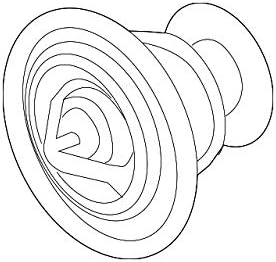
Ford Genuine Thermostat Assembly BR3Z-8575-E
| Manufacturer | Ford |
|---|---|
| Model | THERMOSTAT ASY |
| Item model number | BR3Z-8575-E |
| Item Weight | 3.2 ounces |
| Date First Available | May 12, 2016 |
This genuine Ford thermostat assembly replaces the factory unit and is built to the same specifications used by the manufacturer. It controls coolant flow to maintain the engine at its designed operating temperature, which helps the 5.0L F-150 reach and hold optimal thermal conditions for performance and emissions. Installation is the same as a factory replacement and typically fits into the stock housing without modification. Because it is a manufacturer part, you get precise fitment, predictable opening temperature, and materials chosen for durability under OEM operating conditions. The parts listing is focused and does not include go-fast features like higher temperature staging or adjustable valves, so drivers seeking altered warm-up behavior or track-specific cooling tweaks will need a performance thermostat instead. For routine maintenance or restoring factory thermal control after a failed thermostat this part is a straightforward, reliable choice.
Best for: Buyers who want a direct factory replacement that restores stock thermal control on a 5.0L F-150 and value exact fitment and predictable behavior.
Less Ideal for: Drivers building a high-performance cooling system or those who want an adjustable or higher-temperature thermostat for track or heavy-duty tuning.
- Factory-quality fit and specifications for correct installation
- Consistent opening temperature for predictable engine warm-up
- Manufactured by Ford to match vehicle engineering and materials
- Not a performance or high-temperature variant for modified cooling setups
Verdict: Choose this genuine Ford thermostat when you need a dependable factory-spec replacement to restore proper temperature control on a 5.0L F-150.
MotoRad 655-160 Engine Thermostat (160°F)

| Brand Name | MotoRad |
|---|---|
| Model Name | 655-160 |
| Item Type Name | Engine Thermostat |
| Material Type | Copper |
The MotoRad 655-160 is a direct-fit replacement thermostat designed to regulate coolant flow at a 160°F opening range for compatible Ford and Lincoln engines. It uses a copper case and a wax element to respond quickly as coolant warms, and the unit includes OEM-style seals and an air relief valve where applicable. Installation is typical for thermostats: drain coolant to the service level, swap the housing, and reseal with the appropriate gasket or O-ring. Buyers will appreciate the fast thermal response and factory-spec construction that help the engine reach and hold a lower operating temperature compared with higher-temp units. That can reduce fan cycling and in some setups improve fuel economy and throttle response. Note the thermostat is sold without a gasket in many listings, so plan to source the correct seal separately. Also this product is vehicle-specific, so double-check compatibility for F-150 5.0L model years before ordering.
Best for: Buyers who prioritize reliable, factory-quality cooling control and want a thermostat that encourages a slightly cooler running temperature for practical gains like reduced fan noise and modest fuel economy improvements.
Less Ideal for: Drivers who need a multi-vehicle universal part or who prefer thermostats with adjustable or performance-tuned opening ranges should look elsewhere.
- Copper case and wax element for fast, predictable opening with temperature changes
- Manufactured to factory-style specifications for direct-fit replacement
- Includes OEM-style seals and an air-relief feature where applicable
- Widely compatible with many Ford and Lincoln models listed for straightforward fitment
- Gasket or O-ring often not included and must be purchased separately
Verdict: Choose the MotoRad 655-160 when you want a factory-style, quick-acting thermostat to keep a Ford 5.0L engine running a bit cooler and more consistently.
MotoRad 228-195JV Engine Thermostat

| Brand | MotoRad |
|---|---|
| Material Type | Copper |
| Model Number | 228-195JV |
| Included Components | Thermostat |
The MotoRad 228-195JV is a straightforward mechanical replacement thermostat intended to return engine cooling to factory-style operation. It installs in place of the listed OEM part numbers and is typically used during routine cooling-system service or when a failed thermostat causes overheating or poor warm-up. The unit is copper-bodied with a conventional wax pellet valve and delivers expected temperature control for Ford V8 applications, helping the engine reach and hold optimal operating temperature for stable performance and emissions. Buyers will appreciate the broad listed fitment across Ford trucks and full-size cars and the simple, serviceable design that requires only a basic coolant drain and gasket to fit. Note that a gasket or sealing O-ring is not included with all listings so you may need to purchase that separately before installation. This is a budget-friendly replacement aimed at restoring stock thermal behavior rather than improving flow or delivering performance tuning benefits.
Best for: Buyers looking to fix overheating or restore normal warm-up on older Ford trucks and large sedans who prioritize an inexpensive, reliable factory-style replacement over performance upgrades.
Less Ideal for: Drivers seeking performance thermostats that change opening temperature or improve coolant flow should consider performance-oriented alternatives rather than this stock-replacement unit.
- Direct fit for many Ford and related vehicle applications listed as replacements for common OEM part numbers
- Copper construction and conventional valve design that match factory replacement expectations
- Simple mechanical design makes installation and future replacement straightforward
- Gasket or seal may not be included with the part requiring an extra purchase before installation
Verdict: A no-frills, budget-friendly factory-style replacement thermostat that reliably restores correct engine temperature control for the specified Ford applications.
MotoRad 2000-160 High Flow 160°F Engine Thermostat

| Brand | MotoRad |
|---|---|
| Model | 2000-160 |
| Opening Temperature | 160°F |
| Exterior | Machined |
The MotoRad 2000-160 is a simple, machined high‑flow thermostat that replaces the factory unit and opens at 160 degrees Fahrenheit to help the engine run cooler under load. Installation is straightforward for anyone comfortable with basic cooling‑system work and it is used the same way as a stock thermostat: remove the housing, swap the unit, refill and bleed the cooling system. Notable features include a machined housing and a lower opening temperature compared with many factory thermostats, which helps reduce operating temperature when towing, hauling, or offroading. Practical benefits are improved cooling capacity and reliable opening at the rated temperature based on long customer feedback. Limitations are that it is a single fixed‑temperature unit so it may cause slightly cooler idle temps on some engines and it is intended for older or classic Ford and domestic applications rather than modern computer‑controlled cooling strategies. Expect a straightforward, dependable replacement rather than performance tuning parts.
Best for: A buyer who prioritizes dependable cooling and wants a straightforward, long‑lasting replacement thermostat to keep an older V8 from running hot during towing or heavy use.
Less Ideal for: Drivers who need a thermostats tuned for modern engine management, variable temperature control, or exact OEM original calibration should consider other options.
- High flow design improves coolant circulation under load
- Machined exterior suggests durable construction
- Consistently opens at the rated 160°F for cooler operating temperatures
- Broad fitment to many older Ford and domestic vehicles makes sourcing easy
- Fixed 160°F opening may run cooler than stock in some setups
Verdict: Choose this thermostat if you want a durable, high‑flow 160°F unit that reliably lowers operating temperature for older Ford V8s under heavy load.
MotoRad 2000-195 High Performance Engine Coolant Thermostat

| Brand | MotoRad |
|---|---|
| Model | 2000-195 |
| Item Type | Engine Coolant Thermostat |
| Material Type | Copper |
| Fits Ford F-150 | 1975-1997 |
The MotoRad 2000-195 is a direct-replacement engine coolant thermostat intended for older Ford trucks including F-150s from the 1975–1997 range. It replaces the stock unit and is used during routine cooling-system service or when overheating or temperature swing complaints appear. The design emphasizes improved thermal management with a larger movable center section that yields more responsive flow changes and tighter temperature control. Buyers report easier bleeding thanks to an included burp/flow hole and solid fitment in inline-six and small-block V8 installations. Constructed with copper and a polished finish, it aims for durability and stable operation under regular driving conditions. Limitations are that it is a fixed-spec replacement part with no smart features and compatibility is limited to older Ford model years listed; installers should still verify exact fit for engine and housing variations. Packaging complaints appear occasionally, so inspect the part on arrival before installation.
Best for: Buyers who prioritize reliable, proven cooling performance and want a factory-style replacement for older Ford F-150s that reduces temperature swings and simplifies installation.
Less Ideal for: Do not choose this if you need a thermostat for a modern Ford F-150 outside the listed year range or if you require electronic or adjustable thermostat features.
- Direct-fit replacement for many Ford F-150 model years 1975–1997 and similar vehicles
- Improved movable-center design for quicker, tighter temperature control
- Includes a burp/flow hole that simplifies coolant bleeding during installation
- Copper construction for corrosion resistance and long service life
- Compatibility limited to older Ford model years and select engines so fitment must be confirmed
Verdict: For owners restoring or maintaining older Ford F-150s, the MotoRad 2000-195 delivers noticeably tighter temperature control and straightforward fitment as a durable factory-style replacement.
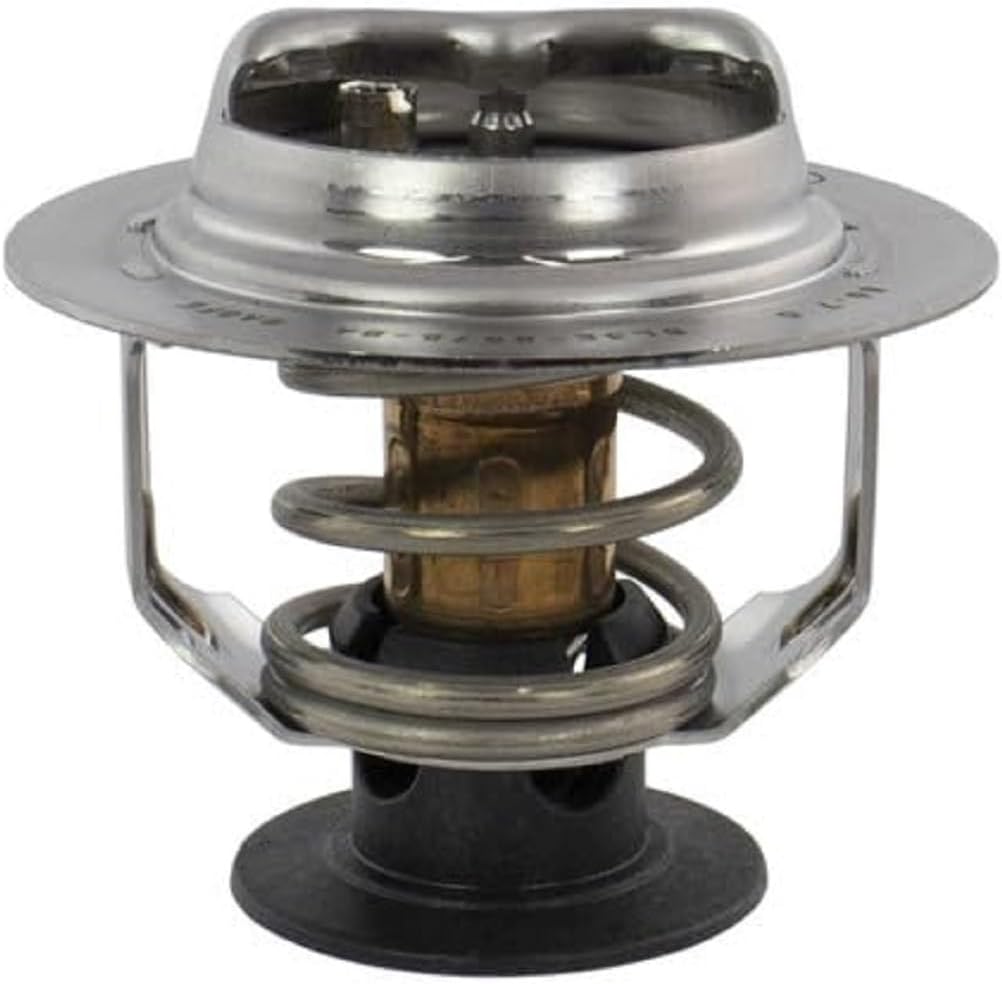
Motorcraft RT1255 Thermostat Assembly
| Brand | Motorcraft |
|---|---|
| Model | Thermostat Assembly |
| Item model number | RT1255 |
The Motorcraft RT1255 thermostat assembly is a direct-fit replacement that restores proper coolant flow and temperature control for Ford engines. It installs like a factory part and is typically used when a stuck or failing thermostat causes overheating or slow warm-up. As a Motorcraft branded unit it matches factory fit and valve characteristics so you do not have to modify housings or hoses. Buyers report straightforward installation and reliable operation over thousands of miles, which makes it suitable for routine maintenance or repair. The part comes as the thermostat assembly only, so you may need to supply a separate O-ring or gasket depending on your vehicle and service routine. If you want a simple, factory-style replacement that gets your engine back to correct operating temperature without aftermarket calibration, this is a practical, low-risk option.
Best for: Buyers who prioritize low risk and factory-spec replacements for routine thermostat failures and want a part that installs and performs like the original.
Less Ideal for: People looking for high-performance or modified cooling behavior or a complete service kit with seals and hardware included.
- Factory-quality fit and function engineered for Ford vehicles
- Direct replacement that typically installs without modification
- Consistent temperature control to restore normal warm-up and cooling
- Positive user reports of durability and reliable performance
- Does not include an O-ring or gasket in some listings so seal hardware may need to be sourced separately
Verdict: Choose the Motorcraft RT1255 when you want a factory-quality, direct-fit thermostat replacement to restore normal engine temperature control with minimal risk.
Choosing the Right Ford F-150 5.0L Thermostat: Key Factors to Consider
Fitment and Compatibility
Exact fitment matters because the thermostat must seat correctly in the 5.0L housing to prevent coolant bypass, leaks, and incorrect temperature readings. An off-spec flange or wrong overall height can cause poor sealing against the thermostat housing and lead to a thermostat housing seal leak or coolant seepage.
Checking fitment details ensures correct coolant flow paths and proper engagement with the housing O-ring or gasket. When replacing the engine thermostat replacement on a Ford F-150 5.0L, confirm mounting profile, housing interface, and any integrated seals to avoid repeat removal. Proper fitment also reduces installation time and ensures the thermostat's sensing element sits at the intended point in the coolant stream for accurate regulation.
Opening Temperature and Tolerance
The thermostat's rated opening temperature and its tolerance determine how quickly the engine reaches operating temperature and how aggressively the cooling system engages. A thermostat that opens too early can cause engine running cold and reduce heater performance. One that opens too late can exacerbate thermostat symptoms overheating and increase thermal stress on components.
Look for thermostats manufactured to close tolerances around the OEM-specified temperature for the 5.0L engine. Consistent opening and closing behavior keeps warm-up times predictable, maintains proper combustion efficiency, and preserves cabin heating performance under normal driving conditions.
Material Durability and Corrosion Resistance
Thermostats operate in an acidic, temperature-cycled environment, so corrosion-resistant materials matter for longevity. Metals that resist rust and pitting help maintain valve motion and prevent sticking. Polymer components and seals should withstand coolant additives and temperature extremes without hardening or cracking.
Choosing a thermostat built from robust materials reduces the chance of premature failure, sticking valves, or degraded seals. For vehicles that see heavy use or extended service intervals, material durability directly affects how long the replacement will function reliably.
Seal and Gasket Design
A secure sealing interface prevents coolant leaks and maintains system pressure. Thermostats can come with an integrated seal, a replaceable gasket, or rely on the housing's O-ring. The right seal design reduces the chance of a thermostat housing seal leak and minimizes the need for additional sealants during installation.
Consider whether the unit includes a new gasket or O-ring and whether those components match Ford's recommended materials. A well-designed seal also makes installation cleaner and decreases the chance of air pockets that can affect temperature readings and heater performance.
Valve Mechanism and Response
The valve mechanism determines how smoothly and reliably the thermostat opens and closes as the coolant temperature changes. A consistently responsive valve prevents sudden temperature swings and helps mitigate problems like intermittent overheating or poor warm-up behavior.
Look for designs with predictable actuation and minimal hysteresis so the thermostat reacts promptly at the target temperature. A sluggish or sticky valve can cause variable cabin heat and stress cooling components, so reliable response is important for normal driving and towing scenarios common with the F-150.
Ease of Installation and Serviceability
Installation complexity affects the time and tools required to replace the thermostat. Units that match OEM form factor and include necessary gaskets or O-rings reduce the chance of installation errors. Features like captive seals or one-piece assemblies can simplify the job, while those that require transferring old seals or housings add steps.
Consider whether the replacement will be a routine maintenance task or part of a larger cooling-system service. Easier installation reduces shop time and the potential for leaks or air entrapment after installation.
Common Thermostat Symptoms on the 5.0L
Owners of the Ford F-150 5.0L may notice several telltale signs when a thermostat begins to fail. Frequent overheating, inconsistent temperature gauge readings, or the engine taking too long to reach operating temperature are common indicators that the thermostat is not regulating coolant flow as intended.
Other symptoms include poor cabin heat, sudden temperature spikes during idle, or a lower-than-normal operating temperature. Recognizing these issues early helps you decide whether the problem is the thermostat or another cooling-system component.
- Temperature gauge climbing above normal while driving or idling
- Engine takes a long time to warm up and heater output is weak
- Fluctuating temperature at idle but normal at cruise speed
- Visible coolant seepage around the thermostat housing or gasket
How to Test a Thermostat on a Ford F-150 5.0L
Testing the thermostat can clarify whether it is stuck open, stuck closed, or operating erratically. A simple method involves monitoring coolant temperature with the engine cold and then running the truck while watching the upper radiator hose temperature. The hose should remain cool until the thermostat opens near its rated temperature, then warm quickly as the thermostat allows flow.
For a more precise check, temperature probes or an infrared thermometer can verify the actual opening point. If the thermostat opens well below or above its rated temperature, replacement is typically warranted. Always take appropriate safety precautions when working around a hot cooling system.
- Check hose temperature change as engine warms
- Use an infrared thermometer or thermometer probe for accuracy
- Observe heater output as an indirect test of thermostat operation
Installation Tips to Avoid Leaks
Proper installation reduces the chance of thermostat housing seal leak and prevents air from entering the cooling system. Clean the mating surfaces thoroughly, remove old gasket material, and ensure the new seal or O-ring seats correctly. Torque fasteners to the vehicle's specification to avoid warping the housing.
Bleeding the cooling system after installation removes trapped air that can cause false temperature readings and hot spots. Follow the recommended fill and bleed procedure for the Ford F-150 5.0L and inspect for any seepage after the first few heat cycles.
- Clean and dry mating surfaces before installing a new seal
- Replace gaskets or O-rings rather than reusing old seals
- Torque bolts evenly to specification to prevent housing distortion
- Bleed the cooling system to remove trapped air
When to Replace the Thermostat Vs. Other Repairs
Deciding whether to replace the thermostat or pursue other repairs depends on symptoms and inspection findings. If the housing shows signs of leakage, seal or housing repair may be necessary in addition to thermostat replacement. If the thermostat tests within specification, investigate coolant flow restrictions, a failing water pump, or a clogged radiator.
Use a process of elimination: test the thermostat first because it is a common failure point and relatively straightforward to replace. If temperature problems persist after installing a known-good thermostat, broaden diagnostics to other cooling-system components specific to the 5.0L setup.
- Replace thermostat when it fails temperature or response tests
- Inspect housing and seals for visible coolant seepage
- If problems persist, test water pump and radiator flow
Maintaining Cooling System Health on the 5.0L
Regular coolant service and periodic inspection of hoses, clamps, and the thermostat housing prolong the life of the cooling system. Using the recommended coolant type and maintaining proper concentration helps protect seals and metal components from corrosion and premature wear.
Check for coolant contamination, oil in the coolant, or rust particles that can indicate more serious problems. A proactive maintenance schedule reduces the likelihood of unexpected failures and keeps the thermostat operating within its intended service window.
- Follow Ford-recommended coolant type and replacement intervals
- Inspect hoses and clamps for soft spots and leaks
- Flush cooling system if contamination or rust is present
Still looking for the perfect fit?
Select your Ford F-150 configuration to see the most relevant Thermostats recommendations
How We Chose the Best Ford F-150 5.0L Thermostat
We prioritized thermostats that match the mechanical and thermal demands of the Ford F-150 5.0L engine. Our selection filters emphasized exact fitment to the 5.0L configuration and verified mounting profiles so the unit seals correctly and aligns with factory housings and coolant passages. We evaluated material quality, giving weight to corrosion-resistant metals, durable valve mechanisms, and reliable gasket or integrated seal designs that reduce the risk of housing seal leak.Thermostat opening temperature tolerance and manufacturing consistency were key criteria because they determine warm-up speed and the tendency to run hot or cold. We also considered valve actuation method and spring calibration to reduce erratic temperature swings and to address common thermostat symptoms overheating or engine running cold when stuck open. Ease of installation, compatibility with typical installation tools, and whether the assembly requires separate housing components were factored in.We excluded units with vague fitment claims, incomplete thermal-spec listings, or those lacking clear materials information. Units designed for heavy modification or non-standard cooling systems were also excluded. The result is a shortlist focused on reliable fitment, durable construction, and thermal performance relevant to routine replacement and repair on the 5.0L F-150.
Our full evaluation process is outlined in our review methodology.
FAQ
What are the first signs a Ford F-150 5.0L thermostat is failing?
Common early signs include slow warm-up or poor heater output, fluctuating temperature gauge readings, and occasional overheating at idle. Visible coolant seepage around the thermostat housing can also indicate a failing seal.
Can I drive my F-150 with a bad thermostat?
You can drive short distances but it is not recommended. A malfunctioning thermostat can cause overheating or poor engine warm-up, which may lead to reduced performance, increased emissions, or engine damage if left unaddressed.
How difficult is thermostat replacement on the 5.0L engine?
Difficulty is moderate for a mechanically inclined owner. The job typically involves draining some coolant, removing the housing, swapping the thermostat and seal, then refilling and bleeding the system. Proper tools and torqueing to specification help avoid leaks.
How do I tell if the thermostat is stuck open or closed?
If it is stuck open, the engine often runs cold and heater output is weak. If stuck closed, the engine overheats quickly and the upper radiator hose stays cool. Temperature monitoring and hose checks during warm-up help distinguish the issue.
Should I replace the housing gasket when replacing the thermostat?
Yes. Replacing the gasket or O-ring is recommended to ensure a proper seal and to minimize the chance of a thermostat housing seal leak after installation.
Will a bad thermostat trigger a check engine light on the F-150 5.0L?
Sometimes. Temperature-related faults can set codes if coolant temperature readings affect engine management. However, not all thermostat issues produce immediate fault codes, so diagnosis should combine visual checks and temperature testing.
Final Verdict
Prioritize fitment accuracy, correct opening temperature, and durable seal design when choosing a thermostat for the Ford F-150 5.0L. Those factors most directly affect warm-up behavior, heater performance, and the risk of coolant leaks. Balance material quality and valve response with ease of installation to get a reliable replacement that lasts through regular service intervals.If you experience consistent overheating or inconsistent temperature readings, start with a proper thermostat test and replace the unit along with any degraded seals. Focusing on these priorities will help you restore stable engine temperature control and avoid repeat repairs.
Explore More:
- Check out all Ford F-150 parts & accessories
- Explore Thermostats Maintenance & Repair Guides
- Explore Cooling System
- Browse all Auto Parts
