

Note: This article contains affiliate links. If you click on these links and make a purchase, I may earn a small commission at no extra cost to you. This helps support my research and content. Read my full affiliate disclosure here.
If you drive a 2009-2014 Ford F-150 you rely on a correctly functioning thermostat to keep engine temperature in the optimal range both for performance and long-term reliability. A thermostat that opens too late or sticks closed risks overheating, while one that is stuck open leads to poor warm-up and reduced heater performance. This guide highlights our shortlisted thermostats suited to the 2009-2014 F-150, explaining how each option addresses common failure modes and fitment considerations. We evaluate response temperature, flow capacity, and seal integrity to help you pick the right replacement for typical duty cycles and towing loads.
Looking for other parts? See all Ford F-150 parts & accessories.
Top Picks at a Glance
| Best Overall The best all-around choice for most situations | MotoRad 655-160 Engine Thermostat (160°F) |  |
| Best Quality Built to a higher standard if you want something more solid | Motorcraft Thermostat Assembly RT1255 |  |
| Best Value The sweet spot between price and what you get | Techie Engine Coolant Thermostat TQTS5190 (655190) |  |
| Best Budget The cheapest option that still gets the job done reliably | MotoRad 228-195JV Engine Thermostat |  |
| Highest Rated A top-rated pick with lots of positive feedback | Motorcraft Thermostat Assembly RT1254 |  |
| Best Seller A high-volume bestseller chosen again and again | KPALAG Engine Coolant Thermostat with O-ring |  |
MotoRad 655-160 Engine Thermostat (160°F)

| Brand | MotoRad |
|---|---|
| Model | 655-160 |
| Item Type | Engine Thermostat |
| Material | Copper |
The MotoRad 655-160 is a direct-fit replacement thermostat designed to restore proper coolant flow and temperature control on compatible Ford and Lincoln vehicles from recent model years. It uses a copper case and wax element for a quick response to rising coolant temperature and includes OEM-style seals and an air relief valve where required. Typical use is as a factory-style replacement during cooling-system service or when the stock thermostat fails; installation follows the vehicle-specific fitment listed for the part. The 160°F calibrated opening can help reduce operating temperature compared with higher-temp units, which may improve fan noise and perceived efficiency in some setups. Buyers should note the part often ships without a gasket or o-ring, so plan to purchase the correct seal separately or reuse a serviceable one. The thermostat is straightforward mechanically and avoids electronic complexity, but it is a single-temperature design so it does not offer adjustable control or smart features.
Best for: A buyer seeking a dependable, factory-style replacement thermostat to restore correct coolant control and operating temperature on compatible Ford F-150s from the target years and similar Ford/Lincoln vehicles.
Less Ideal for: Drivers who want adjustable or performance-tunable thermostats or integrated electronic temperature control should look at specialty performance parts instead.
- Copper case and wax element for fast, reliable temperature response
- Manufactured to factory-style specifications for straightforward vehicle fitment
- Includes OEM-style seals and air relief valve where applicable
- Simple mechanical design with no electronics to fail
- Does not include a gasket or o-ring for some applications requiring separate purchase
Verdict: Choose the MotoRad 655-160 when you want a simple, factory-style 160°F replacement thermostat that restores proper cooling behavior on compatible Ford F-150s.
Motorcraft Thermostat Assembly RT1255
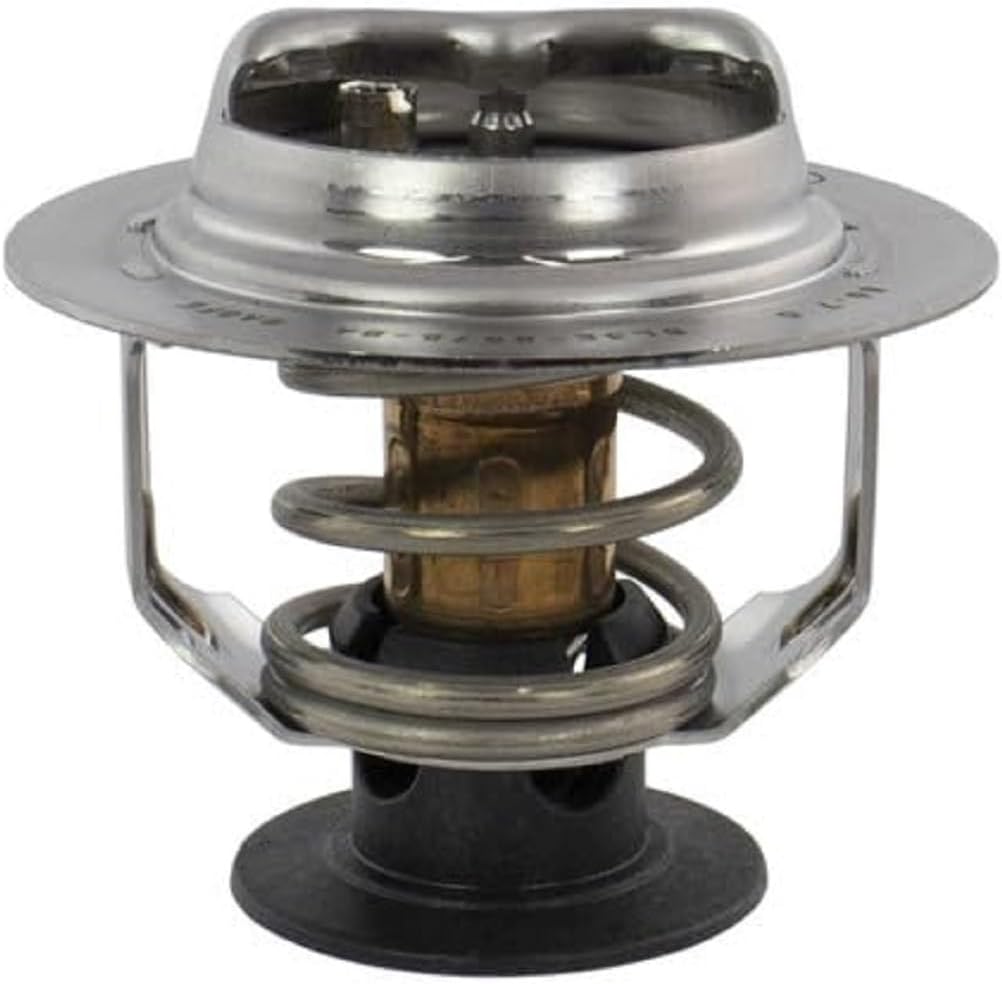
| Brand | Motorcraft |
|---|---|
| Model | Thermostat Assembly |
| Item model number | RT1255 |
| Manufacturer Part Number | RT1255 |
The Motorcraft RT1255 is a direct-fit thermostat assembly engineered to match factory fit and function for supported Ford models. It replaces a stuck or failed thermostat to restore normal engine warm-up and cooling behavior and is typically installed when a vehicle shows overheating, slow warm-up, or heater performance issues. As a brand part, it arrives as a complete assembly built to the same specifications used in original production, which simplifies installation and reduces alignment or sealing worries. Buyers report straightforward swap-in installation on F-150 Ecoboost models and reliable temperature control after replacement. One practical limitation is that a new sealing O-ring or gasket may not be included, so plan to have a replacement seal or gasket on hand to avoid leaks. This part is focused on returning factory cooling performance rather than changing calibration or offering aftermarket temperature tuning.
Best for: Drivers looking to restore reliable, factory-spec cooling performance on compatible Ford trucks and prioritize an exact-fit replacement over aftermarket tuning or modification.
Less Ideal for: Buyers wanting a thermostat to change engine warm-up behavior or tuning for performance gains should consider performance-oriented aftermarket options instead.
- Factory-quality fit and function for Ford and Lincoln applications
- Direct-fit assembly simplifies installation compared with separate components
- Consistent temperature control restores proper warm-up and prevents overheating
- Well-reviewed by owners for reliability and compatibility
- New sealing O-ring or gasket is not always included with the unit
Verdict: Choose the Motorcraft RT1255 when you want a direct, factory-quality replacement that restores correct cooling behavior on compatible Ford trucks.
Techie Engine Coolant Thermostat TQTS5190 (655190)

| Model | TQTS5190 |
|---|---|
| Manufacturer Part Number | 655190, 655188, 34229, RT1255 |
| Exterior | Machined |
| Compatible Vehicles | Ford F-150 2011-2023 (verify OE) |
The Techie TQTS5190 thermostat is a direct replacement style unit that controls coolant flow to keep engine temperature in the correct range. For 2009–2014 Ford F-150 owners it installs in the factory thermostat housing and operates like a factory-quality thermostat, opening at the specified temperature to allow coolant circulation and closing when the engine cools. The listing includes multiple OEM part numbers so fitment to the F-150 within the specified years is straightforward when you verify part cross-reference. Construction appears machined and the part is marketed as going through quality checks for consistent performance. In practice this means predictable warm-up times, restored heater operation, and reduced risk of overheating from a stuck thermostat. Expect the usual DIY installation tasks such as draining some coolant and replacing the gasket or O-ring. The product does not list a guaranteed lifespan or extensive material details, so those wanting heavy-duty or performance thermostats should consider purpose-made alternatives.
Best for: A practical F-150 owner who wants a dependable, factory-style replacement to restore normal engine temperature control and heater performance without specialty features.
Less Ideal for: Drivers who run heavily modified or high-performance engines and need a thermostats tuned for altered cooling requirements should look at performance-specific options.
- Direct-replacement design that matches multiple OEM part numbers for easier fitment checks
- Machined exterior suggesting solid manufacturing quality
- Restores proper engine warm-up and heater performance by regulating coolant flow
- Positive owner feedback indicating reliable operation after installation
- No stated warranty or detailed material specifications in the listing
- Not marketed as a high-performance or heavy-duty thermostat for modified engines
Verdict: A straightforward, factory-style replacement thermostat that reliably restores correct engine temperature control on the covered F-150 models.
MotoRad 228-195JV Engine Thermostat

| Brand Name | MotoRad |
|---|---|
| Model Number | 228-195JV |
| Material Type | Copper |
| Compatible Vehicles | Select Ford, Mercury, Lincoln models including F-150 97-14 |
The MotoRad 228-195JV is a straightforward replacement engine thermostat built to restore proper coolant regulation in compatible Ford engines. It installs in place of the factory unit and is used to open and close coolant flow at the correct temperature so the engine warms up reliably and stays within its designed operating range. The part is copper-bodied and MotoRad advertises heavy-duty internals aimed at consistent thermal response and reduced temperature fluctuation. In practice this helps the engine reach operating temperature faster and maintain stable coolant flow, which can improve fuel economy and reduce excess wear on an older vehicle. The unit replaces several factory part numbers and lists fitment for many Ford trucks and vans including F-150s from 1997 to 2014, so it is a practical budget replacement. Note that the listing and some buyer reports indicate a gasket or seal may not be included, so plan to obtain the correct gasket at installation time.
Best for: Buyers seeking an affordable, compatible replacement thermostat to restore proper engine temperature control on older Ford trucks and similar vehicles who prioritize cost-effective, reliable OEM-style repairs.
Less Ideal for: People who want a performance thermostat with a different open temperature or a complete installation kit including new seals and gaskets should consider alternatives or plan to buy the additional parts separately.
- Direct replacement for multiple Ford factory part numbers for easy fitment checks
- Copper construction and advertised heavy-duty internals for consistent thermal response
- Broad vehicle fitment covering many Ford F-series and related models
- Helps the engine reach and maintain correct operating temperature, which can improve fuel economy
- Gasket or seal is not always included with the part so an extra purchase may be required
Verdict: A budget-friendly, factory-style replacement thermostat that restores correct coolant temperature control for older Ford F-150s without unnecessary extras.
Motorcraft Thermostat Assembly RT1254

| Manufacturer | Motorcraft |
|---|---|
| Model | RT1254 |
| Manufacturer Part Number | RT1254 |
The Motorcraft RT1254 thermostat is a direct factory-quality replacement intended to restore correct engine temperature regulation on compatible Ford vehicles. It installs in place of the original thermostat, typically during routine cooling-system service or when overheating and temperature fluctuations appear. The unit ships with the stamped housing and a rubber seal and is built to Ford standards for fit and function, so alignment, leak-free installation, and predictable warm-up behavior are common outcomes. In practical use this thermostat holds engine temperature in the normal range and eliminates thermostat-related overheating or cold-running symptoms. It is especially useful when replacing aging or failed aftermarket units and when you want a part tuned to factory tolerances. Limitations are minimal but include the need to confirm exact fitment for your model year and that some buyers report the original O-ring may be reused rather than a new gasket being provided, so plan to have a replacement seal on hand if needed.
Best for: Buyers who prioritize long-term reliability and prefer factory-quality replacement parts to restore proper engine temperature control during routine maintenance or when an aftermarket thermostat has failed.
Less Ideal for: Shoppers looking for universal or multi-vehicle thermostats or those who want aftermarket performance thermostats with altered opening temperatures should consider alternatives.
- Factory-quality design that matches Ford specifications for fit and function
- Direct replacement that installs easily and aligns with existing housings
- Consistent temperature control, reducing overheating and cold-run issues
- Includes rubber seal with the unit for straightforward installation
- Some listings and user reports indicate a new gasket may not always be included so a replacement seal might be required
Verdict: Choose the Motorcraft RT1254 when you want a dependable, factory-spec thermostat replacement that restores correct temperature control on your F-150.
KPALAG Engine Coolant Thermostat with O-ring

| Opening temperature | 192°F |
|---|---|
| Compatible engines | Ford 4.6L, 5.4L, 6.2L |
| Included | Thermostat and o-ring |
| Manufacturer | KPALAG |
This KPALAG thermostat is a direct-replacement style unit intended to restore proper cooling control on compatible Ford V8 engines. It uses a paraffin-filled sensing element that opens at about 192°F and is built with a brass housing and stainless steel internal components for corrosion resistance. The package includes the thermostat and an o-ring for a simple swap during a routine cooling-system service. For everyday use it provides predictable opening temperature and should help the engine reach and hold operating temperature without prolonged warm-up or overheating if installed correctly. Installation is straightforward for anyone comfortable with basic cooling-system work, though you should drain and refill coolant and verify gasket seating to avoid leaks. This is a mainstream replacement rather than an upgraded performance unit, so expect factory-equivalent function rather than changed temperature behavior or heavy-duty durability improvements.
Best for: Buyers seeking a straightforward, factory-style thermostat replacement for routine maintenance on compatible Ford 4.6L and 5.4L applications who prioritize predictable, OEM-like behavior and easy installation.
Less Ideal for: Drivers wanting an adjustable, high-performance, or heavy-duty thermostat for modified engines or extreme-duty use should consider specialty performance parts instead.
- Factory-style paraffin sensing element gives predictable opening at specified temperature
- Brass shell and stainless steel internals resist corrosion for longer service life
- Includes o-ring for a complete seal during replacement
- Compatible with a wide range of Ford V8 models listed for straightforward fitment
- Opens at a single specified temperature so it does not offer adjustable or performance tuning capabilities
- Not marketed as premium heavy-duty or extended-life aftermarket option
Verdict: A reliable, factory-style replacement thermostat that restores proper temperature control for routine maintenance on compatible Ford V8 trucks.
Choosing the Right 2009-2014 Ford F-150 Thermostat: Key Factors to Consider
Opening Temperature and Tolerance
The thermostat's rated opening temperature determines when coolant begins circulating through the radiator and directly affects warm-up time and engine operating temperature. For the 2009-2014 F-150, selecting a thermostat with the correct nominal opening temperature helps maintain factory-calibrated engine control logic and ensures the heater provides usable cabin warmth quickly.
Tolerance matters because actual opening behavior can vary from the nominal value. A thermostat with tight temperature tolerance reduces the chance of the engine running too cool or too hot under normal driving and during towing. When a thermostat deviates from its specified temperature you can see symptoms like prolonged warm-up, fluctuating gauge readings, or recurring trips to the cooling system.
Flow Capacity at Operating Temperature
Once open, the thermostat must permit sufficient coolant circulation to match the F-150's coolant pump and radiator capacity. Flow-restricted thermostats can create hotspots and raise head gasket stress under sustained loads or highway speeds with heavy towing. Choose a unit whose internal flow passages and valve lift provide unobstructed flow when fully open.
Consider how flow capacity interacts with fan operation and radiator design. Thermostats intended for higher-flow performance can help maintain stable temperatures when the vehicle is used for hauling, off-highway work, or in hot climates, while standard-flow units are typically adequate for everyday driving.
Seal Quality and Housing Interface
A reliable seal between the thermostat and housing is essential to prevent coolant leaks and maintain proper flow routing. The F-150 thermostat housing area is subject to thermal cycling that can stress gaskets and O-rings. Select a thermostat with robust sealing features such as a durable gasket, heat-resistant O-ring, or integrated lip seal that matches the housing face geometry.
Also check that the thermostat's flange and locating tabs align with the housing to avoid mis-seating. A poor seal can lead to external leaks or internal bypass that prevents the system from reaching operating temperature, resulting in heater inefficiency and potential engine wear from extended cold running.
Material Durability and Corrosion Resistance
Thermostat components are exposed to coolant chemistry and long-term temperature cycling, so materials must resist corrosion and maintain dimensional stability. Metal alloys, stainless steel valve components, and high-temperature silicone or EPDM seals perform better over time than lower-grade materials. Plastics used in housings should be heat-stabilized to resist deformation.
Durable construction reduces the chance of premature failure, sticking, or seal breakdown. For owners who keep their F-150 long-term or tow regularly, investing in a thermostat built from corrosion-resistant materials limits repeat replacement and downstream issues like thermostat housing seal leak and coolant contamination.
Compatibility With Vehicle Cooling System
Not all thermostats fit the same housings or mate with the same coolant passages. Proper fitment prevents installation issues and ensures the sensor and bypass passages function as intended. When selecting a replacement for a 2009-2014 F-150 you should confirm physical fitment, orientation, and whether an additional gasket or retainer is needed for your engine configuration.
Compatibility also includes ensuring the thermostat's operating range suits the engine calibration. A mismatch can trigger incorrect temperature readings at the ECU and affect fan control or fuel trim, which in turn influences drivability and emissions performance.
Serviceability and Installation Considerations
Ease of installation affects how likely the replacement will be fitted correctly. Thermostats that use simple gaskets, standard fastener torque recommendations, and clear orientation markings reduce the risk of improper installation. Consider whether the thermostat requires removal of accessory components, coolant drain-down, or special tools when planning the job.
Serviceability also covers whether replacement seals and hardware are included, and if there are clear instructions for torque and routing. A design that minimizes the need for repeated coolant system bleeds or eliminates additional machining at the housing will save time and reduce the chance of installation-induced leaks.
Symptoms That Indicate Thermostat Trouble
Recognizing thermostat-related problems early helps you avoid engine damage. Common signs on a 2009-2014 F-150 include fluctuating temperature gauge readings, prolonged engine warm-up, reduced heater output, or intermittent overheating under load. Coolant leaks at the thermostat housing or repeated loss of coolant without obvious external puddles can also point to thermostat or housing seal issues.
Interpreting symptoms requires looking at the whole cooling system. A stuck-closed thermostat tends to cause rapid temperature rise and consistent overheating. A stuck-open thermostat results in the engine taking much longer to reach normal operating temperature and poor heater performance. If you encounter these behaviors, inspecting the thermostat and housing should be an early troubleshooting step.
- Fluctuating or rapid temperature gauge spikes
- No heat in cabin during cold starts
- Overheating under towing or sustained high load
- Visible coolant seepage around thermostat housing
How To Test a Thermostat on a 2009-2014 F-150
There are safe ways to check whether the thermostat is functioning without removing it. Start with a cold engine and run it while monitoring the temperature gauge and feeling the upper radiator hose. As the engine approaches operating temperature you should feel the hose remain cool until the thermostat opens, then feel it warm as coolant starts flowing through the radiator.
For a more definitive check, watch the temperature rise and note if the gauge abruptly stabilizes or spikes. If the hose warms quickly from cold or the engine never warms up, the thermostat may be stuck open. If the temperature climbs steadily past normal range, the thermostat may be stuck closed. When in doubt, replace the thermostat and sealing components since they are inexpensive relative to potential overheating damage.
- Monitor upper radiator hose temperature during warm-up
- Observe gauge behavior for abrupt stabilization or steady climb
- Perform a visual check for coolant seepage at housing
Thermostat Housing Seal Leak: Prevention and Repair Tips
Leaks at the thermostat housing often stem from degraded seals, improper torque, or warped housing faces. When replacing the thermostat, always replace the gasket or O-ring with the correct material rated for coolant exposure and high temperatures. Clean mating surfaces thoroughly before installing the new seal to prevent imperfect seating.
Torque fasteners to manufacturer specifications to avoid over-compression or uneven clamping that causes leaks. Inspect the housing for cracks or distortion; a warped housing will not seal correctly even with a new gasket. If the housing shows damage, replace it rather than attempting to force a seal.
- Replace gaskets or O-rings during thermostat servicing
- Clean and inspect mating surfaces for corrosion and warping
- Use correct torque values to prevent leaks
When To Replace the Thermostat Rather Than Repairing
Because thermostats are relatively low-cost components and are critical to cooling system function, replacement is often preferable to repair. If the thermostat shows signs of sticking, leaking, corrosion, or if the opening temperature is outside tolerance, a new unit restores predictable thermal control quickly. Replacing the thermostat also gives you an opportunity to refresh seals and check the housing condition.
Repair may be appropriate when the housing is serviceable and only the seal has failed, but many technicians opt for a new thermostat assembly to avoid rework. For owners who notice recurring symptoms after a repair, evaluate the housing and coolant condition for root causes rather than repeatedly replacing seals.
- Prefer replacement when thermostat sticking or corrosion is present
- Replace seals every time the thermostat is changed
- Investigate underlying coolant contamination if failures recur
Tools and Materials You Need for a Reliable Replacement
Prepare with basic hand tools, a torque wrench, replacement gasket or O-ring, and coolant for top-up. Draining only the lower portion of coolant or using a drain plug can limit fluid loss when accessing the thermostat housing. Have a clean rag and solvent to remove residue from the housing face and mating surfaces before installing the new unit.
Follow safe procedures for dealing with hot coolant and pressurized systems. After installation, run the engine and cycle the heater while monitoring for leaks and ensuring the system reaches operating temperature. Bleed trapped air if necessary so the cooling system can circulate properly and avoid false overheating readings.
- Socket set, torque wrench, gasket scraper
- Replacement gasket or O-ring specific to the F-150 housing
- Coolant for refill and tools to bleed air from system
Still looking for the perfect fit?
Select your Ford F-150 configuration to see the most relevant Thermostats recommendations
How We Chose the Best 2009-2014 Ford F-150 Thermostat
We prioritized thermostats that match the 2009-2014 Ford F-150 cooling requirements and deliver consistent opening temperatures under load. Key evaluation criteria included specified opening temperature tolerance, flow characteristics at operating temperature, compatibility with the F-150 coolant passages and housing geometry, and durability of seals and fasteners to resist leaks under cycling. We also considered materials and construction that withstand frequent temperature swings and potential exposure to road contaminants.Testing or lab data were not required; instead we focused on manufacturer specifications and verified mechanical features that affect real-world performance. Exclusions included units that lack clear temperature specifications, thermostats with unsealed housings, or options that require major housing modification. Final selections were those that best balance precise thermostat response, reliable sealing at the thermostat housing, and adequate coolant flow for the 5.4L and 4.6L cooling systems typical to the 2009-2014 F-150 family.
Our full evaluation process is outlined in our review methodology.
FAQ
How long does a thermostat typically last in a 2009-2014 F-150?
Thermostat lifespan varies with coolant condition and operating cycles, but many last several years. Frequent heavy towing or contaminated coolant can shorten life, so inspect the thermostat during any cooling system service.
Can a bad thermostat cause my engine to overheat only when towing?
Yes. A thermostat that opens late or partially restricts flow can allow temperatures to climb under sustained load like towing. Verify thermostat function if overheating occurs primarily under heavy load.
Will replacing the thermostat fix low heater output in cold weather?
Often it will. A thermostat stuck open prevents the engine from reaching normal operating temperature, which reduces heater performance. Replace the thermostat and seals if the engine runs cold and the heater is weak.
What are the signs of a thermostat housing seal leak?
Common signs include visible coolant seepage around the housing, low coolant level without external puddles, and intermittent air pockets leading to temperature fluctuations. Inspect the housing seal and mating surfaces when these symptoms appear.
Is it safe to drive with a thermostat that occasionally sticks?
Occasional sticking is risky because unpredictable opening can cause overheating or extended cold running. Limit driving until the issue is addressed to avoid potential engine damage.
How does a thermostat opening temperature affect engine performance?
Opening temperature influences warm-up speed and steady-state engine temperature. A higher opening set point delays coolant flow which can speed warm-up but may increase engine temperature under load. Choose a thermostat that matches the vehicle's specified operating range.
Final Verdict
When replacing the thermostat on a 2009-2014 Ford F-150, prioritize correct opening temperature, dependable flow when fully open, and a robust seal with proper housing fitment. Tradeoffs usually involve warm-up time versus maximum cooling capacity, so select the option whose temperature rating and flow characteristics match your typical driving and towing demands. With the right thermostat and a careful installation that refreshes seals and inspects the housing, you can restore consistent engine temperature control and reduce the risk of overheating or poor heater performance.
Explore More:
- Check out all Ford F-150 parts & accessories
- Explore Thermostats Maintenance & Repair Guides
- Explore Cooling System
- Browse all Auto Parts
