

Note: This article contains affiliate links. If you click on these links and make a purchase, I may earn a small commission at no extra cost to you. This helps support my research and content. Read my full affiliate disclosure here.
If you own a 2012-2017 Toyota Camry, a properly functioning thermostat is a small part that makes a big difference in engine performance and longevity. A faulty thermostat can cause slow warm-up, engine overheating, or constant cold running that reduces heater output and increases wear. This guide shortlists the top thermostat options for the 2012-2017 Camry, focusing on units that match factory fitment, regulate opening temperature reliably, and withstand automotive operating conditions.We screened options for correct fitment, temperature tolerance, and materials, and we evaluate items on ease of installation and durability. Read on to find the thermostat types that best restore normal engine temperature behavior for your Camry and learn what to check before you buy.
Looking for other parts? See all Toyota Camry parts & accessories.
Top Picks at a Glance
| Best Overall The best all-around choice for most situations | APSG Genuine 90916-A3003 Engine Thermostat with Gasket (82°C) |  |
| Best Quality Built to a higher standard if you want something more solid | Toyota 90916-A3003 Genuine Thermostat |  |
| Best Value The sweet spot between price and what you get | TAMKKEN 90916-A3003 Engine Coolant Thermostat (direct replacement) | 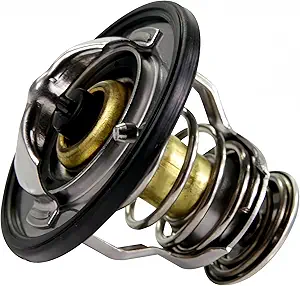 |
| Best Budget The cheapest option that still gets the job done reliably | YIUIY Engine Thermostat (replaces 90916-03129) |  |
| Highest Rated A top-rated pick with lots of positive feedback | AISIN THT-019 Engine Coolant Thermostat |  |
| Most Popular A crowd favorite that many people choose with confidence | ROVIKE Engine Thermostat (Replaces 90916-A3003 / 90916-03129) |  |
APSG Genuine 90916-A3003 Engine Thermostat with Gasket (82°C)

| Item model number | 90916-A3003 |
|---|---|
| Manufacturer | Toyota MotoRad |
| Temperature rating | 82°C (179.6°F) |
| Includes | Gasket |
This APSG thermostat (90916-A3003) is a direct-fit, factory-spec replacement designed to regulate coolant flow by opening at 82°C. It includes a gasket and is intended for routine cooling system maintenance or repair on compatible Toyota-family engines. Typical use is straightforward: remove the old thermostat, install this unit with the supplied gasket, and reassemble to restore correct warm-up and operating temperatures. The part is described as made to OEM standards and built for durability, which helps prevent premature sticking or coolant leaks. Because it matches the factory temperature rating, it preserves original engine warm-up behavior and emissions control. The main limitation is fitment: this is a specific part number intended for compatible Toyota-family engines, so confirming vehicle fitment is essential before purchase. Also this item provides one thermostat only, so expect a simple, single-part replacement rather than an upgraded performance component.
Best for: Buyers wanting a reliable, factory-style replacement that restores correct temperature control and maintains the vehicle as the manufacturer intended.
Less Ideal for: Drivers looking for performance thermostats that alter operating temperature or for multi-part cooling upgrades should consider aftermarket performance options instead.
- Factory-spec temperature rating (82°C) preserves stock warm-up and engine control behavior
- Includes gasket for a proper seal at installation
- Direct-fit design simplifies replacement and reduces installation time
- Manufactured to meet OEM-style quality for reliable operation
- Intended as a direct replacement only and does not change cooling performance or provide performance tuning benefits
Verdict: Choose this genuine-style 90916-A3003 thermostat when you want a dependable factory-quality replacement that restores original coolant temperature control.
Toyota 90916-A3003 Genuine Thermostat

| Brand | Toyota |
|---|---|
| Item model number | 90916-A3003 |
| Manufacturer Part Number | 90916-A3003 |
This is the factory-quality Toyota 90916-A3003 thermostat intended as a direct replacement for compatible Toyota engines. It installs in the thermostat housing to regulate coolant flow and maintain correct operating temperature, which helps prevent overheating and keeps the engine running efficiently. Buyers get a genuine OEM part that matches factory fit and finish, reducing the risk of fitment issues or sensor incompatibility during installation. Typical use is a routine cooling-system repair or preventive maintenance when the original thermostat shows signs of rust, sticking, or failure. The main practical benefit is confidence in fit and long-term reliability compared with generic aftermarket units. One limitation is that the gasket and some sealing components may not be included, so plan to source a replacement gasket or reuse a good old one during installation to avoid leaks. Installation can be moderately involved on some engines and may require removing nearby components for access.
Best for: A buyer who prioritizes reliable, factory-spec cooling performance and wants a direct-fit replacement to restore engine temperature control during maintenance or repair.
Less Ideal for: If you are looking for performance-tuned thermostats with altered open temperatures or high-flow designs for modified engines, this stock-spec unit is not the right choice.
- Genuine Toyota part for factory-accurate fit and function
- Simple design that restores proper coolant regulation and helps prevent overheating
- Proven durability and corrosion resistance compared with many aftermarket units
- Thermostat may ship without a replacement gasket or O-ring, requiring a separate purchase or reuse of the old seal
Verdict: Choose this genuine Toyota thermostat when you want a dependable, factory-fit replacement to restore correct engine temperature control.
TAMKKEN 90916-A3003 Engine Coolant Thermostat (direct replacement)

| Compatible part numbers | 90916-A3003, 90916-03129 |
|---|---|
| Material | Stainless Steel |
| Voltage | 12 Volts (DC) |
This TAMKKEN thermostat is a direct-replacement coolant thermostat offered as a drop-in option for vehicles that use part number 90916-A3003. It installs in place of the factory unit without programming or sensors and is intended to regulate engine coolant flow to maintain correct operating temperature. Buyers report it fits many Toyota and Lexus applications listed by the manufacturer and that the unit is constructed from stainless steel and rated for 12V systems. In practice this part is used during routine cooling-system repairs or when a failed thermostat is diagnosed; installation follows straightforward steps of draining coolant, swapping the old unit for the new one, and clearing any codes. The benefits are simple: a low-cost replacement that can restore thermostat function and eliminate temperature-related trouble codes. Limitations to note are occasional fitment mismatches on some model years and mixed reports about long-term reliability, so verify part number and physical fit before installation and be prepared to return or exchange if it does not seat correctly.
Best for: A buyer looking to restore a Camry's cooling system quickly and affordably with a practical, no-frills replacement part that matches the factory part number.
Less Ideal for: Drivers who prioritize extended durability or exact factory provenance for high-mileage or high-performance engines should consider branded OEM or premium aftermarket thermostats instead.
- Direct-replacement for part number 90916-A3003 used on many Toyota and Lexus models
- Made from stainless steel and designed for 12V vehicle cooling systems
- Simple installation that does not require programming or calibration
- Appears to eliminate temperature-related trouble codes when fitment is correct
- Some buyers report fitment problems on certain model years which can cause cooling issues
- Mixed long-term reliability reports compared with factory or premium aftermarket thermostats
Verdict: A cost-effective direct-replacement thermostat for Toyota Camry owners needing a straightforward fix that matches part number 90916-A3003.
YIUIY Engine Thermostat (replaces 90916-03129)

| Manufacturer Part Number | HWQ-115-G-HF |
|---|---|
| OEM Part Number | 90916-03129, 90916-A3003 |
| Item Weight | 3.52 ounces |
This YIUIY thermostat is a simple, budget-focused replacement designed to restore proper coolant flow and engine warm-up. It installs like a standard thermostat and is intended to replace Toyota part numbers 90916-03129 and 90916-A3003, so for a 2012–2017 Toyota Camry it serves as a direct-fit fix for low-temperature or P0128 issues. The unit emphasizes stainless steel construction and ships with the basic gasket hardware typical for an after-market thermostat. In real-world use it brings the cooling system back to correct operating temperature and is straightforward for DIY installers with basic tools. Buyers note it is noticeably more affordable than factory parts, though some report the build feels lighter than factory-quality units, so long-term durability may be lower. The product carries a one-year service promise from the seller. If you need an inexpensive replacement to get a Camry back to normal operating temperature without extensive performance demands, this part does that job reliably; if you want a longer-lived heavy-duty unit consider an upgraded aftermarket option.
Best for: Buyers who prioritize a low-cost, functional fix to restore proper engine temperature and want a straightforward part they can install themselves to keep repair costs down.
Less Ideal for: Drivers seeking a heavy-duty or long-life performance thermostat or those who prefer an upgraded OEM-spec replacement should consider higher-end alternatives.
- Direct replacement for Toyota part numbers 90916-03129 and 90916-A3003
- Stainless-steel construction for basic corrosion resistance
- Easy DIY fitment for typical thermostat replacement jobs
- Build quality feels lighter than factory parts for some users
Verdict: A cost-effective, direct-fit replacement that gets a 2012–2017 Camry back to correct operating temperature without the premium of an OEM part.
AISIN THT-019 Engine Coolant Thermostat

| Brand | AISIN |
|---|---|
| Included Components | thermostat |
| Voltage | 12 Volts |
| Material | Alloy Steel, Plastic |
| Mounting Type | Direct Engine Mount |
This Aisin thermostat replaces the vehicle's factory unit to regulate coolant flow and maintain the engine at its specified operating temperature. It is designed and manufactured to factory-equivalent form, fit, and function and uses materials intended for long life. Typical use is a direct swap when your Camry is not reaching operating temp, running too cool, or the old thermostat is sticking. Install is straightforward for anyone comfortable with basic cooling-system work, but note the gasket is not included so plan to replace the seal during service. Reviews and manufacturer notes indicate it opens at the correct specified temperature and operates smoothly, helping faster warm-up in cold weather and stable engine temps under load. A practical limitation is fitment sensitivity — correct fit depends on engine variant and housing configuration, so verify compatibility before buying and expect to source a separate gasket.
Best for: Buyers who prioritize long-term reliability and want a factory-matched replacement to restore correct engine temperature control without experimenting with cheaper aftermarket units.
Less Ideal for: Drivers who need a universal or multi-vehicle thermostat solution or those unwilling to verify exact engine fitment before purchase.
- Factory-quality construction for consistent opening at the specified temperature
- Designed to match factory form, fit, and function for direct replacement
- Helps engine reach operating temperature faster in cold weather and maintains stable coolant flow
- Simple direct-mount design that keeps installation straightforward for routine maintenance
- Gasket not included so a separate seal must be purchased for a complete installation
- Fitment depends on engine and housing configuration and may not suit every Camry variant
Verdict: Choose the Aisin THT-019 when you want a reliable, factory-quality thermostat that restores correct operating temperature and dependable cooling performance.
ROVIKE Engine Thermostat (Replaces 90916-A3003 / 90916-03129)

| Replaces Part Numbers | 90916-A3003, 90916-03129 |
|---|---|
| Included Components | Engine Thermostat |
| Material | Metal, Plastic |
| Power Source | Battery Powered |
This ROVIKE thermostat is an aftermarket direct-replacement unit that matches the listed Toyota part numbers 90916-A3003 and 90916-03129 and is sold as a single engine thermostat for routine cooling-system repairs. It installs in place of the factory thermostat and is intended to open and close at the correct temperature to regulate coolant flow and engine operating temperature. In real-world use it gives the basic functionality you expect from a replacement thermostat and many buyers report straightforward installs and reliable temperature control. The product description stresses broad vehicle compatibility and includes explicit Camry model years and engine matches for 2012–2013 Camry 2.5L, so it fits that Camry range when the part number aligns. Practical benefits are lower cost compared with dealer parts and easy swap-in installation for DIYers or independent shops. Limitations are typical for budget aftermarket parts: fitment can be inconsistent across years and sub-models so confirming the exact part number and physical dimensions against your vehicle is essential before purchase, and quality may vary compared with factory-quality parts.
Best for: Buyers who prioritize social proof and want an affordable replacement backed by multiple user reports of successful installs for common Camry repairs.
Less Ideal for: Drivers who require guaranteed factory-quality longevity or exact dealer-fit assurance should choose an OEM thermostat or source parts through a dealer or certified supplier.
- Lists replacement part numbers 90916-A3003 and 90916-03129 for straightforward cross-checking.
- Calls out explicit compatibility with 2012–2013 Camry 2.5L in the vehicle list.
- Sold as a single direct-replacement thermostat for simple DIY or shop installs.
- Many user reports note easy installation and effective temperature control at a lower cost than dealer parts.
- Aftermarket fitment can be inconsistent so some buyers report incorrect sizing for certain years or trims.
- Build and material quality may not match factory-quality parts for long-term durability.
Verdict: A budget-friendly aftermarket replacement that matches Toyota part numbers and is a practical choice for repairing 2012–2013 Camry cooling systems when you confirm fitment.
Choosing the Right 2012-2017 Toyota Camry Thermostat: Key Factors to Consider
Correct Fitment and Mounting
Ensuring the thermostat matches the 2012-2017 Toyota Camry's mounting interface and flange pattern is the first priority. A thermostat that does not seat properly can cause coolant leaks, poor valve action, or interference with the housing, so verify the physical dimensions, orientation of the valve, and whether it requires an O-ring or a flat gasket.
Fitment affects installation time and whether additional parts are needed. Using a unit specified for the Camry reduces the chance of troubleshooting after installation and helps keep coolant flow consistent with the vehicle's original cooling passages.
Opening Temperature and Thermal Accuracy
The thermostat's rated opening temperature determines when coolant begins circulating through the radiator. For the 2012-2017 Camry, choose a thermostat with the correct OEM-specified opening temperature to maintain designed warm-up and operating temperatures. A thermostat that opens too early can cause the engine to run cold and reduce heater performance; one that opens too late risks overheating.
Also consider the accuracy and repeatability of the valve action. Quality thermostats open and close at predictable temperatures across repeated cycles, helping the engine control systems and heater core function as intended.
Material Durability and Corrosion Resistance
Thermostats operate in a harsh environment of heat and chemically treated coolant. Components made from corrosion-resistant metals and durable rubber for seals and gaskets last longer and are less likely to warp or fail. Poor materials can lead to sticking valves or degraded seals that cause coolant leakage.
Evaluating the construction—such as brass or stainless components for moving parts and high-quality elastomers for seals—helps predict service life and reduces the likelihood of premature replacement on the Camry.
Seal Design and Leak Prevention
A reliable seal between the thermostat and housing is essential to prevent coolant loss and maintain proper pressure. Some thermostats use integrated rubber seals, others rely on separate gaskets or O-rings. Choose a design that matches the Camry's housing and consider whether replacing the housing seal or using a new gasket at installation is recommended.
Improper sealing can cause external leaks or internal bypassing of coolant, which will affect temperature control and may mimic other cooling system issues.
Ease of Installation and Required Parts
Installing a thermostat on the 2012-2017 Camry is usually straightforward, but variations in design can change the complexity. Check whether the unit comes with necessary seals, if special tools are required, and whether the thermostat orientation is keyed to the housing. Some designs simplify installation with a one-piece assembly that reduces gaskets, while others need extra steps.
Considering installation complexity helps you plan time, avoid mistakes that cause leaks, and decide whether to tackle the job yourself or seek professional help.
Thermal Cycling and Reliability Under Load
Thermostats undergo frequent thermal cycles as the engine heats and cools, and they must remain reliable under varying driving conditions. Evaluate whether the thermostat design tolerates repeated expansion and contraction without sticking, and whether it maintains consistent opening characteristics under highway loads, towing, or stop-and-go driving common to Camry use.
A unit with proven cycling durability reduces the chance of intermittent overheating or cold-running symptoms and extends intervals between replacements.
Common Thermostat Symptoms and What They Mean
Recognizing thermostat-related symptoms helps you decide whether replacement is necessary. Overheating under load or rapid temperature rise after startup often indicates a thermostat that is stuck closed or opening late. Conversely, an engine that takes a long time to reach operating temperature or never reaches it may have a thermostat stuck open.
Other signs include fluctuating temperature gauge readings, reduced heater output in cold weather, and coolant leaks at the thermostat housing. Some symptoms overlap with other cooling system problems, so combine symptom checks with targeted tests before concluding thermostat failure.
- Engine overheats during city driving but cools down at highway speed: possible restricted flow or late-opening thermostat.
- Engine running noticeably cold and heater output poor: thermostat may be stuck open.
- Coolant residue or coolant pooling at the thermostat housing area: check the housing seal and gasket.
- Temperature gauge bouncing or inconsistent: electrical sensor or thermostat sticking intermittently.
How to Test a Thermostat on a Camry
There are simple checks you can perform before replacing the thermostat. Start by observing warm-up behavior and heater performance. If the engine temperature fails to rise or rises erratically, a thermostat test is warranted. One effective method is a controlled warm-up with a coolant temperature readout and careful inspection of heater hose temperatures.
A hands-on test involves feeling the upper radiator hose during warm-up: it should remain cool until the thermostat opens, then warm rapidly as coolant begins circulating. If the hose warms immediately, the thermostat may be stuck open. If it stays cool while the engine overheats, the thermostat could be stuck closed. Always take safety precautions when working near hot coolant and moving parts.
- Observe heater output during cold start; poor heat suggests delayed warm-up.
- Monitor upper radiator hose temperature during warm-up for a sudden change when the thermostat opens.
- Use an infrared thermometer on the radiator inlet and outlet to detect flow changes.
- If unsure, consult a pressure test or professional diagnostic to rule out other causes.
Thermostat Housing and Seal Issues
Thermostat housing seals can fail independently of the thermostat valve. On the 2012-2017 Camry, inspect the housing for corrosion, warping, or cracked plastic that can cause leaks. A leaking seal often shows as coolant residue around the housing and can lead to low coolant levels and air ingress into the system.
When replacing a thermostat, consider replacing the housing gasket or O-ring and carefully clean mating surfaces. Proper torque on housing fasteners is important to avoid crushing seals or causing distortion that leads to leaks.
- Check for dried coolant deposits around the housing edges.
- Replace gaskets or O-rings when damage or deformation is present.
- Tighten bolts to manufacturer torque specs to prevent seal distortion.
Choosing Between OEM Spec and Aftermarket Options
For the 2012-2017 Camry, the deciding factors are correct opening temperature and fitment rather than brand. An OEM-spec thermostat ensures the original temperature rating and mounting match the vehicle. Quality aftermarket units can match those specs and offer similar durability, but always confirm the temperature rating and flange style.
When deciding, prioritize verifiable specs and the presence of proper seals. Consider whether the unit includes required hardware or if additional gaskets are necessary to complete the installation.
- Confirm the thermostat's opening temperature matches the vehicle specification.
- Verify whether the unit includes seals or requires separately purchased gaskets.
- Check material descriptions for corrosion resistance and durability.
Installation Tips and Bleeding the Cooling System
Proper installation and air removal are critical for thermostat performance. Follow safe procedures: allow the engine to cool, drain coolant to a level that exposes the housing, and replace the thermostat with the engine cold. Clean the mounting surfaces and fit the seal or gasket evenly before torquing bolts progressively to spec.
After installation, refill with the correct coolant and bleed the system to remove trapped air. Air pockets can lead to localized overheating and false diagnosis of thermostat problems. Run the engine to operating temperature while monitoring for leaks and ensure the heater delivers warm air as the thermostat opens.
- Work on a cold engine and wear eye protection when dealing with coolant.
- Use the correct coolant type and top up to the recommended level.
- Bleed air from the cooling system following vehicle procedures to avoid hot spots.
Still looking for the perfect fit?
Select your Toyota Camry configuration to see the most relevant Thermostats recommendations
How We Chose the Best 2012-2017 Toyota Camry Thermostat
Our selection process concentrated on the practical factors that matter when replacing a thermostat on a 2012-2017 Toyota Camry. First, we verified correct part fitment and mounting interface to match the Camry's thermostat housing and coolant passages. Second, we prioritized thermostats with accurate opening temperature ratings and consistent valve operation to avoid overheating or chronic under-temperature operation. Third, materials and corrosion resistance were considered so the unit withstands coolant chemistry and heat cycles. Fourth, we looked at seal design and gasket quality to reduce the risk of housing seal leaks. Fifth, we assessed installation characteristics such as whether the unit requires special tools or additional components like new gaskets or O-rings.We excluded any thermostats without clear fitment information for the 2012-2017 Camry, units with unverifiable temperature ratings, and parts that lack basic material specifications. The final shortlist balances correct fitment, thermal performance, build quality, and installation practicality—dimensions that directly affect reliability and engine cooling performance for this vehicle.
Our full evaluation process is outlined in our review methodology.
FAQ
What are the most common signs of a bad thermostat in a 2012-2017 Camry?
Common signs include slow warm-up or the engine running cold, overheating during normal driving, inconsistent temperature gauge readings, and reduced heater output. Coolant leaks at the thermostat housing or visible residue are also indicators.
How can I test whether the thermostat is stuck open or closed?
Monitor warm-up and feel the upper radiator hose: if it warms immediately the thermostat may be stuck open; if it stays cool while the engine overheats the thermostat might be stuck closed. Using an infrared thermometer on coolant lines provides a more precise check.
Should I replace the thermostat housing gasket when installing a new thermostat?
It is usually recommended to replace the gasket or O-ring during thermostat replacement if the old seal shows any signs of wear, deformation, or residue. Fresh seals reduce the risk of leaks and help ensure proper pressure in the cooling system.
Can a thermostat cause intermittent overheating in my Camry?
Yes. A thermostat that sticks intermittently or has uneven valve action can produce temperature swings and occasional overheating. However, intermittent overheating can also stem from other cooling system issues, so verify the thermostat along with coolant level and radiator flow.
Do I need special tools to install a thermostat on the 2012-2017 Camry?
Most installations require only basic hand tools, a drain container, and the correct torque wrench for housing bolts. Some designs may need a specific seal tool, but typically the job can be completed with standard workshop tools if you follow proper procedures.
How long should a replacement thermostat last in this Camry?
A well-made thermostat with proper installation and compatible coolant chemistry can last many years. Lifespan depends on materials, driving conditions, and maintenance; regular coolant changes and avoiding corrosion are factors that extend service life.
Final Verdict
When replacing a thermostat on a 2012-2017 Toyota Camry, prioritize correct fitment, the OEM-specified opening temperature, and robust seals to prevent leaks. Consider material quality and cycling reliability to avoid premature sticking or failure. Balance ease of installation and whether the unit includes necessary gaskets when planning the job.Focus on restoring proper warm-up behavior and steady operating temperature rather than brand names. By checking fitment, temperature rating, and seal condition, you can select a thermostat that delivers reliable cooling performance for your Camry and minimizes the chance of repeat repairs.
Explore More:
- Check out all Toyota Camry parts & accessories
- Explore Thermostats Maintenance & Repair Guides
- Explore Cooling System
- Browse all Auto Parts
