

Note: This article contains affiliate links. If you click on these links and make a purchase, I may earn a small commission at no extra cost to you. This helps support my research and content. Read my full affiliate disclosure here.
If you own a 1997-2001 Toyota Camry, the cooling fan is a small component that plays a big role in keeping engine temperatures in check, especially in stop-and-go traffic and hot weather. A failing unit can lead to overheating, reduced cabin A/C performance, and premature wear on other cooling-system parts. This guide highlights the top shortlisted cooling fans and radiator fan assemblies that suit the 1997-2001 Camry, focusing on fitment, airflow, and motor durability.Below we summarize the best choices for different needs, then walk through the factors that matter when choosing a replacement and practical steps for installation and troubleshooting.
Looking for other parts? See all Toyota Camry parts & accessories.
Top Picks at a Glance
| Best Overall The best all-around choice for most situations | TYC Cooling Fan Assembly, Model 600100 |  |
| Best Quality Built to a higher standard if you want something more solid | Dorman 620-542 Engine Cooling Fan Assembly |  |
| Best Value The sweet spot between price and what you get | Garage-Pro Cooling Fan Assembly for Toyota Camry 2000–2001 Left |  |
| Best Budget The cheapest option that still gets the job done reliably | Garage-Pro Cooling Fan Assembly for 1997-1999 Toyota Camry and 1999 Solara |  |
| Highest Rated A top-rated pick with lots of positive feedback | Dorman 620-543 Passenger Side Engine Cooling Fan Assembly |  |
| Most Popular A crowd favorite that many people choose with confidence | TRQ Radiator Cooling Fan Assembly, Driver Side |  |
TYC Cooling Fan Assembly, Model 600100
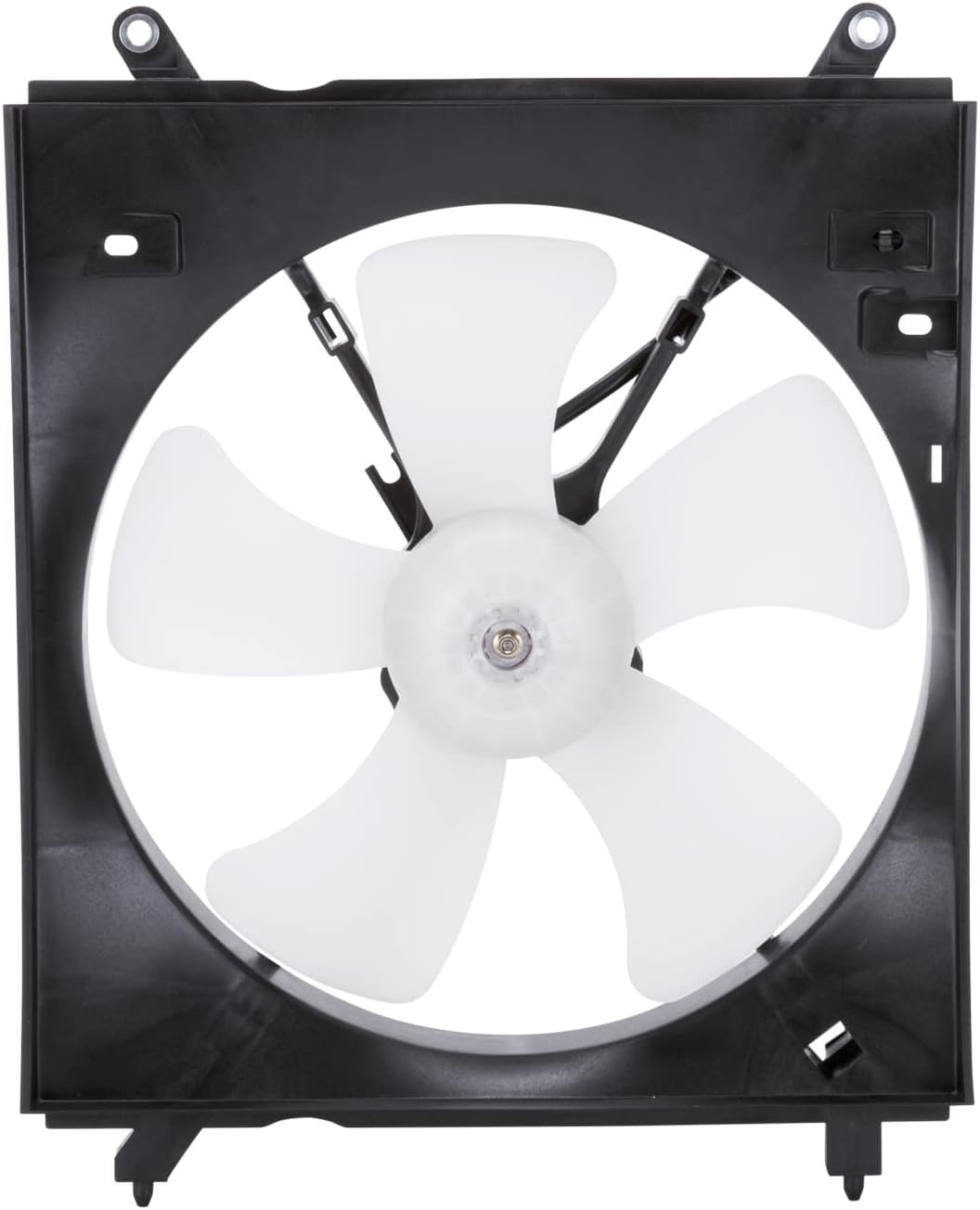
| Power Connector Type | 2-Pin |
|---|---|
| Voltage | 12 Volts |
| Noise Level | 36 Decibels |
| Maximum Rotational Speed | 2500 RPM |
| Material Type | Polyamide and Metal |
This TYC cooling fan assembly is a complete plug-and-play replacement that packages the motor, blade, and shroud into one unit to simplify radiator fan swaps on 1997–1999 Toyota Camrys. It is designed to match factory-style performance with a 12 volt motor and a licensed shroud and blade design that aims to reproduce OEM airflow. Typical installation is straightforward: unplug the 2-pin connector, remove a couple of fasteners, and slide the assembly into place, which keeps installation time short and minimizes coolant loss. The unit is molded from polyamide with metal components for improved heat resistance and durability, and TYC reports bench testing for vibration, corrosion, and endurance. In practice buyers report quiet operation and strong airflow, though a few reviews note early failures in isolated cases. This fan is a cost-effective option for someone who wants a near-factory replacement without paying dealer prices, but expect variable long-term life compared with higher-end branded assemblies.
Best for: Buyers who want a low-cost, balanced replacement that closely matches factory performance and prioritizes easy installation and reliable day-to-day cooling.
Less Ideal for: People seeking a heavy-duty or performance upgrade for high-track use or extreme towing should choose a reinforced or performance-oriented fan instead.
- Direct-fit assembly that includes motor, blade, and shroud for simple, fast replacement
- Factory-style airflow design licensed from established suppliers for comparable cooling performance
- Polyamide construction and metal components improve heat resistance and reduce vibration
- Quiet operation reported by multiple users after installation
- Some users report durability issues with early failures in a minority of units
Verdict: A straightforward, budget-friendly replacement that delivers near-factory cooling and easy plug-and-play installation for 1997–1999 Camry owners.
Dorman 620-542 Engine Cooling Fan Assembly

| Power Connector Type | 2-Pin |
|---|---|
| Voltage | 12 Volts |
| Wattage | 12 watts |
| Maximum Rotational Speed | 3500 RPM |
This Dorman 620-542 is a complete cooling fan assembly intended as a drop-in replacement for specific 1999–2001 Toyota Camry and Solara radiator fans. It includes the motor and shroud assembled to match the original mounting points so installation is usually straightforward for a mechanic or experienced DIYer. Dorman says the motor is tested and the assembly uses the same materials as the factory part, so it should restore normal cooling and condenser airflow after a failed unit. In practice customer reports are mixed: many users find the fit and plug-and-play wiring convenient, while a minority note the motor feels weaker than the original on very hot days. The assembly is plastic-bodied with a 2-pin connector, 12 V rating, and a motor speed up to 3500 RPM, so it is best for restoring stock-level cooling rather than increasing airflow for high-performance builds. If you need a reliable, cost-effective replacement to get cooling back to factory behavior, this unit generally delivers, but it is not aimed at enthusiasts seeking upgraded performance under heavy thermal load.
Best for: Enthusiasts who want a straightforward, vehicle-specific replacement to restore reliable cooling without modifying the car and prioritize getting back to stock performance quickly.
Less Ideal for: Drivers planning performance upgrades or who need increased cooling capacity for heavy towing, track use, or high-heat climates should choose a high-flow aftermarket fan instead.
- Designed to match factory mounting and plug into existing wiring for straightforward replacement
- Complete assembly includes motor and shroud so no separate parts sourcing is required
- Manufacturer-tested motor and materials intended to restore original cooling performance
- Compatible specifically with Toyota Camry and Solara 1999–2001 which simplifies fitment for those models
- Some users report weaker airflow compared with the original factory fan under high ambient temperatures
Verdict: Buy this Dorman assembly if you need an affordable, vehicle-specific replacement to restore factory-level cooling on a 1999–2001 Camry or Solara.
Garage-Pro Cooling Fan Assembly for Toyota Camry 2000–2001 Left

| Cooling Method | forced air |
|---|---|
| Compatible Devices | Radiator |
| Material Type | Plastic |
| Part Interchange Info | 620542,FA70080,TO3115101 |
This Garage-Pro cooling fan assembly is a direct-fit replacement that bundles the fan blade, motor, and shroud into a single unit for 2000–2001 Toyota Camry left-side installations. It is intended for straightforward radiator cooling repairs where the original assembly has failed or is noisy; installation follows factory mounting points so technicians or experienced DIYers can swap it in without major modifications. The unit is plastic-bodied with a forced-air design and lists common interchange part numbers for cross-referencing fit. The primary benefits are a complete assembly that eliminates the need to source individual components and a one-year unlimited-mileage warranty for peace of mind. Limitations include the plastic construction versus metal alternatives, which may affect long-term toughness in high-heat or heavy-use scenarios, and the listing does not include detailed motor power or amperage ratings for performance comparison. For routine replacement on an aging Camry this provides a practical, cost-conscious solution that restores cooling function quickly.
Best for: Buyers looking to restore reliable cooling on a 2000–2001 Camry quickly and affordably, prioritizing ease of installation and a complete swap-in assembly.
Less Ideal for: Those seeking a heavy-duty or performance-focused upgrade for severe towing, track, or high-temperature use should consider purpose-built high-performance fans instead.
- Complete assembly includes fan blade, motor, and shroud for faster installation
- Direct-fit design uses factory mounting points for straightforward replacement
- Lists common interchange part numbers for easy verification of compatibility
- Backed by a one-year unlimited-mileage warranty
- Plastic construction may be less durable than metal-heavy aftermarket assemblies
- Product listing lacks detailed motor performance specs for precise cooling comparisons
Verdict: A practical, direct-fit replacement fan assembly that gets a 2000–2001 Camry back to reliable radiator cooling with minimal fuss.
Garage-Pro Cooling Fan Assembly for 1997-1999 Toyota Camry and 1999 Solara

| Compatible Devices | Radiator |
|---|---|
| Material Type | Plastic |
| Part Interchange Info | 621145,FA70662,1671120060,163630A040,TO3113111 |
| Manufacturer | Garage-Pro |
This Garage-Pro cooling fan assembly is a single electric radiator fan, blade, motor, and shroud packaged as a direct-fit replacement for 1997–1999 Toyota Camry and 1999 Solara applications. It installs in place of the factory radiator fan to restore engine cooling and help prevent overheating under normal driving and idle conditions. The unit is plastic-bodied and comes with several interchange part numbers to aid fitment checks. For a budget-minded buyer this part delivers the core function at a lower cost than many dealer replacements and includes a one-year unlimited-mileage warranty for added reassurance. Buyers should note the plastic construction and aftermarket sourcing mean finish and long-term durability may differ from factory assemblies, and if your vehicle has heavy-duty towing or extreme climate demands a premium OEM-style unit could last longer. Overall this assembly is a practical, affordable way to bring cooling performance back to spec on older Camry and Solara models when the original fan fails.
Best for: Someone restoring reliable cooling on an older Camry or Solara who prioritizes affordable, straightforward repairs and wants a ready-to-install replacement without paying dealer prices.
Less Ideal for: Drivers who regularly tow heavy loads, operate in extreme cooling-stress conditions, or who prefer factory-origin parts for maximum longevity should consider higher-end or OEM-style alternatives.
- Direct-fit design for 1997–1999 Camry and 1999 Solara simplifies installation
- Includes motor, blade, and shroud in one assembly for a complete replacement
- Lower-cost aftermarket option with a one-year unlimited-mileage warranty
- Interchange part numbers provided to help confirm correct fitment
- Plastic construction may not match the long-term durability of higher-end factory-style assemblies
Verdict: A cost-effective, direct-fit cooling fan assembly that restores radiator cooling for late-1990s Camry and Solara models without the dealer price tag.
Dorman 620-543 Passenger Side Engine Cooling Fan Assembly

| Voltage | 12 Volts |
|---|---|
| Wattage | 80 watts |
| Cooling Method | Forced Air |
| Maximum Rotational Speed | 3500 RPM |
| Power Connector Type | 2-Pin |
This Dorman passenger-side engine cooling fan assembly replaces the factory radiator fan for specific 1999–2001 Toyota Camry applications and is intended as a direct, drop-in replacement. The assembly comes complete with the motor and shroud so installation is straightforward for a home mechanic or professional and eliminates the need to reuse worn components. It uses a 12-volt motor rated at about 80 watts and a maximum speed near 3500 RPM to deliver forced-air cooling comparable to the original part. The plastic construction keeps weight and cost down while part interchange numbers let you confirm correct fit. Real-world benefits include restored cooling performance after a failed fan, reduced installation time compared with piecemeal repairs, and lab-tested motor performance. Expect the usual aftermarket trade-offs: the fan is plastic rather than metal and long-term durability will depend on driving conditions and maintenance, so it may not match a higher-end OEM part under heavy-duty use.
Best for: A buyer who prioritizes reliable, factory-style repairs and wants a straightforward replacement to restore cooling function on a 1997–2001 Toyota Camry without extra modification or fabrication.
Less Ideal for: Drivers who need a heavy-duty or performance-oriented cooling solution for racing or extreme towing should look at upgraded aftermarket fans designed for higher continuous loads.
- Direct-fit assembly that includes motor and shroud for faster, simpler installation
- Motor tested in laboratory settings to match cooling performance of the original unit
- Designed to restore proper engine cooling and prevent overheating after fan failure
- Plastic construction may be less durable than heavier-duty alternatives
Verdict: This Dorman assembled fan delivers a reliable, drop-in replacement to quickly restore factory-style cooling on the specified Toyota Camry models.
TRQ Radiator Cooling Fan Assembly, Driver Side

| Power Connector Type | 3-Pin |
|---|---|
| Voltage | 12 Volts |
| Cooling Method | forced air |
| Maximum Rotational Speed | 2500 RPM |
This TRQ radiator cooling fan assembly is a ready-to-install driver-side unit intended to replace the original fan on compatible 3.0L V6 Camry, Solara, and Lexus ES300 models. It ships preassembled so installation is straightforward for a DIYer or technician using the factory mounting points and the vehicle 3-pin power connector. The motor runs at up to 2500 RPM and is built for forced-air cooling of the radiator, which helps restore proper engine temperature control and A/C condenser airflow when the original fan fails. Buyers report many exact fits and easy swaps, while a minority have seen plastic mounting supports crack after months of service, so longevity may vary with operating conditions. TRQ provides fitment reference numbers and DIY videos to guide installation and warranty support is listed. This unit is practical for restoring cooling function quickly without modifications, but those wanting an OEM-branded part or a heavy-duty aftermarket upgrade may prefer other options.
Best for: Buyers who want a straightforward, documented direct-replacement fan that gets a troubled cooling system back to normal quickly and who value peer reviews and installation guidance when choosing parts.
Less Ideal for: Drivers seeking an OEM-labeled replacement for warranty matching or those who need a heavy-duty performance cooling upgrade for severe-duty use should consider alternative options.
- Direct-fit, preassembled unit for driver-side replacement reduces installation time
- Uses standard 3-pin vehicle connector for straightforward electrical hookup
- Motor capable of up to 2500 RPM to restore radiator and A/C airflow
- Manufacturer provides DIY installation videos and fitment reference numbers
- Some reviewers reported plastic support pieces breaking after extended use, indicating variable long-term durability
- Not an OEM-branded part, which may concern buyers seeking factory-identical components
Verdict: A ready-to-install driver-side cooling fan that restores radiator and A/C airflow quickly for late 1990s to early 2000s Toyota and Lexus V6 models.
Choosing the Right 1997-2001 Toyota Camry Cooling Fan: Key Factors to Consider
Correct Fitment and Connector Compatibility
Ensuring the replacement cooling fan fits the 1997-2001 Camry radiator and fan shroud assembly is fundamental. An exact-fit assembly reduces installation time, prevents clearance issues with the radiator or condenser, and avoids modifications that can compromise airflow patterns.
Connector compatibility matters because the factory wiring and relays expect a specific motor load and connector style. Using a unit with mismatched connectors or electrical characteristics can lead to intermittent operation, blown fuses, or premature relay failure. Confirming the assembly matches the Camry's mounting points and wiring harness saves time and reduces the risk of extra parts being needed during installation.
Motor Durability and Bearing Type
The electric cooling fan motor is the part most likely to fail over time. Motors with sealed bearings or higher-quality ball bearings typically last longer and tolerate the heat and vibration present in the engine bay. Brushless or better-sealed motor designs resist contamination from road grime, which helps reduce speed degradation and noise over the years.
When choosing a replacement, prioritize motors with documented longevity or robust construction features. A durable motor reduces the chance of repeated replacements and can offer steadier fan speeds, which helps maintain consistent engine temperature and improves the overall reliability of the cooling system.
Airflow Capacity and Blade Design
Airflow capacity determines how effectively the fan moves air through the radiator and condenser at low vehicle speeds or idle. Blade count, pitch, and shape affect both the volume of air moved and the noise level. A well-designed blade profile can provide improved cooling at lower RPMs while minimizing turbulence and whining sounds.
For the 1997-2001 Camry, choose a fan whose airflow performance matches or exceeds the factory specification to ensure the engine and A/C system stay within safe temperature ranges during heavy traffic or towing. Avoid overly aggressive designs that may draw excessive current and strain the electrical system.
Noise, Vibration, and Balance
Noise and vibration are not just comfort issues; they indicate how well the fan blades are balanced and how firmly the assembly is mounted. Excessive vibration can accelerate bearing wear and loosen mounting hardware, eventually leading to premature failure. Balanced blades and good-quality motor mounts reduce transmitted vibration to the radiator and surrounding components.
Check for assemblies that advertise balanced blades or have been dynamically balanced during manufacturing. Lower-noise units tend to use optimized blade shapes and sturdier motor mounts, which contribute to longer life and a quieter driving experience in a Camry.
Thermal Control and Relay Compatibility
How the fan is controlled—via thermostatic switches, relays, or the vehicle's ECU—affects performance. The replacement fan should operate reliably with the Camry's existing control system. Some high-torque fans draw more current and require a heavier-duty relay or wiring to prevent overheating of electrical connectors.
Confirm the fan's starting and running current requirements and whether it will work with the stock relay and fuses. If the current draw is higher than stock, plan to upgrade the relay and wiring to match. Proper thermal control ensures the fan engages at the correct temperatures and prevents repeated cycling that can stress the motor.
Durability Against Corrosion and Road Debris
The cooling fan assembly sits near the front of the vehicle and is exposed to moisture, salt, and debris. Corrosion-resistant housings, UV-stable blade materials, and sealed electrical connections extend service life in varied climates. Reinforced mounts and impact-resistant shrouds reduce the chance of damage from minor road debris.
Consider assemblies with protective coatings or materials rated for long-term exposure. Durable construction reduces the chance of cracked shrouds or corroded terminals, which are common reasons owners replace the cooling fan on a 1997-2001 Camry.
When To Replace Your Camry's Cooling Fan
Recognizing failure early helps prevent overheating and secondary damage. Signs that the cooling fan needs attention include inconsistent A/C performance at idle, engine temperature climbs during city driving, or the fan not spinning when the engine is hot. Intermittent operation where the fan cycles erratically also indicates potential motor or relay issues.
A failing motor often produces grinding or buzzing noises before stopping completely. Inspect the area for coolant leaks, damaged fan shroud assembly parts, or melted wiring, as these conditions can accelerate fan failure and should be addressed during replacement.
- Fan not running despite high engine temperature
- Loud grinding, rattling, or whining from the fan area
- Overheating only at idle or slow traffic
- Physical damage to blades or shroud
DIY Vs Professional Replacement
Replacing the cooling fan on a 1997-2001 Camry can be straightforward for owners with basic mechanical skills. Many assemblies bolt directly to the radiator or fan shroud and use the factory connector. Basic tools, a safe jack or lift, and time are the primary requirements for a DIY job.
However, if corrosion has seized mounting hardware, or if the replacement requires upgrading relays or wiring due to higher current draw, professional help is advisable. A shop can also test the vehicle's thermal control circuit and verify proper fan operation under load.
- DIY tasks: remove fan shroud, unplug connector, swap bolts, test operation
- Professional tasks: heavy wiring upgrades, relay replacements, diagnostic checks
Wiring, Relays, and Fuses to Check
Before condemning the fan motor, inspect the relay, fuses, and wiring. A bad relay or corroded connector is a common cause of a cooling fan not running. Test the relay by swapping with a known-good identical relay if available, and check fuse continuity.
When fitting a higher-torque electric cooling fan, ensure the wiring gauge and relay capacity match the increased current. Upgrading to a heavier-duty relay and using proper inline fuses protects both the fan motor and the vehicle wiring harness.
- Check fuse continuity and relay function first
- Inspect harness connectors for corrosion or loose pins
- Use proper gauge wiring and inline fuse for high-current fans
Installation Tips for Proper Cooling Performance
Tighten mounting hardware to the correct torque and ensure the fan shroud aligns with the radiator to maintain directed airflow. Slight misalignment can create recirculation pockets that reduce cooling efficiency. If the replacement fan comes as a blade-only unit, ensure the blade clearance to the radiator is within factory tolerances.
After installation, test the system by allowing the engine to reach operating temperature and verifying fan engagement. Check for abnormal noises and ensure the A/C condenser receives sufficient airflow for proper A/C operation in traffic.
- Verify shroud-to-radiator clearance and blade alignment
- Torque bolts to spec and secure all electrical connections
- Run thermal tests to confirm correct engagement temperature
Common Diagnostics for Cooling Fan Issues
Start with a visual inspection for damage or disconnected wiring. If the fan does not run, use a direct 12V feed to the motor to check if the motor turns. If the motor runs with direct power, the problem is likely in the control circuit, relay, or temperature sensor. If the motor does not run with direct power, the motor or internal brushes may have failed.
Use a multimeter to check for voltage at the fan connector when the engine reaches operating temperature. Intermittent voltage suggests a relay or sensor issue. Inspect the cooling fan motor for unusual resistance or signs of water ingress that could indicate irreversible damage.
- Direct 12V test isolates motor vs control circuit
- Measure voltage at connector at operating temperature
- Inspect for damaged blades, loose mounts, and frayed wiring
Still looking for the perfect fit?
Select your Toyota Camry configuration to see the most relevant Cooling Fans recommendations
How We Chose the Best 1997-2001 Toyota Camry Cooling Fan
We prioritized replacement cooling fans and radiator fan assemblies that directly address the common failure modes for the 1997-2001 Toyota Camry. Our editorial filters emphasized correct fitment to the Camry's radiator and fan shroud assembly, robust electric motor construction, and airflow capacity sufficient to maintain proper engine temperature under typical driving loads. We evaluated build quality indicators such as reinforced blades and corrosion-resistant housings, along with the reliability of electrical connections and motor brush design where applicable. Noise levels and balance were considered because excessive vibration accelerates wear and can signal imbalanced assemblies.We also looked at thermal performance metrics and rated airflow where available, plus documented longevity expectations for motors and bearings. Exclusions included universal-fit or generic units without documented compatibility to the 1997-2001 Camry and products lacking basic wiring or connector compatibility. The final list favors options that balance durable components, correct fitment, and straightforward installation for most DIY owners and independent shops.
Our full evaluation process is outlined in our review methodology.
FAQ
How can I tell if my 1997-2001 Camry cooling fan motor is bad?
Often the first signs are unusual noises, intermittent operation, or the fan not spinning at all. A direct 12V power test to the motor can confirm whether the motor itself runs. If the motor runs with direct power, the issue is likely in the control circuit, relay, or temperature sensor.
Will replacing the fan shroud assembly improve cooling?
Yes, a properly fitted fan shroud assembly helps direct airflow through the radiator, improving low-speed cooling efficiency. Damaged or warped shrouds can create gaps that reduce overall cooling performance.
Can I install a higher-flow electric cooling fan on my Camry?
You can, but you should first check the fan's current draw and ensure the relay and wiring can handle the increased load. Higher-flow fans may require heavier-duty relays or upgraded wiring to prevent overheating of electrical components.
What causes the cooling fan to run continuously on a Camry?
Continuous operation often indicates a stuck thermostat, failed temperature sensor, or an issue with the control circuit sending constant power to the fan. It can also be triggered by A/C system commands when the condenser needs extra airflow.
Are cooling fan motors repairable on the 1997-2001 Camry?
Sometimes motors with replaceable brushes or bearings can be repaired, but many owners opt for a complete replacement assembly due to time, cost, and uncertain remaining life. Repair is more viable when the issue is limited to serviceable components and not corrosion or significant electrical damage.
How often should I inspect the cooling fan assembly?
Inspect the assembly during routine coolant service intervals or whenever you notice A/C or temperature control issues. Regular checks for debris, loose mounts, and connector corrosion help catch problems early and avoid overheating incidents.
Final Verdict
When replacing a cooling fan on a 1997-2001 Toyota Camry, prioritize correct fitment, motor durability, and airflow performance. Matching the assembly to the Camry's electrical and mounting requirements reduces installation headaches and ensures reliable temperature control. Expect tradeoffs between higher airflow and electrical demand; if you choose a higher-torque unit, plan for wiring or relay upgrades.Focus on durable construction, sealed electrical connections, and balanced blades to minimize noise and extend service life. With those priorities in mind, you can select a replacement that restores dependable cooling and prevents overheating-related damage.
Explore More:
- Check out all Toyota Camry parts & accessories
- Explore Cooling Fans Maintenance & Repair Guides
- Explore Cooling System
- Browse all Auto Parts
