

Note: This article contains affiliate links. If you click on these links and make a purchase, I may earn a small commission at no extra cost to you. This helps support my research and content. Read my full affiliate disclosure here.
If you drive a 2000-2006 Chevrolet Tahoe, the thermostat plays a central role in keeping engine temperature in the correct range. A thermostat that sticks or opens at the wrong temperature can cause overheating, poor heater performance, or the engine running cold. That affects fuel economy, emissions, and long-term engine health.This guide shortlists the top thermostats for the 2000-2006 Tahoe and explains the evaluation points that matter for this vehicle. You will find options chosen for correct fitment, dependable opening temperature, and durable housing interfaces. Read on to understand the specific signs that indicate a failing thermostat and how we assessed replacement candidates before the product list.
Looking for other parts? See all Chevrolet Tahoe parts & accessories.
Top Picks at a Glance
| Best Overall The best all-around choice for most situations | Gates 33963 Heavy-Duty Engine Coolant Thermostat |  |
| Best Quality Built to a higher standard if you want something more solid | ACDelco Gold 15-11125G Engine Coolant Thermostat |  |
| Best Value The sweet spot between price and what you get | Sixity Auto Engine Coolant Thermostat for Chevrolet Tahoe 2000–2006 |  |
| Highest Rated A top-rated pick with lots of positive feedback | GM Genuine Parts 131-151 Engine Coolant Thermostat with Seal |  |
| Most Popular A crowd favorite that many people choose with confidence | MotoRad 456-180 Thermostat with Seal |  |
1. Gates 33963 Heavy-Duty Engine Coolant Thermostat

| Brand | Gates |
|---|---|
| Model Name | 33963 |
| Included Components | Engine Coolant Thermostat |
| Manufacturer Part Number | 33963 |
| OEM Part Number | 12581595, 12600171, 8125815950, 8126001710 |
The Gates 33963 is a heavy-duty engine coolant thermostat built as a direct-fit replacement for compatible applications. It installs in the engine cooling housing to regulate coolant flow and help the engine reach and hold proper operating temperature. The unit features a green stripe housing and machined exterior intended for durability under repeated thermal cycles. In real-world use it provides straightforward, tool-accessible replacement with the same mounting pattern and OEM part numbers listed for fitment, so it is useful when restoring correct temperature control after a failed thermostat. The plastic construction keeps weight low while the listed manufacturer part numbers simplify confirming fit for your vehicle. Expect the product to be a simple swap for the correct model but verify compatibility before purchasing because labels in the listing include extra descriptors and some details are limited to the product images and part numbers rather than a vehicle-by-vehicle application guide.
Best for: Buyers wanting a reliable, factory-style replacement thermostat to restore correct coolant temperature control on an older V8 SUV and who prioritize a straightforward direct-swap repair.
Less Ideal for: Shoppers who need an application-specific part lookup tool or a thermostat with advanced features like adjustable temperature set points should consider other options.
- Direct-fit replacement with manufacturer part numbers provided for cross-reference
- Heavy-duty machined exterior intended for durability under thermal cycling
- Lightweight plastic construction reduces stress during installation
- Includes the single thermostat component for straightforward swap
- Product listing includes inconsistent or extraneous attributes that require checking images and part numbers to confirm fit
Verdict: Choose the Gates 33963 when you need a straightforward, heavy-duty direct-replacement thermostat to get an older Tahoe's cooling system back to factory-style operation.
2. ACDelco Gold 15-11125G Engine Coolant Thermostat

| Brand | ACDelco |
|---|---|
| Included Components | Engine Coolant Thermostat |
| Power Source | Not Powered |
| Item model number | 15-11125G |
This ACDelco Gold engine coolant thermostat is a direct-fit replacement intended to restore correct coolant flow and temperature regulation in compatible vehicles. Installed in the cooling circuit, it opens and closes with engine temperature to maintain stable operating temperature and prevent overheating or overcooling. The Gold line is built to factory-like specifications so fit, seat sealing, and spring tension should mirror what a technician expects for straightforward swap-in installation. Practical benefits include predictable warm-up times and consistent thermostat action under normal and spirited driving, which helps the engine reach and hold optimal temperature for performance and emissions. The part is simple and passive so there is nothing electronic to fail, but buyers should confirm exact vehicle fitment before purchase and expect the usual service task of draining and refilling some coolant during replacement. This is a sensible choice for someone wanting a maintenance-quality, performance-consistent thermostat without modifying engine calibration.
Best for: Drivers who want a dependable, factory-quality replacement that restores correct temperature control and consistent engine behavior during everyday and performance driving.
Less Ideal for: Enthusiasts seeking a modified opening temperature for track use or custom cooling setups should look for dedicated performance thermostats with different calibrations.
- Factory-quality design intended to match fit and function of original thermostats
- Reliable mechanical operation with no electronics to fail
- Consistent temperature control that supports stable engine warm-up and performance
- Requires coolant drain and refill during installation which adds labor
- Not a performance-modifying thermostat; same or similar opening temperature as factory units
Verdict: Choose this ACDelco Gold thermostat if you want a factory-like replacement that reliably restores correct engine temperature control without changing performance characteristics.
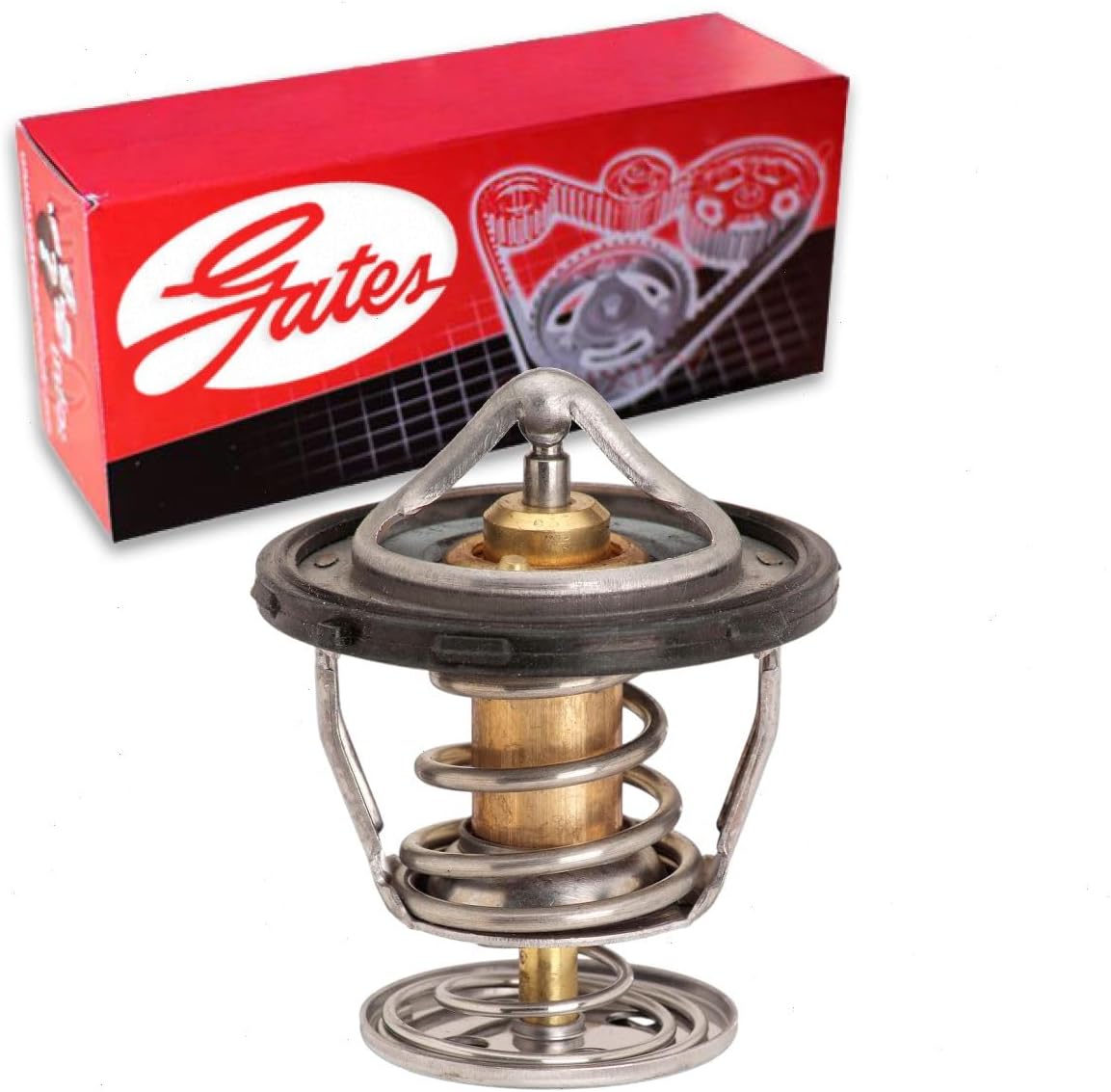
3. Sixity Auto Engine Coolant Thermostat for Chevrolet Tahoe 2000–2006
| Compatible vehicles | Chevrolet Tahoe 2000–2006 4.8L/5.3L V8 |
|---|---|
| Material Type | Stainless Steel |
| Temperature rating | 186 Degree |
| Includes | Seal |
This thermostat is a direct, vehicle‑specific replacement intended to correct overheating, under‑heating, or a temperature gauge that never reaches operating range on 2000–2006 Chevrolet Tahoe 4.8L and 5.3L V8 engines. It installs in place of the factory unit and includes the seal and twist‑on closure for a straightforward swap when replacing the housing or water pump. Constructed from stainless steel, it aims to offer corrosion resistance and a factory‑style temperature rating (listed as 186 degrees). In practice it restores normal warm‑up behavior and helps clear P0128 codes caused by a stuck thermostat. Limitations are that it excludes the thermostat housing and assumes compatibility with GM updated water pumps, so you may need additional parts or a housing inspection during service. Fitment is vehicle specific, so confirm the year and engine before buying.
Best for: Buyers who want a practical, ready replacement to restore correct engine temperature behavior on a 2000–2006 Tahoe without upgrading other cooling components; ideal for DIYers and independent shops focused on a reliable, simple repair.
Less Ideal for: If you need a complete housing assembly or are replacing the water pump with a non‑updated unit, this part alone may not solve all fitment or installation needs.
- Vehicle‑specific fit for 2000–2006 Chevrolet Tahoe 4.8L and 5.3L V8 engines
- Stainless steel construction for improved corrosion resistance
- Includes seal and is a direct replacement that addresses common thermostat faults like sticking or failure to reach operating temp
- Twist‑on closure simplifies installation compared with more complex retainers
- Thermostat housing is not included so additional parts may be required during replacement
Verdict: A straightforward, vehicle‑specific thermostat that reliably restores normal engine temperature control on 2000–2006 Tahoes without unnecessary extras.
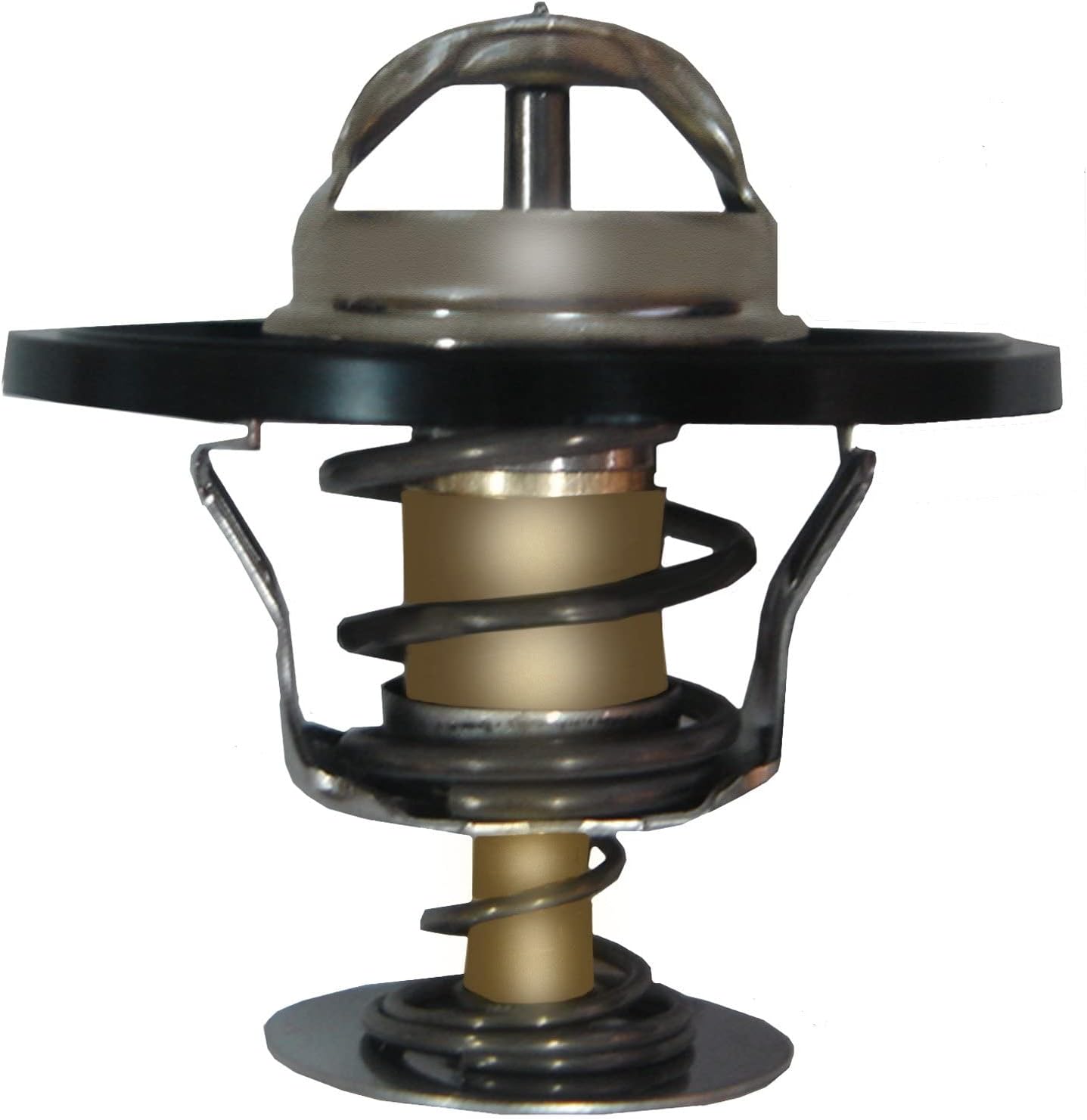
4. GM Genuine Parts 131-151 Engine Coolant Thermostat with Seal
| Manufacturer Part Number | 131-151 |
|---|---|
| OEM Part Number | 12632948 |
| Material | Metal Alloy Steel |
| Included Components | Engine Coolant Thermostat |
This GM Genuine Parts engine coolant thermostat is a direct replacement designed to match factory fit, form, and function for compatible GM engines. It sits in the coolant outlet or inlet and opens and closes with temperature to regulate flow through the radiator so the engine reaches and stays at its correct operating temperature. The unit includes the seal and is manufactured to GM specifications, which makes installation straightforward for routine repair or scheduled maintenance. Because it is a GM Genuine Part, it offers the same material quality and machining expected from factory parts, which supports long service life and predictable performance. Limitations are typical of simple thermostats: it only replaces the valve function and will not resolve issues caused by other cooling-system components such as a failing water pump, clogged radiator, or stuck housing; correct fitment to the specific engine and year must be verified before purchase.
Best for: Buyers who prioritize long-term reliability and want a factory-spec replacement that restores correct engine temperature control in a GM vehicle from the covered years.
Less Ideal for: If you need a multi-vehicle aftermarket option, an upgraded performance thermostat, or are troubleshooting other cooling-system failures, this original-style unit is not the best choice.
- Factory-quality replacement made to GM specifications for fit and durability
- Includes seal for a more complete swap and fewer parts to source
- Simple direct-fit design makes installation straightforward for routine repairs
- Only replaces the thermostat function and will not fix unrelated cooling-system failures
Verdict: Choose this GM Genuine Parts thermostat when you want a factory-quality, drop-in replacement that prioritizes reliable, long-term temperature control.
5. MotoRad 456-180 Thermostat with Seal

| Brand | MotoRad |
|---|---|
| Model | 456-180 |
| Fit type | Vehicle Specific |
| Exterior | Machined |
The MotoRad 456-180 is a direct-fit replacement thermostat intended to restore correct coolant flow and temperature control in compatible Chevrolet and GMC V8 applications. It uses a copper case and a wax actuator to respond quickly to coolant temperature changes, and the machined stainless steel construction is meant to resist corrosion and wear. Installation is straightforward as a one-step, vehicle-specific fitment and the part is 100 percent tested and calibrated at the factory. In daily use this thermostat should re-establish normal warm-up time, stable operating temperature and consistent heater performance. The construction and factory testing make it a good choice if you want a durable, OEM-spec replacement rather than a budget generic. Limitations are that it is vehicle-specific so buyers must confirm fitment for 2000 to 2006 Tahoe applications, and it does not add performance tuning or adjustable temperature settings beyond factory behavior.
Best for: Buyers who want a dependable, factory-quality replacement thermostat for 2000–2006 Chevrolet Tahoe models and prioritize tested construction and proven fitment.
Less Ideal for: Anyone seeking performance thermostats with altered opening temperatures or tunable cooling behavior should look at aftermarket performance units instead.
- Vehicle-specific design for straightforward one-step installation
- Copper case and wax actuator for quick, consistent temperature response
- Stainless steel construction resists corrosion and wear
- Factory testing and calibration for reliable, repeatable performance
- No adjustable temperature or performance features beyond factory specification
Verdict: Choose the MotoRad 456-180 when you need a tested, factory-quality direct replacement to restore reliable cooling performance in 2000–2006 Tahoe vehicles.
Choosing the Right 2000-2006 Chevrolet Tahoe Thermostat: Key Factors to Consider
Correct Opening Temperature
The thermostat's opening temperature determines when coolant begins circulating through the radiator. For the 2000-2006 Chevrolet Tahoe, using a thermostat with the factory-recommended temperature ensures the engine reaches normal operating range quickly without running excessively hot. A thermostat that opens too early keeps the engine cooler than intended, reducing cabin heat and potentially increasing fuel consumption. Conversely, one that opens late or at an elevated temperature can allow excessive thermal stress and raise the risk of overheating.
Tolerance matters too. Two thermostats with the same nominal temperature can behave differently if their manufacturing tolerances vary. Look for parts that specify not only the nominal opening temperature but also the acceptable variance and that have consistent performance over time. Consistent opening behavior keeps coolant flow predictable under highway and idling conditions.
Fitment And Housing Compatibility
Proper physical fit is crucial because the thermostat must sit correctly in the housing to seal and function. The 2000-2006 Tahoe has specific thermostat dimensions, flange profiles, and sensor ports. A thermostat that does not match those features may require extra gasket work or risk coolant leakage. Choose a direct-fit unit or a part clearly marked for this model years range to avoid installation headaches.
Also consider the thermostat housing seal interface. Variations in flange thickness, bore diameter, or locating tabs affect how well the seal compresses. Parts engineered for the Tahoe will align with existing coolant passages and mounting bolts, reducing the chance of a thermostat housing seal leak or subsequent coolant seepage.
Valve And Spring Durability
The valve and spring assembly must operate reliably through many thermal cycles. Corrosion-resistant materials and robust spring designs reduce the likelihood of the valve sticking in an open or closed position. A stuck-closed thermostat can cause rapid overheating while a stuck-open thermostat causes the engine to run cold. Durability affects long-term cooling performance and whether the thermostat will maintain its rated opening temperature over years of use.
Consider thermostats with proven materials such as plated valves or corrosion-resistant components. This lowers the chance of premature failure due to coolant additives, mineral content, or extended service intervals typical in high-mileage Tahoe engines.
Seal And Gasket Quality
The thermostat must form a reliable seal between the housing and the engine block to prevent coolant loss. Poor-quality seals can deteriorate faster, leading to weeping or more obvious thermostat housing seal leak issues. For the Tahoe, gaskets and O-rings must withstand constant temperature changes and exposure to antifreeze chemicals.
Choose thermostats that include new gaskets or specify compatible seal types. Pay attention to the material of the seal; silicone or high-grade rubber compounds offer better longevity than thin, untreated paper gaskets. A reliable seal reduces coolant maintenance and avoids repeat repairs soon after replacement.
Ease Of Installation
Thermostat replacement on the 2000-2006 Tahoe is a relatively straightforward job, but ease of installation still matters for preventing installation-induced leaks and reducing labor time. Direct-fit thermostats that align with the existing housing and bolt pattern minimize the need for additional parts or modifications. Clear instructions and included gaskets make a difference for DIYers and technicians alike.
Also consider whether the thermostat requires special orientation or additional components such as a new housing bolt or sensor O-ring. Parts that incorporate user-friendly features like molded locating tabs or preformed seals reduce the probability of incorrect installation and improve first-time seal reliability.
Thermal Response And Flow Characteristics
Beyond opening temperature, the rate at which the thermostat valve opens and its impact on coolant flow affects temperature stability under varying loads. A thermostat that opens progressively helps smooth temperature transitions when the engine goes from idle to highway speeds. Abrupt opening can cause temperature swings that stress components and affect heater performance.
Flow characteristics also influence how the cooling system responds to heavy towing or sustained highway driving, situations Tahoe owners commonly encounter. Selecting a thermostat with predictable flow behavior helps maintain steady coolant circulation and reduces hot spots within the engine.
Common Thermostat Symptoms On A 2000-2006 Tahoe
Thermostat problems on this Tahoe often present as overheating at idle, delayed warm-up, or inconsistent cabin heating. A thermostat that is stuck closed prevents coolant circulation through the radiator, producing rapid temperature climbs especially during stop-and-go traffic. When stuck open, the engine may take a long time to reach operating temperature and the heater output will be weak.
Other signs include intermittent temperature gauge movement, coolant leakage around the thermostat housing, and unusual temperature spikes under load. Diagnosing the symptom pattern helps identify if the thermostat, the housing seal, or another cooling system component is the root cause.
- High temperature at idle but normal at highway speeds suggests a thermostat issue or restricted airflow.
- Engine running cold with poor heater performance points to a thermostat stuck open.
- Coolant residue or wetness at the housing flange often indicates a seal leak rather than internal thermostat failure.
Simple Tests You Can Do Before Buying
Before replacing the thermostat, rule out related causes. Check coolant level and condition, inspect the radiator cap, and confirm the heater core is flowing. Verify the upper radiator hose temperature after a warm-up; a much cooler hose while the gauge reads hot can indicate a stuck thermostat.
If you are comfortable with basic diagnostics, you can test thermostat operation by monitoring temperature changes during a controlled warm-up and watching for the sudden temperature stabilization that indicates the thermostat has opened. For more detailed checks, a flow test or bench test after removal will confirm whether the valve opens at its rated temperature.
- Monitor upper radiator hose temperature as the engine warms.
- Look for steady gauge reading versus rapid spikes during traffic.
- Perform a bench water test in a kettle to observe the thermostat opening point if removed.
Thermostat Housing And Seal Service Tips
When replacing the thermostat, inspect the housing mating surface for warping, corrosion, or old gasket material. Clean both surfaces thoroughly and ensure the mounting bolts are torqued to specification. If the housing or block face is damaged, no new thermostat alone will stop a recurring thermostat housing seal leak.
Replace seals or gaskets during every thermostat service to get a reliable seal. Use the correct seal type specified for the 2000-2006 Tahoe and avoid reusing brittle or compressed old gaskets. Tighten progressively and check for leaks after the first few heat cycles.
- Always replace the gasket or O-ring when you install a new thermostat.
- Check bolt threads and torque to the factory specification to prevent warping and leaks.
- Pressure test the cooling system after reassembly to confirm there are no seal leaks.
Choosing The Right Temperature Rating
Most replacement thermostats for the 2000-2006 Tahoe follow the factory temperature spec. If you frequently tow, operate in extreme climates, or have engine modifications, consult cooling system requirements before deviating from the recommended rating. Selecting a lower opening temperature to reduce heat is not usually advisable because it can impair heater performance and increase wear.
Stick with thermostats that clearly state their opening temperature and include tolerance information. This ensures predictable behavior and helps match cooling performance to expected operating conditions for the Tahoe.
- Use the factory-specified opening temperature for general-purpose use.
- Avoid changing temperature ratings without confirming system-wide implications.
- Check component compatibility if you have an aftermarket water pump or radiator that changes flow dynamics.
Maintenance Intervals And When To Replace
Thermostats do not have a fixed lifespan, but they commonly fail after many heat cycles or when coolant maintenance is neglected. Inspect the cooling system during routine service intervals and consider replacing the thermostat if you see any temperature irregularities, repeated coolant leaks, or when performing major cooling system work.
Proactive replacement is often done when replacing the water pump, radiator, or when doing a full coolant flush to avoid future labor duplication. If the vehicle has high mileage or the thermostat is the original part, replacement during a cooling system overhaul is prudent.
- Consider replacement when performing water pump or radiator service.
- Replace at first sign of erratic temperature behavior or heater problems.
- Perform periodic visual checks for corrosion and seal condition during coolant service.
Still looking for the perfect fit?
Select your Chevrolet Tahoe configuration to see the most relevant Thermostats recommendations
How We Chose the Best 2000-2006 Chevrolet Tahoe Thermostat
We selected thermostats for the 2000-2006 Chevrolet Tahoe using criteria that reflect real-world service needs and common failure modes for this generation. Primary evaluation points included mechanical opening temperature and tolerance, since correct temperature calibration is essential to avoid overheating or an engine that runs cold. Fitment and housing compatibility were assessed to ensure straightforward installation with the Tahoe cooling passages and thermostat housing designs from 2000 to 2006.Durability of the valve and spring assembly was another filter, favoring designs and materials that resist sticking and corrosion in typical coolant environments. Seal interface quality and flange design were weighed to reduce the chance of thermostat housing seal leaks. We also considered ease of installation, including whether the thermostat is a direct-fit drop-in or requires minimal gasket or seal replacement.Excluded items included universal or adjustable-fit thermostats that need modification, and thermostats lacking clear temperature ratings. We focused on parts with documented temperature specs, robust construction, and compatibility with the 2000-2006 Tahoe cooling system. Longevity, consistent opening behavior, and reliable sealing were the dimensions that ultimately mattered most for inclusion.
Our full evaluation process is outlined in our review methodology.
FAQ
What are the typical signs of a bad thermostat on a 2000-2006 Tahoe?
Typical signs include overheating at idle, delayed warm-up, inconsistent temperature gauge readings, and poor heater performance. Coolant residue at the thermostat housing can indicate a seal issue rather than the thermostat itself.
Can I test the thermostat without removing it from the Tahoe?
You can do preliminary checks by monitoring radiator hose temperatures and observing when the temperature gauge stabilizes. A definitive bench test requires removal and heating the thermostat in water to watch for its opening point.
Should I replace the gasket when changing the thermostat?
Yes. Always replace the gasket or O-ring during thermostat replacement. Reusing old seals increases the risk of thermostat housing seal leak and subsequent coolant loss.
How does a stuck-open thermostat affect my Tahoe's performance?
A stuck-open thermostat prevents the engine from reaching normal operating temperature, leading to reduced heater output, lower fuel efficiency, and higher emissions. The engine may feel sluggish until it reaches proper temperature.
Is a thermostat replacement recommended during water pump service?
Often yes. Replacing the thermostat during water pump or radiator service reduces the chance of future labor duplication and ensures all cooling components are fresh and compatible.
What causes thermostat housing seal leaks on these Tahoes?
Common causes include degraded or improperly installed gaskets, warped housing surfaces, and overtorqued bolts. Corrosion or residual gasket material can prevent a proper seal and lead to slow leaks.
Final Verdict
When replacing the thermostat on a 2000-2006 Chevrolet Tahoe, prioritize correct opening temperature, precise fitment, and a reliable seal. These factors directly influence engine temperature stability, heater performance, and long-term cooling system reliability. Balance the tradeoffs between material durability and installation ease, and consider replacing related components such as gaskets or the water pump while you have the system apart.Choosing a thermostat that matches factory temperature ratings and is engineered for the Tahoe reduces the likelihood of repeat visits and keeps the cooling system working predictably. Prioritize consistent opening behavior and good seal design to make a confident replacement choice.
Explore More:
- Check out all Chevrolet Tahoe parts & accessories
- Explore Thermostats Maintenance & Repair Guides
- Explore Cooling System
- Browse all Auto Parts
