

Note: This article contains affiliate links. If you click on these links and make a purchase, I may earn a small commission at no extra cost to you. This helps support my research and content. Read my full affiliate disclosure here.
If you own a 2007-2014 Chevrolet Tahoe, a failing thermostat can cause long warm-up times, poor heater performance, or overheating that risks engine damage. Choosing the right thermostat matters because the correct opening temperature, reliable movement, and a proper seal determine how well your Tahoe maintains normal operating temperature across towing, idling, and highway driving. This guide shortlists the top thermostats for the 2007-2014 Tahoe that fit the factory cooling system and meet common durability expectations.Below we evaluate each option for fitment, temperature accuracy, build quality, and installation ease so you can pick the right replacement for your driving needs.
Looking for other parts? See all Chevrolet Tahoe parts & accessories.
Top Picks at a Glance
| Best Overall The best all-around choice for most situations | Dorman Integrated Thermostat Housing Assembly |  |
| Best Quality Built to a higher standard if you want something more solid | ACDelco GM Original Equipment 131-160 Engine Coolant Thermostat Kit |  |
| Best Value The sweet spot between price and what you get | A-Premium Engine Coolant Thermostat and Housing Assembly |  |
| Best Budget The cheapest option that still gets the job done reliably | Lesurey Engine Coolant Thermostat 34198S (Replacement) |  |
| Highest Rated A top-rated pick with lots of positive feedback | GM Genuine Parts Engine Coolant Thermostat (131-151, OEM 12632948) |  |
| Most Popular A crowd favorite that many people choose with confidence | Gates OE-Type Engine Coolant Thermostat |  |
1. Dorman Integrated Thermostat Housing Assembly

| Manufacturer | Dorman Products |
|---|---|
| Model | Dorman 902-2090 |
| Exterior | Machined |
| OEM Part Number | 815-207; 81507; SK34836; 12666569; 12674639 |
This integrated thermostat housing assembly replaces the factory water outlet and thermostat on compatible Chevrolet and GMC full-size trucks and SUVs from select years. It is used when the original housing cracks, leaks, or the thermostat needs replacement. The housing is machined and built to resist extreme temperature swings to reduce the chance of coolant leaks and premature failure. Because the thermostat is integrated into the housing, installation is straightforward for a competent DIYer or mechanic and eliminates the need to source separate parts. The part is explicitly listed for a range of Tahoe, Suburban, Silverado, Sierra, Yukon, and Escalade model years, but buyers should confirm trim-level fitment before ordering. One limitation is that fitment is vehicle-specific so it is not a universal fix, and if only the thermostat element failed you may be replacing more components than strictly necessary.
Best for: Buyers who want a reliable, factory-style replacement that simplifies repair and reduces the chance of repeat coolant leaks on full-size GM trucks and SUVs.
Less Ideal for: Those looking for a universal or one-size-fits-all thermostat solution or anyone who prefers to replace only the thermostat cartridge instead of the whole housing.
- Direct replacement designed to match factory fit for specified GM models
- Integrated design simplifies installation by combining housing and thermostat
- Machined exterior and materials intended to withstand extreme temperature changes
- Covers many full-size Chevrolet and GMC model years commonly needing replacement
- Vehicle-specific fit means you must verify exact trim and year before purchasing
- Replacing the entire assembly may be unnecessary if only the thermostat element is faulty
Verdict: Choose this assembly if you want a ready-to-install, factory-style replacement that cuts install time and reduces the risk of future coolant leaks on compatible Tahoe-era GM trucks and SUVs.
2. ACDelco GM Original Equipment 131-160 Engine Coolant Thermostat Kit

| Included components | Thermostat and gasket |
|---|---|
| Manufacturer part number | 131-160 |
| OEM part number | 89018168 |
| Manufacturer | ACDelco |
This ACDelco GM Original Equipment thermostat kit provides a direct factory-quality replacement for GM vehicles and ships with a matching gasket for straightforward installation. It controls coolant flow to help the engine reach and maintain normal operating temperature, so it is used during routine thermostat replacement or when a stuck thermostat causes overheating or poor warm-up. Built to GM specification, the part aims to match the original in fit, sealing, and durability, which reduces the chance of rework or coolant leaks after installation. The kit is simple and focused: no extra sensors or complex components, just the thermostat and gasket needed for a correct repair. The main limitation is that it is a stock-spec thermostat, so it will not change the engine's calibrated operating temperature for performance tuning or modified cooling strategies. For owners wanting reliable factory-style replacement and long-term service life, this is a practical, no-surprises option.
Best for: Buyers who want a reliable, factory-matched replacement thermostat for a GM vehicle and prioritize correct fit and long-term dependability over performance modification.
Less Ideal for: Enthusiasts seeking a thermostat to change operating temperature for performance cooling or engine warm-up behavior should look at calibrated performance thermostats instead.
- Factory-quality part designed to GM specifications for fit and function
- Includes gasket for one-step replacement to reduce leak risk
- Simple direct-replacement design minimizes installation complexity
- Durable construction intended to match original service life
- Does not provide altered or lower/higher temperature calibration for performance tuning
Verdict: Choose this ACDelco kit when you need a dependable, factory-spec thermostat replacement for GM vehicles that installs cleanly and performs like the original.
3. A-Premium Engine Coolant Thermostat and Housing Assembly

| Thermostat opening temp | 207 Deg |
|---|---|
| Mounting hole quantity | 3 |
| OEM part numbers | 902-2090, 12674639, 12666569, 1511125 |
| Manufacturer part number | APTHA0069 |
This integrated thermostat and housing assembly is a direct-replacement unit designed for 4.3L, 5.3L, and 6.2L V8 applications listed, including model years covered in the article scope. It installs in place of the factory housing and includes the thermostat pre-seated at a 207 degree opening temperature, which simplifies fitment and reduces parts-handling during a coolant system repair. The housing is described as corrosion-resistant and finished for durability, and the kit includes the necessary mounting interface with three bolt holes. For a DIYer focused on sensible repairs, the one-piece design reduces leak points compared with swapping a separate thermostat into an old housing. Limitations to expect are that aftermarket tolerances can vary from factory parts and installation may require careful gasket surface prep to avoid leaks. The product also lists a one-year unlimited-mileage guarantee that provides short-term peace of mind.
Best for: Buyers who prefer a practical, single-piece replacement that reduces installation steps and minimizes the number of separate parts to source during a coolant system repair.
Less Ideal for: Owners seeking an exact factory-branded part or those who prefer to reuse an existing housing and only replace the thermostat should look elsewhere.
- Integrated thermostat and housing lowers parts count and speeds installation.
- Pre-seated thermostat opens at 207 degrees for predictable cooling behavior.
- Corrosion-resistant housing material aimed at longer service life.
- Includes correct mounting pattern with three bolt holes for direct replacement.
- Aftermarket fit and tolerances may differ from factory parts, requiring careful alignment during installation.
Verdict: A practical one-piece thermostat and housing replacement that simplifies coolant repairs for the covered V8 Tahoe engines.
4. Lesurey Engine Coolant Thermostat 34198S (Replacement)

| Brand | Lesurey |
|---|---|
| Model | Engine Coolant Thermostat |
| Item model number | 34198S |
| Exterior | Machined |
This Lesurey engine coolant thermostat is a basic factory-replacement style unit intended to restore proper engine temperature control on compatible GM vehicles. It installs in place of the original thermostat to regulate coolant flow and help the engine reach and maintain operating temperature. The unit is machined and sold with multiple part-number references for cross-compatibility; that makes it useful when you need a budget-friendly swap for models like the 2007–2014 Chevrolet Tahoe with the specified V6/V8 engines. In practice it provides the standard benefits of a functioning thermostat: improved warm-up times and stable cabin heat once fitted correctly. Expect a simple, inexpensive fix when the stock thermostat fails, but note this is a basic aftermarket part so you should verify fitment against vehicle engine code and replace any gaskets or seals during installation. For long-term durability some owners prefer higher-end branded or OEM replacements, but this unit covers routine thermostat failures at a low cost.
Best for: Buyers looking for an inexpensive, functional thermostat to return a 2007–2014 Tahoe to normal cooling performance without spending on premium or dealership parts.
Less Ideal for: Drivers seeking an upgraded performance thermostat or a long-term OEM replacement should consider higher-end branded units or factory parts instead.
- Covers many GM V6 and V8 applications including late-2000s to mid-2010s models
- Machined exterior suggests consistent fit and basic durability
- Very affordable replacement option for common thermostat failure repairs
- Aftermarket budget unit may not match long-term durability of higher-end or factory-quality parts
Verdict: A low-cost, machined aftermarket thermostat that gets a 2007–2014 Tahoe back to proper temperature control without the premium price.
5. GM Genuine Parts Engine Coolant Thermostat (131-151, OEM 12632948)
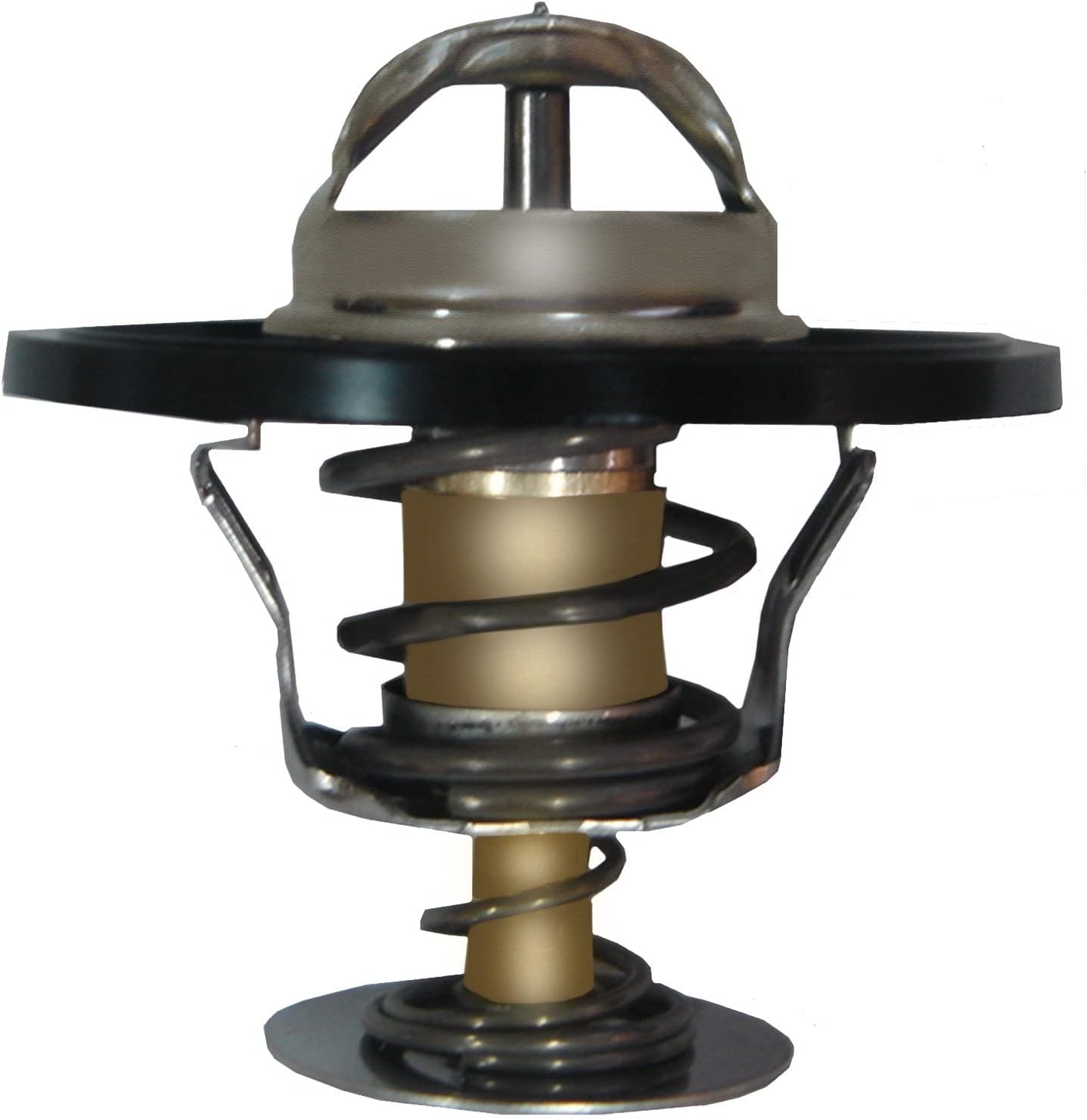
| Manufacturer Part Number | 131-151 |
|---|---|
| OEM Part Number | 12632948 |
| Included Components | Engine Coolant Thermostat |
| Material | Metal Alloy Steel |
| Manufacturer | ACDELCO |
This GM Genuine Parts engine coolant thermostat is a factory-quality replacement designed to control coolant flow between the engine and radiator so the engine reaches and holds normal operating temperature. It installs in the coolant outlet or inlet depending on vehicle routing and is intended as a like-for-like replacement for the original component, so fit and function match factory expectations. The metal alloy construction and machined exterior indicate a durable build, and being a genuine GM part means the calibration and sealing are set to the vehicle maker's standards. For routine maintenance or to resolve overheating or slow warm-up symptoms, this thermostat provides straightforward reliability without needing calibration. The main limitation is that it is a direct OEM replacement with no performance tuning or aftermarket enhancements, so it only restores factory behavior rather than improving flow or temperature setpoints for modified engines.
Best for: Buyers who prioritize long-term reliability and correct factory operation for maintenance or repairs on GM vehicles and want a straightforward, no-surprises replacement part.
Less Ideal for: Drivers seeking upgraded thermostats for performance tuning, altered temperature targets, or non-GM vehicle applications should consider aftermarket options.
- Factory-quality fit and function matched to GM specifications
- Durable metal alloy construction with machined exterior
- Direct replacement simplifies installation and avoids calibration
- Designed to control coolant flow accurately to reach normal operating temperature
- No performance improvements or altered temperature calibration for high-output or modified engines
Verdict: Choose this GM Genuine thermostat when you want a reliable, factory-spec replacement that restores original cooling performance.
6. Gates OE-Type Engine Coolant Thermostat

| Item model number | 34198 |
|---|---|
| Manufacturer Part Number | 34198 |
| Position | Center |
This Gates OE-Type thermostat is a direct-fit replacement meant to restore proper engine temperature regulation. It installs in the vehicle's cooling housing and opens and closes at the designed temperature to allow coolant flow when warm and restrict it when cold. Notable features include factory-calibrated opening and closing, jiggle pins for air venting, and machined exterior surfaces for consistent sealing. In practice the part provides reliable, OEM-equivalent fit and leak-free service when installed correctly, which helps the engine reach and hold optimum operating temperature and reduces cycling and heater variability. The product is straightforward for a competent DIYer or a shop to install, but correct part selection for the specific engine application and careful gasket/seal replacement are important. It does not include additional performance tuning or variable temperature options, so users needing nonstandard calibration should look elsewhere.
Best for: Buyers seeking a dependable, factory-quality replacement that restores correct cooling behavior and reduces the risk of installation issues will appreciate this thermostat.
Less Ideal for: Drivers looking to alter cooling setpoints for performance or heavy-duty cooling upgrades should consider specialty thermostats instead.
- Factory-calibrated opening and closing for accurate temperature control
- Jiggle pins and quality seals to reduce air pockets and potential leaks
- Machined exterior for consistent fit and reliable sealing
- Direct-fit design intended to match original part for easy installation
- Single fixed calibration with no adjustability for custom temperature needs
Verdict: Choose this Gates OE-type thermostat when you want a proven, factory-equivalent replacement to restore proper cooling and reliable engine temperature control.
Choosing the Right 2007-2014 Chevrolet Tahoe Thermostat: Key Factors to Consider
Correct Opening Temperature
The thermostat's specified opening temperature determines when coolant begins circulating through the radiator and directly affects warm-up time and heater performance. For the 2007-2014 Chevrolet Tahoe, selecting a thermostat that matches the original equipment temperature rating helps maintain the engine within its intended operating window.
If the replacement opens too early the engine may run cooler than designed, leading to reduced fuel efficiency and less effective cabin heating. If it opens too late or sticks closed, you risk repeated overheating episodes. Tolerance around the nominal temperature is also important; tight tolerances mean more consistent behavior across repeated cycles and across a range of ambient conditions.
Valve Movement Reliability
Reliable, repeatable valve movement prevents the thermostat from sticking open or closed, which are common causes of thermostat symptoms overheating or of the engine running cold if stuck open. Look for thermostats with proven wax-element assemblies and strong return springs designed for many thermal cycles.
Material quality in the valve linkage and housing interface affects how the thermostat handles sludge, corrosion, and temperature extremes. Poor movement can be intermittent, causing fluctuating temperature gauge readings and inconsistent cabin heat, so prioritize units with engineering focused on long-term motion reliability.
Seal and Housing Interface
The thermostat sits between cooling passages and relies on a secure seal at the thermostat housing to prevent leaks. A proper seal prevents coolant loss and localized hot spots that can lead to overheating or air pockets in the cooling system. For the Tahoe, pay attention to whether the replacement includes a correct gasket or O-ring and whether the housing contact surfaces are compatible with the original thermostat flange.
Improper sealing may require additional sealant or a housing resurfacing job during replacement. Also consider the material of the thermostat flange and gasket—compatible hardness and heat resistance reduce the chance of a thermostat housing seal leak after installation.
Fitment and Part Number Clarity
Accurate part-number fitment reduces the chance of ordering an incompatible thermostat that does not seat correctly or interferes with sensors and coolant passages. For 2007-2014 Tahoe owners, confirm that the thermostat is listed explicitly for your year range and engine configuration to ensure the unit matches the housing depth and sensor locations.
Clear fitment documentation speeds installation and reduces time in the garage. Ambiguous listings increase the risk of returns and wasted labor, especially when the replacement requires thermostat housing removal and coolant draining.
Corrosion and Material Durability
Materials exposed to coolant must resist corrosion and degradation from additives and contaminants in service. Thermostats built with corrosion-resistant metals and stable seal materials withstand longer service intervals without sticking or leaking. For heavy-duty use such as towing, the thermostat will see more thermal stress and benefit from higher-grade components.
Consider how the thermostat materials interact with common coolant types used in the Tahoe and whether the unit offers plated or stainless components at critical points to extend service life.
Installation Ease and Included Hardware
Thermostat replacement usually requires draining coolant and removing the housing, so units that include the correct gasket, O-ring, or sealing components reduce the chance of a follow-up teardown. Installation-friendly features such as properly sized flanges and clear orientation markers save time and avoid mistakes during reassembly.
Some replacements are designed to fit without additional sealants or require only minimal torque differences from stock. Given the labor involved for a Tahoe thermostat job, picking a unit with complete installation hardware and straightforward instructions can cut overall repair complexity.
Common Thermostat Symptoms on the 2007-2014 Tahoe
Thermostat issues in the 2007-2014 Chevrolet Tahoe show up in a few predictable ways. Overheating during idle or stop-and-go driving, rapid temperature spikes, or a temperature gauge that never reaches normal operating range are common warning signs. These symptoms often stem from a thermostat that is stuck closed, partially closed, or opening at the wrong temperature.
Other signs include poor heater output during cold starts and inconsistent cabin airflow temperature. Recognizing these symptoms early helps avoid collateral damage such as head gasket stress or warped components.
- Persistent high temperature at idle but normal at highway speeds suggests poor coolant flow through the radiator.
- Temperature gauge staying low can indicate a thermostat stuck open or opening too early.
- Intermittent overheating often points to a thermostat that is sticking or to trapped air in the cooling system.
How to Test a Thermostat on Your Tahoe
Before replacing the thermostat, basic tests can help confirm whether it is the root cause. A simple cold-start observation is useful: note how long the temperature gauge takes to climb into the normal range and whether the heater begins producing warm air in a reasonable timeframe. Rapid warm-up followed by sudden spikes can indicate intermittent operation.
More direct testing includes removing the thermostat and performing a controlled heat test or monitoring thermostat movement as coolant warms. When testing on the vehicle, ensure coolant safety practices are followed and that the engine is allowed to cool before handling the housing.
- Monitor warm-up time and heater output under normal driving conditions.
- Check for coolant leaks at the thermostat housing and hose connections.
- If removed, inspect valve movement and test opening at the specified temperature range using a hot water bath and thermometer.
Thermostat Housing and Seal Maintenance
Thermostat-related leaks frequently occur at the housing flange. When servicing the thermostat, inspect the housing mating surface for pitting or warping and clean it thoroughly. Replace the gasket or O-ring with the correct part and avoid over-tightening bolts which can deform the seal or housing.
If you encounter a thermostat housing seal leak on the Tahoe, evaluate whether the housing needs resurfacing or replacement. Reusing an old, compressed gasket increases the chance of a post-service leak and can necessitate another teardown.
- Always replace the gasket/O-ring when removing the thermostat housing.
- Clean mating surfaces and torque bolts to factory specifications.
- Inspect adjacent hoses and clamps for signs of coolant seepage during reassembly.
Cooling System Considerations During Replacement
Thermostat replacement is an opportunity to check the rest of the cooling system. For the 2007-2014 Tahoe, inspect the radiator, water pump, and hoses for wear, contamination, or flow restrictions that could mimic thermostat problems. Flushing the system and replacing coolant if it is contaminated will help the new thermostat perform as intended.
Also bleed the cooling system properly after installation to remove air pockets that cause localized hot spots and false temperature readings. Follow recommended procedures for the Tahoe to ensure the thermostat and coolant circulate correctly from the first start.
- Verify water pump condition and belt tension while access is available.
- Replace worn hoses and clamps to prevent future leaks.
- Perform a system bleed to eliminate trapped air and ensure proper circulation.
When to Consider a Higher-Duty Thermostat
Owners who tow frequently, run heavy loads, or operate in extreme ambient temperatures might prefer thermostats with tighter tolerances or heavier-duty components. These units are engineered to handle more thermal cycles and may resist sticking under higher stress. Consider higher-duty options if your driving places above-average thermal demand on the Tahoe.
Keep in mind that changing opening temperature away from factory specification can affect heater performance and emissions systems. If you choose a different temperature spec, be deliberate and understand the tradeoffs for engine efficiency and cabin comfort.
- Assess towing and load patterns before selecting a heavy-duty unit.
- Understand the implications of changing opening temperature on heater output.
- Prioritize durability features like corrosion-resistant materials for heavy use.
Tools and Time Needed for a Standard Thermostat Swap
A thermostat job on a Tahoe typically requires basic hand tools, a coolant catch pan, replacement gasket or O-ring, and the ability to properly torque the housing bolts. For some engine configurations within the 2007-2014 range, limited component removal may be needed for access, so factor in time to undo ancillary parts.
Plan for coolant disposal or capture and budget an hour or two for an experienced DIYer. First-time installers should allow more time and follow vehicle-specific guides to avoid errors that lead to leaks or air pockets.
- Common tools: ratchet, socket set, torque wrench, pliers, and drain pan.
- Allow extra time if accessory components must be removed for access.
- Have replacement coolant and new gasket hardware on hand before starting.
Still looking for the perfect fit?
Select your Chevrolet Tahoe configuration to see the most relevant Thermostats recommendations
How We Chose the Best 2007-2014 Chevrolet Tahoe Thermostat
We selected thermostats for the 2007-2014 Chevrolet Tahoe using hands-on installation considerations and technical fitment checks common to this vehicle. Primary evaluation criteria included correct opening temperature and tolerance, mechanical reliability under repeated thermal cycling, and compatibility with the Tahoe cooling housing and sensor locations. We also prioritized valve movement quality and resistance to sticking, since a thermostat that sticks closed or open is the main cause of overheating or engine running cold conditions.Additional criteria covered seal and housing interface quality to limit leaks at the thermostat housing, corrosion resistance for long-term service life, and installation features such as included gaskets or O-rings that affect ease of replacement. Where applicable, we considered part-number fitment clarity to reduce ordering errors during engine thermostat replacement. Exclusions: we omitted units without clear fitment documentation for the 2007-2014 Tahoe, non-mechanical electronic thermostats that require aftermarket control modules, and any options lacking basic durability or seal components. The final picks balance temperature control, durability, and straightforward installation for typical Tahoe use cases.
Our full evaluation process is outlined in our review methodology.
FAQ
How long does a thermostat replacement typically take on a Tahoe?
A straightforward thermostat swap on the 2007-2014 Tahoe often takes one to two hours for an experienced DIYer, including coolant drain and refill. Complexity increases if other components block access or if a system flush is performed.
What are the most common signs of a bad thermostat in this vehicle?
Common signs include overheating at idle, the temperature gauge not reaching normal range, poor heater output on cold starts, and intermittent temperature fluctuations. These symptoms often point to improper thermostat operation or sticking.
Should I replace the gasket or O-ring when changing the thermostat?
Yes. Always install a new gasket or O-ring when replacing the thermostat to prevent a thermostat housing seal leak. Reusing the old seal increases the chance of coolant seepage and requires another repair.
Can I test the thermostat without removing it from the vehicle?
You can perform preliminary checks like monitoring warm-up behavior and heater output, but definitive testing often requires removal for a bench hot-water test to observe opening at the specified temperature. On-vehicle tests can be misleading if air is trapped in the cooling system.
Does a thermostat cause the engine to run cold?
Yes. A thermostat stuck open or opening too early can prevent the engine from reaching proper operating temperature, leading to reduced heater performance and lower efficiency. Diagnosis should rule out other causes like incorrect temperature sensor readings.
Do I need to bleed the cooling system after replacing the thermostat?
Usually yes. Properly bleeding the cooling system removes trapped air that causes temperature gauge inaccuracies and localized overheating. Follow the recommended bleeding procedure for the 2007-2014 Tahoe.
Final Verdict
When replacing a thermostat on a 2007-2014 Chevrolet Tahoe, prioritize correct opening temperature, reliable valve movement, and a proper housing seal. These factors have the biggest impact on warm-up time, heater performance, and avoiding overheating. Also address related cooling system components during the service to ensure the new thermostat operates as intended.Balance durability and fitment clarity with installation ease. Choose the option that aligns with your driving habits and maintenance goals so you get stable temperature control and fewer return repairs.
Explore More:
- Check out all Chevrolet Tahoe parts & accessories
- Explore Thermostats Maintenance & Repair Guides
- Explore Cooling System
- Browse all Auto Parts
