

Note: This article contains affiliate links. If you click on these links and make a purchase, I may earn a small commission at no extra cost to you. This helps support my research and content. Read my full affiliate disclosure here.
If your 1997-2004 Dodge Dakota feels loose in corners or you hear clunks over bumps, worn sway bar links are a common cause. Replacing the sway bar links can restore steadiness, reduce body roll, and eliminate suspension noise so you can drive with more confidence.This guide shortlists the six top sway bar links we evaluated for Dakota owners. Each pick was chosen for fitment accuracy, durability, and how well it addresses common symptoms like noise and looseness. Read on to understand what mattered in our selection and which features match your driving needs.
Looking for other parts? See all Dodge Dakota parts & accessories.
Top Picks at a Glance
| Best Overall The best all-around choice for most situations | Detroit Axle Front Sway Bar End Link Pair (K7274) for 1997–2004 Dodge Dakota / 1999–2003 Durango (2WD) |  |
| Best Quality Built to a higher standard if you want something more solid | MOOG K7274 Suspension Stabilizer Bar Link for Dodge Dakota |  |
| Best Value The sweet spot between price and what you get | DJGAA K7274 Front Sway Bar Link Kit (pair) |  |
| Best Budget The cheapest option that still gets the job done reliably | Koxot K7274 Front Stabilizer Sway Bar Link Kit (2 pcs) |  |
| Highest Rated A top-rated pick with lots of positive feedback | Metrix Premium Chassis Parts Front Sway Bar End Link Kit (2 pc) |  |
| Most Popular A crowd favorite that many people choose with confidence | TRQ Front Sway Bar Link Set (2-Piece) for 1997–2004 Dodge Dakota / 1999–2003 Durango RWD |  |
1. Detroit Axle Front Sway Bar End Link Pair (K7274) for 1997–2004 Dodge Dakota / 1999–2003 Durango (2WD)

| Fitment | 1997–2004 Dodge Dakota (2WD); 1999–2003 Dodge Durango (2WD) |
|---|---|
| Set Includes | 2 front sway bar end links (driver + passenger) |
| Material Type | Metal alloy |
| Auto Part Position | Front |
| Unit Count | 2 Count |
These Detroit Axle sway bar end links replace the front stabilizer links on 2WD Dodge Dakota and Durango models listed in the fitment. Packaged as a driver and passenger side pair, they are designed as a direct-fit replacement so installation is straightforward for a DIYer with basic tools or a local shop. The links are made from metal alloy with a black finish and the listing emphasizes reinforced structural strength and corrosion resistance for longer life under road stress. In use they restore suspension connection between the sway bar and control arm, reducing body roll and restoring more predictable handling compared with worn or failing links. Because the kit is vehicle-specific, it avoids the fitment headaches of universal links, but it is limited to 2WD models only and does not address worn bushings or other related suspension components. For owners seeking an affordable, factory-quality replacement that is easy to install and improves steering feel, these offer good value; those needing heavy-duty or performance-tuned links should look elsewhere.
Best for: Buyers who want a reliable, budget-friendly factory-quality replacement that is easy to fit and restores stock handling on their 2WD Dakota or Durango.
Less Ideal for: Drivers looking for heavy-duty, performance, or adjustable aftermarket sway bar links or anyone with a 4WD vehicle should consider other options.
- Vehicle-specific direct-fit design simplifies installation and reduces fitment issues
- Premium alloy construction and black finish for corrosion resistance and durability
- Sold as a complete front pair so both sides are replaced at once
- Designed to restore handling by reconnecting the sway bar to the suspension as intended
- Fitment is limited to 2WD Dakota and Durango model years listed and will not fit 4WD variants
Verdict: A straightforward, vehicle-specific front sway bar end link pair that restores stock handling on 2WD Dakota and Durango models with easy direct-fit installation.
2. MOOG K7274 Suspension Stabilizer Bar Link for Dodge Dakota
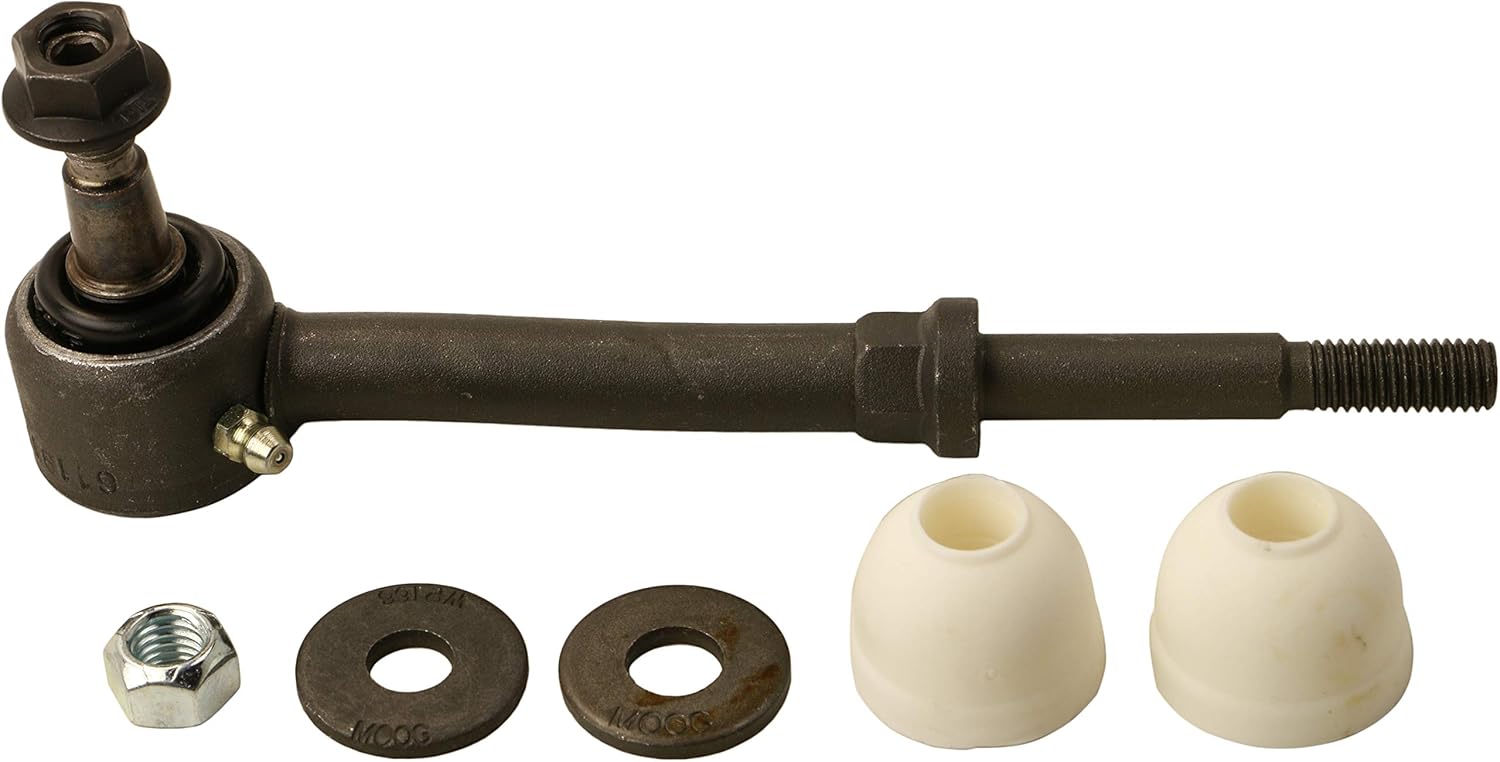
| Auto Part Position | Right |
|---|---|
| Compatible with Vehicle Type | Truck |
| Automotive Fit Type | Vehicle Specific Fit |
| Material Type | Metal, Rubber |
The MOOG K7274 sway bar link replaces a worn stabilizer link on 1997–2004 Dodge Dakota vehicles to restore tighter steering response and reduce sway. It uses metal and rubber components with a greaseable socket so technicians can refresh lubrication to limit wear and corrosion, which helps the joint last longer under heavier use. The part is built to a vehicle-specific fit for a direct swap into the right-side location without major modification. In practice this provides firmer front-end control during spirited driving or when carrying moderate loads, and the greasable design improves serviceability compared with sealed aftermarket links. Installation is straightforward for anyone familiar with basic suspension work, though you may need common hand tools and some penetrating oil if the original fasteners are corroded. This is a focused replacement part rather than an adjustable performance link, so drivers seeking tunable sway characteristics should look at aftermarket performance links instead.
Best for: Drivers who want a dependable, serviceable replacement to restore factory steering feel and tighter front-end control on a 1997–2004 Dodge Dakota and prioritize longevity over adjustability.
Less Ideal for: Enthusiasts looking for adjustable or heavy-duty performance links to tune handling dynamics should consider purpose-built aftermarket sway bar links instead.
- Vehicle-specific fit for direct replacement on right side of compatible Dodge Dakota models
- Greaseable socket allows relubrication to reduce wear and corrosion
- Metal and rubber construction balances durability and NVH control
- Designed to improve steering feel and reduce body roll compared with worn stock links
- Not adjustable, so it cannot be used to fine-tune swaybar stiffness for performance tuning
Verdict: A durable, greaseable direct-fit sway bar link that restores steering precision on 1997–2004 Dodge Dakota trucks without offering adjustability for performance tuning.
3. DJGAA K7274 Front Sway Bar Link Kit (pair)

| Fitment | Dodge Dakota 1997-2004; Durango 1998-2003 |
|---|---|
| Package contents | 2 sway bar links |
| Exterior | Polished & Painted |
| Manufacturer | DJGAA |
These DJGAA K7274 sway bar links replace the front stabilizer end links on compatible Dodge trucks and are sold as a two-piece kit. Designed as direct-fit replacements they bolt into the existing sway bar and control-arm locations to restore roll control and steering stability after worn links have introduced looseness or clunking. The links use a greasable socket and polished painted finish to help resist corrosion and let you service the joint to extend life. DJGAA notes precision engineering and testing during development, and the alloy construction aims for higher stiffness and wear resistance than cheaper stamped replacements. Installation is straightforward for anyone comfortable with basic suspension work and a torque wrench; replacement typically reduces body roll and removes play without requiring alignment. These are vehicle-specific fit parts, so they do not offer adjustable length or upgraded performance beyond restoring factory handling, and users seeking performance-oriented or heavy-duty competition components should consider dedicated aftermarket options.
Best for: Buyers who want a reliable, factory-style replacement to eliminate looseness and restore normal handling on a budget-minded maintenance cycle.
Less Ideal for: Drivers seeking performance-tuned sway components or heavy-duty links for frequent extreme off-road or racing use should look at specialty aftermarket options.
- Direct-fit design for straightforward installation on specified models
- Greasable socket allows periodic lubrication to reduce corrosion and prolong joint life
- Premium alloy construction and painted finish improve durability over basic replacements
- Not adjustable and not designed for performance or heavy-duty offroad upgrades
Verdict: A practical, greaseable direct-fit pair that restores factory handling for Dodge Dakota and Durango owners who want dependable, serviceable replacements.
4. Koxot K7274 Front Stabilizer Sway Bar Link Kit (2 pcs)

| Auto Part Position | Front |
|---|---|
| Compatible with Vehicle Type | Car |
| Automotive Fit Type | Vehicle Specific Fit |
| Material Type | Metal |
| Unit Count | 2 Count |
These Koxot K7274 sway bar end links replace worn front links on 1997–2004 Dodge Dakota and 1998–2003 Durango RWD models to restore proper anti-roll behavior and reduce clunking over bumps. The kit includes two metal links finished in black and is made for a vehicle-specific fit, so installation is a straightforward wrench job for anyone comfortable under the hood. In everyday use the links help tighten body roll, reduce steering vibration, and eliminate the knocking that comes from failing end links, improving steering confidence during cornering. The product emphasizes precision machining and factory-style production methods, which should yield consistent fit and predictable performance compared with generic universal links. On the downside this is a basic replacement part without adjustable ends or upgraded bushings, so drivers seeking performance tuning or heavy-duty off-road duty may want reinforced or adjustable options. For routine street use and budget repairs this kit provides a direct, cost-effective way to refresh the front suspension.
Best for: Buyers repairing a Dakota or Durango RWD suspension on a tight budget who want a straightforward, vehicle-specific replacement to stop clunks and restore normal handling.
Less Ideal for: Enthusiasts looking for adjustable, heavy-duty, or performance-oriented sway bar links for aggressive driving or lifted/off-road trucks should consider reinforced aftermarket options.
- Vehicle-specific fitment for 1997–2004 Dodge Dakota and 1998–2003 Durango RWD simplifies installation.
- Metal construction promises durability over worn or corroded factory links.
- Precision machining and automated production aim for consistent dimensions and reliable fit.
- Includes both front links so both sides can be replaced at once.
- Non-adjustable design and standard bushings limit use for performance tuning or heavy off-road loads.
Verdict: A practical, budget-friendly direct-fit front sway bar link kit that restores handling and eliminates suspension noise on 1997–2004 Dodge Dakota and 1998–2003 Durango RWD models.
5. Metrix Premium Chassis Parts Front Sway Bar End Link Kit (2 pc)

| Position | Front |
|---|---|
| Quantity | 2 pc |
| Model | 99891MT |
| Made in | Europe |
This Metrix Premium two-piece front sway bar end link kit replaces the connection between the stabilizer bar and control arms to reduce body roll and restore front-end stability on a Dodge Dakota RWD. It is supplied pre-greased and built with greasable joints so you can refresh lubrication during service, which helps extend life under daily driving and occasional rough roads. The manufacturer highlights aluminum components with corrosion-resistant coating and factory-style fitment for straightforward installation; the kit includes both left and right links for a complete front-side replacement. In practice this kit should return crisper turn-in and reduce clunks over bumps when the original links are worn, and the greasable design makes them a better long-term option than sealed, non-serviceable links. Limitations to note are that this is a direct replacement part for the specified Dodge Dakota and Durango RWD years only and it does not include related suspension components, so inspect tie rods and bushings when replacing links to avoid repeat work.
Best for: Drivers who prioritize a durable, serviceable replacement to restore factory handling on a 1997–2004 Dodge Dakota RWD and want parts that can be maintained for longer life.
Less Ideal for: People looking for a full suspension refresh or performance-tuned links should consider complete kits or aftermarket performance parts instead.
- Pre-greased and greasable joints allow periodic maintenance to extend service life
- Designed for precision fitment to the front suspension of specified Dodge Dakota RWD models
- Aluminum components with corrosion-resistant coating resist rust and reduce weight
- Includes both left and right links so the front stabilizer connection is renewed in one job
- Sold only as the front link kit and does not include related suspension parts that may also need replacement
Verdict: Choose this greasable, corrosion-resistant front link kit when you want a long-lasting, factory-fit replacement to restore stable handling on a 1997–2004 Dodge Dakota RWD.
6. TRQ Front Sway Bar Link Set (2-Piece) for 1997–2004 Dodge Dakota / 1999–2003 Durango RWD

| Auto Part Position | Front |
|---|---|
| Automotive Fit Type | Vehicle Specific Fit |
| Quantity | 2 Piece |
| Exterior Finish | Machined |
This TRQ two-piece front sway bar link set replaces both driver and passenger side links on compatible 1997–2004 Dodge Dakota and 1999–2003 Durango rear-wheel-drive models. It is sold as a direct-fit, pre-assembled kit intended to match factory geometry, which simplifies installation for a DIYer or a quick shop job. The machined finish and vehicle-specific fit help ensure consistent steering response and restored anti-roll performance compared with worn links. TRQ also provides install videos and compatibility guidance to reduce guesswork during purchase and repair. Because the kit is a direct replacement rather than an upgraded performance part, drivers seeking heavier-duty or adjustable aftermarket links should look elsewhere; the design focuses on restoring factory handling and eliminating clunks and excessive body roll. For routine suspension maintenance or to return steering feel to factory-spec, this kit offers a practical, easy-to-install solution backed by widespread user adoption.
Best for: Buyers who prioritize a low-risk, factory-style replacement backed by many user reviews and clear installation guidance for restoring handling on the specified Dodge models.
Less Ideal for: Drivers who want reinforced, adjustable, or performance-oriented sway bar links for heavy towing, off-road abuse, or track use should consider purpose-built aftermarket options instead.
- Vehicle-specific direct-fit design for straightforward replacement
- Includes both left and right front links so both sides are refreshed at once
- Pre-assembled components reduce installation time and complexity
- Machined exterior finish for consistent fit and appearance
- Access to step-by-step installation videos to assist DIY repairs
- Not a heavy-duty or adjustable aftermarket upgrade for aggressive use
Verdict: A straightforward, vehicle-specific replacement kit that reliably restores factory handling and is easy to install for owners who want a low-risk repair option.
Choosing the Right 1997-2004 Dodge Dakota Sway Bar Link: Key Factors to Consider
Fitment And Length
Correct fitment is fundamental. Sway bar links must match the Dakota's specific mounting points and swing radius so the stabilizer bar can move without binding. Incorrect length changes roll stiffness and can cause premature joint wear or unpredictable handling. When swapping links, consider whether you need a front or rear link and confirm orientation and stud spacing. Proper fitment also reduces installation time and avoids the need for modifiers or adapters.
Some replacement links are sold as universal adjustable types, but for the 1997-2004 Dakota you should prefer fixed-length or vehicle-specific links unless adjustability is required for altered ride height. Even small length differences affect preload on the sway bar and can change steering feel. Ensuring accurate length preserves suspension geometry and keeps the vehicle driving as designed.
Joint Design And Bushing Type
The pivot mechanism determines movement smoothness and noise characteristics. Ball-joint style ends allow multi-axis articulation and typically deliver precise control with minimal binding, but they rely on sealed bearing assemblies that must resist contamination. Bushing-style ends use rubber or polyurethane and provide quiet operation; polyurethane is firmer and lasts longer than rubber but can transmit more road noise.
Evaluate how the joint design reacts through full suspension travel. On rough roads, a durable joint that resists play will reduce clunks and maintain handling. For the Dakota, consider whether you prioritize NVH control for daily driving or firmer response for heavier loads or performance use.
Material Quality And Corrosion Protection
Road salt and moisture accelerate corrosion, especially on suspension connectors. Links made from high-strength steel or plated alloys resist bending and fatigue. Protective coatings, such as zinc plating or powder coating, reduce surface rust and extend service life. Fasteners and bushings should also be corrosion-resistant to avoid siezed hardware during future service.
Failure from corrosion often starts at threads or welded joints, so inspect coating coverage and finish quality before selecting a part. For Dakotas driven in wet or salted conditions, prioritize links with robust corrosion protection to avoid premature replacement and difficult removal later.
Durability Under Load
Sway bar links transfer lateral loads between the stabilizer bar and suspension. Links need to withstand repeated cycles of compression and rebound, plus occasional extra loads from cornering, hauling, or off-road bumps. Components with thicker rod diameters, reinforced joints, and heavy-duty bushings typically endure longer under stress.
Consider your Dakota's typical use. If you regularly haul weight, tow light loads, or drive off pavement, choose links rated for higher load capacity. Durability also reduces the likelihood of progressive wear that leads to increased play and degraded handling over time.
Noise, Vibration, And Harshness Control
Worn or poorly designed links often cause audible clunks, rattles, or squeaks when the suspension cycles. Noise control depends on joint tolerances, bushing material, and how well components damp movement. Softer bushings reduce noise but can wear faster; firmer bushings last longer but may transmit more vibration into the cabin.
For many Dakota owners, resolving a noisy clunk without compromising handling is the priority. Look for parts engineered to minimize slop at joints and that include dust boots or seals to protect moving surfaces from contaminants that generate noise.
Installation And Serviceability
Ease of installation matters whether you plan a DIY swap or want to minimize shop labor. Links that come with new mounting hardware, grease fittings, or clear torque specifications simplify the job. Replacement procedures for the Dakota often require common tools, but seized nuts and corroded studs can complicate removal, so included hardware is a plus.
Also consider whether the link design allows re-greasing or requires full replacement when worn. Parts that permit routine maintenance can extend service life and reduce long-term ownership costs.
Common Symptoms Of Worn Sway Bar Links On The Dakota
Worn sway bar links present recognizable symptoms that affect ride quality and handling. Typical signs include a clunking or knocking noise when driving over bumps, increased body roll in corners, and a loose or imprecise steering feel. These symptoms often appear gradually as bushings compress or joint play increases.
Noise usually appears when the suspension compresses or rebounds; a repeatable clunk at low speeds is a strong indicator the stabilizer link or its hardware is compromised. Addressing symptoms early can prevent secondary wear to the sway bar and related suspension components.
- Clunking or rattling over bumps or during direction changes
- Noticeable increase in body roll during turns
- Intermittent steering looseness or wandering
- Visible play or worn bushings at the link joints
Front Versus Rear Link Considerations
The Dakota's front and rear sway bar links experience different loads and travel patterns. Front links often see more frequent articulation and may wear faster on trucks that see heavier front-end loads or aggressive cornering. Rear links are typically subjected to different angles and can be affected by bed loads or trailer tongues.
When inspecting links, compare the condition of front and rear components separately. Symptoms can vary depending on which end is worn, and sometimes only one end needs replacement.
- Front links: inspect for steering-related noise and cornering looseness
- Rear links: check for clunks when the truck is loaded or unloaded
- Replace only the failed end when fitment and condition allow
DIY Replacement Tips For Dakota Owners
Many sway bar link replacements on the 1997-2004 Dakota are straightforward and doable with common garage tools. Typical steps include raising the vehicle safely, removing the old link, installing the new unit with any supplied hardware, and torquing fasteners to spec. Having replacement hardware and anti-seize on hand helps with removal and future service.
For the DIYer, pay attention to torque specs and whether the link requires preloading during installation. If you encounter seized nuts or significant rust, use penetrating lubricant and consider heat or cutting tools as a last resort. Always follow safe jacking and support procedures.
- Use jack stands and block wheels before working under the truck
- Compare old link orientation and length with the new part before tightening
- Apply torque evenly and consult vehicle torque specs for final tightening
Maintenance And Extending Service Life
Regular inspections during routine oil changes or tire rotations catch early wear signs. Look for torn dust boots, cracked bushings, rusted studs, or vertical play at the joints. Cleaning off road grime and applying protective spray to exposed metal can slow corrosion.
If parts are serviceable, occasional greasing of joints will prolong life. For non-serviceable sealed joints, timely replacement at the first sign of play prevents additional wear to the stabilizer bar and adjacent components.
- Inspect links every 12,000 miles or during suspension checks
- Replace torn boots and failed bushings promptly
- Use corrosion protection on exposed fasteners to ease future removal
When To Replace Versus Repair
Minor bushing deterioration can sometimes be addressed by replacing bushings if the link design allows. However, when joints show measurable play, bearings are damaged, or metal components are corroded, full link replacement is the preferred option. Replacement restores correct geometry and eliminates hidden damage.
Consider replacement if you notice persistent noise after tightening or if the link is bent. Complete replacement is often more cost-effective long term than repeated partial repairs.
- Replace if joint play is present or links are bent
- Repair bushings only on designs intended for service
- Always inspect mounting bolts and replace corroded hardware
Still looking for the perfect fit?
Select your Dodge Dakota configuration to see the most relevant Sway Bar Links recommendations
How We Chose the Best 1997-2004 Dodge Dakota Sway Bar Link
We evaluated sway bar links for the 1997-2004 Dodge Dakota using criteria that reflect real-world use and workshop practicality. Fitment Accuracy: We prioritized components engineered to match the Dakota's front or rear mounting points and link lengths so installation is straightforward and steering geometry is preserved. Material And Corrosion Resistance: Links must resist road salt and moisture; materials, coatings, and bushings were considered for longevity. Joint Type And Movement: Ball-joint or bushing designs affect NVH and movement through travel; we favored designs that reduce play while allowing necessary articulation. Load Capacity And Stiffness: Links should transfer stabilizer forces without bending under normal driving or light towing; appropriate rod diameter and joint strength matter. Ease Of Installation: We considered whether links come as kits with new hardware and whether they allow a DIY swap with common tools. Noise And Vibration Control: Designs that limit clunks and squeaks under compression and rebound were scored higher.We excluded items with unclear fitment for the 1997-2004 Dakota, links requiring extensive suspension modification, or parts lacking corrosion protection. The final list focuses on units that meet these functional and durability dimensions for typical owners.
Our full evaluation process is outlined in our review methodology.
FAQ
How do I tell if a sway bar link is the cause of a clunking noise?
A sway bar link issue often produces a repeatable clunk when driving over the same bump or during low-speed turns. Visually inspect for torn boots, loose studs, or play at the joint. You can also raise the wheel and move the sway bar by hand to check for free play at the link connections.
Can I replace a sway bar link myself on a 1997-2004 Dakota?
Yes, many owners can perform the swap with basic tools and jack stands. The job typically involves removing the old link and installing the new one with the supplied hardware. Be sure to use proper torque values and safety procedures; seized fasteners are the most common complication.
Should I replace front and rear links at the same time?
It depends on condition. If only one end shows wear or noise, replacing just the failed links is acceptable. However, replacing both sides on the same axle ensures consistent response and prevents an uneven feel between left and right.
What maintenance can extend sway bar link life?
Regular inspections for torn boots, corrosion, and joint play help catch problems early. Cleaning debris, protecting exposed fasteners from rust, and greasing serviceable joints where applicable will prolong service life.
Will new sway bar links improve steering feel on my Dakota?
Replacing worn links removes excessive play and can noticeably tighten steering response and reduce body roll. The degree of improvement depends on the prior wear level and the type of links installed.
Final Verdict
When choosing sway bar links for a 1997-2004 Dodge Dakota, prioritize correct fitment, durable joint design, and corrosion protection. These factors most directly affect handling, noise levels, and how long the replacement will last under real driving conditions. Balance the tradeoff between quieter bushing materials and firmer designs that resist wear depending on how you use the truck.Focus on parts that match the Dakota's front or rear mounting geometry, include serviceable installation hardware, and offer protective finishes. That approach will restore steering precision and eliminate clunks while minimizing future maintenance.
Explore More:
- Check out all Dodge Dakota parts & accessories
- Explore Sway Bar Links Maintenance & Repair Guides
- Explore Suspension & Steering
- Browse all Auto Parts
