

Note: This article contains affiliate links. If you click on these links and make a purchase, I may earn a small commission at no extra cost to you. This helps support my research and content. Read my full affiliate disclosure here.
If your 1996-2000 Honda Civic feels loose in corners or you hear clunks over bumps, worn sway bar links are a common cause. For owners of EJ, EK, and EM chassis Civics, choosing the right sway bar link restores the stabilizer connection and returns predictable handling.This guide covers six shortlisted sway bar links that fit the 1996-2000 Civic. We focused on direct-fit options and kits that address both front and rear applications where relevant, and we evaluate fitment, joint durability, and ease of installation to help you pick the right replacement. Read on for the top choices and practical buying guidance before you start the repair.
Looking for other parts? See all Honda Civic parts & accessories.
Top Picks at a Glance
| Best Overall The best all-around choice for most situations | Detroit Axle Front Suspension Kit for 1996–2000 Honda Civic (Upper Control Arms, Lower Ball Joints, Sway Bar Links) |  |
| Best Quality Built to a higher standard if you want something more solid | MOOG K90123 Stabilizer Bar Link Kit |  |
| Best Value The sweet spot between price and what you get | Metrix Premium Chassis Parts Front Stabilizer Sway Bar Link (35251MT) |  |
| Best Budget The cheapest option that still gets the job done reliably | YMAUGP Front Sway Bar End Link Kit (pack of 2) |  |
| Highest Rated A top-rated pick with lots of positive feedback | Metrix Premium Chassis Parts Front Sway Bar End Link Kit (2 pc) |  |
| Most Popular A crowd favorite that many people choose with confidence | Detroit Axle Pair Front Sway Bar End Links (K90123) |  |
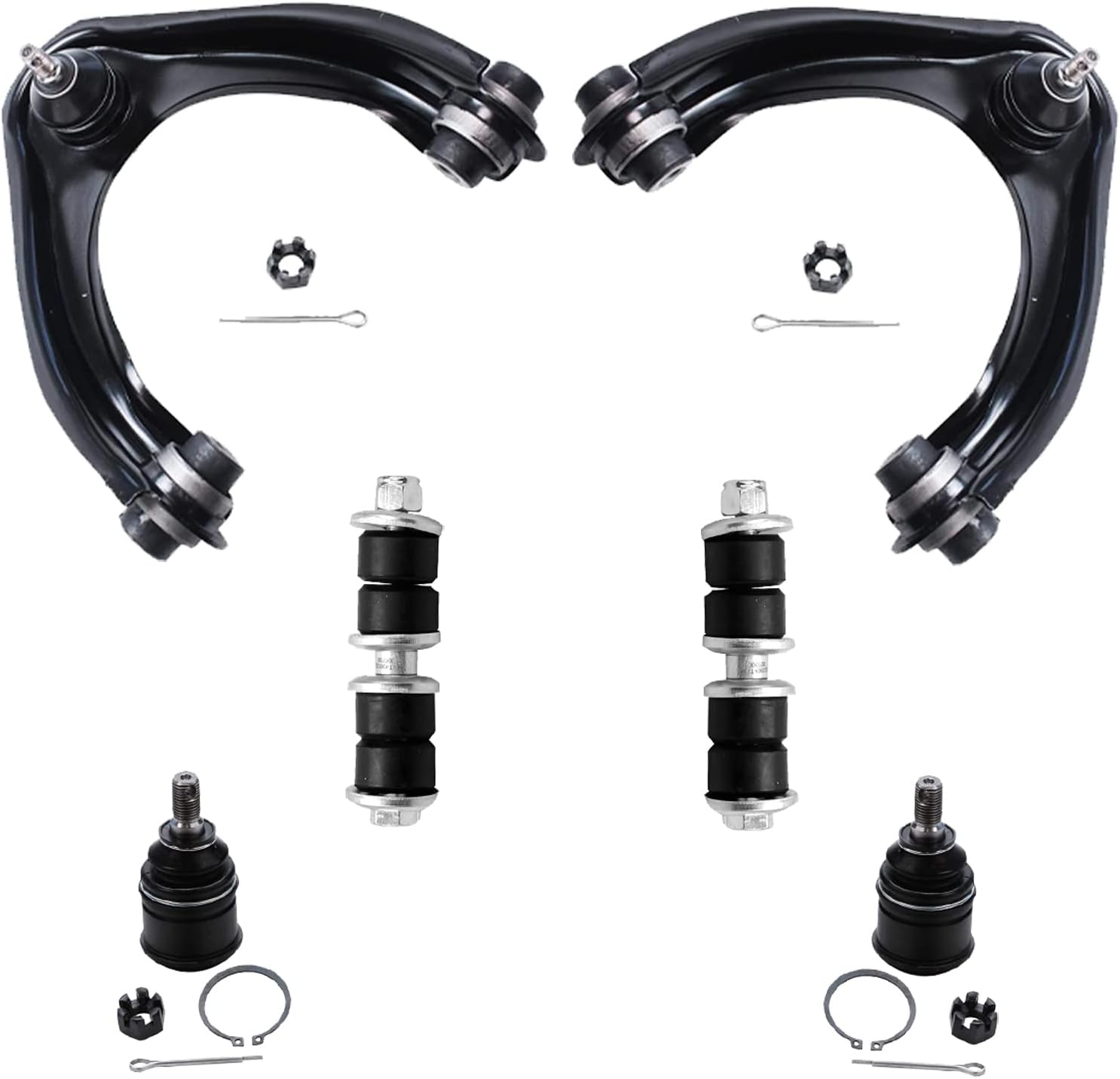
1. Detroit Axle Front Suspension Kit for 1996–2000 Honda Civic (Upper Control Arms, Lower Ball Joints, Sway Bar Links)
| Fit Type | Vehicle Specific Fit |
|---|---|
| Material Type | Steel |
| Kit Contents | 2 Upper Control Arms w/ Ball Joints, 2 Lower Ball Joints, 2 Sway Bar Links |
This Detroit Axle kit bundles the common front-end wear items into a single replacement package for 1996–2000 Honda Civics (excluding Si). It supplies two upper control arms with pressed-in ball joints, two lower ball joints, and two sway bar links so you can refresh the front suspension and stabilizer linkage at once rather than sourcing parts separately. The components are steel construction with factory-style fitment intended for direct installation and improved driving stability. In practice the kit simplifies labor when replacing multiple worn parts and restores tighter steering feel and reduced clunking from loose ball joints or busted sway bar links. Because the package is a full kit, you avoid compatibility guessing and get matching parts that share wear life and finish. Limitations are its vehicle-specific fit so it is only for the listed Civic years and trims, and steel parts may show surface corrosion over many seasons without additional corrosion protection. The kit is a practical choice for routine suspension refreshes on an older Civic where balanced cost and reliability matter.
Best for: Buyers who want a balanced, no-surprises suspension refresh for a 1996–2000 Civic and prefer a single kit that replaces worn control arms, ball joints, and sway bar links together.
Less Ideal for: People seeking upgraded performance parts or corrosion-resistant specialty finishes should look at purpose-built aftermarket components instead.
- Complete front-end kit includes upper control arms, lower ball joints, and sway bar links for a coordinated replacement
- Steel construction and enhanced structural design aimed at wear resistance and durability
- Direct-fit, vehicle-specific parts reduce installation complexity and alignment guesswork
- Fitment limited to specified 1996–2000 Civic models and excludes Si variants
Verdict: If you need a straightforward, balanced repair that replaces the Civic’s front control arms, ball joints, and sway bar links in one go, this complete Detroit Axle kit is the practical choice.
2. MOOG K90123 Stabilizer Bar Link Kit

| Auto Part Position | Front |
|---|---|
| Compatible with Vehicle Type | Car, Truck |
| Automotive Fit Type | Vehicle Specific Fit |
| Material Type | Rubber |
The MOOG K90123 stabilizer bar link kit replaces worn front sway bar end links to tighten handling and cut down on clunks over bumps. It is a vehicle-specific fit intended for direct replacement and is typically used when steering feels loose or you hear knocking from the front suspension. MOOG highlights reinforced design and rubber components that provide quiet, dependable operation and an easier installation compared with lower-cost aftermarket links. In real-world use the kit should restore crisper turn-in and reduce body roll symptoms that come from deteriorated links, while the rubber bushings help keep road noise muted. This kit focuses on durability and fitment rather than race-grade performance, so drivers seeking extreme stiffness or adjustable sway links will find it more of a reliable street replacement than a track upgrade. Installation is straightforward for a competent DIYer and provides a cost-effective way to refresh front suspension responsiveness on older Civics.
Best for: Drivers who want to restore firm, predictable front-end handling on a 1996–2000 Civic with a reliable, easy-to-install replacement rather than pursue racing modifications.
Less Ideal for: Drivers building a track-focused setup who need adjustable or stiffer aftermarket sway links should look at performance-oriented alternatives.
- Vehicle-specific design for straightforward fitment and replacement
- Rubber bushings and proven MOOG engineering reduce noise and improve longevity
- Restores steering feel and reduces clunking and body roll from worn links
- Not an adjustable or performance-tuned link for track-focused stiffness
Verdict: Choose the MOOG K90123 if you want a dependable, vehicle-specific sway bar link kit that restores steering feel and quiet operation on a 1996–2000 Civic.
3. Metrix Premium Chassis Parts Front Stabilizer Sway Bar Link (35251MT)

| Model | 35251MT |
|---|---|
| Position | Front |
| Manufacturer | METRIX PREMIUM CHASSIS PARTS |
| OEM Part Number | 46G0039A, TC1190, 51320S04003, EA0334170A, K90667, SL30240 |
This Metrix front stabilizer sway bar link is a direct-fit replacement part intended to reconnect the sway bar to the control arm and restore the Civic's handling and stability. It comes pre-greased and features a greasable design so routine lubrication is easy, which helps extend service life compared with sealed, nonserviceable links. The part is machined with corrosion-resistant coatings and an aluminum-steering-and-suspension design for strength with lighter weight. Installation is straightforward for a DIYer with basic tools: lift the car, remove the wheel, unbolt the old link and fit the new one, then check alignment and road-test. Metrix highlights factory-quality fitment and industry certifications aimed at reliability. Practical buyers should note this is a single front link sold individually and not a complete pair or full suspension kit, so plan to replace both sides or related hardware if uneven wear is present. Also the listing targets specific model years, so confirm vehicle fit before ordering.
Best for: A practical DIYer or independent-minded owner who wants a durable, factory-style replacement to stop clunks and restore handling on compatible late 1990s Civics while keeping maintenance simple.
Less Ideal for: Buyers who need a full suspension refresh or prefer to replace both links and related components as a kit should consider purchasing matching parts or a complete front suspension kit instead.
- Direct-fit replacement designed for compatible late 1990s Honda Civic and related models
- Pre-greased and greasable design allows easy maintenance and longer service life
- Machined construction with corrosion-resistant coating for durability
- Lightweight aluminum construction reduces corrosion risk and helps preserve suspension geometry during use
- Sold as a single link rather than a matched left/right pair
Verdict: A practical, factory-style front sway bar link that gives late 1990s Honda Civics a durable, easy-to-service replacement to restore handling.
4. YMAUGP Front Sway Bar End Link Kit (pack of 2)

| Fitment | Honda Civic 1.6L 1999-2000; Honda CR-V 2.0L 1997-2001 |
|---|---|
| Replaces part numbers | K90667, 5132S43, EA33417A |
| Package | 2pcs front left & right sway bar link kit |
| Manufacturer | YMAUGP |
This YMAUGP front sway bar end link kit supplies both left and right links to restore sway bar connection and reduce body roll on 1999–2000 Honda Civic (1.6L) and 1997–2001 CR-V (2.0L) applications listed. Each link is built from steel and other high-strength components with rubber boots and factory-style grease for protection; the listing states the parts are tested and meant to meet factory-quality fit and durability. Installation is the standard suspension repair process and is best done with basic hand tools or by a mechanic since instructions are not included. In use the kit should improve steering stability and reduce clunking from loose links, making it a straightforward repair for worn suspension feel. The kit is a budget-focused aftermarket option that offers practical replacement value, but buyers should confirm OEM part numbers for exact fit and expect to reuse or replace mounting hardware depending on vehicle condition.
Best for: Buyers looking for an affordable, direct-replacement repair to restore handling on older Hondas and prioritize cost-effective, practical parts over premium branded options.
Less Ideal for: If you want branded performance or upgraded heavy-duty links for aggressive driving or lowered suspensions, consider higher-end aftermarket options instead.
- Sold as a complete front left and right pair for one repair event
- Built with steel and high-grade rubber boots for longevity and protection
- Designed and tested to match factory-style performance and fitment
- Includes grease-sealed joints to reduce wear and noise
- No installation instructions included and professional installation is recommended
Verdict: A budget-friendly, factory-style replacement kit that restores front sway bar function on late 1990s Civics and CR-Vs without extra frills.
5. Metrix Premium Chassis Parts Front Sway Bar End Link Kit (2 pc)

| Position | Front |
|---|---|
| Item model number | 99122MT |
| Manufacturer | METRIX PREMIUM CHASSIS PARTS |
| OEM Part Number | 46G0039A, TC1190, 51320S04003, EA0334170A, K90667, SL30240 |
This Metrix Premium two-piece front sway bar end link kit replaces worn links that connect the stabilizer bar to the control arms, restoring cornering stability and reducing body roll. It is sold as a pair, comes pre-greased for smoother movement, and uses a greasable design so joints can be serviced to extend life. The parts are aluminum with a machined exterior and a corrosion-resistant coating intended to resist heat and road conditions, which helps preserve function on older Hondas. Installation is straightforward for a competent DIYer or mechanic: lift the car, remove the wheel, swap the links, torque hardware and check alignment. The kit is certified to quality standards and carries a limited warranty. Expect OEM-style fit and handling improvement, but note that longevity still depends on driving conditions and regular maintenance of the greasable joints. This is a targeted repair part for front suspension stability rather than a performance upgrade, so it restores factory handling rather than dramatically changing it.
Best for: Buyers who prioritize dependable, factory-style repairs for older Civics and similar compact vehicles and want parts that are serviceable to maximize lifespan.
Less Ideal for: Drivers looking for a performance suspension upgrade or those who prefer non-serviceable, maintenance-free alternatives.
- Sold as a matched pair for front replacements
- Pre-greased and greasable design allows maintenance to extend service life
- Aluminum construction with corrosion-resistant coating to resist rust and heat
- Designed to meet or exceed factory-quality fit and installation ease
- Not a performance-oriented upgrade; restores factory handling rather than improving it
Verdict: A practical, serviceable front sway bar end link kit built to restore factory handling and longevity for reliability-minded owners.
6. Detroit Axle Pair Front Sway Bar End Links (K90123)

| Fitment | 1996-2000 Honda Civic |
|---|---|
| Kit includes | 2x Front Stabilizer Sway Bar End Links |
| Material | Premium alloy |
| Manufacturer part number | K90123 x2PRIME |
These Detroit Axle front sway bar end links replace the worn links that connect the front sway bar to the control arms on 1996–2000 Honda Civic models. Sold as a pair, the kit is built from premium alloy with reinforced structure to resist rust and repeated impact, and is intended for straightforward, bolt-on installation using factory mounting points. In everyday use the links restore steering stability and reduce body roll that develops when original links wear out, improving cornering feel and confidence at highway speeds. The parts are described as factory-quality fit and include reinforced joints that should extend service life compared with cheap aftermarket pieces. Limitations to keep in mind are that these are replacement links only and will not change sway bar stiffness or overall ride tuning, and long-term durability depends on installation and road conditions. For Civics in this model range they offer a practical, repair-focused option to return handling to stock behavior without modifying other suspension components.
Best for: Buyers who want a reliable, factory-replacement style fix to restore factory handling on a 1996–2000 Honda Civic and prefer parts with wide customer acceptance and proven performance.
Less Ideal for: Drivers looking to change handling characteristics with upgraded sway bars or those wanting adjustable links for performance alignment needs should look elsewhere.
- Direct-fit design for 1996–2000 Honda Civic front suspension makes installation straightforward
- Premium alloy construction resists corrosion and improves wear resistance
- Sold as a pair so both sides can be renewed at once to restore balanced handling
- Replaces only the end links and does not alter sway bar rate or overall suspension tuning
Verdict: A straightforward, corrosion-resistant direct-fit pair of front sway bar end links to restore stock handling on 1996–2000 Honda Civic models.
Choosing the Right 1996-2000 Honda Civic Sway Bar Link: Key Factors to Consider
Fitment and Chassis Code Compatibility
Proper fitment matters because sway bar links must match the original mounting points and length to maintain correct sway bar geometry. For the 1996-2000 Civic, confirm the part lists EJ, EK, and EM, or EM as applicable to your specific trim and suspension; even small differences in stud length or bushing diameter change how the stabilizer bar aligns. Mismatched links can cause binding or incorrect preload on sway bar bushings, which transfers extra stress to the suspension and can create noise or uneven handling.
When evaluating fitment, check whether the component is specified for front or rear use and whether it replaces the factory nut and washer or requires reuse. Parts that include hardware designed for the Civic reduce installation time and the risk of loose fasteners. Accurate fitment also simplifies alignment checks after replacement, keeping cornering behavior predictable.
Joint Design and Durability
The joint type determines long-term performance and noise characteristics. Sealed ball joints or joints with durable rubber boots tend to resist contamination and last longer than exposed or loosely toleranced connections. For street-driven Civics, reliable joints reduce clunks and maintain crisp steering response through repeated compression cycles and lateral loads.
Inspect whether the joint is greaseable or permanently sealed. Greaseable joints allow periodic servicing to extend life, while well-sealed joints can be maintenance-free if quality sealing materials are used. Consider the expected mileage and driving conditions; frequent potholes or winters with salt exposure increase the value of a more robust joint design.
Materials and Corrosion Resistance
Material quality influences strength and longevity. Hardened steel shafts, high-grade fasteners, and corrosion-resistant coatings help parts withstand road debris, moisture, and salt. For older Civics, many of which see mixed climates, zinc plating or powder coating and protective boots slow deterioration. Corrosion can loosen connections and make future removal difficult, so prioritize parts with visible anti-corrosion treatments.
Also examine the quality of rubber or polyurethane bushings. Polyurethane can offer firmer response and longer life but may transmit more noise. Rubber is quieter initially but can crack with age. Choose materials aligned with your priorities: long service life and performance, or quieter operation.
Hardware and Kit Completeness
Some sway bar link replacements come as single links, pairs, or as kits that include bushings, nuts, washers, and mounting studs. For the 1996-2000 Civic, installing complete kits minimizes the chance of missing or corroded fasteners and ensures torque specifications are met. When a kit includes vehicle-specific hardware it reduces the need to source additional parts and cuts installation time.
If a link is sold individually, confirm whether factory hardware should be reused or replaced. Reusing corroded nuts or washers increases the risk of failure and complicates future service. Complete kits are especially helpful when both sides show wear, or when you want to replace associated stabilizer bushings at the same time.
Noise, Play, and Symptom Signals
Common symptoms like noisy clunking over bumps, lateral looseness in corners, or visible play at the joint indicate worn sway bar links. The design of the replacement affects how quickly noise returns under similar conditions. Look for parts with minimal tolerances and robust bushings to suppress click and clunk noises. Stiffer joints improve steering feedback but may make minor road harshness more noticeable.
When diagnosing symptoms on a Civic from 1996-2000, check both ends of the stabilizer link and related bushings. A single noisy link often accompanies wear in other components. Matching the replacement characteristics to the symptom profile helps avoid swapping parts that do not resolve the underlying cause.
Serviceability and Installation Ease
Ease of installation matters for DIYers and shops alike. Links that use common fasteners and allow the use of standard hand tools reduce labor time. Features like grease fittings, replaceable bushings, or captive nuts simplify servicing and future replacement. On older Honda Civics, frozen studs or seized nuts can complicate removal; parts that minimize the need to cut or press components out are preferable.
Also consider torque specifications and whether the replacement allows proper preload. Some aftermarket links require a specific orientation at installation to avoid binding. Clear installation guidance or included hardware reduces the risk of incorrect assembly and ensures the sway bar functions as intended after replacement.
Common Symptoms on 1996-2000 Civic Chassis
Owners of EJ, EK, and EM chassis Civics often notice a clunking sound when driving over bumps or abrupt weight transfers. That noisy clunk may come from worn ball joints or degraded bushings in the sway bar link. Other signs include increased body roll in corners, a loose feeling at the steering wheel during quick direction changes, or visible lateral play when you rock the stabilizer bar by hand.
A step-by-step visual inspection under the car usually reveals torn boots, corroded studs, or loose nuts. Identifying whether the front or rear link is the source is useful before purchasing parts, because front and rear links can differ in length and attachment style.
- Clunking or knocking over bumps
- Increased body roll or vague steering
- Visible play, torn boots, or rusted hardware
Front Vs Rear Link Considerations
Front sway bar links on the 1996-2000 Civic directly influence steering feel and turn-in response. Replacing worn front links tends to produce the most noticeable improvement in steering precision. Rear links affect rear roll stiffness and balance; worn rear links can cause unpredictable yaw or mild oversteer under load.
When selecting parts, make sure the listing specifies front or rear application. Some kits bundle both, which is convenient when both ends show wear and you want a consistent feel across the suspension.
- Front links affect steering and turn-in
- Rear links influence rear roll and balance
- Use matched parts for consistent handling
DIY Replacement Tips for Civic Owners
Replacing sway bar links on the 1996-2000 Civic is a common DIY task that typically requires basic tools: jack stands, wrenches, and possibly a breaker bar for seized nuts. Before starting, inspect the torque specs for your Civic and confirm whether new hardware is included. Loosen the lower fastener first, then remove the upper stud to free the link; reversing the process during installation helps keep components aligned.
If studs are corroded, apply penetrating lubricant and allow time to soak. Consider replacing both sides at once to maintain symmetric handling. After installation, torque fasteners to the recommended specifications and test the car at low speed to confirm the noise and handling have been addressed.
- Use proper safety with jack stands
- Apply penetrating oil to corroded studs
- Replace both sides for symmetry
- Torque to specification after installation
When to Choose Rubber Vs Polyurethane Bushings
Rubber bushings offer quieter operation and absorb minor vibrations, making them a sensible choice for daily-driven Civics. Over time, rubber can crack or compress, which reduces effectiveness and can create looseness. Polyurethane bushings are firmer and resist deformation, delivering a crisper steering feel and longer service life, but they can transmit more road noise and require occasional lubrication to prevent squeaks.
Decide based on driving style and priorities. If you prioritize comfort and minimal NVH, rubber may be preferable. If you want sharper response and durability for a Civic that sees spirited driving, polyurethane is a reasonable upgrade.
- Rubber = quieter, more compliant
- Polyurethane = firmer, longer-lasting, may squeak
- Lubrication helps polyurethane resist noise
Tools and Torque Guide
Have the right tools on hand: metric sockets and wrenches, a torque wrench, jack stands, and a breaker bar. For seized hardware, an impact wrench or heat can help, but use caution to avoid damaging surrounding components. Keep replacement nuts and washers available if the kit does not include them.
Follow the manufacturer's torque specs for the Civic when tightening link fasteners. Proper torque prevents overloading the joint or leaving it too loose, both of which can cause premature wear. If you do not have the specific torque numbers handy, consult a repair manual or documented Civic service resources to confirm values before final tightening.
- Metric sockets, torque wrench, jack stands
- Breaker bar or impact for stubborn nuts
- Confirm factory torque specs before final torque
Still looking for the perfect fit?
Select your Honda Civic configuration to see the most relevant Sway Bar Links recommendations
How We Chose the Best 1996-2000 Honda Civic Sway Bar Link
We selected candidates by applying criteria that reflect real-world demands for the 1996-2000 Civic chassis (EJ, EK, and EM). First, fitment accuracy was a primary filter. We prioritized parts engineered to match factory mounting points and lengths so installation does not require modification. Second, joint type and durability were assessed. Options with sealed ball joints, quality bushings, or greaseable fittings rated higher because they affect noise, longevity, and steering feedback. Third, materials and corrosion protection mattered. Hardened steel shafts, zinc plating, or protective boots reduce premature wear on vehicles exposed to road salt or coastal conditions. Fourth, hardware completeness and kit options were important for owners replacing links as a pair or with associated fasteners. Fifth, serviceability and installation ease were considered, including whether components allow reuse of factory nuts or require simple torque procedures.We excluded any listings that lacked clear fitment data for the 1996-2000 Civic or that required vehicle-specific modifications. Parts with ambiguous joint specifications, missing mounting hardware, or unsealed components with poor corrosion resistance were not considered. The final shortlist emphasizes repeatable fitment, durable joint design, and practical serviceability relevant to Civic owners tackling sway bar link replacement.
Our full evaluation process is outlined in our review methodology.
FAQ
How do I know if my sway bar link is bad on a 1996-2000 Civic?
Common signs include clunking over bumps, increased body roll, or visible play at the joint. A visual inspection can reveal torn boots, excessive rust, or wobble when you try to move the link by hand.
Can I replace a sway bar link myself on an EJ, EK, and EM Civic?
Yes. With basic tools, jack stands, and a torque wrench, many owners can replace links. Expect to deal with corroded hardware on older cars and plan time for penetrating oil and possible extra effort to free seized nuts.
Should I replace front and rear links at the same time?
It often depends on wear. Replacing both sides on the same axle is recommended to maintain handling symmetry. You do not always need to replace front and rear simultaneously unless both show signs of wear.
Are greaseable links better than sealed ones for my Civic?
Greaseable links allow periodic maintenance and can extend life if you service them. Sealed joints avoid regular greasing and perform well if the seals are high quality. The best choice depends on your willingness to maintain the parts and exposure to contaminants.
What causes sway bar link noisy clunk noises on these Civics?
Noisy clunks usually come from worn joint bearings, torn boots letting contamination in, or loose hardware. Corrosion that allows play between the stud and mounting hole can also produce audible impacts over bumps.
Do I need a full sway bar link kit or will a single replacement do?
A single replacement can fix an isolated failure, but kits that include hardware or both links on an axle reduce installation time and lower the chance of retaining corroded fasteners. For older Civics, kits often provide better long-term value.
Final Verdict
Prioritize accurate fitment and a durable joint design when replacing sway bar links on a 1996-2000 Honda Civic. Matching the part to the correct chassis code and confirming front or rear application prevents installation headaches and preserves suspension geometry. Balance your choice of bushing material against desired ride comfort and long-term maintenance habits.Ultimately, pick links that address the symptoms you observed, include the necessary hardware, and allow correct torque and alignment. That approach delivers a reliable repair and restores predictable handling for your Civic.
Explore More:
- Check out all Honda Civic parts & accessories
- Explore Sway Bar Links Maintenance & Repair Guides
- Explore Suspension & Steering
- Browse all Auto Parts
