

Note: This article contains affiliate links. If you click on these links and make a purchase, I may earn a small commission at no extra cost to you. This helps support my research and content. Read my full affiliate disclosure here.
If you own a Subaru Forester XT, the right spark plugs can noticeably affect throttle response, fuel efficiency, and engine smoothness. Proper plugs help maintain turbo performance and cut down on rough idling or hesitation during acceleration. This guide presents the top shortlisted options for the Forester XT and explains the tradeoffs you should weigh before replacing plugs.We evaluated candidates for durability, ignition consistency, and fitment to the XT engine. Below you will find the top picks, clear buying factors, and practical tips for installation and maintenance.
Looking for other parts? See all Subaru Forester parts & accessories.
Top Picks at a Glance
| Best Overall The best all-around choice for most situations | Subaru Genuine Spark Plugs 22401AA630 — 4‑Pack |  |
| Best Quality Built to a higher standard if you want something more solid | Subaru 22401AA830 Spark Plug Set of 4 (Genuine OEM) |  |
| Best Value The sweet spot between price and what you get | NGK BKR5E-11 Copper Spark Plug — Set of 4 |  |
| Highest Rated A top-rated pick with lots of positive feedback | Subaru Genuine Spark Plug 22401AA630 (vehicle-specific) |  |
| Most Popular A crowd favorite that many people choose with confidence | NGK Iridium IX Spark Plug LKAR7BIX-11S, 4-Pack |  |
1. Subaru Genuine Spark Plugs 22401AA630 — 4‑Pack

| Manufacturer Part Number | 22401AA630 |
|---|---|
| Unit Count | 4 Count |
| Compatible with Vehicle Type | sti wrx |
| Core Material | Copper |
| Thread Size | 14mm x 1.25mm |
These are factory Subaru spark plugs sold in a four-pack and intended for turbo 2.5 Subaru engines. Installation is straightforward for anyone doing routine tune-up work and they replace the factory items without any modifications. The plugs use a copper core and the kit is marketed as genuine OEM Subaru parts, which helps ensure fitment and combustion characteristics designed for the engine. For a balanced buyer this means predictable starting, consistent idling, and reliable performance when fitted to the specified turbo models. The main limitation is that these are standard copper-core plugs rather than iridium or platinum long-life types, so they will likely require replacement more often under high-mileage or performance-tuned use. They are a solid choice if you want factory-spec replacements that match original ignition behavior, but owners seeking extended service intervals or maximum longevity may prefer a long-life aftermarket option.
Best for: Buyers who want authentic factory-quality replacement plugs to restore original ignition behavior and reliability during routine maintenance on turbo Subaru engines.
Less Ideal for: Drivers chasing maximum plug life or improved performance under high-boost or heavily modified engines should consider long-life or performance-grade alternatives.
- Factory Subaru part designed for turbo 2.5 engines, ensuring correct fitment and heat range
- Sold as a four-pack to replace all cylinders at once
- Copper core provides good conductivity and predictable combustion characteristics
- Straightforward direct replacement for routine maintenance without modifications
- Copper-core design has shorter service life than iridium or platinum alternatives
- Fitment is vehicle-specific so not suitable for non-specified engines
Verdict: Choose these genuine Subaru spark plugs if you want a direct factory-quality replacement to maintain original ignition behavior on a turbo 2.5 Subaru.
2. Subaru 22401AA830 Spark Plug Set of 4 (Genuine OEM)

| Manufacturer Part Number | 22401AA830 |
|---|---|
| Manufacturer | Subaru/NGK |
| Core Material | Copper |
| Fitment Note | 2014-2018 Forester XT; 2015-2018 WRX |
These genuine Subaru spark plugs (22401AA830) are a direct factory replacement sold as a set of four and intended for turbocharged 2.0L applications in the Forester XT and WRX. In everyday use they deliver factory-fit combustion consistency and predictable ignition timing without the need for gapping or special adapters, which makes installation straightforward for DIYers and shops alike. The plugs use a copper core, which provides reliable conductivity and is compatible with the engine’s ignition system and heat range as designed by the manufacturer. For performance-minded drivers, the main benefit is maintaining stock-level throttle response and consistent spark under boost, helping the engine run as the factory intended. The limitation is that these are standard copper-core factory replacement plugs rather than iridium or platinum performance plugs, so they do not offer extended service intervals or the slightly stronger wear resistance of precious-metal options.
Best for: Buyers who want a factory-correct replacement to preserve stock ignition characteristics and reliable performance under boost without modifying the ignition system.
Less Ideal for: Enthusiasts seeking maximum longevity or small performance gains from precious-metal spark plugs should consider iridium or platinum upgrades instead.
- Genuine factory replacement fitment for compatible Subaru turbo models
- Sold as a set of four for a full-bank refresh
- Copper core offers good electrical conductivity for stable ignition
- No re-gapping required when replacing like-for-like with factory settings
- Copper construction wears faster than iridium or platinum alternatives
Verdict: Choose these genuine Subaru plugs to preserve factory ignition behavior and reliable performance in turbocharged Forester XT engines.
3. NGK BKR5E-11 Copper Spark Plug — Set of 4

| Thread Size | 14mm |
|---|---|
| Core Material | Copper |
| Compatible with Vehicle Type | Car |
| Automotive Fit Type | Vehicle Specific Fit |
These NGK BKR5E-11 plugs are copper-core, vehicle-specific spark plugs designed as direct-fit replacements where that part number is specified. They fire the ignition reliably and are commonly used for periodic tuneups to restore throttle response and idle quality on compatible engines. Typical use is straightforward: swap one-for-one with the factory plugs during routine maintenance. Notable features include a 14mm thread size and copper core, which promotes strong initial conductivity and good cold-start spark performance. Practical benefits are easy fitment for mechanics or DIYers and a pattern of dependable combustion that helps maintain fuel economy and smooth running in properly gapped, healthy ignition systems. Limitations are the copper core itself; it wears faster than platinum or iridium alternatives, so these plugs are better suited to regular maintenance intervals rather than extended service life. Also confirm the exact NGK part number against your Forester XT engine and year before purchase to ensure correct fitment.
Best for: A Forester XT owner focused on practical, cost-effective maintenance who wants a reliable, factory-equivalent replacement for routine spark plug service.
Less Ideal for: Drivers seeking the longest service life or reduced gap erosion between major services should consider platinum or iridium plugs instead.
- Factory-quality direct-fit design for simple one-for-one replacement
- Copper core provides strong initial conductivity and reliable cold-start performance
- Common NGK part with wide availability of application data for correct fitment
- Easy install for DIY or professional mechanics as part of routine tuneups
- Copper construction wears faster than platinum or iridium options, requiring more frequent replacement
Verdict: Choose these NGK copper plugs if you want a straightforward, factory-equivalent replacement that restores ignition performance at a budget-friendly maintenance interval.
4. Subaru Genuine Spark Plug 22401AA630 (vehicle-specific)

| Manufacturer Part Number | 22401AA630 |
|---|---|
| Core Material | Copper |
| Unit Count | 1 Count |
| Automotive Fit Type | Vehicle Specific Fit |
This is a genuine Subaru spark plug (22401AA630) designed as a direct replacement for turbo models like the Forester XT and other specified Subaru engines. It uses a copper core and is sold singly for vehicle-specific fitment. In practical use you install this plug where factory replacement quality and fit are priorities; it matches factory design and should fit and fire reliably without modification. The copper core provides good conductivity and predictable spark performance, though copper plugs typically need more frequent replacement than platinum or iridium alternatives. The main benefit is exact fit and compatibility with Subaru ignition systems, which simplifies maintenance and avoids tuning or clearance issues. The key limitation is longevity compared with long-life precious-metal plugs, so plan routine replacement intervals rather than extended service life. For anyone prioritizing correct fit and consistent ignition behavior on a Subaru turbo engine, this plug delivers straightforward, factory-alike performance.
Best for: Buyers who want factory-correct replacement parts and predictable ignition performance for scheduled maintenance on Subaru turbo engines.
Less Ideal for: Drivers seeking maximum service intervals or highest longevity should consider platinum or iridium plug alternatives instead.
- Factory-original Subaru part number ensures correct fit and specifications for listed Subaru turbo engines
- Copper core offers strong electrical conductivity and stable spark delivery
- Sold as a single, making it easy to replace only the plugs you need without extra parts
- Copper construction has shorter service life than platinum or iridium spark plugs
Verdict: Choose this genuine Subaru copper spark plug when you need a direct factory-quality replacement that guarantees correct fit and consistent ignition for your Forester XT.
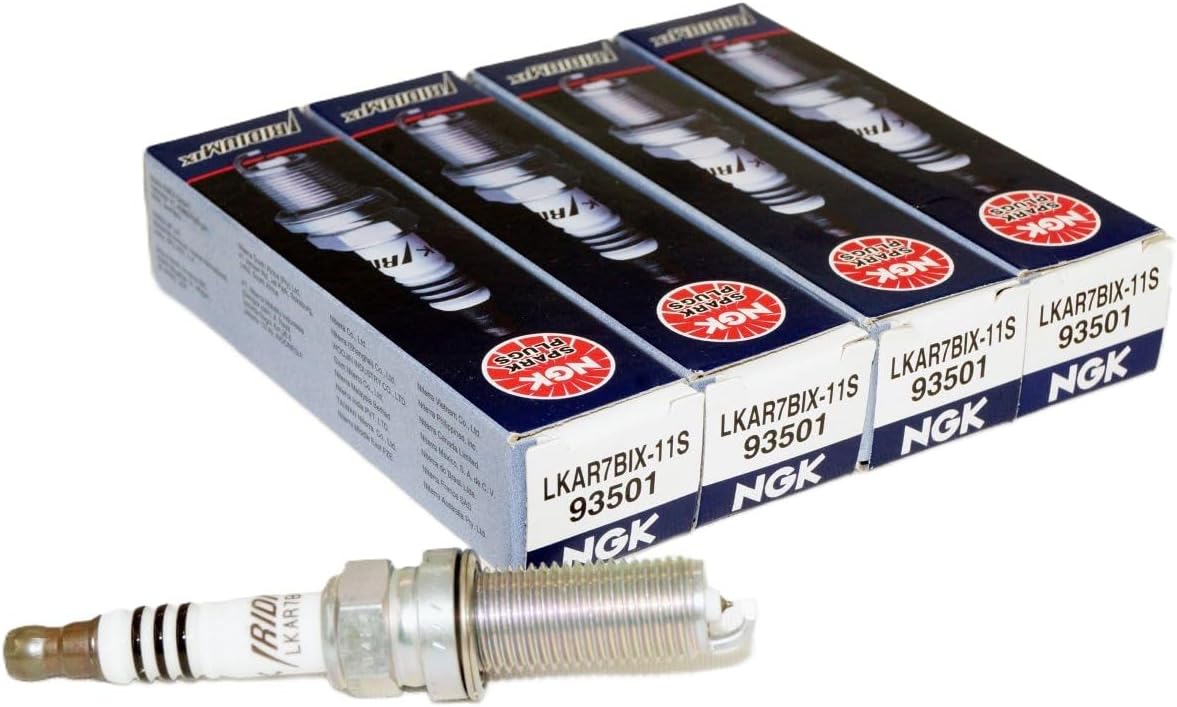
5. NGK Iridium IX Spark Plug LKAR7BIX-11S, 4-Pack
| Core Material | Iridium |
|---|---|
| Thread Size | M14 x 1.25 |
| Vehicle Service Type | Car, Truck |
| Position | Front, Rear |
NGK Iridium IX spark plugs are designed for drivers who want sharper throttle response and long-lasting ignition performance in higher-output Subaru Forester XT engines. The plugs use a 0.6 mm laser-welded iridium tip and a tapered ground electrode to produce a stable, concentrated spark that improves ignition and reduces quenching. Practical features for forced-induction engines include a longer insulator nose to resist fouling and corrugated ribs to prevent flashover, while trivalent plating reduces corrosion and removes the need for anti-seize. Installation is like a standard replacement spark plug and they are sold as a four-pack for a typical four-cylinder tune-up. The main trade-offs are that iridium plugs cost more than basic copper or nickel options and any performance gains are most noticeable on tuned or higher-compression engines rather than stock, low-demand setups. For Forester XT owners focused on consistent high-temperature durability and reliable spark under boost, these plugs offer a clear real-world benefit.
Best for: Buyers who prioritize durable, consistent ignition and slightly improved throttle response on a turbocharged Forester and who value proven, widely used components when selecting parts.
Less Ideal for: Drivers looking for the cheapest routine replacement for low-mileage, lightly used stock engines or those who rarely push the engine where iridium's durability matters.
- Laser-welded 0.6 mm iridium tip for precise, long-lasting spark
- Tapered ground electrode reduces electrical quenching and improves ignitability
- Long insulator nose and corrugated ribs reduce fouling and flashover in high-boost use
- Trivalent plating prevents corrosion and eliminates need for anti-seize
- Higher unit cost compared with nickel or copper replacement plugs
Verdict: Choose these NGK Iridium IX plugs if you want durable, high-temperature ignition performance and sharper response for a turbocharged Forester XT.
Choosing the Right Subaru Forester XT Spark Plug: Key Factors to Consider
Electrode Material and Longevity
Electrode composition is one of the biggest determinants of how long a spark plug will last and how consistently it will fire. Iridium and platinum alloys have higher melting points and resist wear better than basic copper cores, so they generally maintain a stable gap and ignition pattern over more miles. That longevity matters for owners who want longer service intervals and fewer replacements.
Material also affects the size of the center electrode. Finer iridium tips require less voltage to produce a strong spark, improving combustion efficiency. For a turbocharged Forester XT, using a material that tolerates higher cylinder temperatures while maintaining integrity helps avoid gap erosion and misfire codes over time.
Correct Heat Range
Heat range determines how quickly a spark plug transfers combustion heat to the cylinder head. In a turbocharged engine like the Forester XT, choosing a plug with the correct heat range is critical to avoid pre-ignition or fouling. A plug that runs too hot increases the risk of detonation under sustained load, while one that runs too cold will foul and cause weak sparks during short trips or cold starts.
Consider typical driving habits when selecting heat range. Frequent spirited driving or towing increases thermal loads and typically favors a slightly colder plug. Daily commuting with shorter trips may benefit from a warmer plug to burn off deposits. Always match manufacturer recommendations where possible and verify any aftermarket change against expected operating conditions.
Recommended Spark Plug Gap
The gap between the center and ground electrode affects the voltage needed for a reliable spark and the quality of combustion. The Forester XT engine has a specified gap tolerance that optimizes ignition timing and combustion under boost. A gap that is too wide raises required ignition voltage and can trigger misfires, especially if ignition coils are aging. A gap that is too narrow can weaken the spark and reduce combustion efficiency.
When replacing plugs, set the gap to the vehicle's specification and recheck after any electrode dressing or adjustment. For aftermarket plugs, verify factory gap and adjust carefully using a proper gapping tool. Maintaining the correct gap supports consistent throttle response and healthy spark plug life.
Fitment, Reach, and Thread Size
Physical compatibility with the XT engine is non-negotiable. Proper thread pitch, reach length, and hex size ensure the plug seats correctly and that heat transfer to the head is as intended. Using a plug with incorrect reach can damage the piston or fail to transfer heat effectively, while the wrong thread size risks cross-threading the cylinder head.
Confirm the plug matches the Forester XT's specifications before installation. Reach affects how far the electrode protrudes into the combustion chamber, which in turn influences flame propagation and detonation risk. Correct fitment preserves engine reliability and prevents costly repairs from incorrect plug selection.
Ignition Performance Under Boost
Turbocharged engines place greater demand on ignition systems because higher cylinder pressures require a stronger, more reliable spark. Choose plugs known to perform well under boost to reduce the likelihood of misfires or incomplete combustion when the turbo spools. Reliable ignition under load improves throttle response and helps maintain consistent power delivery.
Look for plugs with small, durable electrodes and low required firing voltage. If you run higher-than-stock boost or have ignition upgrades, ensure the plugs are compatible with the increased electrical and thermal stress to avoid repeated misfires or ignition-related trouble codes.
Serviceability and Part Number Clarity
Easy access to correct replacement part numbers simplifies maintenance and reduces the chance of fitment errors during future service. Clear manufacturer part numbers and cross-references help you match plugs to Subaru service intervals and any dealer recommendations. Documentation that specifies torque values, gap settings, and replacement intervals is particularly useful for DIYers.
Serviceability also covers packaging and instructions. Plugs that arrive pre-gapped or with clear gap specifications save time and reduce the risk of installing an incorrectly gapped plug. Knowing the expected mileage before replacement helps plan maintenance and avoids last-minute troubleshooting.
When To Replace Spark Plugs On A Forester XT
Typical replacement intervals vary with electrode material and driving style. Iridium or platinum plugs often last significantly longer than copper-core plugs, but you should still inspect ignition behavior periodically. Signs you need replacement include rough idle, reduced throttle response, reduced fuel economy, or a persistent misfire code.
If you drive the Forester XT hard, frequently tow, or do many short trips, inspect plugs sooner. Turbocharged engines can stress plugs more, so monitoring ignition-related symptoms and planned maintenance is the best approach to avoid performance loss.
- Check plugs during major service intervals or when experiencing ignition issues
- Look for carbon fouling, electrode wear, or heavy deposits
- Replace earlier if you notice cold-start misfires or reduced acceleration
How Spark Plug Heat Range Affects Turbo Performance
Heat range selection balances deposit control and detonation resistance. For the Forester XT turbo engine, a heat range that runs too hot increases detonation risk under sustained boost, whereas a too-cold plug risks fouling and weak sparks during short driving cycles. Think of heat range as a tuning parameter that must match your driving conditions.
If you change heat range from factory specification, do so with a clear reason and monitor engine behavior. Small changes can have outsized effects on combustion stability and emissions.
- Colder plugs dissipate heat faster, reducing detonation risk
- Warmer plugs help self-clean deposits on low-mileage, short-trip vehicles
- Follow manufacturer guidance and adjust only for known driving changes
Basic Steps To Change Spark Plugs On A Forester XT
Changing spark plugs on the Forester XT is straightforward for someone comfortable working under the hood. Begin with the engine cold, remove the intake or coil packs as required for access, and clean the area to prevent debris from falling into the combustion chamber. Use a torque wrench to seat new plugs to the specified value to avoid over- or under-tightening.
Always set or confirm the spark plug gap to the vehicle specification before installation. Reconnect ignition components carefully and clear any temporary fault codes after installation if needed. If you are unsure about any step, consult a service manual or a qualified technician.
- Work on a cool engine and keep the work area clean
- Use the correct socket, extension, and torque wrench
- Verify gap and thread engagement before final torque
Diagnosing Spark Plug Related Misfires
Misfires can come from worn plugs, incorrect gap, fouling, or ignition coil issues. If the check engine light identifies a cylinder misfire, start by inspecting that cylinder's plug for electrode wear, heavy deposits, or visible damage. Comparing plugs across cylinders often reveals an outlier that points to the root cause.
Consider ignition coil health, wiring, and fuel delivery when diagnosing persistent misfires. A single misfiring cylinder can indicate a plug issue, but repeated misfires across cylinders under boost may suggest a broader ignition or fuel system problem rather than just plug wear.
- Remove and visually inspect plugs from affected cylinders
- Check gap, electrode condition, and signs of oil or coolant contamination
- Swap coils between cylinders to isolate coil versus plug issues
Gap Setting And Testing For Reliable Ignition
A properly set spark plug gap improves combustion efficiency and reduces misfire risk. Use a feeler gauge or gap tool to verify the specified gap and avoid bending the ground electrode. After installation, monitor idle quality and perform a road test under different loads to verify stable ignition.
If you experience cold-start misfire symptoms, confirm the gap and inspect for heavy deposits that can increase required firing voltage. Testing under load helps reveal problems that are not apparent at idle.
- Confirm gap before installation and recheck after any adjustment
- Use recommended torque to ensure proper heat transfer
- Road test under boost to validate combustion stability
Still looking for the perfect fit?
Select your Subaru Forester configuration to see the most relevant Spark Plugs recommendations
How We Chose the Best Subaru Forester XT Spark Plug
To compile this list we prioritized spark plug characteristics that matter most for the Subaru Forester XT turbo engine and typical owner use. Key evaluation criteria included ignition performance under boost, electrode longevity, and resistance to fouling from richer combustion. We also considered correct heat range to suit turbo operation, recommended gap tolerances, and the availability of replacement part numbers consistent with Subaru service intervals.Durability and service life were judged based on electrode material and expected miles between changes. Fitment and compatibility checks ensured each option meets the XT engine's thread, reach, and hex size requirements. Cold-start behavior and tendency to contribute to misfire codes were assessed through documented owner reports and technical references.We excluded generic plugs lacking clear fitment data for the Forester XT or those with unsupported heat range claims. Products that require substantial engine modifications to use were also excluded. The resulting shortlist balances reliable ignition performance, realistic service intervals, and proper thermal characteristics for the XT application.
Our full evaluation process is outlined in our review methodology.
FAQ
How often should I change spark plugs on a Subaru Forester XT?
It depends on electrode material and driving style. Iridium or platinum plugs commonly last longer and may approach longer service intervals, but inspect plugs sooner if you drive aggressively, tow, or notice ignition symptoms. Regular checks at major service intervals are a safe approach.
What are common spark plug symptoms to watch for on the Forester XT?
Watch for rough idle, reduced throttle response, poor fuel economy, cold-start misfires, and engine warning lights for misfire codes. Any of these often indicate worn or fouled plugs that need inspection.
Can I gap the plugs myself and what gap should I use?
You can gap plugs yourself with a proper gap tool and steady hands. Use the gap specification recommended for the Forester XT engine and confirm the gap after any adjustment. Incorrect gapping can cause misfires or ignition strain.
Will spark plug heat range changes improve performance?
Changing heat range can help in specific situations but it depends on driving habits. Colder plugs reduce detonation risk under heavy boost, while warmer plugs help avoid fouling during short trips. Make changes cautiously and monitor engine behavior.
Are iridium plugs better than platinum for the XT?
Iridium typically offers finer electrodes and longer life, which often benefits turbocharged engines by maintaining gap and ignition quality. However, both materials can be appropriate if they match heat range and fitment requirements.
What if I still get an engine misfire after replacing plugs?
If misfires persist, check ignition coils, wiring, fuel delivery, and for signs of oil or coolant contamination in the cylinders. Swapping coils between cylinders can help isolate whether the issue is the coil or the plug.
Final Verdict
Prioritize correct fitment, heat range, and electrode material when choosing spark plugs for the Subaru Forester XT. These factors determine how well plugs handle boost, resist fouling, and maintain the proper gap over time. Tradeoffs include upfront longevity versus cost and the slight tuning impact of changing heat range; balance those based on driving style.Focus on plugs that match the XT engine specs and offer durable electrodes if you want longer service intervals and stable ignition under load. With proper gap setting and routine inspection, you can maintain reliable throttle response and minimize misfires for confident driving.
Explore More:
- Check out all Subaru Forester parts & accessories
- Explore Spark Plugs Maintenance & Repair Guides
- Explore Engine
- Browse all Auto Parts
