

Note: This article contains affiliate links. If you click on these links and make a purchase, I may earn a small commission at no extra cost to you. This helps support my research and content. Read my full affiliate disclosure here.
Upgrading rear wheel spacers on your Ford F-350 can solve clearance problems, improve stance, and allow wider tires without altering suspension geometry. Choosing the right rear wheel spacers matters because incorrect fitment or improper fastening can cause vibration, premature wear, or safety risks at highway speeds.This guide covers the top shortlisted rear wheel spacers for the F-350 and explains the practical criteria used to evaluate each option, including fitment, construction, and installation requirements. Read on to understand which spacer features matter most for load capacity and long-term reliability before you pick one for your truck.
Top Picks at a Glance
| Best Overall The best all-around choice for most situations | Wheel Accessories Parts 2.00" Hub-Centric Wheel Spacers, 8x170mm, M14x1.5, 124.9mm Center Bore (4 Pack) |  |
| Best Quality Built to a higher standard if you want something more solid | PHILTOP 3" 8x170mm Wheel Spacers with 125mm Hub Bore and M14x1.5 Studs (4pcs) |  |
| Best Value The sweet spot between price and what you get | ECCPP 2" 8×170 Wheel Spacers, 125mm Hub Centric (4-piece) |  |
| Best Budget The cheapest option that still gets the job done reliably | FLYCLE 2" 8×170 Hubcentric Forged Wheel Spacers with 14×1.5 Studs |  |
| Highest Rated A top-rated pick with lots of positive feedback | KSP PERFORMANCE 2" 8×170 Wheel Spacers for F250/F350 (125mm Bore, 14mmx1.5 Studs) | 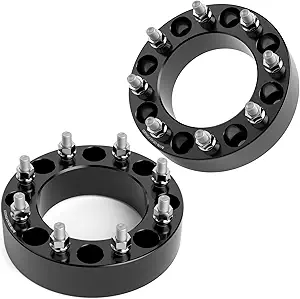 |
| Most Popular A crowd favorite that many people choose with confidence | SCITOO 2pc 2" 8×170 Wheel Spacers with 14×1.5 Studs and 124.9mm Hub Bore |  |
| Best Seller A high-volume bestseller chosen again and again | Rough Country 2" Wheel Spacers for Ford F-250/F-350 SuperDuty 4WD (Pair) |  |
1. Wheel Accessories Parts 2.00" Hub-Centric Wheel Spacers, 8x170mm, M14x1.5, 124.9mm Center Bore (4 Pack)

| Bolt pattern | 8 on 170mm |
|---|---|
| Center bore | 124.9mm |
| Thread size | M14 x 1.5 |
| Material | Forged 6061-T6 aluminum |
| Thickness | 2.00 Inch |
These rear hub-centric spacers are a straightforward way to widen the stance on compatible Ford Super Duty trucks while keeping a factory-style fit. The kit includes four 2.00-inch thick, CNC-machined spacers made from forged 6061-T6 aluminum and anodized for corrosion resistance. They use M14x1.5 studs and SAE 10.9 class hardware intended to retain wheel security and reduce the chance of vibration when mounted to the 124.9mm hub bore and 8 on 170mm bolt pattern. Installation is typical for wheel spacers: remove wheels, seat the spacer on the hub, torque to spec, then reinstall the wheel. The extra offset helps clear larger tires or aftermarket brakes and gives a wider stance that can improve perceived stability and handling on-road. Important limitations are that these are specific to the listed bolt pattern and hub diameter, so fitment must be verified before purchase, and using thicker spacers can change suspension and bearing loads so proper torque and periodic checks are advisable.
Best for: Balanced buyers who want a factory-like, durable wheel spacer to widen the rear track for improved clearance and stance while maintaining a precise hub-centered fit.
Less Ideal for: Buyers seeking a universal spacer solution or those unwilling to monitor additional stress on drivetrain and suspension after changing wheel offset.
- Forged 6061-T6 aluminum construction with CNC machining for precise hub-centric fit
- Anodized finish for improved corrosion resistance
- Includes M14x1.5 studs and SAE 10.9 class hardware for strong wheel retention
- 2.00-inch thickness increases track width to improve tire clearance and stance
- Only fits vehicles with 8 on 170mm bolt pattern and 124.9mm hub bore so compatibility is limited
- Thicker spacers can increase load on bearings and suspension components
Verdict: A durable, CNC-machined 2.00-inch hub-centric spacer built for Ford Super Duty owners who want a reliable way to widen rear track and clear larger tires or brakes.
2. PHILTOP 3" 8x170mm Wheel Spacers with 125mm Hub Bore and M14x1.5 Studs (4pcs)

| Bolt pattern | 8x170mm |
|---|---|
| Thickness | 3 inch (76.2mm) |
| Thread pitch | M14x1.5 |
| Hub bore | 125mm |
| Recommended torque | 90-100 ft/lbs |
These PHILTOP 3-inch wheel spacers push the wheel outboard to widen track and clear larger tires or aftermarket wheels on heavy-duty Ford trucks. They are forged from 6061-T6 aluminum, CNC machined, and anodized for corrosion resistance, and they use preinstalled heat-treated 12.9-grade studs for strength. Typical use is bolt-on installation at the rear axle to improve cornering stability, correct caliper or tire clearance, and give a more aggressive stance; installation should be performed by a professional or an experienced DIYer and requires checking bolt length and cutting or replacing studs if needed. The kit recommends 90 to 100 ft-lbs torque and re-torquing after 25 to 50 miles. Practical benefits include improved handling feel from a wider track and reliable fitment to the listed bolt pattern and hub bore, while limitations are the need to verify vehicle bolt length, potential need for glue or additional anti-corrosion steps, and the fact that 3-inch spacers significantly alter track width which may affect wheel bearing loads and steering geometry if paired with other major modifications.
Best for: Drivers who want a more aggressive stance and improved cornering stability on their Ford Super Duty by fitting wider tires or correcting caliper clearance, and who prioritize strength and a precision fit.
Less Ideal for: Drivers seeking a mild visual change or those unwilling to verify and possibly modify wheel bolt length or monitor suspension loads should consider smaller spacers or different fitment options.
- Forged 6061-T6 aluminum construction with anodized finish for corrosion resistance
- CNC machining and 12.9-grade heat-treated studs for precise fit and high strength
- 3" thickness provides ample clearance for larger tires and calipers
- Designed specifically for 8x170mm bolt pattern and 125mm hub bore for direct fit on listed Ford models
- 3-inch spacers substantially increase track width and can raise stresses on wheel bearings and suspension if other modifications are made
- Requires verification of wheel bolt length and possible cutting or replacement of vehicle bolts
- Installation and re-torqueing after initial miles are necessary to ensure safety
Verdict: If you need a strong, vehicle-specific 3" spacer to clear larger tires or calipers and sharpen rear-end stability on a Ford Super Duty, this PHILTOP kit is a robust, precision-fit choice.
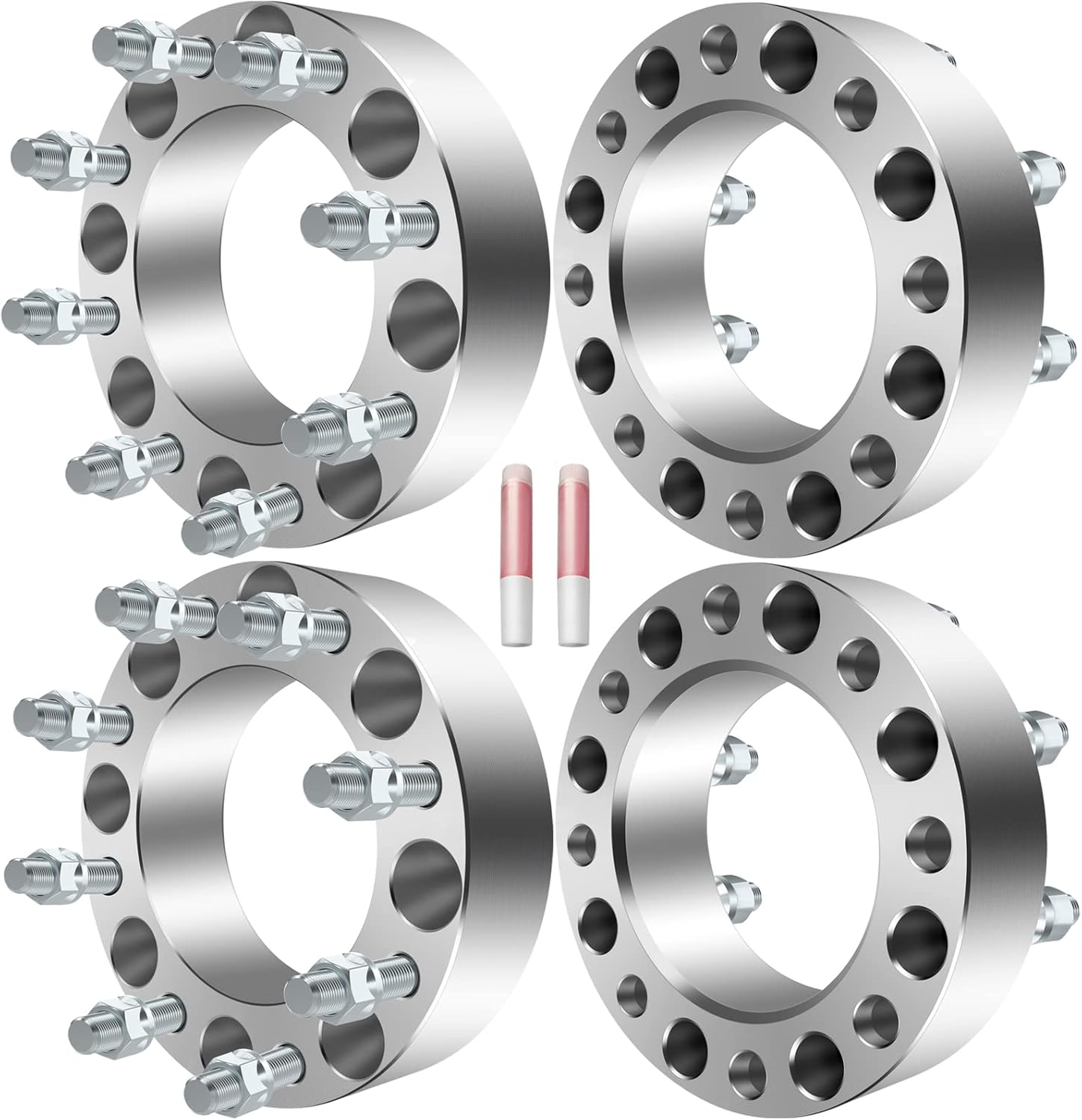
3. ECCPP 2" 8×170 Wheel Spacers, 125mm Hub Centric (4-piece)
| Bolt pattern | 8x170mm |
|---|---|
| Thickness | 2 inches |
| Hub bore | 125mm |
| Stud thread pitch | 14×1.5 |
These ECCPP 2-inch 8×170 wheel spacers push wheels outward to give a wider track, improving stance and allowing for better clearance with aftermarket wheels or suspension components. Designed as hub-centric adapters with a 125mm center bore and 14×1.5 studs, the four-piece kit installs between the hub and wheel using your existing hardware. The spacers are CNC machined from forged 6061-T6 aluminum and anodized for corrosion resistance, which keeps weight low while retaining strength for street and light-duty truck use. For a practical builder they deliver a noticeable handling feel from the wider track and make it easier to fit different wheel offsets without major modifications. Limitations are typical of any spacer: proper torque, rechecking lug torque after installation, and confirming fitment are required, and they are not a substitute for suspension or steering upgrades on heavily loaded or commercial-duty trucks.
Best for: Buyers who want a straightforward way to widen the rear track or clear aftermarket wheels on a Super Duty without complex mods and who prioritize reliable, factory-quality fit and finish.
Less Ideal for: Drivers who need solutions for commercial heavy towing, extreme off-road loads, or who prefer suspension-based handling changes should consider heavy-duty wheel adapters or suspension upgrades instead.
- Hub-centric 125mm center bore for accurate wheel centering
- Forged 6061-T6 aluminum with CNC machining for strength and consistent fit
- Anodized finish improves corrosion resistance in road conditions
- 2-inch thickness provides noticeable track widening for clearance and stance
- Intended for 8×170 bolt pattern only so fitment is limited to compatible trucks
Verdict: A practical, factory-quality 2-inch hub-centric spacer set that widens the rear track on 8×170 Super Duty trucks to simplify wheel fitment and improve stance.
4. FLYCLE 2" 8×170 Hubcentric Forged Wheel Spacers with 14×1.5 Studs

| Bolt pattern | 8x170mm |
|---|---|
| Thickness | 2 inch (50.8mm) |
| Thread pitch | 14×1.5 |
| Center bore | 125mm |
| Recommended torque | 85-90 LBS |
These FLYCLE 2-inch wheel spacers push the wheels outward two inches to improve stance, clear larger tires, and resolve caliper or suspension clearance issues on compatible Super Duty trucks. They come as a pair with 14×1.5 studs, a 125mm center bore, and are forged from 6061-T6 aluminum then CNC machined and anodized for corrosion resistance. Installation is typical for spacers: mount the spacer to the hub, torque to the recommended 85 to 90 lb-ft, then fasten the wheel to the spacer using the supplied studs and thread-locking compound. The practical benefits are straightforward: more clearance for wider tires and a wider track for a more aggressive look. Because these are hubcentric and use high-strength studs, they are aimed at maintaining alignment and minimizing vibration when fit correctly. Limitations to note are the specific fitment to Ford Super Duty rear axles (not for dual rear wheel DRW on many models) and that proper installation and periodic torque checks are required to avoid fastener issues over long-term use.
Best for: Buyers looking for an affordable way to fit wider tires or correct brake clearance on a Super Duty without changing wheels; practical, budget-minded owners who are comfortable with bolt-on modifications and routine torque checks.
Less Ideal for: Drivers who need spacers for dual rear wheel trucks, those who want a universal fit across multiple vehicle types, or owners unwilling to perform or verify torque and fitment procedures.
- Forged 6061-T6 aluminum construction for strength and corrosion resistance.
- Hubcentric design and 125mm center bore help reduce vibration when properly matched to the hub.
- Includes high-strength 14×1.5 studs and thread-locking compound for secure installation.
- 2-inch thickness provides significant additional tire clearance and a wider track for improved stance.
- Fitment is limited to specific F250/F350 Super Duty configurations and is not suitable for many dual rear wheel setups.
- Requires correct torque procedure and periodic rechecks to maintain clamping security.
Verdict: A cost-conscious, forged hubcentric spacer that gives F-350/250 Super Duty trucks two inches of reliable clearance and a wider stance when installed and torqued correctly.
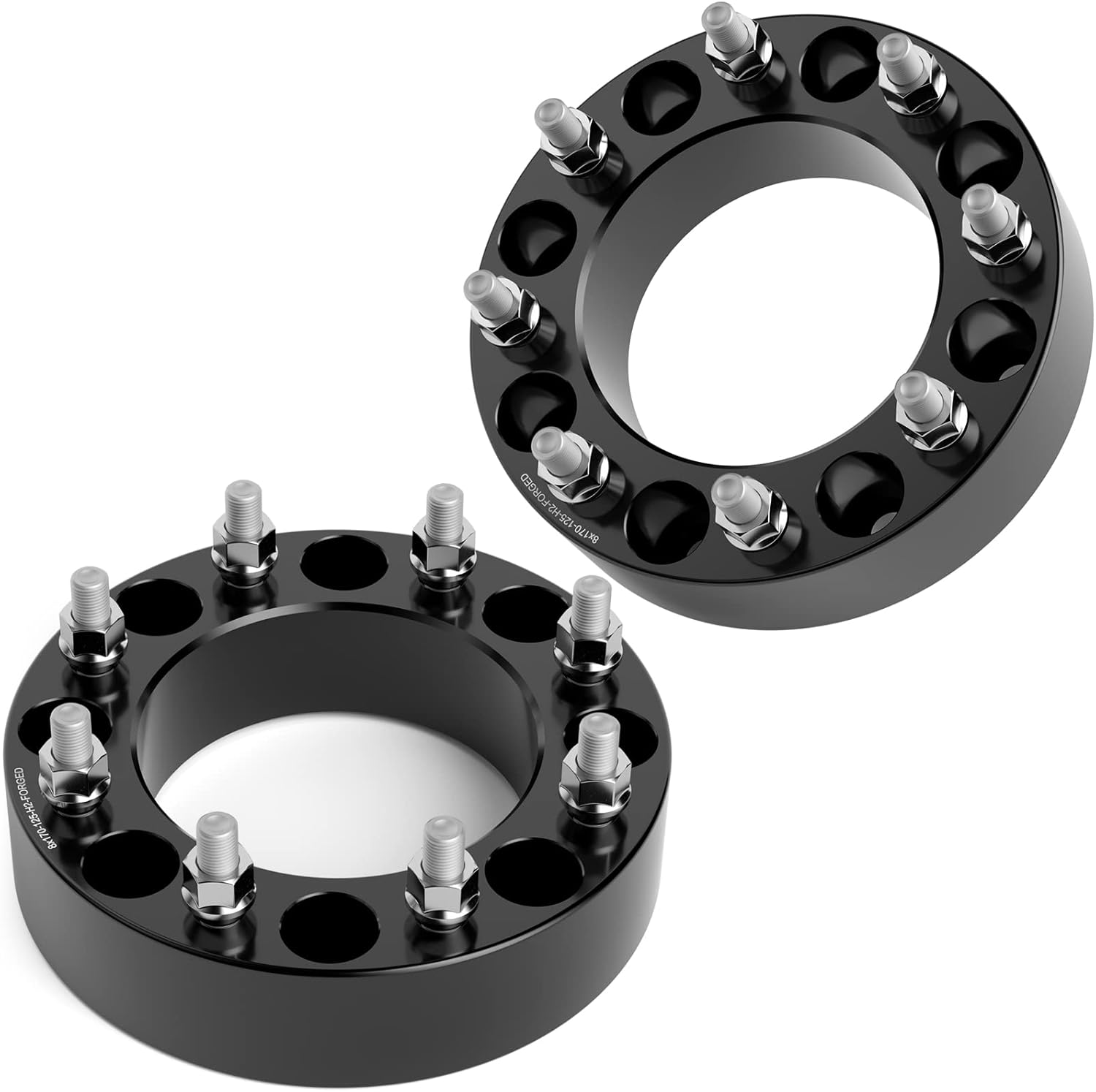
5. KSP PERFORMANCE 2" 8×170 Wheel Spacers for F250/F350 (125mm Bore, 14mmx1.5 Studs)
| Bolt pattern | 8x170mm |
|---|---|
| Thread pitch | 14mmx1.5 |
| Hub bore | 125mm |
| Thickness | 2" (50.8mm) |
These KSP 2-inch wheel spacers are made for 8×170 Ford Super Duty applications and are intended to move the wheel face outward two inches to improve tire clearance and stance. Constructed from 6061-T6 aluminum and black anodized for corrosion resistance, they use hardened 10.9-grade bolts to secure the spacer to the hub and maintain clamping strength. Typical use is bolt-on installation between the hub and wheel to correct brake caliper clearance, provide room for larger tires, or widen track for a more aggressive look and added cornering stability. Because they are lug-centric rather than hub-centric, careful fitment and proper torqueing (manufacturer recommends 85-95 ft-lbs) are required to avoid runout; a centering ring or professional installation can help. The spacers are lightweight compared with steel alternatives and resist corrosion, but installers should inspect bolt torque after break-in and be aware they change wheel hub loading and may affect suspension and bearing life if combined with other heavy modifications.
Best for: Buyers who prioritize dependable, factory-quality upgrades to achieve proper tire and caliper clearance on heavy-duty Ford trucks and who plan professional or careful installation and maintenance.
Less Ideal for: Drivers looking for a hub-centric, maintenance-free spacer or those unwilling to check torque and hub condition after installation should consider other options.
- Made from 6061-T6 aluminum for a strong yet lightweight spacer
- Black anodized finish improves corrosion resistance
- Uses heat-treated 10.9-grade bolts for reliable clamping strength
- 2-inch thickness provides significant clearance for larger tires or calipers
- Specific fit for 8×170 8-lug Ford Super Duty wheel pattern
- Lug-centric design means additional centering measures may be needed to ensure perfect wheel runout
- Adds additional load to wheel bearings and suspension components which can affect long-term wear
Verdict: A robust, corrosion-resistant 2-inch aluminum spacer built to give F250/F350 trucks reliable clearance and a wider stance when installed and maintained properly.
6. SCITOO 2pc 2" 8×170 Wheel Spacers with 14×1.5 Studs and 124.9mm Hub Bore

| Bolt pattern | 8×170 |
|---|---|
| Thickness | 50mm (2 inch) |
| Stud thread pitch | 14×1.5 |
| Center bore | 124.9mm |
| Stud grade | 10.9 |
These SCITOO spacers are a bolt-on way to push wheels outward 2 inches on compatible Ford Super Duty rear hubs. Machined from forged aluminum and CNC finished, they are hub-centric with a 124.9mm bore and come with 14×1.5 studs rated Grade 10.9; the listing notes pre-set stud lengths to clear most factory bolts and recommends 85–90 ft·lb torque. In practice they are used to improve stance, increase tire clearance, and reduce perceived top-heaviness and body roll when cornering or running wider tires. The included studs and larger bore simplify centering compared with generic spacers, and the forged aluminum keeps weight down while maintaining strength. Important limits: these are vehicle-specific fitments for Ford F-250/F-350 family years listed in the guide so confirm year/model fitment before buying, and the manufacturer advises professional installation and re-torquing after 50–60 miles to avoid wheel fastener issues. Also some vehicles may still require trimming of factory studs despite the pre-adjustment.
Best for: Buyers who want a factory-quality rear spacer for a Ford Super Duty to run wider tires or improve stance while prioritizing a centered, mechanically secure installation backed by visible customer feedback.
Less Ideal for: Drivers who need a universal spacer for multiple vehicle makes or those unwilling to follow recommended torque and inspection procedures should consider other options.
- Purpose-built hub-centric design with 124.9mm bore for accurate wheel centering.
- Forged aluminum construction with CNC machining for strength and precise tolerances.
- Supplied Grade 10.9 studs and pre-adjusted stud length to simplify installation.
- Designed to reduce body roll and provide extra tire clearance for wider setups.
- Fitment is vehicle-specific so incorrect selection risks incompatibility.
- Manufacturer recommends professional installation and periodic re-torqueing to ensure safety.
Verdict: If you want a strong, hub-centric 2-inch rear spacer made for Ford Super Duty trucks to safely widen track and clear larger tires, this SCITOO kit is a practical, well-prepared choice.
7. Rough Country 2" Wheel Spacers for Ford F-250/F-350 SuperDuty 4WD (Pair)

| Bolt pattern | 8x170mm |
|---|---|
| Material | 6061-T6 Aluminum |
| Thickness | 2" |
| Position | Outer |
These Rough Country 2-inch wheel spacers move the wheels outward to allow wider tires and a more aggressive stance on Ford SuperDuty 4WD trucks. Made from 6061-T6 aluminum with a machined finish and preinstalled studs, the spacers are corrosion resistant and designed to be hub-centric where applicable, which helps maintain proper wheel alignment and reduce vibration. Installation is vehicle-specific and drilling is not required, and the company recommends professional installation and follow-up torque checks. Practical benefits include compatibility with both factory hub-centric wheels and lug-centric aftermarket wheels and an estimated one-hour install time for someone experienced. Limitations to be aware of are fitment exclusions: they do not fit dually models and are not compatible with 2017+ models that have a 4-inch axle, and they require trucks with 14mm x 1.5 wheel studs. For buyers prioritizing reliability and a factory-style fit, these spacers offer a straightforward way to run wider tires, but confirm your axle and stud specifications before committing.
Best for: Buyers who want a factory-style, durable spacer to run wider tires on a SuperDuty 4WD and who prefer a straightforward, professionally installed upgrade with predictable fitment.
Less Ideal for: Owners of dually trucks, F-350s with a 4-inch axle (2017+), or those unwilling to verify stud and axle compatibility should look elsewhere.
- 6061-T6 aluminum construction provides corrosion resistance and strength
- Preinstalled studs reduce installation time and simplify mounting
- Hub-centric design (where applicable) helps maintain alignment and reduce vibration
- Works with both factory hub-centric wheels and lug-centric aftermarket wheels
- Does not fit dually models or 2017+ models with a 4-inch axle
- Fitment limited to vehicles with 14mm x 1.5 wheel studs
Verdict: A durable, hub-capable 2-inch spacer that gives Ford SuperDuty 4WD trucks the clearance for wider tires while favoring buyers who want a reliable, professional-fit upgrade.
Choosing the Right Ford F-350 Rear Wheel Spacers: Key Factors to Consider
Bolt Pattern and Center Bore Fitment
Matching the bolt pattern and center bore is the first and most critical step. The F-350 rear hub must align precisely with the spacer so the wheel seats true and runout is minimized. A hubcentric spacer that matches the hub diameter helps transfer loads through the hub rather than the lug studs, reducing stress and vibration.
If the spacer does not match the factory center bore, the result can be wheel misalignment, uneven lug loading, and premature stud fatigue. Verify the bolt circle diameter, lug count, and center bore size for your F-350 axle before selecting spacers, and allow for wheel-specific tolerances when measuring existing components.
Material and Corrosion Resistance
Material choice affects strength, longevity, and weight. Heat-treated forged or billet aluminum spacers reduce weight and resist corrosion when coated properly, while steel spacers typically offer higher raw strength but add more unsprung mass. For a heavy-duty truck like the F-350, consider materials that balance load capacity with corrosion protection for long-term service.
Look for protective finishes such as anodizing, ceramic coatings, or powder coats that stand up to road salt and brake dust. Poorly protected spacers can corrode at the hub interface, making removal difficult and potentially compromising fit over time.
Load Rating and Structural Design
The F-350 rear axle experiences heavy loads during towing and hauling, so spacers must have a clear static and dynamic load rating. Manufacturers that publish load capacities and test data offer more confidence. Structural design factors such as thickness, ribbing, and stud retention method determine how the spacer distributes forces between the wheel and hub.
Overly thin or poorly reinforced spacers may flex under load, increasing bearing stress and wheel vibration. Choose spacers designed to handle the gross vehicle weight and anticipated tongue or trailer loads specific to heavy-duty trucks.
Fastening Method and Stud Integrity
How the spacer fastens to the hub and how the wheel fastens to the spacer are central to safe operation. Options include using extended studs, stacked stud systems, or spacers that bolt to existing studs and accept factory lug nuts. Each method has pros and cons for strength, serviceability, and alignment.
Extended studs must be of adequate grade and length to maintain proper thread engagement. Systems that add studs or use captive nuts can simplify installation but introduce additional failure modes. Verify recommended torque specs and ensure any installation preserves sufficient thread engagement for the lug nuts to seat safely.
Spacer Thickness and Wheel Offset Effects
Spacer thickness directly changes effective wheel offset and track width. Small thickness changes can improve clearance for brakes or suspension components, while larger spacers create wider stance and altered steering geometry. For the F-350 rear, thickness choices should balance desired clearance with the effects on hub loads, bearing preload, and handling behavior.
Consider incremental increases rather than extreme widths and evaluate any changes to wheel bearing loads and CV or axle joint angles. Use thickness recommendations specific to rear axle clearance needs rather than arbitrary measurements based on appearance alone.
Installation Requirements and Serviceability
Ease of installation and future maintenance matter for truck owners who tow and travel long distances. Determine whether the spacer requires any special tools, an installation kit, or updated torque specs for lug nuts and hub fasteners. Some spacers include longer studs or replacement hardware; others reuse factory studs and require careful torque sequencing.
Also consider how easy the spacer will be to remove for tire rotation, brake service, or bearing inspection. Designs that facilitate routine maintenance reduce long-term ownership hassle and the risk of corrosion seizing components together.
Why Rear Spacers Matter on the F-350
Rear spacers do more than change the look of your truck. On the Ford F-350 they can provide necessary clearance for wider tires, correct rubbing against fender wells or suspension components, and help with load distribution when using wider aftermarket wheels. Properly chosen spacers can also shift track width to improve stability when towing heavy trailers.
Because the F-350 often operates under higher loads than light-duty trucks, the rear axle sees different stresses. Thoughtful spacer selection prevents unintended increases in bearing and hub stresses while delivering the clearance or stance adjustments you need.
- Create clearance for larger tires or different wheel offsets
- Adjust track width for improved stability under load
- Allow use of aftermarket wheels that otherwise rub on suspension components
Hub-Centric Vs Lug-Centric Considerations
Hub-centric spacers center the wheel on the hub and reduce the reliance on lug nuts to locate the wheel. For the F-350, a hub-centric design can minimize runout and vibration, which is especially important when towing. Lug-centric spacers rely on the lug studs for centering and can be acceptable if the studs and nuts are high quality and properly torqued.
When choosing between the two, prioritize hub-centric options if you notice any existing vibration or if you are increasing spacer thickness significantly. Confirm that the spacer's center bore matches the F-350 hub to gain the full benefit of a hubcentric interface.
- Hub-centric reduces runout and potential vibration
- Lug-centric can work if studs are high grade and properly torqued
- Confirm center bore match for hub-centric benefits
Common Installation Steps and Torque Guidance
Proper installation follows a consistent sequence: clean mating surfaces, trial-fit the spacer, torque the spacer fasteners to the manufacturer-recommended values, mount the wheel, and then torque the wheel lugs in the correct star pattern to the specified torque. For F-350 rear applications, maintaining sufficient thread engagement and following torque specs for both spacer hardware and wheel nuts is essential to long-term reliability.
If the spacer requires extended studs or additional hardware, use grade-rated components and re-torque after the first 50 to 100 miles of driving. Using an appropriate wheel spacer installation kit simplifies the process and ensures you have the correct studs, nuts, and washers for a secure fit.
- Clean hub and wheel mating surfaces before installation
- Torque spacer and wheel fasteners to specified values using a star pattern
- Re-check torque after initial driving period
How Spacer Thickness Affects Driving and Maintenance
Thickness changes alter wheel offset and track width, which can influence handling, steering feel, and wheel bearing loads. On the F-350 rear, modest thickness increases are usually safe if the spacers are properly rated and installed. Larger widths may increase stress on bearings and studs and should be justified by clearance needs rather than aesthetics.
Maintenance considerations include monitoring lug nut torque, checking for any unusual noises, and inspecting for corrosion at the hub-spacer interface. A regular check during scheduled maintenance will catch issues early if thickness increases have altered component loads.
- Small thickness increases provide clearance with minimal handling impact
- Large spacers change bearing loads and require careful justification
- Regular torque checks and inspections help maintain safety
Choosing an Installation Kit and Tools
An installation kit can include longer studs, replacement nuts, and washers sized to the spacer, which removes guesswork and ensures correct thread engagement. For the F-350 rear axle, choose kits that specify stud grade and length to match the spacer thickness and wheel specifications. Using an impact gun for initial seating is fine, but final torque should always be applied with a calibrated torque wrench.
You will also need basic tools such as a jack rated for the truck, safety stands, a breaker bar for stubborn nuts, and anti-seize or thread locker where recommended by the spacer manufacturer. Planning for these tools makes the job faster and reduces the chance of installation errors.
- Installation kit ensures correct stud length and hardware compatibility
- Use calibrated torque wrench for final torque values
- Have proper jacking and safety equipment on hand
Signs You Need a Different Spacer or Reinstallation
Watch for vibration, unusually high lug-torque loss between services, or visible corrosion at the hub-spacer interface. These issues can indicate poor fitment, inadequate torque, or incompatible materials. If you notice any of these symptoms, remove the wheel and spacer for inspection and confirm centering and hardware condition.
Also reassess spacer thickness if tire wear patterns change, if steering feel alters markedly, or if towing behavior seems less stable. Addressing problems early prevents secondary damage to bearings, studs, and hubs.
- Vibration or frequent torque loss signals inspection needed
- Visible corrosion or loosened hardware requires immediate attention
- Abnormal tire wear or handling changes may mean spacer re-evaluation
Still looking for the perfect fit?
Select your Ford F-350 configuration to see the most relevant Wheel Spacers recommendations
How We Chose the Best Ford F-350 Rear Wheel Spacers
We assembled this list by applying targeted, truck-specific filters that reflect the demands of the Ford F-350 rear axle and typical use cases such as towing, hauling, and offroad clearance. Our primary evaluation criteria were fitment accuracy, fastening method, material and corrosion resistance, load rating and hub interface, and serviceability for installation and maintenance.Fitment accuracy required confirmed bolt pattern alignment and center bore matching to minimize runout. Fastening method prioritized how the spacer integrates with existing studs or uses hub-centric design to maintain wheel centering and torque retention. Material and corrosion resistance focused on heat-treated aluminum or steel options with protective coatings suited to harsh road conditions. Load rating and hub interface ensured the spacer could handle the F-350 rear axle loads without altering safe load distribution. Serviceability examined whether the spacer worked with standard wheel studs, allowed for correct torque specs, and whether an installation kit was recommended.We excluded spacers that lacked clear load ratings, ambiguous stud or hub dimensions, or those that relied solely on cosmetic claims. The resulting picks are those that met the mechanical and practical requirements important to Ford F-350 owners.
Our full evaluation process is outlined in our review methodology.
FAQ
Can I install rear wheel spacers on an F-350 myself?
Often you can install spacers yourself if you have a proper jack, torque wrench, and basic mechanical skills. Follow the spacer maker's instructions, use the correct torque values, and re-check torque after initial driving. If you are unsure about stud engagement or hub fitment, seek professional help.
Do rear wheel spacers affect towing capacity on the F-350?
Spacers themselves do not change the vehicle's rated towing capacity, but they can alter load distribution and bearing stresses. Choose spacers with appropriate load ratings and inspect components regularly when towing frequently.
How thick can rear spacers be on the F-350 before causing problems?
There is no universal maximum because impact depends on wheel offset, stud engagement, and load. Generally, modest thicknesses for clearance are safe, while very wide spacers increase bearing and stud loads and require careful engineering justification.
Will adding rear spacers cause vibration on my F-350?
It can if spacers are not properly centered or if lug nuts are inadequately torqued. Choosing hub-centric spacers that match the center bore and following torque procedures minimizes the risk of vibration.
Do I need longer studs when installing rear spacers on the F-350?
You may need longer studs depending on spacer thickness to maintain sufficient thread engagement for lug nuts. Many spacers come with recommended stud lengths or an installation kit; if not, calculate required engagement and use grade-rated studs.
How often should I re-torque wheel nuts after installing spacers?
Re-torque the wheel nuts and spacer fasteners after the first 50 to 100 miles of driving, then check periodically during routine maintenance intervals. Frequent checks are wise when towing or after exposure to rough conditions.
Final Verdict
Prioritize fitment, load rating, and fastening integrity when choosing rear wheel spacers for the Ford F-350. Confirm bolt pattern and center bore match, select materials and finishes suitable for heavy-duty use, and ensure the spacer design preserves adequate thread engagement and bearing loads.Balance the clearance or stance gains you want against potential changes in bearing and stud stress. With careful selection and correct installation, spacers can provide the clearance and stance you need while maintaining safe operation of your F-350.
