

Note: This article contains affiliate links. If you click on these links and make a purchase, I may earn a small commission at no extra cost to you. This helps support my research and content. Read my full affiliate disclosure here.
Replacing a worn rear lower control arm can correct alignment drift, restore predictable handling, and stop annoying clunks or vibration in your Honda CR-V. Whether you use the vehicle for daily commuting or hauling gear, the rear control arm is a key suspension link that affects tire wear, ride comfort, and vehicle stability.This guide covers the seven top rear lower control arms shortlisted for the Honda CR-V and explains the practical differences that matter for installation, long-term durability, and ride quality. Read on to see the evaluation criteria and practical tips to help you pick the right arm for your needs.
Looking for other parts? See all Honda CR-V parts & accessories.
Top Picks at a Glance
| Best Overall The best all-around choice for most situations | A-Premium Rear Lower Forward Control Arms (pair) | 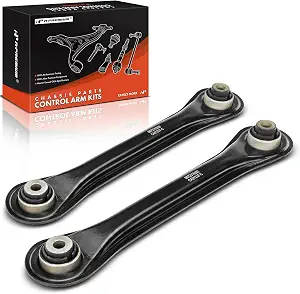 |
| Best Quality Built to a higher standard if you want something more solid | Truhart Rear Lower Control Arms for 1997–2001 Honda CR-V, Polished Aluminum |  |
| Best Value The sweet spot between price and what you get | A-Premium Rear Lower Control Arms with Bushing for Honda CR-V (1997–2001) |  |
| Best Budget The cheapest option that still gets the job done reliably | TUCAREST Rear Lower Forward Control Arm (Passenger Side) K641875 |  |
| Highest Rated A top-rated pick with lots of positive feedback | maXpeedingrods Rear Lower Control Arms, Aluminum, Vehicle-Specific Fit |  |
| Most Popular A crowd favorite that many people choose with confidence | Detroit Axle Rear Lower Control Arms (2) for 1997–2001 Honda CR-V |  |
| Best Seller A high-volume bestseller chosen again and again | Detroit Axle Rear Upper & Lower Control Arms with Sway Bar End Links — 6‑Piece Kit |  |
1. A-Premium Rear Lower Forward Control Arms (pair)
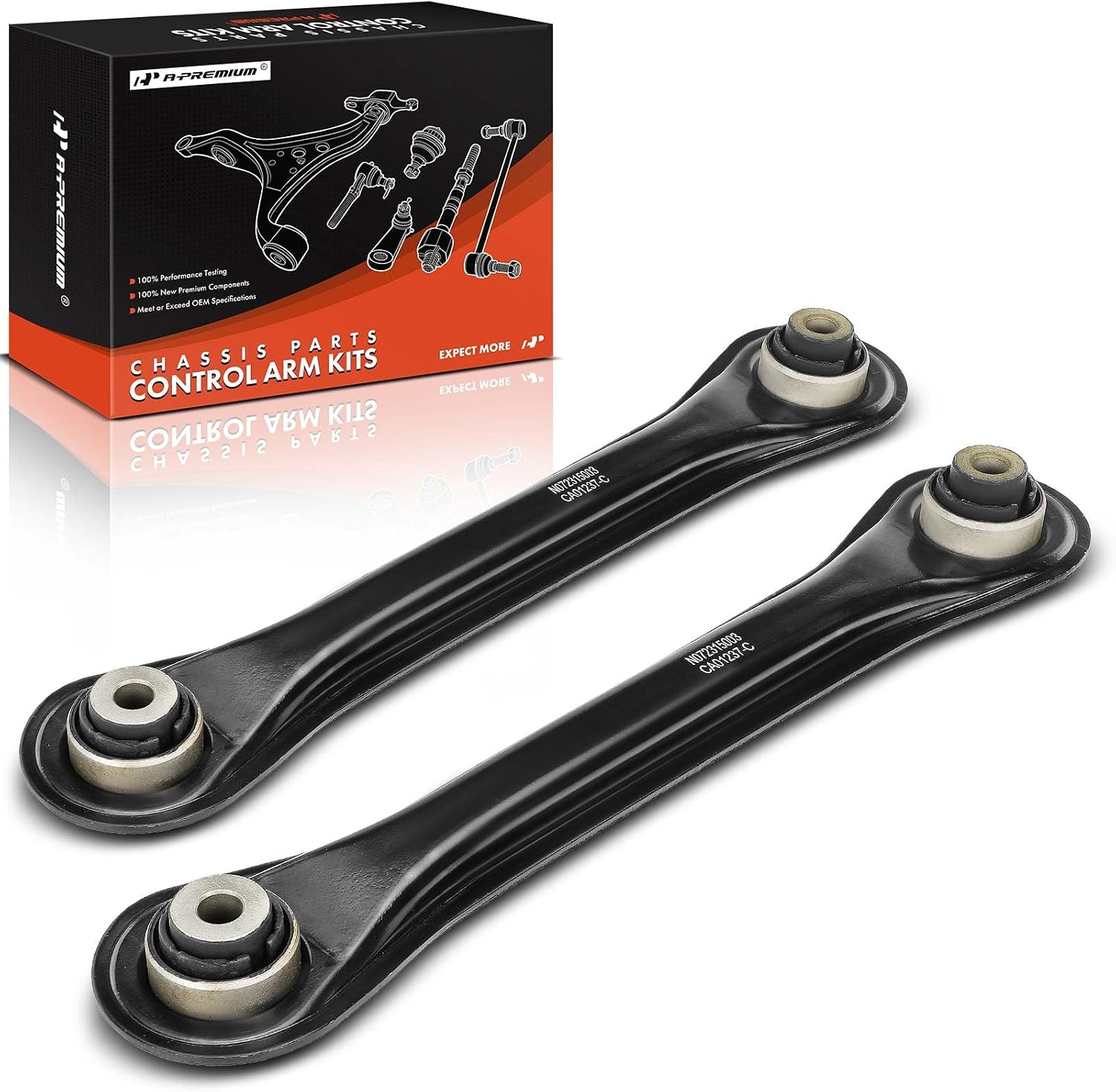
| Position | Rear Lower |
|---|---|
| Material | Steel |
| Control Arm Bushing Included | Yes |
| Pre-Greased | Yes |
These A-Premium rear lower forward control arms replace the factory rear lower links on compatible Honda and Acura vehicles and are supplied as a left-and-right pair with installed bushings. Made from steel with a corrosion-resistant coating and pre-greased bushings, they are intended as direct-fit replacements that simplify installation and restore rear suspension geometry. Typical uses include repairing clunking or knocking noises, correcting steering wander, reducing uneven tire wear, and eliminating vibration caused by worn rear lower arms. Notable features are the included bushings, factory-matching mounting points, and a finish intended to resist corrosion. Practical benefits are straightforward installation for DIY mechanics or professional shops and a return to stable, predictable rear handling when worn parts are replaced. Limitations are that ball joints are not included, so any affected ball joints must be sourced separately, and fitment is limited to the listed Honda and Acura model years, so confirm vehicle compatibility before purchase.
Best for: Buyers who want a straightforward, factory-style replacement to restore rear suspension performance and quietness on compatible Honda or Acura models, and who value a balance of durability and ease of installation.
Less Ideal for: Not a good choice for shoppers seeking a heavy-duty aftermarket performance upgrade or those who need parts for vehicles outside the listed fitment years and models.
- Sold as a left-and-right pair for complete rear-side replacement
- Pre-greased bushings included to reduce initial maintenance and make installation easier
- Steel construction with corrosion-resistant coating for durability in road conditions
- Designed to match factory mounting points for straightforward direct-fit installation
- Does not include ball joints, which must be replaced separately if worn
Verdict: Choose these A-Premium rear lower forward control arms when you want a balanced, direct-fit replacement that restores rear suspension stability and reduces noise on supported Honda and Acura models.
2. Truhart Rear Lower Control Arms for 1997–2001 Honda CR-V, Polished Aluminum

| Fit Type | Vehicle Specific Fit |
|---|---|
| Auto Part Position | Lower |
| Auto Part Orientation | Rear |
| Material Type | Aluminum |
These Truhart rear lower control arms replace the factory lower arms on 1997–2001 Honda CR-Vs with polished aluminum units aimed at improved response and durability. They are typically used by owners upgrading suspension for sharper rear-end control during spirited driving and light track use. Notable features include lightweight aluminum construction, heavy-duty bushings sourced from Hardrace, a swaybar mounting bracket for secure antiroll connection, and dual shock mounting points that let you retain factory ride height or lower the rear about 0.5 inch. In practice the lighter arms reduce unsprung mass and, combined with firmer bushings, deliver crisper steering feedback and improved handling stability under cornering. Installation is like a direct replacement but may need alignment afterward and more care during torqueing to avoid creaks. These arms are performance-oriented rather than comfort-focused, so drivers prioritizing a softer, OEM-like ride may find the firmer bushing feel noticeable on rough roads.
Best for: Drivers who want a noticeable handling improvement from the rear suspension and prioritize sharper response and durability for spirited street driving or occasional track use.
Less Ideal for: Buyers who prioritize a soft, factory-like ride, maximum isolation from road noise, or those seeking a purely budget replacement part.
- Lightweight aluminum reduces unsprung mass for sharper handling
- Heavy-duty Hardrace bushings increase durability and lateral control
- Swaybar mounting bracket preserves or improves antiroll connectivity
- Dual shock mounts allow keeping factory height or lowering rear about 0.5 inch
- Stiffer bushings produce a firmer ride that may transmit more road harshness
Verdict: Choose these arms if you want a lightweight, performance-focused rear lower control arm upgrade that sharpens rear handling and offers durable bushings.
3. A-Premium Rear Lower Control Arms with Bushing for Honda CR-V (1997–2001)
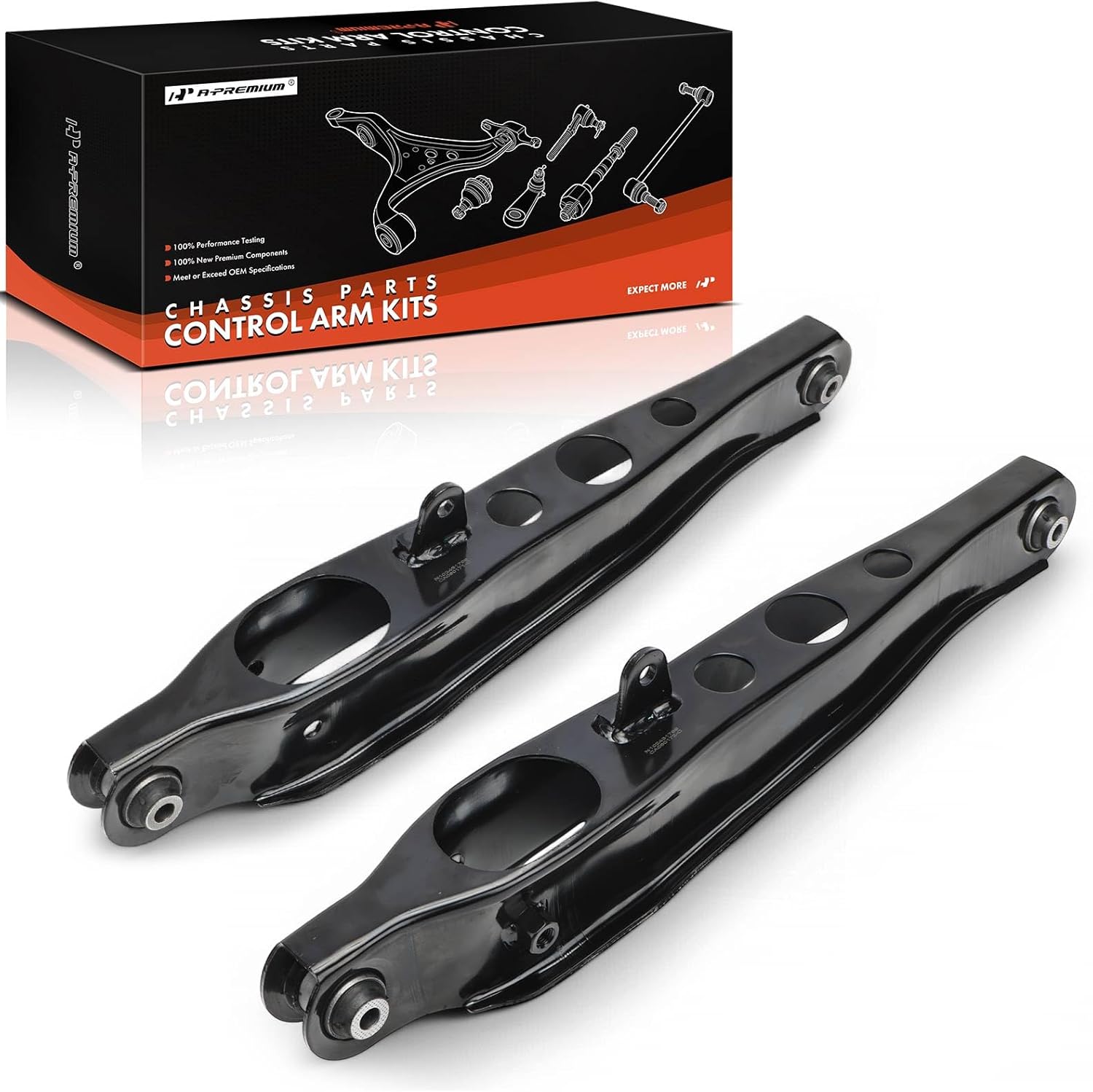
| Compatible Vehicles | Honda CR-V 1997–2001 L4 2.0L only |
|---|---|
| Position | Rear Lower |
| Material | Steel |
| Control Arm Bushing Included | Yes |
These A-Premium rear lower control arms are a direct replacement for the rear lower suspension on 1997–2001 Honda CR-V L4 2.0L models and come as a pair for left and right sides. Constructed from steel with a corrosion-resistant coating, each arm includes the control arm bushing but not the ball joint, so installation typically involves swapping the included bushings into the vehicle and reusing or replacing ball joints as needed. In use the parts aim to restore rear suspension geometry and address common symptoms such as clunking, steering wander, uneven tire wear, and vibration. The unit-matching dimensions simplify fitment for the listed CR-V years and reduce installation time for a competent DIYer or a shop. Expect a straightforward factory-replacement feel; the arms are not pre-greased and the package does not include ball joints, which means additional parts or labor may be required for a complete suspension refresh. The seller notes a one-year unlimited-mileage warranty that provides basic coverage after installation.
Best for: Buyers who want a practical, factory-style replacement to restore rear suspension function on a 1997–2001 Honda CR-V and prefer a cost-conscious repair done by a capable DIYer or an independent shop.
Less Ideal for: Not a good choice for someone seeking upgraded performance suspension components or a complete drop-in solution that includes ball joints and lubrication ready for immediate fit-and-go installation.
- Sold as a left and right pair for rear lower positions so both sides can be replaced at once
- Steel construction with corrosion-resistant coating for durability in road conditions
- Includes control arm bushings to address worn-bushing symptoms without sourcing separate bushings
- Designed to match original dimensions for straightforward fitment on specified CR-V models
- Backed by a one-year unlimited-mileage warranty for basic post-installation protection
- Does not include ball joints or pre-greasing, so additional parts or labor may be needed for a full suspension overhaul
Verdict: A practical, factory-dimension replacement pair that restores rear suspension function on 1997–2001 Honda CR-Vs without unnecessary extras.
4. TUCAREST Rear Lower Forward Control Arm (Passenger Side) K641875

| Fit Type | Vehicle Specific Fit |
|---|---|
| Auto Part Position | Lower |
| Auto Part Orientation | Passengers Side |
This TUCAREST rear lower forward control arm is a direct-fit replacement engineered to match the factory function for the passenger side rear suspension. It installs as a one-for-one replacement and is used to restore proper wheel location and controlled up-and-down movement, replacing a worn or damaged arm and its bushings. The part is produced under factory-spec processes with multiple quality checks, and the listing includes OEM-equivalent part numbers to help confirm fit. For a budget-focused buyer the part offers practical value: it is compact, appears well finished in black, and is intended for straightforward bolt-on installation without suspension modifications. Limitations to consider are that the listing emphasizes vehicle-specific fit so you must confirm compatibility carefully, and this single arm does not include additional hardware or matching components which some repair jobs require. Expect to pair it with fresh fasteners or a shop-installed ball joint if your repair scope calls for it.
Best for: Buyers looking for an affordable, factory-quality passenger-side rear lower control arm to restore suspension geometry on a Honda CR-V without modifying the vehicle.
Less Ideal for: Shoppers seeking a full suspension overhaul kit or a matched pair replacement should consider options that include both sides and mounting hardware.
- Vehicle-specific fit engineered to match factory function for direct replacement
- Manufactured with multiple quality control checks to meet OEM-equivalent standards
- Compact, finished design suitable for bolt-on installation without modification
- Includes cross-referenced OEM equivalent part numbers for easier fit confirmation
- Sold as a single passenger-side arm so matching or driver-side replacement may be needed
- Does not list included hardware or fasteners which may require separate purchase
Verdict: A cost-conscious, factory-spec passenger-side rear lower control arm that restores proper suspension function with a direct-fit replacement.
5. maXpeedingrods Rear Lower Control Arms, Aluminum, Vehicle-Specific Fit

| Fit Type | Vehicle Specific Fit |
|---|---|
| Auto Part Position | Rear Lower |
| Material Type | Aluminum |
| Unit Count | 2.0 Count |
These rear lower control arms replace the factory units for the listed vehicles and are built from anodized aluminum to resist corrosion while cutting weight. They come as a two-piece set with upgraded polyurethane bushings that increase suspension responsiveness and include Zerk fittings for periodic lubrication, which simplifies maintenance and can extend bushing life. In typical use they restore rear suspension geometry and handling after worn arms cause play, and the lighter aluminum construction can slightly improve steering feedback. Installation is straightforward for a competent DIYer or shop, though one reviewer noted minor bolt length adjustments were needed on a 2004 CR-V. The anodized finish and polyurethane bushings make these arms a durable option for daily drivers who prioritize long-lasting components, but they are vehicle-specific so confirm the fitment list before buying. Overall they balance corrosion resistance, improved responsiveness, and serviceability for a reliable replacement.
Best for: Buyers who want a durable, serviceable replacement that restores rear suspension feel and resists corrosion for everyday driving and long-term reliability.
Less Ideal for: Drivers seeking an off-road or heavy-load performance upgrade or those who need universal-fit parts should look elsewhere.
- Anodized aluminum construction resists rust and reduces weight compared with steel
- Upgraded polyurethane bushings improve suspension responsiveness and durability
- Zerk grease fittings allow easy lubrication and lower maintenance
- Supplied as a complete two-arm set for rear lower position
- Vehicle-specific fit means it only fits the listed models and years
- Some installations may require bolt length changes or minor modifications
Verdict: A corrosion-resistant aluminum replacement with upgraded bushings and grease fittings that delivers dependable, long-lasting rear suspension performance for the specified Honda CR-V and related models.
6. Detroit Axle Rear Lower Control Arms (2) for 1997–2001 Honda CR-V

| Fit Type | Vehicle Specific Fit |
|---|---|
| Auto Part Position | Rear Lower |
| Manufacturer Part Number | MS60171_MS60172 |
| Manufacturer | Detroit Axle |
These Detroit Axle rear lower control arms arrive as a two-piece replacement kit intended to restore rear suspension geometry and steering stability on 1997–2001 Honda CR-Vs. Each assembly comes preassembled with bushings and ball joints so installation is typically a direct bolt-in job for a home mechanic or shop, and many buyers report straightforward fitment with no modifications required. The arms are built to aftermarket standards and are tested for impact, wear, and fatigue, which translates to a firmer rear end and reduced noise from worn suspension links. The included ball joints are sealed, which reduces routine maintenance but means they cannot be greased after installation. Expect solid construction and a 10-year manufacturer warranty, but be aware the kit may arrive without fasteners in some cases so you might reuse original bolts or source new hardware. For CR-V owners restoring handling and replacing failing rear lower arms, these offer a convenient, mostly trouble-free replacement that balances durability and value.
Best for: Buyers who want a ready-to-install, factory-replacement style rear lower control arm set that restores handling and eliminates play without custom work and who value evidence of consistent fitment from other owners.
Less Ideal for: Drivers who prefer fully serviceable suspension components or need replacement parts that include fresh mounting hardware with the kit.
- Vehicle-specific design for direct bolt-in fit on 1997–2001 Honda CR-V rear lower position
- Preassembled with bushings and sealed ball joints for faster installation
- Undergoes impact, wear, and fatigue testing aimed at durability
- Backed by a long 10-year manufacturer warranty
- Sealed ball joints cannot be serviced or greased after installation
Verdict: A practical, mostly bolt-in replacement pair that reliably restores rear suspension feel on 1997–2001 Honda CR-Vs with broad positive user feedback.
7. Detroit Axle Rear Upper & Lower Control Arms with Sway Bar End Links — 6‑Piece Kit

| Fitment | 1997-2001 Honda CR-V |
|---|---|
| Kit contents | 2 rear lower arms, 2 rear upper arms (with ball joints), 2 sway bar end links |
| Material Type | Alloy Steel |
| Auto Part Position | Rear |
This Detroit Axle kit supplies both rear lower and upper control arm assemblies plus rear sway bar end links as a single replacement package for 1997–2001 Honda CR‑V models. Designed as vehicle‑specific direct-fit components, the assemblies come with preinstalled ball joints and use premium alloy steel intended to resist corrosion and repeated impact loads. In practice the kit simplifies a multi-part repair because it covers all four control arms and both end links, which helps restore rear alignment and reduce play or side‑to‑side rocking. Fitment reports show straightforward installation for mechanically competent owners, though some users note stubborn bolts and eccentric cam washers can slow removal on older cars. The parts carry a long warranty and are presented as factory‑quality replacements at a value compared with buying separate parts. If you want a complete rear suspension refresh without aftermarket performance changes, this kit delivers a comprehensive, durable option, but expect a moderate install time and the occasional effort to free old fasteners.
Best for: Buyers who want a full, factory‑style rear suspension replacement for a 1997–2001 Honda CR‑V and prefer a ready‑made kit that restores handling without performance modifications.
Less Ideal for: Drivers seeking performance upgrades, custom geometry, or a minimal single‑part repair should look at individual performance or OEM parts instead.
- Complete 6‑piece kit replaces both rear upper and lower control arms plus sway bar end links for a single repair job
- Vehicle‑specific direct‑fit design intended to match factory fit, form, and function
- Premium alloy steel construction for improved wear resistance and corrosion protection
- Preinstalled ball joints on upper arms reduce assembly work during installation
- Backed by a long manufacturer warranty
- Installation can be time consuming and may require effort to remove seized bolts or work with eccentric cam washers
- Finish is unfinished which may require additional rust protection in harsh climates
Verdict: Choose this kit if you want an all‑in‑one, vehicle‑specific rear suspension replacement to restore factory handling on a 1997–2001 Honda CR‑V.
Choosing the Right Honda CR-V Rear Lower Control Arm: Key Factors to Consider
Fitment and Mounting Accuracy
Correct fitment is the most important factor because the rear lower control arm locates the wheel relative to the suspension and subframe. An arm that matches factory mounting point spacing and orientation keeps the Honda CR-V within intended caster and toe ranges, minimizing the need for corrective alignment adjustments after installation.
Check that bolt hole diameters, bracket locations, and the ball-joint interface match original equipment specifications. Minor dimensional differences can introduce steering pull or accelerated tire wear, while major differences may require aftermarket shims or custom alignment work.
Bushing Type and Durability
Bushings isolate vibration and control compliance between the arm and the chassis. Softer rubber bushings absorb road harshness and can improve comfort, but they may wear faster and allow more deflection under load. Stiffer elastomer or polyurethane bushings reduce movement and improve handling precision but can transmit more noise and harshness into the cabin.
Consider the expected use for your CR-V. If you prioritize a quiet, compliant ride for daily commuting, choose arms with high-quality rubber bushings. If you need crisper handling and are comfortable with increased NVH, look for firmer bushing compounds or options with replaceable inserts.
Ball-Joint Quality and Serviceability
Many rear lower control arms include an integrated ball joint that ties into the suspension knuckle. A tight, well-manufactured ball joint preserves steering geometry and reduces play that can lead to wander or clunking. Look for sealed joints with durable boots and materials resistant to corrosion and contamination.
Serviceability matters if you plan to maintain the vehicle long term. Some arms use press-fit ball joints that require replacement of the entire arm when worn, while others allow for separate ball-joint servicing. Decide whether you prefer the lower initial cost of a stamped arm or the long-term serviceability of a design with replaceable joints.
Material, Construction, and Corrosion Protection
The arm material and how it is made affect strength and longevity. Forged or heavy-gauge stamped steel arms generally offer better load capacity and resistance to bending than thin stamped pieces. Additionally, protective coatings such as e-coating, powder coat, or zinc plating slow corrosion in climates with road salt or frequent moisture.
Assess the local environment and driving conditions for your CR-V when weighing material choices. If the vehicle sees harsh winter roads or coastal exposure, prioritize corrosion-resistant finishes and robust construction to avoid premature failure.
Installation Complexity and Required Tools
Installation complexity varies by design. Some rear lower control arms are straightforward bolt-on replacements that reuse original hardware and require only basic hand tools and a torque wrench. Others may need ball-joint presses, alignment shims, or temporary support of the suspension during bolt removal.
Consider whether you will perform the work yourself or have it installed by a technician. If you plan DIY installation, choose an arm with clear instructions, included hardware where possible, and no specialized tools beyond common shop equipment. If complex alignment adjustments are needed, factor in the cost and time of a professional alignment afterward.
Warranty and Aftercare Support
A warranty indicates manufacturer confidence and provides protection against early failures. Warranties differ in length and coverage, from limited-duration guarantees to longer-term coverage against defects. Also consider the availability of replacement bushings or ball joints from the manufacturer to simplify future maintenance.
Review warranty terms for coverage of corrosion, material defects, and premature bushing wear. Good aftercare support and accessible technical documentation can save time if you encounter fitment questions during installation.
When To Replace The Rear Lower Control Arm
Recognizing the signs that the rear lower control arm needs replacement helps you avoid secondary damage like uneven tire wear or degraded alignment. Common symptoms include persistent clunking from the rear suspension over bumps, visible bushing cracking, or excessive play when the wheel is lifted and the suspension is manipulated by hand.
A systematic inspection usually includes checking for torn bushing boots, excessive movement at the ball joint, and any bending or corrosion of the arm itself. If you notice multiple symptoms or if the vehicle fails a routine alignment check, replacement is typically more cost-effective than repeated repairs or part-by-part troubleshooting.
- Listen for clunks under load or during reversing maneuvers
- Look for uneven or rapid rear tire wear patterns
- Inspect bushings for cracking, oil saturation, or missing material
- Check for visible bends, dents, or significant surface corrosion on the arm
Pre-Installation Checklist For DIY Mechanics
Prepare before starting the job by gathering the correct replacement arm, the original hardware or included bolts, and the necessary tools such as torque wrench, breaker bar, and jack stands. Verify the replacement matches mounting points and whether new hardware or alignment shims are required.
Plan for a post-install alignment. Even with exact-fit arms, replacing a rear control arm can change suspension geometry enough to warrant a professional alignment to restore caster and toe to factory specifications.
- Confirm part is listed specifically for Honda CR-V rear mounting
- Have a torque wrench and manufacturer's torque specs ready
- Budget time for a full wheel alignment after installation
Bushing Choices: Comfort Versus Control
Selecting the right bushing type involves balancing ride comfort and handling precision. Original-equipment style rubber bushings provide a quieter, more comfortable ride by absorbing impacts, which suits daily driving priorities. Polyurethane or firmer elastomer bushings reduce deflection and improve wheel control under cornering or heavier loads but can transfer more noise into the cabin.
If you frequently carry cargo or tow light loads, firmer bushings may help maintain alignment under load. For a quiet, commuter-focused CR-V, prioritize softer compounds and well-sealed designs to reduce NVH and prolong bushing life.
- Rubber bushings: quieter, more compliant
- Polyurethane bushings: firmer, longer-lasting, more NVH
- Replaceable bushing designs simplify future maintenance
Corrosion Prevention And Long-Term Care
Protecting the lower control arm from corrosion extends service life and maintains structural integrity. Regular inspections for chipped paint or surface rust let you address small spots before they progress. Applying appropriate rust inhibitors after addressing surface corrosion can slow future deterioration, especially in regions that use road salt.
During routine maintenance, clean suspension components with a pressure washer or degreaser to remove build-up that traps moisture. Recheck torque of mounting bolts after the first few hundred miles following installation to ensure nothing has settled or loosened.
- Rinse undercarriage after winter driving
- Touch up chips with rust-inhibiting paint
- Check fastener torque after initial break-in miles
How Replacement Affects Alignment And Tire Wear
A correctly installed rear lower control arm restores the intended wheel location and helps maintain alignment settings. Even small differences in arm geometry or bushing compliance can shift toe or camber enough to produce abnormal tire wear over time. Addressing these changes promptly reduces the chance of uneven wear patterns that shorten tire life.
After installing a new rear arm, a professional alignment will confirm that toe and camber are within specification. If misalignment persists, inspect the replacement for proper seating and check other suspension links that interact with the arm.
- New arm can correct pre-existing toe or camber drift
- Alignment prevents premature rear tire wear
- Worn bushings on other links can mask improvements after replacement
Common Installation Pitfalls And How To Avoid Them
Avoid reusing severely corroded hardware and be cautious when removing pressed-in ball joints. Using penetrating lubricant and proper support for the suspension reduces the risk of inadvertent damage during removal. Do not overtighten fasteners; follow torque specs to prevent bushing distortion or bolt failure.
If the replacement arm includes a directional orientation or eccentric mounting feature for alignment, mark the original position before removal to preserve approximate geometry. When in doubt, consult factory service data for torque values and sequence to ensure correct assembly.
- Do not reuse damaged bolts or nuts
- Support the suspension to avoid sudden drops when releasing bolts
- Follow torque specs to prevent bushing preload or distortion
Still looking for the perfect fit?
Select your Honda CR-V configuration to see the most relevant Lower Control Arms recommendations
How We Chose the Best Honda CR-V Rear Lower Control Arm
We limited our selection to rear lower control arms designed specifically for the Honda CR-V to ensure correct fitment and mounting geometry. Our editorial filters prioritized factory-style fit, robust bushing materials, and correct ball-joint tolerances because these dimensions directly affect alignment, steering feel, and tire wear.Key evaluation criteria included bushing construction and hardness, arm material and corrosion protection, ball-joint quality and serviceability, and consistency of mounting points to maintain factory caster and toe settings. We also considered durability indicators such as stamped versus forged construction, protective coatings, and resistance to road contaminants.Exclusions: We excluded arms that require additional modification, extensive rework of subframe attachment points, or that lacked clear vehicle-specific fitment data. We also screened out components with inadequate warranty support or unclear bushing specifications.The final list balances long-term durability, ease of installation, and alignment-friendly design so you can choose an arm that meets your expected driving conditions and maintenance preferences.
Our full evaluation process is outlined in our review methodology.
FAQ
How long do rear lower control arm bushings typically last on a Honda CR-V?
Bushing life often depends on driving conditions and climate. Under normal commuting use, rubber bushings can last many years, but exposure to road salt, heavy loads, or aggressive driving can shorten that life. Inspectments at regular service intervals help detect wear before handling degrades.
Can I replace just the bushing instead of the entire rear lower control arm?
Sometimes bushings are serviceable, but many arms have pressed-in or bonded bushings that are difficult to replace without special tools. Depending on the arm design and labor involved, replacing the entire arm may be more practical for most owners.
Will replacing the rear lower control arm fix rear lower control arm noise and clunking?
Replacing a worn or damaged arm often eliminates clunking caused by loose bushings or a worn ball joint. However, similar noises can come from other suspension components, so verify the exact source before assuming the arm is the only cause.
Do I need a wheel alignment after installing a rear lower control arm on my CR-V?
Yes. Installing a new rear lower control arm can alter suspension geometry enough to require a professional alignment to restore proper toe and camber and prevent uneven tire wear.
Are there signs that indicate a rear lower control arm is worn besides noise?
Yes. Look for uneven rear tire wear, visible bushing deterioration, or excessive play when you move the wheel by hand. Also check for pulling during driving or instability over bumps, which can indicate arm or bushing wear.
How difficult is it to install a rear lower control arm myself?
Difficulty varies by design. Some arms bolt in with common tools and are suitable for a competent DIYer, while others require ball-joint presses or access to lifts. If the work involves pressed joints or alignment adjustments you are not comfortable with, professional installation is recommended.
Final Verdict
Focus on fitment, bushing type, and ball-joint quality when selecting a rear lower control arm for your Honda CR-V. Balance the need for comfort against the desire for firmer handling, and consider construction and corrosion protection based on your local climate.Prioritize arms that preserve factory mounting geometry and offer clear serviceability to limit future repair costs. After installation, schedule a professional alignment to confirm suspension settings and protect tire life.
Explore More:
- Check out all Honda CR-V parts & accessories
- Explore Lower Control Arms Maintenance & Repair Guides
- Explore Suspension & Steering
- Browse all Auto Parts
