

Note: This article contains affiliate links. If you click on these links and make a purchase, I may earn a small commission at no extra cost to you. This helps support my research and content. Read my full affiliate disclosure here.
If your Ford Ranger XLT is showing signs of overheating or coolant loss, selecting the right radiator can restore dependable cooling and prevent engine damage. A properly sized, well-built radiator improves heat dissipation, reduces pressure on the cooling system, and lowers the chance of repeat failures.This guide covers the top radiators shortlisted for the Ranger XLT across common use cases, with clear evaluation of cooling performance, fitment accuracy, materials, and durability. Read on to see the options we vetted and how each addresses common Ranger cooling issues.
Looking for other parts? See all Ford Ranger parts & accessories.
Top Picks at a Glance


1. AlpaSpare CU2173 Direct-Fit Aluminum Radiator for Ford Ranger/Explorer/Mazda B3000/B4000

| Manufacturer | Alpaspare |
|---|---|
| Model | CU2173 Cooling Radiator |
| Compatible Vehicles | Ford Ranger/Explorer, Mazda B3000/B4000, Mercury Mountaineer (1997–2011 range listed) |
| Material | Aluminum |
| OEM Part Numbers | Includes 1F6115200, 69203 and multiple cross-references |
This AlpaSpare CU2173 radiator is a direct replacement designed to drop into compatible Ford Ranger, Explorer, Mazda B3000/B4000, and Mercury Mountaineer V6 applications without modifications. Built from aluminum, it matches factory mounting points, hose connections, and inlet/outlet diameters so installation is straightforward for a competent DIYer or technician. The unit is pressure and leak tested and advertised to provide efficient heat dissipation for everyday driving as well as heavier use like towing or highway cruising. Notable features include OEM part number compatibility and a stated 1:1 fit that removes the need for extra brackets or trimming. Expect the practical benefit of restoring proper cooling performance and avoiding overheating-related issues when the original radiator is failing. Limitations are typical of aftermarket radiators: you should verify the exact vehicle fitment and transmission type before purchase and be prepared to reuse or replace associated mounting hardware or fans if they differ from your vehicle's setup.
Best for: Buyers who want a balanced, factory-style replacement radiator that restores cooling performance with minimal fuss and fits standard repair or DIY installation workflows.
Less Ideal for: Owners seeking a high-performance aftermarket upgrade, custom-fit radiators for modified engines, or those who need guaranteed long-term warranty coverage should consider other options.
- Direct 1:1 fitment to listed Ford, Mazda, and Mercury V6 applications for straightforward installation
- Aluminum construction for corrosion resistance and efficient heat dissipation
- Manufacture and pressure/leak testing claimed to meet factory-spec cooling performance
- Compatible with multiple OEM part numbers to simplify matching to the original unit
- No explicit warranty or long-term durability data provided in the listing
- Core dimensions and some specs are listed but buyers must confirm exact match to vehicle transmission and accessory layout
Verdict: Choose this radiator if you want a straightforward, factory-fit aluminum replacement that restores reliable cooling for the listed Ford Ranger and related V6 models.
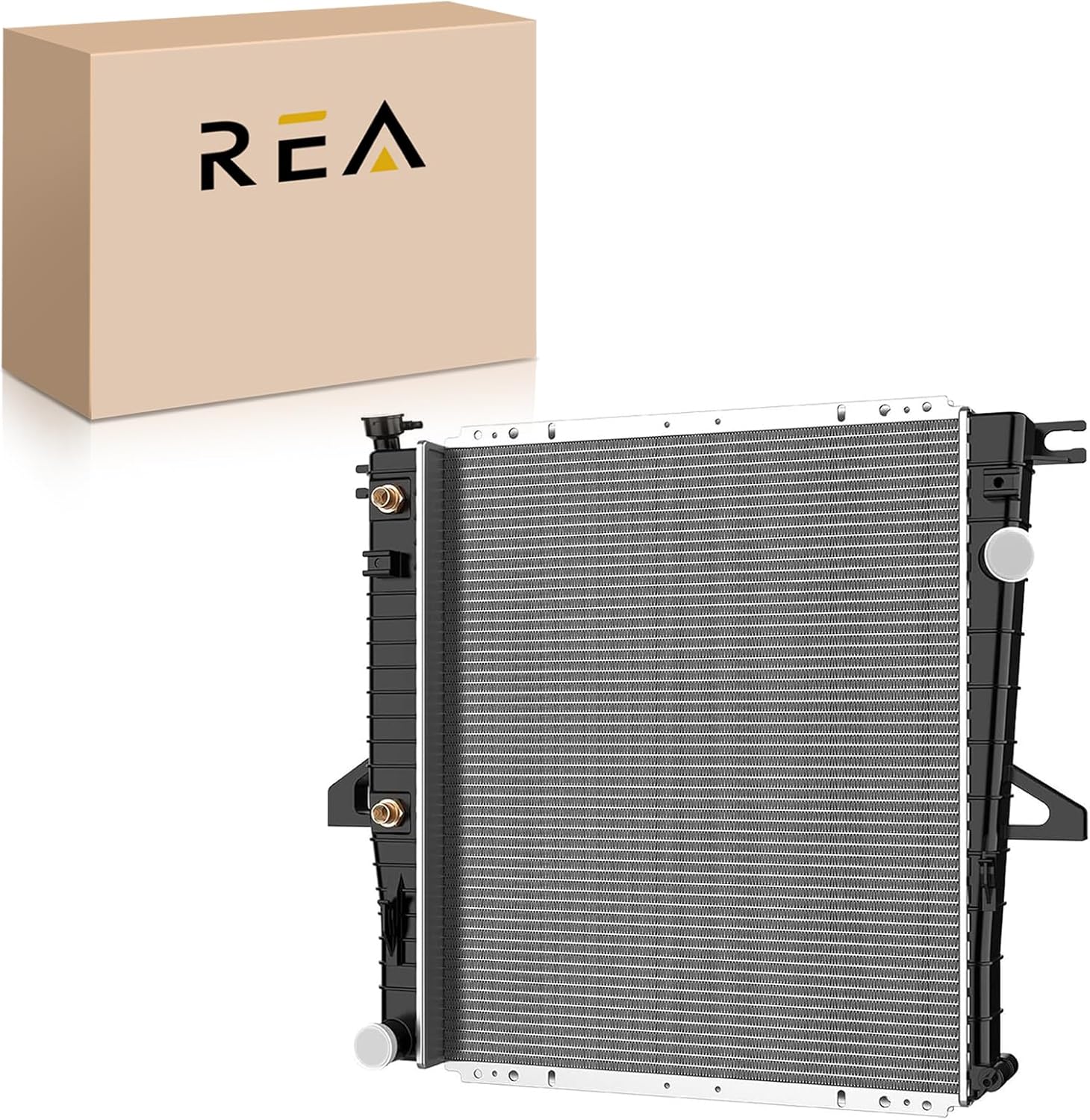
2. Readair Engine Coolant Radiator with Transmission Oil Cooler (fits Ford Ranger, Explorer, Mazda B3000/B4000)
| Transmission Oil Cooler Included | YES |
|---|---|
| Core Thickness | 1 inch |
| Inlet Diameter | 1-1/2 inch |
| Outlet Diameter | 1-1/2 inch |
This Readair radiator replaces the factory unit for 3.0L and 4.0L Rangers and similar Ford/Mazda vehicles and adds a built-in transmission oil cooler for consolidated service. It is an aluminum core assembly with molded PA66 GF30 inlet/outlet tanks, TIG-welded joints and a treated coating intended to resist corrosion and leaks. Installation is the same basic process as a factory replacement and the direct-fit design keeps mounting points and hose connections in place for straightforward swap-out. In use it restores cooling capacity and adds dedicated transmission cooling, which helps control engine and transmission temperatures under towing or sustained highway loads. The product is pressure-tested at the factory and includes a two-year unlimited-mileage guarantee for peace of mind. Be aware this is a full radiator assembly so proper coolant type, bleeding, and transmission line routing are required at install, and professional mounting may be preferred if you are not comfortable with radiator or transmission fluid work.
Best for: Buyers focused on restoring or improving cooling performance for older Ranger/Explorer 3.0L and 4.0L vehicles who want a direct-fit assembly that adds transmission cooling without modifying the vehicle.
Less Ideal for: Not a good choice for someone looking for a high-capacity aftermarket racing radiator or custom-fit performance core for heavily modified engines or track use.
- Direct-fit replacement for specified 3.0L and 4.0L Ford Ranger and related models for easier installation
- Integrated transmission oil cooler adds dedicated cooling for the transmission without a separate unit
- Aluminum core with TIG-welded joints and treated coating for improved durability and corrosion resistance
- Factory leak testing performed before shipment and includes a two-year unlimited-mileage guarantee
- Requires correct coolant bleeding and proper transmission line connection during installation which may need professional service
Verdict: If you want a reliable, direct-fit replacement that restores engine cooling and adds transmission cooling for late 1990s–2000s Rangers, this radiator delivers a factory-style upgrade.
3. DWVO Complete Radiator Compatible with Ford Ranger/Explorer/B3000/B4000 3.0L & 4.0L V6

| Compatible engines | 3.0L and 4.0L V6 |
|---|---|
| Fitment | Direct replacement for listed Ford/Mazda models |
| Core material | Aluminum |
| Transmission cooler | Brass integrated cooler (for A/T) |
This DWVO complete radiator is a direct replacement for 3.0L and 4.0L V6 Ford and Mazda trucks and SUVs, designed to restore factory cooling performance. It installs in place of the original unit and is intended for standard engine cooling and transmission oil cooling duties when equipped with an automatic. Notable features include a high-density multi-louvered aluminum core for improved heat dissipation, TIG-welded inlet and outlet tanks, and a brass transmission cooler built into the assembly. The package arrives with protective foam and a user manual, though the radiator cap is not included and professional installation is recommended. In practice this radiator should reduce overheating risk on older Rangers when the original unit is worn or leaking, and the treated coating plus machined exterior aim to extend service life. Expect the benefits of better cooling and a close fit to factory mounting points, with the usual caveat that proper coolant filling, bleeding, and correct cap selection are needed for trouble-free operation.
Best for: Buyers looking to economically restore reliable cooling on older 3.0L or 4.0L V6 Ford/Mazda trucks and SUVs who prioritize a close-fit replacement and improved heat dissipation.
Less Ideal for: Drivers seeking a drop-in performance upgrade beyond factory cooling capacity or a plug-and-play swap without any additional parts or professional help should consider higher-end or performance-specific radiators.
- Direct-fit replacement for specified 3.0L and 4.0L V6 Ford/Mazda applications
- High-density multi-louvered aluminum core for improved cooling efficiency
- TIG-welded inlet/outlet tanks and brass transmission cooler for durability
- Protective packaging and treated coating to resist corrosion and shipping damage
- Radiator cap is not included so buyers must source the correct cap separately
- Professional installation is recommended which adds installation cost for DIY-averse owners
Verdict: A cost-effective, factory-fit aluminum radiator that restores reliable cooling for 3.0L and 4.0L V6 Ford/Mazda trucks while prioritizing durability and fitment.
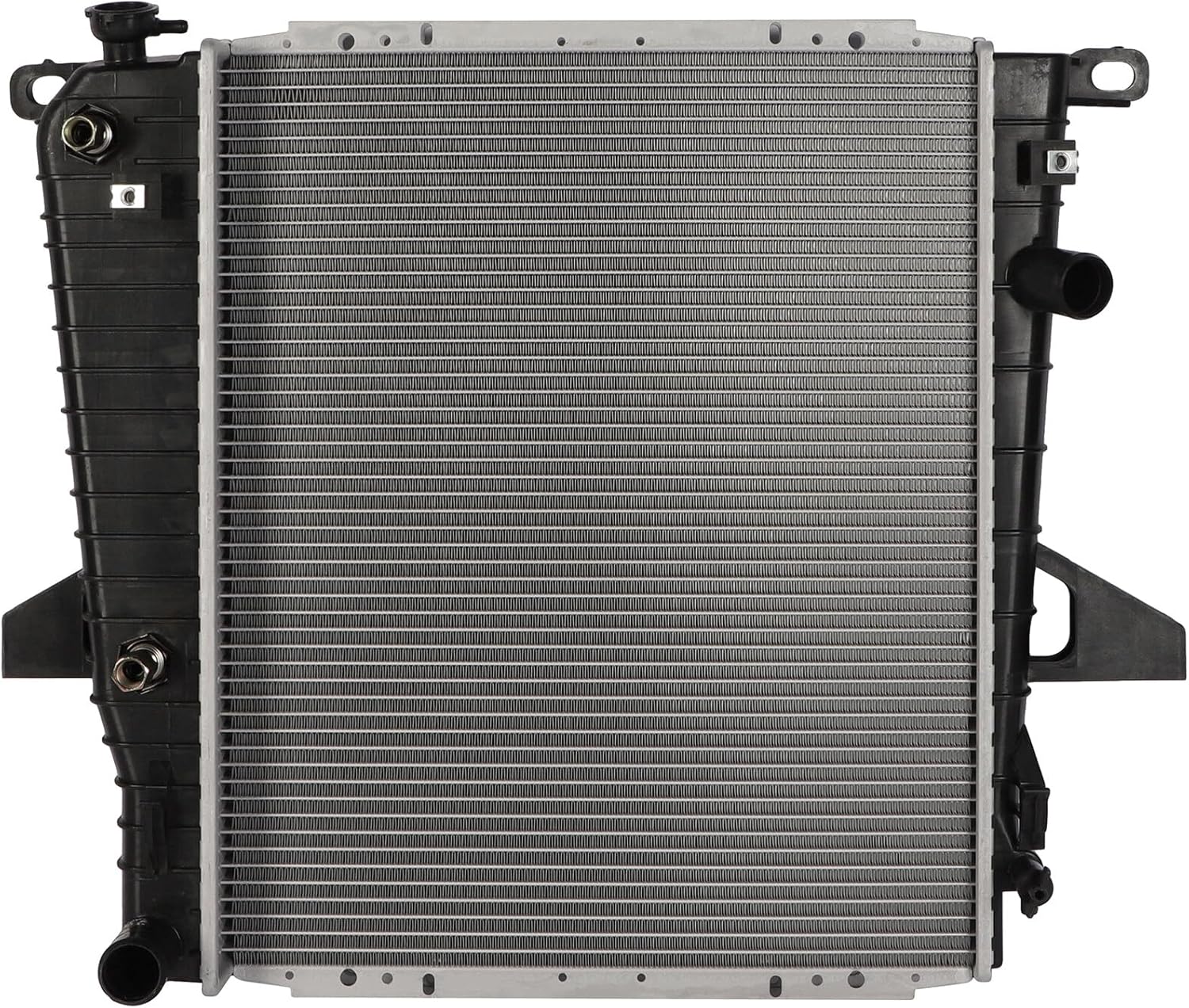
4. ECCPP Replacement Radiator for 1995–1997 Ford Ranger / 1995–1997 Mazda B3000/B4000
| Compatible vehicles | 1995-1997 Ford Ranger, 1995-1996/1997 Mazda B3000/B4000 |
|---|---|
| Core material | Aluminum core |
| Transmission | Automatic transmission fitment listed |
This ECCPP radiator is a budget-friendly replacement built as a drop-in swap for 1995–1997 Ford Ranger and compatible Mazda B3000/B4000 models. It uses an aluminum core with high-grade plastic tanks and is manufactured to match factory fit and mounting points so installation typically requires no drilling or modification. In real-world use it restores cooling capacity after a failed or leaking original radiator and is suitable for routine driving and towing within factory limits. Notable features include a full-aluminum core for improved heat dissipation and preinstalled tanks that have been pressure-checked for leaks before shipping. Expect solid value for the money but keep in mind this is an aftermarket unit, so finish quality and long-term durability can vary compared with higher-end premium parts. Also confirm whether your truck has air conditioning and the correct transmission and mounting configuration before buying, because fitment is model-specific.
Best for: Buyers needing an affordable, direct-replacement radiator to get a mid-1990s Ranger back on the road quickly without modifications.
Less Ideal for: Drivers seeking a premium, long-life performance upgrade or heavy-duty cooling for frequent towing should consider higher-end cores or upgraded cooling systems.
- Aluminum core improves cooling efficiency compared with older cores
- Designed for direct-fit installation with factory-style mounting points
- Pressure-checked for leaks before shipment
- Lower-cost option compared with premium replacement radiators
- Aftermarket build quality may not match higher-end factory-quality replacements
Verdict: A cost-conscious direct-fit radiator that restores factory cooling performance for 1995–1997 Rangers without the need for modifications.
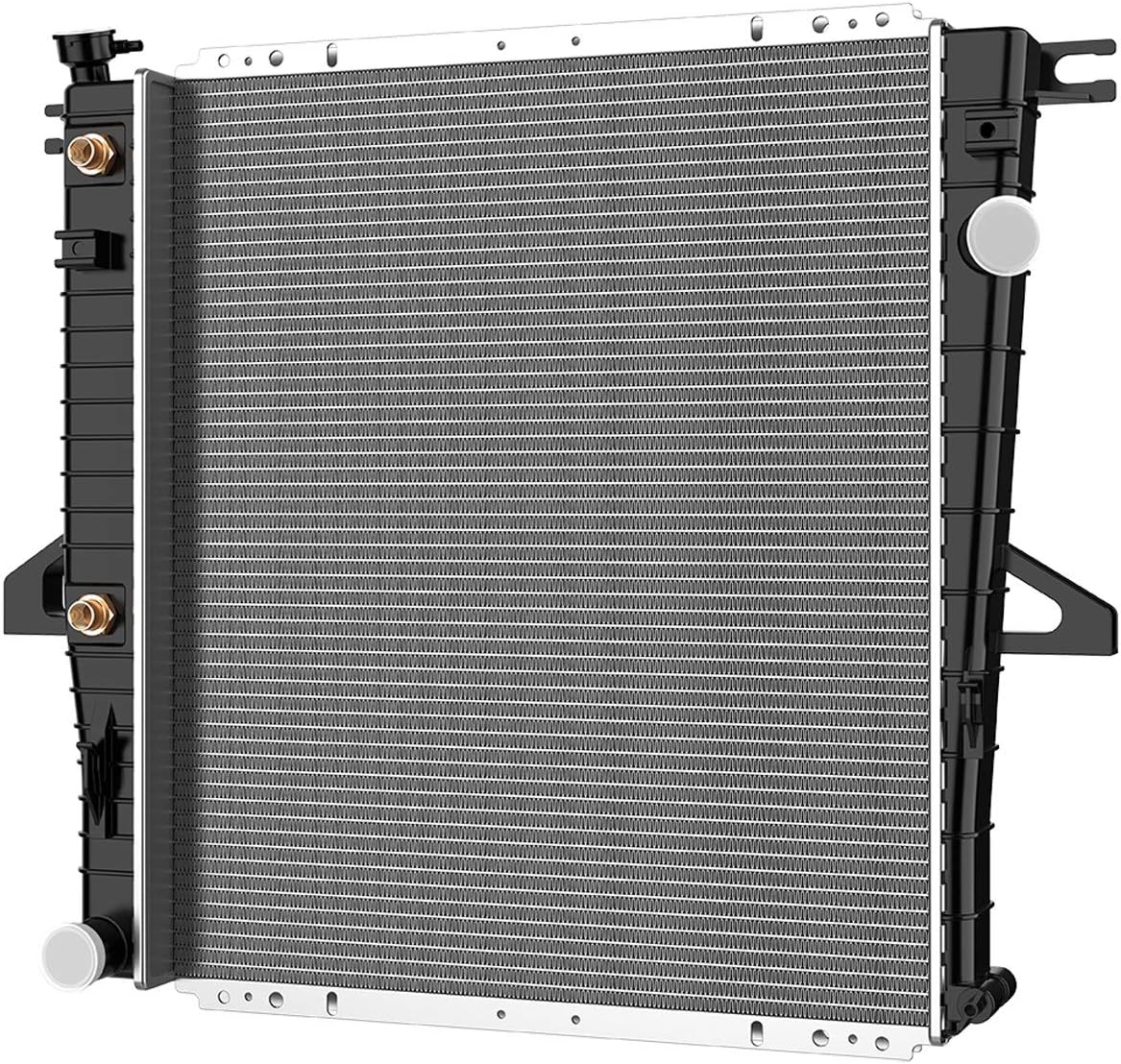
5. DWVO Radiator (direct fit for select Ford Ranger, Explorer, Mountaineer)
| Manufacturer Part Number | DWRD1086 |
|---|---|
| OEM Part Number | FD37071A,6L5Z8005DA |
| Item Weight | 15.67 pounds |
| Exterior | Machined |
| Compatible Engines | 3.0L and 4.0L V6 (listed applications) |
This DWVO radiator is a full replacement unit built to match factory fitment for specified 4.0L and 3.0L Ford V6 applications. It installs where the original radiator sat and is intended for routine cooling system restoration or repair. The core uses high-density multi-louvered fins for improved heat dissipation while TIG-welded joints and PA66 GF30 inlet/outlet tanks aim to reduce leak points. A brass transmission oil cooler is integrated for vehicles with automatic transmissions. The unit ships with corner foam protection and a user manual but does not include a radiator cap, and professional installation is recommended. In real-world use this radiator should restore cooling performance and resist common failure modes like cracked plastic tanks or pinhole leaks, though buyers must confirm exact vehicle fitment before purchasing. Expect typical replacement-level durability from aftermarket construction and benefit most when replacing an aged or damaged factory radiator rather than upgrading for extreme performance use.
Best for: Buyers who prioritize restoring reliable, factory-like cooling on a Ford Ranger or related V6 trucks and want a straightforward replacement that focuses on durability and proper fit.
Less Ideal for: Drivers seeking a high-performance or heavy-duty aftermarket upgrade for towing or racing should consider purpose-built performance radiators instead.
- Direct-fit design for specified Ford 3.0L and 4.0L V6 applications which simplifies installation
- High-density multi-louvered fins for improved cooling efficiency under normal driving loads
- TIG-welded core and reinforced inlet/outlet tanks to reduce leak risk compared with lower-quality alternatives
- Built-in brass transmission oil cooler for vehicles with automatic transmissions
- Includes protective foam packaging to prevent damage in transit
- Does not include a radiator cap so additional parts may be needed for installation
- Aftermarket construction may not match long-term durability of premium factory-quality radiators
Verdict: A practical, direct-fit replacement that restores dependable cooling for the specified Ford Ranger and related V6 models, making it a solid choice for reliability-focused repairs.
6. AUTOSAVER88 Radiator for 1998–2001 Ford Ranger / 1998–2001 Mazda B2500 2.5L

| Compatible vehicles | 1998–2001 Ford Ranger; 1998–2001 Mazda B2500 2.5L |
|---|---|
| Core material | Aluminum core |
| Tanks | Plastic tanks |
| OEM part numbers | F87Z8005DA, F87Z8005GA, ZZP015200, ZZP315200 |
| Package contents | 1x Complete Radiator, 1x User Manual |
This AUTOSAVER88 radiator is a complete direct-fit replacement for 1998–2001 Ford Ranger and 1998–2001 Mazda B2500 2.5L L4 applications. It installs in place of the factory unit and is built around an aluminum core with plastic tanks and multi-louvered fins to maximize heat transfer and resist leaks. The unit ships with protective packaging and a user manual but does not include a radiator cap. In practice it is used to restore proper cooling performance after a failed or clogged factory radiator and is suited to street driving and towing at light to moderate loads. Notable features include an OEM-style fit, leak testing during production, and an integrated aluminum oil cooler for added dissipation. Important limitations are the missing radiator cap and the recommendation for professional installation; buyers should also follow the vehicle manual for coolant and system bleeding. For shoppers who prefer parts backed by many reviews, this radiator offers a proven, factory-replacement approach rather than a high-performance upgrade.
Best for: Buyers who want a reliable, factory-style replacement with lots of customer feedback and prefer a straightforward swap to restore cooling performance on a 1998–2001 Ranger or B2500.
Less Ideal for: Drivers seeking a high-performance or heavy-duty aftermarket radiator for sustained towing or racing should consider purpose-built performance units instead.
- Direct-fit design matched to the specified Ranger/B2500 years for straightforward installation
- Aluminum core with multi-louvered fins for improved cooling efficiency
- Manufacturer leak testing and reinforced packaging reduce risk of arrival damage
- Includes an integrated aluminum oil cooler to help lower temperatures under load
- Radiator cap is not included so buyers must supply or reuse one from the vehicle
Verdict: A practical, well-reviewed factory-style replacement radiator that restores reliable cooling for 1998–2001 Ford Ranger and Mazda B2500 owners who prioritize fitment and proven performance.
7. Auto Dynasty 2173 1-Row Radiator for 1998–2011 Ford Ranger and Compatible Models

| Fitment note | Fits 2.3L 3.0L 4.0L automatic transmission models |
|---|---|
| Core material | T-6061 Aluminum |
| Tanks | ABS Plastic |
| Rows | 1 |
| Transmission oil cooler | Yes |
This Auto Dynasty 2173 radiator replaces the factory unit on 2.3L, 3.0L and 4.0L automatic-transmission Ford Ranger applications and similar compatible models. It uses a single-row T-6061 aluminum core with ABS plastic tanks and is offered as a direct bolt-on replacement that does not require drilling or modification. In normal use it restores cooling capacity and can handle the vehicle’s stock cooling demands, with a transmission oil cooler built in for automatic models. The lightweight aluminum core helps heat transfer while the heavy-duty tanks add durability for everyday driving. Installation is straightforward for a mechanically confident DIYer or a professional installer, but the manufacturer recommends professional fitting and does not include instructions. Buyers should note this is an aftermarket part rather than a factory unit and the single-row core may not match the cooling capacity of multi-row upgraded radiators under heavy towing or high-performance use.
Best for: Buyers seeking a reliable, factory-replacement style radiator to restore original cooling performance on a Ford Ranger XLT for daily driving and occasional moderate use.
Less Ideal for: Drivers who frequently tow heavy loads, run high-performance engines, or who want maximum cooling reserve should consider a multi-row or high-capacity aftermarket radiator instead.
- Direct bolt-on fit for specified 2.3L, 3.0L and 4.0L automatic transmission applications without drilling
- Aluminum T-6061 core for improved heat transfer compared with some all-plastic radiators
- Integrated transmission oil cooler for automatic-transmission models
- Heavy-duty plastic tanks designed to resist common cracking and leaks
- Lightweight design that simplifies handling during installation
- No installation instructions included and professional installation is recommended
- Single-row core offers less cooling margin than multi-row performance radiators under sustained heavy loads
Verdict: Choose this radiator if you want a direct-fit, factory-style aluminum replacement that reliably restores cooling for everyday Ford Ranger XLT use.
Choosing the Right Ford Ranger XLT Radiator: Key Factors to Consider
Cooling Capacity
Cooling capacity determines how effectively a radiator removes heat from the engine coolant. For the Ranger XLT this matters during towing, extended idling, or spirited driving where heat load increases. A radiator with higher heat rejection can keep operating temperatures in the normal window and reduce the risk of boilover.
Look for specifications such as core area and fin density because they directly affect heat transfer. Also consider whether the radiator integrates a separate transmission cooler if you tow frequently; combined cooling designs save space and simplify plumbing while preventing transmission overheating.
Fitment And Mounting Accuracy
Correct fitment is crucial to avoid leaks, vibration, and contact with nearby components. The Ranger XLT has specific mounting points, hose positions, and sensor locations that a replacement radiator must match. A radiator that requires minimal modification reduces installation time and the chance of mistakes.
Check inlet and outlet diameters, mounting bracket locations, fan shroud compatibility, and sensor ports. Even small misalignments can strain hoses or make the fan clutch operate inefficiently, so prioritize radiators with confirmed Ranger XLT fitment or clear adapter guidance.
Material And Corrosion Resistance
Radiators are commonly constructed from aluminum cores with plastic or aluminum end tanks. Material choice affects weight, strength, and long-term corrosion resistance. For trucks like the Ranger XLT that often encounter road salt or frequent temperature cycling, corrosion resistance is especially important to avoid premature failure.
Look for quality brazing, corrosion-resistant coatings, and thicker fins or tubes in areas prone to damage. Radiators with full-aluminum constructions tend to be more durable than mixed-material designs, but high-quality plastic-end-tank radiators can be acceptable if they use reinforced designs and good hose connections.
Transmission Cooler Integration
Many Ranger XLT owners tow trailers or haul loads, which adds thermal stress to both the engine and transmission. A radiator with an integrated transmission cooler helps manage transmission oil temperatures, protecting internal components and extending service life.
If your Ranger regularly tows, select a radiator with sufficient transmission cooling capacity and durable cooler lines. Confirm that the cooler ports match the vehicle's transmission line fittings or that adapters are available. Poorly sized or incompatible coolers can lead to leaks or reduced cooling efficiency.
Installation Ease And Serviceability
Ease of installation matters whether you plan to DIY or have a shop do the work. Radiators that reuse factory mounts, include necessary gaskets or seals, and require no cutting or extra brackets reduce labor time and cost. Clear documentation and included fittings are a plus.
Also consider serviceability: accessible drain ports, replaceable cores or end tanks, and straightforward hose routing make future maintenance less costly. For owners who perform routine coolant flushes, a radiator that simplifies draining and refilling will save time and reduce mess.
Warranty And Long-Term Support
A solid warranty provides confidence that the radiator will hold up over time and against manufacturing defects. For the Ranger XLT, warranty coverage can protect you from premature failures caused by faulty brazing, cracked tanks, or other defects.
Review warranty length and what it covers, such as leaks, corrosion, and thermal failures. Also check return policies and support for fitment questions. A longer warranty combined with clear installation guidance signals that the manufacturer stands behind the product.
Common Radiator Symptoms And What They Mean
Recognizing symptoms early helps prevent engine damage. Typical signs that the radiator may be failing include frequent overheating, visible coolant leaks under the truck, and a low or fluctuating coolant level. Overheating during idle or in traffic often points to reduced airflow through the core or a clogged radiator.
Hot smells or steam coming from the front of the truck suggest a pressure-related leak or a cracked tank. If you see coolant contamination or oil mixed in the coolant, that could indicate a separate internal failure but may be flagged during radiator inspection. Addressing these symptoms promptly prevents larger repairs.
- Overheating at idle — possible clogged fins or failing fan shroud
- Visible leaks — check hose clamps, core, and end tanks
- Coolant loss without visible leak — inspect for internal leaks and run a pressure test
- Discolored or contaminated coolant — flush system and inspect for internal damage
Preparing For Radiator Replacement On A Ranger XLT
Before starting a replacement, gather proper tools and replacement parts such as new coolant, hose clamps, and any necessary adapters. Work on a cool engine and safely raise the truck if underbody access is needed. A pressure cap should not be removed while the system is hot.
Plan for proper disposal of old coolant according to local regulations. Review the replacement radiator's fitment notes and confirm inlet/outlet sizes and sensor port locations. If you intend to reuse the factory fan shroud or fans, verify clearance and mounting holes to avoid unnecessary extra parts.
- Have the truck cooled for several hours before draining
- Use a catch pan rated for coolant and dispose responsibly
- Label hoses and connections to ease reassembly
- Replace worn hose clamps and check belt-driven fan condition
When To Choose OEM-Style Versus Upgraded Radiators
OEM-style radiators replicate factory fitment and materials, which simplifies installation and preserves original cooling behavior. They are a logical choice if the Ranger XLT is used primarily for daily driving and the original cooling requirements remain unchanged.
Upgraded radiators offer larger cores, higher fin density, and stronger materials intended for towing, heavy loads, or high-performance use. Choose an upgraded radiator if you tow frequently, operate in hot climates, or have modified the engine in ways that generate extra heat. Keep in mind that some upgrades may require additional fittings or minor trim to fan shrouds.
- OEM-style: easier swap, predictable fitment
- Upgraded: better heat rejection, may need minor installation adjustments
- Consider warranty and long-term corrosion resistance when choosing
Routine Maintenance To Extend Radiator Life
Regular coolant changes and periodic radiator coolant flushes help prevent scale buildup and corrosion. Use the correct coolant type and mixture specified for the Ranger XLT to maintain corrosion inhibitors and boiling point protection.
Inspect the radiator and surrounding components every service interval for bent fins, debris buildup, and coolant leaks. Keeping the grille area clear of accumulated dirt and ensuring the fan and fan shroud are secure will help maintain airflow and cooling efficiency.
- Flush coolant according to vehicle schedule or sooner if contaminated
- Clean external fins with gentle water pressure, avoid high-pressure washers
- Check hose condition and replace brittle or soft hoses promptly
- Monitor coolant level and pressure for slow leaks
DIY Versus Professional Installation Considerations
A competent DIYer can replace a Ranger XLT radiator with common tools and a clear set of instructions, but be realistic about time and comfort level. Tasks include draining coolant, removing fans or shrouds, disconnecting transmission cooler lines if present, and ensuring correct torque on mounting hardware.
Professional installation is advisable if you lack space, tools, or experience handling coolant systems and transmission cooler lines. Shops will pressure-test the system, verify fan operation, and ensure there are no hidden issues such as warped mounting surfaces that can cause leaks.
- DIY requires attention to proper bleeding of the cooling system
- Professionals can pressure-test and catch subtle leaks
- Factor in time to properly flush and refill the system after installation
Still looking for the perfect fit?
Select your Ford Ranger configuration to see the most relevant Radiators recommendations
How We Chose the Best Ford Ranger XLT Radiator
We focused our selection on radiators that reliably meet the cooling needs and fitment constraints of the Ford Ranger XLT. Primary evaluation criteria included cooling capacity under load, compatibility with the Ranger XLT cooling layout and mounting points, and build quality of core and end tanks. We also scored based on material choices and corrosion resistance, ease of installation and hose/adapter compatibility, and long-term durability including warranty coverage.Performance-oriented factors such as core thickness, fin density, and transmission cooler integration were considered for Rangers that tow or see heavy duty use. Fitment checks included mounting bracket alignment, inlet/outlet sizing, and compatibility with factory fan shroud and sensors. We excluded any radiators lacking clear fitment specifications or those without documented cooling performance data. The final picks balance thermal performance, corrosion resistance, and practical installability for Ranger XLT owners.
Our full evaluation process is outlined in our review methodology.
FAQ
How long does a typical radiator last on a Ford Ranger XLT?
Radiator life depends on materials, environment, and maintenance. Many radiators last 8 to 12 years with proper coolant care and corrosion prevention, while exposure to road salt or repeated overheating can shorten that lifespan.
What are the quickest tests to check if the radiator is failing?
Start with a visual inspection for leaks or damaged fins, then perform a coolant pressure test to find hidden leaks. Also monitor temperature gauge behavior and check for inconsistent coolant level after the truck sits overnight.
Can I replace the Ranger XLT radiator myself, or should I get a shop to do it?
If you have basic mechanical skills and tools, replacing the radiator is doable, especially when the replacement matches OEM fitment. However, if transmission cooler lines are involved or you are uncomfortable bleeding the system, professional installation reduces risks.
Do upgraded radiators require changes to the fan or shroud on the Ranger XLT?
Some upgraded units maintain the same mounting points and shroud clearance, but others with thicker cores or larger dimensions may need minor adjustments. Always confirm shroud compatibility and clearance before purchase to avoid installation surprises.
How often should I perform a radiator coolant flush on a Ranger XLT?
Flush intervals depend on coolant type and driving conditions, but a general guideline is every 3 to 5 years. Heavy towing, high-mileage driving, or evidence of contamination warrants earlier flushing.
What causes sudden radiator leaks after installation?
Common causes include improperly tightened hose clamps, damaged or misaligned mounting points that stress the core or tanks, and defective fittings. Ensuring proper alignment and using correct torque on clamps and fasteners usually prevents post-install leaks.
Final Verdict
When replacing a radiator on a Ford Ranger XLT, prioritize correct fitment and cooling capacity to match your truck's typical use. If you tow or face high ambient temperatures, choose a radiator with higher heat rejection and an integrated transmission cooler if needed. For everyday driving, a well-constructed OEM-style unit that matches factory mounting points will offer the easiest installation and reliable performance.Balance material quality, warranty coverage, and installation practicality when selecting a replacement. By focusing on these tradeoffs you can pick a radiator that restores dependable cooling and minimizes the risk of repeat service events.
Explore More:
- Check out all Ford Ranger parts & accessories
- Explore Radiators Maintenance & Repair Guides
- Explore Cooling System
- Browse all Auto Parts
