

Note: This article contains affiliate links. If you click on these links and make a purchase, I may earn a small commission at no extra cost to you. This helps support my research and content. Read my full affiliate disclosure here.
If you drive a Ford Ranger Diesel, a properly functioning thermostat is essential to engine performance and longevity. The thermostat regulates coolant flow, helping the engine reach and maintain optimal operating temperature for fuel economy, emissions control, and heater performance. A failing thermostat can cause overheating, poor warm-up, or an engine that runs too cold, each of which affects reliability and service costs.This guide covers six shortlisted thermostats chosen for fitment, material quality, and reliability for the Ranger Diesel. We outline the evaluation criteria and common failure modes so you can pick a replacement that restores temperature stability and reduces the chance of repeated repairs. Read on for hands-on buy-side guidance before you inspect parts or schedule a replacement.
Looking for other parts? See all Ford Ranger parts & accessories.
Top Picks at a Glance
| Best Overall The best all-around choice for most situations | MotoRad 2000-160 High Flow 160°F Engine Thermostat |  |
| Best Quality Built to a higher standard if you want something more solid | PartCatalog Engine Coolant Thermostat for Ford Ranger 1983–1987 (Diesel) |  |
| Best Value The sweet spot between price and what you get | Gates 33915 Engine Coolant Thermostat |  |
| Best Budget The cheapest option that still gets the job done reliably | MotoRad 207-192 Engine Coolant Thermostat | 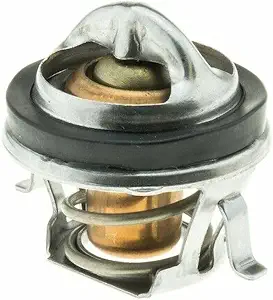 |
| Highest Rated A top-rated pick with lots of positive feedback | MotoRad 2000-195 High Performance Engine Coolant Thermostat |  |
| Best Seller A high-volume bestseller chosen again and again | MotoRad 7244-192 Fail-Safe Engine Coolant Thermostat |  |
1. MotoRad 2000-160 High Flow 160°F Engine Thermostat

| Brand | MotoRad |
|---|---|
| Model | 2000-160 |
| Opening Temperature | 160°F |
| Exterior | Machined |
The MotoRad 2000-160 is a high-flow 160°F replacement thermostat intended to improve coolant circulation and stabilize operating temperature in older trucks and cars. It installs where the factory thermostat sits and is typically used during routine cooling-system maintenance or when replacing a failed thermostat. The machined exterior and center-position valve promote consistent flow and the higher 160°F opening point helps the engine reach a warmer, more efficient operating temperature in colder climates or under heavy loads. Because it is a straightforward mechanical thermostat, it needs no wiring and works with standard coolant and housings. Limitations to note are fitment: this part covers a broad list of older Ford, Chevy, Dodge, Jeep and other models but you must confirm compatibility with your specific Ranger diesel year and engine variant; it is not a vehicle-specific modern OEM unit. Also it does not include a gasket or housing and may require minor adaptation on some older setups.
Best for: A practical buyer seeking a robust, higher-temperature replacement thermostat to improve warm-up and cooling stability on an older diesel Ranger or similar truck, prioritizing reliable mechanical performance over exact OEM match.
Less Ideal for: Not a good choice for owners of late-model Rangers who need a vehicle-specific factory-quality thermostat or a direct-fit part that includes extra hardware like gaskets or housings.
- High-flow design improves coolant circulation compared with basic thermostats
- 160°F opening point helps the engine reach stable, efficient operating temperature under load
- Machined exterior and center valve provide consistent operation and durability
- Universal fit list covers many older models so exact Ranger diesel fitment must be verified before purchase
Verdict: Choose this high-flow 160°F MotoRad thermostat if you want a durable mechanical replacement that helps older diesel Rangers warm up faster and maintain stable operating temperature.
2. PartCatalog Engine Coolant Thermostat for Ford Ranger 1983–1987 (Diesel)

| Brand | PartCatalog |
|---|---|
| Model | Engine Coolant Thermostat |
| Manufacturer Part Number | PC-4058348 |
| Item model number | PC-4058348 |
This PartCatalog thermostat is a factory-quality replacement intended for diesel Ford Rangers from 1983 to 1987. It replaces a worn or faulty thermostat to restore correct engine warm-up and maintain stable coolant temperature under load. The part is promoted as manufactured to original specifications for a precise fit and straightforward installation, so it mounts like the original and needs no modification. For drivers focused on performance, a properly functioning thermostat helps the engine reach and hold optimal operating temperature, which supports consistent fuel delivery and combustion on older diesel engines. The unit is a basic mechanical thermostat with no electronic controls, so it is simple and robust but does not offer adjustable or high-flow performance tuning. Installation is typical for cooling-system work and may require draining some coolant and basic hand tools. If you want a reliable factory-replacement thermostat to bring a tired cooling system back to OEM behavior, this is a practical choice; if you need an upgraded high-flow or performance-tuned thermostat, look for aftermarket performance parts instead.
Best for: Enthusiasts restoring or maintaining an older Ford Ranger diesel who prioritize returning the cooling system to reliable, factory-spec operation.
Less Ideal for: Drivers seeking upgraded high-flow thermostats or performance-tuned cooling components for modified engines should consider dedicated aftermarket options.
- Direct-fit design built to match original specifications for straightforward installation
- Restores proper engine warm-up and coolant regulation important for diesel performance
- Simple mechanical construction offers durability and ease of replacement
- No adjustable or high-flow performance features for tuning cooling characteristics
Verdict: Choose this thermostat when you want a straightforward factory-quality replacement to restore correct coolant temperature control on a 1983–1987 Ford Ranger diesel.
3. Gates 33915 Engine Coolant Thermostat

| Manufacturer Part Number | 33915 |
|---|---|
| Included Components | Engine Coolant Thermostat |
| Material | Metal |
| Manufacturer | GATES |
| OEM Part Number | 5011456AA, 5086739AB, 5292712, 68005464AA, 68005464AB |
The Gates 33915 is a replacement engine coolant thermostat built with machined metal construction and a positive piston heat motor to deliver predictable temperature control. It installs like a standard thermostat and is intended to replace factory units that match the listed OEM part numbers, giving stable operation under changing pressure and temperature conditions. The positive piston design and factory calibration help ensure the valve opens and closes at the correct temperature, which reduces cycling and helps the engine reach normal operating temperature reliably. Practical benefits include robust metal construction for durability and direct-fit compatibility with specified applications, which simplifies installation for routine maintenance. Limitations are that it is a single-piece mechanical thermostat without electronic control or adjustable setpoints, so it cannot be tuned for custom cooling strategies or used where an electronic thermostat is required.
Best for: Buyers who want a reliable, factory-quality mechanical replacement thermostat that restores proper cooling system behavior with minimal fuss during routine maintenance.
Less Ideal for: Drivers seeking an electronically controlled or adjustable thermostat for performance tuning or custom cooling setups should look at programmable or electronic alternatives.
- Factory-calibrated positive piston design for consistent opening and closing
- Sturdy machined metal construction improves durability over cheap cast alternatives
- Direct replacement for listed OEM part numbers for straightforward fitment
- Simple mechanical design means no wiring or electronic integration required
- Not adjustable or programmable and lacks electronic temperature control
Verdict: Choose this Gates thermostat when you need a durable, factory-calibrated mechanical replacement to restore correct engine temperature control.
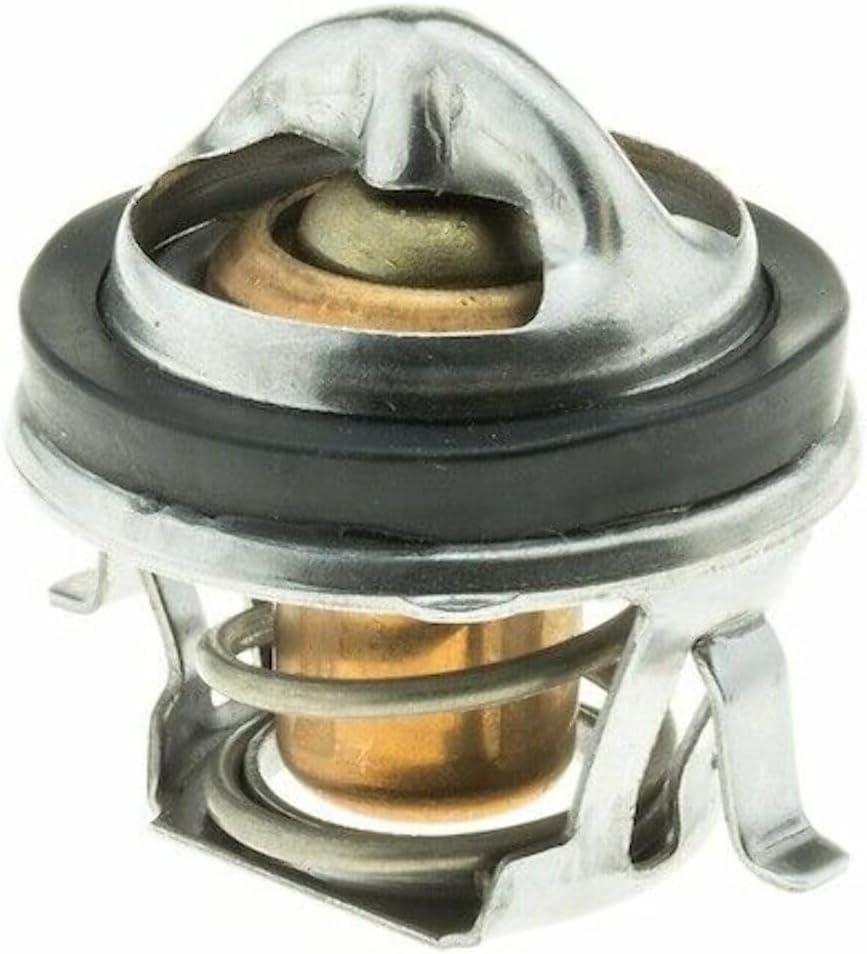
4. MotoRad 207-192 Engine Coolant Thermostat
| Brand Name | MotoRad |
|---|---|
| Model Number | 207-192 |
| Material Type | Metal, Plastic |
| Included Components | Motorad 207-192 Thermostat Engine Coolnt Thermost |
The MotoRad 207-192 is a direct replacement engine thermostat intended for older Ford, Mercury, Mazda, and Merkur applications. It installs in place of the listed factory part numbers and restores proper coolant flow based on engine temperature. Typical use is a routine replacement when a failing thermostat causes overheating or poor warm-up; the part is built with metal and plastic components and matches factory mounting and operation. Buyers will appreciate the straightforward compatibility listing for many late 20th century Ford platforms and the OEM-style fit that simplifies installation without modification. Practical benefits include restoring correct operating temperature for improved heater output and fuel efficiency and reducing the chance of overheating. Limitations are that this is a part for specific older vehicle models and years, so confirming fitment is essential, and the listing does not include detailed calibration temperature or advanced materials beyond standard construction.
Best for: Buyers looking for an affordable, factory-style replacement thermostat to revive cooling performance on older Ford-family vehicles and who prioritize direct fitment and straightforward installation.
Less Ideal for: Those restoring late-model or heavily modified engines that require performance or custom-temperature thermostats should consider a purpose-built performance unit instead.
- Direct replacement for listed factory part numbers simplifying installation
- Clear vehicle compatibility list covering many Ford, Mercury, Mazda, and Merkur models
- Restores correct coolant flow and engine warm-up behavior when replacing a failed thermostat
- No specific temperature opening/closing set points published in the listing
Verdict: Choose the MotoRad 207-192 if you need a budget-friendly, direct-fit replacement thermostat to restore proper cooling on older Ford-family vehicles.
5. MotoRad 2000-195 High Performance Engine Coolant Thermostat

| Brand Name | MotoRad |
|---|---|
| Model Name | 2000-195 |
| Item Type Name | Engine Coolant Thermostat |
| Material Type | Copper |
The MotoRad 2000-195 is a drop-in replacement thermostat built to manage engine coolant flow and maintain correct operating temperature in older domestic trucks and cars. Installed in the coolant housing, it opens and closes as coolant temperature rises to help the engine reach and hold optimal temperature for combustion and emissions. Notable features include a copper construction and a design MotoRad markets for improved thermal management, which in practice means reliable responsiveness to temperature changes and consistent opening points. Typical benefits are steadier warm-up behavior, reduced risk of running too cool or too hot, and straightforward fitment for compatible vehicles. Limitations are that this part is a direct mechanical thermostat with no electronic control or vehicle-specific calibration, so it suits standard replacement needs rather than custom tuning for performance diesel engines. Also confirm exact year and engine fitment before buying since the listing covers many legacy models but does not guarantee every variant.
Best for: Buyers who prioritize dependable, factory-style temperature control when replacing an aging thermostat and want a simple mechanical unit that restores steady warm-up and operating temperature.
Less Ideal for: People looking for an electronically adjustable thermostat or a model tuned specifically for modified or performance diesel engines should consider other options.
- Copper construction for dependable thermal response and corrosion resistance.
- Designed as a direct replacement for many older domestic models for easy install.
- Marketed for improved engine thermal management which helps consistent operating temperature.
- Compact single-piece unit simplifies installation without extra parts.
- Not electronically controlled so it cannot adapt to aftermarket engine management or active thermal strategies.
- Fitment covers many makes and years so exact compatibility must be verified for specific engines.
Verdict: A straightforward, mechanically reliable replacement thermostat that restores consistent engine temperature control for older domestic vehicles.
6. MotoRad 7244-192 Fail-Safe Engine Coolant Thermostat

| Brand | MotoRad |
|---|---|
| Model Number | 7244-192 |
| Material Type | Aluminum, Stainless Steel |
| Included Components | Thermostat |
| Item Type Name | Thermostat |
The MotoRad 7244-192 is a fail-safe replacement thermostat made to regulate engine coolant temperature and protect the engine from overheating by locking open if it fails. It installs in place of the factory thermostat on compatible Ford, Lincoln, Mercury and some other vehicles and is built from aluminum and stainless steel with locking technology that prevents a stuck-closed condition. In everyday use it functions like a standard thermostat but adds a safety margin: if the valve or wax element fails, the unit is designed to fail open so cooling continues rather than trapping heat. That makes it a conservative choice for drivers who prioritize engine protection over marginal fuel-economy gains from a precisely controlled thermostat. The part is tested and calibrated by the manufacturer and ships as a vehicle-specific direct replacement, but buyers should confirm fitment for their exact year and engine before ordering. Installation is typical of thermostat swaps and may require coolant draining and gasket replacement.
Best for: Drivers who want a conservative, reliability-first replacement thermostat to minimize the chance of overheating and engine damage on older Ford-family vehicles.
Less Ideal for: Drivers focused on maximizing fuel economy or exact temperature control in performance builds should consider thermostats tuned for tighter temperature tolerances.
- Fail-safe locking design that prevents a stuck-closed condition and reduces overheating risk
- Manufactured from aluminum and stainless steel for corrosion resistance
- 100% tested and calibrated for consistent opening temperature
- Vehicle-specific fitment intended as a direct replacement for compatible models
- May prioritize fail-safe operation over the tightest temperature control, which can slightly affect warm-up time
Verdict: Choose this thermostat if you want a direct-fit, fail-safe replacement that reduces the risk of overheating on older Ford-family vehicles.
Choosing the Right Ford Ranger Diesel Thermostat: Key Factors to Consider
Correct Fitment and Part Number Match
Getting the exact part number or a verified fitment match for the Ford Ranger Diesel is critical. A thermostat that does not seat correctly or has slightly different mounting dimensions can lead to coolant leaks, improper flow, or physical interference with the housing. When fitment is off by small tolerances, you may see persistent leakage at the thermostat housing or uneven engine warm-up.
Confirming the correct part number fitment prevents needless rework, repeated purchases, and potential cooling-system damage. Also check mating-surface geometry, bolt pattern, and any integral gasket or O-ring locations so the unit seals properly without modification.
Thermostat Opening Temperature and Tolerance
Thermostats are rated to begin opening at a specific temperature and reach full open at a higher threshold. For diesel engines, the correct opening temperature affects fuel combustion, emissions control, and oil viscosity. A thermostat with a tolerance that drifts high can cause overheating under load, while one that opens too early results in a cold-running engine and poor heater output.
Look for thermostats with tight temperature tolerances and clear published opening ranges. Consistency across thermal cycles is important so operating temperature remains stable over time, reducing stress on the cooling system and improving drivability.
Build Materials and Corrosion Resistance
Diesel cooling systems can experience elevated thermal stress and different coolant chemistry. Thermostats built with corrosion-resistant metals and durable valve materials resist pitting and sticking. Poor material choices accelerate wear, lead to valve seizure, or cause erosion that compromises the seal.
Consider units with stainless or plated components and high-quality seals to minimize the risk of thermostat housing seal leaks. Durable materials help maintain predictable actuation and extend service intervals, which is especially important for vehicles used in heavy-duty or high-mileage applications.
Seal Design and Housing Interface
A reliable seal between the thermostat and housing prevents external coolant loss and maintains correct coolant flow through the engine. Some thermostats rely on integrated gaskets or O-rings while others expect a separate housing gasket. The interface design affects installation ease and long-term leak resistance. A poor seal can present as visible coolant under the housing, localized corrosion, or fluctuating engine temperatures.
Assess sealing features and ensure the replacement either includes the proper gasket or matches the housing geometry so you do not have to improvise a seal. Proper torque procedures during installation also matter to avoid warping the housing and compromising the seal.
Actuation Reliability and Cycle Life
Thermostats open and close repeatedly as the engine heats and cools. A reliable actuation mechanism with a robust spring and dependable temperature-sensitive element ensures consistent performance across thousands of cycles. Failures often present as sticking open or closed, both of which can cause symptoms like the engine running cold or severe overheating.
Look for thermostats with proven actuation designs and manufacturing quality that reduces the chance of a stuck valve. Durable construction reduces the likelihood of mid-life failure that would require additional labor and parts replacement.
Serviceability and Installation Considerations
Ease of installation and the availability of compatible gaskets or housing seals affects total repair time and cost. Thermostats that fit the Ranger Diesel without modification and come with clear instructions reduce the chance of installation errors. Consider whether the housing must be replaced or resurfaced and whether coolant must be fully drained for access.
Also factor in whether the unit requires any special tools for installation, and whether replacement of adjacent components like housing bolts or hoses is commonly recommended. Prioritizing serviceability reduces downtime and the risk of leaks from improper installation.
Common Thermostat Failure Symptoms on a Ranger Diesel
Recognizing common thermostat symptoms can help you diagnose cooling problems before they cause extensive damage. Classic signs include engine overheating under load, sluggish warm-up, inconsistent cabin heat, and unexpected temperature swings on the dashboard gauge.
Overheating often indicates a thermostat that is stuck closed or opening late, while a consistently cold-running engine usually points to a thermostat stuck open. Coolant leaks around the housing can result from poor sealing or warped housings rather than the thermostat itself. In many cases, these symptoms are straightforward to check with a visual inspection and simple tests described below.
- High dashboard temperature after idling or during highway driving suggests restricted flow or a closed thermostat.
- Cold engine after extended driving can mean the thermostat is not closing properly.
- Visible coolant at the housing joint indicates a seal or gasket issue.
- Rapid temperature fluctuations often point to intermittent valve sticking.
How to Test a Thermostat Safely
There are simple, low-cost checks you can perform before removing parts. Start with a warm-up test: with the engine cold, run it and watch the temperature gauge and upper radiator hose. The hose should stay cool until the thermostat opens, then warm up as coolant circulates through the radiator. If the hose warms immediately, the thermostat may be stuck open.
A controlled bench test uses heated water and a thermometer to observe valve opening at the specified temperature. Remove the thermostat and suspend it in water, slowly heat the water while monitoring the temperature at which the valve begins to open. Always follow safe handling practices to avoid burns, and replace the thermostat rather than reinstalling one that fails to operate within its specified range.
- Warm-up observation of upper radiator hose temperature characterizes in-vehicle operation.
- Bench testing in a pot of water confirms opening temperature and valve travel.
- Use a proper thermometer and handle hot coolant carefully.
Addressing Thermostat Housing Seal Leak Risks
Leaks at the thermostat housing are a common service issue on the Ranger Diesel. Causes include a failed gasket or O-ring, warped housing surfaces, or overtightened bolts that deform the housing. Inspect the mating surfaces for corrosion or pitting before installing a new thermostat.
When replacing the thermostat, always clean the housing surfaces thoroughly, use the correct gasket or sealant specified for the repair, and torque bolts to the manufacturer-recommended values. If the housing is damaged, replacing it or resurfacing may be necessary to achieve a reliable seal.
- Inspect mating surfaces for corrosion or warping before installation.
- Replace gaskets or O-rings rather than reusing old seals.
- Follow torque specifications to avoid distorting the housing.
Choosing Between Open and Closed Valve Designs
Thermostats come in different internal designs, including single-stage opening and progressive or staged valves. For the Ranger Diesel, choose a design that matches the engine's thermal management needs. A single-stage thermostat provides a clear closed-to-open transition, while staged designs can modulate flow for more gradual temperature control.
Consider the engine's typical duty cycle. Vehicles used for towing or sustained highway speeds may benefit from thermostats designed to maintain a slightly higher operating temperature for quicker oil heat-up, while urban drivers who need quicker cabin heat might prefer a thermostat with faster warm-up characteristics.
- Single-stage valves give decisive open/closed behavior.
- Progressive valves allow more gradual coolant flow changes.
- Pick the design that aligns with typical driving conditions.
Routine Cooling-System Checks to Prevent Thermostat Issues
Regular maintenance of the entire cooling system reduces thermostat failures. Flushing and replacing coolant at recommended intervals prevents corrosion and sediment that can foul a thermostat. Inspect hoses, clamps, and the radiator for signs of deterioration during routine service.
Also monitor the condition of the water pump, radiator cap, and fan operation since these components work with the thermostat to manage temperatures. A failing water pump or blocked radiator can mimic thermostat problems, so rule those out before replacing the thermostat.
- Flush coolant per Ford recommendations to minimize corrosion.
- Inspect hoses and clamps for bulges, cracks, or soft spots.
- Check water pump and radiator cap as part of a diagnostic routine.
Still looking for the perfect fit?
Select your Ford Ranger configuration to see the most relevant Thermostats recommendations
How We Chose the Best Ford Ranger Diesel Thermostat
Our selection focused on attributes that matter most for Ford Ranger Diesel owners replacing a thermostat. First, fitment accuracy was a top filter: we prioritized parts designed to match Ranger Diesel cooling passages and housings to avoid installation issues and leaks. Material and component quality came next, including corrosion-resistant metals and robust sealing features to withstand diesel operating conditions. Thermostat opening temperature tolerance and consistent actuation across repeated cycles were used to assess thermal control behavior. We also considered valve design and return spring reliability as proxies for long-term performance under fluctuating load and idle conditions.Additional editorial filters included manufacturing quality control indicators, like intentional reinforcements around the valve and clear part number fitment references. We excluded units lacking clear fitment data, ambiguous temperature ratings, or poor sealing provisions. Finally, we weighed user-serviceability factors such as housing access and compatibility with common coolant types. The final list balances reliable temperature control, leak resistance, and long-term durability specific to the Ranger Diesel platform.
Our full evaluation process is outlined in our review methodology.
FAQ
What are the top signs of a bad thermostat on a Ford Ranger Diesel?
Common signs include engine overheating under load, the engine running unusually cold, inconsistent cabin heat, and coolant leaks at the thermostat housing. You may also see rapid temperature swings on the gauge if the valve is sticking intermittently.
How long does thermostat replacement usually take on a Ranger Diesel?
Replacement is typically a moderate DIY job that can take one to three hours depending on access and whether the thermostat housing is easy to reach. Time increases if coolant must be drained fully or if the housing bolts are corroded.
Can a faulty thermostat cause overheating only at highway speeds?
Yes. A thermostat that fails to open properly under sustained load can cause overheating during highway driving or towing. Conversely, restricted radiator flow or a failing water pump can cause similar symptoms, so a full cooling-system check is advised.
Should I replace the thermostat housing gasket when installing a new thermostat?
Usually yes. Replacing the gasket or O-ring ensures a reliable seal and reduces the chance of a thermostat housing seal leak after installation. Reusing the old gasket can lead to leaks, especially if the original has compressed or deteriorated.
How can I test whether my thermostat is opening at the correct temperature?
You can perform an in-vehicle warm-up test by observing the upper radiator hose and temperature gauge from cold start, or perform a bench test by heating the removed thermostat in water and noting the temperature when the valve begins to open. Use a thermometer for accuracy and follow safety precautions.
Will a thermostat stuck open affect fuel economy or emissions on the diesel Ranger?
A thermostat stuck open can cause the engine to run cooler than intended, which often reduces fuel efficiency and can affect emissions control because the engine takes longer to reach optimal operating temperature. This is especially noticeable in cooler climates and short-trip driving.
Final Verdict
When replacing a Ford Ranger Diesel thermostat, prioritize exact fitment, reliable opening temperature, and robust sealing features. Those factors minimize the chance of coolant leaks and ensure the engine reaches and maintains proper operating temperature for performance, emissions, and heater operation. Pay attention to material quality and actuation reliability since those determine long-term service life.Balance your choice against serviceability: choose a unit that matches the Ranger Diesel housing and includes proper sealing provisions so installation is straightforward. That approach reduces the risk of repeat repairs and keeps the cooling system functioning dependably.
Explore More:
- Check out all Ford Ranger parts & accessories
- Explore Thermostats Maintenance & Repair Guides
- Explore Cooling System
- Browse all Auto Parts
