

Note: This article contains affiliate links. If you click on these links and make a purchase, I may earn a small commission at no extra cost to you. This helps support my research and content. Read my full affiliate disclosure here.
If you drive a 1997-2006 Jeep Wrangler you know how hard the cooling system works in stop-and-go traffic, off-road climbs, and long highway trips. A failing radiator can cause overheating, poor heater performance, and the risk of head gasket damage, so picking the right replacement matters. This guide focuses on the 1997-2006 Wrangler range and its generation context for owners seeking a dependable radiator that fits correctly and improves longevity. We shortlisted seven top options and evaluated them on cooling performance, construction quality, and long-term reliability. Read on to find which radiator qualities match how you use your Wrangler and what to check before installation.
Looking for other parts? See all Jeep Wrangler parts & accessories.
Top Picks at a Glance
| Best Overall The best all-around choice for most situations | RADREPLA 4-Row Aluminum Radiator for 1987–2006 Jeep Wrangler (DPI2101) |  |
| Best Quality Built to a higher standard if you want something more solid | ZING KING CC2101 3-Row All-Aluminum Radiator for 1987–2006 Jeep Wrangler (TJ/YJ/LJ) | 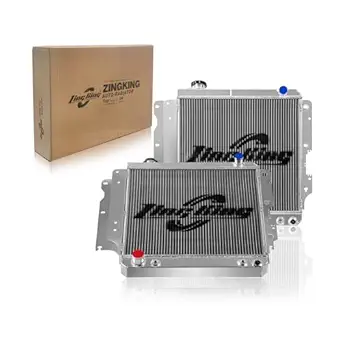 |
| Best Value The sweet spot between price and what you get | Readair Engine Coolant Radiator Assembly with Transmission Oil Cooler for Jeep Wrangler TJ (1997–2006) |  |
| Best Budget The cheapest option that still gets the job done reliably | SCITOO Radiator Replacement for 1997–2006 Jeep Wrangler |  |
| Highest Rated A top-rated pick with lots of positive feedback | DWVO Complete Radiator Compatible with 1991–2006 Jeep Wrangler (CU2101) |  |
| Most Popular A crowd favorite that many people choose with confidence | AUTOSAVER88 Radiator for Jeep Wrangler TJ (1997–2006) |  |
| Best Seller A high-volume bestseller chosen again and again | RADREPLA 3-Row Aluminum Radiator for 1987–2006 Jeep Wrangler (Direct Fit) |  |
1. RADREPLA 4-Row Aluminum Radiator for 1987–2006 Jeep Wrangler (DPI2101)

| Fitment | 1987–2006 Jeep Wrangler YJ/TJ 2.4L–4.2L |
|---|---|
| Row Count | 4 Row |
| Core Size | 18.11" H x 20.00" W x 1.73" T |
| Inlet/Outlet | 1.26" / 1.50" |
| Construction | AA5052 aluminum, brazed core, TIG welded |
This RADREPLA 4-row aluminum radiator replaces the factory unit with a beefier, bolt-on cooling solution for Jeep Wrangler 1987–2006 2.4L–4.2L engines. It uses AA5052 aircraft-grade aluminum, a brazed core and TIG welding for a leak-tested, epoxy-free construction that the brand says boosts cooling 30–45 percent. The radiator ships with a CNC-machined filler cap and a transmission oil cooler provision where applicable, and its direct-replacement mounting means installation typically requires no drilling or modification. In real-world use you can expect lower operating temps under towing, off-road or hot-weather conditions and a more durable unit than many plastic-and-aluminum factory radiators. Be aware the core and inlet/outlet sizes are specific, so confirm hose and transmission cooler fittings match your Wrangler; some buyers needed mounting hardware details separately. Overall this is a practical upgrade for someone prioritizing improved cooling and longevity over maintaining a purely stock component.
Best for: Jeep owners who want a reliable, longer-lasting cooling upgrade that reduces operating temperatures during towing, off-road use, and hot-weather driving while keeping installation straightforward.
Less Ideal for: If you prefer to keep every component strictly factory-original or need a radiator for a different vehicle, this upgraded direct-replacement is not the right choice.
- 4-row AA5052 aircraft-grade aluminum core for higher heat dissipation
- Brazed core and 100% TIG-welded construction with leak testing
- Direct bolt-on fitment for 1987–2006 Jeep Wrangler models requires no drilling
- Includes CNC-machined filler cap and built-in provision for transmission oil cooler
- Advertised 30–45% improvement in cooling performance versus standard units
- Some buyers may need to source specific mounting bolts or adapter hoses separately
Verdict: Choose this RADREPLA 4-row aluminum radiator if you want a durable, bolt-on cooling upgrade that significantly lowers engine temps for 1997–2006 Jeep Wranglers.
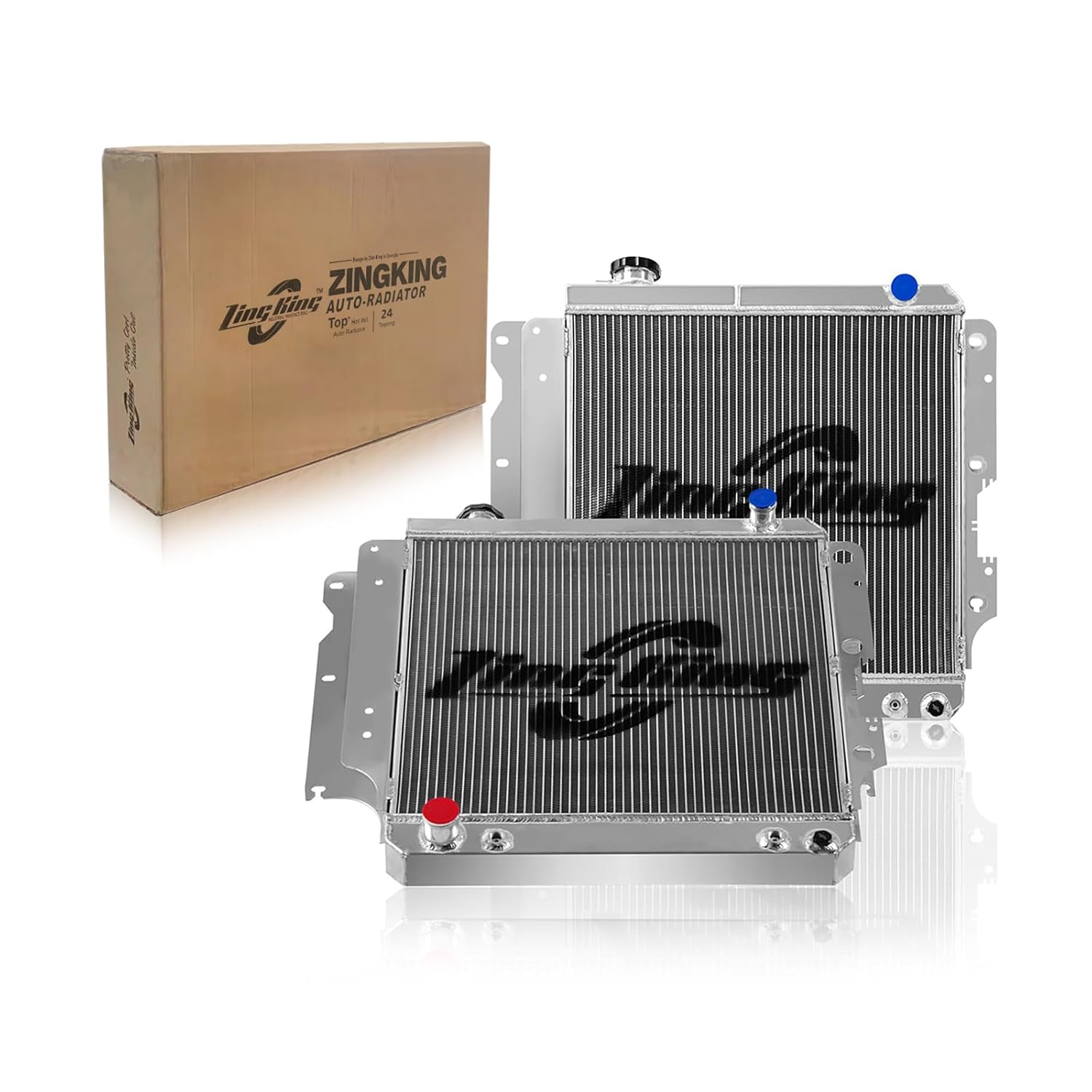
2. ZING KING CC2101 3-Row All-Aluminum Radiator for 1987–2006 Jeep Wrangler (TJ/YJ/LJ)
| Cooler Heatsink Material | Aluminum |
|---|---|
| Mounting Type | Chassis Mount |
| Compatible Engines | I4 and I6 (2.4L, 2.5L, 4.0L, 4.2L) |
| Rows | 3 |
This ZING KING CC2101 is a three-row, all-aluminum replacement radiator built for Jeep Wrangler models from the late 1980s through 2006 and aims to deliver stronger cooling than stock units. It uses high-density corrugated fins and a 3-row tubing layout to increase heat dissipation, which helps keep coolant temperatures steadier under heavy loads or during off-road use. Buyers will appreciate the factory-style mounting and included pressure cap, plus the brand reports multiple quality checks including leak and flow tests. Installation is generally straightforward on TJ and YJ chassis but several users noted small fitment tweaks are needed such as drilling or reworking one fan shroud hole and swapping shroud bolts to M6x25 hardware. The radiator is noticeably more robust than plastic-core replacements and provides a meaningful temperature advantage for towing, trail use, or higher-output engines, though it can require minor shroud modification to fit exactly and may be overkill for stock low-load 4-cylinder setups.
Best for: Drivers who push their Wrangler harder than stock duties—towing, trail driving, engine swaps, or hotter-running setups—and want a stronger aluminum radiator to lower operating temperatures and improve reliability.
Less Ideal for: Owners who prefer a no-change, exact factory plug-and-play replacement or those with strictly mild, stock driving needs where the extra cooling capacity is unnecessary.
- All-aluminum 3-row core with high-density corrugated fins for improved heat dissipation
- Multiple factory-style quality checks including leak, vibration, corrosion resistance, and flow tests
- Direct-fit design for 1987–2006 Wrangler families with common mounting points
- Includes a new pressure cap and is more durable than plastic-core aftermarket radiators
- May require minor fan shroud modification and different shroud bolts for a secure install
- Fitment is close but not perfect in all Wrangler years or configurations, so expect small adjustments
Verdict: Choose this all-aluminum 3-row radiator when you need noticeably better cooling and durability for a Wrangler used in towing, off-road, or higher-output applications.
3. Readair Engine Coolant Radiator Assembly with Transmission Oil Cooler for Jeep Wrangler TJ (1997–2006)

| Compatible vehicles | Jeep Wrangler TJ 1997–2006 (listed engine fits) |
|---|---|
| Transmission oil cooler | Included |
| Core material | Aluminum core |
| Inlet diameter | 1-1/5 inch |
| Outlet diameter | 1-1/2 inch |
This Readair radiator is a direct-fit replacement for many 1997–2006 Wrangler TJ engines and includes an integrated transmission oil cooler, so you replace two components at once. It uses an aluminum core with plastic inlet/outlet tanks and a brass cooler, and the listing notes TIG-welded construction and treated coatings intended to resist leaks and corrosion. Installation is straightforward for a DIYer or shop because the unit follows factory mounting points and hose locations for the listed applications. Real-world benefits include restored cooling capacity and lower transmission fluid temperatures compared with a radiator that lacks a cooler, and several owners report good fit and simple installation. Limitations to keep in mind are that fitment is vehicle-specific and you must confirm the part numbers and hose diameters match your Wrangler variant; the radiator uses plastic tanks which, while common and lightweight, can be less impact-resistant than all-metal designs. The manufacturer offers a two-year unlimited-mileage guarantee and customer service support if issues arise.
Best for: Buyers who want a practical, vehicle-specific radiator replacement that restores engine cooling and adds a transmission cooler in one straightforward swap, and who prefer a balance of cost and function for routine driving and light towing.
Less Ideal for: Drivers who plan heavy off-road use, frequent high-impact driving, or who prioritize an all-metal heavy-duty core should consider purpose-built heavy-duty radiators instead.
- Direct-fit design for 1997–2006 Jeep Wrangler TJ automatic transmissions simplifies installation
- Integrated transmission oil cooler removes the need for a separate cooler upgrade
- Aluminum core with TIG-welded joints and treated coating aimed at durability and leak resistance
- Frequently reported accurate fit and factory-compatible mounting locations
- Plastic inlet/outlet tanks may be less impact-resistant than full-metal radiators
Verdict: A practical direct-fit replacement that restores cooling and adds a built-in transmission cooler for 1997–2006 Wrangler TJs, ideal for owners who prioritize straightforward, cost-effective repairs.
4. SCITOO Radiator Replacement for 1997–2006 Jeep Wrangler

| Manufacturer | SCITOO |
|---|---|
| Model | 125639 |
| OEM Part Number | 1682 |
| Core Rows | 1 Row |
| Engine Oil Cooler Included | No |
This SCITOO radiator is a budget-oriented replacement built to fit a range of Jeep Wrangler and TJ model years from the late 1980s through 2006. It installs like a factory-style unit and is intended as a one-row core cooling radiator without an integrated engine oil cooler. Typical use is to replace a leaking or damaged factory radiator; the inlet and outlet diameters match common factory hoses and mounting points so installation is straightforward for a home mechanic or shop. The single-row core keeps cost and weight down while still providing adequate cooling for everyday driving and light off-road use, but it will be less effective than multi-row performance radiators under heavy towing or sustained high-load conditions. Customers report good fitment and straightforward installation, though buyers should double-check year and engine fitment before ordering. Overall this is a practical, low-cost option if you need a reliable replacement that restores normal cooling without upgrading performance.
Best for: Practical owners who need an affordable, direct-fit radiator replacement to restore normal cooling on a 1997–2006 Jeep Wrangler without upgrading performance.
Less Ideal for: Drivers who frequently tow heavy loads, run the engine at sustained high temperatures, or want increased cooling capacity should consider multi-row or performance radiators instead.
- Designed to match factory mounting points for straightforward fitment on specified Jeep Wrangler and TJ years
- Single-row core offers a lower-cost, lighter replacement that handles everyday driving cooling needs
- Includes common inlet and outlet diameters compatible with standard radiator hoses
- Widely reviewed with many buyers reporting good fit and easy installation
- Single-row core is not optimized for heavy towing, high-performance, or sustained off-road strain
- Does not include an engine oil cooler, so vehicles that require one need a separate solution
Verdict: A cost-effective, direct-fit radiator replacement for 1997–2006 Jeep Wrangler owners who want a reliable, budget-friendly restore of factory cooling performance.
5. DWVO Complete Radiator Compatible with 1991–2006 Jeep Wrangler (CU2101)

| Compatible engines | L6 4.0L, L4 2.4L, 2.5L, 4.2L L6 |
|---|---|
| Core material | Aluminum multi-louvered core |
| Tanks | PA66 GF30 inlet/outlet tanks |
| Includes | Brass AT cooler and drain plug |
| Model | CU2101 |
This DWVO complete radiator is a direct-fit replacement for several Wrangler years and engine types, built with a high-density multi-louvered aluminum core and TIG-welded connections to improve cooling and durability. It installs like a factory replacement and includes a brass transmission oil cooler and drain plug, though the radiator cap and sensors must be reused from the original. In normal use it keeps operating temperatures steady and fits the stock mounting points, so it works well for routine driving and repairs. Buyers should note the tanks are PA66 GF30 plastic; while many users report solid, leak-free service, a subset of reviews mention seal or tank leaks and lighter-weight plastic compared with older factory parts. Packaging and included corner foam protect the fins during shipping. Professional installation is recommended if you are not comfortable reusing existing fittings and sensors. For a reliability-focused repair this unit is a practical, budget-friendly replacement but be aware that long-term durability depends on installation care and regular cooling-system maintenance.
Best for: Buyers wanting a budget-conscious, direct-replacement radiator that restores normal operating temperature and fits without modification, prioritizing a practical fix over an upgraded performance part.
Less Ideal for: Drivers seeking a heavy-duty or long-life performance upgrade for off-road or extreme-heat use should consider higher-end all-metal radiators or OEM-level parts instead.
- Direct-fit design matches factory mounting points for straightforward replacement
- High-density multi-louvered aluminum core for improved heat dissipation
- Brass transmission oil cooler and drain plug included
- Packaged with protective foam to prevent fin damage in transit
- Plastic inlet/outlet tanks may feel lighter than older factory parts and have isolated reports of leaks
Verdict: A cost-effective, direct-fit replacement radiator that restores reliable cooling for 1997–2006 Jeep Wrangler use when installed and maintained correctly.
6. AUTOSAVER88 Radiator for Jeep Wrangler TJ (1997–2006)

| Compatible models | 1997–2006 Jeep Wrangler TJ (2.4L, 2.5L, 4.0L, 4.2L) |
|---|---|
| Core material | Aluminum core |
| Tanks | Plastic tanks |
| Core size | 18 x 19.2 inches |
| Replacement part numbers | 55037652AA, 55037653AB, 55037653AC, 5102983AA |
This AUTOSAVER88 radiator is a direct-replacement cooling unit engineered for 1997–2006 Jeep Wrangler TJ models. It uses a high-density aluminum core with multi-louvered fins and plastic tanks to boost heat dissipation and meet factory-style fitment in most installations. The unit ships as a complete radiator (cap not included) and is intended for professional or DIY installation when replacing a failing or leaking factory radiator. Practical benefits include improved cooling efficiency versus aged cores and leak testing performed at the factory to help ensure a tight seal. Several buyers report easy installs and good alignment with stock mounting points, though some installers noted misaligned mounting holes, missing plugs, or inconsistent transmission cooler threads that required minor modifications. If installed carefully and paired with proper coolant and maintenance, this radiator can return an overheating Jeep to reliable operation, but expect to supply a radiator cap and possibly small hardware during installation.
Best for: Buyers who want a budget-friendly replacement that restores cooling performance and value reliability backed by many user reports of successful installs.
Less Ideal for: Shoppers seeking a guaranteed perfect factory match without any modification or those who need an included radiator cap and all installation hardware straight out of the box.
- Aluminum core with multi-louvered fins for improved cooling efficiency
- Factory-style direct fit for most 1997–2006 Wrangler TJ applications
- Leak-tested during production to reduce early failures
- Upgraded packaging to help prevent shipping damage
- Radiator cap is not included
- Some units may need minor fitment adjustments or extra plugs/hardware during installation
Verdict: Well-reviewed and economical direct-fit radiator that restores cooling for 1997–2006 Wrangler TJs while offering solid performance for the price.
7. RADREPLA 3-Row Aluminum Radiator for 1987–2006 Jeep Wrangler (Direct Fit)

| Fitment | 1987–2006 Jeep Wrangler YJ/TJ (multiple engines) |
|---|---|
| Row Count | 3 Row |
| Core Size | 18.11" H x 20.00" W x 1.73" T |
| Mounting Style | Bolt-On |
| Includes | Radiator cap |
This RADREPLA 3-row aluminum radiator replaces the factory unit on 1987–2006 Jeep Wranglers and is designed as a direct bolt-on replacement. Made from aircraft-grade AA5052 aluminum with a brazed core and TIG welding, it aims to improve cooling efficiency by a significant margin over stock and arrives leak tested. Typical use is a like-for-like swap during an engine cooling service or when the original radiator is leaking or underperforming. Notable features include a three-row core for increased heat rejection, included radiator cap, and factory-style mounting for straightforward installation. Real-world benefits reported by buyers include lower engine temperatures, solid welds, and generally good fit; some users did note minor alignment differences with fan shrouds and occasional transmission port size issues that required replacement fittings. Expect a mostly hassle-free install with the occasional small adjustment to mounting hardware or hose fittings, and a stiffer radiator cap compared with factory pieces.
Best for: Drivers who want a dependable, factory-replacement style radiator that lowers engine temperatures without major modification and prefer a built product with thorough leak testing and robust welds.
Less Ideal for: If you need an exact OEM-identical part number or a plug-and-play unit with zero possible fitment tweaks, consider sourcing a dealer-specified factory part instead.
- Aircraft-grade AA5052 all-aluminum construction for corrosion resistance and durability
- Three-row brazed core and TIG welding for improved cooling efficiency and leak resistance
- Direct bolt-on design intended to match factory mounting points for easier installation
- Includes radiator cap and is 100% leak tested before shipping
- Multiple buyer reports of lower engine temps compared with original radiator
- Some fan shroud mounting holes may not line up exactly requiring minor adjustment
- Transmission cooler ports have inconsistent girth on a few units and may need replacement fittings
Verdict: A rugged, direct-fit aluminum 3-row radiator that reliably improves cooling for 1997–2006 Jeep Wranglers while keeping installation simple.
Choosing the Right 1997-2006 Jeep Wrangler Radiator: Key Factors to Consider
Core Type and Cooling Capacity
Core material and tube-fin design directly affect how much heat the radiator can move from coolant to air. For the 1997-2006 Wrangler, which often sees low-speed off-road work, a high-efficiency core with adequate fin density reduces temperature spikes when airflow is limited. Thicker cores or multi-row designs increase coolant volume and dissipation but can add weight and require slightly more fan power. Consider whether you need extra capacity for towing or if you run heavy-duty accessories that add heat. Also check whether the core design interferes with the factory fan shroud and other under-hood components to avoid clearance issues.
Material and Corrosion Resistance
Radiators are commonly built with aluminum cores and either plastic or aluminum tanks; fully aluminum brazed units tend to last longer and tolerate repeated temperature cycles better than plastic tanks. For Wranglers used in salty or humid environments, coatings and corrosion-resistant fittings extend service life. Pay attention to the finish on the cooling fins and the treatment of seams. Welded or brazed joints reduce the chance of leaks compared with crimped plastic tanks. The tradeoff is cost and sometimes weight, so match the material choice to how you use the vehicle and whether you anticipate heavy-duty or off-road exposure.
Fitment and Mounting Accuracy
Accurate fitment matters more than raw performance when replacing a radiator in the 1997-2006 Wrangler. Incorrect mounting points, mismatched hose connections, or radiator cores that foul the fan shroud can force additional modifications and increase installation time. Look for radiators that confirm fit for 1997-2006 model years and note whether they support automatic transmission cooling lines if your vehicle has an automatic. Even small differences in inlet/outlet locations or bracket shapes can require adapter hoses or new fasteners, so prioritize units designed to match the factory layout.
Compatibility With Fan, Shroud, and Accessories
The radiator must work with the Wrangler's existing electric or mechanical fan assembly and shroud. Many Owners of 1997-2006 Wranglers retain the stock fan or upgrade to a high-flow electric unit; the radiator should have correct clearance and mounting provisions to accept whichever setup you plan to use. Also consider how the radiator interfaces with overflow tanks, sensor ports, and A/C condenser placement. A radiator that forces you to relocate the overflow reservoir or compromises condenser airflow will create additional work and may degrade overall cooling performance.
Serviceability and Maintenance Features
Service-friendly radiators reduce labor and avoid recurring issues. Drain plug location, accessible hose clamps, and clearly visible mounting bolts make coolant changes and inspections easier on the 1997-2006 Wrangler. Some designs include replaceable fittings or built-in bleed ports to simplify a coolant refill and air-bleeding procedure. Consider whether the radiator permits a standard radiator coolant flush without removing other components. Ease of DIY maintenance matters if you plan to service the cooling system yourself rather than relying on a shop.
Warranty, Support, and Long-Term Reliability
A substantive warranty and clear manufacturer support are valuable because radiators are subject to vibration, corrosion, and thermal cycling that cause failures over time. For the Wrangler, which sees rough-road stress, a longer warranty can signal confidence in construction and materials. Check the warranty terms and whether replacements require proof of professional installation or specific coolant use. Warranties do not guarantee indefinite life, but they reduce risk and cost when a premature failure occurs.
Understanding the 1997-2006 Wrangler Generations and Fit
The 1997-2006 Jeep Wrangler production years cover a generation commonly identified by owners as the TJ, LJ, and TJU era. When shopping for a radiator for a 1997-2006 Wrangler, confirm the radiator explicitly lists TJ, LJ, and TJU or the 1997-2006 year span to ensure correct hose and mount alignment. Small differences in mounting tab shapes or inlet locations between early and late production years can affect fit.
Fitment notes should also specify whether the radiator supports automatic transmission cooling lines if applicable. Confirming these details up front prevents surprises during installation and avoids the need for hose extensions or bracket modifications.
- Verify the radiator lists 1997-2006 or TJ, LJ, and TJU compatibility on fitment info
- Check inlet/outlet orientation against your existing hoses
- Confirm compatibility with your fan and shroud setup
Signs Your Wrangler Radiator Needs Replacement
Radiator symptoms that typically indicate replacement include persistent overheating, coolant leaks under the vehicle, steam from the engine bay, or contaminated coolant with rust or debris. For Wranglers, overheating during low-speed off-road use or in traffic is a common practical sign that the radiator is not removing heat efficiently.
Other symptoms include spongy heater performance in cold weather and frequent need to top off coolant. Minor leaks can sometimes be patched temporarily, but recurring leaks or pressure loss usually means it is time to replace the radiator rather than repair it repeatedly.
- Overheating at idle or low speed
- Visible coolant leakage or dampness around seams
- Rusty or contaminated coolant
- Loss of heater effectiveness in cold conditions
Preparing Your Wrangler for Radiator Replacement
Before purchasing a replacement radiator, drain the cooling system and inspect hoses, clamps, and the thermostat. If hoses are brittle or clamps are corroded, replace them at the same time to avoid leaks. Make a note of the fan type—mechanical or electric—and whether the vehicle has an automatic transmission so you can choose a radiator with appropriate ports.
Measure clearance around the shroud area and confirm mounting bracket locations so the replacement fits without modification. Keep basic tools on hand and plan for a coolant flush after installation. If you plan to buy a radiator online, double-check the seller's fitment information and return policy to avoid fitment surprises.
- Inspect and replace old hoses and clamps
- Confirm fan type and transmission cooler requirements
- Measure shroud clearance and mounting locations
- Plan for a full coolant flush after installation
Installation Considerations and Common Pitfalls
Radiator installation on a 1997-2006 Wrangler is a straightforward job for many DIYers but often includes some gotchas. Common pitfalls include overtightening hose clamps that crack plastic tanks, failing to properly seat transmission cooler lines, and not fully bleeding air from the system which can lead to persistent hotspots. Follow torque guidance for mounting bolts and avoid forcing hoses onto misaligned inlets.
If your replacement radiator has a different drain plug or port placement, position a catch pan and plan extra time. After installation, run the engine to operating temperature with the heater on and verify there are no leaks, the fan engages as expected, and the temperature gauge remains steady.
- Avoid overtightening hose clamps on plastic tanks
- Ensure transmission cooler lines are sealed properly
- Bleed the cooling system to eliminate air pockets
- Verify fan engagement and stable operating temperature
When to Choose a Full Aluminum Radiator Versus Plastic-End Units
Full aluminum radiators with brazed tanks generally offer better long-term durability and resistance to thermal cycling than units with plastic end tanks. For Wranglers that see heavy use or live in corrosive environments, a full-aluminum option reduces the risk of tank failure and can tolerate more frequent thermal stress.
Plastic-end radiators are often lighter and less expensive, and they are a reasonable choice for light-duty drivers who prioritize cost. Consider the vehicle's use pattern and local climate when weighing these options, and remember that a well-built plastic-end unit can still provide reliable service if installed and maintained correctly.
- Full-aluminum: higher durability, better for heavy use
- Plastic-end: lighter and more budget-friendly
- Match choice to driving conditions and expected service life
Routine Maintenance to Extend Radiator Life
Regular maintenance helps prevent many radiator failures. Perform a radiator coolant flush on the schedule recommended for your coolant type and the vehicle's service intervals. Inspect the radiator fins for debris and straighten damaged fins carefully to preserve airflow.
Check hose conditions annually and monitor coolant level and color. Promptly address any signs of leakage or contamination to avoid corrosion and internal clogging. Small preventive steps reduce the chance of a roadside failure and prolong radiator service life.
- Follow scheduled coolant flushes
- Keep fins clean and free of debris
- Inspect hoses and clamps annually
- Address leaks and coolant contamination immediately
Still looking for the perfect fit?
Select your Jeep Wrangler configuration to see the most relevant Radiators recommendations
How We Chose the Best 1997-2006 Jeep Wrangler Radiator
We evaluated candidate radiators using criteria specific to the 1997-2006 Jeep Wrangler platform and the typical operating conditions Wrangler owners face. First, cooling capacity and core design were assessed to ensure adequate heat rejection for both highway cruising and low-speed off-road use. Second, material and construction quality were weighed, including aluminum versus plastic-end options, brazed seams, and corrosion-resistant finishes that affect longevity in varied climates. Third, fitment accuracy and mounting point alignment were verified against factory dimensions to minimize installation adjustments and ensure proper hose and shroud placement. Fourth, compatibility with stock transmission lines and options for automatic transmission cooling were reviewed. Fifth, serviceability factors such as drain plug location, ease of hose access, and integration with the existing fan and shroud assembly were considered. We excluded radiators that required major chassis modification, nonstandard fan conversions, or unverified fitment claims for the 1997-2006 Wrangler. Also excluded were products lacking clear warranty or construction details. Our selection favors units that balance durability and straightforward installation while addressing common failure modes for this generation of Wrangler owners.
Our full evaluation process is outlined in our review methodology.
FAQ
How do I know if my 1997-2006 Wrangler radiator is leaking or just losing coolant elsewhere?
Start by inspecting the radiator seams and the area beneath the vehicle for fresh coolant. Check hose connections, the overflow reservoir, and the water pump for signs of seepage. Pressure-testing the cooling system or checking for coolant in the oil are practical next steps if visible leaks are not obvious.
Can I perform a radiator replacement on my Wrangler myself?
Many owners can replace the radiator using common tools, but you should be comfortable draining the system, handling transmission cooler lines if equipped, and bleeding air from the coolant. If you encounter corroded fittings or difficult-to-reach fasteners, professional help may be warranted.
Should I flush the cooling system when installing a new radiator?
Yes. Flushing the system removes sediment and old coolant that could shorten the life of the new radiator. Use the correct type of coolant for your Wrangler and follow proper bleeding procedures to eliminate air pockets after installation.
Does using an aftermarket radiator affect my Wrangler's cooling performance?
Aftermarket radiators can match or exceed stock cooling performance if they are correctly specified for the 1997-2006 Wrangler and built with quality materials. Performance depends on core design, material, and fitment rather than the aftermarket label itself.
What are common radiator symptoms besides overheating?
Other symptoms include coolant dripping or puddles under the vehicle, recurring need to top off coolant, discolored or rusty coolant, reduced heater output in cold weather, and steam or a sweet smell from the engine bay. Any of these warrant inspection and likely repair.
How long should a proper replacement radiator last in a Wrangler?
Lifespan depends on materials, environment, and maintenance. A well-constructed aluminum radiator used with proper coolant and regular maintenance can last many years, while plastic-end units in harsh climates may need replacement sooner. Regular inspections help predict when replacement is needed.
Final Verdict
When choosing a replacement radiator for a 1997-2006 Jeep Wrangler, prioritize fitment accuracy, appropriate cooling capacity for your driving conditions, and durable construction that resists corrosion and thermal stress. Balance the benefits of full-aluminum cores against the cost and weight of the unit, and make sure the radiator integrates cleanly with your fan, shroud, and transmission cooling requirements. Proper installation and routine coolant maintenance will extend service life. Choose the option that aligns with how you use the Wrangler and your willingness to perform or pay for maintenance, and you will resolve overheating risks while restoring dependable engine cooling.
Explore More:
- Check out all Jeep Wrangler parts & accessories
- Explore Radiators Maintenance & Repair Guides
- Explore Cooling System
- Browse all Auto Parts
