

Note: This article contains affiliate links. If you click on these links and make a purchase, I may earn a small commission at no extra cost to you. This helps support my research and content. Read my full affiliate disclosure here.
Swapping to an aluminum radiator can be one of the most effective upgrades to keep a Jeep Wrangler running cool under heavy load or during off-road use. Whether you tow, run large tires, or spend hot days in stop-and-go traffic, the right aluminum radiator helps reduce engine temperature spikes, resist corrosion, and improve long-term reliability.This guide covers seven shortlisted aluminum radiators chosen specifically for the Jeep Wrangler. We'll explain what matters for fitment and cooling performance, outline common failure symptoms to watch for, and summarize the evaluation criteria used to select these top options. Read on to find the aluminum radiator best suited to your driving and maintenance priorities.
Looking for other parts? See all Jeep Wrangler parts & accessories.
Top Picks at a Glance
| Best Overall The best all-around choice for most situations | Smileracing 3-Row Full Aluminum Racing Radiator for 2007–2018 Jeep Wrangler JK V6 |  |
| Best Quality Built to a higher standard if you want something more solid | Mishimoto Performance Aluminum Radiator for Jeep Wrangler JK (2007–2017) |  |
| Best Value The sweet spot between price and what you get | SPELAB CU2957 Radiator Replacement for Jeep Wrangler (3.6L/3.8L) |  |
| Best Budget The cheapest option that still gets the job done reliably | LucaSng Full Aluminum 3-Row Racing Radiator for 1987-2006 Jeep Wrangler YJ/TJ |  |
| Highest Rated A top-rated pick with lots of positive feedback | SCITOO Aluminum Radiator Assembly for Jeep Wrangler (2007–2018) |  |
| Most Popular A crowd favorite that many people choose with confidence | ALLOYWORKS 3-Row Full Aluminum Radiator for 1987–2006 Jeep Wrangler YJ/TJ |  |
| Best Seller A high-volume bestseller chosen again and again | RADREPLA 3-Row Aluminum Radiator for 1987–2006 Jeep Wrangler (Direct Replacement) |  |
1. Smileracing 3-Row Full Aluminum Racing Radiator for 2007–2018 Jeep Wrangler JK V6

| Core Size | 518 x 556 x 44mm |
|---|---|
| Overall Size | 748 x 536 x 187mm |
| Inlet/Outlet | 1.50" / 1.50" |
| Material | AA5052 aluminum |
This Smileracing 3-row aluminum radiator is a bolt-in replacement aimed at improving cooling capacity for Jeep Wrangler JK V6 swaps or stock engines that run hot. Built from AA5052 aluminum with TIG-welded seams, the thicker three-row core and larger coolant volume increase heat dissipation compared with many factory units. Typical use is direct front-mount replacement during an engine refresh, off-road build, or when adding higher-power accessories that raise underhood temperatures. Notable features are the full-aluminum construction, 1.5" inlet/outlet plumbing and a sizable core that supports greater coolant capacity. In practice the radiator reduces operating temperatures and is light compared with traditional units, but buyers should plan to supply their own fan hardware since mounting bolts for fans are not always included. Fitment is advertised specifically for 2007–2018 Wrangler JK V6 engines so expect straightforward installation on those models but verify mounting and hose alignment before purchase. The product is a sensible midweight upgrade for drivers who want better cooling without a custom fabrication job.
Best for: Jeep owners seeking a balanced, no-frills cooling upgrade that delivers better temperature control for daily driving, light off-roading, or modest performance increases without needing a custom radiator build.
Less Ideal for: Not the best choice for extreme track builds or highly modified front-end swaps that require custom-fit radiators or integrated fan assemblies.
- Full AA5052 aluminum construction with TIG welding for corrosion resistance and durability
- Three-row core increases coolant capacity and improves heat dissipation over many stock radiators
- Direct bolt-on fitment for 2007–2018 Jeep Wrangler JK 3.6L and 3.8L V6 engines simplifies installation
- 1.50" inlet/outlet sizing matches common Wrangler hose plumbing for easier plumbing integration
- Fan mounting hardware is not guaranteed to be included, requiring separate purchase or fabrication
- Some buyers reported fitment clearance issues on nonstandard or heavily modified front-end setups
Verdict: A straightforward three-row aluminum replacement that gives Jeep Wrangler JK V6 drivers noticeably better cooling capacity with minimal installation fuss.
2. Mishimoto Performance Aluminum Radiator for Jeep Wrangler JK (2007–2017)
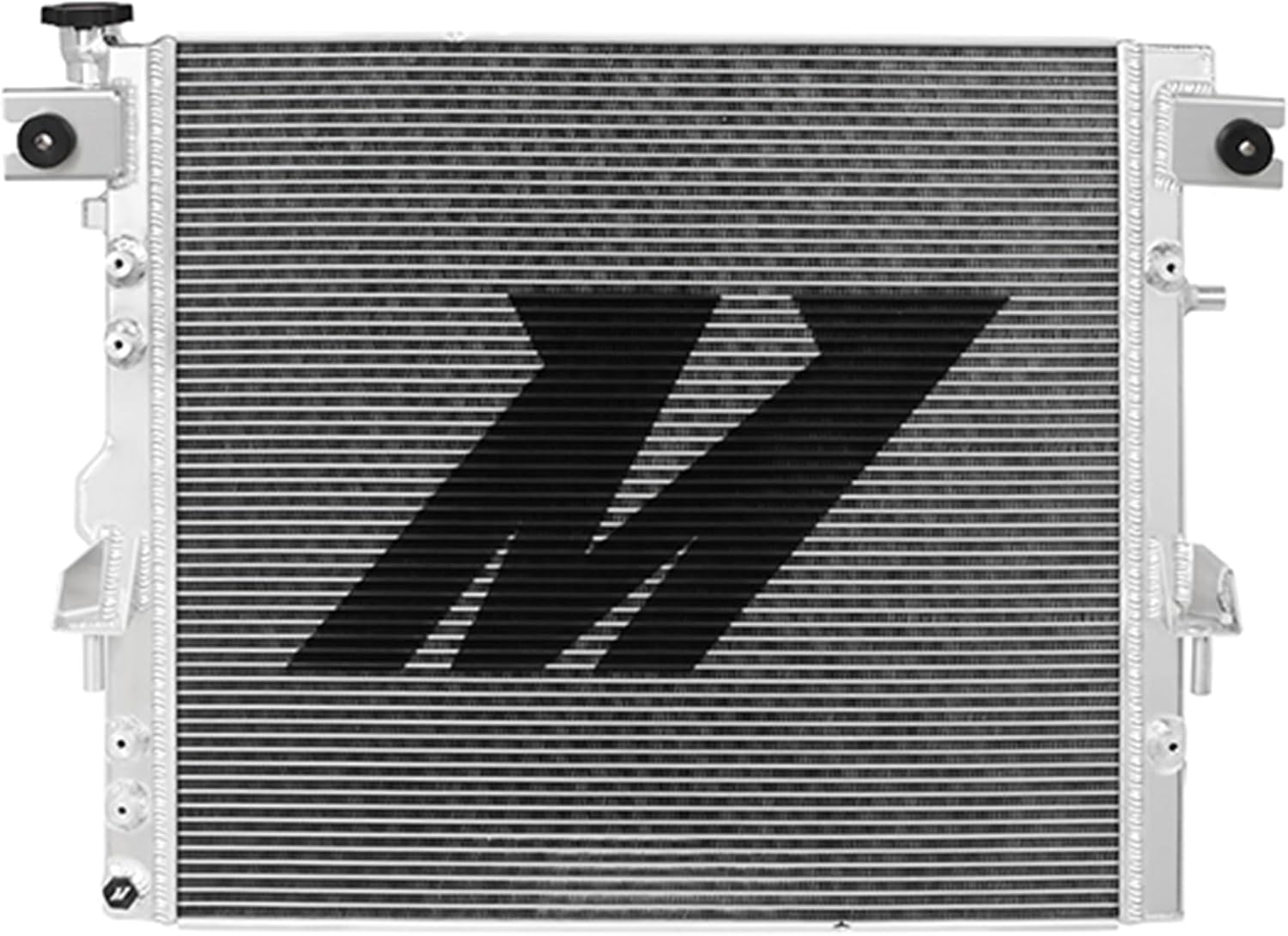
| Fitment | Jeep Wrangler JK 2007-2018 |
|---|---|
| Core design | 37-row stacked-plate |
| Material | Aircraft-grade aluminum |
| Construction | TIG-welded end tanks, 100% brazed core |
| Includes | Magnetic drain plug and high-pressure cap |
The Mishimoto Performance Aluminum Radiator is a direct-fit upgrade for Jeep Wrangler JK models that replaces the factory unit with a thicker, all-aluminum core designed for heavy use. Its 37-row stacked-plate core and larger coolant capacity deliver noticeably better heat rejection, which helps lower engine and transmission temperatures when towing, off-roading, or running heavy accessories. Construction uses aircraft-grade aluminum with TIG-welded end tanks and a 100% brazed core for improved durability over plastic-tank radiators. The kit includes a magnetic drain plug, a high-pressure cap, and hardware to simplify installation for a competent DIYer or shop. Expect a few fitment chores on some Jeeps—several owners reported needing to enlarge condenser holes or tweak brackets—so plan for minor trim or adjustment during install. The radiator is heavier and bulkier than stock but that comes with the benefit of greater cooling capacity and longevity for demanding use.
Best for: Drivers who push their JK with towing, heavy accessories, or regular off-road use and want a durable cooling upgrade that reduces operating temperatures and stress on the transmission.
Less Ideal for: If you use your Jeep only for light daily driving without added loads, the added bulk and installation adjustments may be unnecessary; budget-focused buyers looking for the cheapest replacement should consider simpler units.
- Significantly increased core volume and coolant capacity for better heat management
- All-aluminum, TIG-welded construction and brazed core for improved durability
- Direct-fit design with included hardware and installation kit
- Magnetic drain plug and high-pressure cap add practical protective features
- May require minor trimming or adjustment to condenser mounting holes and surrounding brackets on some vehicles
Verdict: Choose this radiator if you need a rugged, higher-capacity aluminum upgrade that noticeably lowers engine and transmission temps under towing and off-road conditions.
3. SPELAB CU2957 Radiator Replacement for Jeep Wrangler (3.6L/3.8L)

| Fitment years | 2007-2018 |
|---|---|
| Compatible engines | 3.6L, 3.8L V6 |
| Drive types | 4WD, RWD |
| Model number | CU2957 |
The SPELAB CU2957 is an aluminum replacement radiator intended to restore cooling performance on Jeep Wrangler models with 3.6L or 3.8L V6 engines. It installs as a direct-fit unit and includes thicker tube walls and machined exterior components meant to improve durability in hot or cold climates. Typical use is straightforward: remove the old core, transfer any reusable brackets or fittings, and bolt this radiator into the factory mounting points; some buyers reported minor clearance and mounting boss differences so a bit of trimming or tapping fasteners may be needed. The radiator supports both engine and transmission oil cooler connections on some Wrangler variants, which keeps plumbing simpler during swap. Practical benefits include improved heat dissipation from the aluminum core and a full-size replacement core that matches factory routing. Limitations: a few reviewers noted fitment variances around fan hooks and accessory brackets and one report of hose fittings separating under stress, so inspect hose clamps and line connections and consider torqueing fasteners to spec during installation.
Best for: Buyers who want a budget-conscious, long-term cooling replacement that restores factory routing and cooling capacity with straightforward installation and reasonable durability expectations.
Less Ideal for: Those seeking a guaranteed perfect bolt-in aftermarket upgrade or a performance radiator with increased core thickness and dedicated high-flow design should consider higher-end or vehicle-specific performance units.
- Aluminum core with thicker tube walls for better heat transfer and durability
- Made to bolt into factory mounting points for a near direct-fit replacement
- Includes provisions for transmission oil cooler lines on applicable Wrangler models
- Machined exterior and tested for endurance in varied weather conditions
- Some units may require minor trimming or tapping of mounting holes for a perfect fit
- A small number of buyers reported coolant or line fitting issues after installation
Verdict: A cost-effective aluminum direct-replacement radiator that restores factory-style cooling for Jeep Wrangler 3.6L/3.8L models while balancing durability and value.
4. LucaSng Full Aluminum 3-Row Racing Radiator for 1987-2006 Jeep Wrangler YJ/TJ

| Fitment | 1987-2006 Jeep Wrangler YJ/TJ |
|---|---|
| Core | 3 row |
| Material | Full aluminum |
This LucaSng full-aluminum 3-row radiator is a direct-fit replacement for 1987–2006 Jeep Wrangler YJ and TJ engines and is built to improve cooling over stock units. It uses a tube-and-fin aluminum design and larger coolant capacity to move heat away from the engine faster, which is useful for heavier towing, spirited driving, or hotter climates. Installation is the same basic process as replacing a factory radiator, and the three-row core gives more surface area without a large increase in bulk. Practical benefits include better resistance to temperature surges and potentially lower operating temps under load. The radiator appears well finished with chrome exterior trim and is considerably lighter than older cast-iron designs. Expect standard considerations for an aftermarket radiator: you may need to reuse or swap some brackets, hoses, or fittings depending on your Wrangler year and engine, and buyers seeking a plug-and-play factory-identical cosmetic match may notice styling differences compared with factory pieces.
Best for: Buyers looking for an affordable performance-focused replacement that lowers engine temperatures during towing, offroad work, or aggressive driving while keeping installation manageable.
Less Ideal for: Those who want an exact factory-style cosmetic match or need a radiator guaranteed to fit every possible accessory configuration without any bracket or hose adjustments.
- Three-row full-aluminum core increases cooling surface area compared with typical stock radiators
- Higher coolant capacity reduces temperature spikes under heavy load
- Lightweight aluminum construction improves heat transfer and reduces overall weight
- Designed to fit 1987–2006 Jeep Wrangler YJ and TJ direct-replacement application
- May require reuse or modification of existing brackets, hoses, or fittings for some year/engine combinations
Verdict: A budget-friendly full-aluminum 3-row replacement that meaningfully improves cooling for 1987–2006 Jeep Wranglers under load.
5. SCITOO Aluminum Radiator Assembly for Jeep Wrangler (2007–2018)
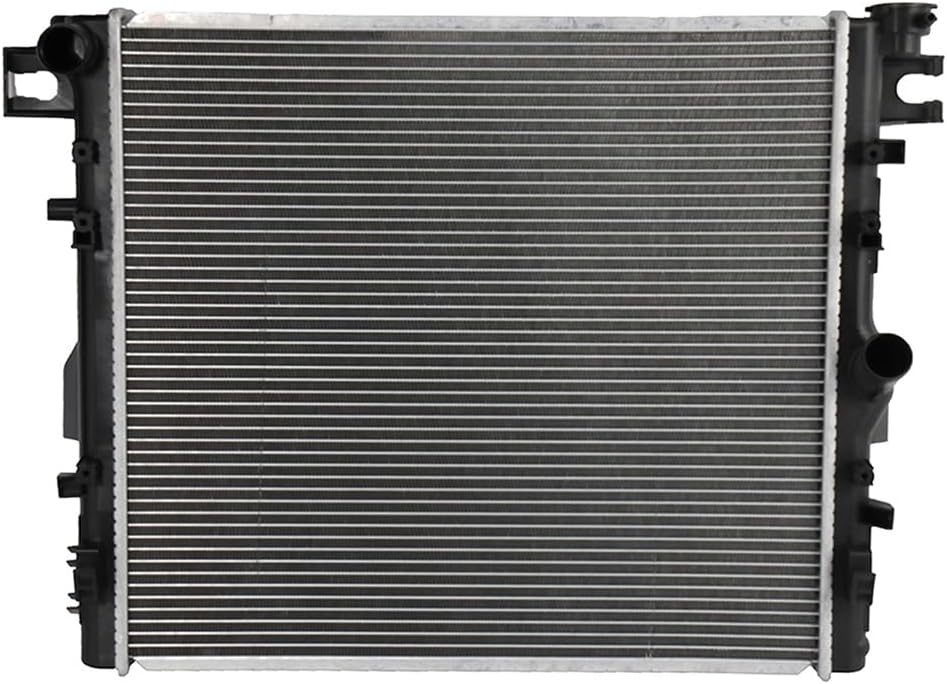
| Fitment years/engines | 2007–2011 Wrangler 3.8L; 2012–2018 Wrangler JK 3.6L |
|---|---|
| Material | Aluminum |
| Transmission oil cooler included | No |
| Engine oil cooler included | No |
| Manufacturer | SCITOO |
This SCITOO radiator is a full-aluminum, vehicle-specific replacement meant to restore proper engine cooling on compatible Jeep Wrangler 3.8L and 3.6L models. It installs in place of the original unit and is used the same way as a factory radiator to circulate coolant and manage engine temperature. Notable features include its all-aluminum construction and design keyed to the Wrangler fitment and common reference part numbers, which buyers report yields a straightforward install and correct mounting points. The practical benefits are improved corrosion resistance compared with mixed-material cores and a likely better heat transfer profile than dated or damaged originals. Customers commonly note a precise fit and simple swap-in installation. Limitations to consider are that it does not include an integrated transmission or engine oil cooler and may require reusing brackets or fittings from the old radiator, so small hardware or trim pieces might need attention during fitting. Expect a competent, budget-friendly replacement for returning cooling performance to Wrangler models in the listed years.
Best for: Jeep owners prioritizing a reliable, factory-style cooling replacement who want a durable all-aluminum radiator that fits Wrangler models without major modification.
Less Ideal for: Drivers needing a radiator with an integrated transmission or oil cooler or those seeking a complete drop-in kit with all mounting brackets and accessories included.
- Full-aluminum core and end tanks for good heat transfer and corrosion resistance
- Model-specific design for 2007–2011 3.8L and 2012–2018 3.6L Wrangler fitment
- Reported easy, drop-in installation with correct mounting points
- Covers common factory reference numbers for straightforward replacement matching
- Does not include transmission or engine oil cooler functionality
- May require reusing or sourcing vehicle-specific brackets or fittings not supplied
Verdict: A durable, full-aluminum, vehicle-specific radiator that reliably restores cooling for Jeep Wrangler 3.8L and 3.6L models without major modifications.
6. ALLOYWORKS 3-Row Full Aluminum Radiator for 1987–2006 Jeep Wrangler YJ/TJ

| Fitment | 1987–2006 Jeep Wrangler YJ/TJ L4/L6 |
|---|---|
| Core | 3 Row Core |
| Material | Full Aluminum (AA5052/6061) |
| Inlet/Outlet | Upper 1 1/4" / Lower 1 1/2" |
| Transmission | Automatic and Manual |
This ALLOYWORKS radiator is a direct-fit full-aluminum replacement built to increase cooling capacity for 1987–2006 Jeep Wrangler YJ/TJ engines. It uses a 3-row core and aircraft-grade 5052/6061 aluminum with TIG welds and a CNC-machined filler neck, so it is significantly more thermally efficient than stock plastic tanks and helps lower operating temperatures under load. Installation is typically straightforward for a DIYer or shop; mounting holes and fittings mostly align with factory points and it supports both manual and automatic transmissions. Users report noticeably cooler running temperatures and a clean raw-aluminum look. The main limitation is durability inconsistency across lots: several buyers report leaks after months of use and mixed support experiences, so long-term reliability may vary. Also the raw finish will require care against corrosion if used in salty environments. If you want better cooling and a lightweight aluminum unit, this radiator delivers immediate performance gains but be prepared to verify leak testing and seller support if issues arise.
Best for: Buyers who prioritize lower engine temperatures and improved cooling performance for their Jeep Wrangler and who value a direct-fit aluminum upgrade over stock plastic radiators.
Less Ideal for: Drivers seeking a guaranteed long-term factory-style replacement without any risk of early failure or those unwilling to pursue warranty or seller support if problems occur.
- Full 3-row aluminum core offers higher cooling capacity than typical plastic-tank radiators
- CNC-machined filler neck and included radiator cap for reliable sealing at the neck
- Direct-fit design for 1987–2006 Jeep Wrangler YJ/TJ mounts reduces modification during install
- TIG-welded construction and aircraft-grade aluminum for improved heat transfer and weight savings
- Some units have developed leaks after several months, indicating variable long-term durability
Verdict: If you want a direct-fit aluminum upgrade that noticeably lowers operating temperatures on 1987–2006 Wrangler YJ/TJ models, this 3-row Alloyworks radiator is a strong performance choice.
7. RADREPLA 3-Row Aluminum Radiator for 1987–2006 Jeep Wrangler (Direct Replacement)

| Fitment | 1987–2006 Jeep Wrangler YJ/TJ 2.4L–4.2L |
|---|---|
| Row Count | 3 Row |
| Inlet/Outlet | 1.26" / 1.50" |
| Mounting Style | Bolt-On |
| Includes | Radiator cap; transmission oil cooler ports |
This RADREPLA 3-row aluminum radiator replaces the factory unit with a full-aluminum, TIG-welded core intended to boost cooling capacity. It is sold as a direct bolt-on replacement for 1987–2006 Wrangler YJ/TJ models and includes a stamped radiator cap and transmission oil cooler ports. Typical use is straightforward: remove the old radiator, bolt this unit into the engine compartment and reconnect hoses and the oil cooler lines. The three-row core and aircraft-grade AA5052 construction are claimed to increase cooling efficiency substantially and reviewers report lower operating temps and solid weld quality. Fitment is generally good but several buyers noted minor alignment issues with the fan shroud and one transmission port size mismatch that required swapping supplied fittings. Installation is mostly simple for a competent DIYer or shop, though you may need to adjust one shroud bolt or replace a mounting bolt. The radiator is a practical choice for drivers who want improved cooling durability over the stock unit while keeping a mostly OEM-style installation process.
Best for: Buyers who prioritize a durable, factory-style replacement that improves cooling performance and want a mostly bolt-on swap with minimal engineering work.
Less Ideal for: Builders who need perfect, zero-adjustment fitment for every trim variant or those seeking an aftermarket radiator for heavy-duty racing or extreme towing applications.
- Full-aluminum, TIG-welded construction for improved durability and leak resistance
- Three-row core design that increases cooling capacity compared with many factory units
- Direct bolt-on fitment for 1987–2006 Jeep Wrangler YJ/TJ reduces need for modifications
- Includes transmission oil cooler ports and a radiator cap so it is installation-ready
- Multiple user reports of solid build quality and lower operating temperatures
- Occasional minor fitment issues with fan shroud mounting holes requiring slight adjustment or different bolts
- One reviewer reported inconsistent transmission port sizing that required replacing a supplied fitting
Verdict: A rugged, three-row aluminum direct-replacement radiator that delivers noticeably better cooling and a factory-style install for 1987–2006 Jeep Wranglers.
Choosing the Right Jeep Wrangler Aluminum Radiator: Key Factors to Consider
Cooling Capacity and Core Design
Cooling capacity determines how effectively the radiator dissipates heat from the Wrangler's engine. A larger or more efficient core can lower operating temperatures during towing, off-road crawling, or prolonged idling. Core design matters because tube count, fin density, and core thickness influence airflow restriction and heat exchange efficiency.
When evaluating cooling capacity, consider how much the radiator improves temperature under sustained high-load conditions rather than short bursts. A core that is too dense may provide excellent heat rejection but can become clogged by debris when driving off-road. Conversely, a very open core improves airflow but might offer less thermal mass. Balance the core dimensions with the mounting space and airflow path available in the Wrangler's front end.
Fitment and Mounting Accuracy
Precise fitment is critical for straightforward installation on a Jeep Wrangler. Radiators that match stock mounting points, outlet and inlet locations, and fan shroud mounting holes reduce the need for modifications. Proper alignment prevents kinked hoses, stressed fittings, and fan interference.
Pay attention to hose diameter and position as well as transmission cooler integration if applicable. A radiator with slightly different dimensions can still work but may require trimming the shroud or using adapter fittings. For owners who prefer bolt-in solutions, prioritize radiators that specify direct fit for the Wrangler to avoid fabricating brackets or rerouting coolant lines.
Material Quality and Corrosion Resistance
Aluminum radiators vary in alloy quality and finishing processes, which affect corrosion resistance and long-term durability. High-quality aluminum combined with proper brazing and a protective finish reduces the risk of electrochemical corrosion when paired with cast-iron or steel engine components.
Also consider the quality of end tanks and the method used to attach them to the core. Welded or stamped aluminum tanks differ from plastic-neck designs in longevity and heat tolerance. For Wranglers that see salted roads or frequent water crossings, prioritize radiators with durable coatings and corrosion-resistant fasteners to minimize premature failure.
Fan and Shroud Compatibility
Effective cooling on the Wrangler depends on the radiator working in concert with the electric or mechanical fan and the shroud. Fan clearance, shroud mounting holes, and depth of the core can all affect airflow patterns. A radiator that does not support the stock fan assembly may reduce overall system performance or require an aftermarket fan solution.
Check whether the replacement radiator accepts the factory shroud and fan or if it ships with provisions for the fan assembly. Some radiators include slim-profile cores that improve airflow at high vehicle speeds but may need a high-flow electric fan for low-speed cooling. Ensuring compatibility avoids unintended thermal issues after installation.
Transmission Cooler Integration and Hose Routing
Many Jeep Wrangler models incorporate a transmission cooler either integrated into the radiator or as a separate unit. If your vehicle requires transmission cooling through the radiator, confirm that the replacement model includes compatible cooler lines and correct fittings. Incorrect integration can lead to transmission overheating under load.
Hose routing for both engine coolant and transmission lines must be considered to prevent interference with steering components, crossmembers, or aftermarket accessories. Radiators with integrated transmission coolers designed for the Wrangler reduce installation complexity and help maintain factory routing for long-term reliability.
Serviceability and Maintenance Access
Ease of servicing the cooling system is an important long-term consideration. Radiators with accessible drain plugs, petcock fittings, or low-side outlets make coolant changes and flushing less messy. Also consider whether the radiator allows easy access to the thermostat housing and sensors without major disassembly.
If you perform routine maintenance, choose a radiator that restores or improves access compared with the stock unit. Simpler maintenance reduces labor time during coolant flushes, leak inspections, or when replacing hoses and clamps, which can save time and reduce the chance of installation errors.
Common Radiator Failure Symptoms to Watch For
Early detection of radiator problems can prevent severe engine damage. Look for consistent coolant loss with no visible puddles under the vehicle, which often indicates internal leakage, steam venting, or overflow issues. Frequent need to top off coolant combined with rising temperature gauges during heavy use signals a failing heat exchanger.
Other signs include coolant discolored by rust or oil contamination, which points to internal corrosion or a compromised head gasket. Steam under the hood, milky residue on the radiator cap, and overheating after short idling periods are typical symptoms that the radiator is not efficiently rejecting heat. Addressing these signs promptly protects the engine from warping or seizure.
- Persistent high engine temperature under load
- Visible coolant staining around seams or fittings
- Bubbles in the coolant reservoir while idling
- Lower heater performance despite full coolant level
Preparing Your Jeep Wrangler for Radiator Installation
Before starting work, park on level ground and ensure the engine is cool. Disconnect the battery, relieve pressure in the cooling system by carefully removing the radiator cap when cool, and drain the coolant into a suitable container. Collecting old coolant properly helps avoid spills and environmental contamination.
Inspect surrounding components like hoses, clamps, fan assembly, and shroud for wear. Replace brittle hoses and worn clamps while the system is open to avoid future leaks. Keep organized: label disconnected hoses and fasteners so reinstalling everything aligns with the Wrangler's stock configuration.
- Work with the engine cold and disconnect the battery
- Drain coolant into an approved container
- Inspect and replace old hoses and clamps
- Keep parts labeled to preserve correct routing
When To Consider an Upgrade Over Stock
Upgrading to a higher-capacity aluminum radiator is most beneficial if you routinely tow, run larger tires, or frequently travel in hot climates. These conditions increase the thermal load on the engine and can push stock cooling systems past their limits. A more efficient radiator helps maintain consistent operating temperature and reduces the risk of overheating during sustained work.
Off-road enthusiasts who encounter deep water crossings, mud, and debris should also consider a radiator with improved impact resistance and protective finishes. If you have added power upgrades or changed the engine tuning, the extra dissipation capability of an aluminum radiator supports the increased heat generated under higher output.
- Towing or heavy payload use
- Large tire and gearing changes
- Hot climate driving or prolonged idling
- Engine performance upgrades
Compatibility With Aftermarket Cooling Components
Many Wrangler owners add auxiliary coolers, electric fans, or upgraded thermostat housings. Ensure the chosen aluminum radiator integrates with these components without obstructing hose routing or mounting points. Check that the inlet and outlet locations match the additions and that the radiator core depth leaves sufficient clearance for fans and brackets.
If adding an auxiliary transmission cooler or relocating the overflow tank, plan the plumbing path and bracketry before installation. Compatibility with common aftermarket fans and shrouds helps maintain low-speed airflow important for off-road or towing scenarios.
- Confirm inlet/outlet placement for auxiliary coolers
- Verify fan clearance for low-speed cooling
- Plan mounting for overflow tank relocation if needed
Routine Maintenance Tips to Extend Radiator Life
Regular coolant replacement and a proper coolant flush reduce corrosion and scale buildup in the radiator. Use manufacturer-recommended coolant chemistry and maintain the correct mixture to prevent electrochemical reactions that can accelerate degradation of aluminum cores. Inspect the radiator visually for leaks and damage at least twice yearly, especially after winter or off-road seasons.
Keep the front grille and core free of debris by periodically rinsing with low-pressure water. Replace deteriorated hoses and clamps promptly to avoid hose blow-offs or seepage that can lead to overheating. Address minor leaks early; small pinhole repairs can be temporary fixes, but persistent or expanding leaks indicate the need for a full replacement.
- Flush coolant on the vehicle's recommended interval
- Inspect for leaks and debris after off-road trips
- Replace aging hoses and clamps proactively
Still looking for the perfect fit?
Select your Jeep Wrangler configuration to see the most relevant Radiators recommendations
How We Chose the Best Jeep Wrangler Aluminum Radiator
We focused on evaluation criteria that directly affect how an aluminum radiator performs and lasts on a Jeep Wrangler. Core considerations included cooling capacity under load, measured as improved heat rejection compared with stock designs and compatibility with the Wrangler's stock cooling system layout. Build quality was evaluated through construction details such as tank and core materials, brazing quality, and corrosion-resistant finishes.Fitment and mounting precision were prioritized because many radiators require exact mounting points, hose alignment, and fan shroud compatibility on the Wrangler. We also assessed inlet and outlet sizing and placement to limit hose modifications. Durability factors included resistance to vibration and impact from off-road use, plus the radiator's ability to handle higher coolant pressures and additives.Serviceability and maintenance were weighed, including drain and fill access, compatibility with common coolant types, and whether aftermarket fans or shrouds are needed. We excluded options that required extensive custom fabrication or that had recurring reports of early leakage. Finally, warranty coverage and documented support were considered as secondary tiebreakers that signal manufacturer confidence.
Our full evaluation process is outlined in our review methodology.
FAQ
How do I know if my Jeep Wrangler radiator needs replacement?
You often need a replacement if you see persistent overheating, frequent coolant loss, visible leaks around seams, or significant corrosion inside the coolant. Bubbles in the reservoir or milky coolant can also indicate internal issues that merit replacement.
Can I install an aluminum radiator myself?
Many owners can install an aluminum radiator with basic tools and mechanical experience, provided they follow proper safety steps and ensure correct fitment. However, complex hose routing, transmission cooler integration, or fan shroud alignment may require professional help.
Will an aluminum radiator reduce my engine temperature noticeably?
An aluminum radiator designed for higher thermal capacity typically reduces operating temperatures under sustained loads. The degree of improvement depends on core design, airflow, and whether the fan and shroud are optimized for the new radiator.
Is it necessary to change coolant after installing a new radiator?
Yes. Draining and refilling with the correct coolant and mixture helps remove contaminants and protects the new radiator from corrosion. A clean fill also lets you check for leaks and confirm the system is bled properly.
How important is the radiator warranty when choosing a replacement?
Warranty length and coverage can indicate manufacturer confidence and provide protection against early defects. While warranty should not be the sole decision factor, it is useful as a tiebreaker among otherwise similar options.
Final Verdict
For a Jeep Wrangler, prioritize fitment accuracy, cooling capacity under real-world loads, and durable aluminum construction when selecting a replacement radiator. Balance core size and fin density with the vehicle's airflow characteristics and any aftermarket cooling components you plan to use. Consider serviceability and transmission cooler integration up front to avoid surprises during installation.Choose the aluminum radiator that best matches how you drive the Wrangler: a heavy-use or towing-focused owner should favor higher capacity and reinforced construction, while a daily driver may prioritize direct-fit replacements that restore factory routing and ease of maintenance.
Explore More:
- Check out all Jeep Wrangler parts & accessories
- Explore Radiators Maintenance & Repair Guides
- Explore Cooling System
- Browse all Auto Parts
