

Note: This article contains affiliate links. If you click on these links and make a purchase, I may earn a small commission at no extra cost to you. This helps support my research and content. Read my full affiliate disclosure here.
If you own a 1997-2001 Toyota Camry, the radiator is one of the most important components that keeps your engine at safe temperatures. A failing radiator can cause overheating, poor heater performance, and in severe cases, engine damage. Choosing the right radiator for this Camry generation matters because fitment, cooling capacity, and resistance to leaks directly affect reliability and repair frequency.This guide covers seven shortlisted radiator options that match the 1997–2001 Camry cooling system. We evaluated candidates on core cooling performance, build quality, and ease of installation to help you find a replacement that restores reliable operating temperature and reduces maintenance headaches. Read on for practical buying factors and installation considerations before you review the product list below.
Looking for other parts? See all Toyota Camry parts & accessories.
Top Picks at a Glance
| Best Overall The best all-around choice for most situations | AUTOSITY CU1909 Aluminum Replacement Radiator for Camry 1997–2001 / Solara 1999–2001 |  |
| Best Quality Built to a higher standard if you want something more solid | DENSO Radiator for Toyota Camry 2.2L L4 (1997–2001) |  |
| Best Value The sweet spot between price and what you get | PHILTOP CU1909 Aluminum Engine Radiator for 1997–2001 Camry 2.2L |  |
| Best Budget The cheapest option that still gets the job done reliably | Auto Dynasty 1-Row Aluminum Cooling Radiator for 1997-2001 Toyota Camry / 1999-2001 Solara 2.2L AT |  |
| Highest Rated A top-rated pick with lots of positive feedback | DWVO Radiator for 1997–2001 Toyota Camry 2.2L (Complete Radiator) |  |
| Most Popular A crowd favorite that many people choose with confidence | SCITOO Radiator Replacement for 1997–2001 Camry/ES300/Solara (Transmission Cooler Included) |  |
| Best Seller A high-volume bestseller chosen again and again | KAX CU1909 Engine Cooling Radiator Replacement for 1997–2001 Camry 2.2L |  |
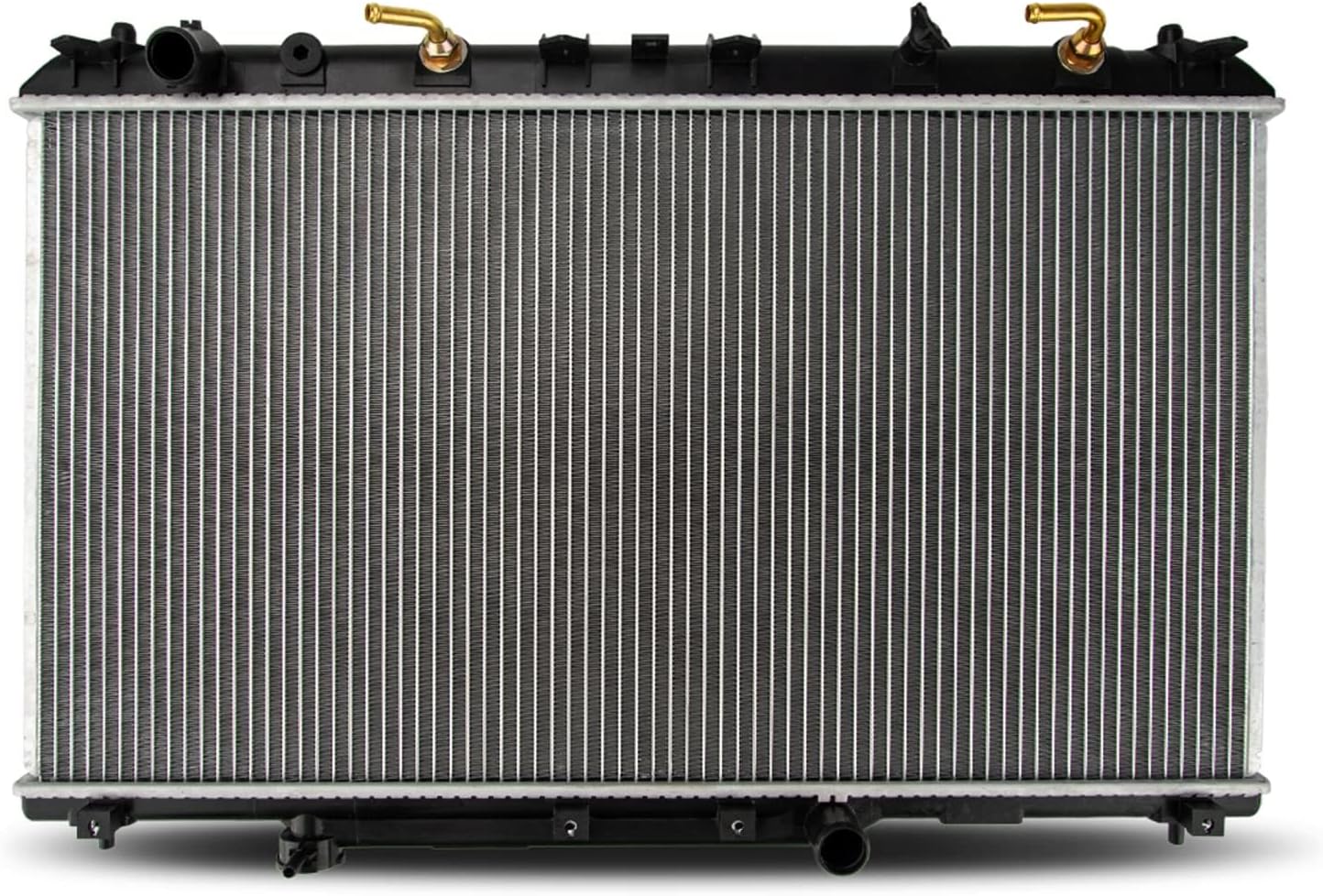
AUTOSITY CU1909 Aluminum Replacement Radiator for Camry 1997–2001 / Solara 1999–2001
| Brand | AUTOSITY |
|---|---|
| Item model number | CU1909 |
| Manufacturer Part Number | 9997RDT015XUS |
| Compatible vehicles | Camry 1997-2001, Solara 1999-2001 |
This AUTOSITY CU1909 radiator is a full replacement unit designed to restore cooling performance on 1997–2001 Camry and 1999–2001 Solara models. Constructed with multi-louvered aluminum fins and a reinforced core, it aims to deliver efficient heat transfer and corrosion resistance compared with older, worn units. The unit installs using the factory mounting points with no drilling required, so it is suitable for a straightforward swap during routine cooling system repair. Packaging and foam supports reduce shipping damage risk and the radiator includes standard inlet and outlet diameters to mate with stock hoses. Expect improved engine temperature control and quieter operation if your original radiator is clogged or leaking. Some customers report plastic components and rare leaks, so professional installation and a pressure check after fitment are recommended to confirm sealing. This radiator is a practical choice for budget-conscious owners who want a factory-style replacement without major modification.
Best for: Buyers who want a reliable, budget-minded replacement that restores factory cooling performance and installs without modification on older Camry and Solara models.
Less Ideal for: Drivers seeking a heavy-duty or performance-upgraded radiator for motorsport or extreme towing should look for purpose-built aftermarket cores with reinforced tanks and higher flow capacity.
- Aluminum core with multi-louvered fins for improved cooling efficiency
- Direct-fit design that uses factory mounting points without drilling
- Reinforced packaging to reduce risk of damage in transit
- Meets or exceeds factory fit, form and function claims for a straightforward replacement
- Some assemblies use more plastic components than original factory radiators
- A few buyers reported leaks, so post-install pressure testing is advisable
Verdict: A practical, direct-fit aluminum replacement that restores factory-style cooling for 1997–2001 Camry and 1999–2001 Solara owners on a budget.
DENSO Radiator for Toyota Camry 2.2L L4 (1997–2001)

| Manufacturer | Sixity Auto |
|---|---|
| Brand | Sixity Auto |
| Manufacturer Part Number | 4056230734 |
| Date First Available | February 8, 2020 |
This DENSO radiator is a direct-replacement cooling unit intended for 1997–2001 Toyota Camry 2.2L four-cylinder engines. It swaps in place of the factory radiator and is used to restore or maintain engine cooling performance after a leak or failure. Notable features include original-brand packaging and hardware and a core designed to match factory fluid flow and hose locations, which simplifies installation for a typical backyard mechanic or shop. In real-world use it should restore proper coolant circulation and engine temperature control, and reviews indicate generally good material quality, though a few buyers reported alignment and brazing inconsistencies that required minor fitment adjustments during installation. The radiator is practical for routine replacement with the benefit of using a recognized parts brand, but expect to check fitment closely on arrival and be prepared to reposition brackets or slightly modify mounts if the core is not perfectly square.
Best for: Buyers who prioritize restoring or maintaining reliable cooling on a 1997–2001 Camry and want a ready-to-install replacement from a known parts brand to keep their engine running at correct temperatures.
Less Ideal for: Drivers seeking a high-performance upgraded radiator with increased capacity or aftermarket cooling enhancements should consider purpose-built performance radiators instead.
- Direct-replacement design intended to match factory hose and mounting locations for straightforward swap-in
- Includes original-style packaging and mounting hardware to simplify installation
- Restores proper coolant flow for reliable engine temperature control when replacing a failed radiator
- Some buyers reported core alignment and brazing issues that required bracket adjustment or minor modification during installation
Verdict: A practical factory-style replacement radiator for 1997–2001 Camry 2.2L engines that restores cooling reliability with minimal parts changes.
PHILTOP CU1909 Aluminum Engine Radiator for 1997–2001 Camry 2.2L

| Direct Fit | 1997-2001 Camry 2.2L; 1999-2001 Solara 2.2L |
|---|---|
| Item Model Number | CU1909 |
| Manufacturer Part Number | 1097RDT015BUS |
| IATF Certification | IATF16949 |
This PHILTOP CU1909 radiator is a direct-fit replacement for 1997–2001 Camry 2.2L cars and is intended to restore proper cooling without modifications. It uses an aluminum construction and a vehicle-specific core profile to match factory mounting points and hose connections, which makes installation straightforward for a DIYer or shop. Notable features include a drain valve and machined exterior that reviewers say help with fit and handling during install. The practical benefits are effective cooling similar to the original part and a design that eliminates bracket or hose adaptation in most cases. Limitations include occasional fitment mismatches reported by a few buyers, so confirming vehicle compatibility before purchase is important, and some installs may require minor hardware like threaded clips or bolts for certain mounting tabs. For routine replacement of an aging or leaking radiator on the specified Camry, this unit offers a cost-effective alternative to dealer parts with generally positive real-world results.
Best for: Buyers who want a practical, budget-conscious replacement that restores factory cooling and minimizes installation time for a 1997–2001 Camry 2.2L.
Less Ideal for: Those seeking a high-performance aftermarket upgrade or custom cooling solution should consider specialized radiators instead.
- Direct-fit design intended for 1997–2001 Camry 2.2L that typically installs without modification
- Aluminum construction with machined exterior for corrosion resistance and heat transfer
- Includes a drain valve for easier coolant changes and service
- Matches many factory replacement part numbers for straightforward compatibility checks
- A small number of buyers reported a fitment issue requiring returns or extra hardware
- May require additional threaded clips or bolts for some mounting tab configurations
Verdict: A practical, vehicle-specific aluminum replacement that restores factory cooling for 1997–2001 Camry 2.2L cars at a lower cost than dealer parts.
Auto Dynasty 1-Row Aluminum Cooling Radiator for 1997-2001 Toyota Camry / 1999-2001 Solara 2.2L AT

| Material | Aluminum core, ABS tanks |
|---|---|
| Rows | 1 |
| Transmission Oil Cooler | Yes |
| Compatible Engines | 2.2L Automatic |
This Auto Dynasty radiator is a budget-focused direct replacement for 1997–2001 Toyota Camry 2.2L automatic and 1999–2001 Solara 2.2L automatic cars. It replaces the factory unit with a 1-row T-6061 aluminum core and ABS tanks, includes transmission oil cooler ports, and is built for a straightforward bolt-in swap with the same mounting points. In everyday use it performs like a standard replacement: it restores cooling capacity, is lighter than many OE-style units, and is suitable for routine driving and moderate towing where the stock cooling demand is expected. Buyers report easy installs when fittings and adapters are located and that the radiator accepts factory hoses and fans with minor adjustments. Expect a good value but be prepared to check fitment carefully and confirm that fan bolt holes and transmission fittings are present and secured, since a few users needed small tweaks during installation. This radiator is best for owners who want a lower-cost, serviceable replacement rather than a high-capacity performance upgrade.
Best for: Buyers looking to replace a failing radiator cheaply and get their 1997–2001 Camry or 1999–2001 Solara back on the road with a straightforward, serviceable unit.
Less Ideal for: Drivers who need higher cooling capacity for heavy towing, track use, or significant engine modifications should choose a multi-row or performance radiator instead.
- Direct bolt-on fitment aimed at the specified Camry and Solara models for a relatively simple replacement
- Aluminum T-6061 core with ABS tanks offers good heat transfer and lighter weight than some factory units
- Includes transmission oil cooler ports when required for automatic-transmission models
- Generally praised by owners for easy installation and value compared with dealer parts
- Single-row core may not match cooling capacity of multi-row or heavy-duty upgraded radiators
Verdict: A cost-conscious, direct-replacement aluminum radiator that restores factory cooling for specified Camry and Solara automatic 2.2L models.
DWVO Radiator for 1997–2001 Toyota Camry 2.2L (Complete Radiator)

| Core size | 28.6" x 15.7" |
|---|---|
| Manufacturer | DWVO |
| Model | DWRD1017 |
| OEM part numbers | 16410YZZAA, 1640003140, 1640003142, 1640003150, 1640003151, 1640003152, 164007A300, 164007A301, 1640003141, 164007A291 |
This DWVO complete radiator replaces the stock cooling unit on 1997–2001 Camry 2.2L engines and is sold as a direct-fit replacement. It uses an aluminum core with multi-louvered fins and TIG-welded connections, and includes the transmission oil cooler and drain plug so you swap it in with the original coolant lines and sensors reinstalled. In use it performs like a basic aftermarket radiator: many buyers report a straightforward bolt-in fit and steady operating temperatures after proper bleeding and refills. The package omits the radiator cap and some sensors so plan to reuse factory parts or source replacements. Build quality varies across user reports—most cite secure packaging and good fit while a minority report leaks at cooler line fittings or weld points. For best results have a professional inspect hose and cooler line fittings during installation and follow a complete flush and 50/50 coolant refill to prevent early corrosion or contamination.
Best for: Buyers who prioritize getting a reliable, budget-friendly replacement that fits directly and restores normal cooling operation quickly without major modification. Ideal for drivers who plan to reuse factory caps and sensors and who will verify cooler-line fittings during installation.
Less Ideal for: Not a great choice for owners seeking a lifetime performance upgrade or heavy-duty cooling for modified engines; those buyers should consider higher-end cores or professional remanufactured units. Also avoid if you need a complete parts kit including new cap and sensors.
- Direct-fit design intended for 1997–2001 Camry 2.2L for simple replacement with original mounting points
- Aluminum core with multi-louvered fins for efficient heat dissipation compared with older brass cores
- Includes transmission oil cooler and drain plug to match factory cooling routing
- TIG-welded joints and coated finish aim to improve longevity and resistance to corrosion
- Well packaged for shipping, reducing risk of bent fins on arrival
- Some users report leaking at transmission cooler line fittings or weld areas on a minority of units
- Does not include radiator cap or sensors so additional parts may be required for a complete swap
- Build consistency appears variable between units which can affect long-term reliability
Verdict: A cost-effective direct-fit replacement for 1997–2001 Camry 2.2L owners who want a practical radiator that restores reliable cooling with minimal fuss.
SCITOO Radiator Replacement for 1997–2001 Camry/ES300/Solara (Transmission Cooler Included)

| Fitment | 1997–2001 Lexus ES300, 1997–2001 Toyota Camry, 1999–2001 Toyota Solara |
|---|---|
| Transmission Oil Cooler | Included |
| Row Count | 1 Row |
| Inlet Diameter | 1.31in. |
| Outlet Diameter | 1.31in. |
This SCITOO radiator is a straightforward replacement meant to drop into late 1990s Camry, ES300 and Solara 3.0L applications. It matches the factory mounting layout and includes a transmission oil cooler, so it covers cars with automatic transmissions without needing a separate cooler. Typical use is a dealer-quality swap for a leaking or clogged factory core; the 1-row core and stated inlet/outlet diameters keep plumbing simple and installation is usually bolt-in for owners doing a garage repair or a quick shop job. Customers report consistent fit and easy installation, and the product is light and compact for handling during replacement. Limitations to note are the single-row core design, which is adequate for stock engines but less effective for sustained high-load or heavy-towing duty where a thicker or multi-row core would cool better. Also confirm vehicle fitment carefully before purchase since radiators are highly model-specific and wrong fitment has been reported on some applications.
Best for: Buyers who prioritize proven user feedback and want a simple, bolt-in radiator replacement for a late 1990s Camry/ES300/Solara to restore reliable cooling without modifying the cooling system.
Less Ideal for: Drivers who regularly tow, run high engine loads, or want maximum cooling performance should consider a thicker multi-row or performance radiator option instead.
- Designed to match factory mounting points for an easy drop-in installation
- Integrated transmission oil cooler for automatic-transmission Camry/ES300/Solara applications
- Many user reports of good fit and straightforward installation
- Compact, lightweight unit that is easier to handle during replacement
- Single-row core may offer less cooling capacity under sustained heavy loads than multi-row designs
- Fitment must be double-checked for year and submodel to avoid ordering the wrong radiator
Verdict: A budget-friendly, bolt-in radiator replacement with an integrated transmission cooler that reliably restores factory cooling for 1997–2001 Camry/ES300/Solara models.
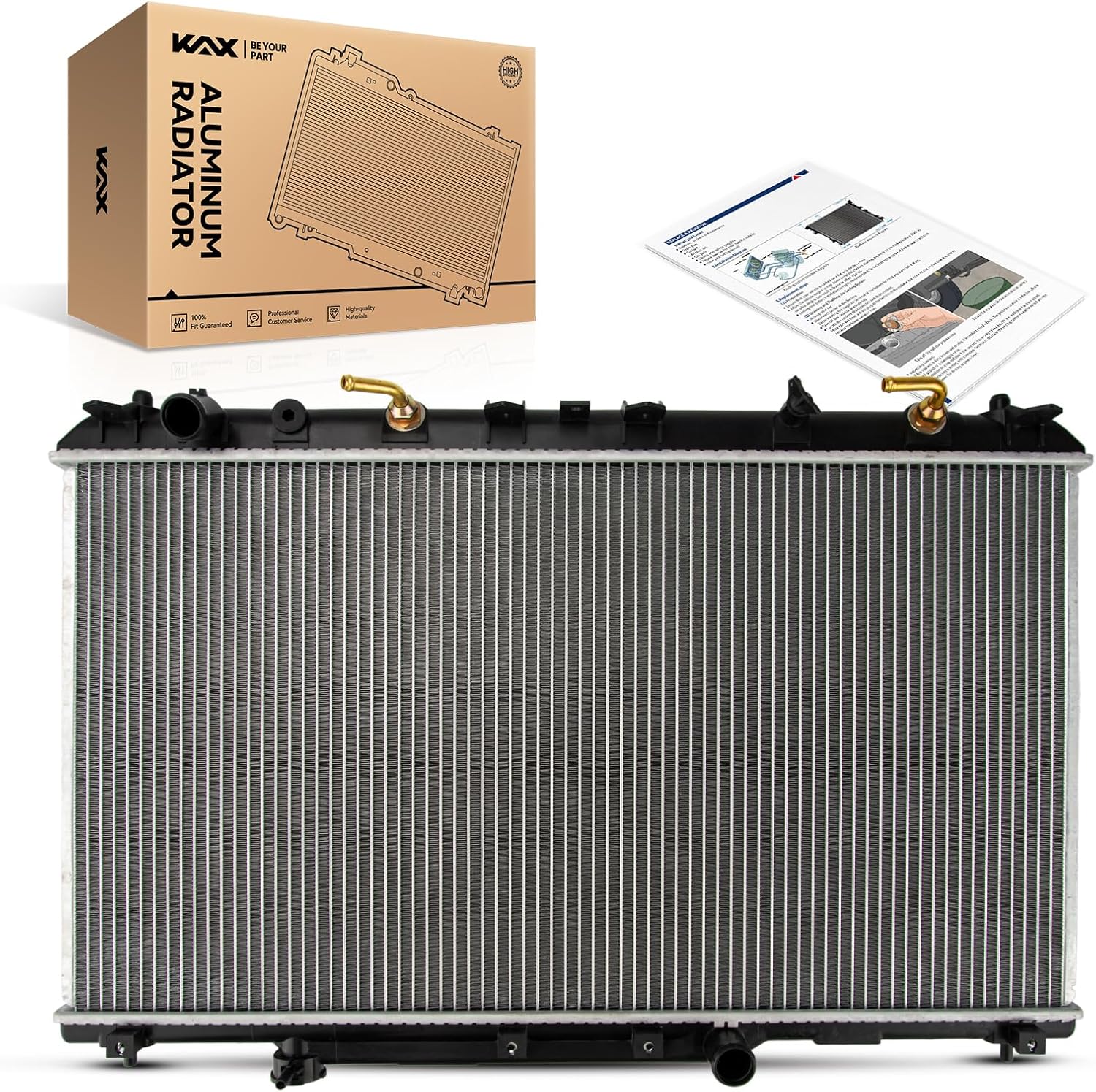
KAX CU1909 Engine Cooling Radiator Replacement for 1997–2001 Camry 2.2L
| Compatible vehicles | 1997-2001 Camry 2.2L; 1999-2001 Solara 2.2L |
|---|---|
| Core Thickness | 3/4 inch |
| Transmission Oil Cooler | Yes |
| Mount Type | Top / Bottom Pin |
This KAX CU1909 radiator is a full replacement unit intended for Toyota Camry 1997–2001 2.2L engines and includes a built-in transmission oil cooler. It installs in the radiator bay like a factory unit and uses a down-flow design with top and bottom pin mounts. The radiator core is aluminum with high-density multi-louvered fins and TIG-welded seams, which the manufacturer says improves cooling efficiency and resists corrosion. Packaging and protective foam aim to reduce shipping damage, and many buyers report good fit and fast delivery. Expect typical use as a like-for-like replacement when the original radiator leaks or fails, and plan on professional installation if you are not experienced because of transmission cooler connections and hose fittings. Some buyers have found minor fitment issues such as connector diameters or bolt hole alignment on older or nonstandard variations, so double-check hose and mounting points before installation. The product comes with manufacturer support and a stated two-year quality assurance period.
Best for: Buyers who want a factory-style replacement that closely matches OEM part numbers and prefer a ready-to-install radiator with an integrated transmission cooler for routine repairs.
Less Ideal for: People seeking an upgraded high-capacity performance radiator for towing, racing, or heavy-duty use should consider purpose-built performance units instead.
- Made with an aluminum core and multi-louvered fins for improved heat dissipation
- Includes transmission oil cooler integrated into the unit
- TIG-welded seams and PA66 GF30 water tank claimed to reduce corrosion and leakage
- Packaged with reinforced shockproof protection to minimize shipping damage
- Some users reported mis-sized hose connector or bolt hole alignment requiring modification
- Core thickness may be thinner than some factory radiators, which could affect longevity in heavy-duty use
Verdict: A practical factory-style replacement radiator for 1997–2001 Camry 2.2L owners who want an integrated transmission cooler and OEM-matching fitment.
Choosing the Right 1997-2001 Toyota Camry Radiator: Key Factors to Consider
Core Design and Cooling Capacity
Core design determines how effectively a radiator transfers heat away from engine coolant. For the 1997–2001 Toyota Camry, matching the original core dimensions and fin density is important because under-sizing can lead to frequent overheating during stop-and-go traffic, while an excessively large or unconventional core may interfere with fitment or airflow to the condenser.
Look for a multi-row core with dense, uniform fins for steady heat rejection. Consider how the radiator performs under load and in hot ambient temperatures; a core that maintains lower coolant temperatures reduces thermal stress on the engine and lowers the risk of head gasket failure.
Materials and Corrosion Resistance
Radiators are commonly built with aluminum cores and plastic or aluminum tanks. For Camrys from 1997–2001, an aluminum core with corrosion-resistant coatings or quality tank materials will resist electrochemical degradation over time, especially if the vehicle operates in regions with road salt or hard water.
Evaluate tank attachment methods and seal types. Plastic tanks are lighter but can become brittle after many years, while brazed aluminum units are more durable but can cost more. Prioritizing corrosion resistance reduces the chance of slow coolant loss and the need for early replacement.
Fitment and Mounting Accuracy
A radiator that matches factory mounting points, inlet and outlet locations, and fan shroud fit saves installation time and reduces the risk of leaks or hose strain. For the 1997–2001 Camry, small deviations in hose nipple placement or mounting tab location can necessitate additional brackets or hose modifications.
Confirming accurate fitment minimizes the chance of coolant hose kinks and ensures the radiator aligns with the electric fan or mechanical fan assembly. Proper fit also helps maintain correct airflow through the condenser and AC system, preserving HVAC performance.
Leakproof Sealing and Pressure Testing
A radiator must hold system pressure without leaking. Units that undergo factory pressure testing and use reliable sealing methods are less likely to develop slow leaks or fail catastrophically. Pressure-tested radiators also indicate consistent manufacturing quality, which matters for used or older vehicles like the 1997–2001 Camry.
When assessing a replacement, consider whether the radiator includes improved seals at vulnerable junctions such as the hose necks and drain petcock. Reliable seals reduce the need for repeated repairs and help maintain correct coolant pressure, which is essential for preventing localized boiling and hot spots.
Compatibility With Cooling System Components
The radiator does not operate alone: it must work with the Camry's water pump, thermostat, hoses, and fan. Choosing a radiator that maintains stock hose diameters and mounting reduces the chance of mismatched parts. Also consider whether the radiator works seamlessly with the vehicle's electric fan and the AC condenser to avoid airflow restrictions.
If other cooling components show age, budgeting to replace hoses, clamps, or the thermostat at the same time can prevent early repeat failures and ensure the new radiator performs as intended.
Warranty and Support
Warranty length and terms give insight into the manufacturer's confidence in the product. For a car as old as a 1997–2001 Camry, look for radiators that offer clear warranty coverage against leaks and manufacturing defects. Some warranties cover only certain components or require registration, so review terms before purchase.
Good support can also mean accessible documentation for installation and replacement parts like mounting grommets or drain plugs. Warranty and support reduce long-term ownership costs and provide recourse if the radiator fails prematurely.
Signs Your Camry Radiator Needs Replacement
Recognizing early warning signs can prevent roadside breakdowns and engine damage. Common indicators include persistent coolant loss without visible external puddles, which often points to internal leaks, or visible coolant staining around hose connections and the radiator seams. Overheating or fluctuating temperature gauge readings under ordinary driving conditions suggest reduced cooling capacity.
Other clues include a sweet smell inside or outside the car, steam from the engine bay, or a radiator that emits noise from trapped air pockets. If the heater stops blowing warm air while the engine is warm, the cooling system circulation may be compromised. Regular visual inspections and pressure testing can help confirm whether replacement is necessary.
- Coolant puddles or stains under the front of the car
- Persistent low coolant level without obvious leaks
- Engine overheating or temperature spikes
- Sweet coolant odor or steam from the engine bay
- Reduced heater output at operating temperature
Preparing for Radiator Replacement
Before you begin, collect basic tools: a coolant catch container, socket set, screwdrivers, pliers, and appropriate hose clamps. Work on a cool engine and disconnect the battery if you will be removing electric fan assemblies. Draining the coolant into a suitable container and disposing of it properly is critical due to environmental concerns.
Inspect related components such as upper and lower radiator hoses, clamps, the thermostat, and the water pump. Replacing worn hoses and the thermostat at the same time is often recommended because these items are accessible during radiator service and can prevent future failures that would require removing the radiator again.
- Coolant catch container and disposal plan
- Basic hand tools and replacement hose clamps
- New coolant per Toyota specifications
- Replacement hoses and thermostat if aged
Installation Tips Specific to 1997–2001 Camry
Ensure the replacement radiator matches the Camry's mounting ear locations and hose nipple positions to avoid stress on hoses. Align the fan shroud and secure it before filling the system to prevent fan contact with the radiator core. Tighten mounting bolts to factory torque where specified and use new rubber grommets if the originals are brittle.
When reinstalling hoses, route them the same way they came off and use new, properly sized clamps. After assembly, pressure-test the cooling system and check for leaks. Bleed trapped air from the system by running the engine with the radiator cap off at idle, or follow the recommended bleed procedure for this vehicle to ensure the upper radiator hose reaches operating temperature and no air pockets remain.
- Use new mounting grommets if originals are degraded
- Confirm fan shroud alignment before filling coolant
- Bleed captured air from the cooling system properly
- Double-check hose routing and clamp tightness
When To Consider Professional Installation
If the radiator replacement requires removing or modifying structural parts, or if the vehicle has an aftermarket fan or AC condenser arrangement, professional installation can prevent fitment mistakes. Complex repairs like fixing internal engine coolant leaks, replacing the head gasket, or diagnosing recurring overheating after a radiator swap are beyond basic DIY scope.
A shop can also perform a controlled pressure test and coolant system flush with specialized equipment. If you lack a safe workspace or the necessary tools, choosing a professional ensures the job is completed with minimal risk to the cooling system and avoids potential damage from incorrect installation.
- Complex teardown or AC condenser removal
- Recurring overheating after replacement
- Lack of proper tools or workspace
- Desire for pressure testing and professional flushing
Maintaining Your New Radiator
Routine maintenance extends radiator life. Inspect hoses and clamps periodically, check coolant level and condition, and look for early signs of corrosion or leaks. Follow Toyota coolant change intervals and use the recommended type to prevent scaling and electrochemical corrosion.
Performing a coolant system flush when switching coolant types or after prolonged coolant degradation helps remove deposits that impede heat transfer. Keep an eye on the temperature gauge and address small leaks promptly to avoid larger failures.
- Periodic visual inspections for leaks and corrosion
- Follow Toyota coolant replacement intervals
- Flush the system when coolant is contaminated
- Replace hoses and clamps if showing wear
Still looking for the perfect fit?
Select your Toyota Camry configuration to see the most relevant Radiators recommendations
How We Chose the Best 1997-2001 Toyota Camry Radiator
We prioritized factors that directly affect long-term cooling reliability and fitment for the 1997–2001 Toyota Camry. Key evaluation criteria included thermal capacity and core design, because an appropriately sized core and efficient fin/tube layout determine how quickly the radiator sheds heat under normal driving and while towing or idling in traffic. We assessed materials and construction quality, focusing on corrosion resistance, soldering or brazing consistency, and tank strength to estimate longevity in varied climates.Fit and mounting accuracy were verified against factory mounting points and hose locations to reduce additional modifications at installation. We evaluated pressure testing and sealing standards to prioritize units less likely to develop leaks. Ease of installation and parts compatibility were considered so owners can decide between a straightforward swap or a shop installation. Finally, we weighed warranty coverage and manufacturer support as a proxy for confidence in product durability.Excluded from the shortlist were radiators that required significant modification to the Camry cooling system, parts with inconsistent fit reports, or products lacking basic pressure testing information. We did not include performance-only radiators that alter cooling system behavior beyond typical street use, nor did we consider products intended for heavy-duty racing applications.
Our full evaluation process is outlined in our review methodology.
FAQ
How long should a replacement radiator last on a 1997–2001 Camry?
Lifespan varies based on materials and environment but typically ranges from several years to over a decade. Corrosion, road salt, and coolant maintenance largely determine longevity, so regular inspections and correct coolant can extend service life.
Can I replace the radiator myself on a 1997–2001 Camry?
Yes, a competent DIYer can perform the swap with basic tools, following safe procedures for draining coolant and bleeding air. However, if the job requires condenser removal, modification, or pressure testing beyond your tools, professional help is advisable.
What coolant type does a 1997–2001 Camry require after installing a new radiator?
Use the coolant specified by Toyota for that model year and engine. Mixing incompatible coolant types can cause gelling or reduced corrosion protection, so flush the system fully if changing coolant types and follow recommended dilution ratios.
Will a new radiator fix overheating immediately?
Often it will if overheating was due to reduced cooling capacity or leaks, but not always. Overheating can stem from clogged passages, failing water pump, stuck thermostat, or head gasket issues, so diagnose thoroughly if problems persist after replacement.
How can I tell if my radiator is leaking internally or externally?
External leaks are visible as coolant pooling or stains on the radiator surface or under the car. Internal leaks may show as unexplained coolant loss, white smoke, milky oil, or air pockets in the cooling system. Pressure testing the system helps identify hidden external leaks or faulty seals.
Is an aluminum radiator better than one with plastic tanks for this Camry?
Aluminum cores with quality tanks typically offer better thermal transfer and greater durability, while plastic tanks can be lighter and less expensive. The right choice depends on priorities for longevity versus initial cost and whether you expect exposure to harsh climates that accelerate tank degradation.
Final Verdict
For the 1997–2001 Toyota Camry, prioritize a radiator that matches factory fitment, offers a robust core design, and uses corrosion-resistant materials. Addressing hoses, clamps, and the thermostat at the time of replacement lowers the risk of repeat service and helps the new radiator perform as intended. Balance durability and ease of installation when choosing a unit, and rely on pressure testing and correct coolant to confirm a successful installation.Ultimately, choose a radiator that solves the root cause of your symptoms—whether leaks, reduced cooling capacity, or corrosion—while minimizing additional modifications. That approach gives the best chance of restoring reliable engine temperatures and avoiding future downtime.
Explore More:
- Check out all Toyota Camry parts & accessories
- Explore Radiators Maintenance & Repair Guides
- Explore Cooling System
- Browse all Auto Parts
