

Note: This article contains affiliate links. If you click on these links and make a purchase, I may earn a small commission at no extra cost to you. This helps support my research and content. Read my full affiliate disclosure here.
When your Toyota Tundra radiator hose fails, you can face overheating, fluid loss, and unexpected downtime. Choosing the right hose matters because a proper fit and durable material determine whether the cooling system stays sealed under pressure and temperature cycles. This guide highlights seven shortlisted radiator hoses that meet common fitment and durability needs for the Tundra and explains the criteria used to evaluate them. Read on to understand the factors that affect longevity, fit, and installation so you can pick the best option for your vehicle.Next we break down what we looked for and why each factor matters before the product list.
Looking for other parts? See all Toyota Tundra parts & accessories.
Top Picks at a Glance
| Best Overall The best all-around choice for most situations | Mishimoto Silicone Radiator Hose Kit for Toyota Tundra V8 (2007–2016) – Black |  |
| Best quality Built to a higher standard if you want something more solid | G-PLUS Silicone Radiator Hose Kit for Toyota Tundra 5.7L V8 (2007–2017) |  |
| Best Value The sweet spot between price and what you get | Toyota Radiator Coolant Hose 16571-62070 |  |
| Best budget The cheapest option that still gets the job done reliably | Dayco 72322 Lower Radiator Hose |  |
| Highest Rated A top-rated pick with lots of positive feedback | EVIL ENERGY 5/8" Heater Hose Coolant Radiator 10 ft (EPDM) |  |
| Most popular A crowd favorite that many people choose with confidence | Gates 22309 Upper Radiator Hose |  |
| Best Seller A high-volume bestseller chosen again and again | ACDelco Gold Molded Lower Radiator Hose |  |
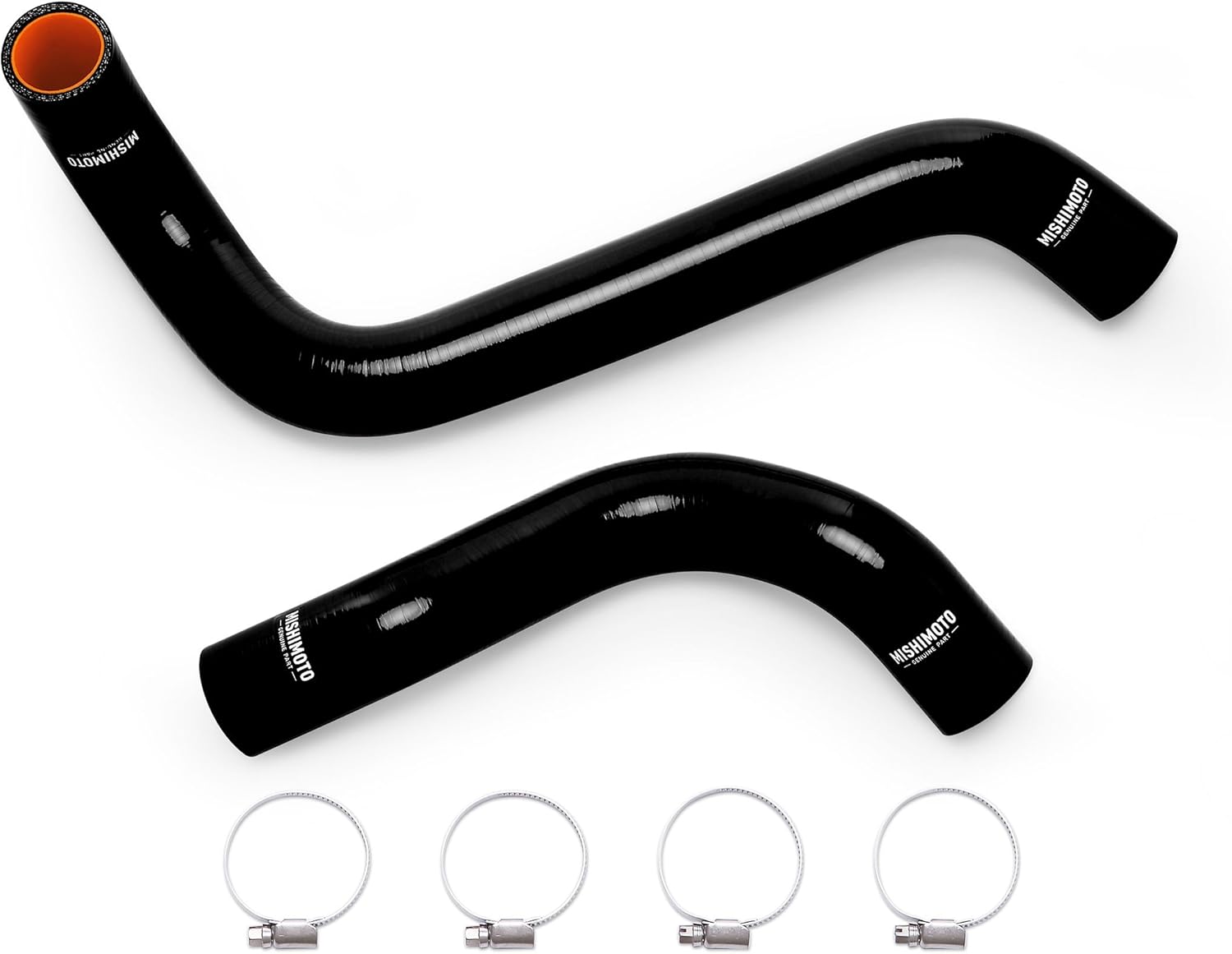
1. Mishimoto Silicone Radiator Hose Kit for Toyota Tundra V8 (2007–2016) – Black
| Vehicle Fitment | Toyota Tundra V8 2007–2016 |
|---|---|
| Material Type | Rubber, Silicone |
| Included Components | Radiator Hoses |
| Warranty | Lifetime Warranty |
This Mishimoto silicone radiator hose kit replaces the factory rubber upper and lower radiator hoses on 2007–2016 Toyota Tundra V8 models with high-grade silicone assemblies. Intended as a direct-fit upgrade, the kit is used during cooling system refreshes or when original hoses show age-related cracking or softening. Key features include multi-layer silicone construction with heat-resistant embedded fibers, a smooth interior for consistent coolant flow, and availability in multiple colors to tidy the engine bay. In practice the kit simplifies installation because it follows factory routing and uses the same attachment points, and the silicone material resists oil and heat better than stock rubber, which should extend service life. Limitations are minimal for this application but users should reuse or replace hose clamps as needed since the kit focuses on the radiator hoses and does not include heater or smaller vacuum hoses. The Mishimoto lifetime warranty adds reassurance for long-term ownership.
Best for: Balanced owners who want a durable, long-lived cooling system upgrade that installs like a factory replacement and reduces future maintenance hassle.
Less Ideal for: Buyers looking for a complete overhaul of every coolant and heater hose in the vehicle or those who need hoses for other systems should consider a more comprehensive kit or individual parts.
- Direct-fit design matches factory routing for straightforward installation.
- Multi-layer silicone with heat-resistant fibers improves resistance to heat and oil compared with stock rubber.
- Smooth interior promotes consistent coolant flow and reduces buildup over time.
- Lifetime warranty offers long-term support from the manufacturer.
- Includes only the radiator upper and lower hoses and not heater or ancillary hoses.
Verdict: A straightforward, durable silicone replacement for the Tundra's radiator hoses that extends service life while fitting like the factory parts.
2. G-PLUS Silicone Radiator Hose Kit for Toyota Tundra 5.7L V8 (2007–2017)

| Material | Silicone |
|---|---|
| Maximum Pressure | 245 Pound per Square Inch |
| Nominal Wall Thickness | 4.5 millimeters |
| Specific Uses For Product | Vehicle Maintenance and Repair |
This G-PLUS silicone radiator hose kit provides direct-fit replacement hoses for the Toyota Tundra 5.7L V8 (2007–2017). Made from three-ply nylon-reinforced silicone with a 4.5 mm wall, the kit tolerates a wide temperature range and is rated with a high burst pressure, so it handles higher under-hood heat and pressure than standard rubber hoses. Typical use is replacing aging or damaged coolant hoses during routine maintenance or when upgrading cooling reliability for towing and heavy-duty driving. The hoses are offered as a vehicle-tested direct replacement that requires no modification and should install with factory-style clamps. Benefits include improved heat resistance and longer service life compared with stock rubber, plus a slightly firmer feel that reduces collapse under boost or high-load conditions. Limitations are that colored silicone can show dirt or fading over time and these hoses depend on proper clamp torque and coolant-compatible sealants for leak-free joints; if an exact OEM fitment detail is critical, verifying each hose position before installation is recommended.
Best for: Performance-oriented Tundra owners who prioritize cooling reliability under heavy loads and higher under-hood temperatures and want a durable upgrade over stock rubber hoses.
Less Ideal for: Owners seeking a purely cosmetic upgrade without concern for performance, or those who prefer to stick strictly to factory-sourced replacement parts.
- Three-ply nylon-reinforced silicone construction for higher heat and pressure tolerance
- Direct-fit replacement for 2007–2017 Toyota Tundra 5.7L V8, requiring no modification
- High burst pressure rating that improves resistance to collapse under load
- Wide operating temperature range suitable for heavy towing and demanding driving
- Colored silicone may show dirt and can fade over long-term UV exposure
- Installation success depends on correct clamp selection and torque to prevent leaks
Verdict: A durable, high-temperature silicone hose kit built for Tundra drivers who need dependable cooling performance under heavy use.
3. Toyota Radiator Coolant Hose 16571-62070

| Brand | Toyota |
|---|---|
| Material | Rubber, Silicone |
| Manufacturer Part Number | 16571-62070 |
| Model | Coolant Hose |
This Toyota 16571-62070 radiator coolant hose is a direct-fit factory replacement intended to restore correct coolant routing and clearances on compatible Toyota models. Made from rubber and silicone, it installs like the original part and uses the same hose clamp locations, which helps avoid fan interference or rubbing that can happen with generic hoses. Typical use is straightforward: remove the old hose, clean the mating pipes, slide this hose into place and tighten clamps, then top off coolant. The practical benefits are good fitment, predictable installation, and the peace of mind that comes from using a factory-style part engineered for the cooling system layout. Limitations are that it is a single OEM hose — you may need extra clamps or coolant and it does not address other cooling system components, so replacements of multiple hoses or the thermostat may still be necessary during a full service. Also it carries the expected premium of a manufacturer part compared with low-cost aftermarket alternatives.
Best for: Buyers who prioritize practical, long-term value and want a factory-quality replacement that restores correct fit and function without experimentation.
Less Ideal for: Shoppers looking for the cheapest one-off fix or a full cooling-system refresh kit including multiple hoses and clamps should consider alternatives.
- Factory-style fit reduces risk of interference with fan or nearby components
- Rubber and silicone construction matches original material characteristics
- Direct replacement that uses original clamp positions for easier installation
- Consistent quality reduces chance of premature failure compared with cheap generic hoses
- Sold as a single hose only, so other aging hoses may still need replacement
- Requires cleaning of mating pipes and coolant top-off during installation
Verdict: Choose this OEM-style Toyota hose if you want a dependable, direct-fit replacement that avoids the fitment risks of cheap aftermarket hoses.
4. Dayco 72322 Lower Radiator Hose

| Brand | Dayco |
|---|---|
| Material | Rayon,Rubber |
| Manufacturer Part Number | 72322 |
| Item model number | 72322 |
This Dayco lower radiator hose is a straightforward replacement part that restores the lower radiator-to-engine coolant path on compatible Toyota Tundra applications. It is a molded, curved rubber hose made to match the factory routing so installation is usually a simple swap using the existing clamps and connectors. The hose is intended for routine maintenance or emergency repair and provides a factory-style fit without extra features. Practical benefits include acceptable heat and fluid resistance for everyday driving and a profile that aligns with the original assembly to avoid kinked lines. Limitations are its basic construction compared with premium silicone hoses that offer longer life or higher temperature tolerance, and the product description lacks expanded fitment or reinforcement details, so confirm vehicle year and engine before installing. For a budget-focused repair that returns a Tundra to service quickly, this hose covers the essentials.
Best for: Budget-conscious owners prioritizing a low-cost, factory-style replacement to get their Toyota Tundra back on the road quickly.
Less Ideal for: Owners seeking a long-term performance upgrade, higher temperature tolerance, or track use should consider reinforced or silicone aftermarket hoses instead.
- Factory-style molded curve for straightforward fit and installation on compatible Tundra routing
- Name-brand manufacturer with a history in replacement hoses
- Suitable for routine maintenance and quick repairs to restore coolant flow
- Basic rubber construction is less durable than reinforced silicone alternatives
- Product listing provides limited technical detail on reinforcement or temperature ratings
Verdict: A no-frills, budget-friendly lower radiator hose that restores factory routing on a Toyota Tundra but lacks the durability and heat resistance of premium aftermarket options.
5. EVIL ENERGY 5/8" Heater Hose Coolant Radiator 10 ft (EPDM)

| Material | Epdm,Rubber |
|---|---|
| Working Pressure | 100psi |
| Burst Pressure | 300psi |
| Temperature Range | -40°F to 257°F |
| Size | 5/8" ID, 10 ft |
This EVIL ENERGY 5/8" heater hose is a long length EPDM replacement intended for coolant, antifreeze and hot water heater lines on vehicles such as the Toyota Tundra. It meets SAE 20R3 standard wall class D-2 and is built to handle normal cooling-system temperatures from -40°F to 257°F with a working pressure around 100 psi and a burst rating above that, so it is suitable for radiator bypass, heater core and overflow connections. In practice the hose is thicker than many factory hoses which gives clamps a better bite and improves durability during installation and routing. The 10-foot length makes it easy to cut to fit niche routing or longer runs and the EPDM rubber resists coolant and weathering. Limitations are that this is a generic straight hose rather than a vehicle-specific molded piece so it needs cutting and careful routing for tight Tundra engine bays, and proper clamps and fittings are required for secure joints. Packaging reports vary but the hose itself is consistently described as heavy duty and fit-for-purpose.
Best for: Reliability-focused DIY owners who prioritize durable, factory-quality replacement materials and want a heavy-duty hose they can cut to fit for long-term service.
Less Ideal for: Buyers seeking an exact factory-shaped, drop-in radiator hose for a Toyota Tundra or those who prefer pre-formed OEM-style parts to avoid trimming and routing work.
- EPDM construction rated for coolant and antifreeze use and wide operating temperature range.
- Meets SAE 20R3 standard wall class D-2 for heater hose applications.
- Thicker wall than many factory hoses improves clamp grip and abrasion resistance.
- 10-foot length lets you cut custom lengths for nonstandard routing or multiple repairs.
- Not a vehicle-specific molded hose so requires measuring, cutting and shaping during installation.
- Sold as a straight hose only, which can complicate installation in tight or complex Tundra engine spaces.
Verdict: A heavy-duty, SAE-compliant 10-foot EPDM heater hose that reliability-minded Tundra owners can cut and install for durable coolant line repairs or custom routing.
6. Gates 22309 Upper Radiator Hose

| Brand | Gates |
|---|---|
| Material | Nitrile Rubber |
| Model | 22309 |
| Manufacturer Part Number | 22309 |
This Gates 22309 upper radiator hose is a direct-style replacement intended to carry coolant between the radiator and the engine on compatible Toyota vehicles. Made from nitrile rubber, it offers the flexibility and heat resistance needed for normal cooling-system service and installs similarly to a factory hose. Typical use is a routine coolant-system repair or preventive replacement when the original hose shows cracking, swelling, or soft spots. Notable features include a manufacturer part matched shape that requires little modification for fitment and thicker wall material compared with cheap aftermarket knockoffs, which improves durability. Several users note the hose can come slightly long and may need about an inch trimmed for an exact fit, so modest trimming and attention to clamp placement are sometimes required. The product is straightforward to install for a home mechanic with basic hand tools but does not include clamps or instructions specific to vehicle variations, so buy or reuse appropriate clamps and check routing before finishing the job.
Best for: A convenience-driven buyer who wants a reliable, readily available replacement that installs quickly and minimizes time in the shop; ideal for owners who prefer getting the repair done themselves with minimal fuss.
Less Ideal for: Buyers seeking a complete hardware kit or a lifetime-performance upgrade should look for a kit that includes clamps or a reinforced performance hose option.
- Factory-style replacement shape for straightforward installation
- Nitrile rubber construction resists heat and coolant exposure
- Thicker-walled than low-end alternatives for improved longevity
- May arrive slightly overlength and require trimming for precise fit
- Does not include hose clamps or vehicle-specific installation instructions
Verdict: A practical, factory-style upper radiator hose that replaces the original with durable nitrile rubber but may need light trimming and separate clamps for a perfect installation.
7. ACDelco Gold Molded Lower Radiator Hose

| Material | Synthetic Rubber |
|---|---|
| Manufacturer Part Number | 89050736 |
| Model | Coolant Hose |
This ACDelco Gold molded lower radiator hose is a direct-replacement style coolant hose designed to restore the factory coolant path. It is used to replace a worn or leaking lower radiator hose during routine cooling system maintenance or after a failure. The listing positions it as a factory-quality alternative, manufactured in synthetic rubber and shaped to match the original hose profile so it installs without extensive modification. Practical benefits include straightforward fitment for compatible vehicles, resistance to typical coolant exposure, and backing by a recognized parts brand which reduces risk when replacing an aging hose. Limitations are that fitment must be confirmed for the Toyota Tundra model year you own and the product listing does not include clamps or installation hardware, so you may need to reuse or buy new clamps. Also the listing focuses on compatibility and durability claims rather than publishing detailed material certifications or lifetime data.
Best for: A risk-averse mainstream buyer seeking a conservative, factory-quality replacement part for routine cooling system maintenance on their Toyota Tundra who prioritizes fit and dependable brand backing over low cost.
Less Ideal for: If you are upgrading to heavy-duty or silicone performance hoses for towing, racing, or extreme-temperature use, a specialized performance hose would be a better choice.
- Designed as a direct replacement for factory coolant routing which simplifies installation
- Made from synthetic rubber formulated for coolant system exposure
- ACDelco Gold tier targets higher quality than generic aftermarket parts
- Multiple user reports note accurate fit and fit-and-forget installation
- Listing does not include clamps or additional installation hardware
- No detailed published longevity metrics beyond general durability claims
Verdict: A conservative, factory-style replacement hose that gives Tundra owners dependable fit and brand-backed reliability but requires separate clamps and offers no explicit lifespan warranty.
Choosing the Right Toyota Tundra Radiator Hose: Key Factors to Consider
Material and Heat Resistance
The hose material determines how well it handles high under-hood temperatures and coolant exposure. Materials like EPDM and silicone resist heat and chemical breakdown better than low-grade rubbers, which can harden, crack, or swell over time. A hose with higher temperature tolerance will maintain flexibility and sealing under repeated thermal cycles, reducing the risk of splits.
Material also affects chemical compatibility. Coolants and occasional oil contamination from nearby leaks can attack some compounds faster than others. Choosing a construction rated for automotive coolant environments improves longevity and reduces the chance of premature failure.
Fitment and Size Accuracy
Correct diameter, length, and bend shape are critical for an easy installation and a leak-free result. Even small mismatches in inner diameter or end fitting orientation can cause poor seating on the radiator, thermostat housing, or engine ports. A hose that mirrors OEM routing reduces stress on attachment points and prevents kinks that restrict flow.
Accurate fitment also simplifies the replacement process and avoids the need for trimming, additional adapters, or nonstandard clamps. Verify the hose dimensions and confirm they match the vehicle's factory specifications to ensure a reliable fit.
Reinforcement and Pressure Handling
Radiator hoses operate under both static and dynamic pressure as the cooling system cycles. Hoses with reinforcement layers, such as braided fabric or internal spirals, resist bulging and collapse under vacuum and higher pump pressures. This reinforcement keeps the inner profile consistent for steady coolant flow and prevents premature failure at stress points.
A reinforced hose is especially important if you tow, haul, or operate the vehicle in hot climates where system pressures can rise. Reinforcement can also improve clamp retention and reduce the chance of blow-off at connections.
Clamp Compatibility and Connection Method
How a hose attaches to the radiator, engine, and thermostat housing affects sealing reliability. Some hoses are designed to work with worm-drive clamps, spring clamps, or integrated bead fittings. Matching the hose to compatible clamp types prevents leaks and simplifies service.
Consider whether existing clamps will seat properly on a replacement hose or whether new clamps are recommended. Hoses with molded reinforcement at the bead area provide a consistent surface for clamp pressure and reduce deformation that can lead to slow leaks.
Resistance to Coolant and Contaminants
Over time, coolant chemistry and incidental exposure to oil or road chemicals can degrade hose materials. A hose formulated to resist coolant, antifreeze additives, and common under-hood contaminants will maintain its integrity longer. This resistance helps prevent softening, swelling, or surface cracking that leads to leaks.
Assess manufacturer material specifications for chemical compatibility and look for hoses rated for long-term exposure to automotive fluids and additives to minimize maintenance frequency.
Ease of Installation and Maintenance
An easy-to-install hose reduces labor time and the chance of installation errors. Features that aid installation include accurate preformed bends, clear orientation markers, and durable ends that accept clamps without distortion. Good access to clamp points and a hose that aligns with factory brackets also make reassembly simpler.
Maintenance considerations include whether the hose can be inspected easily for wear, if replacement requires removing other components, and whether compatible clamps or fittings are commonly available. Choosing a hose that simplifies routine checks and future replacements reduces total ownership effort.
How We Chose the Best Toyota Tundra Radiator Hose
We started by focusing on hoses designed specifically for Toyota Tundra applications to ensure correct routing and connection sizes. Key evaluation criteria included material construction and heat resistance, hose diameter and length for accurate fitment, compatibility with factory clamps and fittings, resistance to oil and coolant degradation, and ease of installation including bend geometry. We also considered manufacturing quality such as reinforcement layers or braided cores that reduce bulging under pressure, and overall service life expectations based on material properties.We excluded universal or generic hoses that require extensive trimming or modification, hoses lacking clear fitment specifications, and products with inconsistent manufacturing tolerances. The final list favors hoses that minimize modification, match OEM routing, and use materials known to withstand automotive coolant environments and cyclical thermal stress.
Our full evaluation process is outlined in our review methodology.
FAQ
How can I tell if my Toyota Tundra radiator hose needs replacement?
Common signs include visible cracks, soft or spongy sections, bulging areas, or coolant pooling under the vehicle. You may also notice overheating or low coolant levels without an obvious leak. Regular visual inspections and feeling along the hose for soft spots can reveal early deterioration.
Is it necessary to replace both upper and lower radiator hoses at the same time?
It often depends on age and condition. Hoses typically wear at similar rates, so replacing both can be preventative, but you can replace only the failing hose if the other shows healthy material, no bulges, and a good clamp seal. Consider overall mileage and operating conditions when deciding.
What clamp type is best for securing a radiator hose?
Clamp choice depends on the hose end and application. Worm-drive clamps provide adjustable compression and are common, while spring clamps maintain tension as the hose expands and contracts. Ensure the clamp matches the hose bead design and provides even pressure without cutting into the hose material.
Can a coolant hose leak cause engine overheating quickly?
A significant leak can reduce coolant volume and lead to overheating relatively quickly, especially under load or in hot weather. Small leaks may cause gradual fluid loss and intermittent overheating. Monitoring coolant level and addressing any leak symptoms promptly helps avoid engine damage.
What should I check after installing a new radiator hose?
After installation, inspect clamp placement and torque, ensure the hose follows the correct routing without kinks, and refill and bleed the cooling system to remove air pockets. Run the engine to operating temperature and recheck for leaks and proper coolant circulation.
Does hose material affect how often I should inspect or replace it?
Yes. Higher-grade materials with better heat and chemical resistance generally last longer and require less frequent replacement. However, inspection intervals should remain routine because environmental factors and unexpected contamination can shorten a hose's service life regardless of material.
Conclusion
Selecting the right Toyota Tundra radiator hose comes down to matching material durability, accurate fitment, and compatibility with your clamps and routing. Prioritize hoses that use heat- and chemical-resistant compounds, offer proper reinforcement for pressure handling, and list precise size and bend specifications.Balance ease of installation and long-term resistance to coolant and contaminants when deciding. Paying attention to these tradeoffs helps you reduce leak risk and downtime while keeping the cooling system functioning reliably.
Explore More:
- Check out all Toyota Tundra parts & accessories
- Explore Radiator Hoses Maintenance & Repair Guides
- Explore Cooling System
- Browse all Auto Parts
