

Note: This article contains affiliate links. If you click on these links and make a purchase, I may earn a small commission at no extra cost to you. This helps support my research and content. Read my full affiliate disclosure here.
If you own a 2006-2010 Ford Explorer, a failing radiator hose can quickly lead to coolant loss and overheating on the road. Choosing the right radiator hose matters because this part controls coolant flow between the engine and the radiator and must resist heat, pressure, and age-related degradation.This guide shortlists seven top radiator hoses for the 2006-2010 Ford Explorer and explains the evaluation criteria we used, including material resilience, fitment accuracy, and clamp compatibility. Read on to understand which hose characteristics matter most for reliable cooling and how to spot early symptoms of hose failure before they strand you.
Looking for other parts? See all Ford Explorer parts & accessories.
Top Picks at a Glance
| Best Overall The best all-around choice for most situations | Dayco Lower Radiator Coolant Hose for Ford Explorer 4.0L V6 (2006–2010) |  |
| Best Budget The cheapest option that still gets the job done reliably | Dreyoo 2-Pack Molded Radiator Coolant Hoses Kit (24 mm ID) |  |
| Highest Rated A top-rated pick with lots of positive feedback | Motorcraft KM5001 Radiator Hose |  |
| Most Popular A crowd favorite that many people choose with confidence | Gates 22038 Premium Molded Coolant Hose |  |
| Best Seller A high-volume bestseller chosen again and again | Gates 20338 Premium Molded Coolant Hose |  |
1. Dayco Lower Radiator Coolant Hose for Ford Explorer 4.0L V6 (2006–2010)

| Material Type | Rubber |
|---|---|
| Compatible Vehicles | Ford Explorer 2006-2010 4.0L V6 (Lower) |
This Dayco lower radiator coolant hose is a molded, direct-fit replacement for the 4.0L V6 Ford Explorer model years 2006 through 2010. It installs where the factory lower hose connects the engine and radiator to carry coolant and prevent leaks that cause overheating. The hose is rubber construction with factory-style shape and fittings, so it matches original routing and clamps and simplifies a like-for-like repair. Practical benefits include straightforward installation without needing hose modification and restoring dependable coolant flow when the original has softened, cracked, or bulged. Limitations are its single-application fitment — it is for the lower hose on the specified Explorer engines only — and replacement hoses will eventually age like any rubber part, so periodic inspection is still required. This part is best when you want a simple, OEM-style replacement that gets your cooling system back to factory routing and function quickly.
Best for: Buyers who want a straightforward, factory-style replacement to restore proper coolant routing and stop leaks on a 2006–2010 Explorer 4.0L V6 without modifying hoses or fittings.
Less Ideal for: If you need an upgraded performance or silicone hose for higher temperature or pressure tolerance, this stock-style replacement is not the right choice.
- Molded direct-fit shape for original routing and easier installation
- Rubber construction matches factory-style durability and flexibility
- Specifically listed to fit 2006–2010 Ford Explorer 4.0L V6 lower hose application
- Only replaces the lower radiator hose for the specified engine and years
- Rubber material will age over time and will require future replacement
Verdict: Choose this Dayco lower radiator hose when you want a direct-fit, factory-style replacement to stop leaks and restore proper coolant flow on a 2006–2010 Explorer 4.0L V6.
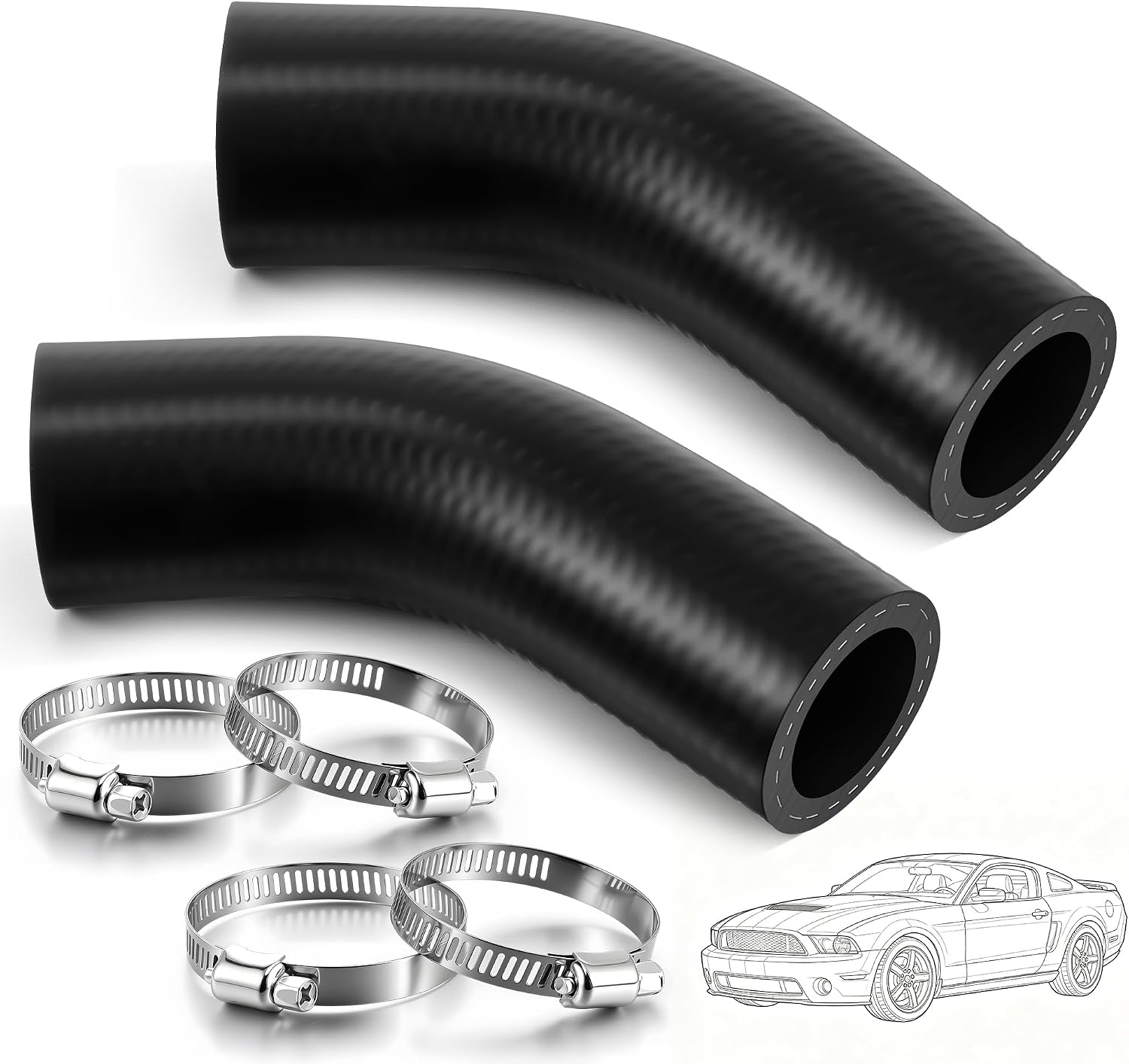
2. Dreyoo 2-Pack Molded Radiator Coolant Hoses Kit (24 mm ID)
| Material | EPDM Rubber (Reinforced) |
|---|---|
| Inner Diameter | 24 mm (0.94 in) |
| Center Line Length | 113 mm (4.45 in) |
| Temperature Range | -40°F to +257°F (-40°C to +125°C) |
This Dreyoo kit supplies two preformed coolant hoses and four clamps intended for short heater, bypass, or radiator routing where a 24 mm inner diameter is required. The molded shapes match common factory routing on many older Ford 4.0L V6 cooling systems, so installation is typically a straightforward swap during a routine coolant hose job. Reinforced EPDM construction resists swelling, cracking, and collapse while staying flexible across a wide temperature range, which helps clamps hold a leak-free seal over time. The kit is compact and aimed at DIY repairs or keeping a spare on hand, and compatibility notes name Gates 22038 and several Ford part references for fitment checking. Limitations are that fit is specific to certain models and years and you should verify hose length and routing before ordering because this is a short molded hose rather than a universal length hose.
Best for: A budget-focused DIYer needing a direct replacement short heater/bypass hose for an older Ford 4.0L V6 who wants a ready-to-install molded kit with clamps.
Less Ideal for: Do not choose this if you need long radiator hoses, universal tubing, or a multi-vehicle kit; professional restorers seeking exact OEM-branded parts may prefer an OEM-sourced hose.
- Preformed molded shapes for correct routing on compatible Ford 4.0L V6 applications
- Reinforced EPDM rubber resists swelling, cracking, and collapse
- Wide operating temperature range (-40°F to +257°F) suitable for under-hood conditions
- Includes four hose clamps so you can replace two hoses at once
- Fitment is specific and requires verifying dimensions and routing for your vehicle
Verdict: A cost-conscious, ready-to-install molded hose kit that gives Ford 4.0L V6 owners a durable, clamp-included replacement for short heater and bypass connections.
3. Motorcraft KM5001 Radiator Hose

| Material Type | Rubber |
|---|---|
| Included Components | Hose |
| Fit type | Vehicle Specific |
This Motorcraft KM5001 radiator hose is a direct-fit replacement intended to restore the cooling connection to factory-spec form and performance. It is typically used when an original radiator hose is cracked, swollen, or leaking and a like-for-like OEM-quality part is preferred. Constructed from rubber, the hose offers the same contour and mounting points as the factory part so installation is straightforward and usually does not require modifications or special tools. The primary practical benefit is durability and compatibility with Ford cooling systems, reducing the risk of leaks and overheating compared with generic universal hoses. Because it is vehicle-specific, you get predictable routing and reliable sealing at the radiator and engine connections. Limitations are that this single replacement hose is for a specific fit and will not serve as a universal repair for different routing or custom cooling setups, and you should verify exact fitment for model years and engine variants before ordering.
Best for: Buyers who prioritize a reliable, factory-quality repair for their cooling system and want a like-for-like replacement that restores original fit and function.
Less Ideal for: Drivers building custom cooling systems, nonstandard engine swaps, or those needing a universal or adjustable hose solution should look elsewhere.
- Factory-engineered fit and routing for direct replacement without modification
- Rubber construction matched to original material for predictable durability
- Simple installation using existing clamps and attachment points
- Sold as a single hose so multiple-piece repairs require additional purchases
Verdict: Choose this Motorcraft hose when you want a dependable, factory-quality replacement that restores original cooling system fit and performance.
4. Gates 22038 Premium Molded Coolant Hose

| Material Type | Epdm,Synthetic Fiber |
|---|---|
| Item Length | 24 Inches |
| Item Type Name | Gates 22038 Premium Molded Coolant Hose |
The Gates 22038 Premium Molded Coolant Hose is a molded replacement hose built to meet factory-spec performance for coolant routing such as upper, lower, bypass and heater lines. It is pre-shaped for a direct fit, which simplifies installation and helps ensure proper sealing at clamps without time-consuming adjustments. Constructed with an EPDM inner tube, synthetic fiber knit reinforcement and an EPDM cover, the hose resists heat, ozone and common coolant chemicals and is engineered to resist electrochemical degradation that often causes hose failure. For a 2006–2010 Ford Explorer this hose offers the practical benefit of matching factory routing and materials so you can replace a worn or failing original hose without modifying coolant lines. The hose is not a repair sleeve or universal blank so you must confirm the exact routing and part fitment before purchase. Expect durable, long-term service when installed correctly but plan basic clamp and coolant-handling work during replacement.
Best for: Buyers who prioritize a proven, factory-style replacement that installs like the original and value community-validated reliability over lowest-cost options.
Less Ideal for: Drivers looking for a universal or adjustable hose solution or those unwilling to verify exact part-number fitment should consider alternatives.
- Pre-shaped molded design for direct, factory-style fit and easier installation
- EPDM inner tube and cover with synthetic fiber reinforcement for heat and chemical resistance
- Engineered to resist electrochemical degradation, reducing common failure modes
- Fitment must be verified for the specific Explorer year and engine configuration before purchase
Verdict: Choose this Gates molded coolant hose when you want a factory-style, durable direct replacement that matches original routing for a 2006–2010 Ford Explorer.
5. Gates 20338 Premium Molded Coolant Hose

| Material Type | EPDM |
|---|---|
| Centerline Length (mm) | 124 |
| Hose Inside Diameter (mm) | 15 |
| Meets Standards | SAE 20R4, DIN 73411 |
The Gates 20338 is a molded coolant hose meant as a direct replacement for specific coolant-routing positions. Made from EPDM with synthetic fiber reinforcement and a heat-, ozone- and coolant-resistant cover, it resists collapse under vacuum and is engineered to limit electrochemical degradation, a common failure mode for radiator hoses. The hose arrives pre-shaped so it lines up with factory mounting points and sealing surfaces, which reduces installation time and the need to bend or force lines into place. Typical use is as a one-for-one replacement during coolant system service or when a cracked or soft hose is found; it fits like a factory part and meets SAE and DIN class requirements for this type of hose. Limitations are that fitment is application-specific so you must confirm this exact part number matches your vehicle routing, and the listing does not include clamps or extra fittings so you may need hardware replacement during installation.
Best for: A buyer who wants a reliable, factory-style replacement hose and values corrosion resistance and proven materials for routine coolant system repairs.
Less Ideal for: Shoppers looking for a universal or adjustable hose solution or those who need accompanying clamps and fittings included with the hose.
- EPDM construction with synthetic fiber reinforcement for durability in heat and coolant exposure
- Pre-shaped molded design for factory-style fit and easier installation
- Engineered to resist vacuum collapse and electrochemical degradation
- Meets SAE 20R4 and DIN 73411 class requirements relevant to replacement hoses
- Fitment is specific to certain hose routing positions so the part must be verified against vehicle application
Verdict: Choose this Gates molded coolant hose if you want a factory-quality, pre-shaped replacement that resists common hose failure modes.
Choosing the Right 2006-2010 Ford Explorer Radiator Hose: Key Factors to Consider
Material and Heat Resistance
The hose material determines how well it tolerates the Explorer's operating temperatures and exposure to coolant and oil. EPDM rubber is common because it resists heat and coolant chemicals, while reinforced silicone offers improved temperature tolerance but may be stiffer. Material choice affects flexibility, resistance to swelling, and long-term cracking.
For a 2006-2010 Ford Explorer, prioritize hoses that list explicit temperature and chemical resistance ratings. A hose that softens under heat cycles or reacts with coolant will deform at bends and lead to leaks. Also consider whether the internal reinforcement is braided or fabric-wrapped, which helps the hose maintain shape under pressure and reduces the chance of collapse at tight radii.
Fitment Accuracy and Hose Geometry
Correct length, bend angles, and molded fittings are critical so the hose routes cleanly without kinking or stretching. The Explorer's cooling layout includes specific bends and connection heights that poorly fitting hoses will not match, causing stress at clamp points and accelerated wear.
Look for hoses specified for the 2006-2010 Ford Explorer with clear references to upper versus lower positions. Pay attention to inlet and outlet diameters and the location of molded flanges or ribs that seat against the radiator or engine fittings. Even small deviations in geometry can make installation difficult or require re-routing that shortens service life.
Clamps and Connection Design
A hose's end design dictates the type of clamp required and how well it seals under pressure. Hoses with molded bead ends provide a positive seating area for standard worm-drive or Oetiker clamps and reduce slippage. Smooth-cut hose ends without a seating bead can slip under pressure unless clamped very tightly, which risks crushing the hose.
Consider whether the hose was designed to work with the factory clamp type used on the 2006-2010 Explorer. Compatibility with common clamp styles makes installation easier and ensures a reliable seal. Also evaluate how the hose interfaces with plastic fittings on the radiator or engine and whether any reinforcement is present at those transitions.
Durability and Aging Characteristics
Heat cycles, vibration, and chemical exposure drive the aging process that causes hoses to crack, blister, or harden. Assessments of durability focus on wall thickness uniformity, resistance to ozone and coolant additives, and how the material performs after repeated thermal cycling.
For Explorer owners, longevity matters because replacement requires coolant draining and some labor. A hose that resists swelling and maintains pliability at low temperatures reduces the chance of brittle failure in cold months. Consider manufacturer statements about service life and any available testing data on accelerated aging when deciding.
Installation Ease and Serviceability
How easy the hose is to install affects whether you can complete a replacement with basic tools or need professional help. Hoses that match OE geometry and accept standard clamps simplify the job and reduce the chance of mistakes. Clear labeling of upper versus lower position helps avoid swapping parts during installation.
Also account for whether the hose requires scenic maneuvering around wiring harnesses or other components unique to the 2006-2010 Explorer. Hoses that allow a straightforward, clamp-on install save time and reduce the risk of improper seating that leads to leaks.
Compatibility With Cooling System Maintenance
Consider how the hose selection affects routine coolant service tasks. Hoses that are easy to remove without special tools or adapters make future coolant changes and inspections less invasive. If the hose design integrates tight bends or molded joins near hard-to-reach clamps, maintenance becomes more complex.
Also think about how the hose interacts with replacement clamps, thermostat housing access, and radiator removal if needed. Choosing hoses that facilitate common maintenance tasks reduces labor time and the chance of damage during servicing.
Upper Vs Lower Radiator Hose Differences
Upper and lower radiator hoses on the 2006-2010 Ford Explorer serve different functions and face different stresses. The upper hose typically routes hot coolant from the engine to the top of the radiator and sees higher temperatures and axial movement as the engine warms. The lower hose often operates under higher vacuum conditions and can experience more movement from chassis flex.
Because of these differences, material flexibility and bend geometry matter more for the upper hose to prevent kinking under thermal expansion, while the lower hose benefits from reinforcement to resist collapse under partial vacuum. When selecting a hose, verify which position it is intended for and confirm the curvature and length align with the Explorer's routing.
- Upper hoses need heat tolerance and flexible bend radii.
- Lower hoses often require stronger reinforcement to resist collapse.
- Always match inlet and outlet diameters to the vehicle's fittings.
Common Radiator Hose Symptoms to Watch For
Several telltale signs indicate a radiator hose is failing. Soft or spongy areas, visible cracks, bulges, or blisters usually point to material breakdown. A sudden coolant hose leak may present as low coolant level warnings, frequent top-ups, visible puddles, or steam under the hood.
Other symptoms specific to the Explorer include intermittent overheating during idling or heavy load and a sweet coolant smell. Regular visual inspection during routine maintenance can catch early signs before a full rupture occurs.
- Visible cracking or blisters on hose surfaces.
- Coolant puddles under the vehicle or low coolant warnings.
- Overheating during idle or under load, and coolant odor.
How to Inspect Hoses During Routine Maintenance
Inspect hoses with the engine cool. Squeeze along the hose length to feel for soft spots or hard, brittle sections. Check around clamp areas for seepage and ensure molded beads are seated against fittings. Look for oil contamination that can accelerate rubber deterioration.
Pay attention to hose bends and contact points where chafing might occur. Replace hoses that show multiple failure signs rather than attempting temporary repairs, since a sudden rupture can lead to rapid coolant loss and engine damage.
- Check with engine cold; feel for soft or hardened spots.
- Inspect clamp seating areas for seepage.
- Look for rubbing or chafing against nearby components.
Basic Steps to Replace a Radiator Hose on an Explorer
Replacing a radiator hose on the 2006-2010 Explorer is a task many owners can perform with basic tools, but it requires planning. Drain coolant to a safe level, relieve any residual pressure, then remove the clamps and slide the old hose off the fittings. Clean the mating surfaces and check the fitting condition before installing the new hose.
When installing, align the hose so molded beads seat correctly, fit clamps in the proper position, and tighten to a snug fit without overcompressing the hose. Refill the cooling system, bleed air according to the vehicle's procedure, and inspect for leaks while bringing the engine up to operating temperature.
- Drain coolant to below hose connection points before removal.
- Replace clamps if they are corroded or lack proper tension.
- Bleed trapped air after refilling to prevent hot spots.
Clamp Selection and Proper Tightening
The clamp type and how it is fastened affect sealing reliability. Worm-drive clamps are common and adjustable, while constant-tension clamps maintain clamping force through temperature cycles. Use clamps that seat on molded beads or reinforced hose ends to prevent slippage.
Tighten clamps evenly to avoid cutting into the hose. Over-tightening can deform the hose end and create a stress riser that leads to premature failure. If clamp hardware shows corrosion or flattened bands, replace them to ensure a dependable seal.
- Prefer clamps sized correctly for the hose diameter.
- Avoid over-tightening; tighten to secure without crushing.
- Replace corroded clamps during hose service.
Sizing and Fitment Tips
Confirm both inner diameter and overall hose length before purchase. The Explorer's factory connections require specific diameters and seating depths. Using a hose that is too long can lead to unnecessary bends; too short and it will be under tension at operating temperature.
Measure the OEM hose routing if possible and compare bend geometry. Some hoses list fitment guidance by engine variant; match the hose to your vehicle's engine and the 2006-2010 model years to avoid incorrect fitment.
- Measure inner diameter and compare to factory fittings.
- Compare hose bend radii to the original routing.
- Verify the hose is labeled for upper or lower position.
Still looking for the perfect fit?
Select your Ford Explorer configuration to see the most relevant Radiator Hoses recommendations
How We Chose the Best 2006-2010 Ford Explorer Radiator Hose
We narrowed the field to radiator hoses that meet criteria important for the 2006-2010 Ford Explorer and owners who expect durability and correct fitment. Our evaluation emphasized four to six concrete dimensions relevant to this vehicle: material composition and heat resistance, length and bend geometry for accurate fitment, joint and connection design that works with factory-style clamps, resistance to oil and coolant exposure, and long-term aging characteristics such as blistering and cracking. We also considered manufacturing consistency and quality control indicators like uniform wall thickness and molded fittings.Excluded from consideration were hoses that required extensive trimming, aftermarket adapters, or nonstandard hardware that would alter the Explorer's cooling system plumbing. We filtered out items with unclear fitment information or that lacked compatible clamp seating areas. In short, we prioritized hoses that provide near-OEM fitment, robust materials able to handle the Explorer's operating temperatures, and straightforward installation using standard clamps.
Our full evaluation process is outlined in our review methodology.
FAQ
How often should I inspect the radiator hoses on a 2006-2010 Ford Explorer?
Inspect hoses at least twice a year and during every coolant service. More frequent checks are wise if the vehicle frequently operates in hot climates or hauls heavy loads.
Can I reuse the old clamps when replacing a hose?
You can reuse clamps if they are in good condition and provide secure tension, but replacing corroded or fatigued clamps is recommended to ensure a reliable seal and avoid future leaks.
What causes coolant hose leaks on the Explorer?
Leaks often result from material aging, abrasion against nearby components, improper clamp tension, or improper fit leading to stress at the connection. Occasional coolant contamination with oil can also accelerate hose breakdown.
Is it necessary to bleed the cooling system after replacing a hose?
Yes. Air trapped in the cooling system can cause hot spots and overheating. Follow the vehicle-specific bleed procedure to ensure the system is free of air pockets after installation.
Are aftermarket hoses a good option for the Explorer?
Aftermarket hoses can be a good option if they match the Explorer's geometry, material specifications, and clamp compatibility. Prioritize fitment accuracy and material ratings rather than focusing solely on marketing claims.
What if a hose shows only a small crack or blister?
Even small cracks or blisters are indications of advancing failure. It is usually safer to replace the hose rather than attempt a temporary repair because a sudden rupture can produce rapid coolant loss and engine overheating.
Final Verdict
When selecting a radiator hose for a 2006-2010 Ford Explorer, prioritize correct fitment and durable materials that handle the vehicle's operating temperatures and road conditions. Balance flexibility for routed bends with sufficient reinforcement for lower-hose vacuum conditions, and ensure clamp compatibility for a secure seal.Focusing on these attributes will reduce the risk of leaks and premature failures. Choose hoses that match the Explorer's geometry, accept standard clamps, and demonstrate good aging resistance to make your replacement durable and serviceable.
Explore More:
- Check out all Ford Explorer parts & accessories
- Explore Radiator Hoses Maintenance & Repair Guides
- Explore Cooling System
- Browse all Auto Parts
