

Note: This article contains affiliate links. If you click on these links and make a purchase, I may earn a small commission at no extra cost to you. This helps support my research and content. Read my full affiliate disclosure here.
If you drive a 2002-2005 Ford Explorer, a failing radiator hose can leave you stranded or cause engine overheating. Choosing the right 2002-2005 Ford Explorer radiator hose matters because fitment, material, and clamp compatibility all affect cooling-system reliability and longevity. This guide covers the top shortlisted radiator hoses that fit the Explorer model years 2002 through 2005 and explains the practical differences that affect installation and durability.Below you will find the top picks for this vehicle scope plus clear evaluation criteria such as material construction, fitment accuracy, and resistance to heat and pressure to help you make a confident selection.
Looking for other parts? See all Ford Explorer parts & accessories.
Top Picks at a Glance
| Best Overall The best all-around choice for most situations | Sixity Auto Upper Radiator Coolant Hose for Ford Explorer 4.0L V6 (2002–2005) |  |
| Best Quality Built to a higher standard if you want something more solid | Motorcraft KM4791 Upper Radiator Hose |  |
| Best Value The sweet spot between price and what you get | Sixity Auto Lower Radiator Coolant Hose for Ford Explorer 4.0L V6 (1997–2005) |  |
| Best Budget The cheapest option that still gets the job done reliably | Dreyoo 2-Pack Molded Radiator Coolant Hose Kit (24mm) |  |
| Highest Rated A top-rated pick with lots of positive feedback | Gates Premium Molded Coolant Hose |  |
| Most Popular A crowd favorite that many people choose with confidence | Gates 22718 Premium Molded Coolant Hose |  |
| Best Seller A high-volume bestseller chosen again and again | Gates 20338 Molded Coolant Hose |  |
1. Sixity Auto Upper Radiator Coolant Hose for Ford Explorer 4.0L V6 (2002–2005)

| Vehicle fitment | Ford Explorer 2002–2005 4.0L V6 (Upper) |
|---|---|
| Material Type | Rubber |
| Unit Count | 1 Count |
This molded upper radiator hose replaces the factory upper coolant hose on 2002–2005 Ford Explorer 4.0L V6 vehicles. It is made of rubber and sold as a single direct-fit replacement, so installation is a straightforward swap for anyone doing routine cooling-system maintenance or a leak repair. The molded shape matches factory routing, which helps keep clamps and connections aligned and reduces the chance of rubbing or kinking. As a simple replacement hose it restores coolant flow and pressure containment to prevent overheating when the original hose has cracked, softened, or bulged. The practical downside is that this product is a single upper hose only, so you will need to replace additional hoses or clamps separately if they are aged; long-term durability depends on installation and operating conditions since rubber hoses degrade over time. For a balanced buyer this hose offers a no-frills, vehicle-specific fix that gets a high-mileage Explorer back to reliable cooling without unnecessary extras.
Best for: Buyers seeking a straightforward, vehicle-specific replacement to fix a leaking or failing upper radiator hose and restore normal cooling on a 2002–2005 Explorer without extra bells and whistles.
Less Ideal for: Anyone looking to replace an entire hose set, upgrade to reinforced silicone hoses, or who prefers a multi-piece repair kit with new clamps and fittings included.
- Molded direct-fit shape matches factory routing for easier installation and proper clearance
- Designed specifically for 2002–2005 Ford Explorer 4.0L V6 applications reducing fitment guesswork
- Single-part replacement that stops leaks and restores coolant containment
- Constructed from rubber material compatible with typical engine coolant systems
- Supplied as the upper hose only so other cooling-system components must be sourced separately
- Durability depends on age and engine conditions; rubber will eventually require replacement
Verdict: A simple, molded direct-fit upper radiator hose that gets a 2002–2005 Explorer 4.0L V6 back to leak-free cooling with minimal fuss.
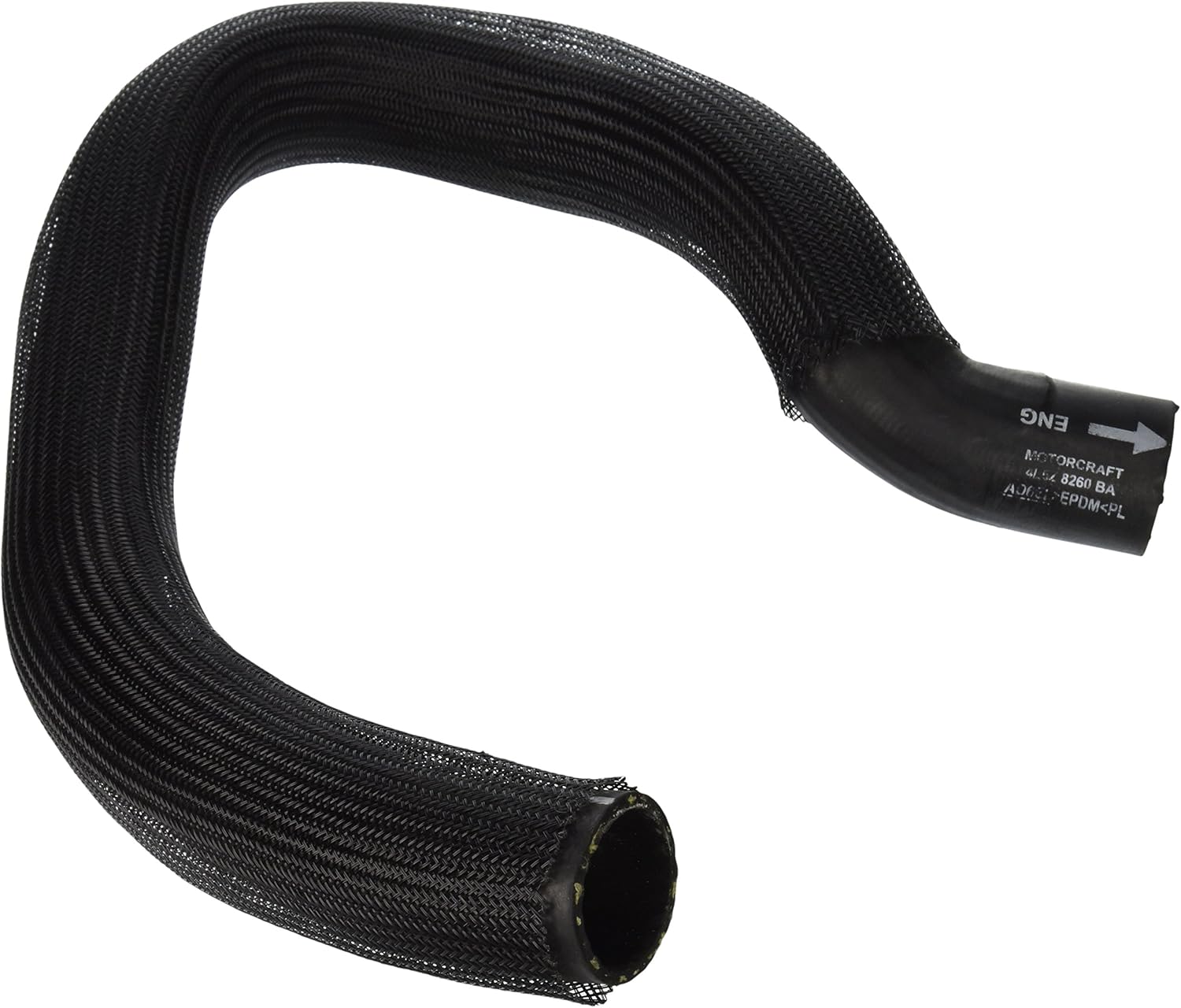
2. Motorcraft KM4791 Upper Radiator Hose
| Material Type | Rubber |
|---|---|
| Item Weight | 1.1 Pounds |
| Included Components | Motorcraft KM4791 Upper Radiator Hose |
| Item Type Name | Motorcraft KM4791 Upper Radiator Hose |
The Motorcraft KM4791 is an upper radiator hose intended as a direct factory-quality replacement for vehicles that require this fit. It replaces the original hose to restore coolant circulation between the engine and radiator and is typically used during routine cooling-system repairs or when the stock hose shows cracking, swelling, or leakage. Made from rubber and finished in black, the hose comes as a single unit sized to the OEM length for plug-and-play installation with existing clamps and connectors. Practical benefits include straightforward handling due to its light weight and a fit engineered by the vehicle manufacturer to preserve factory routing and clearances. Limitations are inherent to rubber hoses: they will still age and eventually need replacement, and this part does not include clamps or additional hardware, so plan to reuse or replace fasteners during installation.
Best for: Buyers looking to maintain or restore factory cooling performance on a vehicle and who prioritize a direct-fit, manufacturer-quality replacement over aftermarket performance upgrades.
Less Ideal for: Drivers seeking high-temperature silicone performance upgrades or custom routing for modified cooling systems should consider performance-oriented aftermarket hoses instead.
- Factory-quality fit and shape for direct replacement and correct routing
- Made from rubber material that matches original hose flexibility
- Lightweight and easy to handle for DIY installation
- Does not include clamps or installation hardware
Verdict: Choose this Motorcraft upper radiator hose when you want a factory-fit replacement that restores original cooling-system routing and reliability.
3. Sixity Auto Lower Radiator Coolant Hose for Ford Explorer 4.0L V6 (1997–2005)

| Compatible vehicles | Ford Explorer 4.0L V6 1997–2005 (lower hose) |
|---|---|
| Material Type | Rubber |
| Unit Count | 1 Count |
This molded lower radiator hose replaces the factory lower coolant hose on Ford Explorer 4.0L V6 engines and is used to restore proper coolant flow and prevent leaks that cause overheating. It is a direct-fit replacement designed to match the original routing and connections, so installation is straightforward for a DIYer or a mechanic and usually requires only basic hand tools and clamps. Made from rubber, the hose resists normal engine bay temperatures and is intended to stop leaks from cracks, softening, or bulging that develop with age. Because it is a single-piece lower hose, it simplifies replacement compared with multi-piece repair kits. Limitations to note are material longevity compared with higher-grade silicone hoses and the fact that this listing provides one hose only, so additional related hoses or clamps may need to be purchased separately during a cooling-system refresh. Fitment is specific to the 4.0L V6 Explorers listed, so confirm the engine code and year before ordering.
Best for: Buyers who want a practical, no-frills replacement that installs quickly and restores cooling on 4.0L V6 Explorers without overspending or replacing the entire cooling system.
Less Ideal for: Drivers planning a high-heat build or who prefer long-term performance upgrades should consider upgraded silicone hoses or a full cooling-system refresh instead.
- Direct molded, direct-fit replacement that follows factory routing for straightforward installation
- Rubber construction suitable for standard engine temperatures and OEM-style performance
- Matches specified Ford Explorer 4.0L V6 years so compatibility is clear for those models
- Single rubber hose may not last as long as higher-end silicone alternatives
Verdict: A straightforward, factory-style lower radiator hose replacement for 4.0L V6 Ford Explorers that gets a cooling system back to working order quickly.
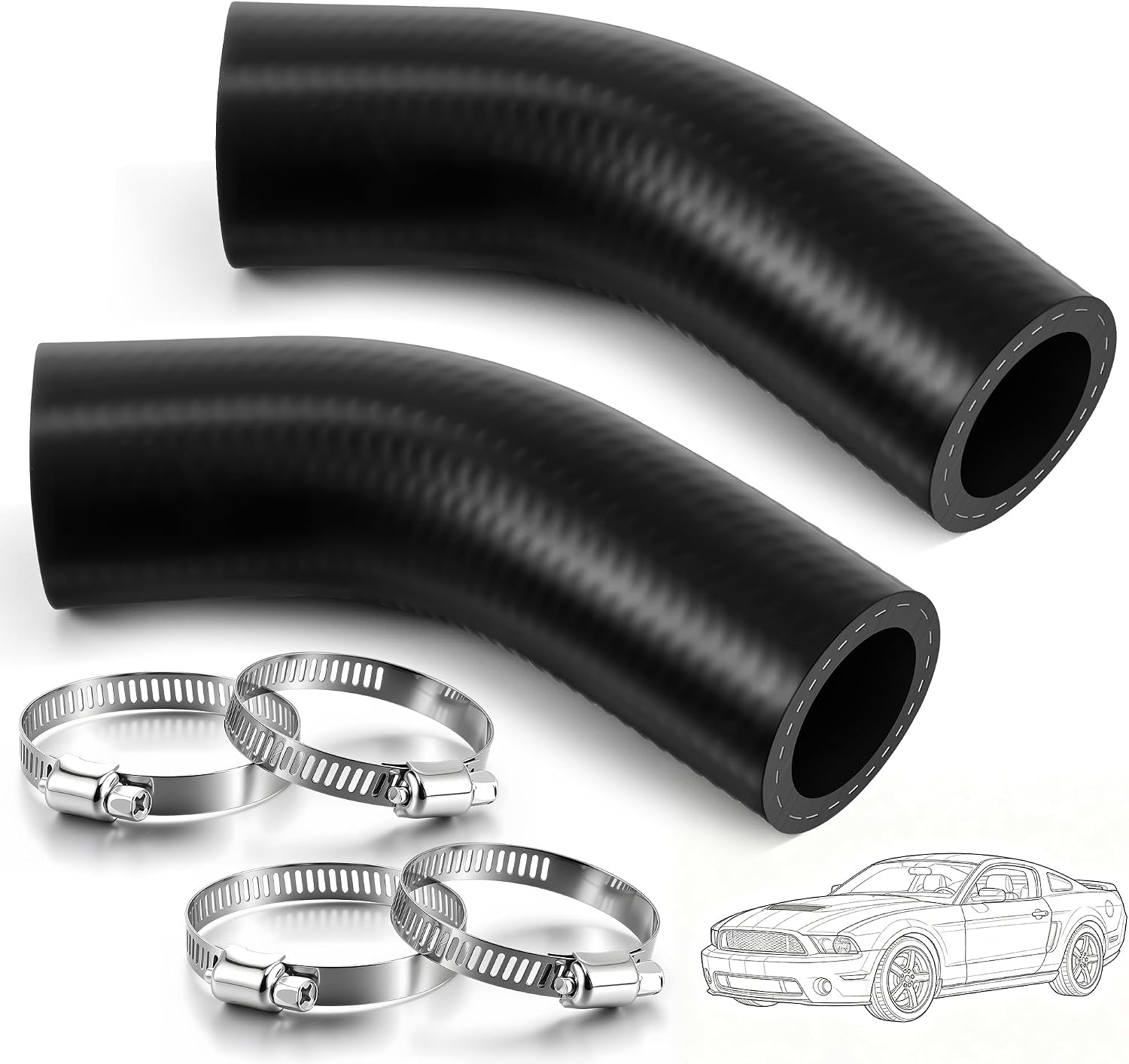
4. Dreyoo 2-Pack Molded Radiator Coolant Hose Kit (24mm)
| Material | EPDM Rubber (Reinforced) |
|---|---|
| Inner Diameter | 24 mm (0.94 in) |
| Center Line Length | 113 mm (4.45 in) |
| Temperature Range | -40°F to +257°F (-40°C to +125°C) |
This Dreyoo kit supplies two molded coolant hoses plus four clamps intended for short bypass, heater core and radiator plumbing where a 24 mm inner diameter hose is required. Made from reinforced EPDM, the hoses stay flexible across a wide temperature band and are built to resist swelling, cracking, and collapse that commonly force replacements. Typical use is DIY replacement on older Ford 4.0L V6 cooling circuits that use the Gates 22038 style hose; the preformed shape helps ensure correct routing and a secure clamp seal without extensive trimming. The package is compact and straightforward to install for a backyard mechanic, and includes spare clamps so you can replace both hoses at once. Limitations are that fitment is specific to applications needing a 24 mm, 113 mm centerline molded hose and this kit does not include longer radiator hoses or additional fittings, so verify routing and dimensions before purchase.
Best for: Hands-on owners working on older Ford 4.0L V6 cooling systems who prioritize low cost and straightforward, do-it-yourself hose replacements.
Less Ideal for: Shoppers who need a universal hose solution, longer radiator hoses, or a direct matched set for non-4.0L applications should look elsewhere.
- Reinforced EPDM construction resists swelling and cracking for longer service life.
- Rated for -40°F to +257°F, suitable for typical under-hood temperatures.
- Preformed molded shape eases routing and helps clamps hold a secure seal.
- Includes two hoses and four clamps so you can replace both hoses in one job.
- Fitment limited to systems that require a 24 mm inner diameter molded hose and specific centerline length, so not universal.
Verdict: A budget-friendly, OEM-style replacement for short molded 24 mm coolant hose needs on older Ford 4.0L V6 vehicles.
5. Gates Premium Molded Coolant Hose

| Material Type | Epdm, Synthetic Fiber |
|---|---|
| Item Type Name | Gates 22038 Premium Molded Coolant Hose |
| Included Components | Premium Molded Coolant Hose |
This Gates molded coolant hose is built to replace factory radiator and heater hoses with materials and shapes meant to match original fit and sealing surfaces. It is typically used as a direct replacement for upper, lower, bypass or heater hose positions where a pre-shaped hose speeds installation and reduces clamp adjustments. Notable features include EPDM rubber with synthetic fiber reinforcement and a cover formulated to resist heat, ozone, coolant chemicals and vacuum collapse, which helps prevent premature failures from electrochemical degradation. The pre-shaped design simplifies routing and improves leak resistance compared with generic straight hose sections. On the downside this is a single hose unit so you must confirm the correct position and length for your application and purchase additional hoses separately if doing a full cooling-system service. For a reliability-first repair, this hose provides a factory-style fit and materials that aim to extend service life compared with low-cost alternatives.
Best for: Buyers prioritizing long-term reliability and a factory-style replacement for radiator or heater hose failures who want a pre-shaped hose that simplifies installation and minimizes repeat visits.
Less Ideal for: If you need a complete hose kit for a multi-hose service or want a universal straight hose for custom routing, this single, pre-shaped replacement may not meet your needs.
- EPDM construction with synthetic fiber reinforcement resists heat, ozone, and coolant chemicals
- Pre-shaped design for accurate routing and improved sealing at factory mating points
- Engineered to resist vacuum collapse and electrochemical degradation that commonly causes hose failure
- Manufactured to match factory-quality specifications for direct replacement fit
- Sold as a single hose so full-system replacements require buying multiple part numbers
- Product listing does not include a specified vehicle fitment in the provided data so verify application before ordering
Verdict: Choose this pre-shaped Gates molded coolant hose when you want a factory-quality, reliability-focused direct replacement to reduce the chance of premature hose failure.
6. Gates 22718 Premium Molded Coolant Hose

| Material Type | Epdm,Synthetic Fiber |
|---|---|
| Item Type Name | Gates 22718 Premium Molded Coolant Hose |
| Included Components | Premium Molded Coolant Hose |
The Gates 22718 is a molded coolant hose meant to replace upper, lower, bypass or heater hoses with a direct-fit shape that eases installation and sealing. Made with an EPDM inner tube, synthetic fiber reinforcement and an EPDM cover, it resists heat, ozone and typical coolant chemicals while engineered layers reduce collapse under vacuum and slow electrochemical degradation. In practice that means fewer soft spots, better long-term sealing at clamps and less chance of premature failure from coolant-related wear. The pre-shaped profile helps align to factory routing so you avoid time-consuming trimming or reshaping. Limitations are typical for rubber replacement hoses: it is still a rubber part that will age and eventually need replacement, and fit depends on matching the exact hose location and connector sizes for your vehicle. For buyers who value a proven replacement with durable materials and accurate molding, this hose is an easy swap; budget installers should still check mating fittings and clamps during installation.
Best for: Buyers who want a reliable, factory-quality replacement hose that matches original routing and prioritizes long-term durability and proven materials.
Less Ideal for: People looking for a universal or adjustable hose solution or those who need a lifetime maintenance-free alternative.
- Pre-molded shape for direct-fit installation and correct routing
- EPDM construction resists heat, ozone and common coolant chemicals
- Synthetic fiber reinforcement reduces collapse under vacuum and improves durability
- Engineered to limit electrochemical degradation, extending service life
- Still a rubber replacement part that will age over time and require periodic replacement
Verdict: Choose this Gates molded coolant hose when you want a direct-fit, OEM-quality replacement that resists heat, ozone and coolant-related degradation.
7. Gates 20338 Molded Coolant Hose

| Material Type | EPDM |
|---|---|
| Item Type Name | Gates 20338 Premium Molded Coolant Hose |
| Included Components | Premium Molded Coolant Hose |
This Gates 20338 molded coolant hose is a direct-fit replacement intended for upper, lower, bypass and heater coolant paths where a pre-shaped hose is needed. Made from EPDM with synthetic fiber reinforcement and an EPDM cover, it is engineered to resist collapse under vacuum, electrochemical degradation, heat, ozone and coolant chemicals. In practice that means easier installation thanks to the pre-shaped contour and a longer expected service life compared with generic universal hoses. It meets SAE 20R4 and DIN 73411 class standards for construction, so the material and reinforcement are consistent with factory-quality replacements. Limitations are that fitment must match the vehicle routing and diameter exactly and this listing provides a single hose unit rather than a multi-piece kit, so plan to replace mating clamps or additional hoses if they are worn. For a risk-averse buyer wanting a like-for-like replacement, this delivers reliable, proven construction and straightforward installation.
Best for: A cautious buyer who prefers factory-quality, direct-fit replacement parts and wants a durable, correctly shaped hose to restore proper coolant routing without aftermarket modifications.
Less Ideal for: Someone looking to replace every cooling-system hose at once or seeking a universal, trim-to-fit option for custom plumbing projects.
- Pre-shaped molded design for accurate fit and easier installation
- EPDM construction and synthetic fiber reinforcement resist heat, ozone and coolant chemicals
- Engineered to resist vacuum collapse and electrochemical degradation that cause hose failure
- Meets SAE 20R4 and DIN 73411 construction standards for replacement hoses
- Sold as a single hose rather than a multi-hose kit so additional parts may be needed for a full service
Verdict: Choose this Gates molded coolant hose when you want a factory-quality, pre-shaped direct replacement that resists the common failure modes of radiator hoses.
Choosing the Right 2002-2005 Ford Explorer Radiator Hose: Key Factors to Consider
Material and Construction
The material determines how well a hose resists heat, coolant chemistry, and aging. EPDM rubber is common because it tolerates coolant and high under-hood temperatures without rapid hardening. Silicone hoses offer greater heat tolerance and flexibility but can be bulkier and sometimes cost more. Fabric-reinforced layers and inner liners reduce collapse under vacuum and improve pressure resistance.
Construction details such as mandrel bends and reinforcement plies affect how the hose retains its shape under engine load and thermal cycling. A hose that kinks or flattens during operation can restrict coolant flow and cause hotspots. For the 2002-2005 Ford Explorer, choose a material and construction that balance flexibility for routing with stiffness to prevent collapse and abrasion resistance where the hose contacts brackets or the radiator inlet.
Fitment Accuracy and Hose Geometry
Exact geometry matters because the radiator hose must line up with the radiator neck, thermostat housing, and engine block without excessive twisting or stretching. Slight differences in bend radii or connector angle can cause stress at the hose ends and clamps, leading to leaks or premature failure. A hose that closely matches the original routing reduces installation time and ensures a proper seal.
Pay attention to measured dimensions and bend profiles. For the 2002-2005 Ford Explorer, confirm the hose matches the vehicle year range and the specific upper or lower routing. If a hose lists multiple vehicle fitments, verify the listed bend angles and lengths to avoid fitment surprises during installation.
Clamp Compatibility and End Fittings
How a hose attaches affects both sealing and maintenance. End fittings that accept standard worm-drive clamps make future clamp replacements straightforward, while OE-style bead or ribbed ends may require spring clamps or OEM-specific clamps. Poor compatibility can lead to uneven clamping pressure and leaks at the connection points.
Check whether the hose includes molded bead ends, smooth ends for clamp placement, or integrated fittings for sensors or quick-connects. For the Explorer, ensure the hose design lines up with the radiator neck and thermostat housing so that clamps sit squarely and do not interfere with nearby brackets or wiring.
Heat and Pressure Ratings
Radiator hoses operate under heat and pressure cycles. A hose rated for higher temperature and pressure tolerances will resist bulging, collapse, and blowouts. Verify manufacturer specifications for maximum operating temperature and pressure where available. A margin above typical engine operating conditions provides extra durability.
Consider how towing, heavy loads, or high ambient temperatures can raise coolant system stress. For the 2002-2005 Ford Explorer, select hoses with ratings that accommodate occasional heavy-duty use and that maintain flexibility at cold temperatures to reduce clamp stress during startup.
Abrasion Resistance and Routing Concerns
Under-hood movement and contact with brackets or other components wear hose surfaces over time. Look for hoses with abrasion-resistant outer layers or protective sleeves where routing requires contact with metal edges. Softer hoses can rub through faster; reinforced exteriors or thicker walls help prevent premature leaks.
Also consider the routing in the Explorer's engine bay. Check for potential contact points during full steering lock and suspension travel. A hose that includes factory-style routing clips or has enough slack to avoid tension during engine movement reduces the chance of chafing and failure.
Warranty and Manufacturing Consistency
Warranty terms and visible manufacturing quality give insight into long-term reliability. A clear warranty period and evidence of consistent molding, clean seams, and uniform wall thickness indicate better quality control. Warranties that cover material defects or premature failure are useful indicators of manufacturer confidence.
Exclusions often include mechanical damage, improper installation, or coolant contamination, so check warranty language carefully. For the 2002-2005 Ford Explorer, a reasonable warranty coupled with good production consistency reduces the risk of replacing hoses more frequently than necessary.
Upper Vs Lower Radiator Hose Roles
The upper radiator hose typically carries hot coolant from the engine to the radiator, while the lower hose returns cooled fluid to the engine. Because of this difference, the upper hose often sees higher temperatures and may be more susceptible to softening or collapse near the engine connection.
For the 2002-2005 Ford Explorer, inspect both hoses during maintenance. A problem in one can put extra strain on the other, so consider replacing both hoses at the same time if one shows advanced wear. Consistent material and clamp condition across both hoses help maintain balanced flow and pressure in the cooling system.
- Upper hose handles hotter coolant and may require higher heat resistance
- Lower hose may contact the radiator inlet and be more prone to abrasion
- Replacing both can prevent repeated labor and seal mismatches
Common Radiator Hose Symptoms to Watch For
Early detection prevents overheating. Typical signs to watch for include visible cracking, soft or spongy sections when squeezed, coolant residue or wet spots near hose ends, and sudden drops in coolant level that suggest a leak. For the Explorer, pay attention to any coolant smell in the engine bay or white residue around clamps.
Also watch for bulges or collapsed sections that indicate internal breakdown or loss of reinforcement. Symptoms like intermittent overheating under load or when idling can suggest a partially restricted hose or an issue with hose collapse under vacuum.
- Cracks, soft spots, and bulges on the hose surface
- Coolant residue or dampness near hose connections
- Intermittent overheating or unexplained coolant loss
Practical Tips for Radiator Hose Replacement
Prepare the vehicle on a cool engine and capture coolant in an appropriate container. Loosen clamps at both ends, remove the hose, and inspect mating surfaces for corrosion or rough edges. Clean the radiator neck and thermostat housing opening before installing the new hose to ensure a smooth sealing surface.
When installing, position clamps so they sit squarely on the hose bead or smooth section as recommended by the hose design. Tighten clamps incrementally and avoid over-torquing which can cut into the hose. After installation, refill the cooling system, bleed trapped air, and run the engine to operating temperature to verify there are no leaks and that flow is normal.
- Work on a cool engine and catch drained coolant safely
- Clean mating surfaces and inspect for corrosion before fitting
- Tighten clamps evenly and check for leaks after warming up
How Clamp Type Affects Long-Term Sealing
Clamp selection can be as important as hose choice. Worm-drive clamps are widely used because they are adjustable and easy to service, but they can create uneven pressure if misaligned. Spring clamps provide uniform pressure but can be harder to remove and reinstall without the right tools.
For the 2002-2005 Ford Explorer, ensure the clamp type matches the hose end design. If a hose uses molded bead ends, spring or OE-style clamps may be recommended. For smooth-ended hoses, pick a clamp wide enough to distribute pressure and avoid cutting into the hose wall.
- Worm-drive clamps are adjustable and service-friendly
- Spring clamps offer uniform pressure but need specific tools
- Match clamp width and style to hose end profile for best sealing
Checking Radiator Hose Size and Fitment Details
Measure inner diameter and center-to-center length when confirming fitment. Some aftermarket hoses list multiple fitments but vary in minor dimensional details that affect routing. For precise fitment in the 2002-2005 Ford Explorer, cross-check listed dimensions against the vehicle's hose geometry to avoid issues at installation.
Also verify whether the hose accommodates any sensor or bypass fittings present in the original routing. A hose that omits required ports or uses a different angle may necessitate additional adapters or modifications, which can compromise sealing integrity.
- Confirm inner diameter and center-to-center length before ordering
- Verify presence and placement of any necessary sensor or bypass ports
- Avoid hoses with unspecified or vague dimensional data
When to Replace Both Hoses and Related Components
If one hose shows signs of aging, the other is often not far behind. Replacing both upper and lower hoses at once reduces future labor and helps ensure matched material behavior and clamp compatibility. Also inspect adjacent components such as clamps, radiator necks, and thermostat housing seals for corrosion or deformation.
Consider replacing clamps with new hardware suited to the hose end type. If the radiator neck or housing shows damage or heavy corrosion, address those issues before installing a new hose to ensure a reliable seal and to prevent repeat failures.
- Replace both hoses to avoid repeat labor and mismatched materials
- Inspect and replace deteriorated clamps and seals
- Address any corrosion on mating surfaces before fitting new hoses
Still looking for the perfect fit?
Select your Ford Explorer configuration to see the most relevant Radiator Hoses recommendations
How We Chose the Best 2002-2005 Ford Explorer Radiator Hose
We focused on the attributes that most directly affect reliability and fitment for the 2002-2005 Ford Explorer. Selection criteria included material and construction, fitment accuracy and connector geometry, heat and pressure ratings, clamp compatibility and hose end design, and warranty or manufacturing quality control information. We prioritized hoses made from materials known to resist coolant and oil contamination, withstand under-hood temperatures, and resist softening or cracking over time.Fitment accuracy was a primary filter. We excluded any options with vague fitment claims or incomplete dimensional data. Hoses lacking clear OEM-equivalent mounting profiles or specified radiator and thermostat housing interface dimensions were not considered. We also weighed ease of installation, including whether standard worm-drive clamps or OE-style clamps were compatible.Finally, we considered manufacturing consistency and available warranty information as proxies for long-term durability. The result is a list of seven hoses that meet the practical demands of the Explorer owners while excluding poorly documented or unspecified parts.
Our full evaluation process is outlined in our review methodology.
FAQ
How often should I inspect the radiator hoses on a 2002-2005 Ford Explorer?
Inspect hoses at least twice a year and during every major service interval. Check for soft spots, cracks, bulges, and coolant residue. Seasonal inspections before hot summer months are especially useful because heat accelerates hose degradation.
Can I replace just the upper or lower hose instead of both on my Explorer?
You can replace a single failed hose, but replacing both is often recommended to ensure matched material behavior and to avoid a second labor event. If the other hose shows any signs of wear, replace it at the same time.
What are common causes of a coolant hose leak in the Explorer?
Leaks usually result from age-related cracking, abrasion from contact with brackets, clamp failures, or poor fitment that allows coolant to seep past the seal. Less commonly, internal reinforcement breakdown can cause bulging and rupture under pressure.
Are aftermarket radiator hoses reliable for the 2002-2005 Ford Explorer?
Aftermarket hoses can be reliable if they provide clear fitment dimensions, use appropriate materials for coolant exposure, and match the original routing. Choose hoses with documented specifications and adequate heat and pressure ratings for the Explorer to ensure consistent performance.
How can I tell if a hose clamp needs replacement?
Replace clamps that are corroded, bent, or that no longer provide even pressure on the hose. Clamps that slip when tightened or that show rust at the screw mechanism should be replaced to prevent leaks.
Will a radiator hose leak immediately show as overheating?
Not always. Small leaks or weeping at fittings may cause gradual coolant loss before overheating occurs. Some failures, like internal collapse or sudden rupture, can cause immediate overheating. Regular inspections help catch slow leaks before they lead to overheating.
Final Verdict
Prioritize fitment accuracy and material quality when choosing radiator hoses for the 2002-2005 Ford Explorer. Matching the hose geometry and end fittings to the vehicle reduces installation stress, while durable materials and proper clamp selection improve long-term leak resistance. Replacing both hoses and worn clamps together reduces the chance of repeat labor and creates a more reliable cooling system.Base your final choice on the balance between construction quality, heat and pressure ratings, and clear dimensional data. That focus will yield dependable cooling performance and minimize the risk of unexpected failures.
Explore More:
- Check out all Ford Explorer parts & accessories
- Explore Radiator Hoses Maintenance & Repair Guides
- Explore Cooling System
- Browse all Auto Parts
