

Note: This article contains affiliate links. If you click on these links and make a purchase, I may earn a small commission at no extra cost to you. This helps support my research and content. Read my full affiliate disclosure here.
If your 2003-2008 Subaru Forester is showing rough idle, reduced fuel economy, or a persistent engine warning, a failing oxygen sensor is a common culprit. Replacing a faulty oxygen sensor can restore proper fuel trim, reduce emissions, and help the engine run smoother. This guide covers the top shortlisted oxygen sensors compatible with the 2003-2008 Forester, focusing on parts that match factory fitment and electrical connectors for this vehicle.We evaluated candidates for fitment reliability, sensor response time, and expected service life, plus wiring and connector quality. Read on to see the top options and what matters when you install or replace an oxygen sensor in your Forester.
Looking for other parts? See all Subaru Forester parts & accessories.
Top Picks at a Glance
| Best Overall The best all-around choice for most situations | LuxOxyPro Upstream Oxygen Sensor (Replace 234-9015) for 2.5L Subaru 2003–2004 |  |
| Best Quality Built to a higher standard if you want something more solid | BOSCH 15025 Premium Fitment Oxygen Sensor |  |
| Best Value The sweet spot between price and what you get | NECATUO 234-9015 Heated Upstream O2 Oxygen Sensor |  |
| Best Budget The cheapest option that still gets the job done reliably | QIJIAUTO 4-Wire Heated Downstream Oxygen Sensor (22690AA500) |  |
| Highest Rated A top-rated pick with lots of positive feedback | Denso Oxygen (O2) Sensor 234-4445 |  |
| Most Popular A crowd favorite that many people choose with confidence | Amrxuts Replacement Upstream and Downstream Oxygen Sensors (Pair) |  |
| Best Seller A high-volume bestseller chosen again and again | QIYBONE Oxygen O2 Sensors (Upstream & Downstream) — 2-Pack |  |
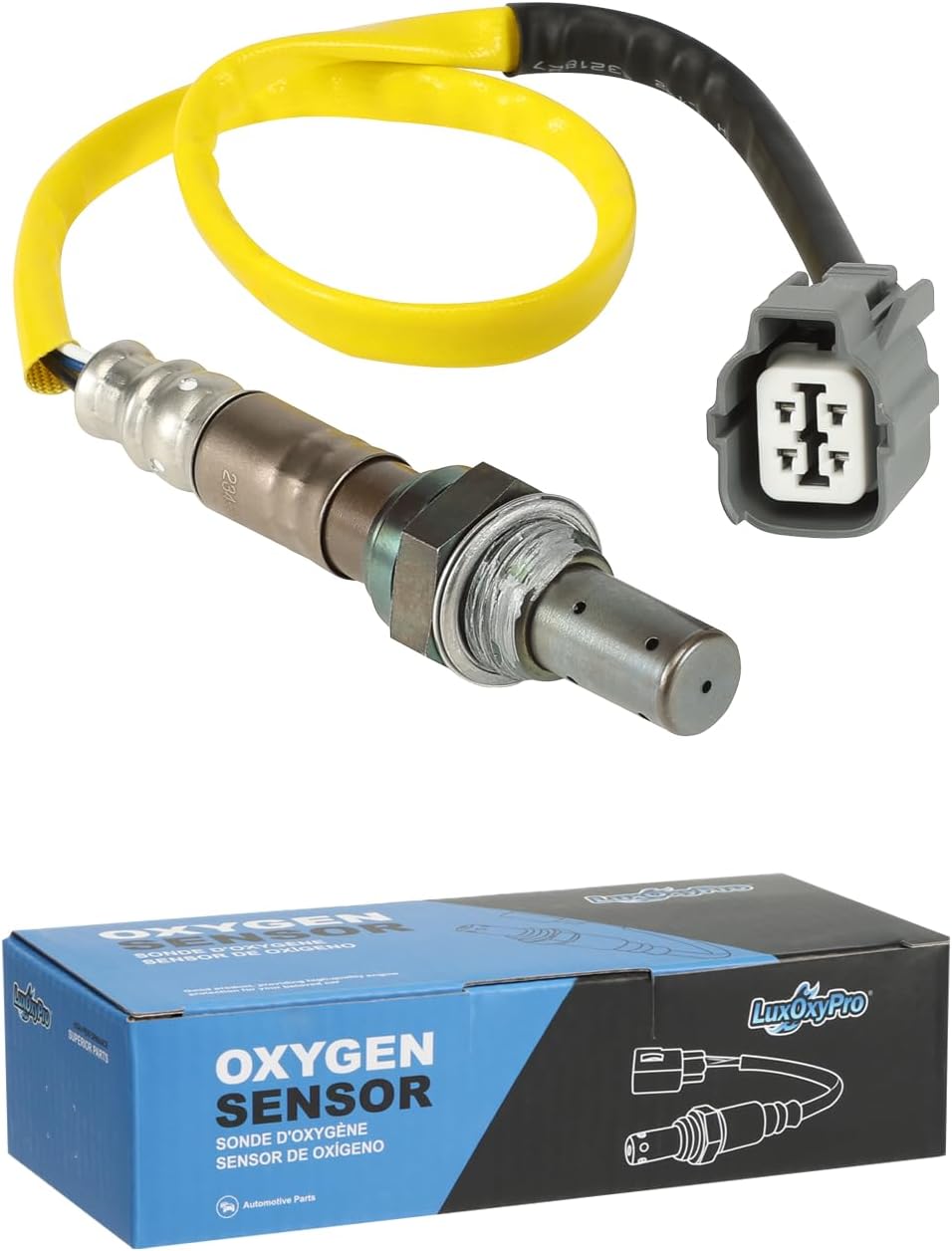
1. LuxOxyPro Upstream Oxygen Sensor (Replace 234-9015) for 2.5L Subaru 2003–2004
| Compatible part | Replaces 234-9015 / 22641-AA230 / 22641-AA140 / 22641-AA280 |
|---|---|
| Fitment | Subaru 2.5L H4 models 2003-2004 (Impreza Forester Legacy Outback Baja) |
| Manufacturer | LuxOxyPro |
| Date first available | June 27, 2025 |
This LuxOxyPro upstream oxygen sensor is a direct-replacement part intended for Subaru 2.5L H4 models from the 2003–2004 era including Impreza, Forester, Legacy, Outback and selected Baja trims. It monitors exhaust oxygen content and sends that signal to the engine computer so fuel delivery and emissions control return to expected behavior. In use it replaces a worn sensor to cure rough idle, poor fuel economy, and lingering check-engine codes related to O2 feedback. The listing highlights construction rated for high temperatures and a fast response time, which helps the ECU adjust fuel trim quickly after installation. Installation is typical for an upstream O2 sensor and may require an oxygen sensor socket and moderate clearance under the vehicle. This unit is a single-sensor replacement that matches common Subaru part numbers, so double-check the old sensor number and connector before ordering. Buyers should expect a straightforward fix for emissions and drivability issues but note this is a vehicle-specific upstream sensor rather than a universal or multi-sensor kit.
Best for: A pragmatic Subaru owner seeking a reliable factory-replacement upstream O2 sensor to restore normal idle, emissions, and fuel economy on early 2000s 2.5L models.
Less Ideal for: People who need a universal sensor, a full multi-sensor kit, or who are repairing later-model vehicles outside the listed year and engine scope.
- Made for specified Subaru 2.5L H4 models so fit and function match common replacements
- Designed for high operating temperatures for durability in the exhaust stream
- Faster response time that helps the engine computer correct fuel trim more quickly
- Replaces OE part numbers including 234-9015 to simplify compatibility checks
- Only the upstream sensor is supplied so downstream or additional sensors must be purchased separately if needed
Verdict: A purpose-built upstream replacement that restores proper O2 feedback and drivability for early 2000s Subaru 2.5L models.
2. BOSCH 15025 Premium Fitment Oxygen Sensor

| Measuring Range | 300 – 800 °C |
|---|---|
| Mounting Type | Flange Mount |
| Output Type | electrical signal |
| Material Type | Stainless Steel |
| Upper Temperature Rating | 800 °C |
The Bosch 15025 is a direct-fit oxygen sensor built to replace a malfunctioning O2 unit and restore proper air-fuel control. It installs using factory-style connectors and pre-coated threads so you can swap it into the exhaust without harness splicing or extra anti-seize prep. Bosch uses a double laser-welded stainless steel body and a fast-acting heater, which gets the sensor up to operating temperature quickly so it begins reporting accurate readings shortly after startup. That fast warm-up helps the engine control unit correct fueling sooner, which can improve throttle response and fuel economy compared with a slow or failing sensor. The sensor is 100 percent bench-tested and intended for long service life in exhaust conditions. Limitations are that fitment depends on exact Subaru engine and sensor position so verifying compatibility for a 2003–2008 Forester is necessary, and this is a direct replacement rather than a performance uprated sensor designed for high-boost or race tuning applications.
Best for: Drivers who want a reliable, factory-quality replacement that restores proper fueling and responsiveness on day-to-day driven Subarus, prioritizing drivability and fuel economy.
Less Ideal for: People building high-boost or heavily modified engines who need a wideband sensor or a sensor specified for motorsport conditions should look at performance-grade options.
- Direct-fit connector and pre-coated threads for straightforward installation
- Fast-acting heater reduces warm-up time so the ECU gets accurate readings sooner
- Double laser-welded stainless steel body for corrosion resistance and longer life
- 100% functional bench testing ensures consistent performance out of the box
- Not marketed as a performance or wideband sensor for tuned or high-boost engines
Verdict: Choose this Bosch sensor if you want a proven, quick-heating factory-style replacement that reliably restores correct air-fuel control on a daily-driven 2003–2008 Forester.
3. NECATUO 234-9015 Heated Upstream O2 Oxygen Sensor

| Material | Ceramic, Stainless Steel, Titanium |
|---|---|
| Measurement Accuracy | ±1% |
| Mounting Type | Flange Mount |
| Output Type | Push-Pull |
This NECATUO 234-9015 is a direct-fit heated upstream oxygen sensor intended as a factory-style replacement for compatible early-2000s Subaru 2.5L engines. It measures exhaust oxygen to help the engine control module adjust fuel trim and maintain proper air-fuel ratio, which improves fuel economy, drivability, and catalytic converter life. The sensor is built from ceramic and stainless materials and uses a flange mount and push-pull output for straightforward connection to the factory harness. Installation is typical for an upstream O2 sensor and can be done with common hand tools; because it is made to match OEM fit, it usually drops into the original location without modification. The practical upside is restored engine management and emissions compliance at a lower cost than dealer parts. Limitations are typical of aftermarket sensors: long-term durability can vary compared with higher-end name-brand options and success depends on correct fitment and a clean exhaust thread and harness at installation.
Best for: Buyers who want a cost-effective, factory-fit replacement to restore proper fuel control and emissions on early-2000s Subaru 2.5L cars without paying dealer prices.
Less Ideal for: If you need a lifetime performance sensor or plan extensive engine tuning, consider higher-end or performance-grade oxygen sensors instead.
- Heated design enables faster warm-up for accurate readings during cold start
- Manufactured to match factory-style flange mount for direct fit installation
- Constructed from ceramic and stainless components for corrosion resistance
- Push-pull output designed to plug into the stock wiring harness without modification
- Long-term durability may vary compared with premium OEM-brand sensors
Verdict: A budget-friendly, factory-fit heated upstream oxygen sensor that reliably restores air-fuel sensing on compatible early-2000s Subaru 2.5L models.
4. QIJIAUTO 4-Wire Heated Downstream Oxygen Sensor (22690AA500)

| Mounting Type | Threaded |
|---|---|
| Output Type | electrical signal |
| Mounting Position | Downstream (Bank 1 Sensor 2) |
| Wire Count | 4-wire |
| Upper Temperature Rating | 392 °F |
This QIJIAUTO downstream (Bank 1 Sensor 2) oxygen sensor replaces the factory unit on compatible Subaru Forester, Impreza, Legacy, and Outback model years and other listed vehicles. It provides the standard threaded mounting and a 4-pin connector for straightforward plug-and-play installation during routine exhaust maintenance. The sensor uses a ceramic sensing element and metal housing with a built-in heater so it reaches operating temperature quickly for reliable signal output to the engine control module. Measurement accuracy is listed as about ±1-2 percent, which is adequate for restoring closed-loop fuel control and clearing emissions-related codes after a failed factory sensor. As a budget replacement, it offers practical value but may not match the long-term durability or exact testing standards of higher-end branded parts. Fitment is narrow: confirm the downstream bank 1 location and referenced part numbers before buying. The part ships singly and is intended for standard maintenance swaps rather than performance tuning.
Best for: Buyers looking for an inexpensive, direct-replacement downstream oxygen sensor to fix emissions codes or restore normal fuel control on compatible Subaru models and similar vehicles.
Less Ideal for: Those seeking a premium long-life or performance-grade oxygen sensor or technicians needing OEM-level testing and validation for warranty repairs.
- Direct-fit threaded mounting and 4-pin connector for simple plug-and-play installation
- Built-in heater shortens warm-up time and stabilizes sensor readings
- Measurement accuracy around ±1-2% suitable for restoring factory fuel trims
- Listed as a direct replacement for specific Subaru part numbers to simplify cross-reference
- Lower-priced aftermarket option that may have shorter service life compared with premium branded sensors
Verdict: A cost-conscious direct-fit downstream oxygen sensor that restores factory-style emissions monitoring on supported Subaru models without complex installation.
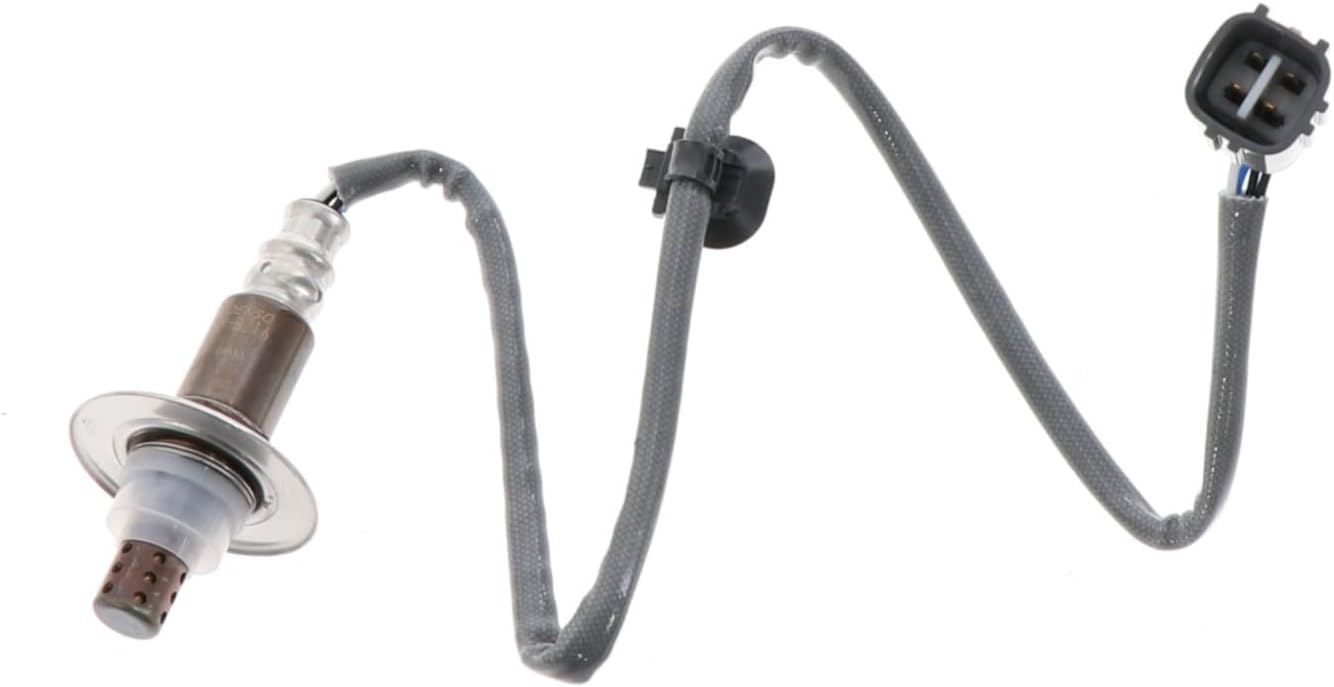
5. Denso Oxygen (O2) Sensor 234-4445
| Mounting Type | Thread-In |
|---|---|
| Output Type | NPN |
| Material | Stainless Steel, Zirconium |
| Upper Temperature Rating | 800 Degrees Celsius |
The Denso 234-4445 is a threaded replacement oxygen sensor built to be a direct-fit replacement for mid-2000s Subaru models. It senses exhaust oxygen content and feeds that data to the engine control system so air/fuel mixture and emissions are maintained. Installation is the same as the factory sensor and is typically used when a failing sensor triggers a check engine light or causes rough idle and reduced fuel economy. Key features include a zirconium sensing element, stainless steel housing and Denso’s protective alumina trap layer intended to resist contamination for longer life. Because it is manufactured to OEM-quality standards, the sensor aims for reliable, predictable operation and straightforward fitment without modification. Limitations are typical of single-piece replacement sensors: it replaces the sensor only and will not correct unrelated exhaust or fuel system faults, and lifespan depends on driving conditions and exposure to contaminants.
Best for: Buyers wanting a dependable, factory-quality replacement sensor to restore proper fuel control and emissions on mid-2000s Subaru vehicles and minimize the chance of fitment or calibration issues.
Less Ideal for: Drivers looking for an upgraded performance sensor with custom tuning features or universal sensors for multiple vehicle types should consider other options.
- Direct-fit threaded design matching factory replacement procedure
- Zirconium sensing element with alumina trap to resist silicone and lead contamination
- Stainless steel construction for corrosion resistance
- Manufactured to OEM-quality standards for consistent performance
- Does not address other exhaust or engine issues that can mimic a bad O2 sensor
Verdict: Choose this Denso sensor when you want a reliable, factory-quality direct replacement to restore proper fuel control and emissions on mid-2000s Subaru models.
6. Amrxuts Replacement Upstream and Downstream Oxygen Sensors (Pair)

| Measurement Accuracy | High |
|---|---|
| Mounting Type | Flange Mount |
| Output Type | Digital |
| Specific Uses For Product | Oxygen Sensor |
| Upper Temperature Rating | 250 °F |
These Amrxuts oxygen sensors replace both upstream and downstream positions to restore proper air-fuel feedback and clear check-engine light codes related to O2 sensors. They are ceramic, flange-mount sensors with digital output and are supplied with four-wire harnesses sized for direct-fit installation on compatible Subaru 2.5L H4 engines. In use they should re-enable correct closed-loop fueling, which helps stabilize idle, improve emissions, and can recover fuel economy lost to a failing sensor. Notable practical benefits include ready compatibility with the listed part numbers, plug-and-play wiring lengths, and a one-year replacement guarantee. Limitations to expect are typical of aftermarket sensors: long-term durability may vary compared with higher-end factory-quality units and some vehicles might need reprogramming or additional diagnostics if other components triggered the fault code. These are best for DIY drivers who want an affordable two-sensor repair and for shops addressing sensor-related check-engine lights quickly.
Best for: Drivers who need a risk-conscious but cost-effective repair to clear O2-related engine codes and restore normal fueling on compatible Subaru 2.5L vehicles, and who prefer a straightforward plug-and-play replacement.
Less Ideal for: Owners seeking long-term OEM-equivalent durability or performance tuning parts should consider higher-tier or OEM-brand sensors instead.
- Sold as an upstream and downstream pair to simplify a two-sensor replacement.
- Direct-fit wiring harnesses with specified lengths for plug-and-play installation.
- Digital four-wire design matches factory signal types for proper ECU feedback.
- Ceramic construction and flange mount for conventional O2 sensor durability and fit.
- Aftermarket longevity may be less consistent than higher-end factory-quality sensors.
Verdict: A practical, affordable two-sensor direct-fit replacement for restoring proper O2 feedback and clearing related engine codes on compatible Subaru 2.5L models.
7. QIYBONE Oxygen O2 Sensors (Upstream & Downstream) — 2-Pack

| Brand Name | QIYBONE |
|---|---|
| Material Type | Stainless Steel |
| Unit Count | 2 Count |
| Included Components | Oxygen Sensor |
These QIYBONE oxygen sensors are sold as a two-piece upstream and downstream replacement set intended to restore proper air-fuel sensing on compatible 2.5L Subaru and Saab engines. They are stainless steel units with heat-resistant construction and factory-style connectors for plug-and-play installation, so you can typically swap them in without modifying wiring or mounts. In use the sensors report oxygen levels to the engine computer to help the ECU correct fuel trim, which improves fuel economy and reduces emissions compared with a failing sensor. Notable features include claimed rapid response and double protection sealing to extend service life. Practical benefits are straightforward installation, a matched upstream/downstream pair for complete repair, and materials meant to resist exhaust heat and corrosion. Limitations to keep in mind are that fitment must match the specific part numbers and vehicle years listed, and aftermarket sensors can vary slightly in signal characteristics compared with factory sensors which may require clearing codes and brief ECU relearn after installation.
Best for: Buyers who prefer a low-risk, do-it-yourself repair that returns a worn oxygen sensor system to normal operation with a direct-fit replacement and straightforward installation.
Less Ideal for: Drivers seeking an exact factory-branded sensor or those who want professional calibration services bundled with the part should consider alternatives.
- Sold as an upstream and downstream pair for a complete oxygen-sensor replacement
- Stainless steel and high-temperature materials designed for exhaust environments
- Factory-style plug-and-play connectors for straightforward installation
- Designed to respond quickly to air-fuel changes to help improve fuel economy
- Requires confirming exact part number fitment for the target vehicle years before purchase
- Aftermarket signal characteristics may differ slightly from factory sensors and can require ECU relearn
Verdict: A practical two-piece, plug-and-play oxygen sensor set that makes a low-risk repair to restore fuel trim and emissions control on compatible 2.5L Subaru models.
Choosing the Right 2003-2008 Subaru Forester Oxygen Sensor: Key Factors to Consider
Fitment and Connector Compatibility
Correct fitment affects both function and installation time for the 2003-2008 Subaru Forester. The sensor must match the thread size, mounting position, and oxygen sensor bung used on the Forester exhaust manifold or pipe. Equally important is connector type; a sensor that requires splicing or an adapter increases the risk of poor connections and eventual failures.
When choosing a replacement, confirm that the wiring harness plug and pinout match the vehicle harness to avoid electrical faults. Proper fitment ensures the vehicle computer reads accurate signals and maintains proper fuel trim, preventing false codes or drivability issues.
Upstream Vs Downstream Positioning
The Forester uses distinct upstream and downstream sensors with different roles. Upstream sensors monitor oxygen in exhaust gases before the catalytic converter and inform immediate fuel trimming. These sensors need faster response times and precise voltage swings to keep air-fuel mixture in range.
Downstream sensors monitor catalyst efficiency and do not require as rapid a response, but they must be stable and durable. Selecting the correct sensor position prevents mismatch problems and diagnostic confusion, especially when diagnosing codes like oxygen sensor faults or catalyst-related alerts.
Response Time and Sensor Accuracy
Faster response time helps the engine control module adjust fuel delivery quickly, improving idle quality, throttle response, and fuel economy in the Forester. Sensors with sluggish response can cause the ECU to run rich or lean for longer periods, which shows up as rough running or decreased MPG.
Accuracy across the operating temperature range matters because outside temperature swings and engine load affect exhaust composition. Look for sensors that specify response characteristics and stable narrowband output behavior to maintain consistent fueling under varied driving conditions.
Durability and Heat Resistance
The Forester's exhaust system exposes oxygen sensors to high temperatures, road debris, and contaminants. Durable construction, corrosion-resistant housings, and protective coatings increase service life and reduce the chance of sensor element failure. Heat-resistant designs and proper shielding reduce thermal degradation of the sensing element.
A sensor that withstands thermal cycling will last longer and reduce the frequency of replacements. Consider sensors with protective features such as integrated heat shields or robust ceramic elements when durability is a priority.
Wiring, Grounding, and Prewired Options
Wiring quality and grounding affect signal integrity for the Forester's oxygen sensors. Some replacement sensors come prewired with correct-length harnesses and factory-style connectors, simplifying install and ensuring proper routing away from heat sources. Poor wiring or inadequate grounding can create intermittent or noisy signals that trigger check engine light oxygen sensor faults.
For DIY installations, prewired options reduce time under the vehicle and the need for crimping or soldering. Ensure the replacement includes adequate insulation and strain relief at the connector to avoid early wire fatigue or exposure to the elements.
Compatibility With Emissions and Diagnostic Requirements
The replacement must support the Forester's emissions control strategies and diagnostic needs. That includes producing the expected voltage ranges for narrowband sensors and responding correctly during onboard diagnostic checks. A sensor that does not meet these expectations can cause oxygen sensor codes or catalyst efficiency alerts to persist.
Consider whether the sensor supports the vehicle's required diagnostic checks and will allow the ECU to complete readiness cycles for emissions testing. Choosing a sensor aligned with diagnostic expectations reduces troubleshooting time and ensures compliance with local emission inspections.
Common Symptoms of a Failing Oxygen Sensor
Recognizing early symptoms can help you address oxygen sensor issues before they cause broader engine problems. Typical signs on a 2003-2008 Forester include a rough or fluctuating idle, sudden drops in fuel economy, hesitation on acceleration, and an illuminated check engine light oxygen sensor code.
You may also notice heavier exhaust smell or occasional misfires when the sensor is producing erratic readings. Paying attention to these symptoms helps you decide whether to test the sensor or proceed directly to replacement.
- Rough or unstable idle
- Reduced fuel economy
- Engine hesitation or stumbling under load
- Check engine light oxygen sensor warnings
How to Test an Oxygen Sensor on a Forester
Testing a sensor before replacing it can save time and expense. For narrowband sensors typically used on the 2003-2008 Forester, a digital multimeter can monitor the sensor voltage while the engine is at operating temperature. A healthy upstream sensor should fluctuate regularly between low and high voltages as the ECU adjusts fuel trims.
You can also perform a response test by inducing a brief rich or lean condition and watching for a timely voltage swing. For owners comfortable with the process, checking heater circuit continuity and resistance helps rule out a failed heater element, which often causes oxygen sensor code P0135 and similar faults.
- Check voltage swings with a multimeter
- Inspect heater circuit resistance
- Watch for prompt response to induced rich/lean changes
- Scan for stored diagnostic trouble codes
Installation Tips for 2003-2008 Forester Oxygen Sensors
Proper installation reduces the risk of leaks and electrical faults. Use anti-seize compound sparingly on sensor threads only when recommended; too much can affect torque readings. Ensure the connector aligns and locks fully to prevent water intrusion and intermittent connections.
Route wiring away from exhaust heat and moving suspension components, and secure it with provided clips or heat-resistant ties. If you are doing the install yourself, allow the vehicle and exhaust to cool and use the correct torque specification to avoid damaging the sensor bung.
- Avoid over-applying anti-seize on threads
- Secure wiring away from heat and moving parts
- Confirm connector engagement and locking tab
- Use proper torque and let exhaust cool before working
Understanding Codes and Diagnostics
The Forester's onboard diagnostics will set codes that point to oxygen sensor issues or related systems. Codes referencing bank 1 sensor 1 typically indicate the upstream sensor on the side of the engine that contains cylinder 1. Codes like oxygen sensor code P0135 often point to heater circuit problems rather than the sensor element itself.
Interpreting codes in context matters. A heater circuit code may be resolved by fixing wiring or the power feed, while fluctuating sensor voltage usually indicates an aging sensing element. Running basic checks on wiring, connectors, and heater resistance helps isolate the root cause before replacing parts.
- Bank 1 Sensor 1 refers to the upstream sensor on cylinder 1 side
- P0135 often indicates heater circuit faults
- Check wiring and grounds before replacing the sensor
- Use live data to observe sensor voltage behavior
When to Replace Upstream Vs Downstream Sensors
Replace an upstream sensor when you observe erratic voltage swings, slow response to fuel changes, or persistent fuel trim problems that align with oxygen sensor symptoms. Upstream sensors directly affect fueling and drivability, so timely replacement can restore normal engine behavior.
Downstream sensors should be replaced when they fail diagnostic checks for catalyst monitoring or show loss of signal stability. Because downstream sensors assess converter performance, replacement is most often tied to emission test failures or specific downstream sensor codes.
- Prioritize upstream replacement for drivability and fuel trim issues
- Replace downstream sensors when catalyst monitoring or emissions checks fail
- Diagnose heater and wiring before replacing either sensor
- Consider both position and symptom correlation before swapping sensors
Wideband Vs Narrowband: What the Forester Uses
The 2003-2008 Forester uses narrowband oxygen sensors for standard fuel control and emissions monitoring. Narrowband sensors provide a voltage that oscillates around stoichiometric air-fuel ratio and are suitable for the factory ECU's control strategy.
Wideband sensors offer more precise air-fuel measurement and faster response but are not compatible with the Forester's stock engine management without additional hardware. For most owners performing oxygen sensor replacement, choosing a quality narrowband sensor that matches factory specifications is the practical approach.
- Forester factory systems use narrowband sensors
- Wideband units require engine management changes
- Match sensor type to the vehicle's control system
- Quality narrowband sensors are adequate for standard repairs
Still looking for the perfect fit?
Select your Subaru Forester configuration to see the most relevant Oxygen Sensors recommendations
How We Chose the Best 2003-2008 Subaru Forester Oxygen Sensor
We prioritized items that provide reliable fitment and long-term service in the 2003-2008 Subaru Forester. Key evaluation criteria included connector and harness compatibility with the Forester wiring, OEM-style thread and heatshield fit, and sensor element response time under typical duty cycles.Durability and materials were analyzed, focusing on robust sensing elements and protective housings that tolerate exhaust heat and road contaminants common in Subaru duty cycles. We also considered the presence of preinstalled wiring and heat wrap as these reduce installation complexity and shielding issues. Electrical performance was assessed by looking at claimed response time and whether the sensor operates in the expected narrowband voltage range for factory engine management.Installation friendliness and clear fitment guides were part of the selection process, as many Forester owners perform this repair themselves. Items were excluded if they lacked matching connector types, required excessive wiring modifications, or had unclear fitment information for 2003-2008 Forester models. Final picks represent a balance of dependable operation, straightforward installability, and component longevity.
Our full evaluation process is outlined in our review methodology.
FAQ
How do I know which oxygen sensor is bank 1 sensor 1 on my Forester?
Bank 1 sensor 1 refers to the upstream sensor on the side of the engine that contains cylinder 1. Locating it visually on the exhaust manifold before the catalytic converter confirms which sensor the code references.
Can a faulty oxygen sensor trigger other engine codes?
Yes, a failing sensor can cause fuel trim irregularities that lead to misfires or catalyst-related codes. It often shows up first as an oxygen sensor code or a general check engine light oxygen sensor warning.
Is testing the oxygen sensor heater necessary when diagnosing P0135?
Usually yes. P0135 commonly points to a heater circuit fault, so checking heater resistance and circuit continuity helps determine whether the sensor or wiring is at fault before replacing parts.
Will replacing an oxygen sensor improve fuel economy immediately?
It often helps restore prior fuel economy when a sensor has been causing persistent rich or lean conditions. However, gains depend on the extent of sensor degradation and whether other engine systems are functioning correctly.
Should I expect any special tools to install a Forester oxygen sensor?
Most installs require basic hand tools and an oxygen sensor socket or crowfoot to clear surrounding components. A torque wrench and safety measures for working on a cooled exhaust system are recommended.
How long do replacement oxygen sensors typically last on a Forester?
Sensor life varies with driving conditions, exposure to contaminants, and heat cycles, but many replacements last several years. Regular inspection and addressing exhaust leaks or oil burning can extend sensor life.
Can a bad upstream sensor damage the catalytic converter?
Prolonged incorrect fueling due to a failed upstream sensor can stress the catalytic converter, potentially reducing its efficiency over time. Addressing sensor faults promptly helps protect the exhaust emissions system.
Final Verdict
Prioritize fitment, proper sensor position, and electrical compatibility when replacing oxygen sensors on a 2003-2008 Subaru Forester. Upstream sensors have the greatest impact on drivability and fuel trim, while downstream units primarily affect emissions monitoring. Balance response time, durability, and wiring quality to get reliable operation from a replacement.If you focus on matching connector type, confirming heater circuit function, and choosing a durable narrowband sensor that fits the Forester, you will resolve most oxygen-sensor-related faults and restore consistent engine performance and emissions behavior.
Explore More:
- Check out all Subaru Forester parts & accessories
- Explore Oxygen Sensors Maintenance & Repair Guides
- Explore Engine
- Browse all Auto Parts
