

Note: This article contains affiliate links. If you click on these links and make a purchase, I may earn a small commission at no extra cost to you. This helps support my research and content. Read my full affiliate disclosure here.
If your Jeep Wrangler is from 2018 or later and showing low oil pressure, swapping the oil pump can be a cost-effective way to protect the engine. This guide focuses on oil pumps that fit the 2018-present Wrangler family, including units compatible with JL and JLU era engines, and explains what to expect during selection and installation. You will find a short list of the top oil pump options we shortlisted for fit and function, along with clear buying considerations like flow performance, sealing, and installation difficulty. Below we outline the evaluation points we used and walk through practical concerns specific to Wrangler ownership before the product list.
Looking for other parts? See all Jeep Wrangler parts & accessories.
Top Picks at a Glance
| Best Overall The best all-around choice for most situations | WANGSHENG Engine Oil Pump for 3.6L V6 engines |  |
| Best Quality Built to a higher standard if you want something more solid | Mopar Engine Oil Pump (Part 68252670AP) |  |
| Best Value The sweet spot between price and what you get | AULINK 68297857AA Engine Oil Pump for 3.6L V6 (Select Chrysler/Jeep/Ram Fitment) |  |
| Best Budget The cheapest option that still gets the job done reliably | Enocos Oil Pump with 926-235 Variable Solenoid |  |
| Highest Rated A top-rated pick with lots of positive feedback | NITOYO 68252670AA Replacement Oil Pump with 926-235 Solenoid Valve |  |
| Most Popular A crowd favorite that many people choose with confidence | AULINK 68252670AA Replacement Oil Pump with 926-235 Solenoid Valve |  |
1. WANGSHENG Engine Oil Pump for 3.6L V6 engines

| Brand | WANGSHENG |
|---|---|
| Model | OP-030-J3.6 |
| Engine compatibility | 3.6L V6 VIN G or 7 DOHC |
| Manufacturer part numbers | M588, 68297857AA-AL |
This WANGSHENG oil pump is a machined, direct-replacement unit for 3.6L V6 engines that restores engine oil circulation in affected Chrysler, Dodge, Jeep, Ram, and Pacifica/Voyager models. It installs where the factory pump sits and is typically used when the original pump shows low pressure, noise, or failure. The listing highlights broad vehicle fitment across 2016–2023 models that use the 3.6L VIN G or VIN 7 DOHC engines, and it cites multiple factory part numbers so you can cross-check compatibility. In practice the machined exterior suggests a robust build and should provide comparable flow and pressure to a factory-style pump, but buyers should verify VIN and part number fitment carefully before ordering. The pump covers some hybrid variants noted by the manufacturer, which is useful for mixed fleets. There is limited manufacturer information beyond fitment and appearance, so professional installation and post-installation pressure checks are recommended to confirm correct operation and longevity.
Best for: Buyers who want a straightforward, factory-style replacement for a failing oil pump on 3.6L V6 vehicles and who prioritize broad fitment and a machined construction over detailed performance data.
Less Ideal for: Drivers seeking performance-upgraded or high-flow oil pumps for racing or heavily modified engines should look at dedicated performance units instead.
- Direct-replacement fitment for many 3.6L V6 Chrysler/Dodge/Jeep/Ram/Pacifica applications
- Machined exterior finish indicating solid construction
- Lists multiple factory part numbers to help confirm compatibility
- Covers some plug-in and mild-hybrid engine variants
- Listing provides little technical data such as pressure curve or flow specs
Verdict: A solid machined direct-replacement oil pump that fits a wide range of 3.6L V6 Chrysler-family vehicles, making it a practical choice for balanced owners needing a reliable factory-style swap.
2. Mopar Engine Oil Pump (Part 68252670AP)

| Manufacturer | Mopar |
|---|---|
| Item model number | 68252670AP |
| Manufacturer Part Number | 68252670AP |
| OEM Part Number | 68252670AA |
This Mopar engine oil pump is a factory-quality replacement designed to restore proper oil circulation and pressure in engines it fits. Installation typically requires removing the right front wheel and dropping the oil pan, so expect a moderate DIY job or a short shop visit; following vehicle-specific instructions keeps the process straightforward. As a manufacturer part, the pump is machined to the original specifications, which helps ensure correct mating to the engine and predictable oil pressure behavior. That makes it a reliable choice when diagnosing intermittent pressure-related fault codes. The pump does not advertise performance upgrades, so drivers looking to increase flow or pressure for heavily modified engines should look elsewhere. For stock or lightly modified 2018-and-newer Jeep Wranglers this pump returns factory performance with minimal fuss, but it is intended as a direct replacement rather than a performance part.
Best for: Buyers seeking a direct, factory-quality replacement to restore correct oil pressure and engine reliability on a 2018-or-newer Jeep Wrangler who prioritize correct fit and predictable performance.
Less Ideal for: People building high-output or extensively modified engines who need upgraded flow or higher-pressure components should consider aftermarket performance pumps instead.
- Factory-manufactured part matching original fit and specifications
- Machined exterior finish indicating solid build quality
- Direct replacement intended to resolve oil-pressure related fault codes
- Not designed to increase oil flow or pressure for high-performance builds
Verdict: Choose this Mopar pump when you want a factory-spec replacement that reliably restores stock oil pressure and fit on compatible Wrangler engines.
3. AULINK 68297857AA Engine Oil Pump for 3.6L V6 (Select Chrysler/Jeep/Ram Fitment)
| Compatible engine | 3.6L V6 |
|---|---|
| Fitment years | 2016–2023 (select models) |
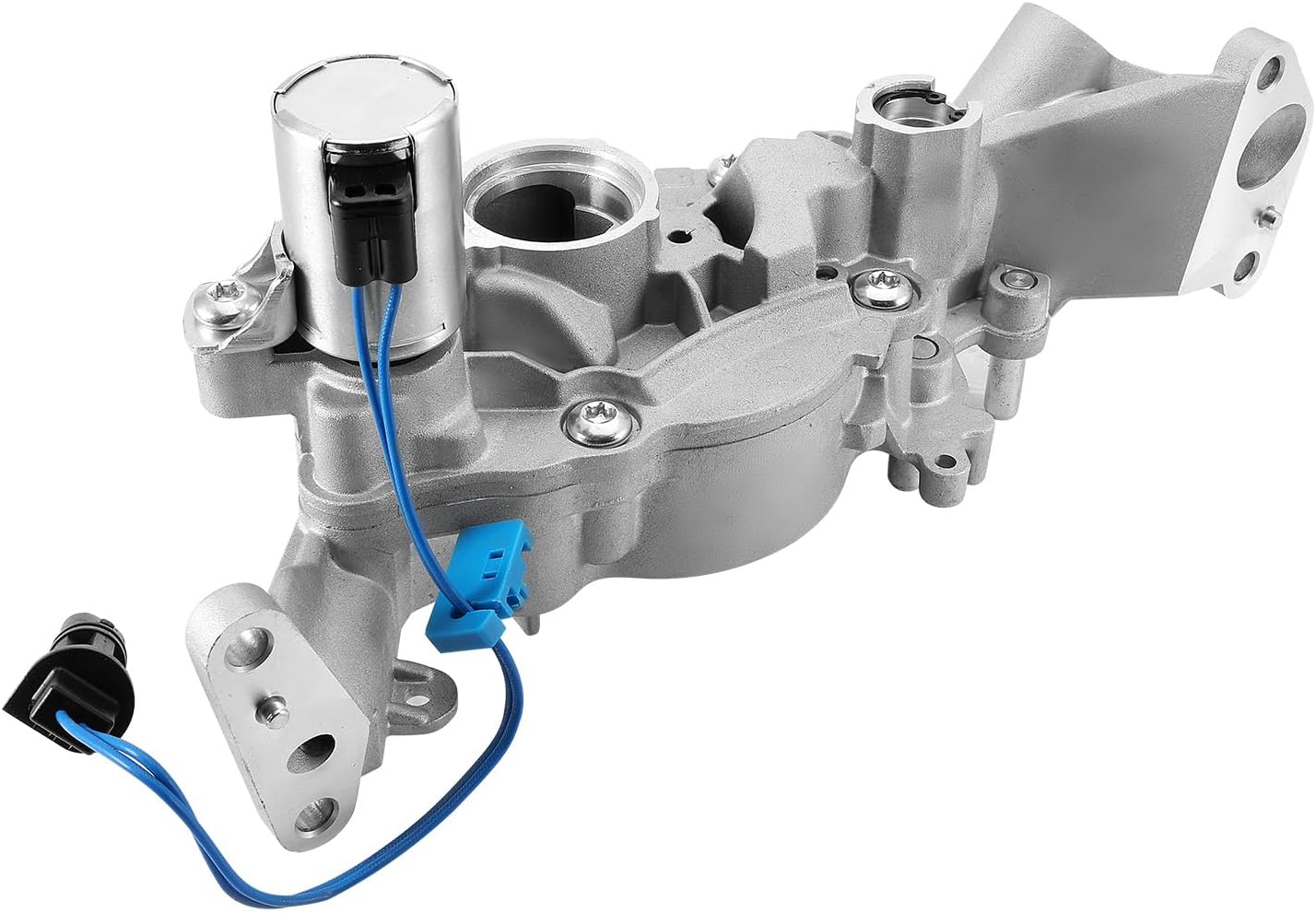
This AULINK oil pump replaces the factory pump on 3.6L V6 Chrysler-family engines and is intended as a direct-fit replacement for vehicles like the Jeep Wrangler (2018–2023) listed in the fitment. It supplies pressurized engine oil to bearings and valvetrain components and is used during routine engine repairs or when a failing pump is diagnosed. The unit is produced in TS16949 certified facilities and is reportedly 100 percent function and leakage tested to match factory oil supply capacity and durability. In practical terms that means technicians can install it without machining or modifications and expect factory-style oil pressure and service life when installed correctly. The pump comes from an aftermarket brand rather than the factory manufacturer so you should expect standard aftermarket quality control and the included 1 year or 50,000 km warranty. It is a straightforward swap for owners seeking a cost-effective, tested replacement for a worn or failed pump on the supported 3.6L V6 vehicles.
Best for: Buyers who want a practical, no-frills replacement oil pump that installs like the original and restores proper oil pressure on 3.6L V6 Chrysler-family engines, prioritizing reliability and straightforward repair over OEM branding.
Less Ideal for: Drivers seeking a factory-branded part or a performance-upgraded pump with higher flow or modified specifications should consider other options.
- Direct-fit replacement for 3.6L V6 Chrysler-family engines listed in fitment, simplifying installation
- Manufactured in TS16949 certified facilities with 100% function and leakage testing
- Designed to match or exceed factory oil supply capacity for proper oil pressure
- Backed by a 1 year or 50,000 km warranty for short-term coverage
- Aftermarket unit rather than factory-branded part, which may differ slightly in long-term durability or fit compared with original manufacturer parts
Verdict: AULINK’s tested direct-fit pump is a practical, budget-conscious replacement to restore factory-style oil pressure on 3.6L V6 Chrysler-family engines such as the 2018–2023 Wrangler.
4. Enocos Oil Pump with 926-235 Variable Solenoid

| Manufacturer | Enocos |
|---|---|
| Item model number | 68252670AA |
| Housing Material | Cast Aluminum |
| Oil Pump Type | Rotary |
| Solenoid Included | Yes (926-235) |
This Enocos oil pump is a cast-aluminum rotary unit sold with the 926-235 variable oil control solenoid installed, intended as a direct replacement for affected 3.6L and 3.0L engines. Installation follows normal engine-out or front-cover procedures and the assembled solenoid eliminates the need to buy that part separately. In use the pump provides standard pressure and volume characteristics suitable for stock engines, and the machined housing suggests decent fit and sealing when matched to factory gaskets. For a budget-focused buyer the bundled solenoid and multiple referenced part numbers simplify sourcing and reduce the chance of incorrect pairing. Limits to note are that this is a replacement-style unit rather than a performance or high-flow upgrade, so it is best for restoring factory oiling rather than increasing capacity for modified engines. Also buyers should confirm exact part-number compatibility with their 2018 or later Wrangler 3.6L before purchase to avoid fitment issues.
Best for: Budget-minded owners who need a like-for-like replacement for a 2018-or-later Wrangler 3.6L seeking an assembled pump and solenoid to simplify repair and reduce parts hunting.
Less Ideal for: Owners who are upgrading engines, running higher horsepower builds, or who need increased oil flow should consider performance-oriented pumps instead.
- Includes the 926-235 variable oil control solenoid for one-stop replacement
- Cast aluminum machined housing for a factory-style fit and reliable sealing
- Rotary pump configured for standard pressure and volume as a factory match
- Not designed to increase oil flow or pressure for high-performance or modified engines
Verdict: If you need an affordable, assembled replacement to restore factory oiling on a 2018-or-later Wrangler 3.6L, this pump with its included solenoid is a practical choice.
5. NITOYO 68252670AA Replacement Oil Pump with 926-235 Solenoid Valve
| Manufacturer | NITOYO |
|---|---|
| Model | NITOYO 68252670AA |
| Exterior | Machined |
| Manufacturer Part Number | 68252670AA |
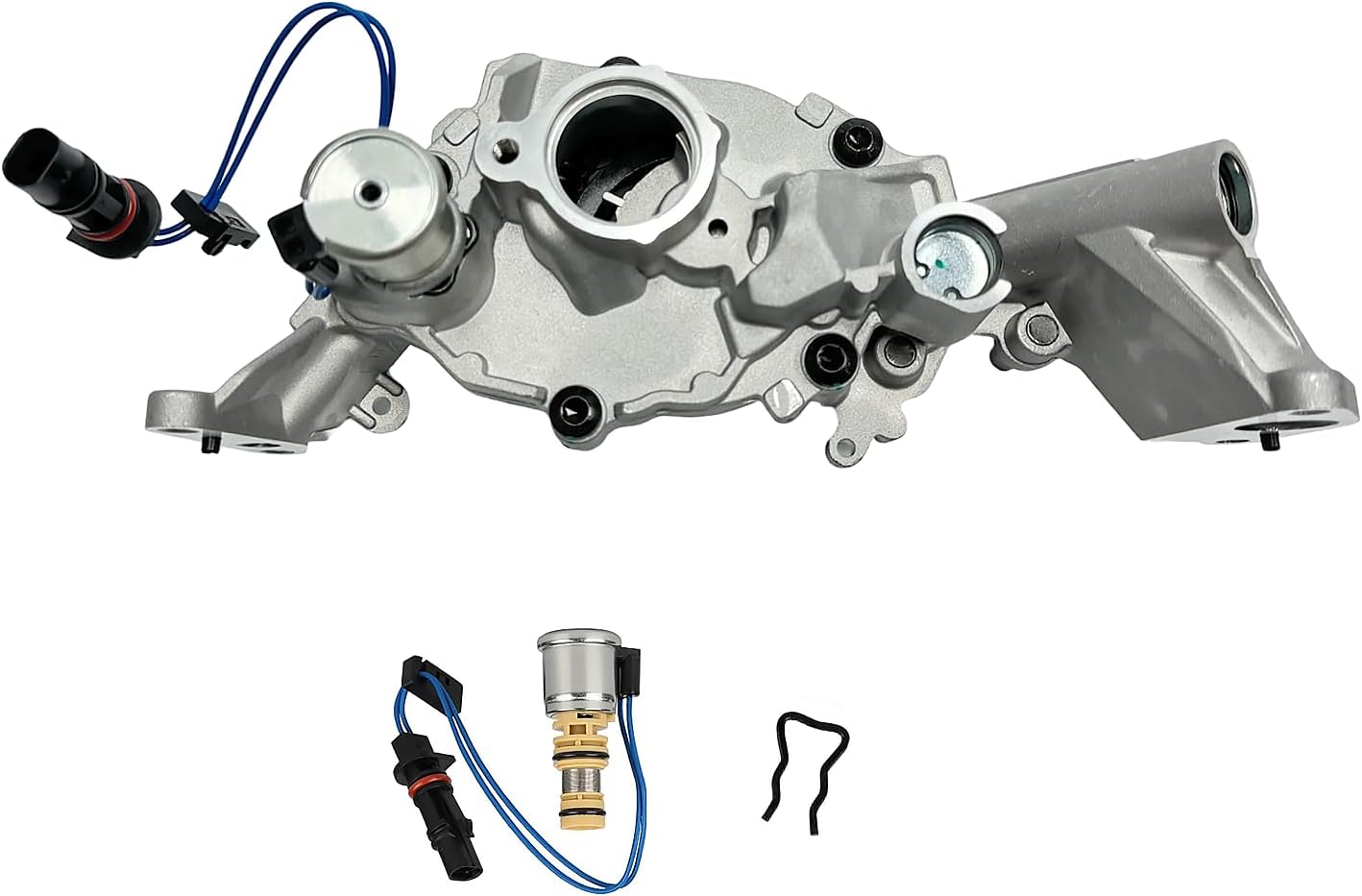
This NITOYO oil pump is a machined-aluminum replacement that includes the 926-235 solenoid valve for engines using the 68252670AA family of parts. It is intended as a direct replacement to restore oil pressure and internal lubrication on affected 3.2L and 3.6L V6 engines and installs where the factory pump failed or is showing wear. The package emphasizes durability and wear resistance, and the integrated solenoid reduces the parts you need to source separately. Typical use is a professional or experienced DIY swap during an engine repair or as preventive maintenance when pressure issues appear. Benefits include a straightforward fitment list covering 2018 Wrangler configurations and similar models, and a machined finish that should resist wear. Limitations are that fitment must be confirmed against exact engine variants and professional installation is recommended since incorrect installation can cause engine damage; the listing does not include detailed torque specs or a long-term durability guarantee.
Best for: Buyers prioritizing a dependable, factory-style replacement to restore oil pressure on a 2018-or-newer Wrangler with the specified 3.2L/3.6L engines; suited to owners who plan to have the pump installed by a professional or experienced DIYer.
Less Ideal for: Do not choose this if you need a performance-upgraded or race-oriented oiling solution or if you cannot verify exact engine variant fitment before purchase.
- Includes 926-235 solenoid valve so you replace the pump and valve together
- Machined aluminum construction aimed at improved wear resistance
- Direct replacement for the listed 68252670AA part family for compatible engines
- Covers 2018 Wrangler fitment in the published vehicle list
- Seller documentation lacks installation torque values and extended durability testing data
Verdict: A practical, machined-aluminum replacement that restores oil pressure reliability on compatible 2018‑present Wrangler V6 engines by including the needed solenoid valve.
6. AULINK 68252670AA Replacement Oil Pump with 926-235 Solenoid Valve

| Manufacturer | AULINK |
|---|---|
| Model | AUOPS247 |
| OEM Part Number | 68252670AA |
| Applicable Model Year | 2011-2020 |
This AULINK 68252670AA oil pump is marketed as a precision-engineered, direct replacement that includes the 926-235 solenoid valve. It is intended for Chrysler and Jeep 3.6L and 3.2L engines and is typically used when an original pump fails or when rebuilding the timing cover area. The unit is machined and reportedly tested in TS16949-certified facilities, which suggests consistent manufacturing processes. Practical benefits include full pump plus solenoid delivery in one package and broad fitment across many model years, making it convenient for a DIY job or workshop swap. In use buyers report some straightforward installs that worked fine, but there are recurring reports of electrical connector durability, missing o-ring parts, and occasional solenoid communication issues with the vehicle ECU. That means results can vary by vehicle and installer skill level. Expect potential additional troubleshooting or sourcing of small parts during installation and consider professional fitting if you want confidence in long-term performance.
Best for: Buyers who prioritize a lower-cost direct replacement and want a ready-to-install pump plus solenoid, and who will check fitment details and inspect electrical connections during installation.
Less Ideal for: Drivers who need a worry-free, long-term fix without the possibility of additional troubleshooting or those unwilling to have a shop handle a difficult timing-cover replacement.
- Sold as a complete unit with the 926-235 solenoid valve included
- Precision machined construction and factory-style appearance
- Manufactured in TS16949-certified facilities with function and leakage testing
- Several user reports of early failures, wiring damage, or solenoid incompatibility with vehicle ECU
- Some packages missing small parts such as the o-ring
- Installation can be complicated and may require significant labor on Wrangler engines
Verdict: A budget-friendly direct replacement that includes the solenoid and can work well if you verify fitment and inspect connectors during installation.
Choosing the Right 2018-Present Jeep Wrangler Oil Pump: Key Factors to Consider
Flow Rate and Pressure Characteristics
Oil pump flow and pressure determine how well the engine is lubricated at idle, cruise, and under load. For the 2018-present Jeep Wrangler, consistent pressure at cold starts and under towing or off-road load helps prevent accelerated wear in bearings, cams, and valve train components. Pumps with overly high relief settings can mask lubrication issues but may stress seals; pumps with low flow can cause oil starvation during hard use. When evaluating options, focus on published flow curves and pressure relief specs where available. Consider how modifications to the engine, such as an oil cooler or increased operating temperature from heavy-duty use, might influence the effective flow you need. A pump that sustains adequate pressure across the typical RPM band of the Wrangler engine will offer better protection and longer oil life.
Fitment and Compatibility
Getting the correct pump for the exact 2018-present Wrangler engine is essential. The JL and JLU-generation introduced changes in engine accessories and mounting interfaces on some powerplants; confirming the pump matches the generation and engine block prevents installation problems. Correct bolt pattern, pickup tube length, and drive engagement must align with the vehicle's engine variant. Also verify that the pump works with the vehicle's oil pan depth and any existing pickup tube or screen. If a pump requires a different pickup or pan modification, factor that into your decision because additional parts or labor are usually needed. Clear manufacturer fitment data or detailed technical drawings help reduce the risk of ordering the wrong unit.
Seal Kit and Gasket Quality
A reliable gasket seal and quality sealing surfaces are critical to prevent leaks and maintain pressure. On the Wrangler, oil pump gasket seal integrity affects both oil pressure and cleanliness of the engine compartment, especially after off-road exposure. Pumps packaged with high-quality gaskets, O-rings, and backing plates reduce the chance of installation-time leaks and future seepage. Inspect whether a pump includes replacement seals or if the OEM gasket must be reused. Using a new gasket and proper sealant where recommended reduces the probability of oil seepage around the front cover or pickup tube. Also consider whether the pump housing finish and face tolerances match the block to ensure a flat sealing surface.
Durability and Materials
Materials and manufacturing tolerances influence how long an oil pump will hold up. For everyday driving and off-road use in a 2018-present Wrangler, hardened gears or high-grade rotor materials resist wear better under abrasive contaminants and elevated temperatures. Housing materials that resist corrosion and maintain dimensional stability minimize changes in clearances that would otherwise degrade flow. Look for evidence of quality control such as precision machining, nitrided or carburized internal parts, and protective coatings. Durable bearings and shafts that resist galling reduce the chance of catastrophic failure. While surface coatings do not replace proper maintenance, they add a layer of protection in harsh conditions.
Installation Complexity and Serviceability
Some pumps are straightforward bolt-in swaps while others demand removal of ancillary components, special alignment tools, or temporary support of the engine front. For many Wrangler owners, minimizing shop time and complexity is a priority. Pumps that allow reuse of the factory pickup tube, include necessary hardware, or come with clear instructions will save time and reduce labor costs. Consider whether access requires engine hoisting or front cover removal and whether the pump comes with clear torque specs and repair notes. Serviceability also means availability of replacement gaskets and seals for future repairs. If frequent off-road use increases the odds of damage, a pump that is easy to remove and inspect is beneficial.
Pressure Relief and Safeties
The pressure relief valve protects the pump and engine circuits from excessive pressure spikes. For the 2018-present Wrangler, a well-calibrated relief valve ensures oil reaches all galleries without over-pressurizing seals or oil feeds to timing components. A stuck or poorly designed relief can cause low pressure elsewhere or introduce pressure surges that stress components. Examine whether the pump's relief valve is adjustable, fixed to OEM spec, or sized for high-pressure applications. For lightly modified engines or towing use, a robust relief design that maintains target pressure without chatter or hunting is preferable. Pumps that document relief settings or include a test procedure provide more predictable outcomes after installation.
Why Oil Pump Health Matters in JL and JLU-Era Wranglers
The oil pump is the heart of the lubrication system on any 2018-present Jeep Wrangler with JL and JLU-generation engines. When the pump cannot maintain pressure, the consequences include accelerated bearing wear, cam and lifter deterioration, and higher operating temperatures. Those outcomes shorten engine life and can escalate repair needs quickly.
Pay attention to scenarios typical of Wrangler use, such as extended idling, trail crawling, or towing. These conditions change oil temperature and demand, and a pump that performs well under dynamic loads reduces the risk of localized oil starvation.
- Maintains lubrication under low RPM and high-load conditions
- Helps control oil temperature by ensuring continuous circulation
- Prevents metal-to-metal contact that leads to engine damage
Common Causes of Oil Pump Problems
Pump failures often stem from oil contamination, degraded oil, or mechanical wear. Particles and sludge increase internal wear and can score pump surfaces or obstruct clearances. Neglecting oil change intervals or using the wrong oil viscosity increases the likelihood of premature pump wear and failure.
Installation errors and damaged gaskets are another frequent source of problems. Incorrect torque or misaligned pickup tubes can lead to air ingestion or leaks that drop pressure. Also, external impacts from off-road debris or a damaged oil pan can deform pickup tubes and starve the pump.
- Contaminated or degraded oil increasing abrasive wear
- Worn internal components from high mileage
- Improper installation or damaged pickup tube
Signs Your Wrangler Needs an Oil Pump Service
Watch for symptoms of bad oil pump such as a sudden drop in oil pressure, intermittent oil pressure warning lights, or increased engine noise that correlates with load. Oil pump noise and whining under certain RPM ranges can indicate internal wear or cavitation. Addressing these signs early reduces the risk of consequential engine damage.
Some symptoms are subtle, like slightly higher oil temperatures during towing or a persistent low-pressure read at idle. Combine dashboard indicators with a mechanical gauge or scan tool to confirm actual pressure before replacing the pump, and inspect the oil and pickup tube for debris.
- Dropped or fluctuating oil pressure readings
- Unusual whining or whirring from the front cover area
- Higher-than-normal oil temperature under load
Preparing for an Oil Pump Replacement
Before ordering a pump, identify your engine code and confirm JL and JLU-generation fitment for 2018-present models. Gather necessary tools, a new gasket set, and any replacement pickup tube parts if specified. Draining and capturing oil safely, and having a clean workspace to prevent contamination during assembly, are essential steps.
If you plan to DIY, budget time for cleaning mating surfaces and measuring clearances where possible. Have torque specs and service manual steps on hand. For vans with complex accessory layouts, plan for temporary removal of belts or covers that may obstruct access to the pump area.
- Verify generation and engine fitment before purchase
- Have a complete gasket/seal kit and torque wrench ready
- Plan disposal of drained oil and contaminated parts
When To Consider Upgrading to a Higher-Pressure Unit
Upgrading to a high pressure oil pump might be appropriate if the engine has performance modifications, a different oiling system, or if you frequently tow heavy loads. Higher pressure units can maintain better oil delivery under extreme conditions, but they must match the engine's lubrication circuit and sealing capabilities to avoid leaks or stress on components.
Discuss the tradeoffs: higher pressure can increase flow but may also introduce seal leakage or additional stress on oil passages if the rest of the system is not designed for it. Ensure compatibility with the 2018-present Wrangler engine and confirm relief settings before committing to a different pressure spec.
- Suitable for modified engines with increased oil demand
- Check relief settings to avoid over-pressurizing the system
- Not recommended without verifying mating component compatibility
Post-Installation Checks and Break-In
After installation, always confirm oil pressure with a mechanical gauge at idle and under rev. Inspect for leaks around the gasket seal and pickup tube immediately after the initial start and again after a short test drive. Monitoring for oil pump noise or pressure fluctuation during the first few hundred miles helps catch issues early.
If the pump includes any break-in or priming guidance, follow it. Some installations require pre-filling the pump or rotating the engine to ensure oil reaches the galleries before start. Keep an eye on temperature and pressure trends over the first few trips.
- Verify mechanical oil pressure readings after installation
- Inspect gasket areas for seepage and re-torque if needed
- Recheck pressure and noise after the first few drives
Still looking for the perfect fit?
Select your Jeep Wrangler configuration to see the most relevant Oil Pumps recommendations
How We Chose the Best 2018-Present Jeep Wrangler Oil Pump
We prioritized pump units that deliver correct oil flow and maintain pressure across typical Jeep Wrangler operating conditions. Our evaluation emphasized fitment to 2018-present Wrangler engines and compatibility with known JL and JLU generation mounting and drive interfaces. We assessed mechanical design factors such as gear or rotor profile, pressure relief reliability, and gasket sealing details that affect long-term durability. Durability under heat and off-road vibration was another key filter. We looked for pumps designed with hardened internals or proven housing finishes, as well as units with durable gasket or seal kits to reduce leak risk. Installation considerations were weighed: pumps that allow reuse of factory pickup tubes or that include necessary seals and fasteners scored higher for practical replacement scenarios. We excluded units without clear engine-chassis fit data or those lacking replacement seal kits, and we avoided pumps that require extensive engine machining or nonstandard adaptors. Primary dimensions, pressure ratings, material quality, and inclusion of mounting hardware were the decisive factors that determined which pumps made this shortlist.
Our full evaluation process is outlined in our review methodology.
FAQ
What are common symptoms of a bad oil pump in a 2018-present Jeep Wrangler?
Common symptoms include a drop in oil pressure, intermittent dashboard pressure warnings, increased engine noise such as whining from the front cover, and higher oil temperatures under load. These signs often correlate with low flow or internal wear.
Can I perform an engine oil pump replacement myself on a JL and JLU Wrangler?
Many owners can perform an engine oil pump replacement with moderate mechanical skill, the correct tools, and access to service torque specs. Expect to work around accessory components and ensure you have a full gasket and seal kit. If access requires engine support or special alignment, consider professional help.
How should I test oil pump performance after installation?
Use a mechanical oil pressure gauge to check pressure at idle and under higher RPMs, and compare readings to the vehicle's service specifications. Observe for steady pressure without large fluctuations and listen for unusual pump noise. Recheck after a short test drive to confirm there are no leaks.
Are oil pump noise and whining always a sign of failure?
Not always. Some whining may come from normal flow or pickup tube resonance, but persistent or worsening noise that changes with RPM often indicates internal wear or cavitation. Correlate noise with pressure readings to determine whether the pump is failing.
Does replacing the oil pump fix all low oil pressure problems?
Replacing the pump addresses pump-related causes, but low pressure can also stem from worn bearings, clogged pickup screens, or oil viscosity issues. Diagnose with pressure tests and inspect the pickup and oil condition to ensure the pump replacement will solve the problem.
How long after installation should I recheck for leaks or pressure issues?
Check for leaks immediately after the initial start and again after a short break-in drive, then reverify pressure and inspect gasket areas after the first few hundred miles. Early checks help catch installation-related leaks or torque settling.
Final Verdict
For 2018-present Jeep Wrangler owners, prioritize pumps that offer stable flow and correct pressure characteristics for the engine and typical use such as towing or trail driving. Pay close attention to fitment, gasket quality, and whether the pump includes necessary hardware to simplify installation. Be realistic about tradeoffs: higher-pressure units can serve modified engines but may increase sealing demands. Choose a pump that balances durable materials, clear fitment information for JL and JLU era engines, and straightforward serviceability. That approach will give the best protection for the engine and reduce the likelihood of repeat work after installation.
Explore More:
- Check out all Jeep Wrangler parts & accessories
- Explore Oil Pumps Maintenance & Repair Guides
- Explore Engine
- Browse all Auto Parts
