

Note: This article contains affiliate links. If you click on these links and make a purchase, I may earn a small commission at no extra cost to you. This helps support my research and content. Read my full affiliate disclosure here.
If you own a 1997-2006 Jeep Wrangler you know the engine depends on steady oil pressure to protect bearings and cam components. A failing oil pump can lead to low pressure warnings, metal-on-metal wear, and engine damage, so choosing the right replacement matters. This guide covers our top five shortlisted oil pumps for the 1997-2006 Wrangler, including notes on fit, expected flow characteristics, gasket and seal considerations, and what to expect during installation. We evaluated candidates against durability and pressure performance to help you pick the right unit for road or off-road use.
Looking for other parts? See all Jeep Wrangler parts & accessories.
Top Picks at a Glance
| Best Overall The best all-around choice for most situations | A-Premium Engine Oil Pump with Gasket for 1997–2006 Jeep Wrangler 4.0L |  |
| Best Quality Built to a higher standard if you want something more solid | Sealed Power 224-43505 Oil Pump |  |
| Best Value The sweet spot between price and what you get | Haruma Engine Oil Pump M-81A with Gasket |  |
| Best Budget The cheapest option that still gets the job done reliably | VIPCAR M81‑A Drive Shaft Oil Pump for Jeep 2.5L/4.0L/4.2L Engines |  |
| Highest Rated A top-rated pick with lots of positive feedback | Melling M81A Replacement Oil Pump |  |
1. A-Premium Engine Oil Pump with Gasket for 1997–2006 Jeep Wrangler 4.0L
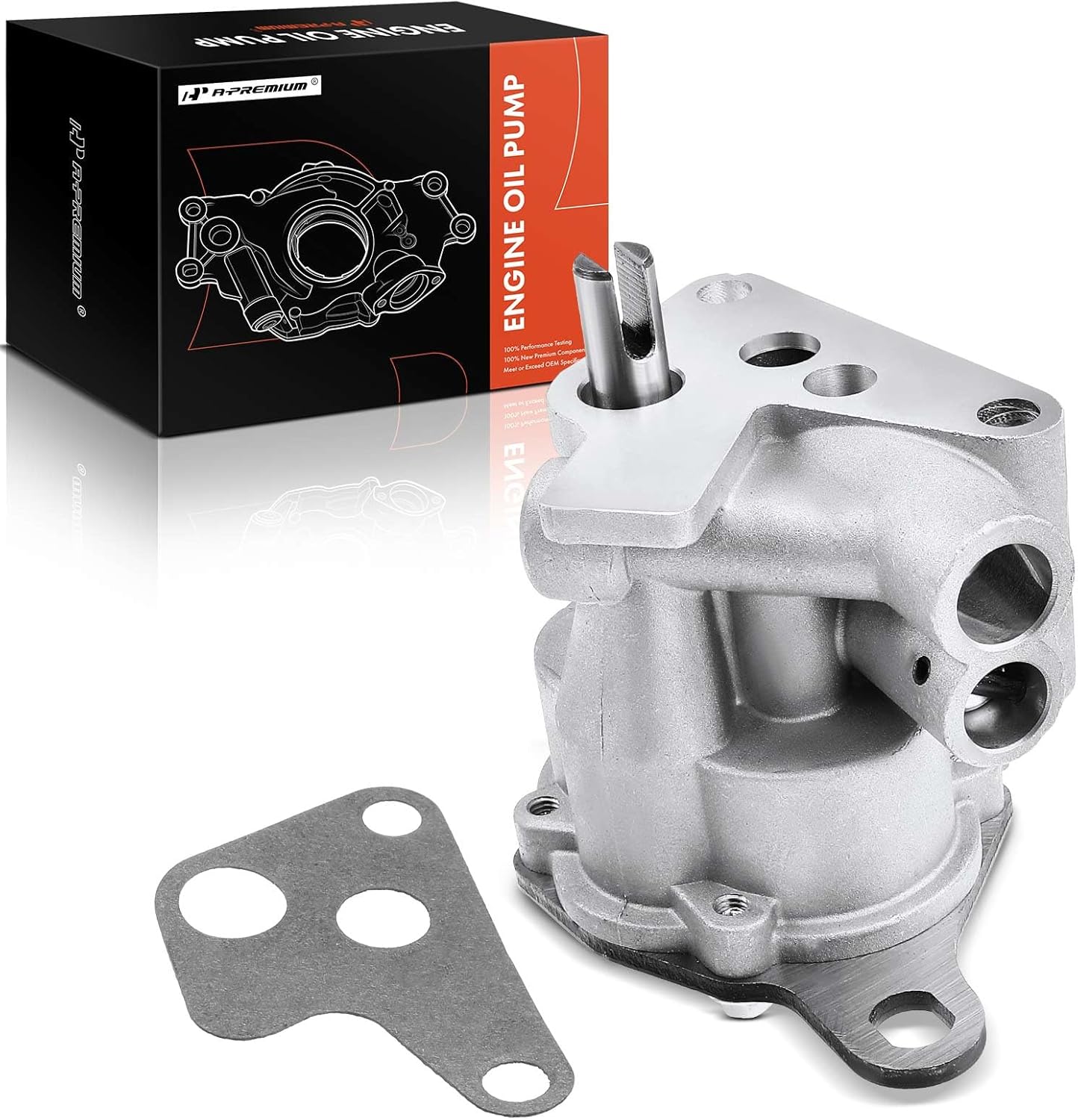
| Housing Material | Cast Iron |
|---|---|
| Oil Pump Volume Type | Standard Volume |
| Oil Pump Pressure Type | Standard Pressure |
| Gasket | Included |
This A-Premium oil pump is a direct replacement designed to restore engine oil circulation for older Jeep 4.0L engines. It installs in place of the factory pump and comes with a gasket and two mounting holes, making it suitable for routine engine rebuilds or when you are replacing the rear main seal and want to refresh the pump at the same time. The cast iron housing and standard-volume, standard-pressure design mirror factory-style performance, so you should see normal oil pressure and reliable lubrication without changing engine characteristics. Practical benefits include straightforward fitment for the specified model years and the included gasket reduces the parts you need to source separately. Limitations are that this is a standard-volume, standard-pressure unit rather than a high-output or performance pump, so it is aimed at OEM-style restoration rather than increasing flow for heavily modified engines.
Best for: Buyers restoring or maintaining a 1997–2006 Jeep Wrangler 4.0L who prioritize a straightforward, factory-style replacement to regain reliable oil circulation and pressure.
Less Ideal for: Enthusiasts running heavily modified engines or those needing higher oil flow or pressure for racing or high-output builds should look at performance-specific pumps.
- Cast iron housing for durability similar to factory replacements
- Includes gasket for easier installation and fewer missing parts
- Standard volume and pressure match factory lubrication needs
- Compatible fitment coverage that includes 1997–2006 Wrangler 4.0L
- Not designed for increased flow or high-performance applications
Verdict: A practical, factory-style replacement pump for 1997–2006 Wrangler 4.0L owners who want reliable, stock-equivalent oil circulation during maintenance or engine rebuilds.
2. Sealed Power 224-43505 Oil Pump
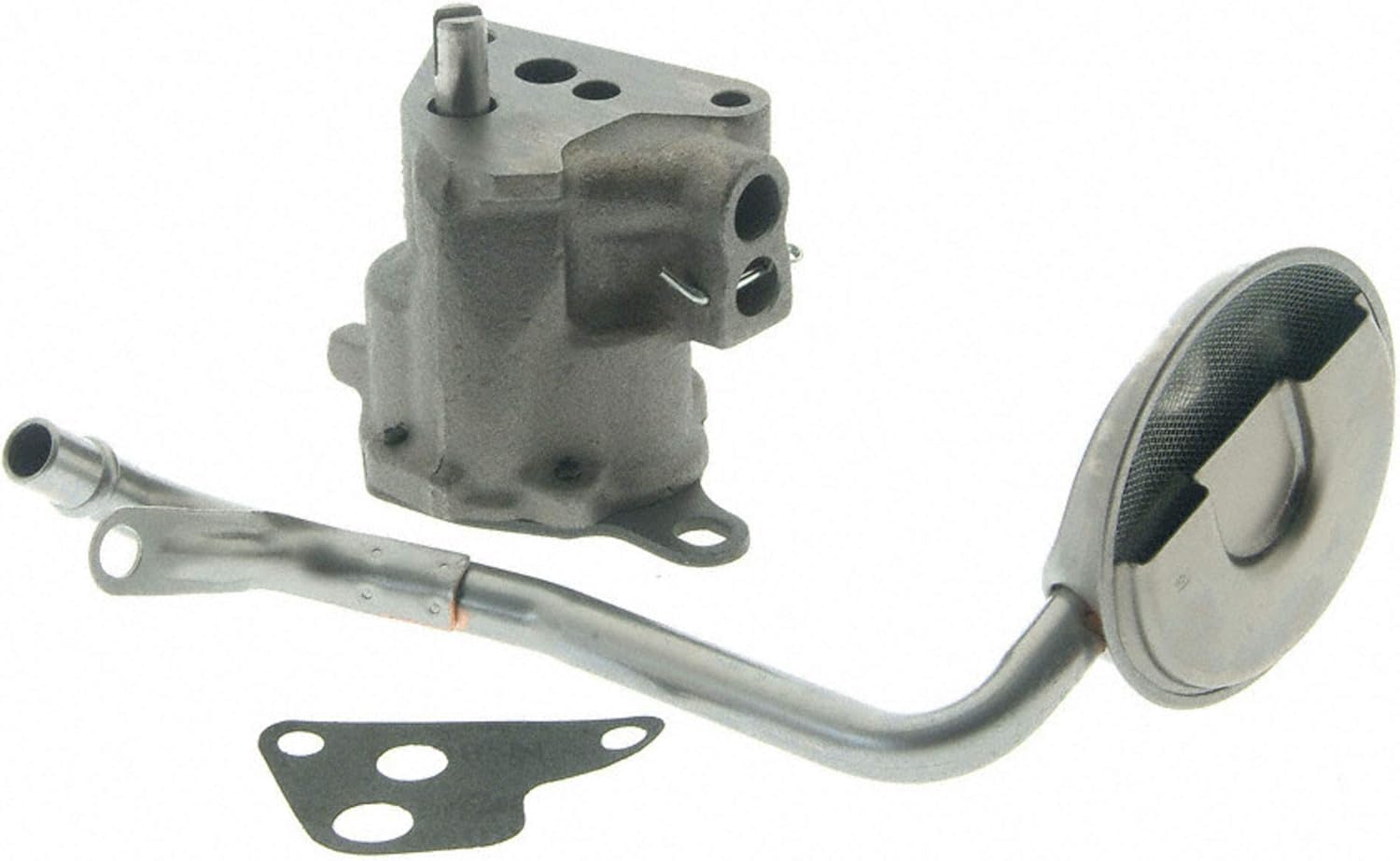
| Manufacturer | Sealed Power |
|---|---|
| Exterior | Machined |
| Item model number | 224-43505 |
| Manufacturer Part Number | 22443505 |
The Sealed Power 224-43505 is a machined replacement oil pump built for reliability and higher-volume performance compared with many stock-style units. It is intended to replace the factory pump and is tested for pressure and flow before shipping. Typical use is direct replacement during engine rebuilds or when low oil pressure is being corrected; installation requires pressing the pickup tube into the pump and may need minor pan or flange clearance work on some Jeep 4.0L installations. Notable features include a high-volume design and a supplied pickup screen; users report it produces stronger, more consistent oil pressure once primed. Practical benefits are improved warm-running oil pressure and robust construction from certified manufacturing. Important limitations are fitment variances across model years and occasional need to modify the oil pan or transfer the original pickup tube to achieve proper fit and clearance.
Best for: Anyone rebuilding or modifying a 4.0L Jeep engine who prioritizes stronger, more consistent oil pressure and values a tested, higher-volume replacement pump.
Less Ideal for: Buyers who need a guaranteed bolt-in, no-modification direct replacement for every model year should consider pumps specified exactly for their year and pan configuration.
- High-volume design increases oil pressure and flow compared with many factory-style pumps
- Machined exterior and factory-quality manufacturing standards
- Tested for pressure and flow before leaving the factory
- Includes pickup screen and components needed for installation
- Users report durable, heavy-duty construction
- Fitment can be inconsistent and may require minor oil pan or flange modification on some vehicles
Verdict: Choose this tested, high-volume Sealed Power pump if you want a stronger, more reliable oil pressure solution for a 4.0L Jeep rebuild or performance-focused repair.
3. Haruma Engine Oil Pump M-81A with Gasket

| Part number | M-81A / H-OLP8001 |
|---|---|
| Material | Aluminum alloy |
| Fitment highlight | 1997–2006 Jeep TJ 4.0L listed |
| Includes | Gasket |
This Haruma M-81A oil pump is built as a direct factory-style replacement to restore oil pressure and oil flow on older 4.0L and related engines. It installs in place of a worn pump to address low oil pressure warnings, abnormal lifter or valvetrain noise, and premature wear caused by insufficient lubrication. Constructed from aluminum alloy, it aims to shed heat and resist corrosion while matching original gear clearances and mounting points for straightforward swap-in fit. The pump ships with a gasket and covers a long list of legacy Jeep fitments including 1997–2006 TJ 4.0L applications, so it is suitable for routine street driving, weekend off-road use, and light towing when the engine is otherwise healthy. Some buyers report good pressure and durability; others have noted quality variation and lighter weight versus factory parts, so inspect machining and seals at installation and pre-fill and prime the pump before initial startup. Expect a budget-friendly replacement that can get an older Wrangler back to reliable oil pressure but monitor for leaks after fitting.
Best for: Buyers who need an affordable, direct-replacement oil pump to restore reliable oil pressure on a 1997–2006 Wrangler 4.0L and prioritize straightforward swap-in repairs to get the vehicle back on the road.
Less Ideal for: Owners seeking an upgraded high-performance or heavy-duty pump for sustained towing, racing, or high-mileage engines should consider stronger aftermarket or OEM-forged options instead.
- Direct-replacement design matching common OEM part numbers for easy fitment
- Aluminum-alloy construction for heat dissipation and corrosion resistance
- Includes gasket for a complete basic install and matches factory gear clearance specs
- Covers 1997–2006 Jeep TJ 4.0L and many legacy Jeep engines, simplifying sourcing
- Reported quality variation compared with heavier factory pumps, including some units feeling lighter
- A few user reports of leaks or fitment issues so careful inspection and proper sealing are needed
Verdict: A cost-effective, factory-style replacement to restore oil pressure on a 1997–2006 Wrangler 4.0L when you need a straightforward swap-in solution.
4. VIPCAR M81‑A Drive Shaft Oil Pump for Jeep 2.5L/4.0L/4.2L Engines
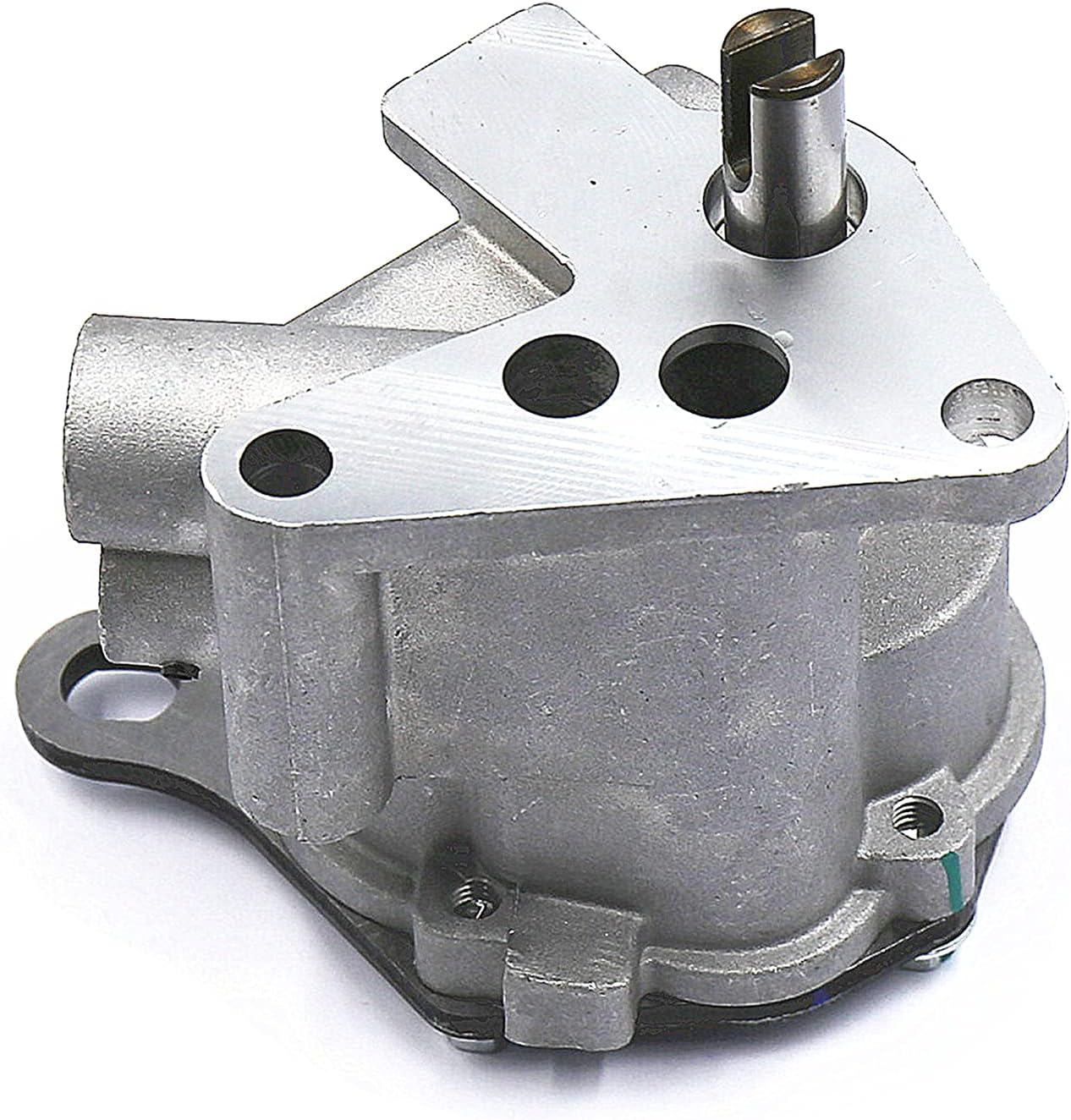
| Manufacturer | LOBAM MACHINERY |
|---|---|
| Brand | Vipcar |
| Manufacturer Part Number | 03011 |
| OEM Part Number | 3238637/3243102, 3241399, 3242138, 3242139, 3242141, M81AHVS4 |
This VIPCAR M81‑A oil pump is a budget-focused replacement designed to restore engine oil pressure and flow on Jeep 2.5L, 4.0L, and 4.2L engines used in Wrangler, Cherokee, Grand Cherokee, Comanche and related models. It installs in place of the original drive-shaft pump and uses gear and gerotor technology machined to close tolerances, which helps it deliver expected pressure without creating excess load on the engine. The listing notes factory-style testing for pressure, flow, temperature fatigue and corrosion, and the product includes installation tips like cleaning seal surfaces and pre-filling ports to ensure immediate lubrication. Practical benefits are easy OEM-style fitment for covered model years and a low-cost way to replace a worn pump to prevent oil starvation. Limitations are typical for economy replacements: buyer should verify exact part interchanges and follow seal/filter replacement recommendations, and professional installation is advisable to avoid leaks or misalignment issues.
Best for: Buyers seeking an affordable, factory-style replacement pump to restore oil pressure on covered Jeep 2.5L, 4.0L, and 4.2L engines who prioritize cost savings while accepting basic aftermarket fitment checks and proper installation.
Less Ideal for: Vehicle owners who prefer OEM dealer parts, need a guaranteed performance upgrade beyond factory spec, or who cannot perform or pay for proper installation and sealing should consider other options.
- Factory-style drive-shaft design for direct replacement on listed Jeep engines
- Gears and gerotor machined to close tolerances to deliver consistent oil pressure
- Manufacturer states lab testing for pressure, flow, temperature fatigue and corrosion
- Low-cost option compared with remanufactured or dealer parts
- Fitment requires careful verification against listed interchange numbers and vehicle application
- Requires replacement of seals and filter at installation for reliable long-term sealing
Verdict: A cost-conscious, factory-style replacement pump that restores proper oil pressure for the covered Jeep 2.5L/4.0L/4.2L engines without the premium of dealer parts.
5. Melling M81A Replacement Oil Pump

| Manufacturer | Melling |
|---|---|
| Model | M81A |
| Exterior | Machined |
| Manufacturer Part Number | M81A |
| OEM Part Number | M-81A |
The Melling M81A is a factory-style replacement oil pump intended to restore proper oil pressure on older Jeep 4.0L engines. It installs like a direct-fit pump and is typically used when worn internal pumps or low oil pressure become a concern during routine engine service. The machined cast-iron construction and familiar gear design deliver solid oil flow and pressure gains in real-world use, and many users report noticeable improvements at cold and hot idle compared with aged factory units. Practical benefits include compatibility with stock mounting and a build that can outlast softer aluminum factory pumps. Expect one limitation: the pickup tube/screen is a tight fit and can require patience or a specialty installer tool to seat properly, and the pump is shipped with the gasket loose in the box so check packing before installation. This is a straightforward option for restoring reliable oil pressure without modifying the engine or oil pan.
Best for: Buyers who prioritize long-term reliability and want a near-factory replacement to restore proper oil pressure on a 1997–2006 Jeep 4.0L without modifying the engine.
Less Ideal for: Those seeking higher-volume or performance oil pumps for increased flow beyond factory specifications or installers unwilling to manage a tight pickup tube fitment.
- Factory-style direct fit for stock engines so no oil pan or machining work is required
- Machined cast-iron construction offers durability compared with some factory aluminum pumps
- Restores healthy oil pressure at idle and on-road RPM for older engines
- Widely used and proven in Jeep 4.0L applications with many user reports of reliability
- Pickup tube/screen is difficult to seat and may require a special tool or careful hammering
- Gasket is shipped loose in the box and can be damaged during transit
Verdict: Choose the Melling M81A when you want a durable, factory-style replacement that reliably restores oil pressure on a 1997–2006 Jeep 4.0L.
Choosing the Right 1997-2006 Jeep Wrangler Oil Pump: Key Factors to Consider
Flow Capacity and Pressure Output
Oil pumps must produce adequate flow and maintain pressure throughout the engine's RPM range. On a 1997-2006 Jeep Wrangler, low flow at idle or dropping pressure under load can cause insufficient lubrication to camshafts, lifters, and rod bearings, increasing wear and the risk of catastrophic failure. Look for pumps with clear pressure curves or rated flow figures. A pump that sustains recommended oil pressure at both idle and highway RPMs reduces risk during towing or off-road climbs when engine loads rise. Consider how any modification to the engine, such as increased clearances or higher oil viscosity, might demand higher flow or pressure capacity.
Materials and Gear Hardness
The internal gears and housing material determine how well the pump resists wear and distortion. Hardened steel gears and precision-machined housings retain clearances better over time, which preserves pressure output and reduces the chance of metal debris circulating in the oil. Corrosion-resistant finishes and quality casting reduce the risk of premature failure, especially if the vehicle sees moisture or infrequent use. For Wranglers that see off-road duty, vibration resistance and fatigue strength are particularly important because repeated shock loads can accelerate wear in inferior components.
Fitment and Compatibility
Correct fitment is essential to a straightforward replacement. The pump must match the Wrangler's mounting pattern, drive interface, and pickup tube geometry. Mismatches can cause clearance issues, improper pump drive engagement, or stress on the oil pickup, which in turn affects flow. Check that the pump is specified for the 1997-2006 Wrangler application and that the supplied gasket and seal locations match the engine block. A pump that aligns with OE bolt patterns and drive splines minimizes the chance of rework during installation and helps maintain proper oil pump installation torque values.
Sealing and Gasket Quality
Leaks at the pump flange or pickup tube are a common cause of oil pressure loss. A reliable oil pump gasket seal and correctly finished mating surfaces are critical. Poor gasket materials can compress unevenly and leak, especially after thermal cycling and exposure to oil additives. Pumps that include high-quality gaskets or that specify compatibility with OEM-style seals make it easier to achieve a long-lasting installation. When replacing the pump, also inspect the oil pan and pickup O-ring surfaces for wear or distortion that could compromise the seal.
Durability Under Off-Road Conditions
Many Wrangler owners subject their vehicles to off-road driving, increased vibration, and occasional fluid contamination. An oil pump chosen for durability should tolerate shock and resist wear from any contaminants that pass the filter. Robust construction and secure mounting reduce the likelihood of failure during off-road use. Consider whether the pump's materials, fastener quality, and finish are suited to a vehicle that may experience frequent temperature cycles, water crossings, and dusty environments. Components that balance serviceability with ruggedness provide the best long-term value for typical Wrangler duty cycles.
Serviceability and Installation Considerations
Some oil pumps require removal of ancillary components or specific installation sequences. For a 1997-2006 Wrangler, ease of access and clear installation instructions reduce labor time and the chance of mistakes that could lead to leaks or misalignment. Choose pumps that match OE torque specs and do not require significant machining or modification. Availability of replacement gaskets and clear guidance on oil pump installation torque and break-in procedures helps you plan the repair and reduces the risk of rework.
Understanding Oil Pump Function on the 1997-2006 Wrangler (TJ, LJ, and TJU Overlap)
The oil pump circulates engine oil to bearings, cam lobes, and other critical components. In the 1997-2006 Jeep Wrangler timeframe you may encounter TJ, LJ, and TJU era engines and early overlaps with later chassis discussions, so recognize that correct pump drive alignment and pickup placement are essential to restoring proper oil circulation.
An oil pump produces pressure by forcing oil through narrow passages; pressure readings alone do not guarantee adequate flow at critical components. For Wrangler owners, steady pressure under load and a consistent pressure rise with RPM are practical indicators that the pump and pickup are functioning together.
- Pressure keeps oil film between rotating parts and prevents metal-on-metal contact
- Pump must maintain pressure at idle and under load to protect bearings
- Pickup tube position and screen condition directly affect flow before pressure builds
Common Symptoms of a Failing Oil Pump
Watch for low oil pressure warning lights, abrupt oil pressure drops at idle, unusual engine noise, and lifter or cam wear symptoms. These are common signs that the pump or its sealing surfaces are compromised.
Some symptoms can overlap with other issues, such as clogged oil passages or a failed oil pressure sending unit, so confirming pump health through pressure testing and inspection of the pickup and screen is a smart diagnostic step.
- Fluctuating oil pressure gauge readings
- Tapping or knocking noises from valvetrain or rod bearings
- Oil leaks around the pump flange or pickup tube
Gasket and Seal Best Practices
When replacing the pump, replace the gasket and any O-rings at the pickup tube. Clean mating surfaces thoroughly and use the correct gasket material specified for oil service. Avoid over-tightening fasteners, which can crush the gasket and create leaks.
Inspect the oil pan and pump flange for warpage or damage. If surfaces are uneven, a new gasket alone may not seal correctly. Proper sealing prevents air ingestion, which can cause pressure loss and pump cavitation.
- Always use new gasket and pickup O-ring during installation
- Check flange and oil pan surfaces for flatness
- Torque bolts to specified values to avoid leaks
Installation Tips for Wrangler Owners
Plan for a clean workspace and have the correct tools on hand, including torque wrench and any specialty tools recommended for the engine in your 1997-2006 Wrangler. Prime the pump with oil when possible to reduce dry-start wear during initial cranking.
Follow specified torque sequences and confirm pickup tube alignment before final assembly. After installation, monitor oil pressure at startup and during a short test drive, checking for leaks and consistent pressure rise with RPM.
- Prime the pump prior to initial cranking when feasible
- Verify pickup tube clearance and alignment
- Monitor for leaks and pressure stability after installation
When to Consider Upgrading to a Higher Capacity Pump
If you have modified the engine with larger clearances, higher performance cams, or increased RPM limits, a higher capacity or high pressure oil pump may be advisable. Upgraded pumps can provide additional flow to maintain oiling under more demanding conditions.
Weigh the benefits against potential tradeoffs, such as increased parasitic drag on the engine and compatibility with existing oil galleries and pressure relief valves. Confirm that any higher pressure pump does not exceed tolerances for bearings and seals in your 1997-2006 Wrangler engine.
- Upgrades useful for increased internal clearances or higher RPM operation
- Check compatibility with pressure relief valve and oil passages
- Consider pump durability under increased load
Maintenance Practices to Extend Pump Life
Regular oil changes with the correct viscosity, timely filter replacement, and keeping the cooling and ventilation systems in good working order reduce contamination and thermal stress on the oil pump. Clean oil reduces wear on gear teeth and mating surfaces.
Address leaks promptly and inspect the pickup screen during oil pan service. Preventative maintenance is the most cost-effective way to avoid premature oil pump failure and the consequential engine damage.
- Change oil and filter at recommended intervals
- Inspect pickup screen when servicing the pan
- Fix leaks early to prevent air ingestion and cavitation
Still looking for the perfect fit?
Select your Jeep Wrangler configuration to see the most relevant Oil Pumps recommendations
How We Chose the Best 1997-2006 Jeep Wrangler Oil Pump
Our selection process focused on practical, Jeep-specific criteria that affect long-term engine health in 1997-2006 Wranglers. We prioritized pumps with documented compatibility for the Wrangler's 1997-2006 engine layouts and looked for consistent pressure delivery across operating RPM ranges. Flow capacity and pressure stability were primary factors because insufficient flow accelerates bearing wear and compromises oiling at higher RPMs. Durability and materials were evaluated next. Pumps with hardened gears, robust housings, and corrosion-resistant finishes tend to last longer in trucks and off-road vehicles exposed to vibration and contaminants. We also considered the quality of sealing surfaces and flange finishes since leaks at the oil pump gasket seal are a common failure point. Installation practicality was included as an editorial filter. Units that match OE mounting points and require minimal additional parts reduce installation time and the chance of errors during oil pump installation. We examined technical documentation for recommended torque values and compatibility with stock oil pickup tubes. We excluded products lacking clear application data for the 1997-2006 Wrangler or those with limited warranty support. Units with ambiguous pressure specifications or without clear materials data were not considered. Final selections balance flow, durability, and ease of fitment for typical Wrangler use.
Our full evaluation process is outlined in our review methodology.
FAQ
What are the most common oil pump failure signs on a 1997-2006 Wrangler?
Common signs include low or fluctuating oil pressure, tapping or knocking noises from the valvetrain, and oil leaks around the pump flange or pickup. These symptoms often prompt a pressure test and inspection of the pickup screen.
Can a bad oil pressure sending unit mimic oil pump problems?
Yes. A faulty sending unit can produce incorrect gauge or warning light readings, so it is prudent to verify oil pressure with a mechanical gauge before replacing the pump.
Is it worth upgrading to a high pressure oil pump for a stock Wrangler?
Usually not for a stock engine. High pressure pumps are more useful when internal clearances increase due to modification or when sustained high RPM operation demands extra flow. For stock engines, prioritize correct fitment and reliable pressure curves.
How important is the oil pump gasket seal during installation?
Very important. A poor gasket seal can allow air into the pickup or cause external leaks that lower pressure. Replace gaskets and O-rings, clean mating surfaces, and torque bolts to specification to ensure a lasting seal.
What should I check before buying a replacement oil pump?
Confirm the pump is specified for 1997-2006 Jeep Wrangler applications, that mounting points and pickup geometry match, and that the product documentation provides pressure or flow specs. Also check gasket inclusion and warranty details.
How can I test oil pump performance after installation?
Use a mechanical oil pressure gauge to verify pressure at idle and at higher RPMs, watching for a steady rise in pressure as engine speed increases. Also inspect for leaks at the pump flange and pickup tube after a short test drive.
Final Verdict
For a 1997-2006 Jeep Wrangler the right oil pump restores reliable oil pressure and protects vital engine components. Prioritize units that provide consistent flow and pressure across the operating range, are built from durable materials, and match the Wrangler's mounting and pickup geometry. Balance the need for higher capacity against potential tradeoffs, and ensure proper sealing and installation practices. With attention to fitment, sealing, and documented pressure performance, you can confidently select a pump that preserves engine life and meets your driving needs.
Explore More:
- Check out all Jeep Wrangler parts & accessories
- Explore Oil Pumps Maintenance & Repair Guides
- Explore Engine
- Browse all Auto Parts
