

Note: This article contains affiliate links. If you click on these links and make a purchase, I may earn a small commission at no extra cost to you. This helps support my research and content. Read my full affiliate disclosure here.
If you own a 2011-2019 Ford Explorer, a failing oil pump can quickly turn into a costly engine problem. Choosing the right oil pump matters because it directly affects oil pressure, lubrication quality, and long-term engine wear. Whether you are replacing a worn unit or upgrading for better durability, the right pump reduces the risk of low-pressure events and uneven lubrication under load.This guide covers a short list of the top oil pumps suited to the 2011-2019 Explorer, selected for their flow stability, build quality, and compatibility with the vehicle's engine variants. We also explain the technical criteria we used to evaluate these pumps and what to check during installation. Read on for practical advice to help you decide which oil pump best meets your maintenance or repair goals.
Looking for other parts? See all Ford Explorer parts & accessories.
Top Picks at a Glance
| Best Overall The best all-around choice for most situations | JC Whitney Engine Oil Pump for Ford 3.5L/3.7L (2010–2019 Fitments) |  |
| Best Quality Built to a higher standard if you want something more solid | Melling M390 Stock Replacement Oil Pump |  |
| Best Value The sweet spot between price and what you get | AULINK M390HV OP4198 Replacement Oil Pump for 3.5L / 3.7L Ford V6 |  |
| Best Budget The cheapest option that still gets the job done reliably | HYR M390HV High-Volume Oil Pump for 3.5L / 3.7L V6 |  |
| Highest Rated A top-rated pick with lots of positive feedback | Melling M390HV Oil Pump |  |
| Most Popular A crowd favorite that many people choose with confidence | BDFHYK M390HV Engine Oil Pump (High Pressure, Aluminum Alloy) |  |
| Best Seller A high-volume bestseller chosen again and again | A-Premium 3.5L/3.7L Engine Oil Pump (compatible with select Ford, Lincoln, Mazda, Mercury V6) |  |
1. JC Whitney Engine Oil Pump for Ford 3.5L/3.7L (2010–2019 Fitments)

| Compatibility | Ford 3.5L and 3.7L engines (listed model years) |
|---|---|
| Drive Type | Crankshaft |
| Housing Material | Aluminum |
| Oil Pump Type | Rotary |
| Gasket or Seal Included | Yes |
This JC Whitney oil pump is a factory-replacement style rotary pump intended to restore engine oil circulation on compatible 3.5L and 3.7L Ford engines. It installs where the crankshaft-driven pump lives and is offered as a standard-volume, standard-pressure unit with an aluminum housing and included gasket/seal. Typical use is as a repair or refresh during engine work or after a failed pump; the pump uses a pickup screen and four mounting holes for a straightforward swap when the vehicle matches the listed fitments. Practical benefits include a corrosion-resistant aluminum housing, a complete pump with seal to simplify installation, and compatibility with many F-150, Explorer, Fusion, Edge, and Mustang model years that use these engine sizes. Important limitations are that the unit is a standard-volume/pressure replacement only and will not suit engines with SOHC or OHV configurations if those are specifically excluded; buyers should confirm engine codes before purchase. Expect a standard replacement-level part aimed at reliability rather than performance gains.
Best for: Buyers who need a dependable, no-frills replacement oil pump for routine engine repairs on the specified Ford 3.5L/3.7L engines and who prioritize fit and straightforward installation.
Less Ideal for: Drivers seeking a high-flow or high-pressure performance upgrade or those with engines that use SOHC or OHV configurations should look elsewhere.
- Direct-fit replacement for specified Ford 3.5L and 3.7L applications
- Aluminum housing for durability and corrosion resistance
- Includes gasket/seal to simplify installation
- Crankshaft-driven rotary design matches factory operation
- Standard-volume and standard-pressure only so it does not increase flow or pressure
Verdict: A practical, factory-style replacement pump that restores reliable oil circulation for compatible Ford 3.5L and 3.7L engines without changing factory flow or pressure.
2. Melling M390 Stock Replacement Oil Pump

| Brand | Melling |
|---|---|
| Model | M390 |
| Exterior | Aluminum |
| Special Features | Aluminum Housing, O-Rings Included, Standard Pressure, Standard Volume |
The Melling M390 is a stock-replacement oil pump built to match factory pressure and volume for engines it fits. It is typically used when repairing or refreshing an engine's lubrication system after wear or failure of the original pump. Constructed with an aluminum housing and precision-machined internal components, the pump is tested for pressure and flow to mirror factory performance. Included o-rings simplify installation and the pump's standard-pressure, standard-volume design keeps oil delivery predictable without changing engine tuning. For a performance-minded build the M390 provides reliable, factory-quality flow but it does not increase pressure or flow beyond stock levels, so it will not address needs for higher-volume or high-pressure lubrication in modified engines. Installation follows the same procedures as a factory replacement and the aluminum housing helps reduce weight compared with cast-iron alternatives. Choose this unit when you want a dependable, drop-in replacement that restores original lubrication behavior rather than altering it.
Best for: Buyers restoring or repairing Explorer engines who prioritize reliable, factory-equivalent oil delivery and a straightforward drop-in replacement.
Less Ideal for: Drivers building high-output or heavily modified Explorer engines who need higher flow or pressure should consider a performance-specific pump instead.
- Factory-style pressure and volume for predictable oil delivery
- Aluminum housing for lighter weight than some cast-iron pumps
- Precision-machined gears and ground end plates for durable, consistent performance
- Includes O-rings to simplify gasket and seal replacement during install
- Does not provide increased flow or pressure for high-performance or heavily modified engines
Verdict: If you need a dependable, factory-equivalent replacement oil pump for an Explorer engine, the Melling M390 restores proper oil pressure and flow without changing engine behavior.
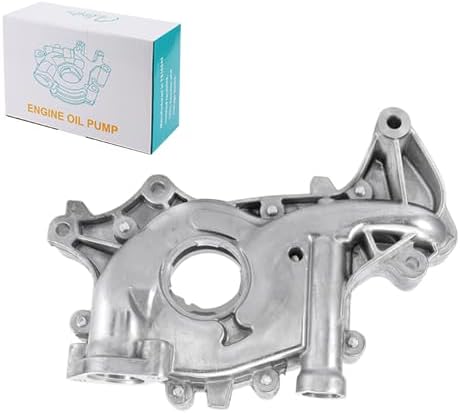
3. AULINK M390HV OP4198 Replacement Oil Pump for 3.5L / 3.7L Ford V6
| Brand | AULINK |
|---|---|
| Model | AUOPL453 |
| Fitment | Ford 3.5L/3.7L V6 engines (listed years/models) |
| Manufacturer Part Number | AUOPL453 |
This AULINK M390HV OP4198 oil pump replaces factory units on Ford 3.5L and 3.7L V6 engines and is intended as a like-for-like service or repair part. It installs in place of the original pump to restore oil pressure and flow for engines used in Explorer, F-150, Edge, Transit, and other listed Ford applications from the specified years. The pump is machined, function-tested, and produced in TS16949 certified facilities with 100% leakage and function checks, which should give confidence for routine maintenance or a repair job. Practical benefits include broad fitment across common Ford V6 platforms and claimed matching of factory oil supply capacity and durability. Limitations are typical of aftermarket replacements: performance depends on correct installation and the rest of the engine condition, and the listing references a one-year warranty rather than a longer factory-style coverage. For someone replacing a failed pump or rebuilding an engine, this unit offers a tested, ready-to-install option that focuses on restoring reliable oil circulation rather than performance gains.
Best for: A practical buyer looking to restore factory oil pressure on a Ford 3.5L or 3.7L V6 without extra performance modifications, prioritizing a tested, ready-to-install replacement for routine repair or engine rebuilds.
Less Ideal for: Drivers seeking performance upgrades, racing use, or longer warranty protection should consider specialty performance pumps or OEM dealers instead.
- Direct-fit replacement for many Ford 3.5L and 3.7L V6 applications, simplifying parts sourcing
- Manufactured in TS16949 certified facilities with 100% function and leakage testing
- Machined exterior and claimed factory-matching oil supply capacity for dependable operation
- Wide model-year coverage reduces need to find vehicle-specific aftermarket pumps
- Backed by a one-year warranty rather than extended factory-type coverage
Verdict: A tested, wide-fit replacement pump that restores reliable oil circulation on Ford 3.5L and 3.7L V6 engines for practical repairs and maintenance.
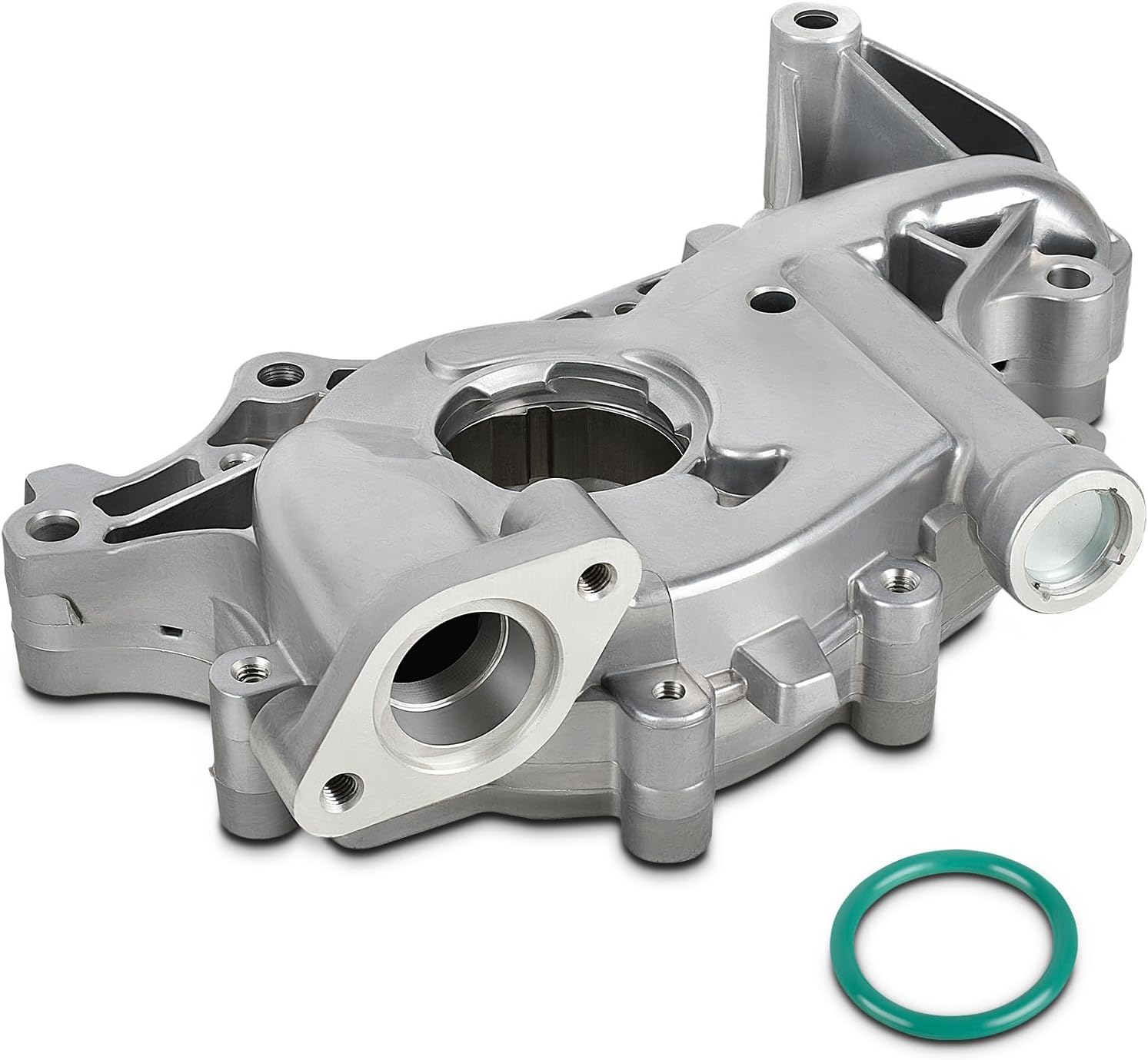
4. HYR M390HV High-Volume Oil Pump for 3.5L / 3.7L V6
| Manufacturer | HYR |
|---|---|
| Brand | HYR |
| Manufacturer Part Number | Engine Oil Pump M390HV |
| Date First Available | November 3, 2025 |
This HYR M390HV is a direct-replacement high-volume oil pump intended for Ford 3.5L and 3.7L V6 engines. It is typically used when an original pump is failing or when higher oil flow is desired for improved lubrication under load. The pump is cast from aluminum alloy, which the manufacturer says improves response and wear resistance, and it lists a wide set of OEM cross-reference numbers so installers can confirm fitment. Practical benefits include restoring engine oil pressure, compatibility with many Ford V6 applications from the Explorer lineup, and a 12-month product coverage for peace of mind. The unit appears to be a no-frills replacement aimed at value buyers rather than a performance-modified unit; that keeps cost down but means you should confirm exact part numbers and inspect clearances during installation. Installation will require typical engine access and basic mechanical competence or professional service. Expect a straightforward swap for compatible 3.5L/3.7L V6 engines, with the main limitation being that this is a replacement pump rather than a specialized performance upgrade.
Best for: Buyers looking for an affordable, drop-in replacement to restore oil pressure and flow on 3.5L/3.7L Ford V6 engines who prioritize value and fitment confirmation over aftermarket performance gains.
Less Ideal for: Drivers seeking a high-end performance upgrade or race-spec oiling solutions should consider purpose-built pumps from specialty brands instead.
- Designed to fit many 3.5L/3.7L Ford V6 applications, including Explorer model years covered in the article goal
- Aluminum-alloy construction for quicker response and improved wear resistance
- Included OEM cross-reference numbers make verifying fitment easier
- 12-month product coverage provides basic post-purchase protection
- Positioned as a budget replacement so it lacks performance-specific enhancements over factory high-performance pumps
Verdict: A budget-friendly, compatible replacement to restore reliable oil pressure on 3.5L and 3.7L Ford V6 engines used in Explorers within the article's model range.
5. Melling M390HV Oil Pump

| Compatible with Vehicle Type | Ford, Mazda (3.5L & 3.7L Engines) |
|---|---|
| Automotive Fit Type | Vehicle Specific Fit |
| Brand Name | Melling |
| Manufacturer Part Number | M390HV |
The Melling M390HV is a direct-replacement engine oil pump intended for 3.5L and 3.7L Ford applications, offering the core job of maintaining oil pressure and flow to the engine. It installs in place of the factory pump and is used during engine rebuilds, repairs after pump failure, or preventive replacement on higher-mileage Explorers. Key features shown in the listing include vehicle-specific fitment and single-piece packaged delivery. For reliability-minded buyers the pump’s brand reputation and straightforward vehicle-specific design mean it should restore proper oil pressure without modification. Practical benefits are simple fitment, compatibility with the specified engines, and a known aftermarket supplier. Important limitations are that the listing provides minimal technical detail such as flow rate or materials and there is only a 30-day contact window for issues, so long-term durability claims rely on brand trust rather than published specs.
Best for: Buyers who prioritize dependable, straightforward replacements for 3.5L or 3.7L Ford engines and want a pump that fits without modification and restores factory-style oil circulation.
Less Ideal for: Anyone seeking detailed published performance specs, upgraded high-volume pumps for racing, or extended warranty documentation should look at specialty or performance-focused options instead.
- Vehicle-specific fit for 3.5L and 3.7L Ford engines simplifies installation
- From a recognized aftermarket brand with a focus on replacement engine parts
- Ships as a complete oil pump unit ready for direct swap-in
- Manufacturer information does not list flow rate, pressure specs, or materials used
Verdict: Choose the Melling M390HV when you need a reliable, vehicle-specific replacement oil pump to restore proper oil circulation in 3.5L or 3.7L Ford engines.
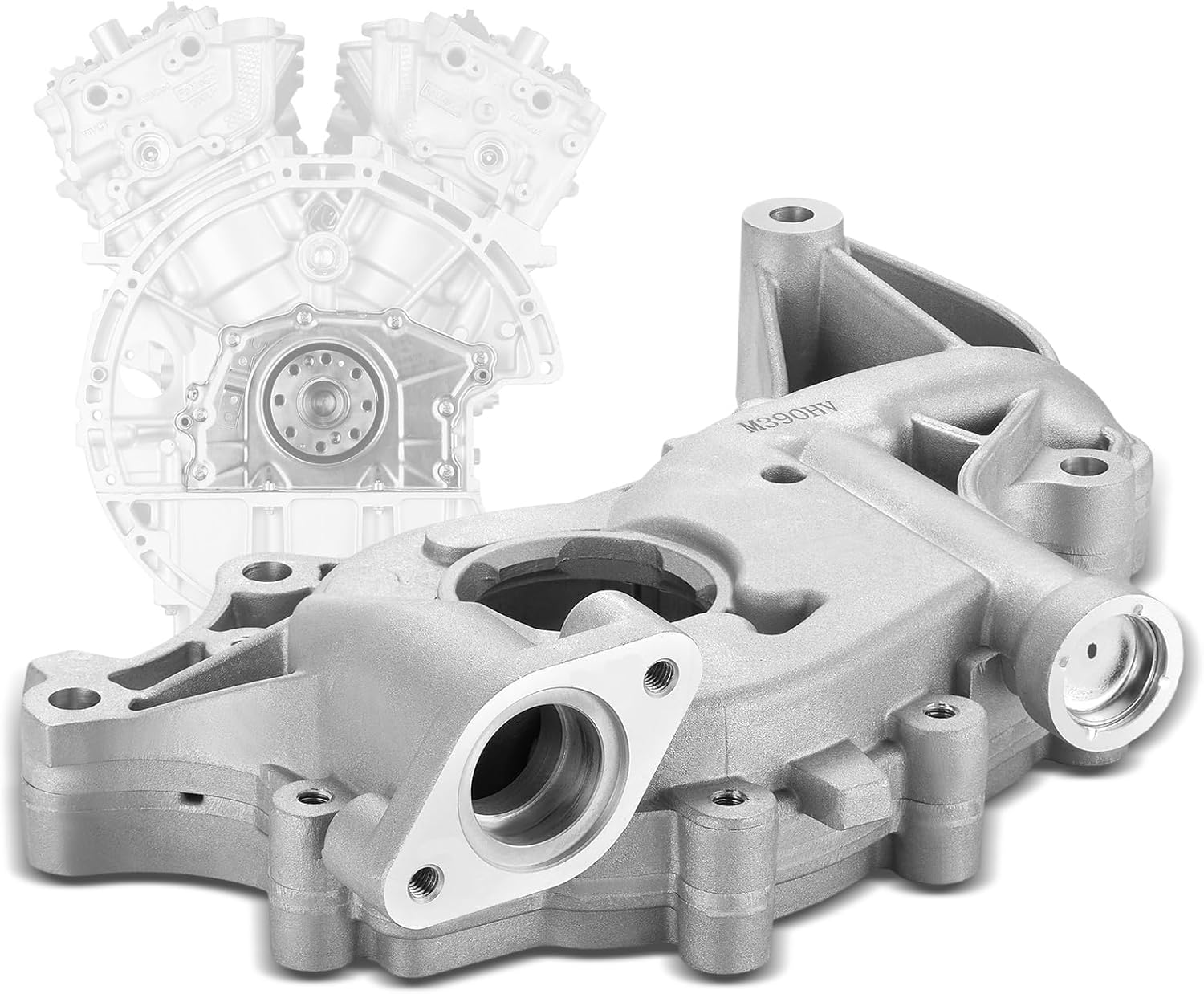
6. BDFHYK M390HV Engine Oil Pump (High Pressure, Aluminum Alloy)
| Model | M390HV |
|---|---|
| Material | Aluminum Alloy |
| Volume type | High Volume |
| Pressure type | High Pressure |
| Included accessories | 1 x O-ring (varies by reference) |
This BDFHYK M390HV oil pump replaces the factory pump on compatible Ford, Lincoln and selected Mazda vehicles and is built for high-pressure, high-volume circulation. In use it supplies consistent oil flow to engine internals, which helps maintain lubrication under load and can reduce wear in higher-mileage engines. Notable features from the listing include an aluminum alloy construction and multiple included O-ring options depending on the reference number, which simplify installation and help seal the pump to the block. The pump is offered with a one-year unlimited mileage guarantee from the brand, providing extra confidence for buyers concerned about reliability. Limitations are that fitment must be verified against the exact part numbers and engine displacement range listed, and buyers should expect to match gaskets or additional hardware to their vehicle during installation since accessory inclusions vary by reference. Professional or experienced DIY installation is recommended to ensure correct timing and sealing.
Best for: Buyers who need a direct replacement pump for the covered 3.5L or 3.7L engines and prioritize a durable high-pressure unit with brand-backed coverage and installation confidence.
Less Ideal for: If you are repairing engines outside the specified Ford/Lincoln/Mazda 3.5L or 3.7L scope or want a plug-and-play kit that includes all gaskets and hardware for every application, this may not be the best choice.
- High-pressure, high-volume design supports consistent oil circulation under load
- Aluminum alloy and steel construction aimed at durable, long-lasting operation
- Includes O-ring options for several reference variants to aid sealing during install
- One-year unlimited mileage guarantee from the brand for added reassurance
- Fitment depends on matching specific reference/part numbers so confirmation is required before purchase
- Some variants list different included accessories which may require sourcing additional gaskets or hardware
Verdict: A high-pressure, factory-replacement style pump made for 3.5L and 3.7L engines that gives buyers a durable option with brand warranty protection.
7. A-Premium 3.5L/3.7L Engine Oil Pump (compatible with select Ford, Lincoln, Mazda, Mercury V6)

| Brand | A-Premium |
|---|---|
| Manufacturer Part Number | APOIP177 |
| OEM Part Number(s) | M390, 7T4Z6600AA, 7T4Z6600BA, ZZJ114100A/B/C, CY0114100A/B/C, GL3Z6C639A |
| Vehicle Fitment Range | Includes 2011–2019 Ford Explorer 3.5L V6 |
This A-Premium oil pump is a direct-replacement style unit for many 3.5L and 3.7L V6 engines used across Ford Explorer and related models. It replaces the factory oil pump and restores oil circulation to lubricate and cool bearings, cams, and other moving parts. Buyers will appreciate the broad fitment listing covering Explorer model years within the 2011–2019 range and similar Ford-family vehicles, which simplifies selection for compatible VIN codes. The construction appears to prioritize straightforward installation and compatibility with factory oil galleries, making it suitable for routine engine repairs or timed replacements. Important limitations are that this is an aftermarket part from a third-party brand rather than a factory part and buyers should confirm VIN-specific fitment before ordering; fitment differences across VIN codes and turbocharged versus naturally aspirated variants matter. For risk-averse shoppers, having a clear reference part number list and matching your vehicle VIN will reduce the chance of a mismatch.
Best for: Buyers who prioritize a practical, drop-in replacement for a failing oil pump on 2011–2019 Ford Explorer V6 engines and who value clear fitment guidance to avoid installation surprises.
Less Ideal for: Shoppers seeking an exact factory-branded part or those unwilling to verify VIN-specific fitment should consider alternatives from a factory parts supplier or a dealer.
- Covers a wide list of 3.5L and 3.7L V6 Ford-family applications including 2011–2019 Explorer models
- Offers direct-replacement fitment with listed reference part numbers to aid matching
- Restores engine oil circulation to protect internal components, addressing common wear issues
- Multiple product images and detailed fitment notes help verify compatibility before purchase
- Aftermarket third-party unit rather than a factory-original part
- Fitment depends on exact VIN code and engine variant so selection requires careful checking
Verdict: A-Premium provides a broadly compatible aftermarket oil pump that makes a practical, VIN-checked replacement for 2011–2019 Ford Explorer 3.5L/3.7L V6 engines.
Choosing the Right 2011-2019 Ford Explorer Oil Pump: Key Factors to Consider
Flow Rate and Pressure Consistency
Oil pumps must deliver the right flow at idle and at higher RPM to maintain stable oil pressure across operating conditions. Pumps with poor flow characteristics can allow pressure to drop during cold starts or under heavy load, increasing bearing and camshaft wear.
When evaluating pumps for the 2011-2019 Explorer, look for units tested for volumetric efficiency at representative RPM ranges and those with specifications showing minimal pressure variation from idle to redline. Consistent pressure ensures that hydraulic lifters, variable valve timing components, and turbo or supercharger systems, if present, receive steady lubrication.
Material Quality and Wear Resistance
Materials used in gears, housings, and shafts directly affect longevity. Hardened steel gears or well-finished rotors resist wear from particulate contamination and maintain tight internal clearances that preserve flow and pressure.
For the Explorer, where engines may see extended service intervals or occasional towing loads, choose pumps built from corrosion-resistant alloys and with robust surface treatments. Better materials also mean reduced chances of premature scoring and longer service life between overhauls.
Seal and Gasket Integrity
A proper seal between the pump housing and the engine block is essential to prevent leaks and maintain suction. Poor-quality gaskets or mismatched gasket thickness can allow air ingress, reducing pump efficiency and causing cavitation or pressure loss.
Confirm that replacement pumps include a correctly specified oil pump gasket seal or that compatible seals are available. For the Explorer engines covered by this guide, gasket fitment that matches factory mounting faces and bolt patterns is critical to avoid oil leaks after installation.
Fitment and Compatibility
Even within a single model year range, engine variants and accessory layouts can differ. A pump that does not match the Explorer's oil pan, pickup tube, or mounting pattern will be difficult or impossible to install correctly.
Check part interfaces, mounting hole locations, and pickup tube clearance for the Explorer's engine variants in the 2011-2019 range. Proper fitment reduces installation time, prevents interference with other components, and helps maintain correct oil pickup height, which is crucial for preventing starvation during acceleration or cornering.
Noise and Vibration Characteristics
Excessive pump noise can indicate improper clearances, poor gear meshing, or cavitation. Beyond occupant comfort, noise often correlates with mechanical stress that shortens component life.
Choose pumps with demonstrated quiet operation under normal oil volume and pressure. For the Explorer, quieter pumps typically feature better machining tolerances and smoother gear profiles, which helps avoid premature wear and reduces the chance of oil aeration leading to inconsistent lubrication.
Ease Of Installation and Serviceability
A pump that is straightforward to install reduces the chance of assembly errors that lead to leaks or damage. Consider whether the pump includes necessary gaskets, O-rings, and hardware and whether it allows reuse of factory components when appropriate.
For DIY or shop installations on the 2011-2019 Explorer, look for pumps that preserve factory pickup geometry and that do not require extensive accessory removal. Clear installation guidance, included seals, and matching bolt patterns save time and minimize the risk of installation-related failures.
Common Causes Of Oil Pump Problems On The Explorer
Understanding why oil pumps fail on the 2011-2019 Ford Explorer helps you spot issues early. Common causes include oil contamination from worn engine internals, prolonged low oil levels that allow air ingestion, and wear of internal clearances due to age or poor lubrication history. Excessive soot or debris from extended oil-change intervals can accelerate gear and housing wear, reducing volumetric efficiency.
- Contaminated oil accelerating internal wear
- Low oil level causing cavitation and air ingestion
- Wear from extended service intervals or heavy duty use
- Improper installation or damaged seals leading to leaks
Symptoms And Diagnostic Checks
Recognizing oil pump failure signs early mitigates engine damage. Typical symptoms on the Explorer include intermittent or persistently low oil pressure warning lights, unusual oil pump noise from the front of the engine, and lifter ticking caused by low oil flow. You may also notice oil pressure drops under load or during cold start until oil warms and thins.
A few straightforward checks can confirm whether the pump is at fault. Measure oil pressure with a mechanical gauge at idle and at higher RPM, compare against factory thresholds, and inspect the oil pan and pickup for debris. Also check for metal particles in the oil filter and examine the pump gasket area for leaks.
- Mechanical oil pressure test at idle and 2500–3000 rpm
- Visual inspection of pickup tube and oil pan for debris
- Check oil filter for metal shavings or contamination
- Listen for pump whining or grinding noises during startup
Installation Best Practices For Reliable Service
Proper installation reduces the risk of leaks and premature failure. Always use a new gasket or seal that matches the pump and the Explorer engine mounting surface. Before installation, inspect the pickup tube and screen and replace if distorted or clogged. Prime the pump if possible or ensure the engine is filled to the correct oil level before initial startup to avoid dry-run conditions.
Torque the mounting bolts to factory specifications and follow any specified tightening sequence. After installation, run the engine and verify oil pressure stabilizes within expected ranges and check for leaks at the gasket and fittings. Recheck torque after a short test drive as recommended in factory service guidance.
- Use new gasket or oil pump gasket seal specified for the engine
- Prime or pre-fill pump where possible to avoid dry spinning
- Follow factory bolt torque and tightening sequence
- Inspect pickup tube and screen for obstructions before fitting
When To Repair Versus Replace The Oil Pump
Deciding whether to repair or replace depends on condition and availability of serviceable parts. Minor issues like a damaged gasket or a clogged pickup screen can often be addressed without replacing the entire pump. However, wear to gear teeth, scored housings, or excessive internal clearance generally warrant full replacement to restore proper pressure and flow.
For the 2011-2019 Explorer, consider replacement when the pump shows signs of cavitation damage, persistent low-pressure readings after fresh oil and filter, or when internal wear is evident during disassembly. Replacement is also the safer option when OEM-level tolerances are required and rebuilding is not guaranteed to meet those specifications.
- Repair gasket or pickup issues for minor failures
- Replace pump for scored housings or worn gear teeth
- Replace when low pressure persists after basic maintenance
- Consider replacement if a rebuild cannot meet factory tolerances
Still looking for the perfect fit?
Select your Ford Explorer configuration to see the most relevant Oil Pumps recommendations
How We Chose the Best 2011-2019 Ford Explorer Oil Pump
Our selection focused on components that meet the specific service and performance needs of the 2011-2019 Ford Explorer engines. We prioritized pumps that deliver consistent oil pressure across operating ranges, are constructed from durable materials, and provide accurate internal clearances to preserve oil flow at both cold start and high-load conditions. Measured factors included material quality, manufacturing tolerances, verified flow rates at specified rpm ranges, and compatibility with factory oil passages and mounting points.We also considered noise and vibration characteristics, resistance to cavitation under low-oil conditions, and the quality of included seals or gaskets. Units lacking clear compatibility information, missing replacement seals, or with known fitment uncertainty were excluded. Finally, we favored designs that simplify installation and reduce the risk of leaks or oil starvation after service.
Our full evaluation process is outlined in our review methodology.
FAQ
What oil pressure should my 2011-2019 Explorer read at idle?
Oil pressure varies with engine variant and oil viscosity, but you should see steady pressure at idle that does not fluctuate wildly. If the gauge or warning light shows consistently low pressure, perform a mechanical pressure test to confirm before assuming pump failure.
Can a worn timing chain cause oil pump problems on the Explorer?
A worn timing chain can indirectly affect oil delivery in engines where the pump drive is linked to timing components. It often depends on the specific engine layout. If timing component wear is suspected, inspect drive interfaces and related mounting hardware during pump service.
Are unusual noises always a sign of oil pump failure?
Not always. Pump noise can result from low oil level, aerated oil, or degraded bearing lubrication elsewhere. Use an oil pressure test and inspect the pickup and pan for contamination before concluding the pump itself is faulty.
Do I need to change the oil and filter when replacing the pump?
Yes, changing the oil and filter is recommended when replacing the pump. Fresh oil and a clean filter ensure accurate pressure readings and prevent early contamination of the new pump.
How long does oil pump installation typically take on the Explorer?
Installation time depends on engine variant and whether accessories or the oil pan must be removed. A professional shop may complete the job faster, while DIY timelines vary. Account for time to drain oil, remove the pan or components, and properly torque the pump mounting hardware.
Will upgrading to a higher flow pump improve engine performance?
Higher flow alone does not increase power. It can improve pressure stability under high-load conditions or with modified engines that demand greater lubrication. Ensure any upgrade matches the Explorer engine's passage sizes and pressure relief specifications to avoid overpressure or other issues.
Final Verdict
Prioritize consistent pressure, correct fitment, and seal integrity when choosing an oil pump for your 2011-2019 Ford Explorer. Durable materials and accurate internal clearances deliver the most reliable long-term performance, while proper installation and the right gasket seal prevent leaks and cavitation.Balance the need for serviceability against condition: repair minor issues when appropriate, but replace pumps showing internal wear or persistent low pressure. Focusing on the factors outlined above will help you restore dependable oil delivery and reduce the chance of costly engine damage.
Explore More:
- Check out all Ford Explorer parts & accessories
- Explore Oil Pumps Maintenance & Repair Guides
- Explore Engine
- Browse all Auto Parts
