

Note: This article contains affiliate links. If you click on these links and make a purchase, I may earn a small commission at no extra cost to you. This helps support my research and content. Read my full affiliate disclosure here.
If you drive a 1999-2007 Ford F-350, the oil pump is a small but critical component that keeps engine oil flowing and maintains pressure under load. A failing pump leads to low oil pressure, accelerated wear, and risk of severe engine damage, especially when towing or hauling heavy loads.This guide covers our shortlist of the top oil pumps suited to the 1999-2007 F-350. We focus on fitment, materials and machining quality, pressure performance, and ease of installation so you can pick a pump that meets your expected duty cycle. Read on for the evaluation criteria and practical guidance to help you restore reliable oil pressure and prolong engine life.
Top Picks at a Glance
| Best Overall The best all-around choice for most situations | VIPCAR 03019 Replacement Oil Pump for Ford 4.6/5.4/6.8L Modular Engines |  |
| Best Quality Built to a higher standard if you want something more solid | Melling 10176 Oil Pump |  |
| Best Value The sweet spot between price and what you get | ECCPP High Volume Engine Oil Pump for 4.6L/5.4L/6.8L Engines |  |
| Best Budget The cheapest option that still gets the job done reliably | DRIVESTAR M176 Replacement Engine Oil Pump (fits select 1997–2010 Ford V8 applications) |  |
| Highest Rated A top-rated pick with lots of positive feedback | MPLUS M176 Engine Oil Pump Kit (Vehicle-Specific Fit) |  |
1. VIPCAR 03019 Replacement Oil Pump for Ford 4.6/5.4/6.8L Modular Engines

| Manufacturer | LOBAM MACHINERY |
|---|---|
| Brand | Vipcar |
| Manufacturer Part Number | 03019 |
| OEM Part Number | 06090330B, F5AZ6600A, F5AZ6600B, F3AZ6600A, F8AZ33300AA, 5L3Z6600A |
| Compatible Engines | Ford Modular V8/V10 4.6L, 5.4L, 6.8L |
This VIPCAR 03019 oil pump is a direct-replacement unit intended for Ford Modular 4.6L, 5.4L and 6.8L engines; it is marketed to match common factory part numbers for fitment across F-150, F-250/350, E-series vans, Expedition, Navigator and related models. The pump uses precision-machined gears and gerotor technology and is factory-tested for pressure, flow, temperature fatigue and corrosion resistance to help restore correct oil pressure and protect engine bearings. Installation follows the same steps as a stock pump and is typically done during an engine service where front cover access is available. The practical benefits are restored oiling performance and the ability to keep an older engine running reliably without major overhaul. Limitations include the need to confirm exact interchange numbers before ordering and that professional installation is recommended for torque and sealing accuracy; buyers should not expect performance gains beyond restoring factory-quality flow.
Best for: Owners restoring reliable oiling on a 1999–2007 Ford F-350 with a modular V8 who want a tested replacement that aims to meet factory performance and durability.
Less Ideal for: Buyers seeking performance or high-volume aftermarket pumps for racing or modified engines should look at dedicated high-flow units instead.
- Matches common factory interchange part numbers for straightforward fitment checks
- Precision-machined gears and gerotor design aimed at consistent oil pressure and flow
- Factory-style testing for pressure, temperature and corrosion increases confidence in durability
- Covers a wide range of Ford modular V8/V10 applications, simplifying sourcing for older trucks
- Requires verifying exact part interchange before purchase because multiple variants exist
- Installation requires engine front-cover access and proper torque procedures so a mechanic is often needed
Verdict: A factory-style replacement that restores proper oil pressure and flow for late 1990s–2007 Ford F-350 modular V8 engines, making it a practical choice for balanced, reliability-focused repairs.
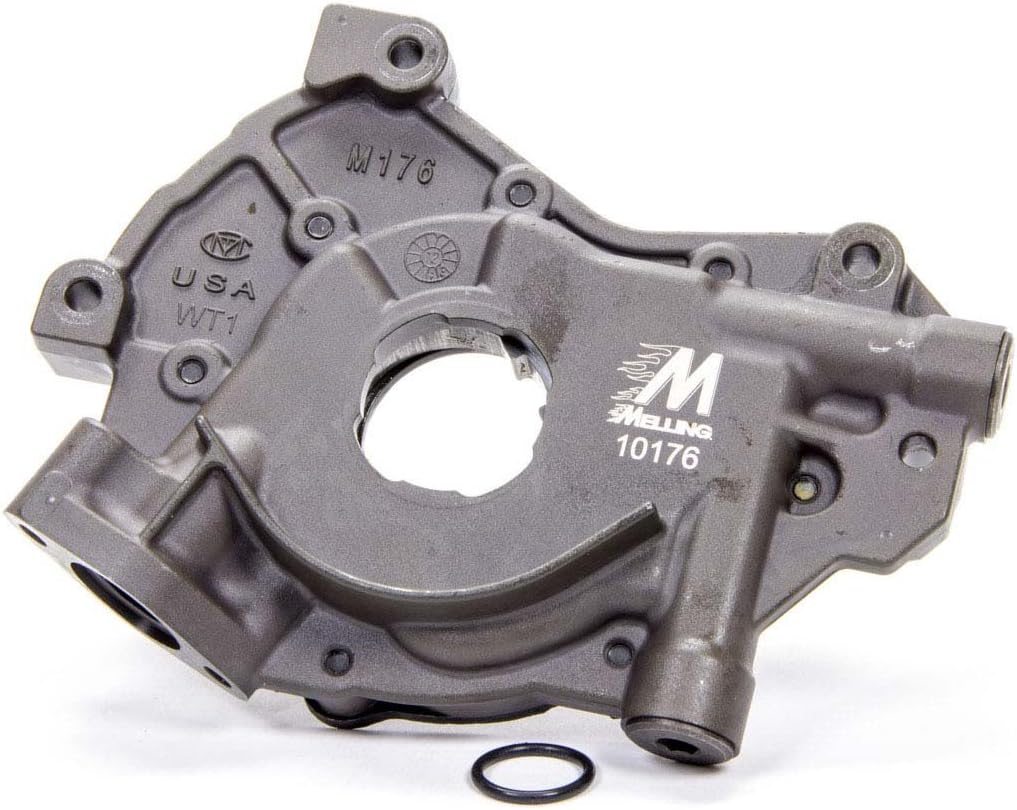
2. Melling 10176 Oil Pump
| Manufacturer | Melling |
|---|---|
| Model | 10176 |
| Manufacturer Part Number | 10176 |
| Country Of Origin | United States |
The Melling 10176 is a direct-replacement oil pump that supplies engine oil to bearings and valvetrain components to maintain pressure and lubrication under load. Installed in place of a worn or damaged pump, it is typically used during engine rebuilds or when low oil pressure and noise indicate pump wear. The unit appears to be a conventional gerotor-style pump offered as a factory-quality replacement, which means it fits into existing oil passages and works with stock pressure relief arrangements. For performance-focused builds this pump restores reliable oil flow and pressure but does not advertise upgraded flow capacity, high-pressure springs, or baffling for extreme high-rpm use. Expect straightforward bolt-in installation if your engine uses the same mounting and pickup configuration, and benefit from a U.S. manufacturing origin. The main limitation is that this part is a like-for-like replacement rather than a performance-optimized pump, so builders seeking higher flow or pressure for modified engines will need an aftermarket performance unit.
Best for: Buyers who need a reliable, factory-quality replacement to restore normal oil pressure during an engine rebuild or repair and who prioritize correct fitment and dependable street performance.
Less Ideal for: Those building high-output or heavily modified engines that require increased flow, higher pressure, or specialized baffling should choose a dedicated performance oil pump instead.
- Factory-style fit and function for straightforward replacement
- Restores standard oil pressure and circulation for worn pumps
- U.S. origin manufacturing noted in product details
- No documented performance upgrades such as higher flow or pressure springs
- Not marketed or tested for high-rpm or heavily modified engine applications
Verdict: Choose this Melling 10176 when you want a dependable, factory-style oil pump to restore normal oil pressure and lubrication in a stock or mild-build engine.
3. ECCPP High Volume Engine Oil Pump for 4.6L/5.4L/6.8L Engines

| Brand | ECCPP |
|---|---|
| Model | Engines Oil Pump |
| Manufacturer Part Number | 113419-5292-1629223181 |
| Compatible Engines | 4.6L, 5.4L, 6.8L |
| Compatible Vehicle | Includes 1999-2010 Ford F-350 Super Duty |
This ECCPP high-volume oil pump is a replacement unit intended to restore or improve oil pressure and flow in compatible Ford 4.6L/5.4L/6.8L engines, including the 1999-2010 F-350 Super Duty listed in the fitment. It installs in place of the factory pump and is designed for steady, quiet operation to reduce internal wear. Notable features include a high-volume design and brushed exterior, and the manufacturer says components meet or exceed factory standards. In real-world use you would pick this when an aging pump causes low pressure, noisy operation, or when building an engine that benefits from stronger oil delivery. Installation requires standard mechanical skills and verification of OE numbers for exact fit. Limitations are that fitment covers specific model years and engine families so confirmation is essential, and while the listing claims factory-quality materials there is no detailed spec sheet or performance data to quantify how it compares to factory or premium aftermarket pumps.
Best for: Buyers who want a practical replacement that restores reliable oil pressure in a 1999–2010 F-350 Super Duty with a 4.6L, 5.4L, or 6.8L engine and who prioritize straightforward, cost-effective engine maintenance.
Less Ideal for: People seeking a documented performance upgrade with lab-tested flow and pressure curves or who need a pump for different engines or nonlisted model years.
- High-volume design intended to improve or restore oil pressure and flow.
- Marketed as built from quality materials to meet or exceed factory standards.
- Quiet, simple operation that aims to reduce engine wear and noise during service.
- Fitment is limited to specific Ford/Lincoln model years and engine families so compatibility must be confirmed before purchase.
- No detailed performance specifications or test data provided in the listing.
Verdict: Choose this ECCPP high-volume replacement if you need an affordable, factory-replacement-quality pump to restore steady oil pressure in a 1999–2010 F-350 Super Duty with a 4.6L, 5.4L, or 6.8L engine.
4. DRIVESTAR M176 Replacement Engine Oil Pump (fits select 1997–2010 Ford V8 applications)

| Manufacturer Part Number | OLP8012 |
|---|---|
| OEM Part Number | OP4131 |
| Replaces Part Numbers | M176, 5L3Z-6600-AA, 601-2010, 224-43498 |
| Intended Fitment Years | 1991–2014 (varies by model) |
This DRIVESTAR M176 oil pump is a budget-focused replacement designed to restore and improve engine oil pressure for compatible Ford V8s in the specified year range. It uses machined gears and a gerotor design and is individually tested for pressure and flow, which helps ensure consistent lubrication after installation. The listing highlights a high-volume design that claims roughly 20 percent more flow on average, which can improve idle oil pressure and reduce risk of oil-starvation on engines with worn pumps. Typical use is as a direct swap when the factory pump fails or shows symptoms like low oil pressure, hard starting, or unusual engine noise. Practical benefits include aftermarket testing and higher flow capacity compared with an aging pump, plus a three-year warranty. Limitations are that fitment must be checked carefully against the vehicle and part numbers, and aftermarket pumps can vary in long-term durability compared with factory replacements, so professional installation and post-installation oil-pressure verification are recommended.
Best for: Buyers looking for an affordable replacement pump that restores oil pressure and flow on compatible late-1990s to 2010 Ford V8 engines and who prioritize cost-effectiveness over OEM-only parts.
Less Ideal for: Owners seeking an exact factory-sourced unit or those planning extreme-duty or high-performance builds should consider higher-end or factory-specified alternatives.
- Designed as a direct replacement for many Ford V8 applications in the 1990s–2010s, simplifying swap-in installation.
- High-volume gerotor design tested for increased oil flow and improved idle oil pressure.
- Individual pressure and flow testing reported, which helps ensure units meet performance targets.
- Three-year warranty provides extra buyer confidence for a budget aftermarket part.
- Fitment covers many models and years so you must verify exact compatibility and OEM part numbers before buying.
- Long-term durability may vary from factory-quality pumps depending on vehicle use and maintenance history.
Verdict: A cost-conscious replacement that restores and often increases oil flow for compatible Ford V8s, making it a practical choice when repairing low oil pressure on those trucks.
5. MPLUS M176 Engine Oil Pump Kit (Vehicle-Specific Fit)

| Compatible with Vehicle Type | Car, Truck, Van |
|---|---|
| OEM Equivalent Part Number | F5A2-6600B, 5L3Z-6600-A, 5L3Z-6600-AA |
| Automotive Fit Type | Vehicle Specific Fit |
| Material Type | Aluminum |
This MPLUS M176 oil pump kit is a direct replacement-style unit intended for affected 4.6L, 5.4L and 6.8L Windsor/Romeo V8 engines used across many Ford trucks and vans. Built from aluminum die-cast and offered as a vehicle-specific fit, the pump supplies pressurized engine oil to lubricate bearings, camshafts, and valvetrain components. It installs from below after oil pan removal and is driven by the crankshaft gear, so expect a moderate DIY job or a standard shop installation. The pump claims ISO/TS16949:2009 and ISO14001 production standards and lists common OEM part numbers for fit confirmation. Practical benefits include a lighter cast housing and compatibility with factory oiling systems, helping restore correct oil pressure and protect engine life. Limitations are that fitment must be confirmed for your exact year and engine variant and that full performance depends on proper installation and related seals and gaskets being replaced as needed.
Best for: Buyers who prioritize restoring reliable engine oil pressure on older Ford 1999–2007 heavy-duty V8 applications and want a replacement that matches factory fit and function.
Less Ideal for: Drivers looking for a performance-upgrade high-flow or modified-engine oil pump should consider specialty units designed for increased capacity instead.
- Vehicle-specific fit for common Ford V8 Windsor/Romeo engines to simplify replacement.
- Aluminum die-cast construction reduces weight while maintaining structural strength.
- Supplies factory-equivalent oil pressure to lubricate critical engine components.
- Manufactured to recognized automotive quality standards (ISO/TS16949:2009 and ISO14001).
- Requires oil pan removal and some mechanical skill or a professional for proper installation.
Verdict: Choose this MPLUS M176 kit when you need a reliable, factory-fit replacement to restore correct oil pressure on compatible Ford V8 engines.
Choosing the Right 1999-2007 Ford F-350 Oil Pump: Key Factors to Consider
Fitment and Mounting Accuracy
Correct fitment is essential on the 1999-2007 F-350 because misalignment can cause premature wear or oil starvation. Verify that the pump's mounting face, bolt pattern, and pickup inlet location match the factory housing and oil pan clearances. Even small offsets can change pickup depth and increase the risk of cavitation when the truck is loaded or on steep grades.
Accurate fit also reduces the chance of gasket or seal leaks at the housing junction. When a pump requires adapter plates or modified pickups, sealing complexity increases and installation becomes more challenging. For many owners, a pump that drops directly into the factory housing with no modification is the most reliable long-term choice.
Pressure Performance and Relief Characteristics
Oil pressure behavior under varying RPM and load directly affects engine longevity. Evaluate both the nominal pressure output and how the pump behaves when pressure exceeds thresholds. A properly calibrated relief valve protects the engine by bleeding excess flow rather than allowing pressure spikes that can damage seals or filter assemblies.
Look for pumps with documented pressure curves or manufacturer guidance for target idle and high-RPM pressures. On the F-350, pressure that is too low at idle risks poor lubrication on startup while excessive pressure at high RPM can place stress on bearings and gaskets. Consistent pressure across temperature ranges and after extended operation is an important sign of a well-built pump.
Materials, Treatments, and Durability
The internal components must withstand metal-to-metal contact, oil contamination, and heat cycles. Hardened gears or rotors, nitrided surfaces, and durable housing castings reduce wear and maintain volumetric efficiency over time. Pumps that use lower-grade materials can show increased clearances and pressure loss as they age.
Also consider the quality of the relief valve components and springs, since fatigue there can change pressure behavior. A robust finish helps resist corrosion from contaminated oil or moisture, and better-machined parts typically run quieter and with less vibration—important for long-haul F-350 duty cycles.
Seal and Gasket Quality
Reliable sealing prevents external oil leaks and keeps suction at the pickup steady. High-quality gasket materials and properly designed sealing surfaces reduce the risk of leaks when the engine heats and cools. For the F-350, pay attention to the supplied gasket thickness and any included o-rings; incorrect thickness can alter pickup submersion depth and reduce oil availability under cornering or body roll.
Some replacement pumps include upgraded gasket kits or improved coating on sealing surfaces. Using the correct gasket and following torque specs during installation minimizes the chance of future seepage and simplifies diagnosis if low-pressure symptoms reappear.
Compatibility With Factory Oil Pickup And Pan Geometry
The pickup screen location and the depth of the pickup tube relative to the oil pan are critical. A pump that changes pickup geometry can increase the chance of sucking air at low oil levels or during acceleration. On the F-350, which is often operated with varying cargo and trailer loads, a pump that preserves factory pickup positioning helps maintain consistent suction and reduces the risk of oil pump cavitation.
If a pump requires a different pickup or pan modifications, factor in additional labor and the potential need for different oil capacities or sump baffles. For many owners, retaining factory pickup geometry is the simplest route to dependable oiling.
Installation Complexity and Serviceability
Some pumps are direct-replacement units while others require additional components, special tools, or timing procedure adjustments. Consider whether you will perform the installation yourself or have it done professionally. A unit that comes with new fasteners, clear instructions, and any required alignment shims reduces the chance of installation error.
Also factor in future serviceability: pumps that allow easy access to relief valve components or that use standard fasteners make inspection and maintenance easier. Minimizing downtime is especially important for F-350 owners who rely on the truck for work or towing.
Recognizing Oil Pump Problems In The 1999-2007 F-350
Understanding the early signs of a failing oil pump helps prevent catastrophic engine damage. Common indicators include low or fluctuating oil pressure at idle, oil pressure that drops when under load, unusual whining or mechanical-sounding noise from the pump area, and unexplained oil leaks at the pump housing. Some of these symptoms overlap with other oiling system issues, so it is important to verify pressure with a mechanical gauge rather than relying solely on dash lights.
- Low oil pressure at idle or during warm-up
- Pressure drops under load or when towing
- Whining or unusual mechanical noise coming from the front of the engine
- Oil leaks or seepage around the pump housing
Diagnostic Steps Before Replacing The Pump
Before replacing the oil pump, run a few targeted checks. Install a mechanical oil pressure gauge at the factory test port to confirm actual pressure readings across idle and higher RPMs. Inspect the oil pickup screen for sludge or debris that can restrict flow. Check oil level and condition, and verify the oil filter and pressure relief valve are functioning as expected.If pressure readings are marginal, monitor the pump behavior while simulating towing or load conditions if possible. This helps distinguish between a failing pump and issues like a clogged pickup or worn bearings causing internal leaks.
- Use a mechanical gauge to verify readings
- Inspect pickup screen and oil for contamination
- Check oil level, filter, and relief valve function
- Simulate load conditions to reproduce pressure drops
Tools And Parts To Have On Hand For Installation
Plan the job with the correct tools and parts to reduce surprises. Required items typically include a torque wrench, socket set, gasket scraper, sealant recommendations per the vehicle service manual, new gasket and fasteners, and clean engine oil and filter. Have a mechanical oil pressure gauge ready for post-install verification.If the pump is accessible only from under the vehicle, arrange safe jack stands or a lift and consider an oil drain plan to avoid spills. Keep replacement bolts and any alignment dowels organized to ensure correct reassembly.
- Torque wrench and correct sockets
- New gasket, sealant as specified, and replacement fasteners
- Mechanical oil pressure gauge for testing
- Drain pan and safety stands or lift
Maintenance Tips To Extend Pump Life
Regular oil and filter changes using the correct viscosity and quality for the engine reduce contaminant load and sludge that accelerate pump wear. Avoid prolonged periods of low oil level; running the F-350 with marginal oil increases the risk of cavitation and pickup starvation. If operating in dusty or severe conditions, increase the frequency of oil service intervals.Inspect the oil pan and pickup screen during major services, and address any sludge before it becomes a problem. When replacing the pump, follow proper torque sequences and use new seals to minimize leak risk. These routine practices help the pump maintain consistent pressure for many miles.
- Adhere to oil change intervals and correct viscosity
- Check pickup screen during service
- Avoid running with low oil level
- Use new seals and correct torque on reassembly
When To Consider Upgrading Components
Owners who frequently tow heavy loads, operate at sustained high RPM, or run modified engines may benefit from pumps with improved pressure characteristics or reinforced components. Upgrades that offer better wear resistance or improved relief valve calibration can help maintain pressure under demanding conditions. However, any upgrade should preserve pickup geometry and overall compatibility with the engine to avoid unintended consequences.Balance the benefits of a higher-pressure or heavy-duty pump against potential tradeoffs such as increased stress on seals or changes to oil flow to accessories. Consult service guidelines and factor in installation complexity before choosing an upgraded unit.
- Consider upgrades for heavy towing or sustained high-RPM use
- Ensure upgraded pumps maintain pickup geometry
- Weigh increased pressure against seal and accessory stress
- Confirm installation requirements before upgrading
Still looking for the perfect fit?
Select your Ford F-350 configuration to see the most relevant Oil Pumps recommendations
How We Chose the Best 1999-2007 Ford F-350 Oil Pump
Our selection process prioritized attributes that matter specifically for the 1999-2007 Ford F-350 powerplants and typical use cases like towing, hauling, and long highway runs. We evaluated candidate pumps against concrete, measurable criteria rather than marketing claims.Key evaluation points included precision fit and OEM-style mounting to avoid alignment issues; internal gear or rotor machining tolerances that affect volumetric efficiency and pressure stability; material and coating choices that resist wear and cavitation; advertised pressure output and relief valve behavior under varied RPM and temperature conditions; and compatibility with factory oiling passages and pickup locations to prevent aeration.We also considered durability factors such as hardened gears, nitride or similar surface treatments, and the quality of seals and gaskets supplied. Ease of oil pump installation and the availability of proper torque specifications, new hardware, and clear instructions were included because many F-350 owners perform the swap themselves.Excluded items: units that lacked clear fitment information for the 1999-2007 F-350, pumps with undocumented internal tolerances, or components intended only for modified engines without stated compatibility. The final list emphasizes pumps that balance reliable pressure delivery, longevity, and straightforward installation for stock and moderately worked engines.
Our full evaluation process is outlined in our review methodology.
FAQ
What are common symptoms of a failing oil pump in my 1999-2007 F-350?
Common symptoms include low or fluctuating oil pressure, especially at idle or under load, unusual whining or mechanical noise from the front of the engine, and oil leaks around the pump housing. Confirm with a mechanical pressure gauge to rule out sensor issues.
Can a clogged pickup screen mimic oil pump failure?
Yes. A clogged pickup screen or pickup tube blockage can restrict flow and cause low pressure symptoms similar to a bad pump. Inspect and clean the pickup screen before replacing the pump.
Is pump replacement a DIY job for this truck?
Many owners with moderate mechanical experience can replace the oil pump, provided they have the correct tools, torque specs, and a safe way to access the pump. Complexity increases if the pump requires pan or pickup modifications.
Should I change the oil and filter when installing a new pump?
Yes. Replacing the oil and filter during pump installation removes contaminants and ensures clean fluid circulates through the new pump. It also provides a baseline for pressure testing after reassembly.
Will a higher-pressure pump always be better for towing?
Not always. While higher pressure can improve lubrication under load, excessive pressure may stress seals and accessories. Choose a pump whose relief valve and pressure curve suit the engine and towing profile.
How do I verify the new pump is working correctly after installation?
Use a mechanical oil pressure gauge to check pressure at idle and higher RPMs, compare to expected ranges, and monitor for leaks. Also listen for unusual noise and re-check after a short break-in run.
Final Verdict
For the 1999-2007 Ford F-350, prioritize an oil pump that matches factory fitment and preserves pickup geometry while delivering stable pressure across operating conditions. Pay particular attention to materials and relief valve behavior because these affect long-term durability and pressure control under load.Balance your needs between a straight replacement and a heavy-duty upgrade based on typical towing and operating demands. With correct fitment, proper seals, and verified pressure after installation, you can restore dependable lubrication and reduce the risk of costly engine damage.
