

Note: This article contains affiliate links. If you click on these links and make a purchase, I may earn a small commission at no extra cost to you. This helps support my research and content. Read my full affiliate disclosure here.
Picking the right oil pan for your Hyundai Santa Cruz matters more than many owners realize. A well-fitted oil pan protects the engine sump from road debris, ensures proper oil pickup and drain, and reduces the chance of leaks that can lead to costly repairs. Whether you are replacing a damaged pan, upgrading to a heavier-duty option for rough roads, or fitting a pan after maintenance, the correct choice affects long-term reliability and service time.This guide covers the top six oil pans shortlisted for the Santa Cruz and explains the evaluation criteria used to compare them. We focus on real-world fitment, construction quality, and ease of service so you can choose a pan that suits your driving conditions and maintenance preferences.
Looking for other parts? See all Hyundai Santa Cruz parts & accessories.
Top Picks at a Glance
| Best Overall The best all-around choice for most situations | PHILTOP Engine Oil Pan with Drain Plug (264359) |  |
| Best Quality Built to a higher standard if you want something more solid | Spectra Premium HYP03A Engine Oil Pan |  |
| Best Value The sweet spot between price and what you get | TOM Engine Oil Pan (replaces 215102G500) |  |
| Best Budget The cheapest option that still gets the job done reliably | AxleyHub Engine Oil Pan with Drain Plug (fits select Hyundai/Kia L4 2.0L & 2.4L) |  |
| Highest Rated A top-rated pick with lots of positive feedback | VANJING Engine Oil Pan for Hyundai and Kia 2.0L/2.4L |  |
| Most Popular A crowd favorite that many people choose with confidence | KAX Engine Oil Pan (264-359) for Hyundai and Kia 2.0L/2.4L |  |
1. PHILTOP Engine Oil Pan with Drain Plug (264359)

| Manufacturer | PHILTOP |
|---|---|
| Model | Engine oil pan |
| Item model number | 264359 |
| Exterior | Machined |
| Item Weight | 5.26 pounds |
This PHILTOP oil pan is a factory-style replacement designed to restore a proper fluid seal and provide an accessible drain plug for routine service. It is intended for direct fitment to listed Hyundai and Kia 2.4L and 2.0T applications and is machined for a consistent mating surface. In use it replaces a damaged or leaking pan, letting you reseal the transmission or transfer fluid housing and return the vehicle to leak-free operation. The kit includes the pan and drain plug but does not include gaskets, so you will need a new gasket and correct mounting hardware when installing. The pan is described as heavy-duty and corrosion resistant, which should hold up under normal driving and seasonal exposure, but buyers should check model compatibility carefully before ordering. This is a practical repair part for DIY mechanics or shops needing a like-for-like replacement rather than an upgraded aftermarket performance pan.
Best for: Buyers who need a dependable, like-for-like replacement to stop leaks and restore serviceability on supported Hyundai and Kia 2.4L and 2.0T vehicles and who prefer a straightforward repair approach.
Less Ideal for: Those looking for a performance or larger-capacity aftermarket pan or a kit that includes gasket and hardware should consider alternate options.
- Direct-fit design matched to factory mounting points for listed Hyundai/Kia applications
- Machined exterior for a consistent sealing surface
- Includes drain plug for easy fluid changes
- Built from heavy-duty materials for corrosion and wear resistance
- Gasket and mounting hardware not included so additional parts are required for installation
Verdict: If you need a factory-style, direct-fit replacement oil pan with a drain plug for supported Hyundai and Kia 2.4L and 2.0T models, this PHILTOP pan is a practical and durable option.
2. Spectra Premium HYP03A Engine Oil Pan
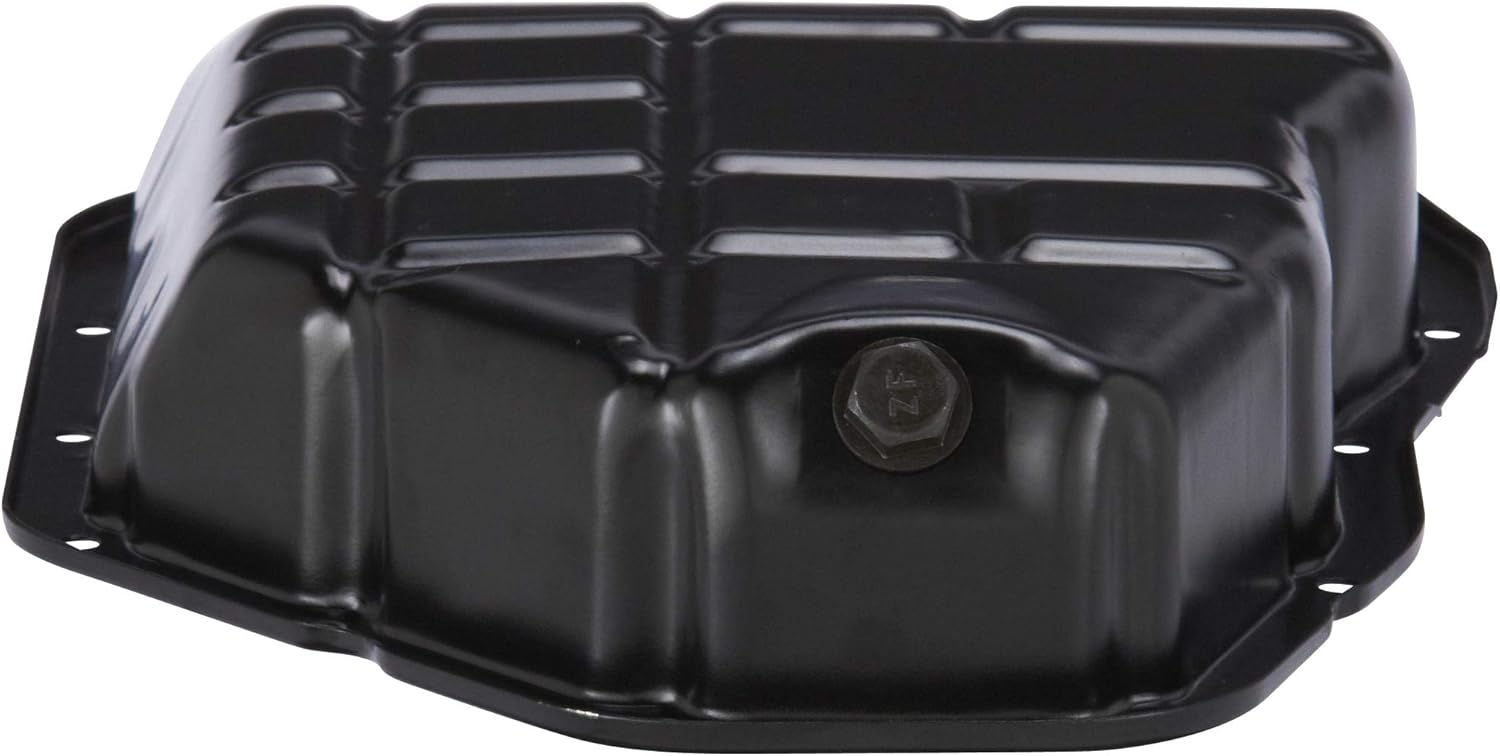
| Brand | Spectra Premium |
|---|---|
| Model | HYP03A |
| Manufacturer Part Number | HYP03A |
| OEM Part Number | 215103C150; 215103C100 |
The Spectra Premium HYP03A oil pan is a 100 percent new, direct-fit replacement built to match factory fit and function. It is typically used when replacing a damaged, leaking, or corroded oil pan during routine engine service or repair. Notable features include a durable powder-coated exterior and an interior anti-corrosive spray treatment to reduce rust before and after installation, and the manufacturer reports fit testing on the intended vehicle applications to simplify installation. In practical terms this means fewer fitment headaches, a factory-style appearance, and added protection against road salt and moisture that can shorten pan life. Because it is a stamped replacement pan rather than a performance or aftermarket deep-sump design, it restores stock oil capacity and clearance rather than increasing oil volume or offering enhanced baffling for aggressive driving. Expect straightforward installation for standard repairs but choose a different aftermarket pan if you need race-oriented oil control or increased capacity.
Best for: Buyers wanting a reliable, factory-quality replacement pan to restore correct fit and corrosion resistance on a Hyundai Santa Cruz during routine repair or maintenance.
Less Ideal for: Drivers looking for race-oriented oil control, increased oil capacity, or specialty baffling for high-performance or track applications should consider a dedicated performance oil pan instead.
- Direct-fit replacement designed to match factory fit and function
- Powder-coated exterior for long-lasting corrosion resistance
- Interior anti-corrosive treatment to limit rust at installation
- Sold as a brand-new part rather than rebuilt, reducing failure risk
- Not a performance or deep-sump oil pan so it does not increase oil capacity or offer enhanced oil control for track use
Verdict: Choose the Spectra Premium HYP03A when you need a dependable, factory-quality replacement oil pan that restores proper fit and corrosion protection for your Hyundai Santa Cruz.
3. TOM Engine Oil Pan (replaces 215102G500)

| Manufacturer | TOM |
|---|---|
| Model | Engine Oil Pan |
| OEM Part Numbers | 264-359, HYP23A, 215102G500, 215102G002, 2151025053 |
| Compatible Engines | 2.0L & 2.4L |
This TOM engine oil pan is a direct replacement designed to restore a leaky or damaged pan on compatible 2.0L and 2.4L engines. It installs in place of the factory pan using the same bolt pattern—note the listing specifies 23 bolt holes—so it is intended for routine repair or collision-damaged pan replacement. The painted exterior helps resist surface corrosion and the part arrives paired with the correct mounting references for models that use the listed OEM part numbers. For a practical DIY or shop repair this pan brings a straightforward, budget-friendly option compared with sourcing a dealer part. Expect it to perform like a factory-style pan for normal driving; however this is a standard replacement part rather than an upgraded high-clearance or performance oil pan, so it does not add extra capacity or track-focused features. Buyers should confirm the bolt-hole count and exact engine subcode match before purchase to avoid fitment issues.
Best for: A practical buyer looking to repair a damaged or leaking oil pan on a compatible 2.0L or 2.4L Hyundai rather than upgrading for performance, and who values straightforward fitment and cost efficiency.
Less Ideal for: Drivers seeking a performance, high-clearance, or increased-capacity oil pan for offroad or racing use should look at specialty aftermarket options instead.
- Direct-fit replacement for engines using the listed OEM part numbers
- Painted finish offers basic corrosion protection
- Includes manufacturer reference numbers to simplify part matching
- Budget-friendly option for routine repairs
- Not a performance or high-clearance pan and does not increase oil capacity
- Bolt-hole count must match vehicle spec or it will not fit
Verdict: If you need a cost-effective, factory-style replacement oil pan for a 2.0L or 2.4L Hyundai, this part delivers straightforward fitment and basic corrosion protection.
4. AxleyHub Engine Oil Pan with Drain Plug (fits select Hyundai/Kia L4 2.0L & 2.4L)
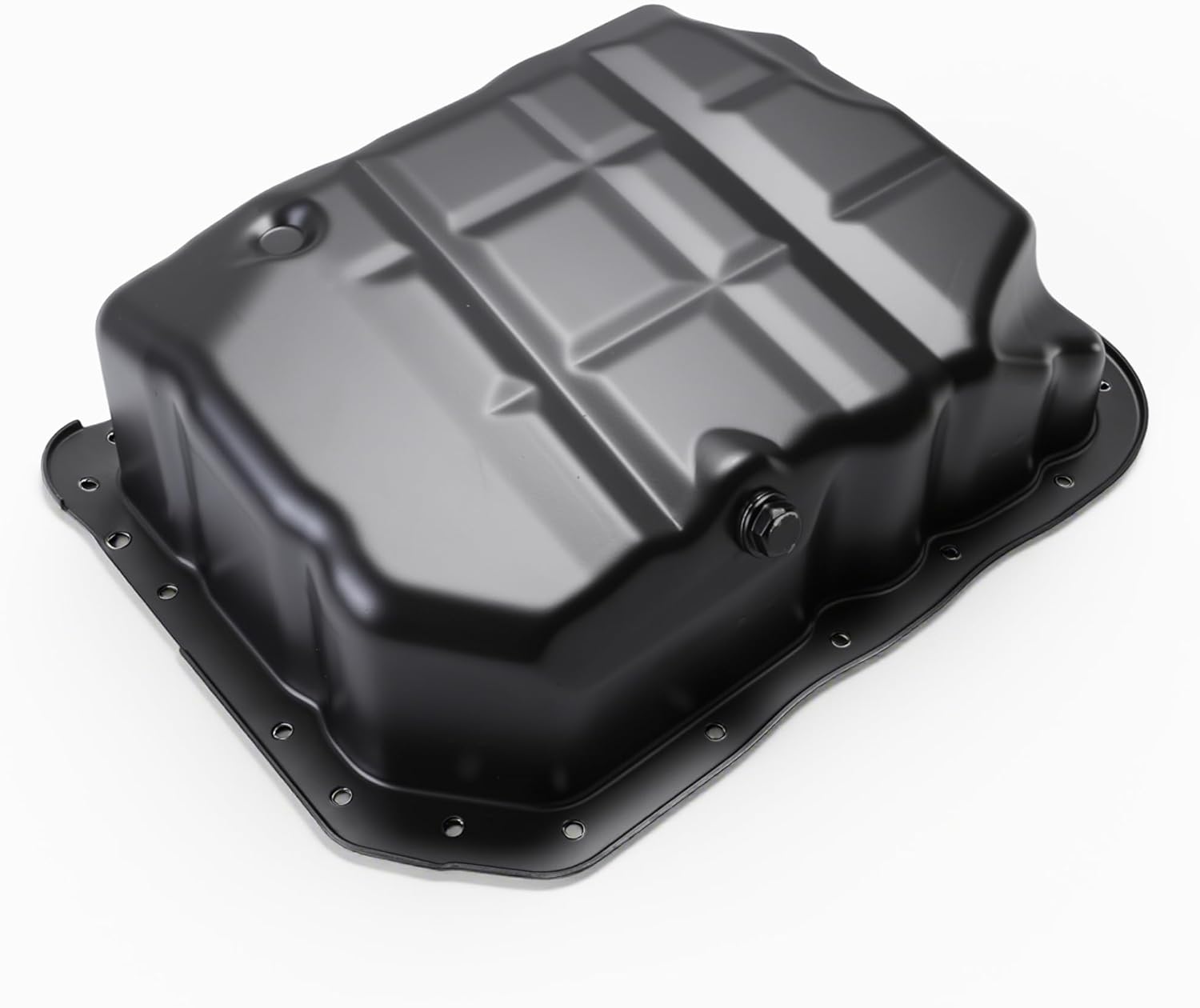
| Brand | AxleyHub |
|---|---|
| Manufacturer Part Number | 264-359 |
| Drain Plug Included | Yes |
| Gasket Included | No |
This stamped iron oil pan is a budget-focused replacement that provides the basic function any engine pan must: contain and route oil while sealing to the block. It includes a drain plug for easy oil changes and is offered as a direct-replacement intended to match factory mounting points for compatible 2.0L and 2.4L four-cylinder Hyundai/Kia engines. The seller notes the pan is thickened for wear and corrosion resistance, which should help longevity compared with very thin aftermarket pans, and the finish looks durable in photos. Installation is straightforward for a competent DIYer or a shop since it is a bolt-on replacement, but no gasket is included and no installation guide is provided, so you will need to source the correct pan gasket and torque the fasteners to spec. The pan is a practical, lower-cost option for repairing oil leaks or replacing a damaged pan, though it lacks extras like a preinstalled gasket or detailed instructions that make an install turnkey.
Best for: Buyers seeking an affordable, no-frills replacement oil pan to repair leaks or replace a damaged pan on compatible Hyundai/Kia four-cylinder engines and who are comfortable sourcing a gasket or having a shop install it.
Less Ideal for: Shoppers who want a fully turnkey kit with a preinstalled gasket, detailed installation instructions, or premium features such as baffling or integrated sensors should consider other options.
- Includes a drain plug for straightforward oil changes
- Stamped iron construction billed as thicker and corrosion resistant compared with thin alternatives
- Direct-replacement design to align with factory mounting points
- Competitively priced option for budget repairs
- Gasket not included so buyer must purchase the correct pan gasket separately
Verdict: A practical, low-cost stamped iron replacement oil pan with a drain plug that gets the job done for budget repairs when paired with the correct gasket.
5. VANJING Engine Oil Pan for Hyundai and Kia 2.0L/2.4L

| Manufacturer | VANJING |
|---|---|
| Compatible engines | 2.0L, 2.4L |
| Manufacturer Part Number | GC0550902 |
| OEM Part Numbers replaced | 21510-25050; 21510-2G001; 21510-2G050; 2151025051; 2151025053; 2151025055; 215102G002; 215102G500 |
This VANJING oil pan is a bolt-in replacement intended to restore the engine’s oil containment and sealing on compatible Hyundai and Kia 2.0L/2.4L engines. It replaces several factory part numbers and is used when the original pan is damaged, leaking, or being serviced during engine work. The listing notes OEM-style construction and a focus on sealing to prevent oil leaks, which matters for long-term engine reliability. Installation is straightforward for a technician or competent DIYer since it is designed to match factory mounting points. Practical benefits include renewed oil capacity containment and removal of leak paths caused by dents or gasket failure. Limitations: compatibility is limited to the specific Hyundai and Kia model years listed and the product information does not include material thickness or corrosion protection details, so buyers who need guaranteed long-term rust resistance should verify local conditions or consider a coated or stamped-steel aftermarket pan with explicit corrosion specs.
Best for: Buyers who prioritize long-term engine dependability and need a direct-fit replacement oil pan to stop leaks and restore factory sealing for their Hyundai or Kia 2.0L/2.4L engine.
Less Ideal for: Not a fit for shoppers who need universal or multi-vehicle pans, or who require documented corrosion-resistant coatings for heavy salt or offroad use.
- Direct replacement for multiple factory part numbers for 2.0L and 2.4L Hyundai/Kia engines.
- Built to match factory mounting points for straightforward installation by a mechanic or experienced DIYer.
- Intended to restore proper oil sealing and containment to address leaks and protect internal engine parts.
- No manufacturer data on material thickness or rust/corrosion protection provided in the listing.
Verdict: Choose this VANJING pan when you need a factory-fit replacement to stop oil leaks and restore reliable oil containment for qualifying Hyundai and Kia 2.0L/2.4L engines.
6. KAX Engine Oil Pan (264-359) for Hyundai and Kia 2.0L/2.4L

| Model | Engine Oil Pan |
|---|---|
| Manufacturer Part Number | 7407TOP0319US |
| Item model number | 264-359 |
| Vehicle fitment | Selected Hyundai and Kia 2.0L/2.4L applications |
This KAX engine oil pan is a painted, direct-replacement sump designed to collect and store engine oil while helping with basic heat dissipation and contamination control. It is supplied with a drain plug and sold as the pan only, so you will need to source a compatible gasket before installation. The pan is made from thicker corrosion-resistant material intended to resist impact and reduce the chance of oil leakage versus a deteriorated original. It is manufactured to meet factory-spec dimensions so it installs in place of the original without modification on listed 2.0L and 2.4L Hyundai and Kia applications. Practical benefits include straightforward bolt-on replacement, improved longevity over heavily corroded pans, and included drain plug for immediate serviceability. Limitations are that the gasket is not included and fitment requires confirming part numbers and engine variant; installers should also inspect for surface and flange condition to ensure a reliable seal.
Best for: A buyer who wants a tested, factory-spec replacement pan to restore a leaking or damaged oil sump and prefers pieces with visible social proof and low reported defect rates.
Less Ideal for: Not suitable for someone who needs a complete rebuild kit or prefers to buy a fully assembled kit that includes a gasket and hardware in one package.
- Direct-fit replacement manufactured to factory-spec dimensions for listed 2.0L and 2.4L Hyundai and Kia engines
- Thicker, corrosion-resistant construction designed to resist impact and reduce leaks
- Includes drain plug so oil changes can be performed immediately after install
- Painted exterior helps resist surface corrosion
- Gasket not included so a correct replacement seal must be purchased separately
Verdict: Choose this KAX pan if you want a factory-dimension replacement pan with thicker corrosion-resistant construction and a included drain plug to quickly repair a leaking oil sump.
Choosing the Right Hyundai Santa Cruz Oil Pan: Key Factors to Consider
Fitment and Bolt Pattern Accuracy
Correct fitment is the top priority because an oil pan that does not line up with the block or uses misaligned bolt holes can cause leaks and stress on the gasket. Check flange flatness and bolt-hole spacing to ensure a uniform seal surface.
For the Santa Cruz, precise alignment also prevents contact with oil pickup tubes, sensors, and the transmission housing. Even small deviations can make installation difficult and require shims or rework, which increases labor time and the risk of future leaks.
Material and Dent Resistance
Oil pans are commonly made from stamped steel, aluminum, or cast materials. Stamped steel pans are economical and repairable, but thinner gauges dent more easily. Aluminum pans can offer better heat dissipation and rigidity but may be more prone to cracking if struck. Thicker steel or reinforced designs provide better protection from road debris and obstacles.
Consider your driving environment. If you regularly encounter gravel roads, off-road terrain, or rough driveways in a Santa Cruz, choose a pan with thicker material or additional reinforcement to reduce the chance of a puncture or deformation that could lead to oil loss.
Sealing Surface and Gasket Compatibility
A clean, flat sealing surface and a compatible gasket are essential to avoid chronic oil seepage. Some pans rely on a formed rubber or cork gasket while others require a liquid sealant. The ideal setup gives consistent compression along the flange without over-tightening bolts.
On the Santa Cruz, mismatched gaskets or using the wrong sealant type can interfere with sensors or fasteners. Ensure the replacement pan specifies gasket type and includes or recommends the correct torque sequence and values for the drain and perimeter bolts.
Drain Access and Serviceability
Good serviceability reduces labor time and lowers future maintenance hassle. Features to note include a well-placed drain plug, magnetic drain plugs for metal particle capture, and a sump shape that directs oil toward the pickup and drain for nearly complete oil evacuation.
For Hyundai Santa Cruz owners who perform oil changes themselves, a low-profile drain location that is easy to reach without removing splash shields or exhaust components is a real advantage. Consider whether the pan requires special tools or removal of other components to access the drain plug.
Internal Baffles and Oil Control
Effective internal baffling prevents oil slosh during cornering, acceleration, or steep grades, helping maintain consistent oil pickup and pressure. Baffles also reduce the chance of aeration that can affect lubrication performance.
If you use your Santa Cruz for towing, hill climbs, or spirited driving, a pan with properly designed internal chambers or trap doors helps keep oil around the pickup in dynamic conditions, protecting the engine from momentary starvation.
Corrosion Protection and Finish
Corrosion resistance extends the service life of an oil pan, especially in regions with road salt or coastal exposure. Common protective measures include e-coating, powder coating, or chemical treatments designed to resist rust and pitting.
A Santa Cruz that sees seasonal moisture or salted roads will benefit from a pan with a robust finish. Also examine weld quality and seams since these areas are susceptible to corrosion if not properly treated.
Common Reasons Oil Pans Fail on the Santa Cruz
Understanding why oil pans fail helps you pick the most appropriate replacement. Impact damage from speed bumps or off-road obstacles is a frequent cause of dents or punctures that allow oil to leak. Corrosion from road salt and moisture can eat through metal pans over time, leading to slow leaks that are hard to detect until they worsen.
Other common issues include stripped drain plugs from over-tightening, degraded gasket seals that cause seepage at the flange, and oil pan warping after repeated heating and cooling cycles. Recognizing the likely failure mode for your vehicle will inform whether you prioritize stronger material, improved sealing features, or easier service access.
- Impact damage from road hazards
- Corrosion from salt and moisture
- Gasket degradation and flange wear
- Stripped or damaged drain plug threads
- Warping due to thermal cycling
Installation Tips to Avoid Leaks
Proper installation is as important as product selection. Clean both the engine block flange and the mating surface on the new pan to remove old gasket material, oil, and debris. Use the recommended gasket type and any specified sealant sparingly and consistently to prevent excess squeeze-out. Tighten bolts in a crisscross pattern and to the manufacturer-recommended torque sequence where provided to ensure even flange compression.
Avoid over-tightening drain plugs and use a new drain plug crush washer or gasket if required. If the pan's instructions call for threadlocker or anti-seize on specified fasteners, follow those directions. After installation, check for leaks by running the engine to operating temperature and inspecting the pan and drain plug area.
- Clean mating surfaces thoroughly
- Use correct gasket and minimal sealant
- Follow crisscross torque sequence
- Replace drain plug washer if needed
- Inspect for leaks after warm-up
When to Repair Versus Replace an Oil Pan
Minor dents and small pinholes can sometimes be repaired, particularly on stamped steel pans that are accessible. Welding or metal patching can restore integrity, but repairs must be performed by a competent technician to ensure the sealing surface remains flat and that no hidden cracks remain. Repairs are more practical when the pan's flange and bolt holes are undamaged.
Replace the pan if there is widespread corrosion, significant flange distortion, multiple punctures, or if the drain threads are stripped. Replacement is also advisable when a pan upgrade offers improved clearance, larger capacity, or internal baffling that better suits how you use the Santa Cruz.
- Repair for single, small damage on steel pans
- Replace for extensive corrosion or flange damage
- Replace if drain threads are stripped
- Consider upgrade if you need better clearance or baffling
Gasket Types and Sealant Choices
Different oil pans accept different gasket approaches. Some use a formed rubber gasket that compresses to create a seal, while others require a sheet gasket or a bead of anaerobic or RTV sealant. Each method has tradeoffs in ease of installation, reusability, and tolerance for flange imperfections.
For the Santa Cruz, follow the replacement pan's recommendations. Rubber gaskets often make reinstallation simpler and reduce the chance of over-application of sealant, whereas liquid sealants can provide a firmer seal on imperfect flanges when applied correctly.
- Formed rubber: simple installation, reusable in some cases
- Sheet gaskets: require precise alignment and care
- RTV/anaerobic sealants: useful for imperfect flanges
- Follow pan-specific instructions for best results
How Sump Shape Affects Oil Pickup and Capacity
Sump shape influences how oil pools around the pickup and how completely the pan drains during an oil change. A well-contoured sump directs oil toward the pickup under normal and dynamic conditions, supporting stable oil pressure and minimizing residual oil left at change time.
Some replacement pans offer increased capacity, which can slightly alter oil change volumes and may affect oil pressure readings until the system stabilizes. Make sure any change in capacity or sump geometry does not interfere with the pickup tube or sensor locations on your Santa Cruz.
- Contoured sump helps direct oil to pickup
- Larger capacity can change oil change volume
- Ensure pickup tube clearance with new pan shape
- Sump design impacts how fully the pan drains
How We Chose the Best Hyundai Santa Cruz Oil Pan
We prioritized products that offer dependable fitment and materials appropriate for the Hyundai Santa Cruz application. Evaluation criteria included: precise bolt-hole alignment and flange tolerances to avoid installation issues; material and thickness, such as stamped steel versus cast or welded multi-piece pans, which affect dent resistance and longevity; finish and corrosion protection since the Santa Cruz is often driven in mixed climates and exposed to road salt or moisture; sump capacity and drain access layout to ensure oil pickup compatibility and straightforward servicing; compatibility with the vehicle's existing oil pickup tube, baffles, and dipstick location to prevent internal oil starvation or sensor conflicts; and availability of replacement gaskets and fasteners to support proper sealing. We also considered manufacturing quality indicators, like uniform welds or clean sealing surfaces.Exclusions: we excluded pans that lacked clear fitment data for the Santa Cruz, panels with unclear material specifications, and pans that required extensive machine work or modification to install. We did not include pans based solely on price or marketing claims without verified dimension or construction details.
Our full evaluation process is outlined in our review methodology.
FAQ
How do I know if my Santa Cruz oil pan is leaking or just the gasket?
Oil pooling under the vehicle after parking may indicate a pan leak, gasket seepage, or a loose drain plug. Clean the area, run the engine, and observe the source. Seepage along the flange usually points to a gasket or flange issue, while a localized drip near a hole or dent suggests pan damage.
Can I reuse the old gasket when replacing the oil pan?
Reusing a gasket is usually not recommended because deformation and compression memory reduce sealing effectiveness. It is best to use a new gasket or the specified sealant to ensure a reliable seal and prevent future leaks.
Is it worth upgrading to a thicker aftermarket pan for off-road use?
A thicker or reinforced pan can provide better protection against impacts and is often worthwhile if you frequently drive over rough terrain. Keep in mind that heavier pans can be harder to dent but may add weight and require checking for pickup tube clearance.
What torque should I use on oil pan bolts for the Santa Cruz?
Torque values vary by bolt size and flange type. Use the vehicle-specific torque specs where available and follow a crisscross tightening pattern. If a replacement pan does not provide torque values, consult the vehicle service manual or a qualified technician to avoid over-tightening and flange distortion.
Will changing the oil pan affect my oil pressure readings?
Generally, replacing the pan with a pan of similar capacity and sump geometry will not materially change oil pressure. Significant changes in sump volume, pickup placement, or internal baffling can temporarily affect readings until the oil circulates and system stabilizes.
How much does repairing an oil pan usually cost compared with replacement?
Repair costs vary with damage extent and labor rates. Small dents or weld repairs can be economical, but widespread corrosion, flange damage, or stripped threads often justify replacement. Factor in the long-term reliability when deciding between repair and replace.
Final Verdict
Prioritize fitment accuracy, sealing surface integrity, and material durability when selecting an oil pan for your Hyundai Santa Cruz. Consider how you use the vehicle—frequent off-road use or towing favors thicker, reinforced pans with effective baffling, while drivers focused on routine highway use may prefer a pan optimized for serviceability and corrosion protection.Balance the tradeoffs between repairability, weight, and protection to choose a pan that reduces maintenance headaches and preserves engine health. With careful attention to fitment, gasket type, and installation technique, you can select a reliable replacement that meets your Santa Cruz's needs.
Explore More:
- Check out all Hyundai Santa Cruz parts & accessories
- Explore Oil Pans Maintenance & Repair Guides
- Explore Engine
- Browse all Auto Parts
