

Note: This article contains affiliate links. If you click on these links and make a purchase, I may earn a small commission at no extra cost to you. This helps support my research and content. Read my full affiliate disclosure here.
Maintaining the oil filtration system matters for the longevity and performance of a 2015-2020 Ford F-150. The right oil filter reduces engine wear, helps keep oil clean between changes, and can affect how often you need to service the truck. This guide covers the top shortlisted oil filters for the 2015–2020 F-150, focusing on real-world durability and ease of installation for owners who do their own maintenance or oversee shop work.We evaluated candidates on filtration efficiency, construction quality, and user-facing factors like gasket reliability and compatibility with synthetic oils. Read on to understand what to prioritize for your F-150 and how each factor affects everyday use and long-term engine health.
Looking for other parts? See all Ford F-150 parts & accessories.
Top Picks at a Glance
| Best Overall The best all-around choice for most situations | Motorcraft FL2062 Oil Filter |  |
| Best Quality Built to a higher standard if you want something more solid | K&N Premium Oil Filter HP-7037 | 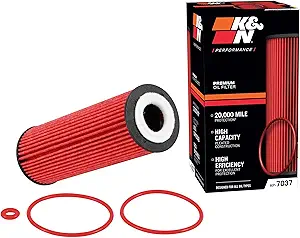 |
| Best Value The sweet spot between price and what you get | PurolatorONE PL22500 Advanced Spin-On Oil Filter |  |
| Most Popular A crowd favorite that many people choose with confidence | Motorcraft FL-820-S Oil Filter |  |
| Best Seller A high-volume bestseller chosen again and again | Motorcraft FL-500S Oil Filter |  |
Motorcraft FL2062 Oil Filter

| Manufacturer Part Number | FL2062 |
|---|---|
| Thread Size | M16 x 1.5 |
| Material Type | Cellulose/Synthetic Blend |
| Product Grade | Performance Part |
| Compatible with Vehicle Type | Car |
The Motorcraft FL2062 is a vehicle-specific oil filter engineered to match factory fit and function for compatible Ford and Lincoln engines. It installs into the factory cartridge housing and includes replacement O-rings for the housing, which makes routine oil changes straightforward for DIYers and technicians. The filter uses a cellulose/synthetic blend media and is positioned as a performance-grade replacement, so it balances filtration efficiency and service life without requiring a change to the factory system. Users report the small seal on the cartridge stem can be fiddly to install, so plan a bit of patience or a small tool when replacing it. The part number has been superseded in some runs to a revised version but that does not affect fitment for the covered engines. Expect the same fit, dependable sealing, and filtration behavior as the factory part, with the practical advantage of direct compatibility with the Ford cartridge-style housing.
Best for: Buyers who want a direct, factory-quality replacement for their Ford or Lincoln cartridge-style oil filter and prefer a hassle-minimizing part that matches the vehicle manufacturer design.
Less Ideal for: People looking for a heavy-duty or extended-life filter beyond standard service intervals or those who want a universal spin-on style filter should consider other options.
- Factory-quality fit and sealing designed for Ford and Lincoln cartridge housings
- Includes replacement O-rings needed for a complete cartridge-style oil change
- Cellulose/synthetic blend media balances filtration and service life
- Performance-grade part built to match factory fit and function
- Widely reported correct fitment for 2.7L EcoBoost and other applicable F-150 engines
- Small lower O-ring can be difficult to install into the cartridge stem
- Design and minor materials changed in later revisions which some users find less robust
Verdict: Choose the Motorcraft FL2062 when you want an OEM-matching cartridge oil filter that fits Ford F-150 engines and includes the seals needed for a tidy, reliable oil change.
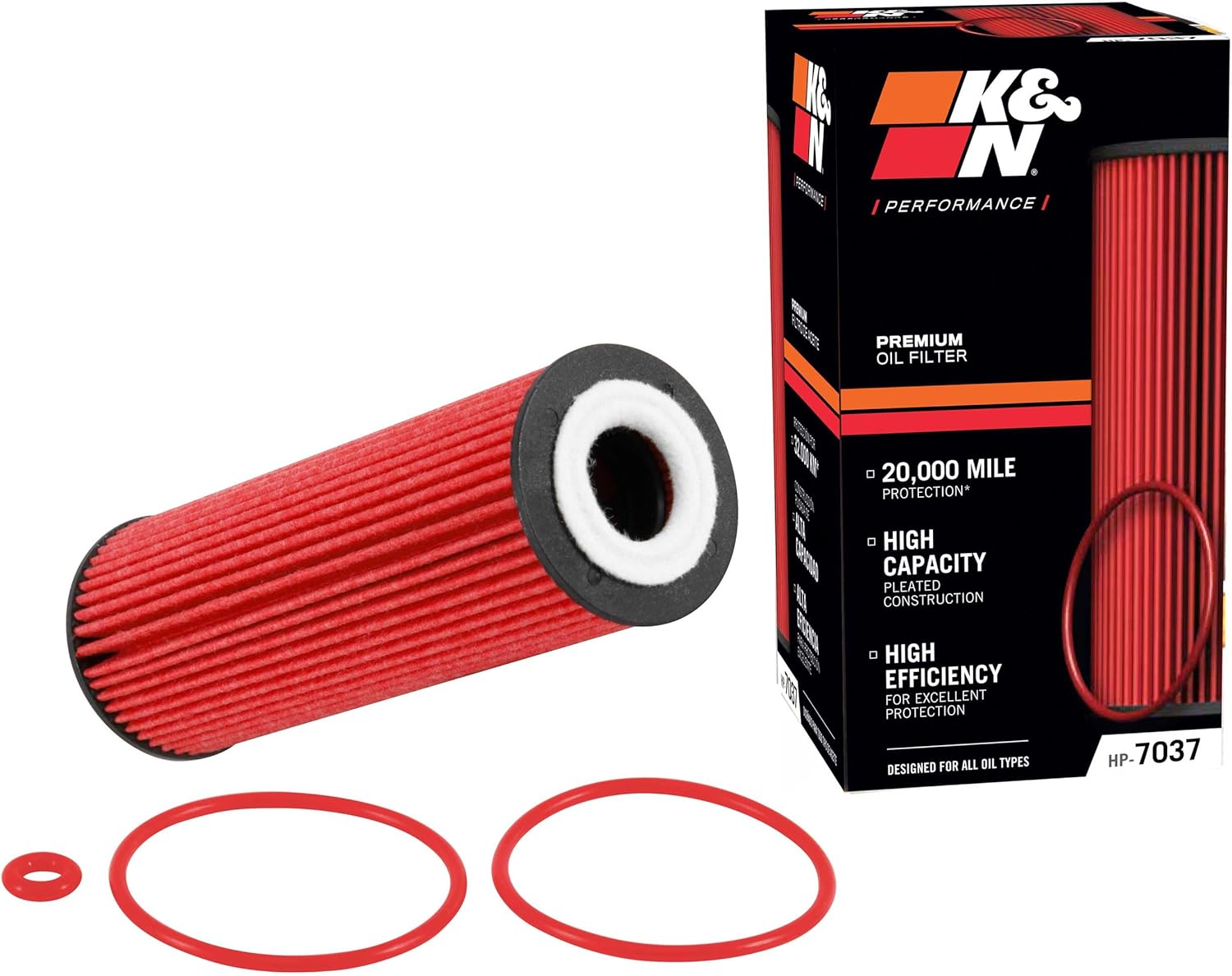
K&N Premium Oil Filter HP-7037
| Manufacturer Part Number | HP-7037 |
|---|---|
| Thread Size | M16 x 1.5 |
| Product Grade | Performance Part |
| Compatible with Vehicle Type | Car |
The K&N HP-7037 is a threaded, high-capacity oil filter built to deliver strong flow and durable filtration for routine and extended-interval service. It uses pleated synthetic-blend media to trap contaminants while maintaining exceptional oil flow, and the canister includes a welded one-inch hex for quick wrench-off removal. Designed to work with conventional, synthetic, and blended oils, the filter is engineered to match factory fitment for compatible Ford 2.7L and similar engines, and many owners report straightforward installation. Practical benefits include higher dirt-holding capacity and a robust canister that stands up to longer change intervals, plus included replacement o-rings. Limitations to consider are the small service O-ring that can be difficult to seat in cold conditions and that claimed 20,000-mile intervals exceed many drivers practical maintenance habits. If you plan on performance driving or aiming for longer oil intervals with quality synthetic oil, this filter supports those goals but expect to follow sensible oil-analysis or manufacturer guidance rather than relying solely on the maximum mileage claim.
Best for: Buyers focused on maintaining strong oil flow and engine protection during spirited or heavy use who want a robust, higher-capacity filter that supports longer intervals when paired with quality oil and monitoring.
Less Ideal for: Drivers who prefer strictly scheduled short-interval oil changes regardless of filter capacity or those who need a cartridge-style or specialty filter configuration.
- High flow design that maintains oil circulation under load
- Pleated synthetic-blend media for improved contaminant capacity
- Durable heavy-duty canister with welded hex for easier removal
- Compatible with synthetic, conventional, and blended oils
- Includes replacement O-rings for service
- Small installation O-ring can be tight and fiddly, especially in cold weather
Verdict: Choose the K&N HP-7037 if you want a high-flow, heavy-duty replacement filter that supports extended synthetic-oil service and strong contaminant capacity.
PurolatorONE PL22500 Advanced Spin-On Oil Filter

| Model | PL22500 |
|---|---|
| Thread Size | M22x1.5-6H |
| Material | Silicone (valve) / Synthetic-blend media |
| Product Grade | Performance Part |
The PurolatorONE PL22500 is a spin-on oil filter built to keep engines clean for longer intervals when paired with synthetic oil. It uses high-density synthetic-blend media and claims over 99% dirt removal power, so in day-to-day use it traps contaminants effectively during normal commuting, towing, and stop-and-go driving. The PTFE-treated gasket helps prevent leaks and the silicone anti-drainback valve reduces dry starts after long sits, which is especially useful for trucks that sit between uses. Metal end caps and a reinforced center tube give the canister solid structural integrity for heavier-duty duty cycles. Expect easier DIY changes when you can access the filter, though some users note deep-mounted filters may require a special socket. While marketed for long protection intervals up to 15,000 miles with full synthetic oil, actual service intervals should follow your vehicle manufacturer and driving conditions. For a practical buyer looking to balance protection and longevity on a 2015–2020 F-150, this filter offers strong filtration and durable construction at a straightforward, no-frills design.
Best for: Buyers who prioritize reliable filtration and durable, low-maintenance parts for regular use and occasional towing on a 2015–2020 F-150 and want longer protection when using full synthetic oil.
Less Ideal for: Owners who always follow shorter OEM oil-change intervals or who prefer cartridge-style filters should consider alternatives better matched to those priorities.
- High-density synthetic-blend media with high dirt-capture efficiency
- PTFE-treated gasket for improved leak resistance
- Silicone anti-drainback valve to prevent dry starts
- Durable metal end caps and reinforced center tube for structural strength
- Spin-on design may sit deep on some engines and require a special socket for removal
Verdict: For a practical F-150 owner who wants durable, high-efficiency filtration and fewer worries between oil changes, the PurolatorONE PL22500 is a sensible, reliable choice.
Motorcraft FL-820-S Oil Filter

| Thread Size | M14 x 1.5 |
|---|---|
| Outside Diameter | 4 Inches |
| Material | Silicone |
| Model | FL-820-S |
The Motorcraft FL-820-S is a direct-fit oil filter built to Ford engineering standards and intended for vehicle-specific oil change maintenance on compatible Ford-family engines. It uses a steel outer casing with flutings for easier removal, an efficient filter media with many pleats for increased dirt-holding capacity, a silicone anti-drainback valve to keep oil in the engine when off, and a pressure-relief valve to maintain oil supply in cold or clogged conditions. In practice this means straightforward installation, reliable sealing, and consistent filtration performance that aligns with factory expectations. The chrome exterior resists rust and the threaded M14 x 1.5 design provides a secure fit for listed applications. Limitations are few for routine service users: this is a replacement filter focused on reliable OEM-level protection rather than high-flow or race-oriented performance, and compatibility is tied to the correct Motorcraft part number for your engine. For routine oil change intervals on supported Ford and Lincoln applications it delivers predictable protection and easy fitment.
Best for: Buyers who prioritize proven, factory-quality replacement parts and want the reassurance of a product engineered for Ford-family vehicles and typical road use.
Less Ideal for: Drivers seeking high-flow or race-oriented filtration or someone looking for a universal, multi-vehicle performance filter should consider specialized aftermarket options.
- Factory-quality fit and function engineered for Ford vehicles
- Silicone anti-drainback valve prevents oil loss when the engine is off
- Pressure-relief valve helps maintain oil flow in cold or clogged conditions
- Durable steel canister with rust-resistant finish and flutings for easier removal
- Not designed for high-flow or track/race applications where specialized filters are preferred
Verdict: Choose the Motorcraft FL-820-S when you want reliable, factory-quality oil filtration that fits Ford-specified applications and eliminates compatibility guesswork.
Motorcraft FL-500S Oil Filter

| Brand | Motorcraft |
|---|---|
| Material | Steel |
| Thread Size | M22-1.50 |
| Model | FL-500S |
The Motorcraft FL-500S is a factory-quality spin-on oil filter designed to screen contaminants from engine oil and maintain oil flow under cold or clogged conditions. It installs like a standard canister filter and is used during routine oil changes to capture carbon, dirt, and metal particles before they circulate through the engine. Notable features include steel casing with flutings for easier removal, a pressure-relief valve to prevent contaminated oil bypass and to ensure oil supply in cold starts, and a silicone anti-drain back valve to keep oil in the engine when it is off. The filter media is engineered to increase dirt-holding capacity and resist heat-ageing, so it is appropriate for regular service intervals on 2015 to 2020 Ford F-150 engines that specify this part. Limitations are minimal for typical owners but include the usual need to match the correct part number for specific engine variants and to inspect packaging on arrival since occasional cosmetic damage in transit has been reported by buyers.
Best for: Drivers who prioritize reliable, factory-quality maintenance parts and want low-risk, correct-fit oil filters for routine servicing of their 2015–2020 Ford F-150.
Less Ideal for: Shoppers seeking a universal or multi-vehicle aftermarket filter solution or those who prefer extended-life performance filters rated beyond standard service intervals.
- Factory-designed fit and function for Ford engines reduces risk of compatibility issues
- Steel, fluted canister eases removal and resists rust
- Pressure-relief valve supports oil supply during cold starts or partial clogging
- Silicone anti-drain back valve helps maintain oil in the engine between starts
- Efficient filter media offers higher dirt-holding capacity than basic aftermarket filters
- Buyers must confirm exact fit for their engine variant since not all F-150 engines use the same filter model
Verdict: Choose the Motorcraft FL-500S when you want a factory-recommended, low-risk oil filter that matches Ford specifications for 2015–2020 F-150 maintenance.
Choosing the Right 2015-2020 Ford F-150 Oil Filter: Key Factors to Consider
Filtration Efficiency and Micron Rating
Filtration efficiency determines how well the oil filter removes particles that cause engine wear. For the 2015–2020 Ford F-150, look for filters with clearly stated micron ratings and percent-capture figures so you can compare how many particles of a given size are removed. Higher efficiency at 20 to 40 microns helps protect bearings and hydraulic lifters during normal driving and towing.
A consistent media structure reduces the chance of bypass under pressure. Filters that publish test data for particle retention and beta ratios give you a clearer idea of performance over the service interval. Consider that extremely tight micron ratings may reduce flow if the media is too restrictive, so balance efficiency against flow characteristics appropriate for the truck's oil pump and operating temperatures.
Construction Quality and Bypass Valve Design
Robust construction prevents collapse or bypass failure during high-temperature or extended-interval use. Check for a sturdy canister or reinforced composite housing and a reliable sealing surface to avoid leaks. The bypass valve design matters because it allows oil to circulate if the media becomes clogged or during cold starts when oil viscosity is higher.
A bypass valve set to an appropriate cracking pressure for the engine protects against starvation while avoiding unnecessary unfiltered flow. Also inspect the anti-drainback valve design to prevent dry starts. For the F-150, where towing and idling loads are common, these features help maintain lubrication when the engine is under stress.
Gasket Fitment and Thread Compatibility
Proper gasket material and precise thread sizing are essential to avoid oil filter gasket leaks and ensure a tight seal to the engine housing. For the 2015–2020 F-150, the sealing surface dimensions and thread pitch must match OEM specifications. A soft, oil-resistant gasket reduces the chance of leaks but must also resist extrusion under torque.
Poorly sized gaskets or imprecise thread machining can lead to cross-threading or leaks that show up soon after installation. When replacing the filter during routine oil service, a dependable fit reduces downtime and the risk of mess or engine damage from oil loss.
Compatibility With Synthetic Oils and Service Intervals
Many owners of 2015–2020 F-150 trucks use synthetic oils and sometimes extend oil change intervals beyond conventional schedules. Not all filters are designed to withstand the detergent load and longer intervals associated with synthetic oils. Choose filters with media and adhesive systems rated for extended service so the media will not break down or collapse before the next change.
Manufacturers that publish recommended maximum hours or miles for use with synthetic oils offer clearer guidance. If you plan on extended drain intervals, prefer filters with proven long-life media and durable seals to minimize the risk of performance degradation between changes.
Ease of Installation and Removal
A filter that installs and removes cleanly saves time and reduces the chance of cross-threading or oil spills during maintenance. Consider the filter's grip surface, overall height, and whether a built-in hex or flat surfaces are provided for a wrench. These practical details matter if you perform your own maintenance under a truck or in tight spaces.
Also consider how the filter sits relative to other engine components on the F-150. A filter that is easy to access can make routine oil filter replacement faster and safer, and a filter designed for straightforward removal reduces the chance of damage to the engine's filter mount.
Corrosion Resistance and Weather Durability
Filters on trucks often face wet and salty conditions. Corrosion-resistant materials for the canister, end caps, and threads prevent long-term degradation and sticking at removal. Rubber components should resist ozone and oil degradation to maintain a leak-free seal over repeated exposure to heat and contaminants.
For owners who use their F-150 in harsh climates or for seasonal work, a corrosion-resistant filter body and long-lasting gasket compound reduce the chance of seized filters and gasket failures during service.
Understanding Fitment for the 2015–2020 F-150
Fitment for the 2015–2020 Ford F-150 depends on engine option and filter mount configuration used across those model years. When selecting an oil filter, confirm the thread pitch, sealing diameter, and overall height to ensure the filter aligns with the truck's oil housing and clearances under the hood.
If you plan to change the filter yourself, measure the space around the filter mounting area and note any nearby components that could restrict removal. Correct fitment avoids issues like cross-threading and ensures the gasket seats properly for a leak-free seal.
- Verify thread pitch and sealing surface dimensions before purchase
- Check clearance around the filter for tool access
- Consider filter height for installations in confined engine bays
Synthetic Oil Use and Extended-Drain Considerations
Synthetic oils are common in F-150 maintenance because they resist breakdown and support longer intervals between changes. When using synthetic oils, choose filters that explicitly state compatibility with extended drain intervals or synthetic lubricants to prevent media degradation.
If you extend drain intervals, monitor oil condition and follow any published maximum service recommendations for the filter. A filter rated for extended service will often use stronger adhesives and more robust media to sustain filtration performance over time.
- Match filter ratings to your planned drain interval
- Prefer filters with documented synthetic compatibility for longer service life
- Inspect oil condition at intervals to detect unusual contamination
Dealing With Oil Filter Gasket Leaks
Gasket leaks are a common service issue and usually result from improper installation, damaged gaskets, or a poor fit. To avoid leaks, lightly lubricate the gasket with clean oil before installation, hand-start the filter to avoid cross-threading, and tighten to the recommended torque or hand-tight specification.
If you encounter a gasket leak after installation, check that the filter is the correct part for the F-150's sealing surface and inspect the old gasket to ensure it was removed. Replacing a leaking filter promptly prevents oil loss and engine damage.
- Lubricate the gasket lightly before installation
- Hand-start threads and avoid over-tightening
- Always remove and inspect the old gasket to prevent double-gasketing
Tools and Best Practices for Oil Filter Replacement
Using the right tools makes oil filter replacement quicker and cleaner. Common tools include a strap or cup filter wrench sized for the filter diameter, a torque wrench or consistent hand-tightening method, and a catch pan for drained oil. Position the F-150 on level ground and use proper supports if elevating the truck.
Adopt consistent practices like pre-filling the filter if recommended, ensuring the engine is warm but not hot, and running the engine briefly after installation to check for leaks. These steps reduce the likelihood of installation errors and help confirm correct sealing.
- Use a correctly sized filter wrench to avoid denting the canister
- Warm the engine slightly to improve oil flow during replacement
- Inspect for leaks after the first few minutes of engine run time
Signs a Filter Needs Immediate Replacement
Several symptoms indicate the oil filter may be compromised and require immediate attention. Watch for oil pressure warnings, unusual engine noises at idle, or visible oil leaks near the filter housing. Poor engine performance during cold starts can also signal anti-drainback valve failure.
Addressing filter issues quickly prevents contamination-related wear and potential engine damage. If you notice these signs, do not delay changing the filter and inspecting the oil for signs of contamination or metal particles.
- Oil pressure warning or fluctuating gauge readings
- Visible leaks around the filter or mounting surface
- Unusual engine sounds or poor lubrication at startup
Storage and Shelf-Life Considerations
If you keep spare filters on hand, store them in a cool, dry place away from direct sunlight and chemicals that can degrade rubber components. Gaskets and anti-drainback valves can degrade over time, so rotate stock and avoid using filters that appear cracked or overly stiff.
For owners who buy supplies in bulk, check manufacturer shelf-life guidance where available and inspect seals before installation. Proper storage ensures the filter performs as expected when it is finally used.
- Store filters upright in a dry area away from solvent exposure
- Inspect gaskets for softening or cracking before use
- Rotate stock to use older filters first
Still looking for the perfect fit?
Select your Ford F-150 configuration to see the most relevant Oil Filters recommendations
How We Chose the Best 2015-2020 Ford F-150 Oil Filter
We prioritized criteria that matter for heavy-duty use and typical maintenance practices for the 2015–2020 Ford F-150. Evaluation focused on filtration efficiency and media type to ensure contaminants are trapped before they damage bearings and rings. Construction and gasket reliability were assessed to reduce the risk of oil leaks during and after installation. Flow characteristics and bypass valve performance were considered to make sure the engine receives oil under cold starts and high-demand conditions. Compatibility with synthetic oils and oil change intervals was examined so filters will not collapse or restrict flow when used with extended-service lubricants. Finally, serviceability and fitment were checked to ensure the filter threads and sealing surfaces match the truck's engine interfaces and that installation and removal are straightforward for roadside or home use.We excluded poorly documented units and filters with unknown media composition or inconsistent thread specs. Filters lacking clear test data on micron retention, bypass valve cracking pressure, or gasket composition were not considered. The resulting shortlist reflects products that balance real durability, documented filtration performance, and reliable fitment for the 2015–2020 Ford F-150.
Our full evaluation process is outlined in our review methodology.
FAQ
How often should I replace the oil filter on a 2015–2020 F-150?
Replacement intervals depend on oil type and driving conditions. For conventional oil, replace the filter at each oil change, typically every 3,000 to 5,000 miles. With synthetic oil, many owners extend intervals to 7,500 to 10,000 miles, but choose a filter rated for longer service if you plan extended drains.
Can I pre-fill the oil filter before installing it on the truck?
Pre-filling can reduce dry-start time on some engines but is optional. If you pre-fill, use the same oil you will run in the engine and avoid overfilling the filter so it fits properly. Some installations are easier without pre-filling due to orientation and fitment constraints.
What causes an oil filter gasket leak after installation?
Common causes include cross-threading, a damaged or pinched gasket, double-gasketing from leaving the old gasket in place, or using an incorrect filter with the wrong sealing diameter. Proper lubrication of the gasket, hand-starting threads, and correct tightening reduce leak risk.
Are spin-on filters better than cartridge-style filters for this F-150 range?
Performance depends on filter design rather than form alone. Spin-on filters are user-friendly for quick replacement, while cartridge-style systems can reduce waste and may offer different media options. Choose based on compatibility with your engine's filter housing and your maintenance preferences.
Will using a higher-efficiency filter affect oil pressure?
A higher-efficiency filter may have denser media which can slightly increase pressure drop, especially when new or cold. Well-designed filters balance efficiency with flow and include bypass valves to prevent oil starvation under high restriction conditions.
How can I tell if a replacement filter fits correctly before tightening?
Hand-start the filter threads and ensure the gasket makes even contact with the sealing surface before final tightening. If the filter cross-threads or binds, stop and verify thread pitch and part compatibility. The gasket should seat uniformly without visible gaps.
Should I be concerned about filter canister corrosion on older trucks?
Yes. Corrosion can cause filters to seize or leak. For trucks exposed to road salt or wet environments, prefer filters with corrosion-resistant bodies and inspect or replace filters more frequently if rust appears.
Final Verdict
For the 2015–2020 Ford F-150, prioritize filters that demonstrate reliable filtration efficiency, solid construction, and gasket compatibility with the engine's sealing surface. Balance micron retention with sufficient oil flow and verify that bypass and anti-drainback valves are appropriate for your driving and oil type. If you use synthetic oil or plan extended intervals, select filters rated for longer service life and monitor oil condition between changes.Make decisions based on the truck's operating conditions: heavy towing and frequent idling favor robust media and durable seals, while owners who perform frequent changes can prioritize ease of installation. Following these priorities will help you protect the engine and keep maintenance straightforward.
Explore More:
- Check out all Ford F-150 parts & accessories
- Explore Oil Filters Maintenance & Repair Guides
- Explore Engine
- Browse all Auto Parts
