

Note: This article contains affiliate links. If you click on these links and make a purchase, I may earn a small commission at no extra cost to you. This helps support my research and content. Read my full affiliate disclosure here.
If you own a Toyota Tundra and regularly tow, commute in hot climates, or run heavy loads, a dedicated oil cooler can reduce oil temperatures and help extend engine life. Picking the right Toyota Tundra oil cooler matters because cooling capacity, fit, and durability all affect long-term performance and reliability.This guide covers six shortlisted oil coolers chosen for common Tundra use cases, from routine driving to demanding towing. We evaluated each option across cooling effectiveness, build quality, and ease of installation to help you narrow the field. Read on to see which features matter most before making a selection.
Looking for other parts? See all Toyota Tundra parts & accessories.
Top Picks at a Glance
| Best Reviewed A top-rated pick with lots of positive feedback | Flynsu Transmission Oil Cooler 3349034010 (33490-34010) for Toyota Tundra & Sequoia 5.7L |  |
| Best Quality Built to a higher standard if you want something more solid | cycwer Oil Cooler Assembly 1571031010 (Replacement) |  |
| Best Budget The cheapest option that still gets the job done reliably | INGKAN Transmission Oil Cooler Assembly 15710-31010 for Toyota 4.0L V6 |  |
| Most Sold A high-volume bestseller chosen again and again | Bledtax Engine Oil Cooler compatible with Toyota Tundra/Land Cruiser/Sequoia/LX570 |  |
| Best Value for Money The sweet spot between price and what you get | YRMST Engine Oil Cooler for Toyota Tundra (2007–2021) |  |
| Best Overall The best all-around choice for most situations | A-Premium Transmission Oil Cooler for Toyota Tundra/Sequoia (4.0L/4.7L) |  |
1. Flynsu Transmission Oil Cooler 3349034010 (33490-34010) for Toyota Tundra & Sequoia 5.7L

| Brand | Flynsu |
|---|---|
| Model | 3349034010, 33490-34010 |
| Applications | Replacement for Toyota Tundra and Sequoia 5.7L (selected years) |
This Flynsu transmission oil cooler is a straightforward replacement unit for Toyota Tundra and Sequoia 5.7L vehicles, intended to restore or improve transmission cooling capacity. It installs in the same location as the factory cooler and is used to help maintain lower transmission fluid temperatures during towing, heavy loads, or prolonged highway driving. The listing identifies the factory part equivalent numbers and long model-year fitment back to 2007, which simplifies matching to the vehicle. Practical benefits include compatibility with multiple model years and a compact, bolt-in form factor that minimizes modification time. Because it is an aftermarket replacement, finish and long-term durability depend on installation quality and operating conditions, and it may not carry the same tested lifespan as a factory part. This makes it a sensible, reliability-focused repair option when an original cooler has failed or been damaged and you need a like-for-like replacement quickly.
Best for: Buyers prioritizing reliable, like-for-like repairs for older Toyota Tundra or Sequoia trucks who want a quick replacement to restore transmission cooling performance.
Less Ideal for: Owners seeking an upgraded high-capacity cooler for heavy-duty towing or performance modifications should consider purpose-built aftermarket coolers instead.
- Direct fit replacement matching Toyota part numbers for easy vehicle compatibility
- Compact bolt-in design that minimizes installation time and need for modifications
- Supports heavy use scenarios like towing by restoring transmission cooling capability
- Multiple model-year coverage simplifies purchasing for older Tundra and Sequoia models
- Aftermarket unit with limited documented long-term durability compared with factory-original parts
Verdict A practical, compatibility-focused replacement cooler for Tundra and Sequoia owners who need a fast, factory-style fix rather than a performance upgrade.
2. cycwer Oil Cooler Assembly 1571031010 (Replacement)
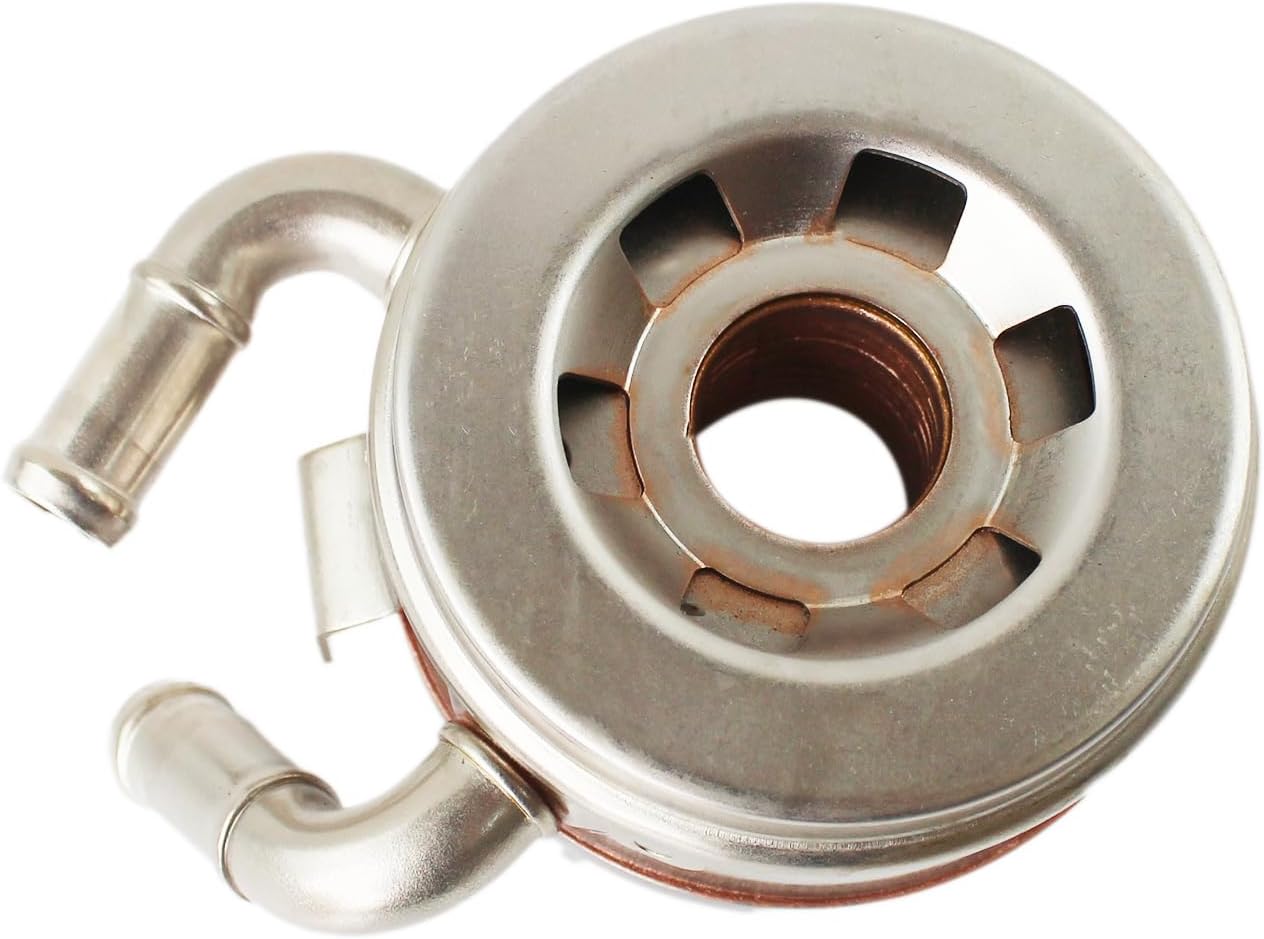
| Model | 1571031010Oil Cooler Assembly |
|---|---|
| Fitment | Fits for 2005-2016 Tacoma, 2003-2009 4Runner, 2004-2011 Tundra |
| Fitment Type | Direct Replacement |
This oil cooler assembly is a direct-replacement unit designed to drop into compatible Toyota drivetrains and restore proper transmission/engine oil cooling. It installs in place of the factory cooler to circulate oil through a compact radiator-style core, reducing operating temperature under load and helping protect the transmission and engine from heat-related wear. The listing highlights stable performance and direct-fit compatibility for 2004–2011 Tundra models, which simplifies installation for experienced DIYers or professional shops. Because it is a like-for-like replacement, you get a familiar mounting and hose layout and do not need vehicle modifications. Limitations are typical of aftermarket coolers: fitment must be confirmed against part numbers before purchase and professional installation is recommended to ensure proper sealing and routing. There is no detailed specification for cooling capacity or core materials, so buyers wanting precise performance gains or a high-capacity upgrade should compare technical data or consider an aftermarket performance cooler instead.
Best for: Performance-oriented owners seeking to restore factory cooling reliability and maintain transmission durability during heavy towing or spirited driving.
Less Ideal for: Buyers who want a documented high-capacity performance upgrade or exact thermal specs should consider dedicated aftermarket coolers with published performance data.
- Direct replacement fit intended for compatible Toyota models which eases installation
- Designed to lower oil operating temperatures to protect transmission and engine under load
- Compact radiator-style core fits into factory mounting locations without vehicle modifications
- Manufacturer does not publish detailed cooling capacity or core material specifications
- Limited fitment information requires confirming part number before ordering
Verdict A straightforward direct-replacement oil cooler for Tundra owners who want to restore factory cooling performance without modifying the vehicle.
3. INGKAN Transmission Oil Cooler Assembly 15710-31010 for Toyota 4.0L V6
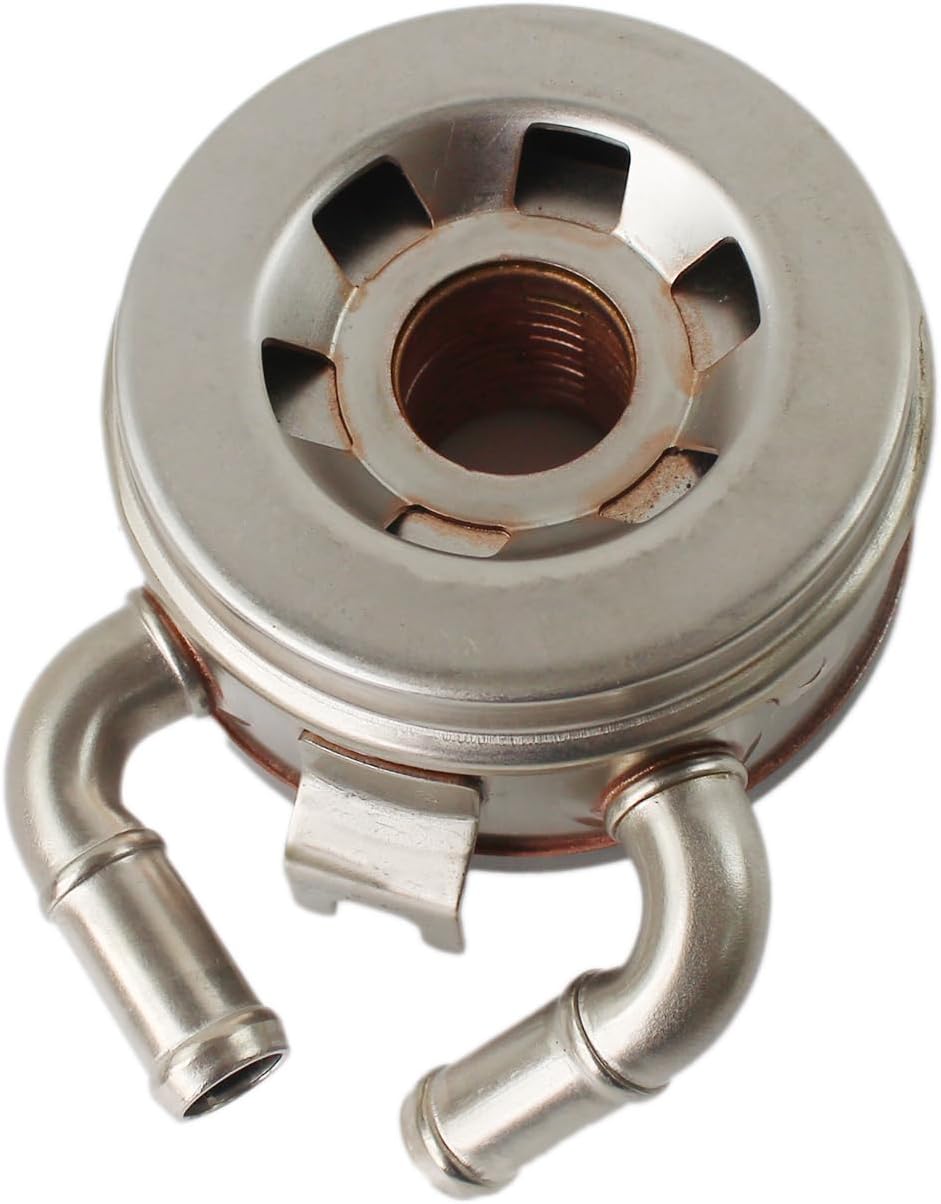
| Manufacturer | INGKAN |
|---|---|
| Model | AHM-CP-QMP-J01128 15710-31010 |
| Compatible Engines | Toyota 4.0L V6 (specified model years) |
| Part Number | 15710-31010 024000-3611 |
This INGKAN transmission oil cooler is a direct replacement-style unit intended to restore cooling for Toyota 4.0L V6 transmissions in Tundra vehicles from the specified model years. It installs in place of the factory cooler and is used to reduce transmission oil temperature under normal driving and towing loads, which helps maintain oil viscosity and protect internal components. The listing highlights high-temperature resistance, metal construction, and a heat-dissipating design that increases surface area for faster cooling. For everyday use it should provide a straightforward swap and improved temperature control compared with a failed or clogged cooler. Limitations include limited brand history and relatively few customer reviews to verify long-term durability, and fitment is only appropriate for the listed Toyota 4.0L model years so confirm year and engine before ordering. Overall it is a practical, low-cost option when you need a replacement cooler without upgrades like heavy-duty aftermarket cores or additional cooling lines.
Best for: Budget-conscious Toyota Tundra owners who need an affordable, straightforward replacement to restore transmission oil cooling and avoid overheating under typical driving and light towing.
Less Ideal for: Owners seeking heavy-duty or performance cooling for frequent towing, off-road use, or higher-capacity setups should consider purpose-built aftermarket coolers instead.
- Direct replacement fit for the specified Toyota 4.0L V6 applications.
- Metal construction and high-temperature resistance for basic durability.
- Designed for improved heat dissipation to help lower transmission oil temperatures.
- Includes necessary accessories for installation in most cases.
- Limited public track record and few customer reviews for long-term reliability evidence.
- Not a performance upgrade—does not add larger capacity or dedicated external cooling lines.
Verdict A low-cost, factory-style replacement cooler for Toyota 4.0L V6 Tundra owners who want to restore transmission cooling without investing in a heavy-duty upgrade.
4. Bledtax Engine Oil Cooler compatible with Toyota Tundra/Land Cruiser/Sequoia/LX570

| Replace part number | 15710-38021,15710-0S010 |
|---|---|
| Compatible engines | Toyota/Lexus 5.7L applications |
| Material | Aluminum alloy |
| Item model number | YR-010 |
This Bledtax engine oil cooler is a direct-replacement unit made from machined aluminum alloy intended for Toyota Tundra 5.7L (2007–2021) and compatible Toyota and Lexus models with the listed part numbers. It installs in place of a worn or leaking cooler to reduce engine oil temperatures and keep oil cleaner under load, which helps preserve oil life and engine components. The machined aluminum construction promises good thermal conductivity and corrosion resistance, and the product advertises compatibility with the factory mounting and hose connections for straightforward swap-in replacement. In practice this is used when the original cooler shows leaks, internal clogging, or when higher oil temperatures are a concern for towing or heavy-duty driving. Important limitations are that fitment must be confirmed against the exact part numbers and vehicle year before purchase, and this is a single unit replacement without additional gaskets or mounting hardware specified. Expect a simple mechanical replacement but plan for inspection of adjoining hoses and seals during installation.
Best for: Risk-averse mainstream buyers who prioritize restoring factory-quality cooling performance on their vehicle and prefer a straightforward swap-in part to address leaks or overheating during towing and heavy-driving use.
Less Ideal for: Drivers seeking performance aftermarket oil coolers with larger capacity or integrated mounting kits should consider dedicated performance units rather than this direct-replacement part.
- Direct-replacement design for listed Toyota and Lexus 5.7L applications
- Machined aluminum construction for good thermal transfer and corrosion resistance
- Compatible with factory-style mounting for a straightforward swap-in replacement
- Helps lower oil temperature and maintain oil cleanliness under heavy use
- Fitment requires verifying exact part numbers and vehicle year before purchase
- Does not explicitly list included gaskets or extra installation hardware
Verdict A practical, factory-style aluminum oil cooler for restoring proper oil cooling on listed Toyota and Lexus 5.7L models, provided you confirm exact fitment beforehand.
5. YRMST Engine Oil Cooler for Toyota Tundra (2007–2021)

| Compatible vehicles | Toyota Tundra 4.6L and 5.7L 2007-2021 |
|---|---|
| Material | Aluminum alloy |
| Manufacturer part numbers | 15710-38021, 15710-0S010, 1571038021, 157100S010 |
This YRMST engine oil cooler is a direct-replacement part intended for Toyota Tundra 4.6L and 5.7L model years 2007–2021 to help lower engine oil temperature and maintain oil cleanliness. It installs in place of the factory cooler and is machined from aluminum alloy for corrosion resistance and good thermal conductivity. In use it serves the same role as the factory unit: reduce oil operating temperature under load, which can preserve oil life and help engine performance during towing or hot-weather driving. The part numbers listed match common Toyota replacements so it should bolt in without modification on matching Tundras. Practical benefits include improved oil cooling for high-mileage or heavy-duty Tundra use and a relatively simple swap that a mechanic can complete during routine service. Limitations are that this is an aftermarket unit so fitment depends on matching year/engine/part number precisely and long-term durability data is limited compared with factory-brand parts.
Best for: Practical optimizers who want a cost-effective, functional replacement to improve oil cooling on a Tundra used for towing, heavy loads, or high-mileage driving.
Less Ideal for: Owners seeking an OEM-branded cooler with extensive manufacturer-backed longevity testing or those who prefer dealer-sourced parts and support.
- Machined aluminum construction for good heat transfer and corrosion resistance.
- Direct replacement for common Toyota part numbers to allow bolt-in installation on compatible Tundra models.
- Helps lower oil temperature under heavy loads, supporting oil life and engine performance.
- Compact, OEM-style form factor that fits the original mounting locations.
- Aftermarket product with limited long-term proven track record compared with factory-brand parts.
- Fitment requires confirming exact year, engine, and part number before purchase.
Verdict A budget-friendly, machined-aluminum direct-replacement oil cooler that improves oil cooling for Tundra owners who prioritize practical, cost-conscious upgrades.
6. A-Premium Transmission Oil Cooler for Toyota Tundra/Sequoia (4.0L/4.7L)

| Material | Aluminum |
|---|---|
| Core Height | 6.04 in |
| Core Length | 10.08 in |
| Core Thickness | 1.26 in |
This transmission oil cooler is a direct-fit replacement designed for Toyota Tundra (2004–2006) and Sequoia (2001–2007) V8 applications and is intended to reduce transmission oil temperature under load. Constructed from aluminum with a multi-pass core, it installs in place of the factory cooler to improve heat dissipation and help protect transmission components from overheating during towing or heavy driving. The cooler’s compact core dimensions make it suitable for the OEM mounting area and the product lists multiple factory reference numbers for fit verification. In use it provides cooler oil temperatures that can extend transmission life and reduce shift issues in severe duty conditions. Limitations include a lack of detailed installation hardware and performance numbers, and the one-year guarantee is supplier-provided rather than a manufacturer-backed warranty. Buyers should confirm fit with the vehicle compatibility information before purchase and be prepared to reuse or source mounting fittings if not included.
Best for: Balanced buyers who want a straightforward, factory-style replacement to lower transmission oil temperatures during towing or daily driving and prefer a product that balances cost and functionality.
Less Ideal for: Drivers seeking a heavy-duty aftermarket cooler with documented flow rates and performance data or plug-and-play kits that include all installation hardware should consider higher-spec options.
- Direct replacement fit for specified Toyota Tundra and Sequoia V8 model years
- Aluminum construction and multi-pass core for effective heat dissipation
- Lists multiple OEM reference numbers to simplify compatibility checks
- No explicit list of included installation fittings or hardware
- Manufacturer-provided one-year guarantee rather than a factory-backed warranty
Verdict A practical, factory-style aluminum transmission cooler that improves oil cooling for specified Tundra and Sequoia V8s, provided you confirm fit and plan for possible extra installation parts.
Choosing the Right Toyota Tundra Oil Cooler: Key Factors to Consider
Cooling Capacity and Thermal Efficiency
Cooling capacity determines how much heat the oil cooler can remove during high-load situations such as towing or heavy hauling. A higher thermal efficiency lowers oil temperature faster and maintains safer operating ranges, which reduces stress on bearings, seals, and oil viscosity over time.
Consider rated flow and heat exchange area as indicators of capacity. Plate-and-fin or stacked-plate cores typically offer better efficiency than simple tube designs, but actual performance depends on airflow, mounting location, and oil flow rate through the system.
Fitment and Vehicle-Specific Compatibility
Correct fitment for the Toyota Tundra minimizes installation time and reduces the chance of interference with steering, suspension, or factory cooling components. A unit designed with the Tundra's mounting points and clearances in mind will often align better with existing brackets and airflow paths.
Check orientation options and bracket sets, and confirm clearance for hood, grille, and front-end components. Proper vehicle-specific compatibility reduces the need for custom fabrication and helps maintain reliable operation.
Material Quality and Corrosion Resistance
Materials affect longevity and resistance to road salts, moisture, and oil exposure. Aluminum is common for cores and housings because it offers a good strength-to-weight ratio and conducts heat well, but look for higher-grade alloys and protective finishes that resist galvanic corrosion.
Pay attention to brazing or weld quality at joints and fittings. Durable sealing surfaces and corrosion-resistant fittings extend service life and reduce the risk of leaks under thermal cycling.
Installation Complexity and Required Lines
Installation complexity varies from simple sandwich-adapter setups to full remote-mount kits that require additional hoses and fittings. Consider how much disassembly is necessary and whether you will need additional oil cooler lines, adapters, or routing hardware to reach a preferred mounting location.
If you plan to install the cooler yourself, choose designs with clear instructions and minimal specialized tooling. Ease of access to the oil filter housing or existing ports can significantly reduce labor time.
Serviceability and Repairability
A serviceable oil cooler makes long-term maintenance easier and more cost-effective. Replaceable cores or accessible fittings allow partial repairs without swapping the entire assembly. This matters if you expect to use the vehicle for heavy-duty work over many years.
Consider whether common wear items, such as sealing O-rings or hoses, are standard sizes and readily available. Designs that allow visual inspection and straightforward leak diagnosis will simplify troubleshooting.
Mounting Location and Airflow
Where the oil cooler is mounted affects airflow and therefore cooling performance. Front-mounted units behind the grille typically receive the most airflow, while remote-mounted units can be positioned for optimal protection or reduced debris exposure.
Evaluate how the chosen location interacts with engine cooling, radiator airflow, and any auxiliary coolers. Proper airflow management prevents creating hot spots and ensures the cooler performs as intended under sustained loads.
FAQ
How do I know if my Toyota Tundra needs an oil cooler?
You may need an oil cooler if you regularly tow heavy loads, operate in hot climates, or consistently run the engine under high load. Signs often include higher-than-normal oil temperatures during towing or prolonged heavy use. Consult monitoring equipment or a mechanic to confirm elevated oil temps before deciding.
Can an oil cooler prevent engine overheating?
An oil cooler helps lower oil temperature and reduces thermal stress on engine components, but it is not a substitute for a properly functioning engine cooling system. It works alongside the radiator and coolant system to manage overall thermal load, particularly under high oil-load conditions.
Will installing an oil cooler require custom lines or adapters?
It depends on the chosen design and mounting location. Some kits use sandwich adapters or direct-fit fittings that simplify hookup, while remote-mount solutions often require additional oil cooler lines, adapters, and routing hardware. Review the kit details to understand what extra parts may be needed.
What are common oil cooler leak symptoms to watch for?
Common symptoms include oil spots under the vehicle, a sudden drop in oil level, an unexplained rise in oil temperature, or visible oil on cooler fittings and hoses. Regular inspections of lines, fittings, and the cooler core help catch leaks early.
Is professional installation necessary for an oil cooler?
Professional installation is often recommended if you lack mechanical experience or need to modify mounting points and routing. Many owners with basic mechanical skills can install simpler, direct-fit kits, but complex remote mounts or systems requiring line fabrication benefit from professional work to ensure leak-free, reliable operation.
How We Chose the Best Toyota Tundra Oil Cooler
Our editorial process focused on selecting oil coolers that address the real-world demands of Toyota Tundra owners. We prioritized cooling capacity and thermal efficiency because lowering oil temperature directly protects engine components during towing and high-load operation. Build quality and materials were next, with attention to corrosion resistance and robust brazing or welding that increase long-term reliability.We also assessed fitment and mounting options specific to the vehicle to reduce installation complexity and potential interference with other systems. Ease of installation and the availability of compatible lines and adapters were considered to help owners who prefer to install components themselves. Serviceability and access to replaceable cores or lines were included as a criterion for long-term maintenance.Items were excluded if they lacked clear vehicle-specific fit information, used low-quality materials, or had consistently poor durability feedback. We filtered out standalone untested designs and products without adequate technical specifications. The remaining picks reflect a balance of cooling performance, durability, compatibility, and serviceability for Toyota Tundra use.
Our full evaluation process is outlined in our review methodology.
Conclusion
Choosing the right Toyota Tundra oil cooler comes down to matching cooling capacity and build quality to how you use the truck. Prioritize thermal efficiency and durable materials if you tow regularly, and favor good fitment and accessible mounting if you want an easier installation.Balance the tradeoffs between front-mounted cooling performance and remote-mount protection or serviceability. Focus on compatibility with the vehicle, quality of the core and fittings, and how straightforward maintenance will be over time.
Explore More:
- Check out all Toyota Tundra parts & accessories
- Explore Oil Coolers Maintenance & Repair Guides
- Explore Cooling System
- Browse all Auto Parts
