

Note: This article contains affiliate links. If you click on these links and make a purchase, I may earn a small commission at no extra cost to you. This helps support my research and content. Read my full affiliate disclosure here.
If you drive a Subaru Outback, the condition of the oil cooler lines affects engine temperatures, reliability, and the risk of leaks. Replacing worn or damaged lines helps maintain stable oil flow and can prevent overheating or oil loss during normal driving.This guide covers the six shortlisted oil cooler lines that best suit Subaru Outback owners, chosen for durability, correct fittings, and ease of installation. Below we explain the criteria used to pick these options and what to look for when you shop.
Looking for other parts? See all Subaru Outback parts & accessories.
Top Picks at a Glance
| Best Overall The best all-around choice for most situations | Subaru Engine Oil Cooler Connector Tube (21317AA022) |  |
| Best Quality Built to a higher standard if you want something more solid | Subaru Genuine Turbo Engine Oil Cooler Pipe 21328AA011 |  |
| Best Value The sweet spot between price and what you get | CHOIMOON 5/8 Transmission Oil Cooler Hose, 10 ft |  |
| Best Budget The cheapest option that still gets the job done reliably | PartsFlow Engine Oil Cooler Line Outlet for Subaru (fits Outback 2005-2009) |  |
| Highest Rated A top-rated pick with lots of positive feedback | VWTNI 6AN Nylon-Braided CPE Fuel Hose, 10 ft |  |
| Best Seller A high-volume bestseller chosen again and again | Jecoupoon 70" 6AN Stainless Steel Braided Transmission Cooler Hose Kit |  |
1. Subaru Engine Oil Cooler Connector Tube (21317AA022)

| Brand Name | Subaru |
|---|---|
| Item Type Name | Genuine Subaru Parts |
| Included Components | Conn Oil Cooler (21317AA022) |
This genuine Subaru connector tube (21317AA022) is a factory-quality metal line that links the engine oil cooler to the oil system on compatible Subaru models. It is typically used when replacing a corroded, leaking, or damaged cooler feed line and installs where the original connector was fitted. As a genuine part, it matches factory fit and material standards so it aligns with existing oil cooler components and hose fittings without modification. The metal construction provides durability against heat and oil exposure while keeping the coolant path secure under normal driving and towing loads. Limitations are straightforward: this is a single connector tube and not a complete oil cooler kit, so you must confirm exact fitment for the Outback model year and pair it with the correct hoses and seals during installation. Professional installation or basic mechanic experience is recommended to ensure leak-free connections.
Best for: Balanced all-round Subaru owners who prioritize factory-quality replacements and want a direct-fit part to restore or maintain oil cooler function on an Outback.
Less Ideal for: Users seeking a full oil cooler replacement kit or aftermarket performance upgrade should consider complete kits or upgraded lines instead of this single OEM connector tube.
- Genuine Subaru part ensuring factory-fit compatibility with specified Subaru oil cooler systems
- Metal construction resists heat and oil exposure for reliable service life
- Simple direct replacement that integrates with existing oil cooler hoses and fittings
- Sold as a single connector tube rather than a full oil cooler assembly or hose kit
Verdict: Choose this genuine Subaru connector tube for a direct-fit, factory-quality replacement to keep your Outback's oil cooler system working as intended.
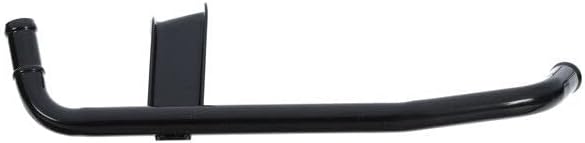
2. Subaru Genuine Turbo Engine Oil Cooler Pipe 21328AA011
| Material Type | Alloy Steel |
|---|---|
| Item Type Name | OEM Oil Cooler Pipe |
| Brand Name | Subaru |
| Manufacturer | Subaru |
This genuine Subaru oil cooler pipe is a direct-fit replacement for turbo models and is sold as the OEM part number 21328AA011. It installs in place of the original cooler line to restore proper oil routing and cooling for turbocharged engines, which helps maintain oil temperature and protect the turbo under sustained load. The pipe is made from alloy steel and built to Subaru specifications, so it matches factory fit and mounting points and reduces the chance of leaks or fitment issues common with aftermarket copies. It is typically used during engine work, turbo servicing, or when a worn or leaking cooler line is discovered. The practical benefit is a near-seamless swap that preserves factory routing and reliability without modification. Limitations are that this is a single replacement pipe and not a complete hose kit, and buyers must confirm exact model-year fitment before ordering since fitment is limited to specific Subaru turbo variants.
Best for: Performance-oriented Subaru owners who prioritize factory-quality replacements to maintain turbo reliability and consistent oil cooling during spirited driving and track use.
Less Ideal for: Buyers looking for a full oil cooler hose overhaul or universal performance upgrades should consider complete kits or upgraded aftermarket lines instead of this single OEM replacement pipe.
- Factory-manufactured Subaru part built to match original fit and mounting points
- Alloy steel construction offers durability and resistance to corrosion
- Direct replacement minimizes installation time and avoids modification
- Made in the United States and intended to meet Subaru performance standards
- Sold as a single pipe rather than a complete oil cooler hose kit
Verdict: A genuine Subaru replacement pipe that restores factory oil cooler routing and durability for turbo models needing a reliable direct-fit repair.
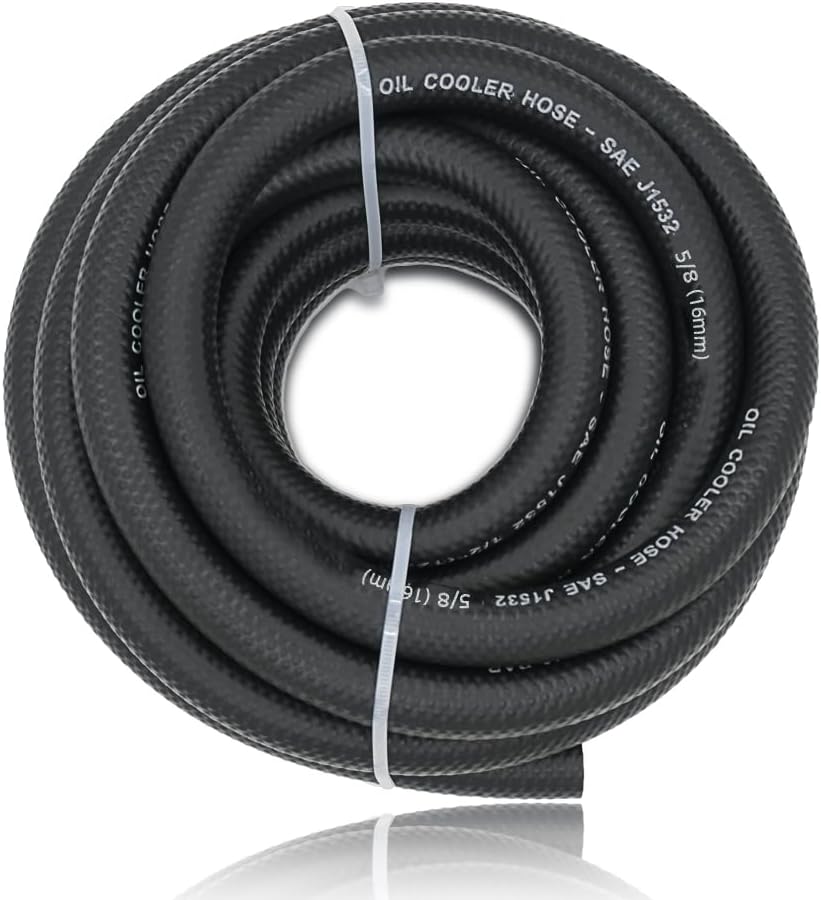
3. CHOIMOON 5/8 Transmission Oil Cooler Hose, 10 ft
| Material | Synthetic Rubber (NBR) |
|---|---|
| Size | 5/8 inch ID |
| Length | 10 Feet |
| Maximum Pressure | 300 PSI |
This 5/8-inch CHOIMOON transmission oil cooler hose is a general-purpose replacement hose sold as a 10-foot length for routing oil or transmission fluid on an Outback. It is made from NBR synthetic rubber with a braided polyester reinforcement layer, a working pressure rating of 300 PSI and a wide temperature range, so it resists heat and cold while remaining flexible for routing through tight engine bays. Typical use is cutting the length to fit, heating the end slightly to ease installation over fittings, and securing with quality clamps. For Subaru Outback owners installing or repairing an aftermarket oil cooler or replacing worn cooler lines, the hose’s bendability and compatibility with transmission and hydraulic fluids make it straightforward to work with. Limitations to consider are that the listing is a generic 10-foot roll rather than pre-formed Subaru-specific lines, so you will need to measure and cut, and the hose is relatively soft compared with heavier-duty OEM-style lines so heavier clamping and careful routing are recommended for long-term durability under high abrasion or extreme pressure cycles.
Best for: Practical optimizers who want a low-cost, flexible hose they can measure and fit themselves when adding or repairing an aftermarket oil cooler on an Outback.
Less Ideal for: Buyers who prefer vehicle-specific, drop-in factory-quality replacement lines or who want preformed assemblies ready for immediate installation.
- Universal 10-foot length lets you cut custom runs for an Outback oil cooler install
- Rated 300 PSI working pressure with high burst margin for typical transmission cooler service
- Wide temperature range (-40°F to 302°F) that handles hot engine bay conditions and cold climates
- Flexible NBR rubber with braided reinforcement makes tight bends without kinking
- Not sold as vehicle-specific preformed lines so requires measuring, cutting and finishing
- Softer construction than some heavy-duty hoses so may need stronger clamps and careful abrasion protection
Verdict: A budget-friendly, flexible 10-foot transmission cooler hose that is ideal for custom Subaru Outback oil cooler runs if you are prepared to cut, fit and protect the line yourself.
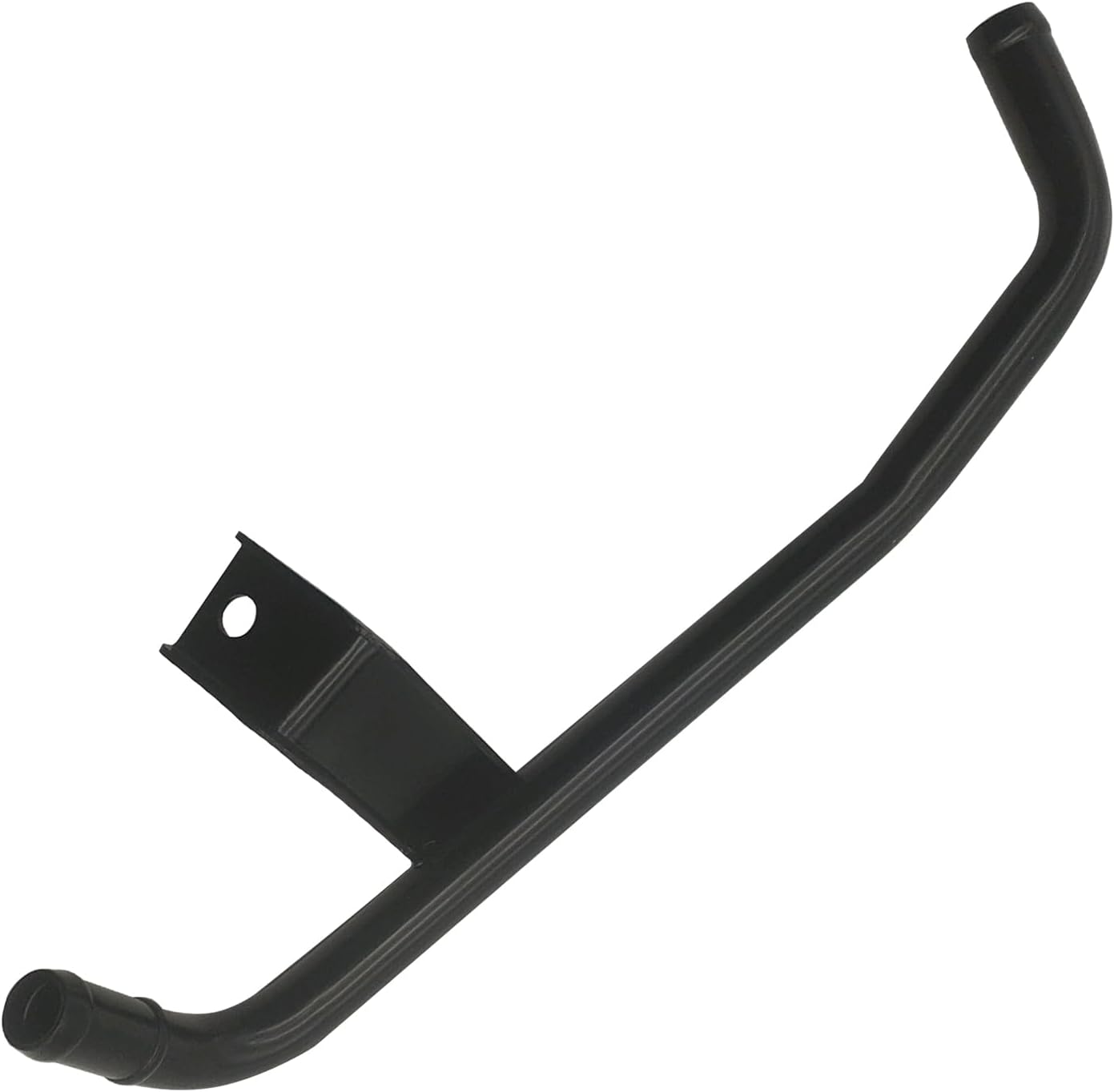
4. PartsFlow Engine Oil Cooler Line Outlet for Subaru (fits Outback 2005-2009)
| Brand | PartsFlow |
|---|---|
| Manufacturer Part Number | PFY01473 |
| Condition | New |
| Fits | Subaru Outback 2005-2009 |
This PartsFlow oil cooler line outlet is a budget-focused replacement part that restores the connection between the engine oil cooler lines on compatible Subaru models. It is sold new and listed to fit Outback 2005-2009 along with other Subaru models, making it suitable for routine cooling-system repairs or when the original outlet is damaged or leaking. The listing emphasizes easy installation and factory-style fitment so it can be used by a competent DIYer or installed by a technician without major modification. As an aftermarket option it offers straightforward, no-frills functionality and is presented as a cost-effective alternative to dealer parts. Buyers should note this is a single replacement component and not a full hose assembly, and finish or long-term corrosion resistance are not detailed in the listing, so outcomes will depend on installation quality and local conditions.
Best for: Budget-conscious Subaru owners seeking an inexpensive, straightforward replacement part to fix a leaking or damaged oil cooler line outlet and get their vehicle back on the road quickly.
Less Ideal for: Buyers looking for a complete oil cooler hose assembly, performance upgrades, or parts with detailed material specs and long-term corrosion guarantees should consider other options.
- Direct-fit design listed specifically for Subaru Outback 2005-2009 which simplifies replacement
- Sold new as a single component for targeted repairs rather than a full kit
- Marketed for simple installation so a knowledgeable DIYer can install it without special tooling
- Limited specification details on materials and corrosion resistance are provided
- Part is a standalone outlet piece and additional hoses or seals may be needed for a complete repair
Verdict: A low-cost, direct-fit replacement oil cooler line outlet for Subaru Outback owners who need an affordable fix.
5. VWTNI 6AN Nylon-Braided CPE Fuel Hose, 10 ft

| Material | CPE synthetic rubber inner, stainless steel mesh, nylon braid |
|---|---|
| Length | 10 FT |
| Maximum Pressure | 2000 Pound per Square Inch |
| Temperature Range | -40℃ to 120℃ |
| Inside Diameter | 0.34 in (8.8 mm) |
This VWTNI 6AN fuel hose is a reinforced, nylon-braided line built for use as transmission cooler, oil feed, vapor return, or fuel supply tubing on vehicles like the Subaru Outback. It combines a CPE synthetic rubber inner tube, stainless steel wire mesh, and nylon outer braid to resist abrasion while handling operating temperatures from -40 to 120 C and a working pressure rated around 500 PSI with a burst rating up to 2000 PSI. In practice the hose cuts cleanly with proper tools, presents a factory-style braided finish, and is long enough for routing along the engine bay or underbody. Important limitations are that CPE is relatively stiff compared with softer fuel hoses so it needs a larger bend radius and careful routing to avoid stress points, and the braid can show fraying if not protected at cut ends. For reliability-focused Subaru Outback projects this hose offers strong pressure capability and good temperature tolerance, but allow clearance for its minimum bend radius when planning runs and use proper fittings and clamps to maintain leak-free connections.
Best for: Reliability-focused owners who prioritize durable, high-pressure-capable lines for oil cooler or feed routes on a Subaru Outback and plan installations with careful routing and proper fittings.
Less Ideal for: Buyers looking for a very flexible, tight-radius hose or a plug-and-play OEM-style replacement with preformed bends should consider alternatives.
- Reinforced construction with stainless steel mesh and nylon braid for abrasion resistance
- Wide operating temperature range suitable for engine bay and oil cooler lines
- High burst pressure rating (2000 PSI) with a practical working pressure around 500 PSI
- 10 foot length provides flexibility for routing long runs or replacements
- CPE inner material is relatively stiff and requires a larger minimum bend radius
- Outer braid can fray at cut ends if not finished or protected properly
Verdict: A sturdy, high-pressure nylon-braided line well suited for Subaru Outback oil cooler and feed applications if you can accommodate its stiffer bend radius.
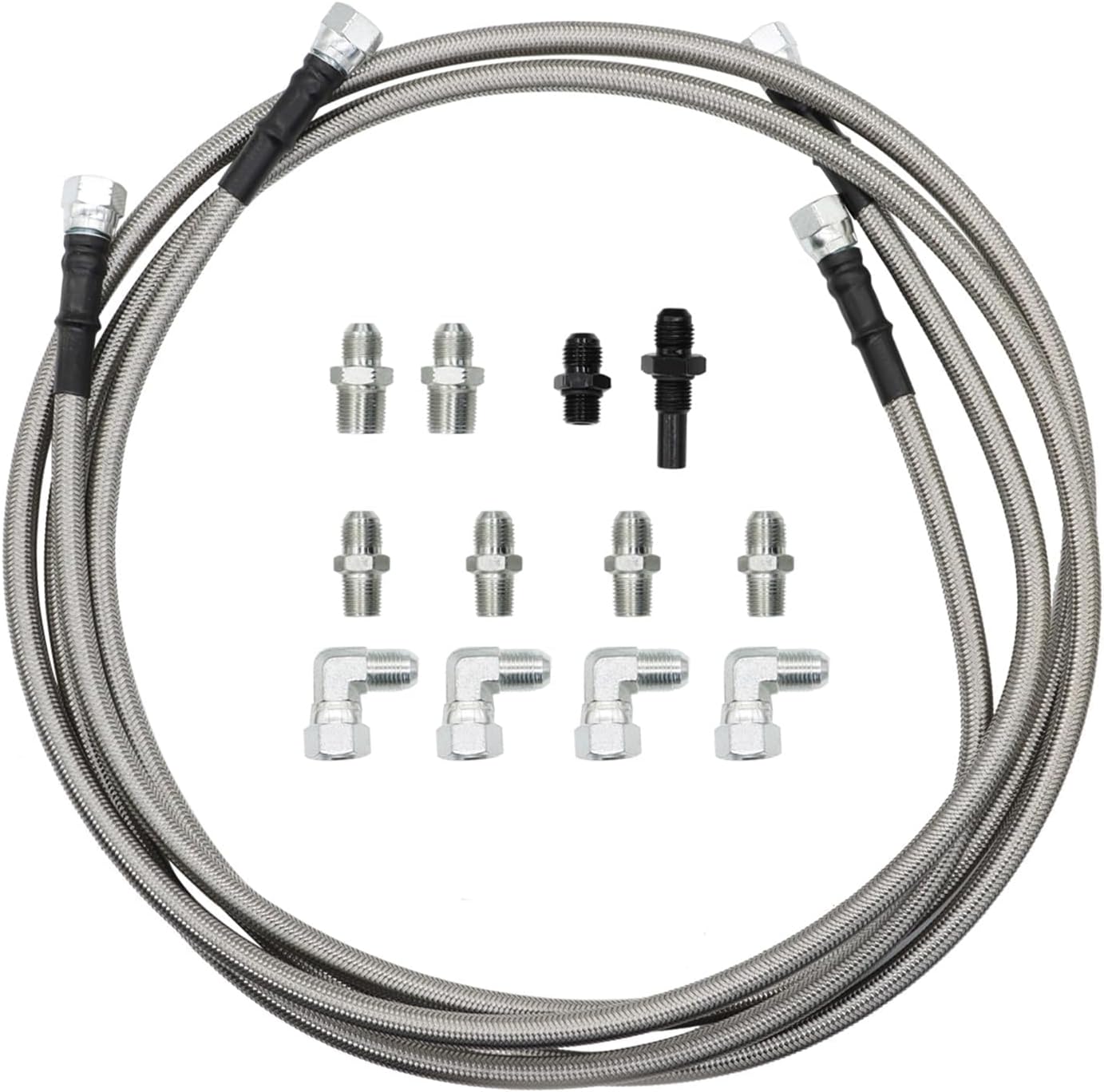
6. Jecoupoon 70" 6AN Stainless Steel Braided Transmission Cooler Hose Kit
| Material | Stainless Steel braided PTFE |
|---|---|
| Length | 70 inches |
| Fittings included | 6AN 90° and multiple 6AN-to-NPT/NPS adapters |
| Compatible transmissions | TH350/TH400/4L60E/4L80E/700R4/200-4R/TR6060/AOD/4R100/4R70W/C5 |
This Jecoupoon kit supplies two 70-inch stainless steel braided 6AN hoses plus a selection of 90-degree and thread adapter fittings so you can connect an aftermarket or replacement transmission cooler to common automatic transmissions. It is typically used to replace OEM cooler lines or run a remote transmission cooler where extra length and durable, heat-resistant routing are needed. The braided PTFE core and stainless braid improve heat resistance and abrasion protection compared with rubber lines, while the included 6AN fittings and adapters reduce the need to source separate connectors. For Scion tC owners using the listed compatible transmissions, the long hoses make routing from the trans to a front-mounted cooler straightforward. Limitations are that fitment depends on matching your transmission type and hose length needs, and the universal adapters may require thread sealing and careful torqueing to avoid leaks; professional installation is recommended if you are not comfortable with fluid plumbing.
Best for: Balanced all-round owners who want a durable, long-length cooler hose kit that covers common transmission conversions and makes routing a front-mounted cooler easier.
Less Ideal for: Buyers seeking a direct factory-style replacement tailored exactly to one vehicle without any adapter work should consider vehicle-specific hoses instead.
- Durable stainless steel braided construction resists heat and abrasion better than rubber lines
- Includes two 70 inch hoses and a wide set of 6AN fittings and adapters for versatile connections
- PTFE-lined hose improves fluid flow and reduces permeability at high temperature
- Long 70" length simplifies routing to a front-mounted cooler without splicing
- Universal kit requires verifying transmission thread types and may need additional sealant or adapters for exact fit
- Length and component selection may be excessive for compact installs and could require trimming or rerouting
Verdict: A robust, long 6AN stainless braided hose kit that simplifies adding or replacing a front-mounted transmission cooler for common automatic transmissions on the Scion tC.
Choosing the Right Subaru Outback Oil Cooler Lines: Key Factors to Consider
Material and Corrosion Resistance
The base material of the cooler lines affects longevity and leak risk. Lines made from stainless steel or braided stainless hose resist rust far better than plain steel, which is crucial for vehicles exposed to road salt or coastal moisture. Proper coatings and corrosion-resistant fittings further reduce the chance of degradation at connection points.
Material choices also influence flexibility and fatigue resistance. Reinforced hoses can absorb vibration and thermal cycling without cracking, while inferior materials may swell, harden, or split over time. Prioritizing corrosion-resistant construction helps avoid premature failures and messy oil leaks.
Fitment and Fittings
Correct fittings and precise length are necessary to ensure a leak-free connection to the engine and cooler. Mismatched flare types or thread sizes can cause seepage or require adapters that complicate installation. Lines designed specifically for the Subaru Outback typically match the factory routing and connection geometry, reducing the chance of stress at joints.
Check that the line ends use the same fitting style as the original equipment and that mounting points align. Properly sized fittings also make future maintenance easier because you can tighten or replace components without improvising.
Routing and Flexibility
How a line routes through the engine bay affects both serviceability and longevity. Lines that are too rigid may rub against brackets or sharp edges, which accelerates wear. Conversely, overly soft lines can sag or contact hot components.
Look for lines that balance flexibility with shape retention so they follow factory paths without kinking. Adequate length and gentle curves minimize tension at connectors and reduce the likelihood of chafing, which in turn helps prevent oil cooler line leak symptoms from developing.
Reinforcement and Abrasion Protection
Reinforced coverings and external braiding help protect the hose from stone impacts, heat, and rubbing against other parts. Abrasion sleeves or integrated shielding at high-wear points extend service life significantly, especially where lines pass near control arms, subframes, or steering components.
Reinforcement also helps when replacing oil feed and return lines, because it reduces the risk of future leaks at stress points. Choosing lines with targeted protection at likely contact zones reduces maintenance frequency and improves overall reliability.
Ease of Installation
Installation complexity affects how quickly you can replace lines and whether special tools are required. Lines that follow factory routing and use OE-style fittings typically install with common hand tools and standard jacks or lifts. Clear instructions and matching hardware reduce guesswork and time spent under the vehicle.
Consider whether the lines allow reuse of factory brackets or require additional clamps. Options designed for straightforward oil cooler line install can save on labor and decrease the chance of installation-related leaks.
Compatibility with Engine Oil Cooling Needs
Different engines and driving styles place varying demands on oil cooling. Lines must support the expected oil flow rate without constriction and resist pressure and temperature swings. Hose inner diameter, reinforcement layers, and fitting integrity all influence flow efficiency and thermal tolerance.
Choosing lines that meet the engine's cooling specifications helps maintain stable oil temperatures during towing, spirited driving, or long highway runs. Ensuring the lines are specified for engine oil cooler lines use prevents premature swelling or collapse under pressure.
How We Chose the Best Subaru Outback Oil Cooler Lines
We focused on attributes that matter specifically for Subaru Outback oil cooler lines. Primary filters included material and corrosion resistance, because many Outbacks operate in wet or salty environments where rust and degradation accelerate. Fitment accuracy and OEM-style fittings were essential to ensure proper connection to the engine block and cooler, reducing the chance of leaks. Hose routing and length consistency were considered so the lines sit correctly without kinks or tension. We evaluated ease of installation, including whether common tools and straightforward access suffice. Finally, long-term durability and reinforcement against rubbing or chafing were used to prioritize options that require less frequent replacement.We excluded lines that lacked clear fitment information or those designed for multiple unrelated vehicle platforms without Subaru-specific guidance. We also set aside items with unverified material claims or insufficient technical specs. The resulting selections emphasize build quality, correct fittings, and proven longevity for Subaru Outback applications.
Our full evaluation process is outlined in our review methodology.
FAQ
How do I know if my Subaru Outback oil cooler lines are failing?
Common signs include visible oil drips under the vehicle, oil on nearby components, or a drop in oil level with no other obvious source. You might also notice dampness around fittings or a smell of burning oil if leaks contact hot parts. Inspect lines for rust, cracking, bulges, or loose fittings when the engine is cool.
Can I replace oil cooler lines myself on a Subaru Outback?
Many DIYers can replace lines using basic hand tools, a drain pan, and safe lift access. Success depends on access to the fittings and whether the replacement lines match factory routing. If you are comfortable draining some oil, loosening engine fittings, and reinstalling properly torqued connections, you can handle the job. Otherwise, seek professional help.
Should I use braided stainless lines or rubber hose for replacement?
Braided stainless lines offer superior abrasion and corrosion resistance and are often chosen for longevity in harsh environments. Rubber hoses can be acceptable if they are reinforced and rated for engine oil service, but they may degrade faster in salty or high-heat conditions. Consider your driving environment and maintenance preferences when choosing material.
How important are correct fittings when installing oil cooler lines?
Very important. Correct fittings ensure a proper seal and reduce leak risk. Using the wrong flare type or thread size can cause seepage and require adapters that alter routing or stress the connection. Prioritize lines with fittings that match the vehicle's original specifications.
What maintenance helps extend the life of oil cooler lines?
Regular visual inspections for corrosion, chafing, or loose clamps help catch issues early. Keep the engine bay clean of road grime and promptly address any rubbing points by adding protective sleeves or rerouting. Replacing lines at the first sign of cracking or excessive corrosion prevents small issues from becoming major leaks.
Conclusion
When choosing Subaru Outback oil cooler lines, prioritize corrosion resistance, correct fittings, and reinforcement at likely wear points. Those factors most directly affect leak risk, installation ease, and long-term reliability.Balance material choice and routing considerations with how you use the vehicle. If you frequently drive in wet or salty conditions, favor more durable, protected constructions; if you value simple serviceability, choose lines that match factory routing and fittings for straightforward install and maintenance.
Explore More:
- Check out all Subaru Outback parts & accessories
- Explore Oil Cooler Lines Maintenance & Repair Guides
- Explore Cooling System
- Browse all Auto Parts
