

Note: This article contains affiliate links. If you click on these links and make a purchase, I may earn a small commission at no extra cost to you. This helps support my research and content. Read my full affiliate disclosure here.
If your 2000-2004 Subaru Outback is running unusually hot or stays cool longer than it should, the thermostat is often the culprit. Choosing the right 2000-2004 Subaru Outback thermostat affects warm-up time, heater performance, and long-term cooling system reliability.This guide covers our shortlisted thermostats selected for this Outback model range and explains the criteria we used to evaluate fitment, temperature calibration, and build quality. Read on for practical advice on symptoms, testing, and installation considerations before you pick a replacement.
Looking for other parts? See all Subaru Outback parts & accessories.
Top Picks at a Glance
| Best Overall The best all-around choice for most situations | Subaru Engine Coolant Thermostat with Gasket (Part 21200AA072 / 21236AA010) |  |
| Best Quality Built to a higher standard if you want something more solid | AISIN THF-003 Engine Coolant Thermostat with Gasket |  |
| Best Value The sweet spot between price and what you get | HOSAIRY Engine Thermostat with Gasket (Replaces 21200AA072) |  |
| Best Budget The cheapest option that still gets the job done reliably | FOXSTAR Engine Thermostat for Subaru (21200AA170 / 21210AA080 fitment) |  |
| Highest Rated A top-rated pick with lots of positive feedback | Subaru Engine Coolant Thermostat (Part 21200AA072) |  |
| Best Seller A high-volume bestseller chosen again and again | Anleecap CT021 Thermostat (Fits many Subaru 82°C/180°F applications) |  |
1. Subaru Engine Coolant Thermostat with Gasket (Part 21200AA072 / 21236AA010)

| Manufacturer Part Number | 21200AA072S |
|---|---|
| Brand | Subaru |
| Is Discontinued By Manufacturer | No |
| ASIN | B01DWG0XXM |
This genuine Subaru thermostat and gasket pair is a direct-fit factory replacement designed to restore proper engine temperature control. It installs in place of the original thermostat and is used when the stock unit sticks open or closed, causing overheating or slow warm-up. The kit includes the thermostat and the matching gasket for a correct seal and simpler installation. Because it is a genuine OEM part, fitment and operating temperature are matched to factory specifications which reduces guesswork during repairs and helps maintain the vehicle's cooling performance. The product is best suited to routine maintenance or mid-life replacement and works with the cooling system without requiring modification. The main limitation is that it is a single thermostat assembly with no aftermarket performance options such as altered temperature ratings, so it is intended strictly as a factory-spec replacement rather than a performance upgrade.
Best for: Buyers who want a reliable, factory-spec replacement to restore correct coolant control and prefer using original manufacturer parts for routine maintenance.
Less Ideal for: Drivers seeking a performance thermostat with different opening temperatures or those wanting a comprehensive cooling system refresh kit with extra components.
- Genuine Subaru part engineered to match factory fit and temperature characteristics
- Includes matching gasket to ensure a proper seal and simplify installation
- Direct-fit replacement for the cooling system to avoid modification or adaptation
- Broad documented vehicle coverage across multiple Subaru models and years
- No alternative temperature ratings are offered for tuning engine warm-up or cooling
- Sold as a single thermostat assembly so no additional hardware or hoses are included
Verdict: Choose this genuine Subaru thermostat and gasket when you want a straightforward, factory-matching replacement to restore proper engine temperature control.
2. AISIN THF-003 Engine Coolant Thermostat with Gasket

| Manufacturer Part Number | THF-003 |
|---|---|
| OEM Part Number | 21210-AA080 |
| Material | Stainless Steel |
| Included Components | Thermostat and O-ring gasket |
The AISIN THF-003 is a factory-quality replacement thermostat designed to restore proper cooling system temperature control in compatible Subaru models. It installs in place of the original thermostat and includes a gasket, making it a straightforward service part for routine cooling system repairs. AISIN states the unit is manufactured to match OEM operating temperature and fit, which helps maintain intended engine warm-up and prevents overcooling that can reduce performance and efficiency. The machined stainless steel construction and OE-matched valve behavior should provide consistent operation and long life under normal driving and spirited use. Installation is typical of a thermostat swap and requires coolant drainage and gasket replacement; buyers should verify engine-specific fitment since fit can vary by engine. This part focuses on reliable, factory-spec temperature control rather than aftermarket performance tuning, so it is best when you want dependable, like-for-like operation and longevity.
Best for: Drivers seeking a reliable, factory-spec replacement to restore correct engine temperature control and maintain normal performance and emissions.
Less Ideal for: Enthusiasts looking to change thermostat opening temperatures for performance tuning or those needing a high-flow racing-style thermostat.
- OE-matched operating temperature to preserve factory thermal management
- Includes gasket for a complete thermostat replacement install
- Machined stainless steel construction for durability and corrosion resistance
- Designed by a reputable OEM supplier with consistent manufacturing standards
- Not intended as a performance or high-flow aftermarket thermostat for altered cooling needs
Verdict: Choose this AISIN thermostat when you want a dependable, factory-spec replacement that restores proper engine temperature control in your 2000–2004 Subaru Outback.
3. HOSAIRY Engine Thermostat with Gasket (Replaces 21200AA072)
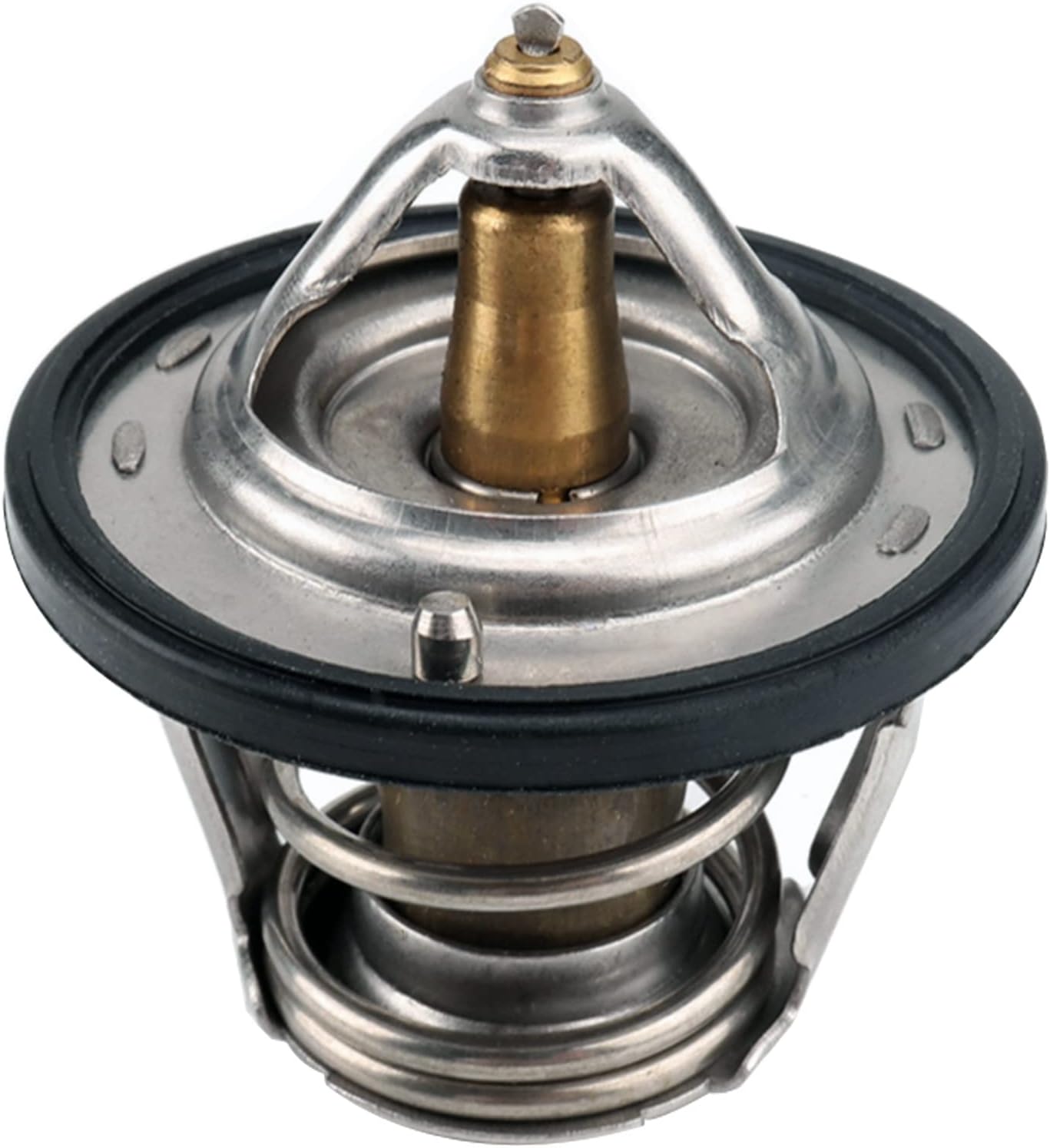
| Included Components | thermostat, gasket |
|---|---|
| Model Number | 21200AA072, 21236AA010, 21210AA080 |
| Manufacturer | HOSAIRY |
| Manufacturer Warranty Description | 1 year. |
This HOSAIRY thermostat replaces factory-style units referenced by part numbers like 21200AA072 and comes with a gasket for installation. It regulates coolant flow to maintain correct engine operating temperature, helping prevent overheating or overcooling and addressing temperature-related drivability issues. Installation is the typical upper-radiator-hose replacement job and the package includes the thermostat and gasket so you do not need separate seals. As an aftermarket part it aims to match OEM performance and is offered across a wide range of Subaru models and years that cover 2000–2004 Outback fitment. Expect the usual benefits of a direct-replacement thermostat: restored warm-up time and stable coolant circulation. Limitations are that it is not a factory part so finish and long-term durability can vary versus a factory unit, and professional installation is recommended if you are not comfortable with cooling-system bleeding and torque requirements.
Best for: Buyers who prioritize a cost-conscious, direct-replacement fix to restore correct engine temperature control on a 2000–2004 Subaru Outback and who want a ready-to-install thermostat with gasket.
Less Ideal for: Those seeking an OEM-branded part or a heavy-duty performance thermostat for modified engines should consider other options.
- Includes gasket for a single, complete thermostat swap
- Formulated to replace specific Subaru part numbers for direct fitment
- Covers the relevant model years that include 2000–2004 Outback
- Simple direct-replacement design that restores proper engine warm-up and coolant flow
- Aftermarket unit rather than factory-original so long-term consistency may differ
Verdict: A practical, ready-to-install aftermarket replacement that restores proper coolant temperature control on 2000–2004 Subaru Outback models.
4. FOXSTAR Engine Thermostat for Subaru (21200AA170 / 21210AA080 fitment)

| Manufacturer | FOXSTAR |
|---|---|
| Item model number | 21200AA170 |
| Exterior | Machined |
| Compatible part numbers | 21200-AA170, 21210-AA080 |
| Material | Stainless steel and copper |
This FOXSTAR thermostat is a budget-friendly direct replacement aimed at restoring proper coolant flow and temperature control in Subaru engines that use part numbers such as 21200-AA170 or 21210-AA080. It is typically used when the original thermostat sticks open or closed, causing overheating or poor warm-up. The unit is described as machined with stainless steel and copper components and a treated housing for improved sealing, which should resist corrosion and heat cycling in everyday driving. Installation is plug-and-play for someone comfortable locating the thermostat via the upper radiator hose and swapping the housing, so it is a practical option for DIY repairs. Because it matches common OEM part numbers for Subaru models including Outback, it simplifies selection for the 2000-2004 Outback covered by this article goal. Limits to consider are that aftermarket fitment and long-term durability will depend on installation and operating conditions, and this item does not list a manufacturer warranty in the product details provided.
Best for: A cost-conscious Subaru owner or DIYer looking to restore proper engine temperature control on a 2000–2004 Outback without paying for a dealer part and who prioritizes straightforward fitment.
Less Ideal for: Those seeking an extended warranty, brand-backed performance tuning, or a premium aftermarket thermostat with documented long-term testing should consider other options.
- Direct replacement for common Subaru part numbers (21200-AA170, 21210-AA080) so selection is straightforward for matching engines.
- Made from stainless steel and copper with a machined housing to resist corrosion and high temperatures.
- Described as plug-and-play which simplifies DIY installation for cooling system repairs.
- Compact, lightweight design that matches the form factor of factory thermostats.
- No explicit manufacturer warranty or long-term durability data provided in the listing.
Verdict: A practical, wallet-friendly replacement that matches common Subaru thermostat part numbers and makes a good DIY fix for a 2000–2004 Outback.
5. Subaru Engine Coolant Thermostat (Part 21200AA072)

| Manufacturer Part Number | 21200AA072 |
|---|---|
| Manufacturer | Subaru |
| Model Name | WRX 2002-2014 / STI 2004-2020 |
| Temperature Control Type | Thermostatic |
This is Subaru's factory replacement engine coolant thermostat (part 21200AA072) intended to restore correct engine warm-up and temperature regulation. It installs in the cooling system where the original thermostat sits and opens at the specified temperature to route coolant through the radiator. As a genuine Subaru part it matches factory fit and dimensions, so installation is straightforward for technicians or experienced DIYers and it eliminates fitment guesswork that can come with aftermarket units. The thermostat includes a temperature display feature listed in the product details and is built to Subaru manufacturing standards for durability and consistent operation. The main limitation is that this is a direct factory-style replacement without performance tuning for altered engines or racing use, so it is meant for stock or lightly modified vehicles only. Buyers should also follow proper coolant and gasket replacement practices when installing to avoid leaks or overheating issues unrelated to the thermostat itself.
Best for: A buyer prioritizing long-term reliability and exact factory fit who wants a direct Subaru replacement to restore proper engine temperature control on a 2000–2004 Outback.
Less Ideal for: Not a good choice for owners seeking a performance thermostat with a different opening temperature or for heavily modified engines that need custom cooling behavior.
- Factory-quality Subaru part for exact fit and compatibility with specified Subaru models
- Designed to match factory temperature control for reliable warm-up and cooling behavior
- Simplifies installation by matching OEM dimensions and mounting points
- Not designed for higher or lower-than-stock thermostat opening temperatures required by performance or heavy-duty cooling modifications
Verdict: Choose this genuine Subaru thermostat when you want a reliable, factory-fit replacement to restore correct cooling system operation on a 2000–2004 Outback.
6. Anleecap CT021 Thermostat (Fits many Subaru 82°C/180°F applications)

| Brand | Anleecap |
|---|---|
| Model | CT021 |
| Manufacturer Part Number | THF-003 |
| Thermostat temperature | 82°C / 180°F |
This Anleecap CT021 thermostat is a direct-fit replacement built to the factory 82°C/180°F spec and supplied with its seal for a straightforward swap. It installs the same way as the original part and is intended for routine cooling system maintenance or when diagnosing overheating or slow warm-up problems. The package calls out compatibility with a broad range of Subaru models including Outback model years within the product scope, and lists equivalent part numbers so you can confirm fit before ordering. The main benefit is a simple bolt-on replacement that restores correct engine temperature control without modifying the cooling system. Limitations are typical of aftermarket thermostats at this price point: long-term durability depends on installation and coolant condition, and the listing mixes many model years so buyers should verify part numbers against their vehicle to avoid a misfit. The included seal makes installation easier, but have basic hand tools ready and follow proper bleeding procedures when refilling coolant.
Best for: Buyers who want a conservative, direct replacement that restores factory temperature control with minimal fuss and who prioritize correct fit and straightforward installation.
Less Ideal for: Anyone looking for performance-modified thermostats, custom temperature settings, or heavy-duty racing components should look elsewhere.
- Factory-spec 82°C/180°F calibration matches Subaru cooling design
- Direct-fit replacement with listed equivalent part numbers for easier verification
- Includes seal so you get a complete thermostat kit ready for installation
- Simple bolt-on unit that restores correct warm-up and temperature control
- Durability depends on installation quality and coolant maintenance rather than premium materials
Verdict: Choose this thermostat if you want a ready-to-install, factory-spec replacement that returns your Subaru Outback to correct temperature control with minimal hassle.
Choosing the Right 2000-2004 Subaru Outback Thermostat: Key Factors to Consider
Correct Fitment and Part Number Match
Thermostat fitment is critical for the 2000-2004 Subaru Outback because the housing flange, bypass passages, and mounting bolts must align precisely. A direct-fit thermostat ensures the valve sits at the intended location in the coolant flow, which affects how quickly the engine reaches operating temperature.
Using a unit with an incorrect flange or overall height can cause poor seal compression, coolant leaks at the housing, or altered flow that impacts heater performance. Always verify the part number fitment against your Outback's year range and engine variant before purchase.
Opening Temperature and Thermal Accuracy
The temperature at which the thermostat begins to open determines warm-up speed and thermostat response to load. A thermostat that opens too late can cause rapid temperature spikes under stress, while one that opens too early can leave the engine running cold and reduce heater output.
Prefer thermostats that match the factory-specified opening temperature for the 2000-2004 Outback. Consistent thermal accuracy helps maintain stable engine control unit inputs and reduces the risk of thermostat-related overheating symptoms.
Material Quality and Corrosion Resistance
Materials matter because the thermostat sits in constant contact with coolant and is exposed to temperature cycling. Brass, stainless steel, and properly plated components resist corrosion and sticking better than untreated metals. Poor materials increase the chance of valve seizure or degraded sealing surfaces.
Selecting a thermostat with corrosion-resistant construction reduces long-term failure risk and minimizes chances that you'll face repeated engine thermostat replacement soon after installation.
Seal and Gasket Compatibility
The mating surface between the thermostat housing and the engine block must seal reliably to prevent coolant loss. A poor seal can lead to a thermostat housing seal leak that mimics other cooling system failures and causes air pockets or overheating.
Check that the replacement includes the correct gasket or O-ring and that the manufacturer specifies compatibility with the Outback housing. Proper torque on the housing bolts and a clean mating surface are also essential to avoid leaks.
Valve Design and Flow Characteristics
Different thermostat designs manage bypass flow and coolant circulation differently. A well-designed valve provides a predictable progression from closed to fully open, avoiding sudden changes that can stress the cooling system. Good flow characteristics improve heater responsiveness and maintain even head and block temperatures.
Consider thermostats with proven valve geometries for consistent operation under varying load and ambient conditions in the 2000-2004 Subaru Outback.
Serviceability and Installation Ease
Ease of installation affects whether you can complete the swap with basic tools or need professional help. Thermostats that come with necessary seals, and that match bolt patterns, reduce installation time and the chance of mistakes that can lead to leaks.
Also factor in accessibility: some Outback engines require partial intake or hose removal to reach the housing. Choose a unit that does not demand extra machining or modifications, and follow torque specs and coolant bleeding procedures to avoid trapped air.
Common Thermostat Symptoms and How They Present
Recognizing thermostat symptoms overheating or running cold helps you decide when replacement is required. On the 2000-2004 Subaru Outback, classic signs include a rapidly rising temperature gauge under load, inconsistent heater output, and temperature fluctuations during idling.
Another common symptom is the engine taking longer than normal to reach operating temperature, which often indicates a stuck-open valve and diminished cabin heat. Conversely, a thermostat stuck closed will lead to overheating, especially on longer drives or uphill stretches.
- Rapid gauge rise during sustained driving suggests restricted coolant flow or a stuck-closed thermostat.
- Low or delayed heater output during warm-up often points to a thermostat stuck open.
- Inconsistent temperature readings during idle or stop-and-go traffic can signal partial valve movement or buildup on the valve seat.
How To Test A Thermostat Safely
There are simple tests you can perform before removing the part. One method is a warmed engine test: with the engine warmed, carefully feel the upper radiator hose. It should remain cool until the thermostat opens, then warm quickly as flow begins. A hose that warms immediately with a cold engine suggests the thermostat is stuck open.
A more definitive bench test involves removing the thermostat and placing it in a pot of water heated slowly while monitoring the valve. Observe at what temperature the valve begins to open and whether it moves smoothly to fully open. Take necessary safety precautions when handling hot coolant and use accurate temperature measurement.
- Engine warm-up hose check to detect premature flow.
- Bench pot test to confirm opening temperature and smooth movement.
- Watch for coolant leaks or seal issues during removal that could indicate thermostat housing seal leak.
Thermostat Housing and Seal Maintenance
When replacing the thermostat, inspect the housing and sealing surface closely. Old gaskets can compress or degrade and cause slow leaks that are easy to miss during pressure checks. Clean the mating surfaces and remove old gasket material before installing the new seal.
If the housing shows corrosion or warped surfaces, replacing or refurbishing the housing is advisable. Use the correct torque sequence on the housing bolts to avoid uneven compression that could cause a seal failure on the 2000-2004 Outback.
- Clean mating surfaces and replace gaskets or O-rings.
- Inspect housing for corrosion or warping.
- Torque bolts to manufacturer specs to ensure proper seal.
When To Involve a Professional
Some thermostat issues are straightforward for a DIYer, but others require shop equipment or experience. If you encounter persistent overheating after a correct thermostat swap, or if coolant system pressure testing reveals hard-to-find leaks, professional diagnostics can save time.
Also consider professional help when the job requires removing obstructing components or if the housing bolts are corroded and risk breaking. A technician can perform a pressure test and coolant flush to confirm the repair is complete.
- Seek shop help for persistent overheating or unexplained leaks.
- Use professionals for pressure testing and coolant system bleeding when necessary.
- Get assistance if bolt corrosion or restricted access complicates removal.
Still looking for the perfect fit?
Select your Subaru Outback configuration to see the most relevant Thermostats recommendations
How We Chose the Best 2000-2004 Subaru Outback Thermostat
We focused on criteria that matter for the 2000-2004 Subaru Outback cooling system and real-world ownership. Fitment accuracy was the first filter: only thermostats designed to match the Outback's housing, flange, and temperature spec were considered. Thermal calibration came next, emphasizing valves that open at the correct temperature to avoid prolonged cold running or premature overheating.Durability and material quality were evaluated for resistance to corrosion and stickage in varied climates. Seal and housing compatibility were reviewed to reduce risk of thermostat housing seal leak and coolant loss. Ease of installation and availability of common replacement components were included so owners could swap units with standard tools. We excluded universal or modified units that require nonstandard machining or major plumbing changes. Overall, selections favored reliable thermal behavior, correct part fitment, durable construction, and straightforward installation for this Subaru Outback range.
Our full evaluation process is outlined in our review methodology.
FAQ
What are the most common signs of a bad thermostat in a 2000-2004 Subaru Outback?
Common signs include the engine overheating under load, delayed warm-up with weak heater output, and sudden temperature gauge fluctuations. You may also notice coolant leaks around the housing or inconsistent cabin heat.
How long does a typical thermostat last before replacement is needed?
Thermostat lifespan depends on materials and coolant maintenance but often lasts many years. Corrosion, stickage, or seal degradation can shorten life, so inspect the component during coolant service intervals and replace if you see erratic operation.
Can I test the thermostat without removing it from the car?
You can perform a preliminary test by feeling the upper radiator hose during warm-up; it should stay cool until the thermostat opens and then warm quickly. For a definitive check, a bench pot test after removal provides exact opening temperature data.
Will a leaking thermostat housing cause overheating?
Yes. A thermostat housing seal leak can allow coolant loss and air entry, which reduces cooling efficiency and may lead to overheating if not addressed. Even a small slow leak can cause temperature anomalies over time.
Is thermostat replacement difficult on the 2000-2004 Subaru Outback?
Difficulty varies by engine and access but most owners with basic tools can replace the thermostat if they follow proper steps, replace gaskets, and bleed the cooling system. Seek help if access requires disassembling larger components or bolts are seized.
Does a stuck-open thermostat make the engine run cold?
Usually. A thermostat stuck open allows constant coolant circulation, which can prevent the engine from reaching optimal operating temperature and result in poor heater performance and reduced fuel efficiency.
Final Verdict
Prioritize correct fitment, proper opening temperature, and durable materials when choosing a replacement thermostat for the 2000-2004 Subaru Outback. Addressing seal condition and housing integrity at the same time reduces the chance of repeat leaks and ensures reliable cooling performance.Balance the need for accurate thermal control against ease of installation and long-term corrosion resistance. When in doubt, verify part number fitment and inspect the housing during replacement so you can confidently restore proper engine temperature behavior.
Explore More:
- Check out all Subaru Outback parts & accessories
- Explore Thermostats Maintenance & Repair Guides
- Explore Cooling System
- Browse all Auto Parts
