

Note: This article contains affiliate links. If you click on these links and make a purchase, I may earn a small commission at no extra cost to you. This helps support my research and content. Read my full affiliate disclosure here.
If your Ford F-150 is showing signs of degraded oil flow or visible hose damage, replacing the oil cooler lines can restore reliable engine cooling and help avoid costly failures. This guide walks you through the top oil cooler line options chosen specifically for the F-150, covering durable materials, proper fittings, and ease of installation so you can pick the right kit for your situation.The shortlist below includes six top-rated oil cooler lines and hose kits that meet common F-150 fitment needs. The evaluation emphasizes material quality, leak resistance, compatibility with factory feed and return locations, and how straightforward the install is for a typical DIY or shop repair.
Looking for other parts? See all Ford F-150 parts & accessories.
Top Picks at a Glance
| Best Overall The best all-around choice for most situations | Ford Transmission Oil Cooler Tube (5L3Z-7C410-AB) |  |
| Best Quality Built to a higher standard if you want something more solid | Dorman Automatic Transmission Oil Cooler Hose Assembly |  |
| Best Value The sweet spot between price and what you get | A-Premium Automatic Transmission Oil Cooler Line Hose Assembly |  |
| Best Budget The cheapest option that still gets the job done reliably | A-Premium Transmission Oil Cooler Line Hose Assembly (Direct Replacement) |  |
| Highest Rated A top-rated pick with lots of positive feedback | A-Premium Transmission Oil Cooler Line Assembly for Ford F-150 (2006–2008) |  |
| Most Popular A crowd favorite that many people choose with confidence | A-Premium Transmission Oil Cooler Line Hose Assembly for Ford F-150 2005–2006 |  |
Ford Transmission Oil Cooler Tube (5L3Z-7C410-AB)

| Brand | Ford |
|---|---|
| Item Type Name | Transmission Cooler Tube |
| Material Type | Steel or Aluminum |
| Item Length | 28.9 Centimeters |
This genuine Ford transmission oil cooler tube is a direct-fit factory replacement intended to restore the vehicle to factory routing and performance. It replaces the cooler inlet/outlet line and is typically used when a line is damaged, corroded, or leaking. Made from steel or aluminum and finished in black, the part matches factory fit and mounting points so installation is straightforward for anyone comfortable with basic under-hood or underbody work. Buyers will appreciate the OEM fitment that reduces the chance of leaks and alignment issues compared with universal lines. The tube length and outside diameter are specified by the manufacturer so it mates to original connectors without modification. Limitations are that this is a single replacement tube rather than a full kit, so you may need additional fittings, clamps, or the matching line if both sides are worn. Also it only replaces the specific routing covered by the part number, so confirm fitment for your model year and transmission configuration before purchase.
Best for: Technically minded owners wanting a reliable, factory-matching replacement that restores transmission cooling plumbing to original condition and keeps repairs simple.
Less Ideal for: If you need a universal or custom-length cooling solution or a complete line kit with fittings, this single OEM tube is not the right choice.
- Factory OEM design for direct fit and proper routing
- Built from steel or aluminum for durable corrosion resistance
- Matches factory connectors and diameters for leak-free installation
- Simple replacement that can be swapped quickly with basic tools
- Sells as a single tube so you may need extra fittings or the complementary line for a complete repair
Verdict: Choose this genuine Ford cooler tube when you want a direct, factory-quality replacement that restores original transmission cooling plumbing quickly.
Dorman Automatic Transmission Oil Cooler Hose Assembly

| Material Type | Metal, Rubber |
|---|---|
| Maximum Pressure | 100 Pound per Square Inch |
| Included Components | 4 Transmission Lines, 6 Threaded End Connectors, 4 O-rings, 3 brackets |
| Item Type Name | Automatic Transmission Oil Cooler Hose Assembly |
This Dorman hose assembly replaces leaking or damaged transmission cooler lines on compatible Ford F-150, F-250, Lobo and Lincoln Mark LT model years listed by the manufacturer. The kit includes multiple transmission lines, threaded end connectors, O-rings and brackets so you can reinstall factory routing without fabricating new fittings. Construction mixes metal and rubber hose sections with a stated maximum pressure rating that suits cooling system service, and many installers report leak-free fits when combined with the correct quick-connect fittings. Practical use is straightforward: remove the corroded lines, transfer any reusable fittings only when they match, then install the supplied lines and seals. Important limitations are that the kit does not include every auxiliary line some trucks require and some buyers have found connector flare or fitment issues that require purchasing specific quick-disconnect fittings or the short radiator-to-cooler hose separately. Expect a competent DIYer or shop to complete the swap with basic tools and a quick-disconnect tool for transmission cooler fittings.
Best for: Buyers who need a direct replacement set to stop transmission cooler leaks and prefer a repair-first approach to extend vehicle life rather than replacing the cooler or assembly with dealer parts.
Less Ideal for: If you want a guaranteed complete OE-matching kit without buying any extra hoses or fittings, consider sourcing a dealer assembly or a kit explicitly listing the auxiliary radiator-to-cooler hose.
- Designed to match original assembly fit and routing for listed Ford/Lincoln models
- Includes multiple lines, threaded end connectors, O-rings and brackets for a more complete repair
- Metal and rubber construction intended for durable service and transmission cooling
- Stated maximum pressure rating suitable for transmission oil cooler circuits
- Does not include the short radiator-to-cooler auxiliary hose some installations require
- Several reports note connector or flare differences that may require purchasing OEM quick-disconnect fittings separately
Verdict: Choose this Dorman hose assembly when you want a serviceable, mostly complete replacement kit to fix transmission cooler leaks on supported Ford trucks without replacing the entire cooler.
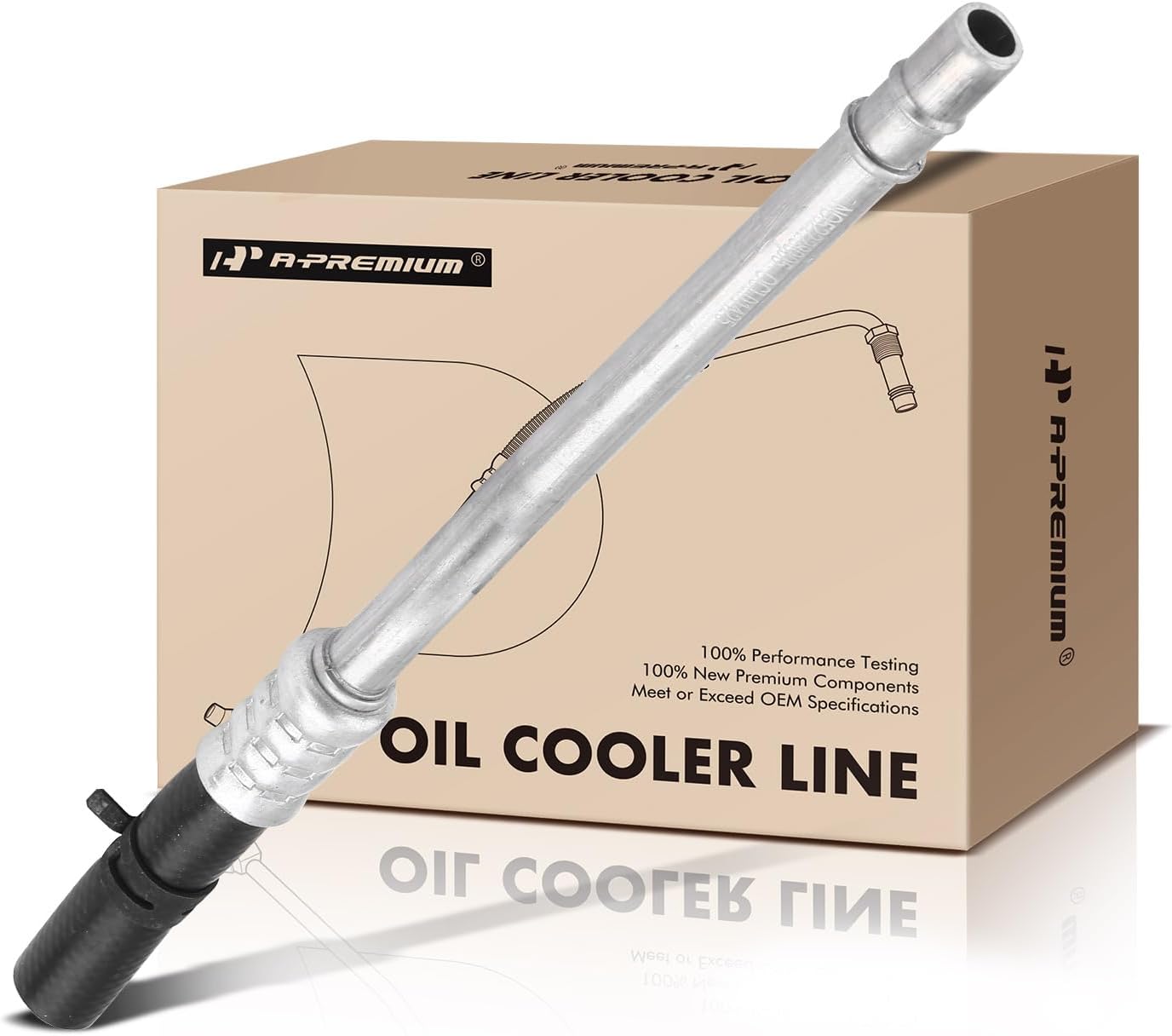
A-Premium Automatic Transmission Oil Cooler Line Hose Assembly
| Manufacturer | PremiumpartsWhosale |
|---|---|
| Brand | A-Premium |
| Manufacturer Part Number | APOCL200 |
| OEM Part Number | 624-293, 624293, 5801425, 7L1Z7B028B |
This A-Premium oil cooler line replaces the passenger-side auxiliary cooler outlet hose on select Ford F-150, Expedition, and Lincoln Navigator V8 models. It is a direct-replacement assembly combining metal and rubber sections to match the factory routing and connect the transmission cooler to the auxiliary cooler. In use it serves to restore a leak-free transmission cooling circuit after the original line fails, and the corrosion-resistant materials help against rust and road exposure. The part lists common OEM reference numbers so you can confirm compatibility with the vehicle before installation. Installation is typical for cooling-line swaps and generally requires basic hand tools and care to seat fittings and clamps; because it is a vehicle-specific piece you should verify fitment rather than assume universal compatibility. The manufacturer includes a one-year unlimited-mileage guarantee which adds confidence for buyers who want a budget-conscious, like-for-like replacement without modifying the cooling system.
Best for: A buyer who wants a practical, budget-friendly factory-style replacement to restore a leaking or damaged transmission oil line on supported Ford F-150, Expedition, or Lincoln Navigator V8 models and prefers straightforward installation and verified fitment.
Less Ideal for: Anyone seeking a universal or upgraded performance line or owners of vehicles outside the listed model years and engine types should look elsewhere.
- Direct-replacement design for factory routing and connections
- Mix of metal and rubber materials for corrosion resistance and flexibility
- Lists OEM reference numbers to help verify vehicle fitment
- One-year unlimited-mileage guarantee for added buyer confidence
- Fitment limited to specific model years and engine configurations so verification is required before purchase
Verdict: A practical, factory-style replacement oil cooler line that restores transmission cooling on compatible Ford F-150, Expedition, and Lincoln Navigator V8 models with minimal fuss.
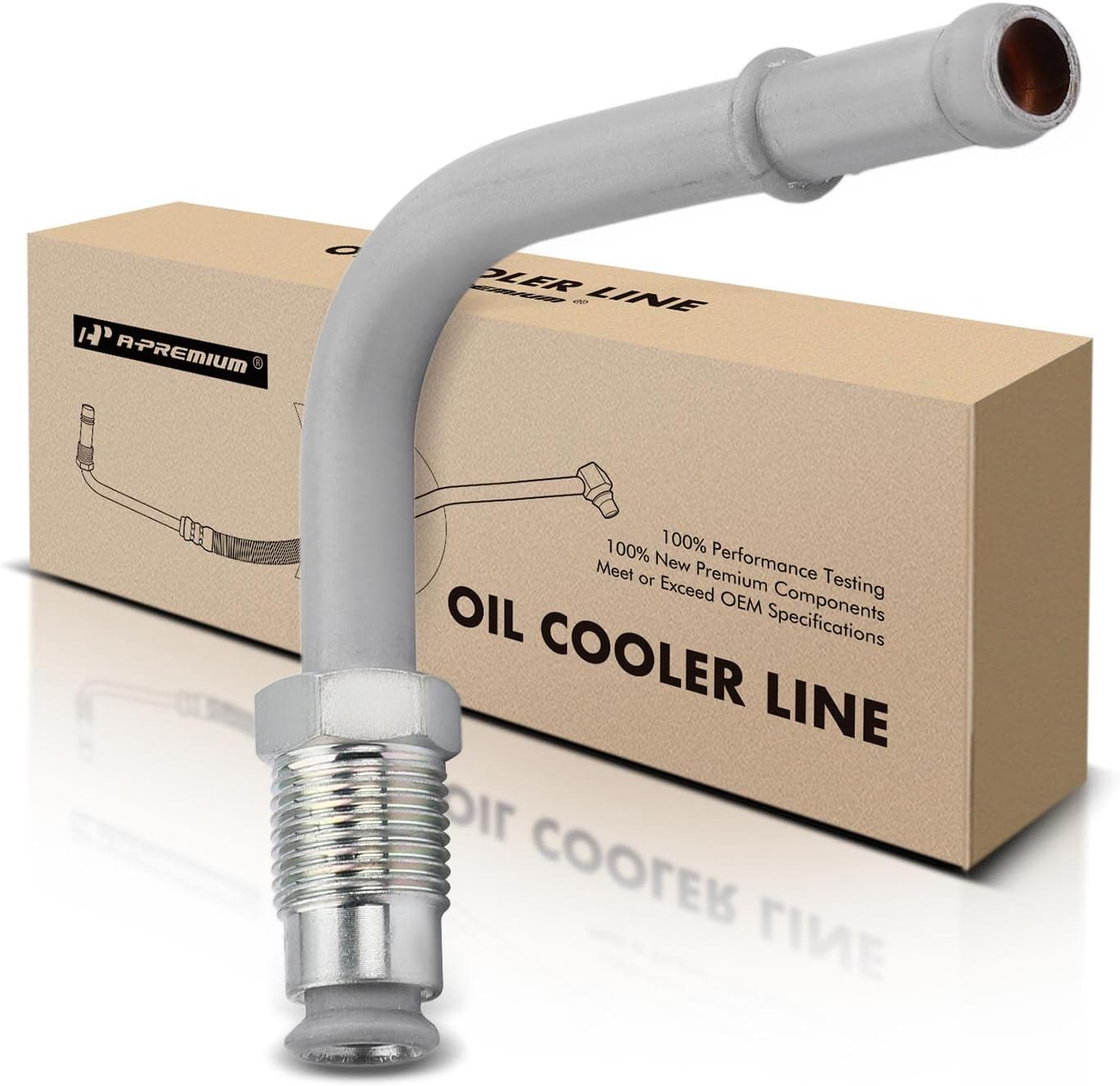
A-Premium Transmission Oil Cooler Line Hose Assembly (Direct Replacement)
| Manufacturer | PremiumpartsWhosale |
|---|---|
| Brand | A-Premium |
| Manufacturer Part Number | APOCL084 |
| OEM Part Number | 624-224, 624224, 5801190, F7TZ7F112DC |
This A-Premium outlet transmission oil cooler line is a straightforward direct-replacement part that restores the lower feed from an auxiliary cooler to the transmission on select Ford trucks and Expedition/Navigator models from the late 1990s and early 2000s. It is made of metal and sold as the shorter outlet section specified for vehicles equipped with an auxiliary oil cooler and matching transmission types like 4R100 or E4OD. In practice this part replaces corroded or damaged stock lines and lets you reconnect the cooler without modifying fittings. Buyers will appreciate the simple fitment references and OEM part cross numbers for verification. Limitations are its narrow vehicle fitment and that the listing shows only the outlet piece, so you may still need additional hoses or adapters depending on the rest of your cooling plumbing. Expect a basic, working factory-quality replacement rather than an upgraded performance line.
Best for: Buyers who need an inexpensive, no-frills replacement line to restore a failed auxiliary cooler connection on a late 1990s to early 2000s Ford truck or SUV and want a quick repair that matches factory routing.
Less Ideal for: If you want a corrosion-resistant performance upgrade, full-line hose replacement, or fitment for modern vehicles, look at upgraded stainless or braided hose kits instead.
- Direct-replacement design matches factory routing for straightforward swap
- Metal construction reduces risk of quick corrosion compared with some soft hoses
- Includes OEM reference numbers to help verify compatibility
- Short length suits applications where only the outlet section needs replacing
- Fits a limited set of model years and transmission configurations so compatibility must be confirmed
Verdict: A low-cost, factory-style metal outlet line that gets an auxiliary transmission cooler back in service quickly for compatible late 1990s–early 2000s Ford trucks and SUVs.
A-Premium Transmission Oil Cooler Line Assembly for Ford F-150 (2006–2008)

| Vehicle fitment | Ford F-150 2006, 2007, 2008 |
|---|---|
| Material Type | Metal |
| Maximum Pressure | 1500 Pound per Square Inch |
| Brand Name | A-Premium |
This A-Premium oil cooler line replaces the factory transmission cooler hose on Ford F-150s from 2006 to 2008 to restore proper fluid routing and cooling. It is metal construction with corrosion-resistant plating and a rated maximum pressure of 1500 psi, which helps provide a leak-free connection and withstands typical transmission operating pressures. Installation is the same as the factory line and is commonly performed during transmission service or when a damaged line is discovered; the part ships as a single assembly and uses the listed reference numbers for fit verification. The practical benefits are straightforward: durable material reduces the chance of swelling, cracking, or rust compared with rubber hoses, and the matched routing keeps fluid flowing to the cooler to help transmission temperatures stay in check. Limitations are that this is a direct replacement for the specified F-150 model years only and does not include fittings or additional hoses beyond the single assembly, so confirm fitment before ordering and budget for any extra clamps or hardware you might need for installation.
Best for: Buyers who prioritize a dependable, long-lasting replacement line to restore transmission cooling on a 2006–2008 F-150 and prefer a durable metal assembly over short-lived rubber hoses.
Less Ideal for: People looking for a universal or multi-year crossover line or a kit that includes extra fittings and clamps should consider other options.
- Factory-style metal construction for improved resistance to corrosion and wear compared with rubber hoses
- Rated to 1500 psi, providing headroom for normal transmission pressures
- Sold as a complete assembly that matches factory routing for straightforward replacement
- Compatible fitment references provided to verify vehicle match
- Fits only Ford F-150 model years 2006 to 2008 and cannot be used on other model years or vehicles
Verdict: Choose this metal replacement cooler line when you want a durable, factory-pattern fix to restore reliable transmission cooling on a 2006–2008 Ford F-150.
A-Premium Transmission Oil Cooler Line Hose Assembly for Ford F-150 2005–2006

| Material | Rubber |
|---|---|
| Fitment Type | Direct Replacement |
| Location | Auxiliary Cooler Inlet (Driver Side) |
This oil cooler line replaces the auxiliary cooler inlet hose on compatible Ford F-150 and Lincoln Mark LT models with automatic transmissions. It is a rubber, direct-replacement assembly intended to meet factory-style fit and function and comes with reference numbers that match common OE parts. Typical use is a one-for-one swap during a transmission cooler hose service or when addressing a leak. Buyers will appreciate its corrosion-resistant construction and straightforward install when the part geometry matches the vehicle because the rubber material is flexible enough for routing yet robust for everyday driving. Several real-world reviews report an exact fit and reliable performance, but others note fitment differences where a bend or sealing surface did not match and caused slow leaks, so careful verification against your vehicle's layout is important. The manufacturer offers a one-year unlimited-mileage guarantee which provides additional reassurance for cautious buyers. Expect a simple replacement part that works well when fitment is correct but may require attention to alignment and sealing during installation.
Best for: Buyers who want a low-cost, factory-style replacement hose and who prioritize parts with a clear fitment reference and a warranty-backed guarantee.
Less Ideal for: Do not choose this if you need a custom-shaped line or exact OEM bend geometry without verifying fit first; installers who expect a perfect drop-in every time should consider checking the vehicle before finalizing the purchase.
- Direct-replacement design that matches common reference numbers for easier identification
- Rubber construction offers flexibility for routing and resistance to corrosion
- Made to meet or exceed factory specifications according to the manufacturer
- One-year unlimited-mileage guarantee for added buyer confidence
- Some buyers reported imperfect bends or mating surfaces that caused slow leaks on installation
Verdict: A practical, warranty-backed direct-replacement cooler hose for 2005–2006 Ford F-150s when fitment matches your vehicle layout.
Choosing the Right Ford F-150 Oil Cooler Lines: Key Factors to Consider
Material and Hose Compound
The hose material determines the line's resistance to hot engine oil, ozone, and heat cycling. For Ford F-150 applications, look for hose compounds and braided coverings rated for sustained engine oil temperatures and resistant to oil-induced swelling. Metal lines should be corrosion-resistant and have smooth internal passages to maintain oil flow.
Material affects longevity and leak risk. Softer or substandard compounds can harden or crack over time, while inadequate braiding allows abrasion. Choosing the appropriate material reduces chances of failure under heavy towing or high-temperature operation.
Fittings and Seals
End fittings are the most common leak points, so the type and quality of fittings matter. Factory-style threaded fittings, O-ring seats, or crush fittings that match the F-150's feed and return geometry provide a reliable seal. Ensure replacement lines include the correct fitting types and quality hardware to avoid improvising during installation.
Pay attention to whether the kit includes new sealing washers, O-rings, or crush sleeves. Reusing old seals can lead to immediate or delayed leaks, so kits that include fresh sealing components reduce rework and improve the chance of a successful repair.
Fitment and Routing Accuracy
Accurate lengths, bends, and attachment points minimize the need for modification and reduce chafe risk. Properly routed lines follow factory brackets and clearances to avoid contact with exhaust components or suspension parts. For the F-150, match the kit to the engine configuration and model year routing to ensure alignment with existing brackets and clips.
A well-fitting kit shortens installation time and reduces the chance of stress points that cause premature failure. If the kit provides pre-bent metal lines or vehicle-specific hose lengths, it is usually a better match than generic hoses that must be trimmed or rerouted.
Heat and Vibration Resistance
Oil cooler lines are exposed to engine bay heat and vibration, especially under heavy loads or towing. Look for braided jackets, heat shields, or sleeving that protects hoses from radiant heat and abrasion. Metal lines should have proper mounting pads or vibration-damping mounts to prevent fatigue at attachment points.
Greater resistance to heat and vibration correlates with fewer failures over time. Consider reinforcement and protective routing where lines sit near exhaust components or tight chassis areas.
Ease of Installation and Included Hardware
Ease of installation matters whether you are doing a DIY repair or taking the truck to a shop. Kits that include new clamps, mounting brackets, replacement seals, and clear instructions reduce labor time and the risk of an improper install. Pre-assembled hose ends or vehicle-specific fittings cut down on trial-and-error fitting.
Also consider whether the kit requires specialty tools to flare or seat fittings. If specialized flaring or crimping is needed, factor in whether you have access to the correct tools or if professional installation is a better option.
Serviceability and Replacement Parts Availability
Think about future maintenance and the availability of replacement components like separate hoses, fittings, or seal kits. Choosing a line kit that uses standard-fitting components or has replaceable sections makes future repairs easier and often less expensive.
Also review whether the kit allows partial replacement of the most wear-prone sections instead of requiring a full-line swap. This flexibility can reduce downtime and parts cost when addressing localized damage or leaks.
Common Symptoms of Oil Cooler Line Problems
Recognizing early symptoms reduces the chance of major engine damage. Typical signs include oil spots or puddles under the truck, visible oil around fittings, a drop in oil level between checks, or a noticeable oil smell after driving. Engine warning lights or intermittent oil pressure fluctuations can also indicate feed or return line failure.
- Visible oil at fittings or along hose routing
- Frequent low oil level without obvious external leaks
- Burning oil smell from the engine bay
- Oil pressure warnings or unexplained fluctuations
Preparing Your F-150 for Line Replacement
Before starting work, gather the correct replacement kit, fresh sealing hardware, and appropriate tools. Park on level ground, allow the engine to cool, and support the vehicle safely if you need underbody access. Drain or contain engine oil as necessary to avoid spills and dispose of oil following local regulations.Label fittings and take reference photos of factory routing before removing lines. This helps ensure correct reinstallation and prevents routing errors that can lead to chafing or heat exposure.
- Wear protective gloves and eye protection
- Use suitable containers for drained oil
- Keep replacement seals and fittings organized during the job
Tips for a Leak-Free Reinstallation
Clean all mating surfaces thoroughly before installing new seals or O-rings. Replace sealing washers and crush sleeves rather than reusing old hardware. Hand-thread fittings first to avoid cross-threading, then torque to manufacturer specifications if available.After installation, run the engine and inspect all fittings and hose runs for leaks while the system is at operating temperature. Recheck torque after a short test drive and ensure nothing has shifted or made contact with hot components.
- Use new sealing hardware supplied in the kit
- Torque fittings to spec and recheck after warming up
- Inspect for chafe points and secure with zip-ties or additional clamps if needed
When to Choose Metal Lines Versus Rubber Hose Kits
Metal lines resist abrasion and heat better than soft hoses and are often found on factory feed and return runs. They can offer a longer service life in high-heat or high-vibration areas. However, metal lines are less forgiving to misalignment and may require precise bends for correct routing.Rubber hose kits with braided covers offer flexibility and easier installation, especially where space constraints require minor adjustments. They can be a good choice when the original routing uses flexible sections or where vibration isolation is desirable.
- Metal lines: durable, heat-resistant, require precise fitment
- Braided rubber hoses: flexible, easier to route, may need protective sleeving near hot components
How to Inspect Lines During Routine Maintenance
During oil changes or scheduled inspections, visually check the length of the oil cooler lines for soft spots, cracking, bulges, corrosion, or oil residue at joints. Run a clean cloth along hoses and fittings to spot fresh oil that indicates an active leak.Also check mounting clips, brackets, and any protective sleeving for signs of wear. Catching issues early often allows partial repairs rather than a full-line replacement.
- Look for oil residue at fittings and along hose length
- Check for kinks, bulges, or chafing through protective braiding
- Confirm brackets and clips are secure and undamaged
How We Chose the Best Ford F-150 Oil Cooler Lines
We focused on selection criteria that matter to Ford F-150 owners replacing oil cooler lines. First, material and construction: we prioritized lines built from corrosion-resistant materials and high-quality hose compounds rated for hot engine oil to reduce the risk of swell, cracking, or leaks. Second, fitment and compatibility: we checked that line lengths, bends, and fittings matched Ford F-150 feed and return routing so installation requires minimal modification.Third, sealing and fittings: robust end fittings and crush or O-ring seals were favored because they cut leak risk at pressure points. Fourth, installation ease: kits with clear instructions, pre-assembled clamps or adapters, and plug-and-play hose ends scored higher for quicker, less error-prone repairs. Fifth, durability under heat and vibration: constructions designed to resist chafing, kinking, and heat aging were preferred for long-term service.We excluded options that required major system upgrades, significant routing changes, or unclear fitment claims. We did not consider products solely sold as universal one-size-fits-many solutions unless they included vehicle-specific routing components. Final choices reflect a balance of proven materials, correct fittings for the F-150, and straightforward installation characteristics.
Our full evaluation process is outlined in our review methodology.
FAQ
How long do oil cooler lines typically last on an F-150?
Lifespan varies by material and driving conditions. In normal use, high-quality metal or braided hose lines often last many years, while soft rubber hoses in high-heat or corrosive environments may need replacement sooner.
Can I replace only the leaking section or do I need a full kit?
It often depends on the damage location. If the leak is isolated and fittings match available parts, a section can be replaced. However, matching bends and fittings is critical, so many owners opt for a full kit to ensure consistent routing and sealing.
Will replacing oil cooler lines affect engine oil pressure?
Properly installed lines should not negatively affect oil pressure. Using incorrect diameter lines or improperly installed fittings can cause restrictions, so confirm the replacement matches factory specifications for inner diameter and fittings.
Are specialty tools required to install replacement oil cooler lines?
Some kits are plug-and-play and need only common hand tools, while others with flared metal fittings or crimped hose ends may require specific flaring or crimping tools. Check the kit requirements before starting the job.
What are common causes of oil cooler line leaks on the F-150?
Leaks commonly result from degraded hose compounds, corroded metal lines, worn seals or crush sleeves, and damage from chafing or contact with hot exhaust components. Vibration and repeated thermal cycling also contribute to fatigue.
Can I drive my F-150 with a leaking oil cooler line?
Driving with a leak is risky because oil loss can lead to low oil pressure and accelerated engine wear. If you must drive a short distance, check oil levels frequently and avoid high load or high-temperature driving until repairs are made.
Final Verdict
When choosing oil cooler lines for a Ford F-150, prioritize correct fitment, high-temperature-resistant materials, and quality fittings to minimize leak risk and downtime. Balance the durability of metal lines against the flexibility of braided hose kits based on the truck's routing and expected operating conditions.Ultimately, choose a solution that matches factory routing and includes fresh sealing hardware. That approach reduces installation headaches and delivers the most reliable long-term performance for the F-150.
Explore More:
- Check out all Ford F-150 parts & accessories
- Explore Oil Cooler Lines Maintenance & Repair Guides
- Explore Cooling System
- Browse all Auto Parts
