

Note: This article contains affiliate links. If you click on these links and make a purchase, I may earn a small commission at no extra cost to you. This helps support my research and content. Read my full affiliate disclosure here.
If your 2007-2011 Toyota Camry is showing rough idle, poor fuel economy, or check-engine codes related to airflow, the mass air flow sensor is a common culprit. Choosing the right mass air flow sensor for this Camry range matters because the sensor directly affects engine trim, fuel delivery, and starting behavior.This guide shortlists the top options specifically for the 2007-2011 Camry and evaluates each on fitment, signal accuracy, and durability. You will get practical notes on installation basics, diagnostics, and common symptoms to watch for. Read on for a focused set of choices and the decision factors you should weigh before replacing the sensor.
Looking for other parts? See all Toyota Camry parts & accessories.
Top Picks at a Glance
| Best Overall The best all-around choice for most situations | AISIN Aftermarket MAFAZ-00075 Mass Air Flow (MAF) Sensor | 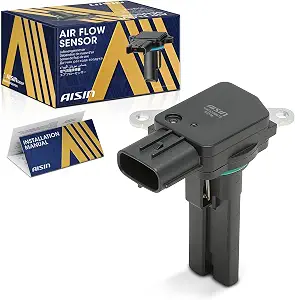 |
| Best Quality Built to a higher standard if you want something more solid | Sixity Auto Denso-Compatible Mass Air Flow Sensor for Toyota Camry 2007–2011 |  |
| Best Value The sweet spot between price and what you get | OYEAUTO Mass Air Flow Sensor 22204-31020 |  |
| Best Budget The cheapest option that still gets the job done reliably | LLNSEAUTO Mass Air Flow (MAF) Sensor 22204-31020—Replacement |  |
| Highest Rated A top-rated pick with lots of positive feedback | ENA Mass Air Flow Sensor (MAF) Compatible with 2007-2011 Toyota Camry and Select Toyota/Lexus Models |  |
| Most Popular A crowd favorite that many people choose with confidence | OSKYUO Mass Air Flow Sensor Meter (22204-31020) |  |
| Best Seller A high-volume bestseller chosen again and again | stymart Mass Air Flow Sensor (replace 1976110 / 22204-0H010) |  |
AISIN Aftermarket MAFAZ-00075 Mass Air Flow (MAF) Sensor
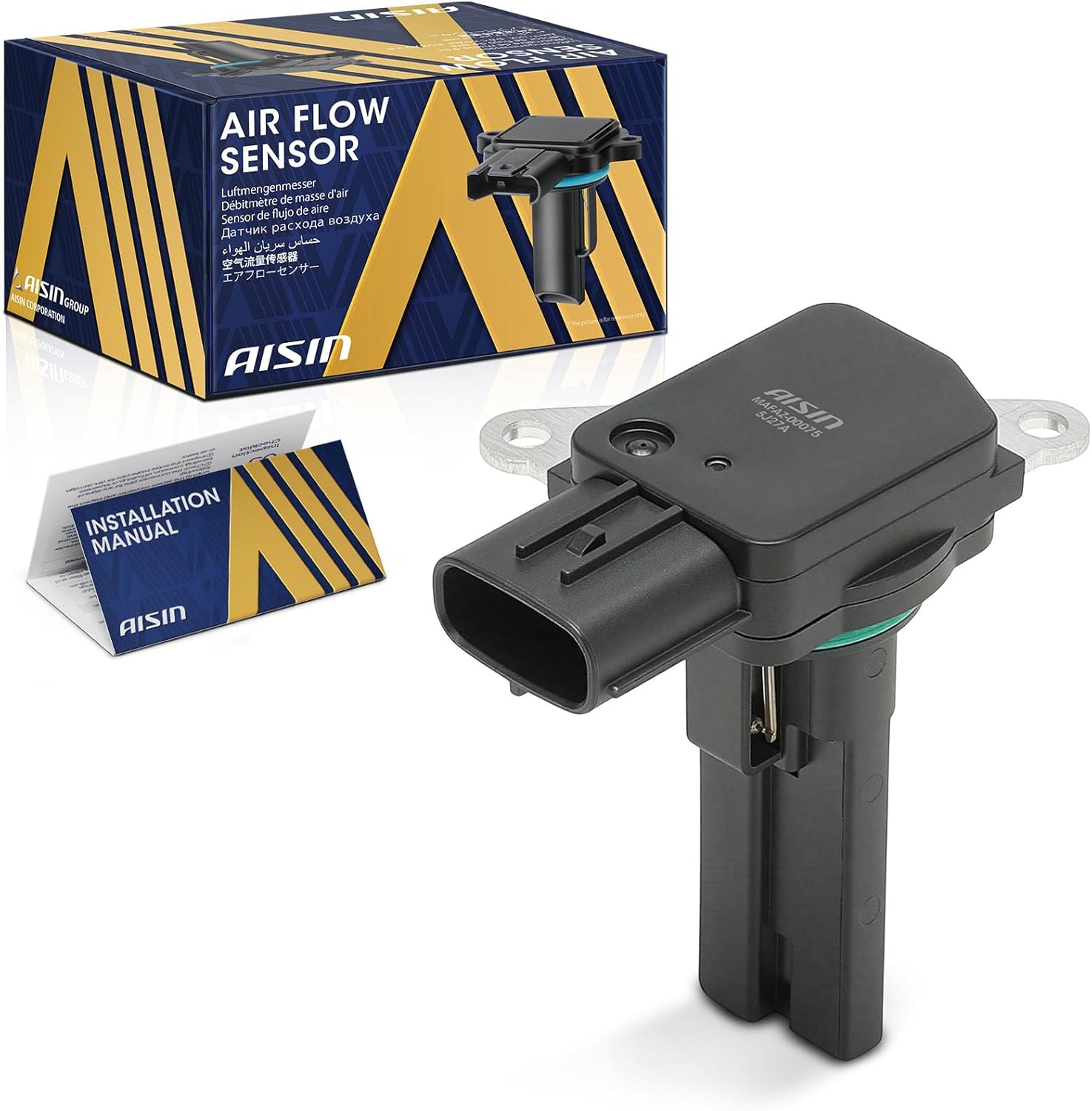
| Manufacturer | AISIN |
|---|---|
| Manufacturer Part Number | MAFAZ-00075 |
| OEM Part Number | 222040H010, 222040P010, 2220431010, 2220431020 |
| Terminal Quantity | 5 |
This AISIN MAFAZ-00075 is a direct-fit aftermarket mass air flow sensor intended as a factory-quality replacement for compatible Toyota and Lexus engines, including the 2007-2011 Camry. It measures intake air to the engine and sends that signal to the engine control unit so fuel delivery and idle control remain accurate after a failed or degraded factory unit is removed. Installation is straightforward for a mechanically comfortable DIYer or a technician because the sensor uses the same five-pin connector and housing style as the original. The practical benefits are restored drivability, steadier idle, and clearer throttle response compared with a clogged or faulty MAF. Being from a known parts supplier, it aims for consistent measurements and durability. Limitations include dependence on correct vehicle-year and engine configuration fitment and the usual potential need for a brief ECU relearn or cleaning of mating air-intake components when replacing a MAF sensor to avoid false readings after installation.
Best for: Buyers who want a reliable, factory-quality replacement that restores normal drivability and prefer a balanced choice between OEM-level fitment and aftermarket value for a 2007–2011 Camry.
Less Ideal for: Those looking for performance-modified sensors tuned for increased airflow or custom engine builds should consider aftermarket performance-specific options instead.
- Designed as a direct-fit replacement with the same five-pin connector and housing style as factory units
- Manufactured by AISIN, a supplier with long automotive parts experience
- Restores accurate air-flow measurement to improve idle stability and throttle response
- Straightforward installation suitable for DIY enthusiasts or professional installers
- Fitment is vehicle- and engine-specific so verifying exact model/year and engine is required
Verdict: A dependable factory-style replacement MAF sensor that restores correct air measurement and drivability for the 2007–2011 Toyota Camry.
Sixity Auto Denso-Compatible Mass Air Flow Sensor for Toyota Camry 2007–2011

| Measurement Accuracy | ±2% |
|---|---|
| Mounting Type | Flange Mount |
| Output Type | Electrical Signal |
| Upper Temperature Rating | 300 Degrees Fahrenheit |
This Mass Air Flow (MAF) sensor is a direct-replacement unit offered to restore accurate air measurement for affected Camry models. It mounts in the intake housing and outputs an electrical signal the engine control module uses to set fuel delivery and ignition timing. The listing highlights ±2% measurement accuracy, flange mounting, a 300 F upper temperature rating, and glass sensing material, which together suggest stable readings under normal engine bay heat and consistent fitment to Toyota intake flanges. In practice it is used to replace a failing factory sensor to clear drivability issues like rough idle, poor throttle response, or decreased fuel economy. Because it is presented as a Denso-compatible unit and includes original-style packaging and hardware, installation should be straightforward for a technician or competent DIYer. The sensor is focused on reliable replacement performance rather than tuning gains, so it restores factory-caliber airflow data but will not increase power by itself. Buyers wanting precise, durable replacement readings will find it appropriate, while those seeking performance gains will need supporting intake or tune modifications.
Best for: Drivers who want a reliable replacement to restore factory-level airflow measurement and fix drivability issues on a 2007–2011 Camry while prioritizing accurate sensor data over power gains.
Less Ideal for: Enthusiasts seeking a bolt-on performance sensor to increase airflow or extract extra horsepower should look for performance-specific intake or tuning solutions instead.
- Direct-fit replacement designed for 2007–2011 Camry intake flanges for straightforward installation
- Listed measurement accuracy of ±2% suggests stable, consistent airflow readings
- Glass sensing element and 300 F upper temperature rating indicate thermal stability in the engine bay
- Not a performance-modifying sensor so it will not increase horsepower without other modifications
- Limited vehicle scope — fitment is for specified Camry engines and years only
Verdict: A straightforward, accurate direct-replacement MAF sensor that restores factory-caliber airflow readings for 2007–2011 Toyota Camry engines.
OYEAUTO Mass Air Flow Sensor 22204-31020

| Measurement Accuracy | < 2% |
|---|---|
| Response Time | 15 Milliseconds |
| Mounting Type | Flange Mount |
| Upper Temperature Rating | 120 Degrees Celsius |
This OYEAUTO mass air flow sensor is a budget-friendly replacement designed to restore correct airflow input to the engine control unit on compatible 2007–2011 Toyota Camry engines. It measures airflow with claimed accuracy under 2% and a fast 15 millisecond response, which helps the ECU re-learn proper fuel trim after installation. Typical use is straightforward: swap the old sensor, disconnect the battery to clear codes, and drive to allow the system to relearn. The sensor is flange-mounted and marketed as computer-tested with thermal stability up to 120 C, so it should handle under-hood conditions common in everyday driving. Real-world benefits include resolving rough idle, poor mileage, and check-engine lights caused by failing MAF readings, often with an easy DIY install that takes minutes. Limitations are that aftermarket fit or calibration can vary versus factory-brand units, and a few users reported post-install error codes requiring further troubleshooting or returning to an OEM sensor. For buyers prioritizing low cost and practical fixes, this is a useful option, but those wanting guaranteed factory parity may prefer a factory-quality replacement.
Best for: A practical DIY owner who wants an affordable, quick repair to clear MAF-related drivability issues and restore fuel economy on a 2007–2011 Camry without an expensive dealer part.
Less Ideal for: Drivers seeking guaranteed factory-brand fit and long-term OEM-backed reliability or those unwilling to diagnose post-installation sensor codes should consider a factory-quality sensor instead.
- Designed to replace the factory MAF for 2007–2011 Camry models and restore correct airflow readings
- Claimed measurement accuracy under 2% and 15 ms response time for quick ECU feedback
- Computer-tested and rated to 120 degrees Celsius for typical engine-bay thermal conditions
- Simple flange-mount installation suitable for a quick DIY swap
- Aftermarket unit may trigger error codes or require additional relearns on some vehicles
- Not a factory-brand sensor, so long-term durability and exact calibration can vary
Verdict: A cost-effective, quick DIY replacement that can restore drivability and fuel economy on a 2007–2011 Toyota Camry without needing professional installation.
LLNSEAUTO Mass Air Flow (MAF) Sensor 22204-31020—Replacement

| Mounting Type | Plug Mount |
|---|---|
| Output Type | Analog |
| Specific Uses For Product | automotive, engine |
| Upper Temperature Rating | 248 Degrees Fahrenheit |
This LLNSEAUTO MAF sensor is a no-frills replacement meant to return correct air-mass measurements to the engine control unit so fuel delivery and idle/driveability are restored. It installs like a factory unit: unplug the connector, remove two fasteners, swap the sensor and clear codes. The product lists OEM reference numbers and is claimed to meet factory specifications while using a plastic housing and an analog output. For a budget buyer it's attractive because multiple reviewers report straightforward fit and immediate improvements in smoothness and diagnostics when used on affected Camry engines. Expect simple, diagnostic-friendly use but be aware results vary; some users reported unit failures or incompatibility, so verifying the OE number and cleaning the airbox before install matters. This is a cost-focused option that can get a camry back to proper operation quickly but may not match higher-end branded sensors for long-term durability under heavy use.
Best for: Buyers looking to fix a MAF-related drivability or check-engine issue on a 2007–2011 Camry without spending on a premium brand and who prioritize low upfront cost and quick repair.
Less Ideal for: Drivers seeking a long-term, heavy-duty upgrade or those who prefer to stick exclusively with factory-brand parts for extended durability should consider OEM or higher-end alternatives.
- Direct-fit design referencing common OEM part numbers for straightforward replacement on specified Camry years
- Analog output and plug-mount style match factory connection for easy swap and diagnostics
- Multiple customer reports of immediate improvement in smoothness and resolved MAF-related codes after installation
- Mixed user reports on reliability and occasional incompatibility with some vehicles requiring OE number verification
- Plastic construction may be less durable than higher-end aftermarket or factory parts
Verdict: A budget-friendly, direct-fit MAF replacement that restores proper airflow readings and drivability for 2007–2011 Toyota Camry engines.
ENA Mass Air Flow Sensor (MAF) Compatible with 2007-2011 Toyota Camry and Select Toyota/Lexus Models

| Measurement Accuracy | ±3% |
|---|---|
| Mounting Type | Flange Mount |
| Output Type | electrical signal |
| Connector | 5 pins |
This ENA mass air flow sensor is a direct-replacement MAF designed to measure incoming air and send an electrical signal to the engine control system to help restore proper fuel metering and idle control. It is typically used as a replacement when the original sensor fails, causing rough idle, poor fuel economy, or check engine lights. The unit is flange-mounted and offered with a five-pin connector to match factory wiring harnesses on listed Toyota and Lexus applications. Measurement accuracy is listed at about ±3 percent, which suggests it can provide near-factory readings for stable engine performance. Installation is straightforward for someone comfortable accessing the intake tract and swapping sensors, and the product comes as a single sensor with a stated 12-month warranty. Limitations include reliance on correct fitment for the specific engine and year and the need to confirm vehicle compatibility before purchase since identical-looking sensors may have different calibrations.
Best for: Drivers who prioritize restoring reliable engine performance with a direct replacement sensor and want a straightforward swap to eliminate airflow-related drivability issues.
Less Ideal for: Buyers looking for a performance-tuned or vehicle-specific calibrated sensor should consider specialist options instead.
- Designed as a direct replacement for affected Toyota, Lexus, and Scion models to restore proper air measurement
- Flange mount and five-pin electrical output match factory-style connections for plug-and-play installation
- Measurement accuracy rated at ±3% which supports consistent fuel trim and engine operation
- Compact, lightweight unit that is easy to handle during installation and maintenance
- Compatibility covers many models and years so you must confirm exact fitment for your vehicle
- No vehicle-specific calibration tools included, so some ECU relearn or drive cycles may be required
Verdict: A budget-friendly, near-factory replacement MAF that restores proper air measurement and drivability for compatible 2007–2011 Camry applications.
OSKYUO Mass Air Flow Sensor Meter (22204-31020)

| Manufacturer | OSKYUO |
|---|---|
| Output Type | Digital |
| Mounting Type | Flange Mount |
| Item model number | 22204-31020 |
This OSKYUO mass air flow (MAF) sensor is an aftermarket replacement built to plug into the factory intake tract and send airflow data to the engine computer. It is typically used to restore proper air metering when a failing MAF has caused rough idle, poor fuel economy, or a check engine light. The unit is molded plastic with a flange mount and a digital output, and the listing identifies multiple OEM part numbers it replaces so fitment for 2007–2011 Camry models is straightforward. Buyers report quick, bolt-on installation with the original electrical connector and accurate airflow readings that clear drivability problems. Results vary: many users find it matches factory performance at a fraction of dealer cost, but a minority report early failure or parts arriving with cosmetic wear. Expect a simple swap with basic hand tools; if a check engine light persists you may need to confirm connector wiring or try an alternate supplier. This sensor offers a practical low-cost option for owners who want to fix MAF-related issues without paying for a dealer part, while acknowledging inconsistent longevity across units.
Best for: Buyers who prioritize verified user experiences and want a budget-conscious, direct-replacement MAF to reliably cure common drivability complaints on their Camry while minimizing upfront risk.
Less Ideal for: If long-term durability is your top priority and you prefer branded factory-sourced parts backed by dealer support, consider an established OEM or high-end aftermarket option instead.
- Identifies and replaces multiple Toyota/Lexus MAF part numbers for direct fitment to listed models
- Simple flange-mount design allows quick bolt-on installation with factory connector
- Digital output aimed at providing accurate airflow readings to the engine computer
- Low-cost alternative to dealer replacement, frequently restoring drivability and clearing codes
- Some units in reviews reported premature failure or arriving with signs of prior use
Verdict: A competitively priced, direct-fit replacement MAF that commonly restores proper fueling and idling on 2007–2011 Camry models without dealer-level expense.
stymart Mass Air Flow Sensor (replace 1976110 / 22204-0H010)

| Brand | stymart |
|---|---|
| Material | Acrylonitrile Butadiene Styrene, Metal |
| Mounting Type | Flange Mount |
| Manufacturer Part Number | sty-1976110 |
This stymart mass air flow (MAF) sensor is a direct-fit replacement intended to restore proper air metering and fueling on affected vehicles. It installs in the intake tract and provides the ECU with an air flow signal used to calculate fuel injection and, for diesels, EGR control. The unit is molded from ABS with metal components and is offered as a drop-in replacement for several OEM part numbers such as 1976110 and 22204-0H010. Buyers report easy installation and many units function correctly out of the box, which can clear hesitation or check-engine lights when the original sensor has failed. However quality has been inconsistent across units in customer reports, with a few arriving defective or producing intermittent fault codes after a short time. This means you may need to verify part numbers, bench-test the sensor if possible, and be prepared to return a bad unit rather than expect flawless performance every time.
Best for: A cautious owner seeking a low-cost replacement to restore normal driveability on a 2007–2011 Camry without performance upgrades; they prioritize getting the car back to dependable operation affordably.
Less Ideal for: Drivers who require guaranteed OEM-level reliability for long-term use or who prefer parts from established OEM parts suppliers should consider branded alternatives or dealer parts instead.
- Direct-fit design that references common OEM part numbers for straightforward replacement
- Constructed from ABS plastic and metal to match factory-style materials
- Simple installation with no vehicle modification required for compatible models
- Multiple customer reports of restored driveability and resolved hesitation after replacement
- Some units have arrived defective or produced intermittent fault codes for certain vehicles
- Quality appears inconsistent across batches which may require exchanges or returns
Verdict: An inexpensive, direct-fit MAF sensor that can quickly restore normal running on a 2007–2011 Camry when the original unit fails.
Choosing the Right 2007-2011 Toyota Camry Mass Air Flow Sensor: Key Factors to Consider
Electrical Signal Accuracy
Accurate voltage or frequency output across idle-to-wide-open-throttle transitions is critical because the engine control module uses that signal to set fuel trims. A sensor that reads high or low under load will cause lean or rich conditions, triggering the P0100 family of codes or persistent trim adaptations.
For a 2007-2011 Camry you should value sensors tested across a range of airflow and temperatures. Even small deviations in the output curve can affect drivability, so prioritize parts with documented calibration or bench-tested performance to reduce guesswork during diagnostics.
Connector And Housing Fitment
The sensor must match the Camry's intake diameter, mounting screw pattern, and electrical connector to avoid air leaks, poor grounding, or loose connections. An imperfect mechanical fit can allow unmetered air or vibration that alters readings.
On this Camry range the intake tube and sensor boss dimensions are specific, so select sensors designed to match those dimensions. Also check that the electrical plug mates securely and that the wiring harness length allows proper routing away from heat sources to prevent brittle wiring failures.
Contamination Resistance And Filter Protection
MAF elements are sensitive to oil, dust, and moisture. Sensors with better protective screening, hydrophobic coatings, or housings that minimize direct exposure to particulate-laden intake flow will perform longer between cleanings.
Given typical driving environments, a sensor that resists contamination will reduce the frequency of mass airflow sensor cleaning and lower the chance of inaccurate readings from a fouled element. Consider designs that position the sensing element away from direct particulate impingement and that provide a serviceable housing where practical.
Thermal Stability And Durability
The engine bay sees wide temperature swings. A sensor that maintains calibration across heat cycles prevents drift that would otherwise manifest as intermittent symptoms. Materials that resist corrosion, heat-softening, and connector degradation ensure longevity.
For 2007-2011 Camry owners planning long-term ownership, favor sensors rated for automotive thermal extremes and with solid mechanical mounting to limit stress from vibration and engine movement.
Ease Of Installation And Serviceability
A straightforward install reduces the chance of installation errors that can mimic sensor failure. Ease includes correct mounting hardware, a matching electrical connector, and instructions that call out torque values and wiring checks.
Serviceability matters if you plan to perform mass airflow sensor cleaning or future diagnostics. Sensors that allow access to the sensing element without cutting or permanently altering the intake are preferable for routine maintenance and troubleshooting on this Camry.
Compatibility With Diagnostic And Repair Workflows
The sensor should work with the Camry's diagnostic routines so fault codes and live-data readings are meaningful. Good compatibility makes it easier to confirm that a replacement fixed the issue using the car's scan tools and to verify sensor response during throttle blips and idle transitions.
Also consider whether the sensor's output behavior is predictable during bench or on-car testing when diagnosing P0100-series codes. Predictable diagnostic responses help you avoid unnecessary component swaps and speed repair.
Common Symptoms Of A Failing MAF Sensor On This Camry
MAF sensor symptoms in the 2007-2011 Camry typically include rough idle, hesitation on acceleration, reduced fuel economy, and intermittent stalling. These symptoms occur because the engine control unit receives incorrect airflow readings and adjusts fuel delivery improperly.
- Rough or unstable idle
- Hesitation or stumble on acceleration
- Check-engine light with airflow-related codes
- Noticeable drop in miles per gallon
- Hard starting or stalling after warm-up
Diagnosing Mass Air Flow Sensor Issues
Start with a scan tool to capture stored and pending codes, and monitor live MAF sensor voltage or frequency and calculated load values while you operate the throttle. Verify that signal changes smoothly with airflow and that the readings align with expected idle values for this Camry engine.
- Inspect connector pins and wiring for corrosion or damage
- Compare live MAF readings to expected ranges at key engine speeds
- Check for vacuum or intake leaks that can mimic MAF failure
- Use a controlled throttle blip to confirm sensor responsiveness
When To Clean Versus Replace The Sensor
If the sensor element is accessible and shows light contamination, careful mass airflow sensor cleaning can restore proper function. Cleaning is a valid first step when the live-data trace is noisy but the connector and housing are intact.However, if signal accuracy is clearly off, the element is heavily fouled or physically damaged, or the connector shows electrical faults, replacement is the safer choice. Replacing a sensor is also warranted when intermittent faults persist after cleaning and wiring checks.
- Clean when mild contamination and signal is mostly stable
- Replace when readings are out of calibration or connector is damaged
- Re-evaluate after cleaning using live-data to confirm improvement
Basic On-Car Tests For The 2007-2011 Camry
You can perform a few on-car checks without advanced equipment. With the engine warm, monitor live MAF output while increasing and decreasing throttle slowly. The output should change smoothly and proportionally. A sudden drop or flatline indicates an electrical or element failure.Also check for resistance or short circuits in the harness and perform a visual inspection of the intake for oil contamination. If you have access to a multimeter, compare the sensor's reference voltage and ground to factory expectations before condemning the unit.
- Live-data throttle sweep to observe proportional output
- Visual inspection for oil or debris on the sensing element
- Multimeter checks of reference voltage and grounding
Preventive Maintenance To Extend Sensor Life
Use proper air filter maintenance and avoid over-oiling a reusable filter, which is a common cause of oily deposits on the sensing element. Regularly inspect the intake plumbing and clamp seals to prevent ingress of dirt and moisture.When cleaning is required, use a dedicated mass airflow sensor cleaner and follow safe drying practices. Routine attention to the intake system will reduce instances of dirty MAF symptoms and prolong the service interval for the sensor.
- Maintain and correctly oil reusable filters
- Inspect intake seals and clamps during routine service
- Clean only with recommended cleaner and allow full drying time
Still looking for the perfect fit?
Select your Toyota Camry configuration to see the most relevant Mass Air Flow Sensors recommendations
How We Chose the Best 2007-2011 Toyota Camry Mass Air Flow Sensor
We selected sensors based on criteria that directly affect performance and long-term reliability on the 2007-2011 Toyota Camry. Primary evaluation points included electrical signal accuracy under varying airflow, correct connector and housing fit for Camry intake plumbing, and consistency of calibration to maintain factory fuel trims. We also prioritized sensors with robust sensor element protection against contamination and thermal cycling, since heat and dirt exposure are common in this engine bay.Additional factors were build quality of the wiring and connector, availability of OE-equivalent mounting patterns, and documented reliability in field reports specific to this Camry generation. Products that required custom adaptors or significant intake modification were excluded. We did not consider items that lack proper electrical pin compatibility or fail to match the Camry's intake bore dimensions. The result is a curated list focused on parts that should install cleanly, restore correct airflow readings, and reduce MAF-related drivability issues for the 2007-2011 Toyota Camry.
Our full evaluation process is outlined in our review methodology.
FAQ
What are the most common codes related to a failing MAF on my Camry?
Codes in the P0100 family often appear when the Camry's computer detects inconsistent or out-of-range airflow signals. These codes usually indicate a sensor signal problem, wiring fault, or a major intake leak that affects measured airflow.
Can I test the MAF sensor without removing it?
Yes. Using a scan tool to view live MAF voltage or frequency while you operate the throttle gives a good on-car assessment. Multimeter checks of reference voltage and ground are also useful. A complete bench test may require sensor removal and specific test equipment.
How often should I clean the mass airflow sensor element?
Cleaning intervals vary with driving conditions and filter type. If you drive in dusty environments or use an oiled reusable filter, inspect the element annually or during scheduled air filter service and clean only when light contamination is present.
Will a dirty MAF sensor cause poor fuel economy?
Often. A fouled sensor can report incorrect airflow, causing the engine to run rich or lean and reducing fuel efficiency. Cleaning or replacing a malfunctioning sensor typically restores more accurate fuel trims.
Is replacing the MAF sensor a difficult job on the 2007-2011 Camry?
No, installation is usually straightforward because the sensor mounts in the intake tube and uses a standard electrical connector. Basic tools and attention to proper torque and connector seating are usually all that are needed.
What should I check before replacing the sensor?
Inspect the wiring harness and connector for corrosion or damage, check for intake leaks, and review live-data traces. Eliminating wiring or vacuum issues before replacement avoids replacing a part that is not at fault.
Final Verdict
Prioritize fitment and signal accuracy when replacing the mass air flow sensor on a 2007-2011 Toyota Camry. Address basic wiring and intake leaks first, then choose a sensor that matches the Camry's connector and mounting dimensions and demonstrates steady output across operating conditions.Balancing contamination resistance with ease of installation will reduce future troubleshooting. Focus on the diagnostic behaviors and serviceability described above to make a confident replacement decision that restores drivability and fuel economy.
Explore More:
- Check out all Toyota Camry parts & accessories
- Explore Mass Air Flow Sensors Maintenance & Repair Guides
- Explore Engine
- Browse all Auto Parts
