

Note: This article contains affiliate links. If you click on these links and make a purchase, I may earn a small commission at no extra cost to you. This helps support my research and content. Read my full affiliate disclosure here.
If you drive a 1996-2000 Honda Civic, choosing the right fender liner affects how well the car resists rust, road grime, and noise. Proper liners keep water and debris out of hidden cavities, preserve suspension components, and help prevent corrosion that often starts in the wheel wells on older Civics.This guide covers the top shortlisted fender liners for 1996-2000 (EJ, EK, and EM) and related chassis codes, explaining why each type made the list and the practical tradeoffs to expect. We evaluated durability, fitment, and ease of installation so you can pick the liner that matches your maintenance priorities and driving conditions.
Looking for other parts? See all Honda Civic parts & accessories.
Top Picks at a Glance
| Best Overall The best all-around choice for most situations | KarParts360 Front Fender Liner Pair for 1996–2000 Honda Civic |  |
| Best Quality Built to a higher standard if you want something more solid | G-PLUS Front Fender Liner Pair with Clips for Honda Civic 1996–2000 |  |
| Best Value The sweet spot between price and what you get | ALMULOO Front Fender Liner Pair for 1996–2000 Honda Civic |  |
| Best Budget The cheapest option that still gets the job done reliably | JMTAAT Front Inner Fender Liner – Driver Side for 1996-2000 Honda Civic |  |
| Highest Rated A top-rated pick with lots of positive feedback | JMTAAT Front Inner Fender Liner Pair for 1996–2000 Honda Civic |  |
| Most Popular A crowd favorite that many people choose with confidence | Garage-Pro Front Fender Liner Set for 1996–2000 Honda Civic |  |
| Best Seller A high-volume bestseller chosen again and again | Parts N Go 1996–2000 Civic Front Fender Liner Set (Driver & Passenger) |  |
1. KarParts360 Front Fender Liner Pair for 1996–2000 Honda Civic

| Compatible with Vehicle Type | Car |
|---|---|
| Fit Type | Vehicle Specific Fit |
| Auto Part Position | Front |
| Material Type | Plastic |
| Installation Type | Snap-On |
These KarParts360 fender liners replace the front driver and passenger side liners on 1996–2000 Honda Civic models that use OEM numbers 74151S04000 and 74101S04010. Sold as a pair, the liners are molded from plastic with an unfinished black surface and snap-on installation intended to match factory fitment. In practice they keep road splash, dirt, and debris away from suspension and engine bay components and restore the protected wheel-well barrier after damage or wear. The product lists Partslink and OEM equivalent numbers so buyers can confirm fit before ordering. Benefits include a vehicle-specific fit, simple snap-in mounting that reduces install time, and construction aimed at durability for everyday driving. Limitations are typical of aftermarket liners: the finish is unfinished plastic so painting or trimming may be needed for a perfect visual match, and fitment depends on exact OEM number matching for specific trims. For routine repairs and restoration this is a functional, cost-conscious replacement for worn or damaged Civic front liners.
Best for: Buyers who want a practical, budget-conscious replacement to restore wheel-well protection on a 1996–2000 Civic and value a straightforward, vehicle-specific fit that gets the car back to functional condition.
Less Ideal for: Anyone seeking a cosmetically perfect, factory-painted finish or who needs a bumper-to-bumper aesthetic match without post-purchase painting or modification.
- Vehicle-specific fit for 1996–2000 Honda Civic with matching OEM and Partslink numbers
- Sold as a driver and passenger side pair so both wells can be replaced at once
- Snap-on installation reduces installation time and usually requires no special tools
- Made from durable plastic intended to keep dirt and road spray away from inner components
- Unfinished black plastic may require painting or trim work for a factory-matched appearance
Verdict: A practical, vehicle-specific pair of front fender liners that restores wheel-well protection on 1996–2000 Honda Civics with simple snap-in installation.
2. G-PLUS Front Fender Liner Pair with Clips for Honda Civic 1996–2000

| Compatible Vehicles | Honda Civic 1996-2000 |
|---|---|
| Material Type | PE |
| Auto Part Position | Front |
| Included Components | Pair of front fender liners with clips |
These G-PLUS front fender liners are a direct replacement pair for 1996–2000 Honda Civics and include the plastic clips needed for installation. Made from PE, the liners are engineered to resist impacts from road debris and to withstand temperature changes without deforming, so they protect wheel wells and wiring from moisture and grime during daily driving or spirited use. The fit is vehicle-specific and intended to match factory contours, which helps keep splash and dirt out of the engine bay without extra trimming or hardware. Installation is straightforward for someone with basic mechanical skills but the brand recommends professional installation for best alignment. Limitations to note: these are replacement liners, not performance upgrades, so they will not change airflow or suspension behavior, and long-term durability depends on road conditions and mounting quality. For a performance-minded Civic owner looking to maintain a clean, protected wheel well while preserving original fit, these liners deliver a practical, OEM-style solution.
Best for: Drivers who want a factory-style replacement to protect the wheel wells and engine bay on a 1996–2000 Civic while keeping the car in well-maintained, road-ready condition.
Less Ideal for: Enthusiasts seeking aerodynamic or performance modifications or those wanting heavy-duty off-road protection should consider specialized aftermarket options instead.
- Vehicle-specific fit for Honda Civic 1996–2000 to match factory contours
- Made from impact- and corrosion-resistant PE for durability against road debris
- Includes a pair of liners with mounting clips for a complete front-wheel-well replacement
- No drilling or extra hardware required when properly aligned
- Not designed to improve performance or alter aerodynamics
- Manufacturer recommends professional installation for best results
Verdict: A straightforward, factory-style front fender liner pair that restores wheel-well protection for 1996–2000 Honda Civics without modification.
3. ALMULOO Front Fender Liner Pair for 1996–2000 Honda Civic

| Fitment | 1996-2000 Honda Civic (CX, DX, EX, HX, LX, Si, GX, Value Package) |
|---|---|
| Material Type | Plastic (PE) |
| Included Components | Pair of driver and passenger front inner fender liners |
| Auto Part Position | Front Inner |
These ALMULOO front fender liners replace the factory inner splash shields on 1996–2000 Honda Civics (multiple submodels listed). Sold as a driver and passenger pair, the liners are molded from PE plastic to offer impact resistance while staying lightweight. In typical use they sit behind the wheel to block gravel, water, and road debris from hitting inner metal panels and brake or fuel lines, and they also help mute tire and road noise. The product is a vehicle-specific fit and is intended as a direct replacement for the listed Honda part numbers, so installation should be straightforward for someone comfortable with basic bumper or wheel-well work, though mounting hardware and instructions are not included. Expect practical benefits like improved cabin quietness and protection of vulnerable under-hood components. The main limitations are the lack of supplied fasteners and no printed instructions, which can add a small step for DIY installers, and the unfinished black plastic will need trimming or paint if you want a factory-matched appearance.
Best for: Buyers who prioritize a practical, cost-effective factory-style replacement to restore protection and reduce road noise on a Civic from 1996 to 2000 and who are comfortable sourcing small hardware or doing basic installation work.
Less Ideal for: If you want a fully finished, painted part or prefer a plug-and-play kit with all clips and instructions included, this product may require extra prep or parts and is not the best choice.
- Vehicle-specific design for 1996–2000 Honda Civic models simplifies fitment
- PE plastic offers good impact resistance while being lightweight
- Sold as a pair covering both driver and passenger sides
- Reduces road and gravel noise for a quieter cabin
- Does not include mounting hardware or installation instructions
Verdict: A straightforward, vehicle-specific pair of PE plastic front fender liners that restores protection and reduces road noise for 1996–2000 Honda Civics.
4. JMTAAT Front Inner Fender Liner – Driver Side for 1996-2000 Honda Civic

| Compatible Vehicles | 1996-2000 Honda Civic (CX, DX, EX, HX, LX, Si, GX, Value Package) |
|---|---|
| Position | Front Left Inner (Driver Side) |
| Material Type | PE Plastic |
| OEM Equivalent Part Number | 74151S04000 |
| Included Components | 1 x Front Inner Fender Liner (Driver Side) |
This JMTAAT front inner fender liner is a vehicle-specific replacement for the driver side of 1996–2000 Honda Civics. It installs as a direct swap for the factory piece and is molded from PE plastic to balance light weight with impact resistance. In everyday use it shields the wheel well from mud, stones, and road debris, helps reduce tire noise, and keeps the inner arch cleaner which can simplify maintenance. The liner ships unfinished and does not include hardware or instructions, so expect to reuse existing fasteners and spend a little time aligning mounting points during installation. Fitment notes list compatibility across common Civic submodels and it claims to replace part number 74151S04000. For budget repairs or restoration projects this liner offers a practical, no-frills solution, though buyers seeking an exact factory-texture finish or a kit with fasteners will need to source those separately.
Best for: Buyers who need an affordable, straightforward replacement fender liner to repair or maintain a 1996–2000 Honda Civic and prioritize function and fit over cosmetic finish.
Less Ideal for: People looking for a cosmetically finished, painted, or complete hardware kit should consider alternatives that include fasteners and a factory-matched finish.
- Vehicle-specific fit for 1996–2000 Honda Civic driver side
- Made from PE plastic for a lightweight but durable panel
- Direct replacement design intended to match factory mounting points
- Helps block road debris and reduce tire noise in the wheel well
- Arrives unfinished and without mounting hardware or installation instructions
Verdict: A budget-friendly, direct-fit replacement fender liner that restores wheel-well protection for 1996–2000 Honda Civics without unnecessary extras.
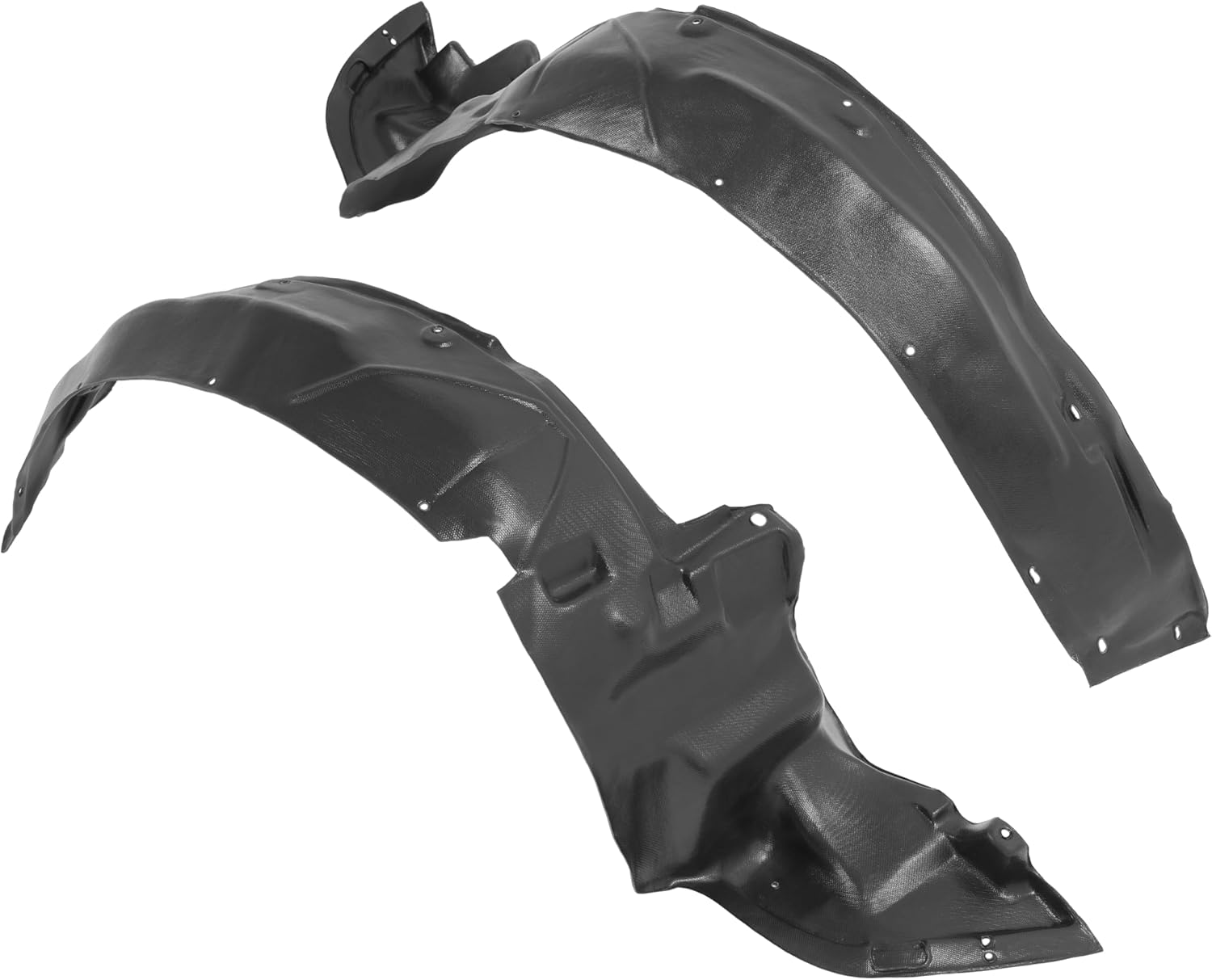
5. JMTAAT Front Inner Fender Liner Pair for 1996–2000 Honda Civic
| Material | Plastic(PE) |
|---|---|
| Auto Part Position | Front Inner |
| Vehicle Service Type | Compatible with 1996-2000 Honda Civic |
| OEM Part Number | 74101S04010, 74151S04000, HO1248103, HO1249103 |
These JMTAAT front inner fender liners are a direct replacement pair for the driver and passenger front wheel wells on 1996–2000 Honda Civic models. Molded from PE plastic, they are lightweight yet rigid enough to block road debris and reduce tire noise inside the inner arches. The set ships as two panels with no additional hardware or instructions, intended to be fitted into existing mounting points on the Civic. In practice they protect the engine bay and suspension components from stones, mud, and moisture and help keep the wheel wells cleaner during daily driving and light off-road use. Because they match the listed OEM part numbers, installation is straightforward for someone comfortable with basic trim removal and fastener reuse. Limitations are the lack of included clips or step-by-step instructions and an unfinished surface that may require trimming or paint if perfect appearance is important. For buyers prioritizing a durable, factory-style replacement, these liners deliver the core function without extras.
Best for: Buyers who want a reliable, factory-style replacement liner to restore protection to aging Civic wheel wells and reduce road debris intrusion while keeping repairs simple.
Less Ideal for: Drivers seeking a fully finished, painted appearance or a plug-and-play kit that includes new clips and step-by-step guidance should look elsewhere.
- Vehicle-specific fit for 1996–2000 Honda Civic matching common OEM part numbers
- Durable PE plastic construction provides strength while remaining lightweight
- Shields engine bay and suspension from stones, mud, and road splash
- Comes as a driver and passenger pair for a complete front replacement
- No mounting hardware or installation instructions included
Verdict: A straightforward, vehicle-specific pair of PE plastic front fender liners that restores factory-level protection for 1996–2000 Honda Civics.
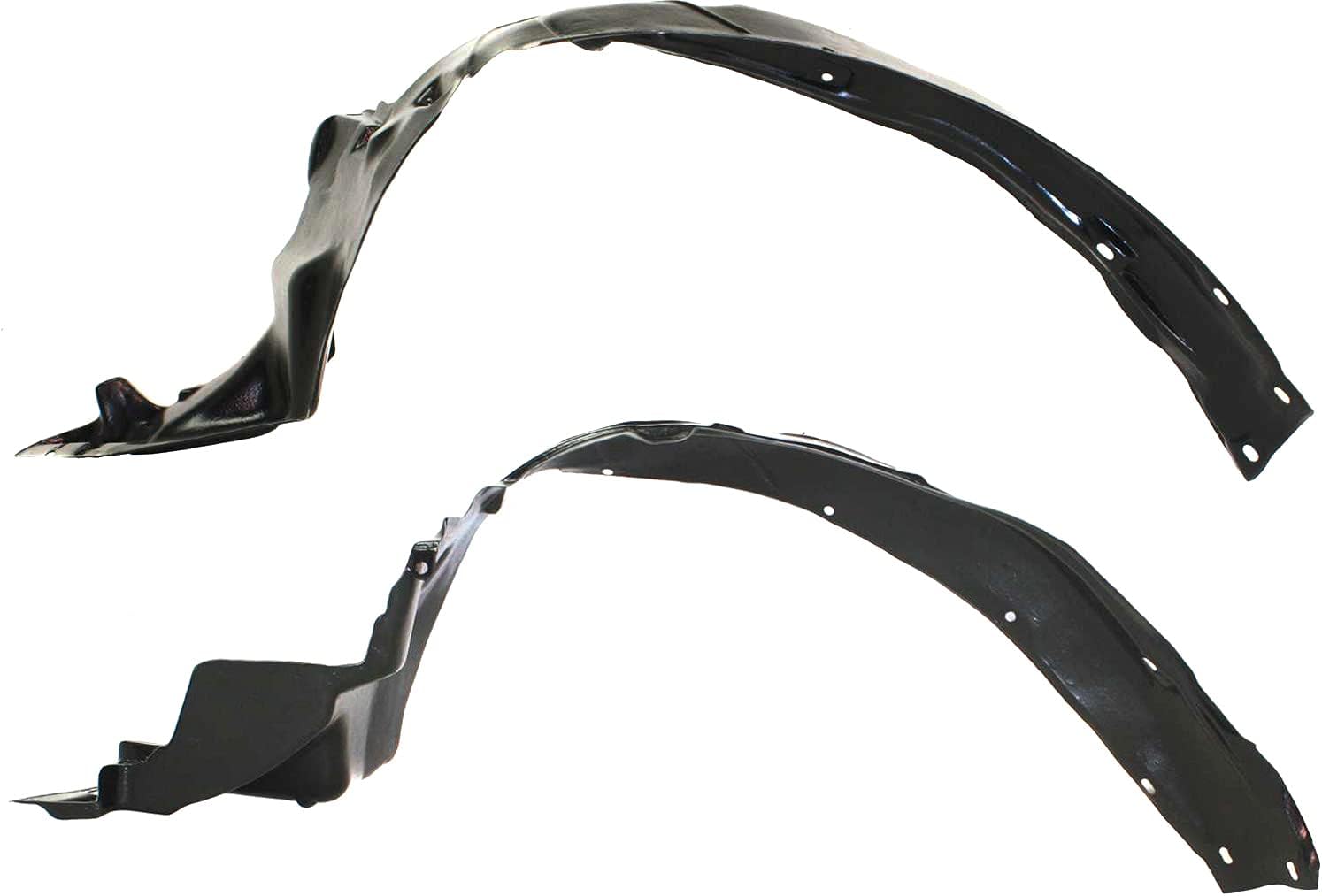
6. Garage-Pro Front Fender Liner Set for 1996–2000 Honda Civic
| Auto Part Position | Front |
|---|---|
| Compatible with Vehicle Type | Car |
| Automotive Fit Type | Vehicle Specific Fit |
| OEM Equivalent Part Number | 74101S04010, 74151S04000 |
| Material Type | Plastic |
These Garage-Pro fender liners are a direct-fit replacement for the front driver and passenger sides of 1996–2000 Honda Civic models. Made from molded plastic, the pair is intended to reinstall into the factory mounting points and restore the inner wheelwell barrier that keeps water, road grime, and debris away from wiring, suspension components, and the engine bay. Installation is typically a bolt-and-clip job that most home mechanics can handle with basic hand tools. The package lists OEM-equivalent part numbers so they match the original shape and attachment locations. Practical benefits include restoring factory-style coverage, preventing interior rust and component exposure, and keeping repairs affordable compared with used parts. Limitations are typical of aftermarket plastic liners: lower impact resistance than stamped metal alternatives and potential fitment variability on cars with prior damage or aftermarket fender modifications. Buyers should plan to reuse original fasteners if they are undamaged or replace clips for a secure fit.
Best for: A careful buyer who wants a budget-friendly, vehicle-specific replacement to restore factory protection on a 1996–2000 Civic and prefers parts that reference original part numbers for confidence in fit.
Less Ideal for: Not a good choice for owners restoring a heavily modified or accident-damaged fender area where custom trimming or heavier-duty liners may be required.
- Vehicle-specific design referencing Honda part numbers for a closer fit to the original liners
- Sold as a front pair so both sides can be replaced at once
- Made from plastic that resists corrosion and restores splash and debris protection
- Plastic construction is less impact-resistant than metal or heavy-duty aftermarket liners
Verdict: Choose this Garage-Pro pair if you want an affordable, vehicle-specific front fender liner set that restores factory-style splash protection on a 1996–2000 Honda Civic.
7. Parts N Go 1996–2000 Civic Front Fender Liner Set (Driver & Passenger)

| Compatible vehicles | 1996–2000 Civic |
|---|---|
| Position | Front |
| Material | Plastic |
| Installation | Screw-In |
| Manufacturer part numbers replaced | 74151S0400, 74101S0400 |
These Parts N Go fender liners provide a budget-friendly replacement for torn or missing front liners on 1996–2000 Civics. The set includes left and right splash guards made from plastic with a powder-coated finish and installs with screw-in hardware, so a competent DIYer can fit them using basic tools. The listing says they match the manufacturer's part numbers, which helps simplify ordering and ensures the pieces are shaped for the Civic front wheelwell. In practice they are softer than factory liners and some buyers report minor trimming or stretching to achieve a precise fit, but many find the parts acceptably accurate and easy to install. Build quality is typical of value aftermarket replacements: adequate for everyday driving and protection from road debris but not as durable as higher-end options. The one-year manufacturer warranty gives extra reassurance if a part fails early. If you want a low-cost, straightforward way to restore wheelwell protection without body-shop work, this set does the job, though expect occasional fitment tweaking and more limited long-term durability compared with premium replacements.
Best for: Buyers who want an inexpensive, factory-replacement style fix to restore wheelwell protection on a 1996–2000 Civic and prefer an easy DIY install with straightforward ordering.
Less Ideal for: Drivers seeking the most durable, long-lasting OEM-equivalent parts or those who need perfect out-of-the-box fitment without any adjustment should consider higher-end alternatives.
- Made to replace factory part numbers for 1996–2000 Civic front liners, simplifying fitment
- Includes both driver and passenger side pieces for a complete front wheelwell repair
- Screw-in installation works with basic tools and standard fasteners
- One-year manufacturer warranty provides short-term protection against defects
- Softer, lower-cost plastic construction can require trimming and may wear faster than factory-quality liners
Verdict: A low-cost, easy-to-install replacement set that restores front wheelwell protection on 1996–2000 Civics for risk-averse buyers who prioritize getting the car back on the road quickly.
Choosing the Right 1996-2000 Honda Civic Fender Liner: Key Factors to Consider
Material and Durability
The liner material determines how well it resists cracking, abrasions, and exposure to road salt. Heavy-gauge thermoplastic or molded polypropylene holds up better against stones kicked up by tires and seasonal deicing chemicals.
Thinner plastic liners can save weight and cost but are more likely to flex or break at mounting points, leading to gaps where water and grime enter the wheel well. For a 1996-2000 Civic, consider materials that maintain shape at low temperatures and resist UV degradation if you park outdoors frequently.
Fitment and Mounting Accuracy
Accurate fit against the Civic's wheel-arch contours reduces gaps that let moisture reach inner panels and suspension parts. Liners designed to align with OE mounting holes minimize drilling and preserve factory fasteners, lowering installation time and potential body damage.
Poorly fitting liners often require trimming or extra rivets, which can shift drainage paths or create stress points. Verify whether the liner is for the front or rear wheel well and whether it matches the Civic's specific bumper and fender shapes for 1996-2000 (EJ, EK, and EM) roofs and trims.
Installation Complexity
Some liners install with a handful of push clips and screws, while others need trimming, drilling, or new hardware. Easier installs reduce shop time and cost, especially if you plan to replace liners yourself.
Check whether the kit includes fasteners and whether access holes for strut tops and fluid lines are preserved. If you are not comfortable with cutting or drilling, prioritize liners that are labeled as direct-fit replacements for the Civic years in question.
Protection and Coverage
Coverage area affects what the liner protects. Full-coverage liners extend into the lower splash area and behind suspension components to prevent stone chips and salt exposure, while minimal liners may leave vulnerable seams exposed.
Think about local driving conditions: coastal or winter climates benefit from broader coverage, while dry-climate owners might prioritize lighter panels with easier access to service points.
Maintenance and Access
Consider how the liner affects routine maintenance tasks such as changing brake lines, inspecting strut tops, or replacing wheel bearings. Liners with removable sections or access ports reduce the need to remove the entire panel.
Rigid liners that require full removal for basic checks can increase labor during routine service. Look for designs that balance protection with practical access for common repairs on this Civic generation.
Corrosion Resistance and Drainage
Good liners direct water away from inner fenders and seams to prevent trapped moisture that accelerates rust. Look for shapes that maintain factory drainage paths rather than sealing off cavities.
Materials and mounting approaches that prevent water pooling at the same time as allowing debris to escape will prolong the life of the Civic's unibody and suspension mounting points.
Front Versus Rear Fender Liner Differences
Front and rear wheel wells face different exposures and require different liner approaches. Front liners must account for steering movement, brake cooling airflow, and the presence of strut assemblies, while rear liners prioritize coverage behind the wheel and around suspension links.
When choosing liners for the 1996-2000 Honda Civic, confirm whether the offering is designated for front or rear use. Front liners often have more complex contours and access cutouts for sway bar links and ABS sensors, so fitment accuracy is particularly important.
- Front liners need cutouts or flexible areas for steering clearance.
- Rear liners may focus on sealing seams near the trunk and lower quarter panels.
- Some kits sell front and rear pieces separately, so verify what is included.
Plastic Versus Composite Options
Liners are typically injection-molded plastic or composite fabric-backed panels. Plastic panels are lightweight and resist water, but cheap plastics can become brittle. Composite liners with a reinforced backing can absorb impacts better but may cost more and weigh slightly more.
For the Civic years in question, many owners opt for molded plastic liners that mimic original shape because they balance cost, ease of cleaning, and adequate protection under normal driving conditions.
- Plastic: easy to wash, generally lighter, may crack with age.
- Composite: more impact resistant, sometimes better sound dampening.
Common Installation Steps
Typical installation follows these steps: lift the vehicle safely and remove the wheel, remove old fasteners and the damaged liner, test-fit the new panel, attach using supplied fasteners or OE clips, and trim only if necessary. Recheck alignment after lowering the car.
For 1996-2000 Civic models with EJ, EK, and EM codes, many mounting holes align with the original pattern, but always trial-fit before fastening. Keep replacement clips and a small drill handy in case holes need minor adjustments.
- Always support the car on level ground with appropriate jack stands.
- Keep old clips as templates for size and type.
- Avoid over-tightening screws to prevent cracking the liner.
How Liners Affect Rust Prevention
Fender liners are the first line of defense against salt and grit that cause corrosion. By blocking direct spray onto seam welds and inner panels, a well-fitting liner reduces the rate at which rust can form on a Civic that is over two decades old.
However, liners do not eliminate existing rust. They are most effective when used with regular inspections and rust treatment on any exposed metal. Proper drainage and avoiding trapped moisture are critical to avoid creating new corrosion risk under the liner.
- Inspect liners for cracks where water could enter and settle.
- Ensure drain holes are not blocked during installation.
- Combine liners with routine underbody inspections for best results.
Repair and Trimming Tips
If a direct-fit liner requires minor trimming, mark the cut lines while the panel is held in the wheel well to avoid overcutting. Use a utility knife for thin plastic and a fine-tooth saw for thicker molded panels. Always test-fit after each small trim.
Small cracks can sometimes be repaired with adhesive-backed patches or plastic welding, but consider replacement if mounting tabs are broken. Replacement is usually preferable for structural integrity and long-term protection.
- Trim conservatively and re-test fit frequently.
- Use rust-inhibiting spray on exposed metal before refitting the liner.
- Keep spare fasteners on hand in case original clips break.
Sound Dampening and NVH Considerations
Some liners include foam backing or thicker sections that reduce road noise entering the cabin. While not a primary function, improved sound dampening can make a noticeable difference for daily driving on coarse pavements.
If NVH is a priority, look for liners specified to include acoustic liners or plan to add a thin foam layer behind the plastic. Ensure added materials do not trap water against metal surfaces.
- Factory-style liners often balance protection with modest noise reduction.
- Aftermarket acoustic additions should be water resistant and breathable.
Still looking for the perfect fit?
Select your Honda Civic configuration to see the most relevant Fender Liners recommendations
How We Chose the Best 1996-2000 Honda Civic Fender Liner
We prioritized fender liners that deliver reliable protection for the 1996-2000 Honda Civic chassis and wheel wells. Key evaluation criteria included material durability, fitment accuracy to EJ, EK, and EM body contours, mounting method compatibility with stock fasteners, and resistance to road salt and oil. We also weighed installation complexity and whether liners allowed access to common service points like strut mounts and splash shields.Products that required extensive trimming, nonstandard hardware, or altered factory drainage paths were excluded. We favored liners that matched the Civic's original mounting hole pattern or included clear installation templates. Noise and vibration damping were considered secondary but relevant for drivers who use their Civics for daily commuting. Longevity under driving conditions common to this model year range and the liner's ability to protect suspension and brake components were decisive factors.In short, the list emphasizes fitment and long-term protection while excluding options that demand major bodywork or permanent modifications to factory structures.
Our full evaluation process is outlined in our review methodology.
FAQ
How often should I inspect fender liners on a 1996-2000 Civic?
Inspect liners at least twice a year and after heavy road salt exposure or off-road drives. Regular checks catch cracks, loose fasteners, and debris that can trap moisture and accelerate rust.
Can I replace a fender liner myself with basic tools?
Yes. Many Civic owners can replace liners using common hand tools, a jack, and jack stands. Choose a direct-fit liner to minimize trimming and verify the mounting holes before final installation.
Do aftermarket liners change how I service brakes or struts?
Most direct-fit liners preserve access to brake and strut components. However, some heavier or full-coverage liners may need partial removal for major service tasks, so consider ease of access when choosing.
Will a new fender liner stop existing rust from spreading?
A new liner can slow further exposure to road moisture and debris, but it will not reverse existing rust. Address rust with appropriate treatment before installing a liner to avoid trapping corrosive material.
Are there common failure points to check on older Civic liners?
Check mounting tabs and the lower splash area for cracks and missing fasteners. These are typical failure points where liners pull away and allow debris to contact inner panels.
What fasteners should I use when original clips are missing?
Use replacement push clips or splash panel screws that match the original hole size and head profile. Avoid oversized fasteners that deform the liner or stress mounting points.
Final Verdict
Prioritize fitment accuracy and durable material when selecting fender liners for a 1996-2000 Honda Civic. A well-fitting liner that preserves factory drainage and mounting patterns offers the best protection against road salt, debris, and premature corrosion.Balance coverage with serviceability: choose full-coverage pieces if you need maximum protection in harsh climates, or direct-fit panels that make routine maintenance easier when you prefer simpler installation and access.
Explore More:
- Check out all Honda Civic parts & accessories
- Explore Fender Liners Maintenance & Repair Guides
- Explore Body & Exterior
- Browse all Auto Parts
