

Note: This article contains affiliate links. If you click on these links and make a purchase, I may earn a small commission at no extra cost to you. This helps support my research and content. Read my full affiliate disclosure here.
If your 2008-2012 Honda Accord is showing rough idle, decreased fuel economy, or a check-engine light linked to recirculation issues, a failing EGR valve is a common culprit. Selecting the right EGR valve matters because correct fitment and reliable operation restore normal exhaust gas recirculation, improve idle stability, and reduce emissions without triggering repeated codes.This guide covers six carefully shortlisted EGR valves for the 2008-2012 Accord. We focus on practical evaluation criteria like proper fit, durability, and ease of installation so you can pick a replacement that gets your Accord back to smooth running. Read on for the factors we weighed and the technical considerations specific to this vehicle generation.
Looking for other parts? See all Honda Accord parts & accessories.
Top Picks at a Glance
| Best Overall The best all-around choice for most situations | KUSATEC EGR Valve EGV1134 with Gasket |  |
| Best Quality Built to a higher standard if you want something more solid | Honda Genuine EGR Valve Set (18011-R1A-A00) |  |
| Best Value The sweet spot between price and what you get | AULINK EGR Exhaust Gas Recirculation Valve 18011-R70-A00 (EGV1134) |  |
| Best Budget The cheapest option that still gets the job done reliably | EMTMOUN EGR Valve EGV1134 (Replaces 18011-R70-A00) |  |
| Highest Rated A top-rated pick with lots of positive feedback | Usucrre EGV1134 Exhaust Gas Recirculation (EGR) Valve |  |
| Most Popular A crowd favorite that many people choose with confidence | Autoround EGR Valve Replace# 18011R70A00 for 3.5L/3.7L V6 Hondas and Acuras |  |
1. KUSATEC EGR Valve EGV1134 with Gasket

| Valve Type | EGR valve |
|---|---|
| Inlet Connection Type | Threaded |
| Outlet Connection Type | Threaded |
| Number of Ports | 2 |
This KUSATEC EGR valve is a direct replacement-style electronic assembly intended for 3.5L and 3.7L V6 Honda and Acura engines that use part number EGV1134. It installs in place of the factory unit and includes a precision-stamped gasket and a 5-pin male terminal in an oval housing for plug-and-play electrical connection. Constructed from cast metal alloys with steel reinforcement and a silicon diaphragm, the valve aims to resist heat and carbon buildup and maintain airtight sealing via two mounting points. In practical use it restores the exhaust gas recirculation function that reduces NOx and can smooth idle, improve throttle response, and help fuel economy when working correctly. Buyers should note this is an aftermarket unit so fit and longevity have mixed user feedback and some customers report early failures, so careful installation and testing after fitment are advisable. This part is best for replacing a failed EGR valve on compatible Accords and similar models rather than as a performance upgrade.
Best for: Buyers seeking an affordable, direct-replacement EGR valve for routine repair on compatible 3.5L/3.7L Honda and Acura V6 engines who prioritize restoring normal emissions and drivability over OEM-brand exclusivity.
Less Ideal for: People looking for a long-term factory-brand warranty solution or an upgraded performance part should consider factory replacement units or higher-end aftermarket options.
- Includes a precision-stamped gasket for a sealed mechanical fit
- 5-pin electrical connector in an oval housing for straightforward plug-in installation
- Made from cast metal alloys and steel reinforcement to resist heat and fouling
- Supplies a direct-replacement fitment that matches part number EGV1134
- Aftermarket reliability appears variable based on customer reports
Verdict: A practical, lower-cost direct-replacement EGR valve that restores emissions control and drivability for compatible 3.5L/3.7L Honda Accord V6 engines.
2. Honda Genuine EGR Valve Set (18011-R1A-A00)

| Valve Type | Poppet Valve |
|---|---|
| Inlet Connection Type | Flange |
| Outlet Connection Type | Flange |
| Number of Ports | 1 |
| Material Type | Cast Iron, Stainless Steel |
This genuine Honda EGR valve set is a factory replacement designed to restore proper exhaust gas recirculation and resolve related fault codes. Installed in place of a worn or clogged valve, it reestablishes correct flow and vacuum operation using a poppet-style valve with flange inlet and outlet connections. The cast iron and stainless steel construction points to durability under heat and exhaust exposure, and the part is built to Honda specifications for fit and function. For everyday use it behaves like a direct swap, so technicians and experienced DIYers can replace a faulty valve and then clear codes to return drivability and fuel economy to expected levels. The main limitation is that this is a specific OEM part intended as a direct replacement rather than an upgraded performance unit, so buyers seeking altered flow characteristics or performance tuning should look for specialized aftermarket EGR solutions. Expect OEM fitment and long-term reliability when matching the correct Honda applications.
Best for: Buyers who prioritize restoring factory performance, emissions compliance, and long-term reliability in a Honda vehicle and want a straightforward direct-replacement part.
Less Ideal for: Drivers seeking increased EGR flow or performance tuning should consider aftermarket performance EGRs or custom solutions instead of this OEM replacement.
- Factory genuine Honda part for accurate fit and compatibility
- Cast iron and stainless steel construction for heat and corrosion resistance
- Poppet valve design with flange connections for straightforward replacement
- Meets Honda specifications so no calibration or modification expected
- Not designed as a performance-enhancing or high-flow aftermarket upgrade
Verdict: Choose this genuine Honda EGR valve when you want reliable, factory-spec replacement fit and emissions performance for a Honda Accord within the covered years.
3. AULINK EGR Exhaust Gas Recirculation Valve 18011-R70-A00 (EGV1134)

| Manufacturer | AULINK |
|---|---|
| Number of Ports | 2 |
| Inlet Connection Type | Barb |
| Outlet Connection Size | 0.38 Inches |
| Specification Met | TS16949 |
This AULINK EGR valve replaces the factory unit on many 3.5L and 3.7L Honda and Acura V6 applications and is intended to restore proper exhaust gas recirculation and emissions control. Installation is typical for EGR swaps: remove the old valve, transfer the gasketed connection, and secure the unit with 12mm fasteners; some installations require an extension and universal joint for access. The part ships with a graphite-impregnated gasket and AULINK says it is function and leakage tested and manufactured in TS16949 facilities. Practical benefits include straightforward direct-fit replacement for listed model years and components built to withstand heat and pressure, which can clear lean or EGR-related codes and avoid dealer-level labor costs. Limitations to expect are variable long-term durability reported by users and occasional recurrence of check-engine codes, so keep in mind this is an aftermarket replacement rather than a branded factory part. If you are doing the repair yourself, budget time for tight-access fasteners and follow standard torque and cleaning procedures for the mating surface.
Best for: Buyers who prioritize a practical, lower-cost replacement to fix EGR-related codes and get an older Accord back to reliable running without dealer labor costs. It suits DIY mechanics comfortable with under-hood repairs and working in tight spaces.
Less Ideal for: Drivers seeking an exact OEM-branded original part or guaranteed long-term service life should consider factory replacements or dealer-sourced units. Those who want a no-hassle warranty-backed repair service should look to professional parts with stronger warranty terms.
- Direct-fit replacement for many 2008–2015 Acura and 2008–2020 Honda V6 models listed in the fitment
- Includes a graphite-impregnated gasket and claims 100% function and leakage testing
- Manufactured in TS16949 certified facilities indicating controlled production standards
- Eases repair by restoring EGR function to clear lean/EGR-related codes when successful
- Some users report recurring check-engine lights after months of use, suggesting inconsistent long-term reliability
- Tight mounting locations may require specialty sockets and extensions for installation
Verdict: AULINK's EGR valve is a cost-effective direct-fit replacement for Honda/Acura V6 engines that lets a practical DIYer clear EGR faults and avoid dealer labor quickly.
4. EMTMOUN EGR Valve EGV1134 (Replaces 18011-R70-A00)

| Material Type | Aluminum |
|---|---|
| Inlet Connection Type | Flange |
| Outlet Connection Type | Flange |
| Number of Ports | 2 |
| Valve Type | EGR Valve |
This EMTMOUN EGR valve is a factory-style replacement built from aluminum with flange inlet and outlet connections and two ports. It installs where the original EGR valve controlled recirculated exhaust to reduce combustion temperatures and emissions, so it is typically used to replace a failed or sticking valve that triggers rough idle, reduced fuel economy, or an emissions code. The valve matches OE connection sizes listed by the manufacturer and is offered to fit a range of 3.5L and 3.7L V6 Hondas and Acuras including 2008–2012 Accord models. In practice the unit should bolt in without modification on covered vehicles and restore normal EGR operation, improving idle smoothness and helping clear check-engine lights tied to EGR faults. It is a budget-focused aftermarket option so expect basic packaging and limited brand support compared with dealer parts, but the aluminum construction and flange fittings make it a solid value for routine replacement jobs. Confirm fitment for your exact year and engine before installing.
Best for: Buyers who need an affordable, ready-to-install replacement to restore proper EGR function on 3.5L/3.7L V6 Honda or Acura engines and prioritize cost-effectiveness over dealer sourcing.
Less Ideal for: Customers seeking factory dealer parts with full manufacturer support or extended warranty coverage should consider dealer-sourced replacements instead.
- Made from aluminum for corrosion resistance and durability.
- Direct-replacement flange connections and two-port design match common factory fitments.
- Covers Honda and Acura 3.5/3.7L V6 applications including 2008–2012 Accord models.
- Replaces specified OE numbers for easier part lookup and installation.
- Aftermarket brand with limited support compared with dealer-sourced parts.
- Basic packaging and accessory support; no extended warranty information provided.
Verdict: A cost-conscious, aluminum-bodied direct-replacement EGR valve that restores factory-style EGR operation on 3.5/3.7L Honda Accord engines without modification.
5. Usucrre EGV1134 Exhaust Gas Recirculation (EGR) Valve
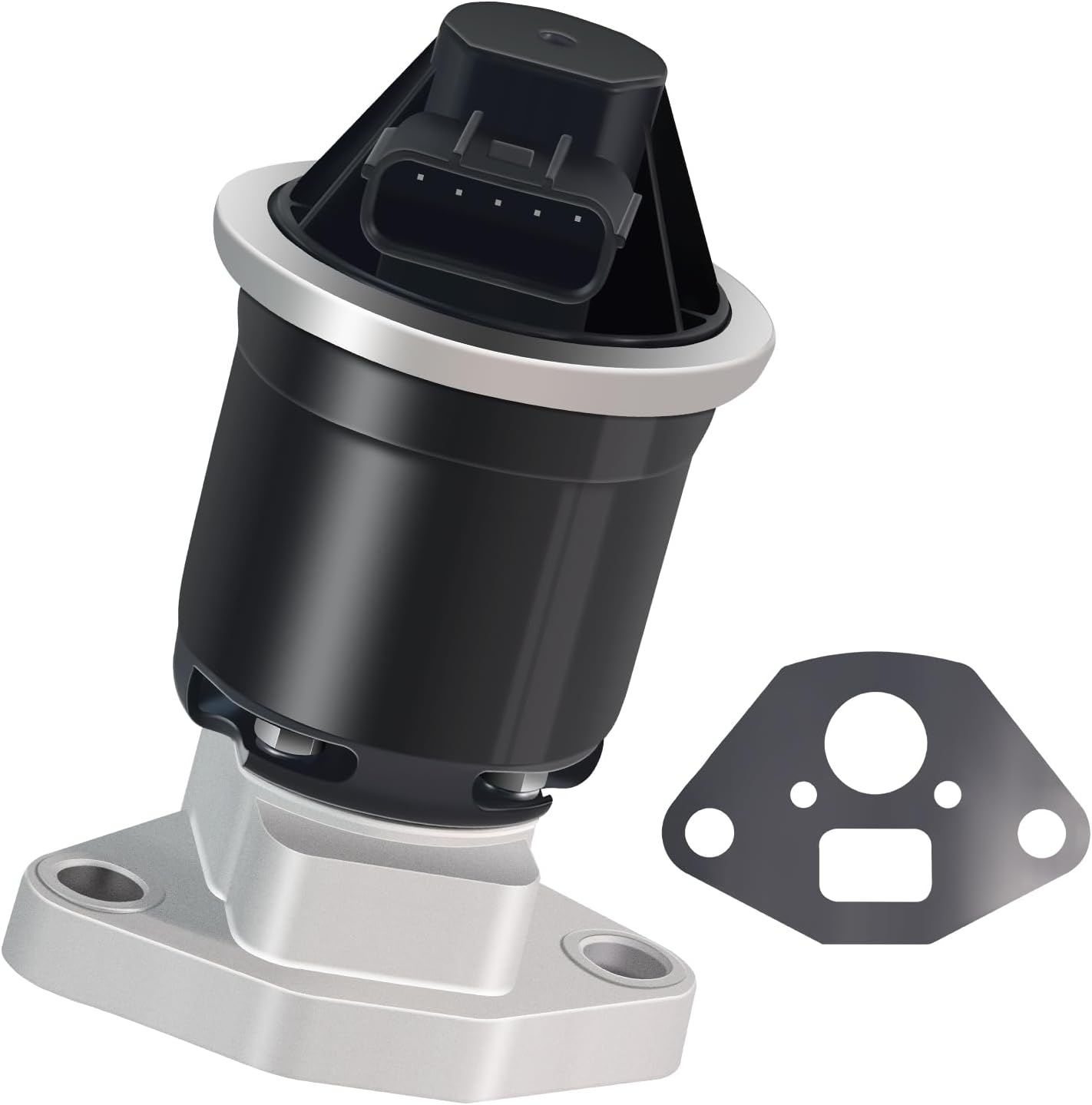
| Exterior Finish | Stainless Steel |
|---|---|
| Inlet Connection Type | Threaded |
| Outlet Connection Type | NPT |
| Number of Ports | 2 |
| Thread Size | 1.25 inches |
This Usucrre EGV1134 is a metal, threaded EGR valve intended as a direct factory-style replacement for affected 3.5L and 3.7L Honda and Acura engines. It routes measured amounts of exhaust gas back into the intake to reduce combustion temperature and control NOx emissions, so it is typically used to replace a leaking or stuck original unit that causes rough idle, check engine lights, or failed emissions checks. The valve is stainless steel with standard SAE threads and NPT outlet fittings, and the listing identifies it as matching common OEM part numbers for the 2008–2012 Accord 3.5L and similar models. For a reliability-focused buyer this unit offers straightforward fitment and a familiar threaded connector style that a mechanic can install without special adapters. Limitations to note are that the listing uses a single part configuration and buyers should verify their exact part number and vehicle engine before installing, and longevity depends on installation quality and local conditions rather than any extended guarantee provided here.
Best for: Buyers who prioritize restoring reliable emissions control and smooth idle on late-2000s Honda 3.5L engines and want a straightforward, factory-style replacement they can install or have fitted by a trusted mechanic.
Less Ideal for: Anyone seeking a lifetime-backed performance upgrade or a valve for a non-specified vehicle or engine should look for alternatives with explicit long-term warranty coverage or different fitment.
- Built as a direct factory-style replacement compatible with listed Honda and Acura V6 engines
- Stainless steel construction and threaded SAE connections common to shop repairs
- Matches common OEM part numbers for straightforward verification and fitment
- Simple threaded connector and standard fittings make installation by a technician fast
- No extended warranty information provided and long-term durability depends on local conditions and installation
Verdict: A straightforward, factory-style stainless steel replacement EGR valve that restores emissions control and smooth idle on compatible 2008–2012 Honda V6 vehicles.
6. Autoround EGR Valve Replace# 18011R70A00 for 3.5L/3.7L V6 Hondas and Acuras

| Inlet Connection Type | Flange |
|---|---|
| Outlet Connection Type | Flange |
| Number of Ports | 2 |
| Material Type | Stainless Steel |
| Valve Type | EGR Valve |
This Autoround EGR valve is a direct-fit replacement designed to restore exhaust gas recirculation function on compatible 3.5L and 3.7L V6 Hondas and Acuras. It uses stainless steel construction and flange inlet/outlet ports with two connection ports, and the listing says it is manufactured to factory-guided standards and ISO quality processes. In practical use it replaces a failed valve to clear P040x codes, improve idle smoothness, and recover throttle response when EGR failure caused lean conditions or misfires. Many owners report straightforward installation and immediate symptom relief, and the part is offered at a lower price than dealer units. The downside is mixed long-term reliability in user reports: some buyers found it failed after weeks or required replacement with a factory-quality unit to fully resolve codes. That means it is a reasonable budget fix for known EGR failures but carry out post-install testing and be prepared to compare with a factory replacement if problems persist.
Best for: Buyers who want an affordable, factory-guided replacement to fix EGR-related drivability issues on the specified Honda/Acura V6 models and who will verify repair success after installation.
Less Ideal for: If you need guaranteed long-term reliability or prefer dealer-backed parts and warranty service, choose a factory-brand replacement or have the dealer supply the part and install it.
- Direct-replacement flange fitment for listed 3.5L/3.7L V6 Honda and Acura applications
- Stainless steel body claimed to resist heat and corrosion better than the original
- Manufactured to factory-guided specifications and ISO processes according to the listing
- Lower cost alternative to dealer or branded dealer-equivalent units
- User reports show variable durability with some units failing within weeks in real-world use
- Not all installs resolved underlying codes for some vehicles, requiring dealer diagnosis or OEM replacement
Verdict: A budget-friendly, factory-guided replacement that often restores EGR function quickly, suitable for drivers who accept some risk on long-term durability.
Choosing the Right 2008-2012 Honda Accord EGR Valve: Key Factors to Consider
Fitment and Connector Compatibility
Correct fitment is the first priority because the EGR valve must match the Accord's mounting flange, bolt pattern, and intake port size to avoid vacuum or exhaust leaks. An electrically actuated valve must also use the correct connector type and pinout so the factory wiring harness plugs in without splicing.
Mismatched fit can lead to installation delays, additional gaskets, or adapter plates that compromise sealing. Verify that the replacement references the 2008-2012 Accord application explicitly and that electrical harness connectors align. In many cases a direct-fit unit saves labor time and reduces the chance of wiring errors during installation.
Sealing and Gasket Quality
The EGR valve sits between exhaust and intake passages, so a reliable seal is essential to prevent exhaust leaks that affect idle and emissions. Pay attention to whether a new gasket is included and the gasket material. Multi-layer steel or high-temperature composite gaskets hold up better against thermal cycling and soot exposure than thin paper gaskets.
A poor seal can cause vacuum loss or allow unmetered exhaust into the intake, producing rough idle and drivability issues. Proper mounting torque and a quality gasket reduce the risk of future leaks and the need for repeated resealing.
Actuator Response and Flow Control
Whether the valve is vacuum-operated or electronically actuated, its ability to open and close smoothly affects combustion stability. A sticky or slow-responding actuator will cause intermittent rough idle, hesitation, or uneven emissions control. Look for units with tested actuator travel and consistent response across temperature ranges typical for daily driving.
Flow control characteristics matter because the EGR valve meters the amount of recirculated gas. A properly functioning valve provides predictable flow at idle and part-throttle conditions, helping maintain combustion temperatures and reducing NOx formation without inducing stumbling or misfires.
Resistance to Soot and Carbon Buildup
EGR passages and valves accumulate soot and carbon over time. Materials and internal clearances that resist buildup will extend service intervals and reduce the chance of a stuck valve. Valves with smoother internal surfaces or protective coatings tend to tolerate soot better and are easier to clean if maintenance becomes necessary.
Consider whether the design allows periodic cleaning without full replacement. While cleaning can restore function temporarily, a valve built to resist accumulation will provide more consistent operation and lower maintenance needs for the 2008-2012 Accord.
Durability and Warranty Coverage
A robust construction—metal housings, quality diaphragms, and durable electrical components—correlates with longer service life, especially given the thermal and corrosive environment of EGR systems. Look for warranty coverage that reflects manufacturer confidence; longer or more comprehensive warranties indicate fewer expected early failures.
Durability matters because repeated failures quickly increase ownership cost and labor. For the Accord, selecting a valve with solid construction and reasonable warranty terms reduces the chance of returning to the same repair within months.
Ease of Installation and Included Hardware
Some replacement valves include new gaskets, mounting bolts, or retaining clips, which simplifies installation and ensures a proper seal. Ease of access to the EGR mounting location on the 2008-2012 Accord affects labor time, so a unit that installs without special tools or bracket modifications is preferable.
Clear instructions, correct torque specs, and included hardware reduce the likelihood of installation errors. For DIYers, direct-fit parts with all required components minimize frustration and help ensure a proper repair on the first attempt.
Common Symptoms of a Failing EGR Valve on the 2008-2012 Accord
A failing EGR valve on this generation of Accord often shows as rough or unstable idle, especially when the engine is warm. You may notice a hesitation during light throttle or reduced acceleration responsiveness at part-throttle conditions.
Other typical signs include a persistent check-engine light with related codes, decreased fuel economy, and increased exhaust odor under certain conditions. Recognizing these symptoms helps determine whether the EGR system is the likely cause before proceeding with replacement.
- Rough or fluctuating idle at warm operating temperature
- Stumble or hesitation during light acceleration
- Check-engine light with EGR-related trouble codes
- Sooty exhaust or stronger exhaust smell in the intake
How to Locate and Inspect the EGR Valve on Your Accord
On the 2008-2012 Honda Accord the EGR valve is mounted between the exhaust and intake manifolds in the intake tract area. Visual inspection is the first step: check for cracked hoses, torn vacuum lines if equipped, damaged electrical connectors, and visible exhaust leaks around mounting flanges.
If the valve is accessible, remove the mounting bolts and inspect the gasket surface for corrosion or pitting. A clogged EGR port or carbon deposits on the valve face are common and indicate the need for cleaning or replacement.
- Park on level ground and let the engine cool before touching components
- Disconnect the battery before removing electrical connectors
- Document the connector orientation and bolt locations to aid reinstallation
Cleaning Vs Replacement: When to Recondition the Valve
Cleaning a sticky EGR valve can be a cost-effective first step if the valve is mechanically intact and the actuator responds normally. Use proper cleaning solvents and tools to remove carbon deposits while avoiding damage to diaphragms, sensors, or electronic components.
However, if the actuator is non-responsive, the valve seals are compromised, or the valve shows heavy corrosion, replacement is usually the safer long-term option. For the 2008-2012 Accord, consider replacement when cleaning does not fully restore smooth idle and predictable flow control.
- Clean when deposits are moderate and actuator movement is intact
- Replace when diaphragms, electrical components, or valve seats are damaged
- Always replace the gasket when reinstalling the valve
DIY Installation Tips for the 2008-2012 Accord
Prepare by gathering the right hand tools, replacement gasket, and torque specifications. Work methodically: label connectors, take photos of hose routing, and support adjacent components to avoid stressing hoses or wiring during removal.
After installation, clear any stored codes and perform a quick drive cycle to confirm idle stability and absence of new codes. Check for leaks around the mounting flange and re-torque bolts after a short warm-up if recommended by the repair manual.
- Use a torque wrench and follow manufacturer torque values
- Replace the mounting gasket and any brittle vacuum lines
- Verify electrical connector engagement and secure routing to prevent heat damage
Diagnostic Steps Before Replacing the EGR Valve
Confirm the problem is EGR-related by reading stored trouble codes and monitoring live data if available. Look for codes indicating insufficient EGR flow or solenoid/actuator circuit faults. Observing EGR commanded position versus actual response helps isolate mechanical from electrical failures.
Perform a basic functional test: with safety precautions, command the valve while monitoring engine behavior, or use a hand vacuum pump if the valve is vacuum-operated. If the valve does not respond electrically or mechanically, replacement is likely necessary.
- Scan for EGR-related trouble codes and note freeze-frame data
- Compare commanded EGR position to observed engine response
- Use a hand vacuum pump or scan-tool command to test actuator movement
Still looking for the perfect fit?
Select your Honda Accord configuration to see the most relevant EGR Valves recommendations
How We Chose the Best 2008-2012 Honda Accord EGR Valve
We prioritized entries that match the 2008-2012 Honda Accord's engine plumbing and mounting points, ensuring direct fitment without modification. Core evaluation criteria included mechanical and electrical compatibility, tested sealing against leaks, and actuator response to restore correct flow characteristics. Durability factors such as materials, diaphragms or pintle quality, and resistance to soot buildup were assessed to estimate service life under normal driving conditions. We also considered ease of installation, accessibility of mounting fasteners, and whether common maintenance items like gaskets or mounting hardware are included.We excluded parts that require intake manifold modification, universal units without application-specific mounting, or products with unclear electrical connectors for this Accord generation. Long-term reliability indicators included component construction, warranty terms, and feedback about repeat-failure modes. The resulting list emphasizes fitment, sealing, actuator responsiveness, and longevity—dimensions that actually matter when replacing an EGR valve on this Accord.
Our full evaluation process is outlined in our review methodology.
FAQ
What are the most common EGR valve symptoms on a 2008-2012 Accord?
Common symptoms include rough idle, hesitation during light acceleration, decreased fuel economy, and a check-engine light with EGR-related codes. These signs often point to carbon buildup or actuator failure.
Can I clean the EGR valve instead of replacing it?
You can clean an EGR valve if the actuator and seals are intact and deposits are moderate. Cleaning is a temporary fix when buildup is the primary issue, but a non-responsive actuator or damaged seals typically require replacement.
How do I test the EGR valve on my Accord?
Testing involves reading trouble codes, commanding the valve with a scan tool or applying vacuum if applicable, and observing engine response. A lack of movement or no change in engine behavior during command indicates a likely failure.
Should I replace the EGR gasket when installing a new valve?
Yes. Always replace the mounting gasket to ensure a proper seal and prevent exhaust leaks. Reusing an old gasket increases the risk of leaks and recurring drivability issues.
How long does an EGR valve typically last on this Accord generation?
Service life varies with driving conditions and maintenance. Many valves last several years, but frequent short trips and heavy soot-producing driving can shorten life. Regular inspection helps catch buildup before mechanical failure.
Will replacing the EGR valve clear a P0401 code?
Replacing a faulty EGR valve can clear a P0401 code if the code was caused by insufficient EGR flow. However, other issues such as clogged passages, vacuum leaks, or wiring faults can also trigger the same code, so diagnostics are important.
Final Verdict
For the 2008-2012 Honda Accord, prioritize a direct-fit EGR valve with the proper connector and a durable gasket to restore idle quality and emissions control. Balance durability against ease of installation: a well-constructed valve that resists carbon buildup and includes the correct hardware reduces the chance of repeat service. When in doubt, confirm actuator response and sealing before installation so you address the root cause rather than reinstalling a temporary fix.Overall, choose a valve that matches the Accord's mounting and electrical requirements, offers strong sealing, and is built to withstand soot and heat. That approach gives the best chance of reliable operation and fewer shop visits down the road.
Explore More:
- Check out all Honda Accord parts & accessories
- Explore EGR Valves Maintenance & Repair Guides
- Explore Engine
- Browse all Auto Parts
