

Note: This article contains affiliate links. If you click on these links and make a purchase, I may earn a small commission at no extra cost to you. This helps support my research and content. Read my full affiliate disclosure here.
If your 2002-2005 Ford Explorer has rough idle, reduced fuel economy, or an illuminated check engine light tied to the exhaust gas recirculation system, the right EGR valve can make a noticeable difference. This guide narrows the field to the seven best EGR valves suited to the 2002-2005 Explorer, focusing on proper fitment, valve durability, and restoring emissions function.You will find shortlists that meet the vehicle's fitment needs and explanations of the key technical and installation considerations. The selections account for valve type, expected lifespan, and the common service tasks owners face. Read on to compare the top options and understand which features matter most for your Explorer's EGR repair or refresh.
Looking for other parts? See all Ford Explorer parts & accessories.
Top Picks at a Glance
| Best Quality Built to a higher standard if you want something more solid | TINJO EGR Valve EGV1041 Replacement for 2004–2005 Ford Explorer and Mercury Mountaineer |  |
| Best Value The sweet spot between price and what you get | EVERESTWAY EGR Valve Direct Replacement (Model E011BG006) |  |
| Best Budget The cheapest option that still gets the job done reliably | EVERESTWAY EGR Valve Replacement for Ford E-150/E-250/Explorer/Ranger |  |
| Highest Rated A top-rated pick with lots of positive feedback | TUCAREST EGV575 EGR Valve with Gasket |  |
| Most Popular A crowd favorite that many people choose with confidence | MOSTPLUS EGR Valve EGV575T Compatible with 1997–2004 Ford Trucks and SUVs |  |
1. TINJO EGR Valve EGV1041 Replacement for 2004–2005 Ford Explorer and Mercury Mountaineer
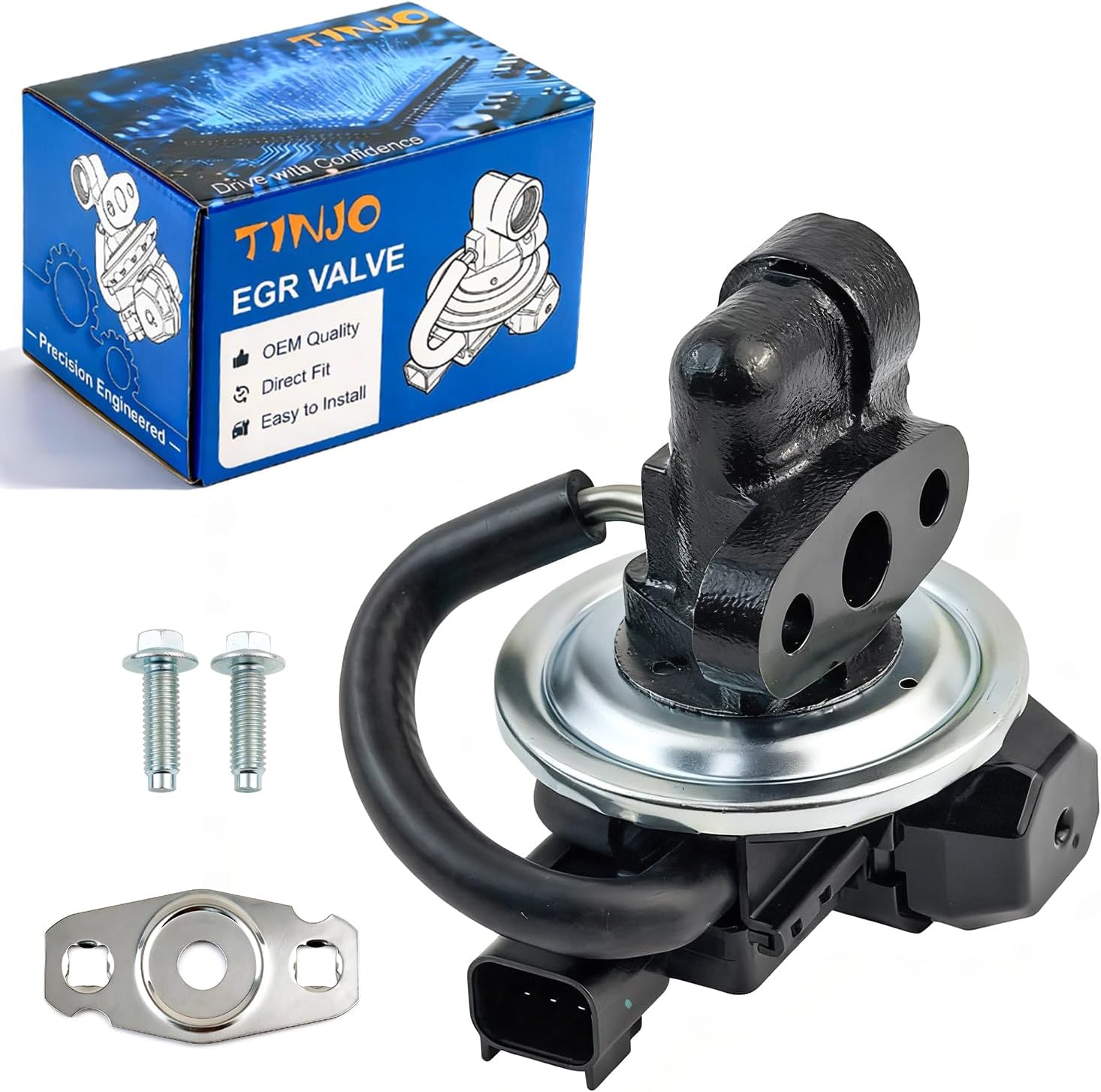
| Brand | TINJO |
|---|---|
| Model Number | EGR-A04 |
| Included Components | 1 EGR Valve |
| Compatible Vehicles | 2004-2005 Ford Explorer, 2004-2005 Mercury Mountaineer |
This TINJO EGR valve is a direct-fit replacement built to replace the factory unit on 2004–2005 Ford Explorer and 2004–2005 Mercury Mountaineer. It controls exhaust gas recirculation to reduce combustion temperatures and NOx emissions, which can improve throttle response and reduce engine knock when the original valve is sticking or failed. Installation is straightforward because the part is offered as a ready-to-install assembly and is intended to match factory fit and function. The listing cites bench testing for resistance, leakage, response, and flow rates, which suggests usable quality control for a replacement part. Practical benefits include easier cold starts, smoother idle, and the potential for modest fuel economy gains when the EGR function is restored. Important limitations are that longevity depends on installation and vehicle condition, and aftermarket units may not exactly match the lifespan of a higher-end OEM part; confirmation of fit against the vehicle VIN or parts diagram is still recommended before purchase.
Best for: Buyers who want a performance-oriented repair that restores proper EGR operation and improves throttle response and drivability on the specified model years.
Less Ideal for: Drivers seeking a long-term higher-end OEM remanufactured unit or a warranty-backed dealer part should consider dealer or premium options instead.
- Direct-fit replacement for specified 2004–2005 Ford Explorer and Mercury Mountaineer applications
- Bench-tested for resistance, leakage, response, and flow rates according to the listing
- Intended to restore smoother idle, easier starts, and improved throttle response when replacing a failed EGR valve
- Aftermarket durability may vary versus factory-quality parts and depends on vehicle condition and installation
Verdict: Choose this direct-fit replacement if you want a performance-focused, ready-to-install EGR valve that restores throttle response and smoothness to 2004–2005 Explorer and Mountaineer engines.
2. EVERESTWAY EGR Valve Direct Replacement (Model E011BG006)

| Material | Metal |
|---|---|
| Inlet Connection Size | 2 Inches |
| Outlet Connection Size | 2 Inches |
| Number of Ports | 2 |
This EVERESTWAY EGR valve is a direct-replacement metal unit intended to restore proper exhaust gas recirculation on compatible Ford V6 and V8 engines. It installs in the stock location without modification and uses standard 2-inch NPT inlet/outlet connections, which makes it straightforward for a DIY mechanic to swap in during routine emission or idle-control repairs. The part lists multiple factory part numbers it replaces and targets older Ford models where carbon buildup and valve failure are common. Benefits include metal construction for durability and a two-port design that matches many factory systems. Limitations are that fitment is limited to the specific model years and engine families listed, so you must verify vehicle compatibility before buying, and the listing does not include electrical connector details or mounting hardware which may be needed on some vehicles. Expect typical behavior: improved idle stability and reduced check-engine codes when the failed OEM EGR valve is the root cause.
Best for: Buyers who want a straightforward, no-frills replacement to get a higher-mileage Explorer's EGR system back to working order with minimal fuss and installation time.
Less Ideal for: Drivers looking for a plug-and-play electronically matched factory module with guaranteed connector compatibility or those who need a lifetime parts warranty should consider alternatives.
- Direct-fit replacement designed to install without modifications
- Metal construction for improved durability over cheaper plastic units
- Matches common two-port inlet/outlet configuration for straightforward plumbing
- Covers many Ford engine applications so a single part fits multiple models
- Electrical connector and mounting hardware details are not specified in the listing
Verdict: A solid metal direct-replacement EGR valve for restoring function on older Ford engines when you need a practical, easy-to-install fix.
3. EVERESTWAY EGR Valve Replacement for Ford E-150/E-250/Explorer/Ranger

| Material | Alloy Steel |
|---|---|
| Inlet Connection Type | National Pipe Tapered |
| Outlet Connection Type | NPT |
| Number of Ports | 1 |
This EVERESTWAY EGR valve is a budget-friendly direct replacement meant to fit a range of Ford and related vehicles from the late 1990s to the early 2010s, including 2001-2003 Explorers. It installs like a factory-style part, so typical DIYers can swap it in without modification to restore proper exhaust gas recirculation, reduce rough idle, and clear related fault codes. The unit is made from alloy steel and the listing cites reinforced silicon diaphragms for durability under high heat. Practical benefits include straightforward fitment to listed models, compatibility with common OEM part numbers, and a compact design that matches factory connection types. Limitations are typical of value aftermarket parts: long-term longevity and exact tolerances may vary compared with higher-end replacements, and fit should be double-checked against your vehicle's part number before purchase. For someone needing a low-cost replacement to get an older Explorer back into reliable running order, this is a pragmatic option.
Best for: Buyers prioritizing a low-cost, straightforward replacement to restore emissions function and idle behavior on older Explorers and similar Ford vehicles who plan to install or have a mechanic install the part quickly.
Less Ideal for: People seeking a long-term performance upgrade or a heavy-duty OEM-level part for extensively modified engines should consider higher-end or factory-sourced options.
- Direct-fit design for listed Ford and related models simplifies installation
- Made from alloy steel with reinforced silicon diaphragm for improved heat resistance
- Lists multiple OEM part numbers for easier cross-referencing and fit verification
- Compact factory-style inlet and outlet connections match standard NPT/NPTP types
- Lower-cost aftermarket part so long-term durability and exact fitment tolerances may not match premium replacements
Verdict: A practical, budget-minded direct-fit EGR valve that restores emissions control and idle stability on older Ford Explorers without requiring modification.
4. TUCAREST EGV575 EGR Valve with Gasket

| Inlet Connection Type | threaded |
|---|---|
| Number of Ports | 2 |
| Thread Size | 1/8" |
| Thread Type | NPT |
| Valve Type | Diaphragm Valve |
This TUCAREST EGV575 EGR valve is a direct-fit replacement intended to restore proper exhaust gas recirculation on compatible Ford vehicles from the late 1990s through early 2000s. It installs in place of the factory valve and is supplied with a gasket, threaded NPT inlet connections, and a two-port diaphragm valve design. In normal use it reintroduces measured exhaust gas back into the intake to reduce NOx and stabilize idle when the engine management system commands flow. The valve is built with a silicon diaphragm reinforced with steel and the listing notes bench-tested flow and leakage checks for consistent operation. Practical benefits include an easy swap for DIY or shop installation, factory-spec fitment to many Ford 4.6L V8 applications, and parts intended to resist high underhood temperatures. Limitations are that fitment must be confirmed against exact vehicle and engine combinations before purchase and this is a replacement part rather than an upgraded performance unit, so it restores stock behavior rather than improving emissions control beyond factory specifications.
Best for: Buyers who prioritize restoring reliable, factory-like engine control and smooth idle on compatible Ford Explorer 2002–2003 4.6L applications and similar-era Ford vehicles, and who prefer parts tested to meet specification. They want a practical, do-it-yourself or shop-friendly replacement that returns the vehicle to expected emissions and idle behavior.
Less Ideal for: Drivers seeking performance modifications, emissions upgrades beyond stock, or universal-fit parts for multiple vehicle platforms should look elsewhere.
- Direct-fit replacement calibrated to factory specifications for straightforward installation
- Silicon diaphragm with steel reinforcement for improved heat resistance and durability
- Threaded NPT inlet and two-port design matches common factory connections
- Includes gasket for one-step swap and reduces chance of vacuum leaks during install
- Compatibility varies by engine and year so exact fit must be verified before ordering
- Not a performance upgrade; designed to restore factory operation rather than enhance it
Verdict: Choose this valve when you need a factory-quality, direct-fit replacement to reliably restore EGR function on compatible early 2000s Ford Explorers and similar vehicles.
5. MOSTPLUS EGR Valve EGV575T Compatible with 1997–2004 Ford Trucks and SUVs

| Material | Metal |
|---|---|
| Inlet Connection Size | 1 Inches |
| Inlet Connection Type | Threaded |
| Outlet Connection Type | G Connector |
| Number of Ports | 2 |
This MOSTPLUS EGR valve is an aftermarket replacement intended to restore exhaust gas recirculation function on compatible Ford 4.6L and related engines. It installs as a direct-fit unit using the same threaded inlet and G-style outlet connections, so swapping it into the original mounting points is straightforward for someone with basic garage skills. The part is metal with a stainless-like exterior finish and two ports, and the listing highlights compatibility with many Ford models from the late 1990s to early 2000s. In practice the main benefit is returning proper EGR flow to clear codes, reduce rough idle, and help pass emissions checks when the old valve has failed. Buyers should note this is an aftermarket component rather than a factory remanufactured valve, so fit and long-term durability can vary by vehicle and driving conditions. Check exact VIN and engine match before purchase and plan a careful fit check during installation.
Best for: Buyers who want a budget-friendly, ready-to-install replacement to restore EGR function and clear related driveability or emissions codes on older Ford SUVs and trucks from the stated years.
Less Ideal for: Drivers seeking a guaranteed factory-quality remanufactured unit or those unwilling to verify exact VIN and engine compatibility prior to installation.
- Direct-fit design using threaded inlet and G-style outlet for straightforward replacement
- Constructed of metal with a stainless-like finish for corrosion resistance
- Covers a range of late 1990s to early 2000s Ford applications, simplifying part selection
- Two-port configuration matches common factory EGR plumbing on target vehicles
- Aftermarket build quality may not match factory replacement longevity for all vehicles
Verdict: A cost-conscious, direct-fit aftermarket EGR valve that lets you replace a failed unit quickly to restore emissions control and driveability on compatible early-2000s Ford SUVs and trucks.
Choosing the Right 2002-2005 Ford Explorer EGR Valve: Key Factors to Consider
Vehicle-Specific Fitment
Correct fitment is the single most important factor for EGR valves on a 2002-2005 Ford Explorer. The valve must match the Explorer's flange, bolt pattern, and either the vacuum line or electrical connector type used on the vehicle. Mismatched fitment can cause vacuum leaks, electrical faults, or require modifications that increase labor time.
Fitment matters because the EGR valve interfaces directly with intake and exhaust passages. A proper physical and electrical match reduces the chance of installation errors and improves the likelihood the valve will operate correctly from day one. Always verify the part references against your Explorer's year range and engine variant when preparing for EGR valve replacement.
Valve Type and Actuation
EGR valves can be vacuum-actuated or electronically controlled. For the 2002-2005 Explorer, knowing which system your vehicle uses affects compatibility and performance. Vacuum valves rely on a functioning vacuum supply and diaphragm integrity, while electronic valves depend on the position sensor and actuator circuitry.
Choose the same actuation type as the original equipment to avoid adding complexity. Electronic valves can offer finer control but require correct electrical connectors and reliable sensors. Vacuum valves are simpler to diagnose in some cases, but diaphragms can harden with age. Understanding the actuation type helps prioritize test steps and replacement expectations.
Carbon Resistance and Cleanability
EGR valves are exposed to soot and exhaust particulates that cause carbon buildup. For the 2002-2005 Explorer, valves with internal geometries and materials that resist sticking are advantageous. Some designs allow easier access for cleaning, which can extend service life and delay replacement.
Consider whether the valve can be cleaned in place or requires removal for effective carbon removal. Valves with smooth internal passages and fewer intricate crevices tend to accumulate less deposit. Choosing a valve with better resistance to carbon accumulation reduces the frequency of maintenance and helps sustain correct flow characteristics over time.
Sealing and Gasket Compatibility
A reliable seal between the EGR valve and intake or exhaust ports prevents vacuum leaks and exhaust blow-by. For the Explorer, ensure the replacement valve includes or explicitly matches the correct EGR valve gasket specification. Using an incompatible gasket or reusing an old, brittle seal can reintroduce leaks that mimic valve failure.
Check flange surface compatibility and whether the replacement requires a new gasket or O-ring. Proper torque specifications and a clean mating surface are essential during installation to maintain a durable, leak-free seal and avoid recurring drivability issues.
Electrical and Sensor Diagnostics
For electronically controlled EGR valves, the integrated position sensor and wiring are critical. Diagnostic codes like P0401 often stem from flow problems but can also indicate electrical faults. For the 2002-2005 Explorer, confirm connector pin-out, wiring harness condition, and grounding before assuming mechanical failure.
Selecting a valve with a reliable sensor and matching connector reduces post-installation troubleshooting. If the harness is worn, plan for connector repairs. Good diagnostic access and clear test points make it easier to verify correct operation after installation.
Installation Ease and Serviceability
Labor time and complexity affect the total cost of replacing an EGR valve. On the 2002-2005 Explorer, choices that minimize extra disassembly or do not require relocation of intake components are beneficial. Valves that come with necessary hardware or a compatible gasket reduce shopping and downtime.
Also consider whether the valve design allows for future cleaning versus full replacement. Serviceable valves that can be cleaned in place can save effort for drivers who prefer to maintain components rather than replace them. Prioritizing straightforward installation helps when doing the job at home or at an independent shop.
Common Symptoms on 2002-2005 Explorer
Owners of 2002-2005 Ford Explorer commonly see rough idle, stalling at low RPM, or reduced acceleration when the EGR system is not functioning properly. These symptoms often appear alongside an illuminated check engine light, though not every failure trips a code immediately.
Reduced fuel economy and increased soot in intake passages are also frequent signs. Pay attention to intermittent issues that improve when the engine warms up, as thermal expansion can temporarily free a sticking valve. Documenting symptom patterns helps narrow whether the problem is mechanical, electrical, or related to carbon buildup.
- Rough or fluctuating idle
- Loss of low-end power or hesitation
- Check engine light with related diagnostic codes
- Black soot around valve mating surfaces
Diagnosing EGR Trouble on This Explorer
Begin diagnosis with a scan tool to check for codes related to EGR flow or position. For vacuum-actuated systems, inspect hoses and apply vacuum to the valve while watching for flow changes. For electronic valves, confirm power, ground, and signal continuity and check for correct position sensor readings.
A basic functional check can include listening for valve movement during commanded operation and visually inspecting for carbon restriction. If a flow test is practical, verify whether introducing vacuum or an electronic command changes engine behavior. Always follow safe procedures when testing components connected to the intake or exhaust.
- Scan for P0400-series codes and record freeze-frame data
- Inspect vacuum lines and connectors for damage or leaks
- Test valve actuation and sensor signals with a multimeter or scan tool
- Visual inspection for carbon build-up at the valve and passages
Cleaning Vs Replacement for the Explorer
Small amounts of carbon can often be removed with careful cleaning, which may restore function and postpone replacement. Cleaning typically involves removing the valve, using a suitable cleaner, and gently scraping deposits from the mating surfaces and passageways. Be cautious with diaphragms and sensors; aggressive cleaning can damage delicate components.
However, heavy buildup, damaged diaphragms, or electrical faults usually require replacement. Replacement is the prudent option when cleaning will not reliably restore sealing or sensor accuracy. Consider the valve's overall condition, age, and whether gaskets or hardware should be renewed during service.
- Minor carbon deposits can respond well to cleaning
- Electrical faults or torn diaphragms necessitate replacement
- Always replace gaskets when removing the valve for service
- Cleaning is a short-term fix if underlying causes persist
Preparing for Installation
Before starting work on a 2002-2005 Explorer, gather the required hand tools, replacement gasket, and any necessary replacement hardware. Disconnect the negative battery terminal when working on electrical connectors and use safe jacking and support methods if accessing valves from underneath is required.
Remove surrounding components only as needed to avoid extra labor. Clean the mating surfaces thoroughly and follow torque specifications to prevent warping or leaks. Label hoses and connectors for reassembly and inspect the intake and exhaust ports for obstructions before mounting the new valve.
- Have the correct gasket and replacement hardware on hand
- Disconnect battery when handling electrical connections
- Follow torque specs and clean mating surfaces
- Label hoses and connectors for easier reassembly
When to Replace Wiring or Harness Components
If electrical testing reveals damaged wiring, corroded connectors, or intermittent signals, address the wiring before fitting a new electronic EGR valve. A new valve installed on a compromised harness can display similar faults and lead to unnecessary part swaps. For vacuum systems, replace brittle hoses and check vacuum source integrity.
Repair options include replacing the connector pigtail, using dielectric grease to improve connections, or repairing short sections of wiring with proper crimp and heat-shrink techniques. Ensure any repairs restore proper insulation and secure routing to avoid future abrasion or heat damage.
- Verify connector pin-out and wiring continuity before replacement
- Repair or replace corroded connectors and brittle vacuum hoses
- Use proper repair techniques for durable electrical fixes
- Check routing to prevent heat or abrasion damage after reassembly
Still looking for the perfect fit?
Select your Ford Explorer configuration to see the most relevant EGR Valves recommendations
How We Chose the Best 2002-2005 Ford Explorer EGR Valve
We evaluated candidates using criteria that matter for EGR service on 2002-2005 Ford Explorer models. Priority went to correct mechanical and electrical fitment for the vehicle's engine variants, ensuring bolt pattern, vacuum or electronic connector type, and mounting orientation match the Explorer's intake and exhaust ports. Durability and materials were assessed to favor valves resistant to carbon build-up and corrosion.We included valve responsiveness and sealing performance as key measures because leaks or sluggish actuation commonly drive drivability complaints. Ease of installation and availability of a compatible gasket or seal were considered to reduce shop time. We also reviewed warranty coverage and documented reliability trends to favor longer-term value.Excluded from consideration were universal-fit assemblies that require major modification, valves lacking clear fitment data for 2002-2005 Explorer, and units without proper connector or flange compatibility. Final picks balanced correct fitment, expected service life, and practical installation attributes for this specific Ford Explorer range.
Our full evaluation process is outlined in our review methodology.
FAQ
What are the most common EGR valve trouble codes on a 2002-2005 Explorer?
Codes related to EGR flow or positioning are common. While codes can indicate low flow or circuit faults, diagnosis should include electrical checks and inspection for carbon restriction to confirm the root cause.
Can I clean the EGR valve instead of replacing it on my Explorer?
Often light carbon buildup can be cleaned and restore function. However, torn diaphragms, worn actuators, or faulty sensors will require replacement rather than cleaning.
How do I test the EGR valve on a 2002-2005 Explorer?
Testing depends on valve type. For vacuum valves, apply vacuum and observe engine response. For electronic valves, use a scan tool to command the valve and monitor position sensor readings, and check power and ground with a multimeter.
Will replacing the EGR valve clear a P0401 code on this Explorer?
Replacing a faulty valve can resolve a P0401-style low-flow condition, but you should confirm there are no vacuum leaks, clogged passages, or wiring issues first. Post-replacement verification is recommended to ensure flow has been restored.
Should I replace the EGR valve gasket when servicing the valve?
Yes. Replacing the gasket ensures a reliable seal and helps prevent vacuum or exhaust leaks that can mimic valve failure. Reusing an old gasket can compromise the repair.
Is a refurbished EGR valve acceptable for a 2002-2005 Explorer?
Refurbished valves can be serviceable if they include proper testing and a reliable seal, but be cautious about the condition of sensors and diaphragms. Verify any refurbishment includes clear fitment and functional testing for this Explorer range.
Final Verdict
Prioritize correct fitment, actuation type, and sealing when choosing an EGR valve for a 2002-2005 Ford Explorer. Addressing vacuum lines or wiring along with the valve reduces the chance of repeat faults. If carbon buildup is minor, cleaning can restore function, but electrical faults, torn diaphragms, or heavy deposits justify replacement.When in doubt, pick an option that matches the Explorer's flange and connector configuration, includes or clearly specifies the correct gasket, and offers reliable actuation. Focusing on these practical tradeoffs helps you restore idle quality and emissions performance with the least risk of repeat service.
Explore More:
- Check out all Ford Explorer parts & accessories
- Explore EGR Valves Maintenance & Repair Guides
- Explore Engine
- Browse all Auto Parts
