

Note: This article contains affiliate links. If you click on these links and make a purchase, I may earn a small commission at no extra cost to you. This helps support my research and content. Read my full affiliate disclosure here.
If your 1995-2001 Ford Explorer is showing wandering steering, uneven tire wear, or excessive vibration, replacing worn suspension components can make a dramatic difference. Control arms are central to steering geometry and ride stability on this vehicle, and choosing the right replacement affects alignment, bushing life, and ball-joint performance. This guide shortlists seven top control arms that suit the Explorer's suspension layout and common service needs.Below we explain what matters for fitment and durability, outline practical maintenance and installation considerations, and summarize the evaluation criteria used to select these options.
Looking for other parts? See all Ford Explorer parts & accessories.
Top Picks at a Glance
| Best Overall The best all-around choice for most situations | Detroit Axle Front Upper Control Arms with Ball Joints, Pair | 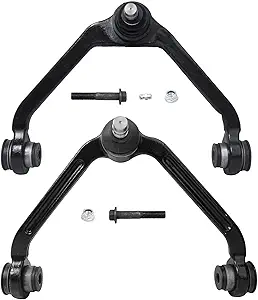 |
| Best Quality Built to a higher standard if you want something more solid | MOOG RK8710 Front Right Upper Suspension Control Arm and Ball Joint Assembly |  |
| Best Value The sweet spot between price and what you get | PHILTOP Front Suspension Control Arm Kit with Ball Joints and Tie Rods |  |
| Best Budget The cheapest option that still gets the job done reliably | CUGANO Front Upper Control Arm Kit with Ball Joints (2‑pc) |  |
| Highest Rated A top-rated pick with lots of positive feedback | Detroit Axle Front Right Upper Control Arm with Ball Joint (K8710) |  |
| Most Popular A crowd favorite that many people choose with confidence | Detroit Axle Front Lower Control Arms with Ball Joints — Pair |  |
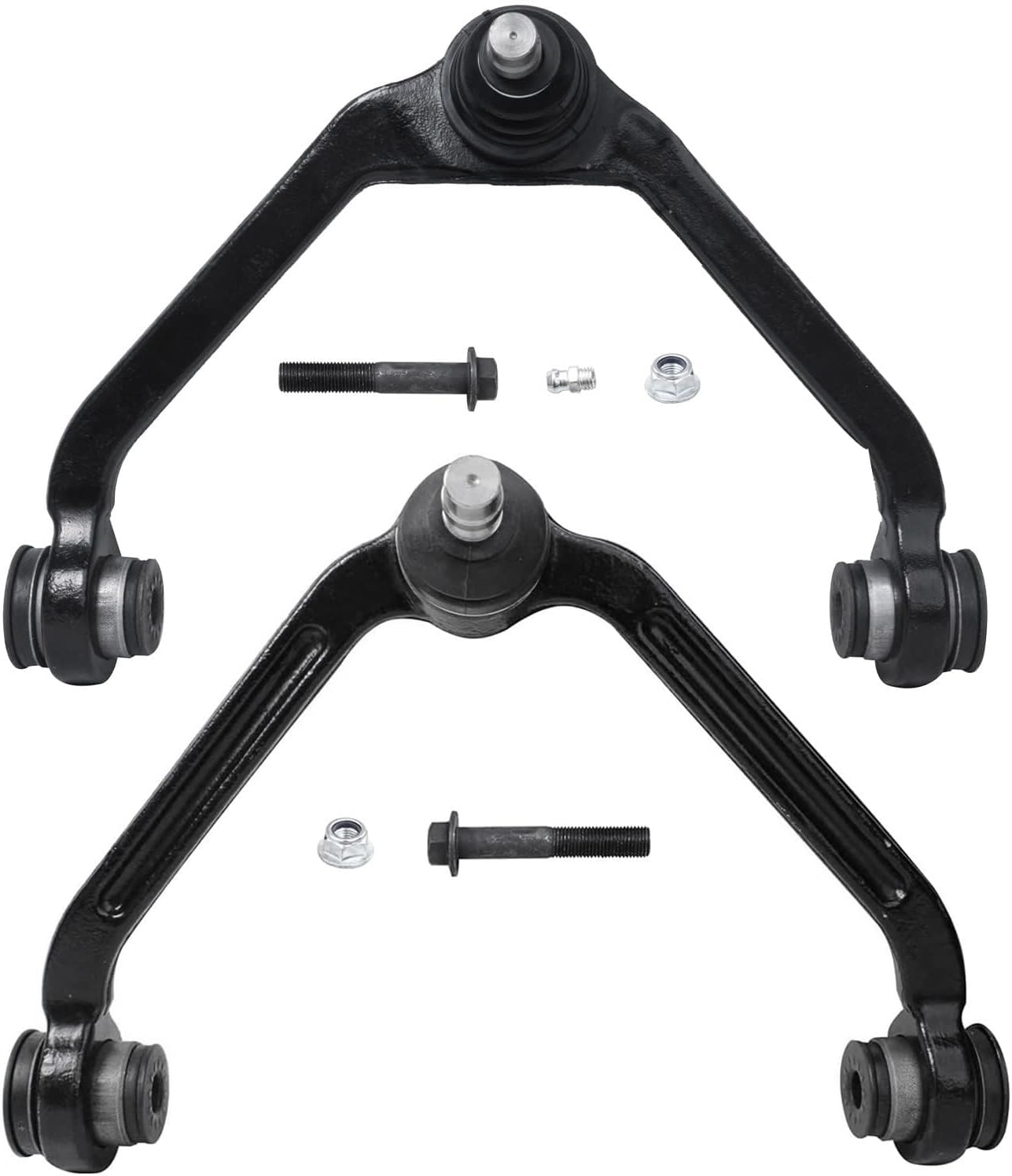
1. Detroit Axle Front Upper Control Arms with Ball Joints, Pair
| Fit Type | Vehicle Specific Fit |
|---|---|
| Auto Part Position | Bottom |
| Manufacturer | Detroit Axle |
| Manufacturer Part Number | K8708_K80068 |
These Detroit Axle front upper control arms replace the factory units on a range of 1995–2001 Ford Explorers (and similarly configured Rangers and related trucks) as a direct-fit, one-piece assembly with the ball joint already installed. They are used to restore steering geometry and suspension alignment after worn or damaged original arms cause play, uneven tire wear, or poor handling. The assemblies arrive ready to install and are finished in black to resist corrosion. Detroit Axle says the parts are manufactured under quality management standards and the listing notes impact, wear and fatigue testing plus a 10-year warranty, which gives confidence for long-term service. Practical limitations are that this is a vehicle-specific, one-piece arm so it is not adjustable for alignment; users may still need a professional alignment after installation and should verify exact year and suspension variant before ordering. The pair covers both driver and passenger sides and is aimed at straightforward replacement rather than performance upgrades.
Best for: Buyers who want a straightforward, reliable factory-quality replacement to restore handling and eliminate play from worn front upper control arms on covered Explorer models.
Less Ideal for: Customers seeking adjustable or performance-oriented control arms or those who need parts for vehicles outside the specified Explorer/Ranger/Mountaineer/Mazda fitment should look elsewhere.
- Direct-fit one-piece assemblies with ball joints preinstalled for faster replacement
- Vehicle-specific fitment for selected Ford Explorer and compatible trucks reduces fitment guesswork
- Corrosion-resistant finish and supplier testing aimed at durable, long-term use
- Includes both left and right arms so both sides can be replaced together
- Non-adjustable design requires a wheel alignment after installation and offers no camber/caster adjustment options
Verdict: Choose this pair when you need a ready-to-install, vehicle-specific replacement to quickly restore front-end stability on supported 1995–2001 Ford Explorer and related trucks.
2. MOOG RK8710 Front Right Upper Suspension Control Arm and Ball Joint Assembly

| Fit Type | Vehicle Specific Fit |
|---|---|
| Auto Part Position | Front |
| Material Type | Iron,Steel |
| Included Components | Auto Part |
The MOOG RK8710 is a direct-fit front right upper control arm assembly with a pressed-in ball joint that replaces a worn factory component to restore steering response and alignment on the specified Ford Explorer, Mountaineer, Ranger and compatible Mazda pickups. Installers will appreciate the vehicle-specific fit that simplifies replacement and reduces installation time compared with needing a separate ball joint or extensive alignment work. MOOG highlights heat-treated structural strength and corrosion-resistant coatings, which translate to longer service life under road stress. In real-world use this part helps reduce steering play, correct pull and curb uneven inner tire wear when paired with proper alignment. Limitations are that it is a single-side, vehicle-specific piece so buyers must confirm model-year fitment and may need a matching left-side arm or additional suspension parts if other components are worn. Also this is a replacement-quality assembly rather than an aftermarket performance uprated arm for aggressive off-road suspension tuning.
Best for: Buyers looking to restore factory steering response and alignment on a 1995–2001 Ford Explorer or the listed compatible models who prioritize durability and straightforward replacement fitment.
Less Ideal for: Drivers seeking a dedicated performance-geometry or heavy-duty off-road control arm upgrade should consider aftermarket performance arms designed for modified suspensions.
- Direct-fit assembly with integrated ball joint for simpler, faster installation
- Heat-treated construction for improved structural strength under repeated loads
- Corrosion-resistant coatings on studs to extend service life
- Designed to restore steering feel and maintain proper suspension geometry
- Sold as a single front right upper unit so matching side or related suspension parts may be needed
Verdict: Choose the MOOG RK8710 when you want a durable, vehicle-specific front upper control arm assembly that restores steering feel and suspension geometry with a straightforward direct-fit replacement.
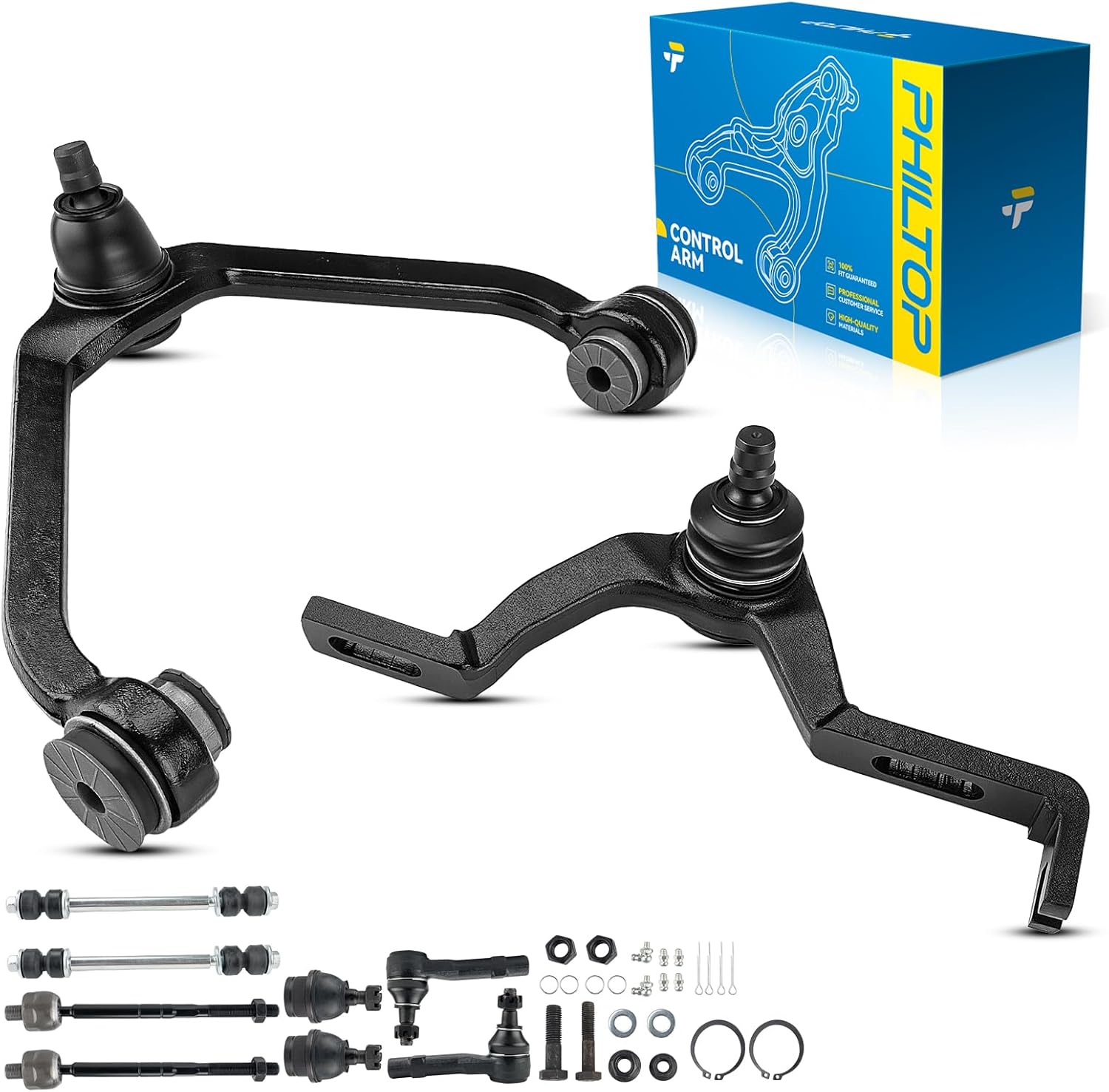
3. PHILTOP Front Suspension Control Arm Kit with Ball Joints and Tie Rods
| Fit Type | Vehicle Specific Fit |
|---|---|
| Auto Part Position | Front Upper |
| Material Type | Alloy Steel |
| Unit Count | 10.0 Count |
This PHILTOP front suspension kit bundles the parts you typically change when refreshing a worn front end on a 1995–2001 Ford Explorer. The package includes left and right upper control arms with ball joints, two lower ball joints, inner and outer tie rod ends, and sway bar links so you can replace multiple wear items at once. Components are alloy steel with an anti-corrosion coating and are described as vehicle-specific fit for the listed model years. For a practical repair job the kit simplifies sourcing parts, reduces repeat disassembly, and helps restore steering response and alignment range when installed and aligned properly. Expect a do-it-yourself installation if you have basic suspension tools, or plan for a shop to torque and align after fitment. The kit covers the usual front-end wear points but is a full kit for specific older Ford platforms only, so confirm year and steering linkage variation before buying and factor in a professional alignment after installation.
Best for: Buyers who want a practical, one-stop parts kit to refresh a tired front suspension on a mid-1990s to early-2000s Explorer and prioritize getting the job done efficiently without sourcing individual components.
Less Ideal for: People looking for performance upgrades, custom alignment geometry, or parts for different vehicle makes and model years should consider specialty or vehicle-specific alternatives.
- Complete 10-piece kit replaces upper and lower control arms, ball joints, tie rod ends, and sway bar links so multiple worn parts are replaced at once
- Vehicle-specific fit for 1995–2001 Ford Explorer/Ranger and compatible models reduces fitment guesswork
- Alloy steel construction with anti-corrosion coating for longer service life
- Includes upper control arms with pre-assembled ball joints, simplifying installation
- Fitment is limited to specific older models and steering configurations so it may not suit all Explorer variants
Verdict: A convenient, vehicle-specific 10-piece front suspension kit that replaces the common wear items to quickly restore steering and front-end stability on 1995–2001 Ford Explorer models.
4. CUGANO Front Upper Control Arm Kit with Ball Joints (2‑pc)

| Fit Type | Vehicle Specific Fit |
|---|---|
| Auto Part Position | Front Upper |
| Auto Part Orientation | Passengers Side |
| Material Type | Forged Steel |
This CUGANO kit supplies both left and right front upper control arms with pressed-in ball joints, pre-greased bushings, and basic mounting hardware for a direct vehicle-specific replacement on compatible Explorers and similar trucks. In typical use the arms restore front-end geometry, reduce play in the steering, and improve handling compared with worn stock components. Forged steel construction and a corrosion-resistant finish suggest solid durability for street use, while natural rubber bushings provide familiar ride compliance. The kit ships pre-assembled and claims easy installation for experienced DIYers or professional installers, saving labor time. Important limitations are that the bushings are rubber rather than upgraded polyurethane, so long-term stiffness and performance under heavy load are more like factory feel than performance-tuned parts, and fitment must be confirmed by VIN since these are vehicle-specific replacements. The set is targeted at routine restoration of steering and suspension function rather than performance upgrades.
Best for: Buyers repairing worn front suspension on a tight budget who want a complete, vehicle-specific replacement that restores steering feel and handling without aftermarket performance parts.
Less Ideal for: Drivers seeking stiffer aftermarket handling, off-road reinforcement, or long-life performance bushings should consider upgraded control arms or polyurethane-equipped kits.
- Includes both left and right front upper control arms with ball joints for a complete front replacement
- Forged steel construction and corrosion-resistant finish for durability in normal driving conditions
- Pre-greased bushings and included mounting hardware reduce installation prep time
- Uses natural rubber bushings instead of stiffer aftermarket materials for performance-oriented setups
Verdict: A budget-friendly, vehicle-specific two-piece replacement kit that restores front-end control for 1995–2001 Ford Explorer models without performance upgrades.
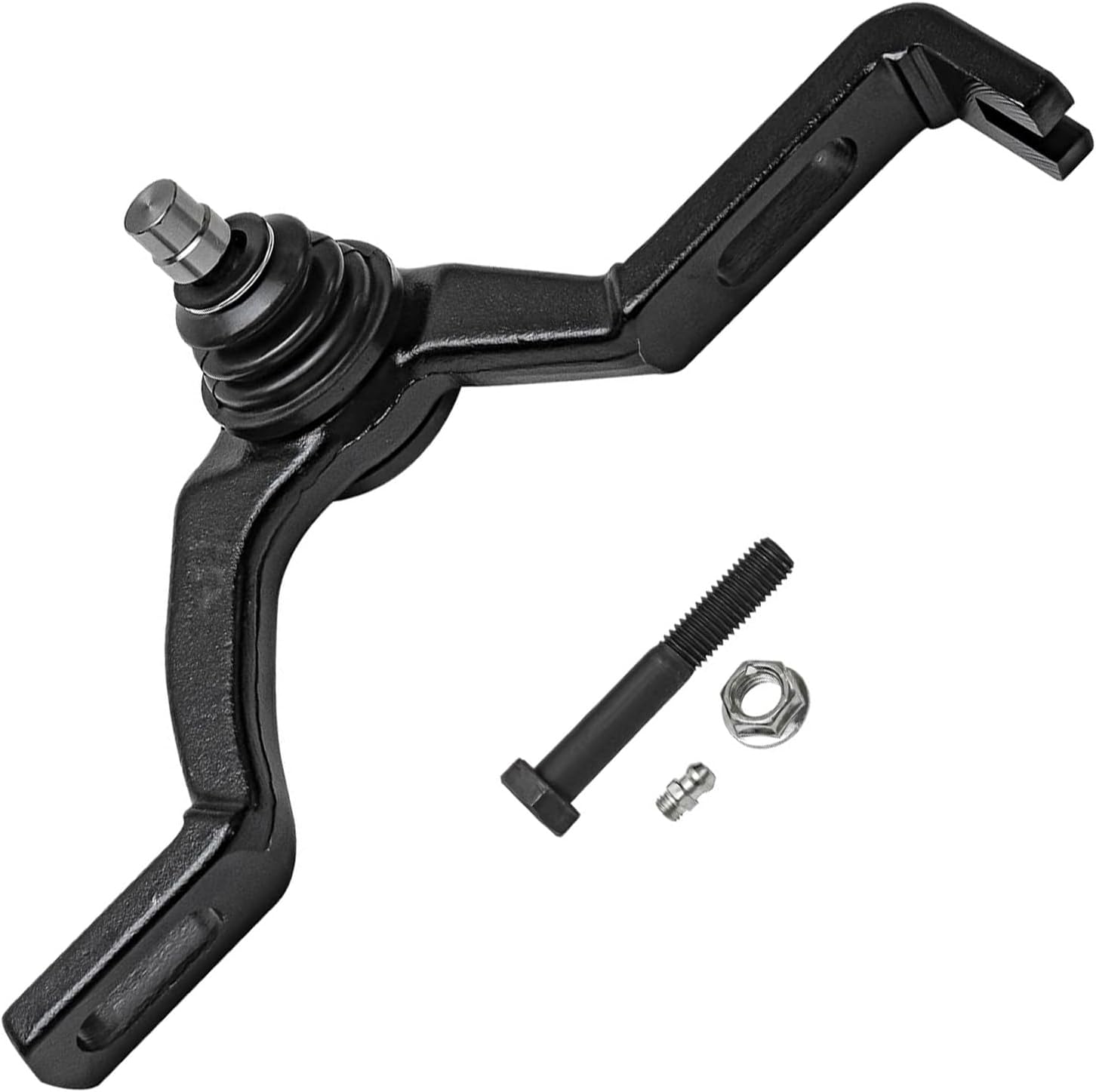
5. Detroit Axle Front Right Upper Control Arm with Ball Joint (K8710)
| Fit Type | Vehicle Specific Fit |
|---|---|
| Auto Part Position | Front Right Upper |
| Material Type | Alloy Steel |
| Kit Includes | 1x Front Right Upper Control Arm and Ball Joint Assembly |
This Detroit Axle front right upper control arm with integrated ball joint is a direct-fit replacement for 1995–2001 Ford Explorer and several related vehicles with torsion bar or coil spring suspensions depending on model. It installs in place of the factory arm and is intended for routine suspension repairs and restoring proper front-end geometry. The unit is made from alloy steel with a two-piece design and a pre-assembled ball joint to simplify installation and reduce shop time. Detroit Axle highlights enhanced structural strength and corrosion resistance, which should help the arm hold alignment and resist wear under normal driving conditions. Because it is a vehicle-specific fit, there is less need for modification or heavy adjustment during swap-in. The important trade-offs are that this is a standard replacement part aimed at durability rather than performance tuning, so drivers seeking upgraded handling or off-road reinforcement may prefer heavy-duty aftermarket arms. Expect straightforward fitment and solid long-term service for everyday driving and repair needs.
Best for: A buyer who wants a dependable, factory-quality replacement to restore proper front suspension function on a 1995–2001 Explorer and prioritize long-term reliability over performance upgrades.
Less Ideal for: Drivers planning significant off-road use or those seeking performance-tuned suspension components should consider reinforced or adjustable aftermarket control arms instead.
- Vehicle-specific direct-fit for 1995–2001 Ford Explorer family to minimize modification during installation
- Pre-assembled ball joint simplifies replacement and reduces install time
- Alloy steel construction and rust-resistant finish for improved durability
- Designed with enhanced structural strength to better resist impact and repeated loads
- Designed as a factory-style replacement not as a performance or heavy-duty upgrade
Verdict: Choose this Detroit Axle assembly when you need a durable, direct-fit front right upper control arm to reliably restore factory suspension performance on a 1995–2001 Ford Explorer.
6. Detroit Axle Front Lower Control Arms with Ball Joints — Pair

| Fitment | 1995-2001 Ford Explorer and specified related models (torsion-bar only) |
|---|---|
| Includes | Left and right front lower control arms with ball joints |
| Position | Front, passenger and driver sides |
| Manufacturer | Detroit Axle |
This Detroit Axle kit supplies two front lower control arms with pre-installed ball joints intended as direct-fit replacements for 1995–2001 Ford Explorer and closely related torsion-bar suspension vehicles. Installation is straightforward for a competent DIYer or independent shop because the arms are made to match factory mounting points and arrive ready to bolt in. The arms are cast from a premium alloy and finished to resist corrosion, with a reinforced structure aimed at handling repeated impact loads and restoring steering stability and suspension geometry. Using a matched pair with ball joints already assembled reduces install time compared with sourcing separate components. Expect improved ride feel and reduced play if your originals were worn. Limitations include that these are vehicle-specific parts for torsion-bar suspensions only and do not cover other Explorer configurations, and some buyers may prefer branded OE-equivalent components if they want a specific factory supplier across the entire front suspension.
Best for: Buyers who want a ready-to-install, vehicle-matched replacement to restore front-end stability and eliminate worn-arm play while relying on peer-reviewed products and clear fitment guidance.
Less Ideal for: Owners seeking parts for non-torsion-bar suspension Explorers or those who want an exact factory-branded part across their entire suspension system should look elsewhere.
- Direct-fit design with ball joints pre-installed to simplify installation
- Premium alloy construction and corrosion-resistant finish for longer service life
- Reinforced structure intended to withstand repeated impact loads and restore steering stability
- Fitment limited to torsion-bar front suspensions and specific model years so it is not universal
Verdict: A practical, ready-to-install pair of reinforced lower control arms with ball joints for restoring steering feel on torsion-bar 1995–2001 Explorers backed by strong user review history.
Choosing the Right 1995-2001 Ford Explorer Control Arm: Key Factors to Consider
Fitment and Vehicle-Year Specificity
Accurate fitment to the 1995-2001 Ford Explorer is essential. Control arms that match the factory mounting points prevent additional modifications during installation and ensure the vehicle's suspension geometry remains correct. If a control arm does not align precisely with the Explorer's brackets, you may need extra hardware or bracket work, which adds labor and introduces potential alignment errors.
When shopping for replacement arms, confirm the part references the 1995-2001 year range and the Explorer chassis mounting layout. Proper fitment reduces the chance of accelerated bushing wear and helps maintain predictable steering response.
Bushing Type and Longevity
The control arm bushing controls how much compliance the suspension allows and affects vibration, noise, and steering feel. Rubber bushings are quieter and absorb more road harshness but can degrade faster, leading to control arm bushing wear and a need for earlier replacement. Polyurethane bushings last longer and keep tighter steering feel but can transmit more road noise and require occasional lubrication.
Consider your driving environment. If you frequently encounter rough roads or salted winters, choose bushings and finishes that resist moisture and abrasion to maximize service life on the Explorer.
Ball-Joint Quality and Serviceability
Many front control arms include a ball joint that ties the arm to the steering knuckle. The ball-joint design affects steering precision and safety. A sealed, high-quality ball joint resists contaminants and lasts longer, while a serviceable or greasable ball joint allows periodic maintenance to extend life.
Poor ball-joint performance often shows as looseness or clunking under load. When evaluating options, check whether the ball joint is integrated or replaceable and whether it is factory-greased or greasable for field maintenance.
Material, Construction, and Corrosion Resistance
Control arms are typically stamped steel, forged steel, or cast components. Forged and heavy-gauge stamped arms generally offer superior strength for vehicles that carry loads or encounter rough driving. Corrosion-resistant coatings and welded seam quality are important for longevity, especially in regions with road salt.
A durable finish and robust construction reduce the chance of structural failure and slow down cosmetic degradation that can hide more serious issues. For the Explorer, prioritize arms with protective coatings and solid welds to handle mixed driving conditions.
Alignment Impact and Geometry Preservation
Replacing control arms affects wheel alignment settings. New arms should preserve factory geometry to avoid persistent toe or camber drift. Some aftermarket arms have slight dimensional variances that can make alignment more difficult or require aftermarket adjustable arms to correct camber or caster.
Verify that the replacement arms are designed to maintain the Explorer's original suspension geometry. If you need to correct alignment issues after installation, look for arms that either come pre-aligned or that work with standard alignment adjustments.
Installation Complexity and Maintenance Needs
Consider how the arm is installed and whether it requires special tools or procedures. Some control arms come with pre-pressed bushings and ball joints to simplify installation, while others require pressing or separate parts. Control arm installation that demands a press or specialized tools increases labor time and may require shop service.
Also evaluate whether the arm allows for future maintenance, such as greasing a ball joint or replacing a bushing, which can reduce long-term ownership costs and downtime for the Explorer.
Common Symptoms That Point to a Worn Control Arm
Several telltale symptoms indicate it may be time for a control arm replacement on your 1995-2001 Ford Explorer. Steering wander or a feeling of looseness while driving straight often signals worn bushings or ball joints. You may also notice uneven tire wear or a pronounced vibration at certain speeds.
Other signs include clunking noises when going over bumps and difficulty holding alignment. Paying attention to these symptoms helps prioritize inspection and can prevent further suspension or tire damage.
- Wandering steering or twitchy handling
- Uneven or rapid tire wear
- Clunking or knocking over bumps
- Vibration through the steering wheel
- Visible bushing cracking or excessive play at the ball joint
Routine Inspection and When to Replace
Inspect control arms and their bushings at regular service intervals or whenever you notice handling changes. Look for bushing cracks, missing rubber, rust around mounting points, and play in the ball joint by prying the wheel while the vehicle is safely raised.
If inspection reveals significant bushing deterioration, visible ball-joint play, or bent components, replacement is recommended rather than repair. Early replacement prevents secondary damage to tires and steering components on the Explorer.
- Check bushings for cracking and separation
- Lift vehicle safely to check ball-joint play
- Inspect for bent or rusted arm sections
Installation Tips Specific to the 1995-2001 Explorer
Proper installation helps avoid alignment issues and premature wear. Torque suspension fasteners to factory specifications and use new hardware if the old bolts are corroded or stretched. When pressing bushings or ball joints, use appropriate tools to avoid damaging the arm or altering bushing geometry.
After installation, have a professional alignment performed to correct toe and camber. If you are doing control arm installation yourself, mark alignment settings before removal and install the vehicle on level ground to minimize alignment drift.
- Use factory torque specs for mounting bolts
- Replace corroded hardware to ensure secure mounting
- Always perform a post-installation wheel alignment
Maintenance Practices to Extend Component Life
Keep suspension joints clean and inspect them seasonally, especially after winter or off-road exposure. Greasable ball joints should be serviced at recommended intervals to prevent moisture intrusion and premature failure. Avoid aggressive driving over rough terrain to limit shock loads that accelerate wear.
Consider protective coatings for fasteners and exposed metal if you live in an area with heavy road salt. Regularly rotating tires and maintaining correct pressures also reduces uneven loading that can accelerate bushing wear on the Explorer.
- Service greasable joints on schedule
- Rinse undercarriage after salty or muddy conditions
- Rotate tires to reduce uneven wear
When To Choose Adjustable Or Heavy-Duty Arms
An adjustable arm can help correct alignment geometry when the vehicle has been lowered, lifted, or when previous repairs shifted suspension geometry. Heavy-duty arms are beneficial if the Explorer frequently carries heavy loads or is used off-road, as they resist bending and last longer under stress.
However, adjustable or heavy-duty arms may change ride characteristics or require more careful alignment. Choose these options only when the vehicle's usage justifies the tradeoffs in comfort or install complexity.
- Adjustable arms help correct camber or caster deviations
- Heavy-duty arms enhance strength for load or off-road use
- Expect possible changes in ride feel and alignment needs
Still looking for the perfect fit?
Select your Ford Explorer configuration to see the most relevant Control Arms recommendations
How We Chose the Best 1995-2001 Ford Explorer Control Arm
Our selection process focused on the elements that most influence performance and longevity for 1995-2001 Ford Explorer control arms. We prioritized build quality and materials, looking for stamped or forged arms and corrosion-resistant finishes that hold up in varied climates. Bushing design and material were key, since bushing compliance directly affects ride comfort, steering precision, and how often you will need a control arm replacement.Fitment accuracy was another critical filter. We included only parts designed to match the Explorer's factory mounting points and suspension geometry for the 1995-2001 model years. Ball-joint quality and serviceability were considered because worn ball joints cause play in the steering and can complicate alignment. Durability testing history and manufacturer warranty terms were weighed when available.We excluded parts that required chassis modifications, universal-fit items without Explorer-specific fitment, or components with unclear materials and warranty coverage. Final picks balance long-term durability, bushing and ball-joint performance, and straightforward installability for typical repair or maintenance scenarios.
Our full evaluation process is outlined in our review methodology.
FAQ
How do I tell if a control arm is bad on my 1995-2001 Explorer?
Usually you will notice uneven tire wear, wandering steering, clunking noises over bumps, or visible bushing cracking. Lifting the wheel and checking for play at the ball joint or excessive bushing movement helps confirm the issue.
Can I replace a control arm myself on the Explorer?
Many owners can perform a control arm replacement with basic tools, but some steps require a press or specific suspension tools. If you do the job yourself, plan for a professional alignment after installation.
Does a worn control arm affect alignment on the Explorer?
Yes. Worn bushings or ball joints allow suspension geometry to shift, causing toe or camber drift. Replacing the arm and performing a proper alignment restores correct wheel angles.
Are greasable ball joints worth it for this vehicle?
Greasable ball joints let you service the joint periodically, which can extend life in harsh conditions. They require maintenance but can be beneficial if you drive in wet or salty environments.
What causes control arm bushing wear on the 1995-2001 Explorer?
Bushing wear is often driven by road salt, moisture, heavy loads, and repeated impact from rough roads. Age and heat cycling also degrade rubber bushings over time.
Will replacing control arms fix vibration at highway speeds?
If the vibration stems from worn bushings or loose ball joints, replacing the control arms can resolve it. However, vibration can also come from tires, driveshaft, or wheel balance, so diagnose other sources if vibration persists.
Final Verdict
When choosing replacement control arms for a 1995-2001 Ford Explorer, prioritize correct fitment, bushing durability, and ball-joint quality. These elements have the biggest impact on steering feel, alignment stability, and component longevity. Consider installation complexity and whether greasable or serviceable joints suit your maintenance habits.Balance the tradeoff between a firmer steering feel and ride comfort based on how you use the Explorer. With the right replacement arms and a proper alignment, you will restore predictable handling and reduce the need for frequent suspension service.
Explore More:
- Check out all Ford Explorer parts & accessories
- Explore Control Arms Maintenance & Repair Guides
- Explore Suspension & Steering
- Browse all Auto Parts
