

Note: This article contains affiliate links. If you click on these links and make a purchase, I may earn a small commission at no extra cost to you. This helps support my research and content. Read my full affiliate disclosure here.
If you drive a Toyota Highlander and are considering an upgraded cat-back exhaust system, choosing the right setup matters for sound, durability, and fit. The right system can refine exhaust tone, support engine breathing, and hold up to daily driving without fitment headaches. This guide covers our top four shortlisted cat-back exhaust systems for the Highlander, selected for their materials, fit quality, and expected longevity. Below we outline the key criteria used to evaluate these options and why each factor affects real-world ownership. Next, you will find the shortlisted systems and details to help you decide which features matter most for your goals.
Looking for other parts? See all Toyota Highlander parts & accessories.
Top Picks at a Glance
| Best Reviewed A top-rated pick with lots of positive feedback | MBRP S5200AL 3" Cat-Back Exhaust System (Aluminized Steel) |  |
| Best Quality Built to a higher standard if you want something more solid | MBRP S5326AL 2.5" Cat-Back Single Exit Exhaust (Aluminized Steel) |  |
| Most Sold A high-volume bestseller chosen again and again | MBRP S5236AL 3" Aluminized Steel Single Side Exit Cat-Back Exhaust System |  |
| Best Overall The best all-around choice for most situations | MBRP Black Series Cat-Back Exhaust System (S5090BLK) |  |
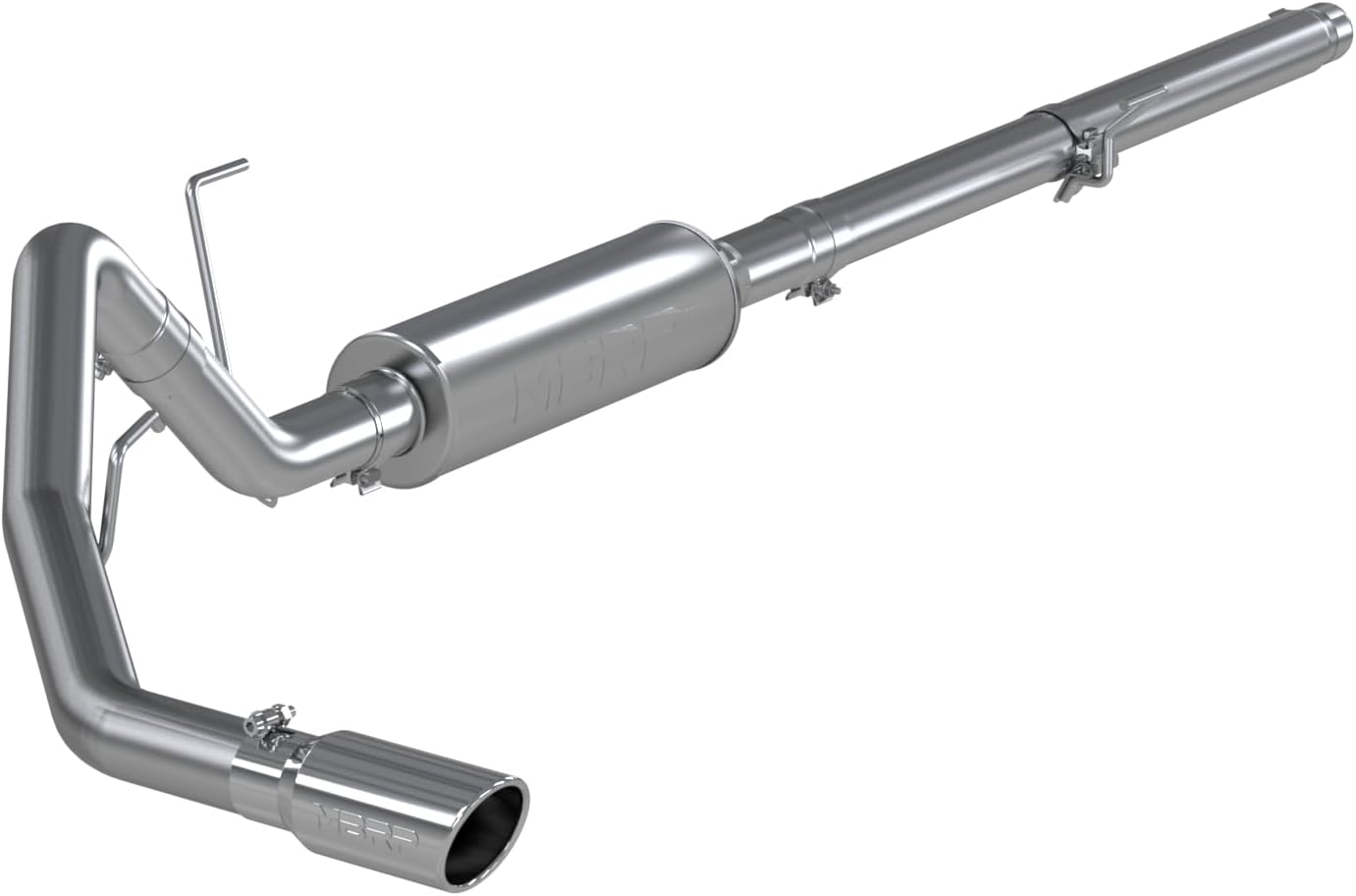
1. MBRP S5200AL 3" Cat-Back Exhaust System (Aluminized Steel)
| Installation Type | Clamp-On |
|---|---|
| Finish Type | Aluminized |
| Manufacturer | MBRP |
| Pipe Diameter | 3" |
The MBRP S5200AL is a clamp-on 3-inch cat-back exhaust system built from heavy aluminized steel to deliver improved exhaust flow, a deeper tone, and measurable gains in throttle response. It installs using common hand tools and is intended as a direct-fit bolt-on replacement to the factory routing, with clamps and hangers supplied for a no-weld installation. In real-world use you can expect a richer exhaust note and reduced backpressure that can make the engine feel livelier at part-throttle and under load, plus the manufacturer highlights potential fuel-economy gains when driven conservatively. The aluminized finish and thicker gauge tubing improve corrosion resistance compared with thin commodity systems, although aluminized steel will not resist rust as long as stainless. Installation can require cutting the midpipe for certain body/cargo configurations and some effort to slide pipes together, and some buyers report mild drone at highway cruise depending on muffler choice. The system is supported by a multi-year warranty and is aimed at owners who want durable, factory-quality performance without premium stainless construction.
Best for: Reliability-focused buyers who prioritize a durable, factory-replacement style cat-back that improves exhaust flow and everyday drivability while keeping installation straightforward.
Less Ideal for: Drivers seeking the longest-term corrosion resistance or the quietest possible highway NVH should consider stainless systems or alternate muffler options instead.
- 3" diameter design improves exhaust flow and throttle response
- Heavy gauge aluminized steel with seam protection for better corrosion resistance than thin rivals
- Clamp-on, bolt-in installation with supplied clamps and hangers avoids welding
- Delivers a fuller, throaty sound tuned for pickup-style exhaust character
- Includes manufacturer-backed multi-year warranty for peace of mind
- Aluminized steel is less corrosion-resistant than stainless steel over the long term
- Some vehicle configurations require cutting the midpipe and additional fitting during installation
- Certain muffler tuning can produce a mild drone at highway cruise speeds
Verdict A cost-conscious, reliability-minded cat-back that gives stronger flow and a solid exhaust note with easier bolt-on installation but without stainless-level corrosion resistance.
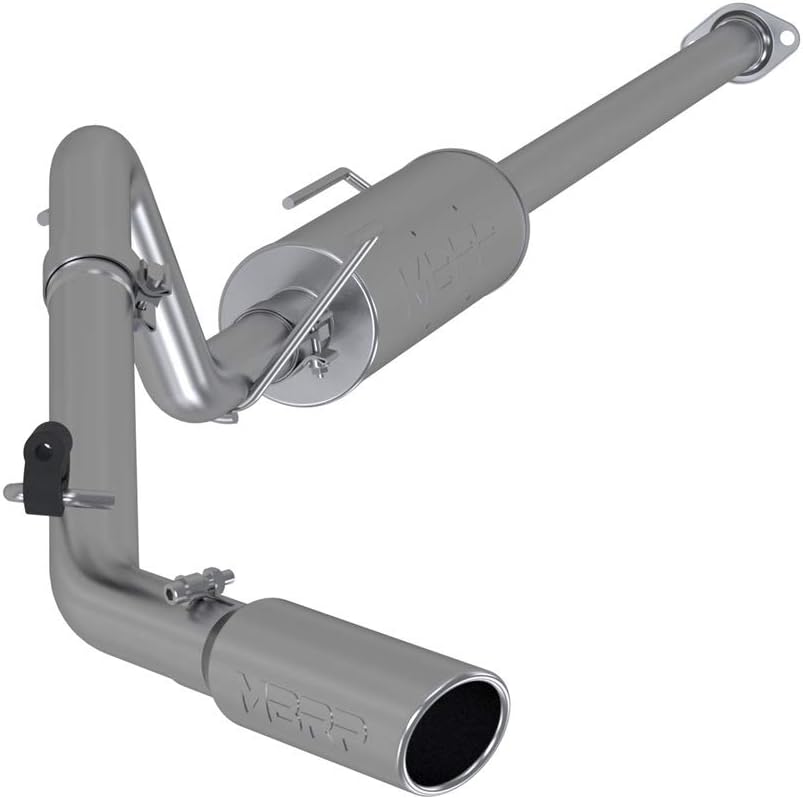
2. MBRP S5326AL 2.5" Cat-Back Single Exit Exhaust (Aluminized Steel)
| Installation Type | Bolt-On |
|---|---|
| Finish Type | ALUMINIZED |
| Manufacturer | MBRP |
| OEM Part Number | S5326AL |
This MBRP cat-back is a bolt-on exhaust designed to replace the stock muffler and piping with mandrel-bent aluminized steel for smoother flow and a deeper, throatier sound. It is typically used by drivers who want a stronger exhaust note and modest performance response without a full-header or turbo work. The mandrel bends and full-diameter 2.5 inch tubing promote maximum exhaust flow and resist rippling that can restrict output. In practice installers report an easy fit with matching hangers and a straightforward installation on compatible trucks, though some short-bed Highlander-style fitments require trimming of the straight pipe and the flange gasket is not included. Expect a noticeable low rumble at idle and occasional drone at certain speeds when towing or cruising. The aluminized finish is durable against dings but not as corrosion-resistant as stainless, so long-term rust resistance will be less than premium stainless systems.
Best for: Performance-oriented buyers who prioritize a stronger exhaust tone and improved flow for spirited driving and tuning projects.
Less Ideal for: Buyers seeking the highest long-term corrosion resistance or a completely quiet, stock-like cabin experience should consider stainless systems or different muffler choices.
- Mandrel-bent tubing for consistent internal diameter and improved exhaust flow
- Durable aluminized-steel construction resists dings and dents during use
- Bolt-on installation with hangers that line up for a mostly straightforward fit
- Delivers a deeper, low-rumble tone that many performance drivers prefer
- Made from aluminized steel so it will not resist corrosion as long as stainless systems do
- Does not include the exhaust flange gasket, which may require an extra purchase or reuse of the factory gasket
Verdict A budget-friendly, mandrel-bent cat-back that gives a sporty tone and better flow but uses aluminized steel rather than stainless for ultimate corrosion resistance.
3. MBRP S5236AL 3" Aluminized Steel Single Side Exit Cat-Back Exhaust System

| Model | S5236AL |
|---|---|
| UPC | 882663115228 |
| Manufacturer Part Number | S5236AL |
| Item Weight | 5 pounds |
This MBRP cat-back system replaces the factory rear exhaust from the catalytic converter back to the single side outlet and is built from heavy gauge aluminized steel for corrosion resistance. It is intended to deliver a deeper but not aggressive tone, modest gains in torque and horsepower, and the company states it can improve fuel economy by about 1 to 2 mpg. Typical installation uses common hand tools and follows a bolt-on assembly approach that most shops or experienced owners can complete without specialty equipment. Notable features include thicker 16-gauge tubing and aluminum-silica seam protection where rust commonly starts, plus mirror-polished T304-style tips for a cleaner look. Practical benefits are straightforward: better sound without excessive cabin drone, potential small performance and economy improvements, and a lower-cost alternative to stainless systems. Limitations are that aluminized steel will not match stainless for long-term corrosion resistance in very wet or salty climates and some buyers have reported occasional shipping damage or fitment fiddling during assembly, so expect basic pre-fit checks before final installation.
Best for: Risk-averse mainstream buyers who want a factory-quality replacement that improves sound and drivability without chasing maximum performance or exotic materials.
Less Ideal for: Enthusiasts seeking the longest-term corrosion protection or the loudest, most aggressive exhaust note should consider stainless systems or performance-focused options instead.
- Manufactured from heavy 16-gauge aluminized steel for improved durability over thin aftermarket systems
- Aluminum-silica seam protection reduces common rust points compared with untreated seams
- Designed to boost torque and horsepower while keeping a mellow, non-obnoxious exhaust note
- Bolt-on cat-back design installs with common hand tools for simple shop or DIY installation
- Mirror-polished tips provide a clean, finished appearance without extra modification
- Aluminized steel is less corrosion-resistant than stainless in harsh climates
- Some customers report occasional shipping damage or the need to tweak fitment during assembly
Verdict A budget-friendly, factory-style cat-back that gives the Highlander a smoother tone and modest performance gains while sacrificing some long-term corrosion resistance compared with stainless options.
4. MBRP Black Series Cat-Back Exhaust System (S5090BLK)

| Fitment note | Cat-back system for Chevy/GMC Colorado/Canyon listed (check compatibility) |
|---|
This MBRP Black Series cat-back replaces the factory back half of the exhaust to give a noticeably deeper, performance-oriented tone and a darker finished look. It uses 3" mandrel-bent tubing with T-304 stainless steel tips and a black coating meant for areas without heavy road salt exposure. Installation is bolt-on and described as straightforward, so a competent DIYer or a shop can fit it without cutting extra components in most cases. The sealed seams and stainless tips help resist corrosion where conditions are mild, and the system is engineered to be drone-free at cruising speeds for many setups. Expect a louder, more aggressive interior and exterior sound compared with stock; some owners report interior drone on certain V6 variants and accelerated tip paint wear in hot conditions. The 3" intermediate piping may be oversized for some V6 engines, which can increase cabin resonance. If you want a reliable, bold-sounding cat-back that bolts up cleanly and adds visual flair, this system delivers, but it is best for drivers who prioritize sound and appearance over retaining a quiet stock character.
Best for: A balanced all-round buyer who wants a factory-quality replacement that adds a deeper, performance sound and a stealth look while keeping installation simple and dependable.
Less Ideal for: Drivers who prioritize a quiet, stock-like cabin or who live in areas with heavy road salt should consider a different finish or a quieter system.
- Mandrel-bent 3" tubing for smoother flow and consistent fitment
- T-304 stainless steel exhaust tips for corrosion resistance and a polished look
- Bolt-on installation that most DIYers or shops can complete without welding
- Black coated finish for a muted, murdered-out appearance
- Sealed seams to improve corrosion resistance in non-salty climates
- Black coating and tip finish may deteriorate faster under high-heat or salty-road conditions
- 3" intermediate pipe can produce excess interior drone on some V6 configurations
Verdict A bold-sounding, black-coated cat-back that bolts on cleanly and delivers strong visual and acoustic impact if you accept a louder cabin and limited salt resistance.
Choosing the Right Toyota Highlander Cat-back Exhaust System: Key Factors to Consider
Material and Corrosion Resistance
The construction material affects longevity and appearance. Stainless steel alloys resist rust and discoloration better than mild steel, which helps preserve fit and function in areas with moisture or road salt. Thicker wall tubing and quality corrosion-resistant coatings can extend service life and reduce the chance of leaks at welds and joints.
Consider how often you drive in wet or salty conditions and whether you plan to keep the vehicle long term. Materials also influence weight and heat tolerance, which indirectly affect how the system performs over time.
Fitment and Hanger Alignment
Accurate fitment is critical for a straightforward installation and to prevent premature stress on hangers and joints. A system designed to match factory hanger locations and flange types minimizes the need for modifications and reduces the risk of rattles or exhaust leaks.
Poorly aligned components can lead to fatigue at welds, noise from contact with the underbody, and difficulty during installation. Verify that the system specifies vehicle-year compatibility and includes necessary gaskets and hardware.
Pipe Diameter and Flow Dynamics
Pipe diameter and the quality of bends determine how freely exhaust gases flow. Too small a diameter can create backpressure that hinders performance, while too large a diameter may reduce low-end torque and alter throttle response. Mandrel-bent tubing maintains a consistent inside diameter through bends, which helps preserve flow characteristics.
Think about your driving style. If you prioritize midrange torque for daily driving, moderate sizing tuned to the engine displacement is preferable. For higher-rev work, slightly larger diameters can support increased flow without excessive drone.
Muffler Design and Acoustic Tuning
Muffler type and internal packing or chambering shape the system's sound profile. Packed or chambered mufflers offer different balances between suppression and tone, and resonators can be added or removed to tailor sound and reduce highway drone.
If you want a mild enhancement, look for designs emphasizing subtle tone changes and drone reduction. For a more aggressive voice, choose systems with larger resonant cavities, but be aware that louder setups are more likely to produce interior drone at cruising speeds.
Installation Complexity and Hardware
Some cat-back exhausts are true bolt-on units with full hardware included, while others may require cutting or welding. Systems that include bolts, gaskets, and clear instructions save installation time and reduce the potential need for fabrication.
Consider whether you will install the system yourself or have a shop do it. Bolt-on kits that match factory interfaces are typically faster and less expensive to fit. Also confirm whether any special tools are required.
Maintenance and Serviceability
Think about long-term upkeep when choosing a system. Features like modular sections, replaceable muffler cores, and readily available replacement hangers simplify future repairs. Systems that use common flange types and standard clamp sizes are easier to service.
A design that allows access to worn components without removing the entire system will reduce labor and downtime when repairs are needed.
FAQ
Will a cat-back exhaust system change fuel economy on my Highlander?
A cat-back exhaust system can affect fuel economy slightly, but changes are usually modest. Improved flow may reduce pumping losses at high throttle, which can yield small gains under certain driving conditions. However, louder or more aggressive systems can encourage heavier throttle use, which offsets any efficiency gains.
How difficult is catback exhaust installation on a Toyota Highlander?
Installation difficulty depends on the design of the replacement system. Many cat-back kits are bolt-on and align with factory hangers, making them doable for a competent DIYer with basic tools. Other systems may require cutting or welding and are better handled by a professional installer. Check whether the kit includes hardware and clear instructions.
Will a cat-back exhaust system cause interior drone at highway speeds?
Some systems can introduce interior drone, especially those with minimal sound-deadening or large resonant chambers. Systems that include resonators or tuned mufflers are usually better at minimizing drone. If highway comfort is a priority, look for designs that mention drone reduction or include removable resonators.
Is stainless steel necessary for a Highlander exhaust?
Stainless steel offers superior corrosion resistance and typically lasts longer in wet or salty environments. While alternative materials can be less expensive, they may require more maintenance and have shorter service lives. Consider your climate and how long you intend to keep the vehicle when deciding on material.
Will installing a cat-back exhaust void vehicle warranties?
Adding an aftermarket cat-back exhaust does not automatically void factory warranties for unrelated parts. However, if a modification directly causes damage to a warranted component, coverage for that specific issue could be affected. It is wise to review warranty terms or consult the vehicle manufacturer for specifics.
How We Chose the Best Toyota Highlander Cat-back Exhaust System
We focused on criteria that directly affect ownership experience and long-term performance for Toyota Highlander cat-back exhaust systems. Primary evaluation factors included material construction, focusing on corrosion resistance and wall thickness; fitment accuracy, based on factory flange types and hanger positions; acoustic tuning, assessing muffler design and resonator presence to manage tone without drone; and flow characteristics, evaluating pipe diameter and mandrel bends for reduced restriction. We also considered build quality indicators such as weld quality and included hardware, plus expected durability under varied driving conditions. Exclusions: we did not include full exhaust systems that replace catalytic converters, systems designed exclusively for racing use, or any components that require vehicle modification beyond bolt-on installation. Our short list therefore reflects bolt-on cat-back options that balance sound, flow, and longevity for everyday driving.
Our full evaluation process is outlined in our review methodology.
Conclusion
Choosing the right cat-back exhaust system for a Toyota Highlander comes down to balancing sound, durability, and fitment. Prioritize material quality and accurate hanger alignment to reduce installation issues and extend service life. Decide how important acoustic character and flow characteristics are for your driving habits, and pick a design that minimizes unwanted drone while supporting desired performance. Remember that installation complexity and maintenance needs vary across systems, so factor in who will do the work and how long you plan to keep the vehicle. Focusing on these core criteria will help you select a cat-back system that meets your goals without unexpected tradeoffs.
Explore More:
- Check out all Toyota Highlander parts & accessories
- Explore Exhaust & Emissions
- Browse all Auto Parts
