

Note: This article contains affiliate links. If you click on these links and make a purchase, I may earn a small commission at no extra cost to you. This helps support my research and content. Read my full affiliate disclosure here.
If you drive a 2013-2017 Honda Accord, the cabin air filter has a direct effect on the air you breathe and how well the HVAC system performs. A clogged or poorly fitting filter can reduce airflow, increase blower strain, and let pollen and dust circulate through the cabin. This guide covers the top shortlisted cabin air filters that fit the 2013-2017 Accord, explaining the specs and tradeoffs that matter when you choose a replacement.We evaluated the options for fitment, filtration efficiency, and expected service life so you can pick a filter that balances airflow, allergen control, and maintenance intervals. Read on for practical installation notes and ownership tips before the product list.
Looking for other parts? See all Honda Accord parts & accessories.
Top Picks at a Glance
| Best Overall The best all-around choice for most situations | PHILTOP CF10134 HEPA Cabin Air Filter with Activated Carbon |  |
| Best Quality Built to a higher standard if you want something more solid | K&N VF2001 Washable Cabin Air Filter | 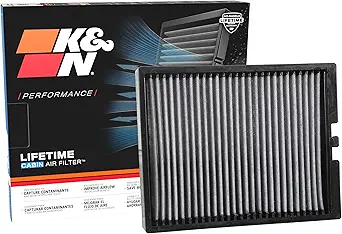 |
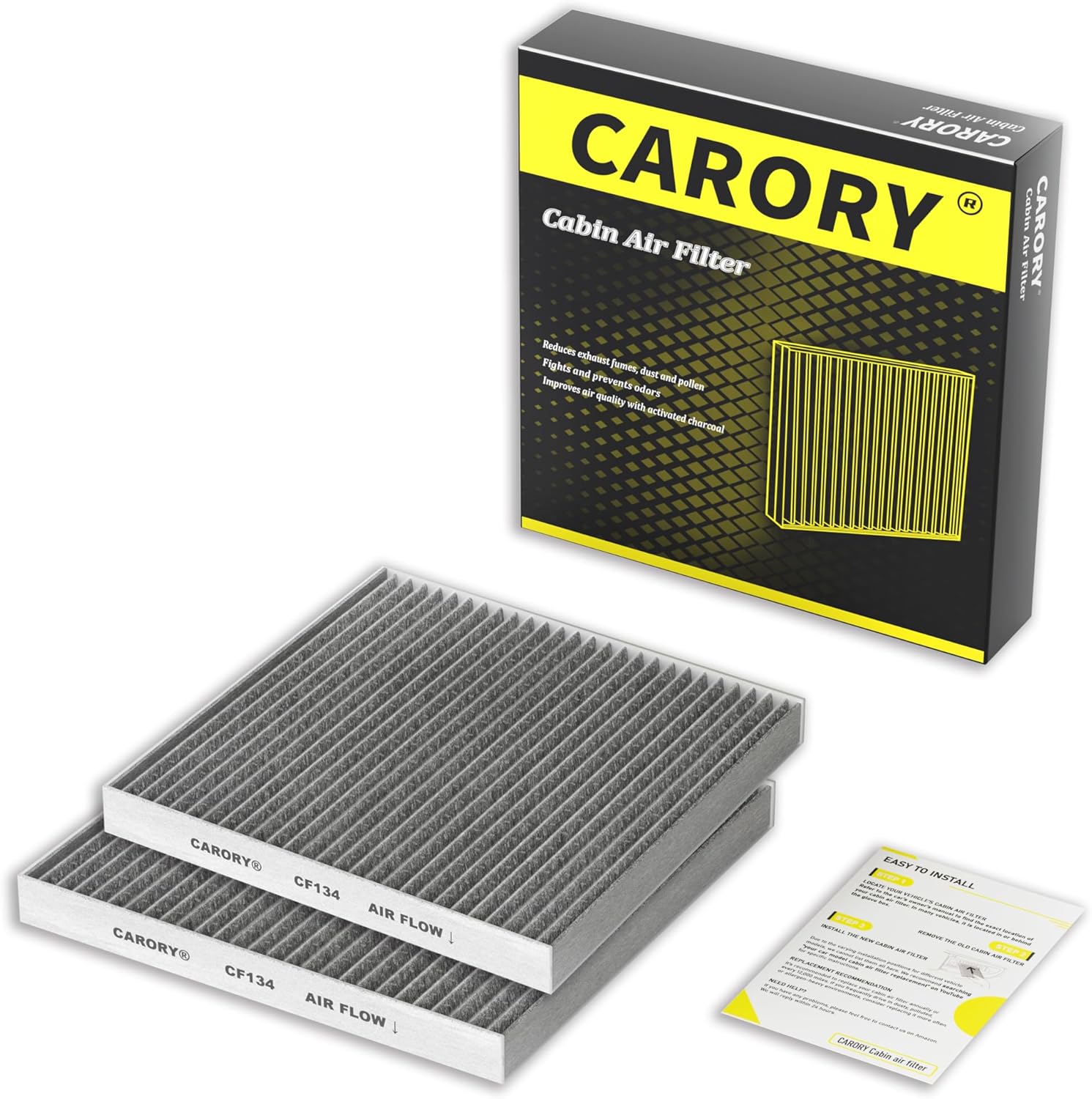
| Best Value The sweet spot between price and what you get | Carory CF134-2PK Cabin Air Filter with Activated Carbon, 2-Pack |  |
| Best Budget The cheapest option that still gets the job done reliably | Carory CF134 Cabin Air Filter with Activated Carbon |  |
| Highest Rated A top-rated pick with lots of positive feedback | Puroma HCF134 Cabin Air Filter with Activated Carbon | 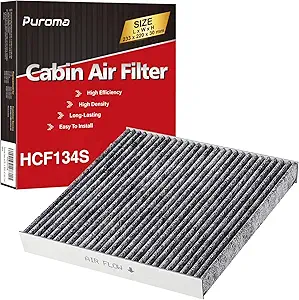 |
| Most Popular A crowd favorite that many people choose with confidence | EPAuto CP134 Premium Cabin Air Filter with Activated Carbon |  |
| Best Seller A high-volume bestseller chosen again and again | Bosch 6029C HEPA Cabin Air Filter |  |
1. PHILTOP CF10134 HEPA Cabin Air Filter with Activated Carbon

| Compatible devices | Replacement for Honda Accord 2003-2022 and related models |
|---|---|
| Material Type | Long-fiber Electrostatic Cotton with Activated Carbon |
| Air Filter Construction | Pleated |
| Location | Behind Glove Box |
| Washable | No |
The PHILTOP CF10134 is a drop-in replacement cabin air filter built around a multi-layer HEPA-style design and an activated carbon layer. It installs behind the glove box and is intended to trap fine particles such as dust, pollen, soot and many airborne irritants while also adsorbing odors from vehicle vents. Typical use is annual replacement or sooner in heavy-pollution areas; the manufacturer recommends about 12 months or 12,000 miles. The long-fiber electrostatic layer and 29 pleats increase surface area for dust-holding and aim to preserve HVAC airflow so heating and cooling performance is not noticeably reduced. The pleated construction and factory-matching shape simplify installation. Limitations are that it is single-use and not washable, and claimed filtration efficiency and HEPA compliance come from the seller rather than an independent standard printed on the packaging, so buyers who need certified lab results should verify testing details separately.
Best for: Buyers seeking a balanced, higher-efficiency replacement that improves in-cabin air quality and preserves HVAC performance for regular daily driving and seasonal use in a 2013–2017 Accord.
Less Ideal for: Drivers who want a reusable or washable filter or who require independently certified laboratory filtration data for specialized medical or industrial needs should consider other options.
- Multi-layer HEPA-style media with activated carbon for particle removal and odor adsorption
- Pleated, 29-fold design increases filtration area while maintaining airflow
- Fits CF10134-specified cabin filter location for straightforward replacement behind the glove box
- Not washable or reusable; intended for single replacement cycles
- Filtration claims are vendor-stated so buyers needing independent certification should confirm test reports
Verdict: A practical, higher-efficiency drop-in cabin filter that improves cabin air quality and keeps HVAC airflow healthy for routine use in the specified Accord years.
2. K&N VF2001 Washable Cabin Air Filter

| Model Info | VF2001 |
|---|---|
| Material Type | Cotton |
| Compatible Device | Select 2003–2025 Honda and Acura models listed |
The K&N VF2001 is a washable replacement cabin air filter that drops into the factory air box to filter incoming cabin air while preserving airflow. It is pretreated to help control odors and is built with durable cotton media and a rubber frame so you can wash and reuse the filter instead of buying disposables. Typical use is straightforward: remove the factory filter, install the K&N unit in the same housing and periodically rinse low-pressure and let it dry when it becomes dirty. For drivers who monitor HVAC performance, the VF2001 often improves airflow compared with clogged paper filters, which can make heating and cooling feel stronger. The reusable design reduces recurring parts purchases and landfill waste, but you must clean and dry it properly to avoid temporary odor or moisture issues. Fit is generally good for Accord model years in the listed compatibility range, though a few users report slight vertical play in some installations. If you value long-term airflow and a one-time upgrade, this filter performs as intended.
Best for: Drivers who prioritize sustained HVAC airflow and lower long-term maintenance cost and are willing to perform occasional cleaning as part of routine vehicle upkeep.
Less Ideal for: Buyers who prefer a no-maintenance disposable filter or who rarely perform simple DIY maintenance should consider a disposable replacement instead.
- Washable and reusable so it can last the life of the vehicle
- Pretreated media helps control odors in the cabin
- Durable construction with a rubber frame for secure installation
- Designed to maintain or improve HVAC airflow compared with clogged disposable filters
- Requires periodic cleaning and thorough drying to avoid temporary odors or moisture in the HVAC system
- Fit can have slight vertical play in some vehicle installations
Verdict: Choose the VF2001 if you want a durable, washable cabin filter that maintains airflow and cuts recurring filter purchases for your 2013–2017 Honda Accord.
3. Carory CF134-2PK Cabin Air Filter with Activated Carbon, 2-Pack
| Brand | Carory |
|---|---|
| Model Number | CF134-2PK |
| Number of Items | 2 |
| Material Type | Paper |
The Carory CF134-2PK is a straightforward replacement cabin air filter that pairs pleated paper media with an activated carbon layer to help trap dust, pollen and some outside odors. It is sold as a two-pack and intended to slide into the factory cabin filter housing without trimming or modification. Typical use is annual or biannual replacement during routine maintenance; installation is quick and usually done from the glovebox area on compatible Hondas and Acuras. Notable features include even pleating for consistent airflow and an activated charcoal layer aimed at minimizing common road and exhaust smells. Practical benefits are solid filtration performance for everyday driving, broad vehicle fitment across many model years, and lower cost compared with dealer parts. The filter is paper-based so it will clog over time and needs regular replacement to avoid reduced HVAC airflow, and charcoal does not eliminate all odors or smoke completely. Still, for routine upkeep this offers good value and reliable fitment for the covered Honda Accord years.
Best for: Buyers who prioritize a low-cost, practical replacement that fits the factory cabin filter slot and improves in-cabin air quality with easy DIY installation and scheduled maintenance in mind.
Less Ideal for: Drivers seeking a long-lasting washable filter or professional-grade filtration for heavy smoke or severe allergy conditions should consider higher-end or specialty options instead.
- Activated carbon layer helps reduce common outside odors in the cabin
- Designed to be a direct fit for many Honda and Acura filter housings without trimming
- Sold as a two-pack for routine scheduled replacements
- Pleated paper media provides effective capture of dust, pollen and debris while maintaining airflow
- Paper media will clog and requires regular replacement to maintain HVAC performance
- Activated carbon reduces but does not eliminate strong exhaust fumes or smoke
Verdict: A budget-friendly two-pack cabin filter that delivers reliable particle filtration and modest odor control while fitting factory housings for routine maintenance.
4. Carory CF134 Cabin Air Filter with Activated Carbon

| Material Type | Multi-layer |
|---|---|
| Air Filter Construction | Pleated |
| Unit Count | 1 |
| Product Grade | new |
The Carory CF134 cabin air filter is a pleated, multi-layer replacement that fits Honda Accord model years within the listed ranges and similar Honda/Acura vehicles. It installs in the passenger compartment HVAC intake and is used to reduce dust, pollen, and some odors with its activated carbon layer. Typical use is a routine cabin filter swap at recommended service intervals to restore airflow and interior air quality. The filter's pleated construction increases surface area for particle capture while the activated carbon helps absorb light odors and VOCs. Because it is a straightforward factory-style replacement, installation is fast and requires no modification. Limitations are that a single-layer replacement cannot eliminate strong odors or gases fully and this aftermarket option may vary slightly in fit or frame stiffness versus factory parts, so check fitment before final installation. For routine maintenance on Accord models in the 2013 to 2017 span this filter offers a low-cost way to maintain HVAC performance and interior air cleanliness.
Best for: Buyers looking for an inexpensive, ready-to-install replacement to refresh cabin air quality on a 2013–2017 Honda Accord while prioritizing basic odor control and particulate capture.
Less Ideal for: Anyone who needs medical-grade filtration, advanced allergen or smoke removal, or who prefers an exact factory-branded part and documentation for warranty-sensitive repairs.
- Activated carbon layer helps reduce light odors and some VOCs
- Pleated multi-layer media increases particle capture surface area
- Designed as a direct-fit replacement for listed Honda/Acura cabin filter part numbers
- Not intended to neutralize strong odors or all gaseous contaminants
Verdict: A budget-friendly, activated-carbon cabin filter that restores airflow and cuts light odors for 2013–2017 Honda Accord interiors.
5. Puroma HCF134 Cabin Air Filter with Activated Carbon
| Item model number | HCF134S |
|---|---|
| Manufacturer | Puroma |
| OEM Part Number | # 80292-SDA-A01, 80292-SDC-A01, 80292-SEC-A01, 80292-SHJ-A41, 80292-SWA-A01, 80292-T0G-A01, 80292-TZ5-A41 |
| Compatible vehicles | Honda and Acura models listed in product description |
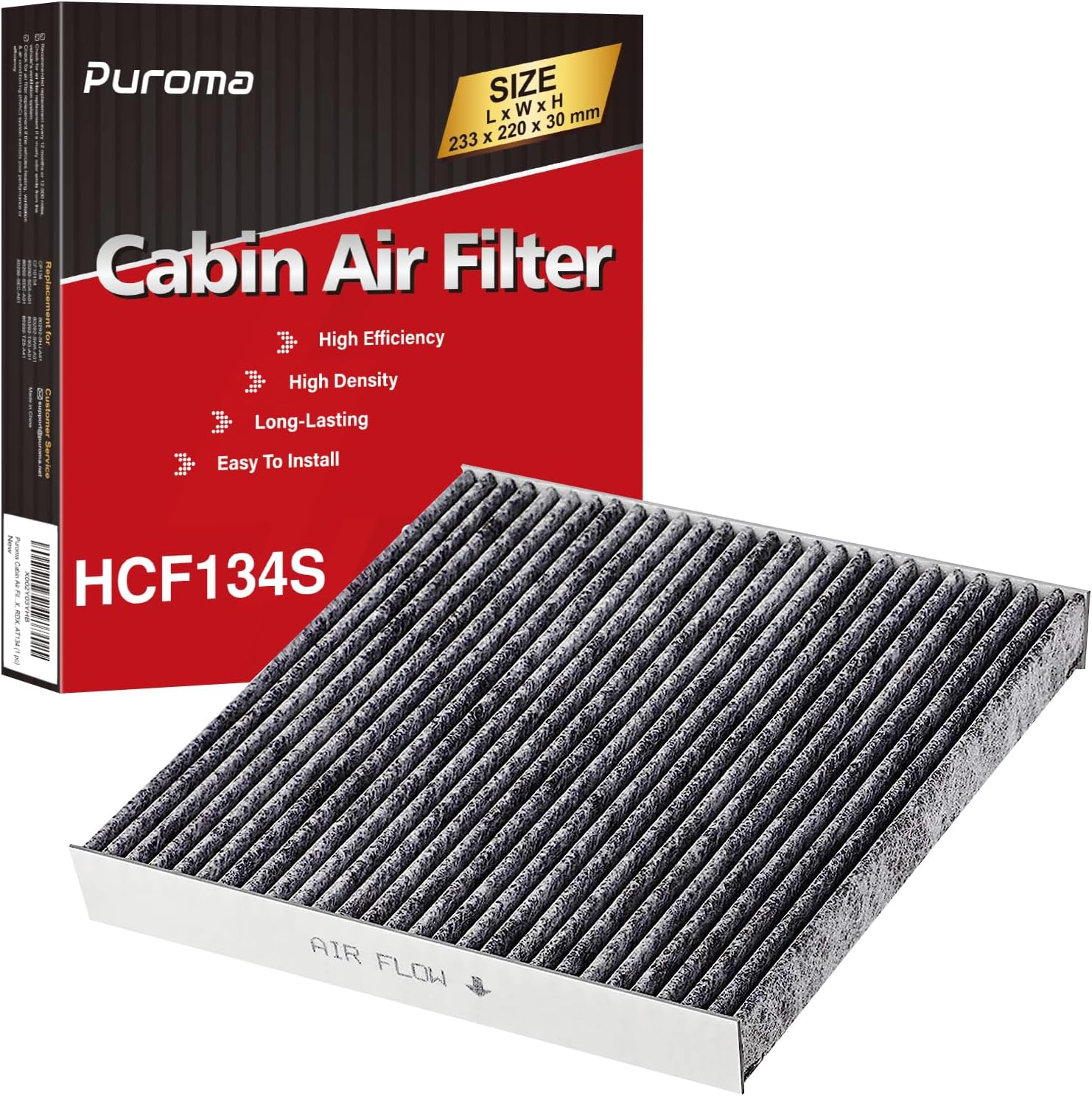
The Puroma HCF134 is a direct-replacement cabin air filter that combines a dense non-woven filter layer with activated carbon to cut odors and trap dust and road particulates before they reach the HVAC system. It installs in minutes and includes an airflow arrow on the frame so orientation is straightforward for do-it-yourself maintenance. The pleated, rigid design seals neatly in the housing, which preserves cabin air quality and helps the ventilation system run efficiently. Drivers in urban or high-traffic areas will notice reduced smells and cleaner vent air, while routine replacement can protect HVAC components from contamination. This unit is a practical, lower-cost alternative to factory filters, but it does not claim any advanced HEPA-level filtration or specialized allergen treatments, so buyers seeking medical-grade filtration should consider higher-end options.
Best for: Drivers who prioritize a reliable, factory-style cabin filter that restores fresh-smelling air and protects HVAC components without a premium price or complicated installation.
Less Ideal for: Those needing medical-grade allergen or ultra-fine particle filtration should look at higher-tier specialty filters designed for clinical-level performance.
- Activated carbon layer reduces odors and freshens cabin air
- Close-meshed non-woven media captures dust and road particulates
- Rigid, well-built frame that fits securely and is easy to install
- Not marketed as HEPA or medical-grade allergen filtration
Verdict: A dependable, easy-to-install cabin filter that refreshes cabin air and protects the HVAC system for Honda and Acura vehicles without the premium cost.
6. EPAuto CP134 Premium Cabin Air Filter with Activated Carbon

| Brand | EPAuto |
|---|---|
| Model | Premium Cabin Air Filter |
| Manufacturer Part Number | AUTO-CF-006 |
| OEM Part Number | 80292-TZ5-A41 |
The EPAuto CP134 is a direct-fit cabin air filter that replaces factory units on many Honda Accord model years and related Acura vehicles. It installs in the glove-box filter housing and is intended for routine DIY replacement to remove dust, pollen and light odors from incoming cabin air. The filter uses an activated carbon layer to reduce smells and a pleated media to trap particulates while maintaining normal HVAC airflow. Reviewers report an OEM-like fit and quick installation without special tools, making it a convenient maintenance item for drivers who change their own filters. Compared with dealer or premium OE units this filter offers clear cost savings, though a few users note it has fewer pleats than some factory parts which could mean slightly less overall filter area. For typical road dust, pollen seasons, and occasional urban odors it provides noticeably fresher vents and dependable performance between annual changes.
Best for: Buyers who want a proven, easy DIY replacement that restores cabin air quality affordably and prioritizes dependable fit backed by many user reviews.
Less Ideal for: People seeking the absolute maximum filtration area or specialized high‑efficiency particulate filters for heavy-duty allergy or pollution control should consider a premium high-MERV alternative.
- Activated carbon layer helps reduce odors as well as trapping dust and pollen
- Compatible fit for many Honda Accord years and installs quickly without tools
- Pleated media provides good airflow while capturing common cabin contaminants
- Widely reviewed with strong user reports of reliable fit and value
- Fewer pleats than some factory filters which may slightly reduce total filter area
Verdict: A budget-friendly, activated-carbon cabin filter that fits Honda Accord glove-box housings and delivers noticeably fresher air with easy DIY installation.
7. Bosch 6029C HEPA Cabin Air Filter

| Model | 6029C |
|---|---|
| Filtration efficiency | 99.97% at 0.3 microns |
| Recommended replacement interval | 12 months or 12,000 miles |
| Compatibility note | Select Honda and Acura models (verify fitment) |
The Bosch 6029C is a HEPA-grade cabin air filter built to remove very small particles from the HVAC intake, rated to capture 99.97% of 0.3 micron particulates. It installs in the factory cabin filter housing and is intended for routine replacement every 12 months or 12,000 miles. The filter uses a melt-blown electrostatic layer plus a static cotton layer and reinforced ribs to keep the media stable and resist collapse under airflow, which helps maintain consistent filtration over its service life. In practice this means noticeably reduced dust, pollen, and exterior odors while driving, with many users reporting easy, tool-free installation and a factory-quality fit. Because the media is denser than basic paper filters you may notice a small reduction in maximum fan speed at the highest settings, but most drivers compensate by increasing blower speed. For buyers focused on cleaner cabin air—especially in high-pollution or allergy-prone areas—this delivers tangible benefits, though it is a higher-performance option compared with basic replacement filters.
Best for: A cautious buyer who prioritizes in-cabin air quality and respiratory health for daily driving, commuters, or allergy sufferers who want a reliable, higher-efficiency replacement for the factory filter.
Less Ideal for: Drivers who prioritize maximum HVAC airflow over filtration or those who need the lowest-cost basic replacement filter may prefer simpler charcoal or paper options.
- HEPA-rated media captures 99.97% of 0.3 micron particles for strong particulate removal
- Multi-layer construction (melt-blown electrostatic plus cotton) increases trapping capacity and longevity
- Reinforced ribs maintain structural stability and consistent airflow over the filter life
- Fits factory cabin filter housings for straightforward, typically tool-free installation
- Denser HEPA media can slightly reduce peak blower output compared with low-density charcoal or paper filters
Verdict: Choose this Bosch HEPA cabin filter when reliable, near-HEPA-level particle removal and a factory-quality fit are your top priorities.
Choosing the Right 2013-2017 Honda Accord Cabin Air Filter: Key Factors to Consider
Filter Media and Filtration Efficiency
The media composition determines how effectively the filter captures particles such as pollen, dust, and soot. Multi-layer media with a fine fiber layer will trap smaller particulates but can also restrict airflow more than coarse media. Activated carbon layers adsorb odors and volatile organic compounds, improving in-cabin comfort for occupants sensitive to smells or exhaust fumes.
Look for stated particulate ratings or MERV-equivalent guidance if available. Higher filtration efficiency helps allergy sufferers, but balance that against the Accord's blower capacity; overly restrictive media may reduce airflow and HVAC responsiveness. For routine driving, a filter that captures common allergens while preserving adequate airflow is usually the best compromise.
Fitment and Correct Size
Proper physical fit is essential for sealing the intake and preventing bypass where unfiltered air can enter the cabin. Filters designed specifically for the 2013-2017 Honda Accord will line up with the OEM housing dimensions and mounting tabs, eliminating the need for trimming or adapters. Confirm the listed cabin air filter size and compare it to the Accord's specifications to ensure a snug, consistent seal.
A misfit filter can allow dust and pollen to bypass the media and can rattle or shift under blower operation. Exact-fit components also make replacement easier and reduce the chance of installation errors when you replace the cabin air filter.
Airflow Resistance and HVAC Impact
Airflow resistance is how much the filter impedes the blower. Low-resistance filters preserve cabin airflow, maintain rapid defogging, and reduce blower motor load. Filters with denser media or additional layers of activated carbon can increase resistance, which may be noticeable at low fan speeds or during heavy HVAC use.
Consider the typical driving conditions for your Accord. If you frequently rely on rapid defogging or run the HVAC at low speeds, prioritize lower resistance. If allergen or odor control is the main concern and occasional reduced airflow is acceptable, a higher-efficiency media may be appropriate.
Service Life and Maintenance Interval
Different media types and construction determine how long a filter can remain effective before it needs replacement. Longer-life filters reduce how often you must perform a cabin air filter replacement on the Accord, but they may collect more debris and become heavy or restrictive toward the end of their service window.
Plan maintenance around driving conditions. City driving in dusty areas or heavy pollen seasons will shorten service intervals. Check the filter visually during routine service and replace it sooner if it appears clogged. Choosing a filter with a published expected lifespan helps set a maintenance schedule that protects cabin air quality without unnecessary changes.
Moisture Resistance and Durability
The cabin filter sits near the HVAC intake where it can be exposed to moisture from rain or condensation. Media and frame materials that resist moisture absorption and maintain structural integrity prevent collapse or mold growth over time. Filters built with a rigid frame or reinforced pleats are less likely to deform under wet conditions.
Durability also affects how well the filter holds up during installation and removal. A sturdier construction reduces the risk of tearing the media or losing pleats, which can lower filtration performance and complicate replacement on the Accord.
Odor Control and Activated Carbon
Activated carbon layers reduce odors from exhaust, smoke, and other volatile compounds, improving comfort during commutes. For owners who park near busy roads or who are sensitive to smells, a carbon-treated cabin pollen filter can make a noticeable difference in perceived air quality. Not every driver needs this feature, and carbon layers add cost and sometimes airflow restriction.
Weigh the benefit of odor adsorption against any increased airflow resistance and the expected service life. If odors are a recurring issue, choose a filter with a reliable carbon treatment and replace it at recommended intervals to maintain effectiveness.
Common Symptoms That Indicate a Worn Cabin Air Filter
Reduced airflow from the vents, persistent musty or stale smells, and increased dust accumulation on the dash are common signs the cabin air filter is due for replacement in a 2013-2017 Honda Accord. Owners often notice weaker defogging performance and more frequent HVAC cycling when the filter is clogged.
Allergy symptoms inside the vehicle, such as sneezing or watery eyes during drives, can point to diminished filtration. Regular visual inspection of the filter element during service visits catches these issues before they affect HVAC performance significantly.
- Weaker vent airflow at all fan speeds
- Persistent or recurring odors when HVAC runs
- Visible dirt and debris on the filter media
- Increased dust on interior surfaces after cleaning
When to Replace the Cabin Air Filter on a 2013-2017 Accord
Replacement frequency depends on driving environment and individual sensitivity. For normal suburban driving, changing the cabin air filter every 12,000 to 15,000 miles or once a year is common. In dusty or high-pollen areas, inspect and replace it more often.
Also replace the filter if you notice symptoms like reduced airflow, odors, or visible contamination. Seasonal checks before heavy pollen periods or winter defogging can prevent comfort and visibility issues.
- Typical interval: 12,000–15,000 miles in average conditions
- Shorten interval in dusty, high-pollen, or urban environments
- Inspect visually during routine oil or brake service
Installation Tips for DIY Replacement
Replacing the cabin air filter on the 2013-2017 Honda Accord is straightforward for most owners and requires only basic tools. Locate the cabin filter housing behind the glove box or under a dedicated access panel, remove the cover clips, and extract the old filter while noting orientation.
Pay attention to the airflow arrow printed on the media and ensure the replacement filter seats fully in the housing to avoid bypass. Clean the housing of loose debris before inserting the new filter and reassemble the glove box or panel securely to prevent rattles.
- Confirm airflow direction and match the arrow on the new filter
- Clean the housing of leaves and debris before installing
- Use gentle pressure to seat pleated filters without deforming them
Activated Carbon Vs Standard Particulate Filters
Activated carbon filters add an adsorption layer that captures odors and some gaseous contaminants in addition to particles. For commuters exposed to traffic smells or occasional smoke, carbon-treated media can improve perceived air quality inside the Accord.
Standard particulate filters emphasize particle capture and often allow lower airflow resistance. If odor is not a concern, a high-efficiency particulate filter can provide strong allergy protection while preserving HVAC responsiveness.
- Carbon filters: better odor control, potentially higher resistance
- Particulate filters: strong pollen and dust capture, lower resistance
How Environmental Conditions Affect Filter Choice
Your local environment should shape the filter you choose for a 2013-2017 Accord. High-pollen regions benefit from higher-efficiency media, while areas with heavy urban pollution may call for carbon-treated options. Dusty rural roads require filters with robust particulate holding capacity to avoid frequent replacements.
Consider seasonal adjustments. An owner might switch to a higher-efficiency filter during allergy season and use a lower-resistance option during other times to maintain airflow and reduce blower strain.
- Pollen-heavy areas: prioritize fine media capture
- Urban pollution: consider activated carbon layers
- Dusty roads: choose filters with greater dust-holding capacity
Still looking for the perfect fit?
Select your Honda Accord configuration to see the most relevant Cabin Air Filters recommendations
How We Chose the Best 2013-2017 Honda Accord Cabin Air Filter
We prioritized filters that match the physical fit and mounting points used on 2013-2017 Honda Accord models and that meet common HVAC airflow needs for city and highway driving. Our selection criteria focused on filtration efficiency for common cabin pollutants, particulate retention for pollen and dust, and resistance to airflow loss that can strain the blower motor.We also considered construction quality, such as pleat count and media density, the presence of activated carbon for odor control, and the filter's expected service interval based on media composition. Durability in humid or temperate climates and resistance to moisture-related collapse were included because the Accord's HVAC cycles can introduce moisture across seasons.Excluded items include universal filters that require significant trimming, filters lacking clear fitment guidance for the 2013-2017 Accord, and products with insufficient material specification. Final picks emphasize exact-fit designs, documented filtration ratings, and components that simplify installation for owners performing a cabin air filter replacement themselves.
Our full evaluation process is outlined in our review methodology.
FAQ
How do I find the cabin air filter location on a 2013-2017 Honda Accord?
The cabin air filter is accessible behind the glove box or under an access panel on the passenger side. You typically lower the glove box or remove a small cover to reach the filter housing for inspection or replacement.
What are common cabin air filter symptoms in the Accord?
Common symptoms include reduced vent airflow, lingering odors when the HVAC runs, visible dust in the cabin, and poorer defogging performance. Allergy flare-ups during drives can also indicate a clogged filter.
Can I replace the cabin air filter myself on the 2013-2017 Accord?
Yes. Replacement is usually a simple DIY task that requires minimal tools. Follow the airflow direction on the new filter, clean the housing of debris, and ensure the filter seats properly to avoid bypass.
Does activated carbon make a big difference in odor control?
Activated carbon can noticeably reduce odors from exhaust and smoke, especially in areas with heavy traffic. The tradeoff is that carbon layers sometimes add slight airflow resistance compared with standard particulate-only filters.
How often should I change the cabin pollen filter in this Accord?
For average driving, changing the cabin pollen filter every 12,000 to 15,000 miles or about once a year is common. Shorten the interval in dusty, high-pollen, or urban environments where the filter will clog faster.
Will a higher-efficiency filter harm my Accord's HVAC system?
A very restrictive filter can reduce airflow and make defogging slower, but most filters designed for the 2013-2017 Accord balance filtration and resistance. Choose a filter with documented fitment and reasonable airflow resistance to avoid undue HVAC strain.
Final Verdict
Prioritize a filter that combines correct fitment with the level of filtration you need for local driving conditions. For allergy-prone drivers, higher-efficiency media and carbon treatment can improve comfort, while those who value rapid defogging and steady airflow should favor lower-resistance designs.Decide based on the tradeoffs between filtration efficiency, airflow resistance, and service life, and inspect the filter regularly so you replace it before it affects HVAC performance. With the right choice and routine maintenance, you can maintain cleaner, more comfortable cabin air in your 2013-2017 Accord.
Explore More:
- Check out all Honda Accord parts & accessories
- Explore Cabin Air Filters Maintenance & Repair Guides
- Explore HVAC
- Browse all Auto Parts
