

Note: This article contains affiliate links. If you click on these links and make a purchase, I may earn a small commission at no extra cost to you. This helps support my research and content. Read my full affiliate disclosure here.
If you own a 2005-2009 Subaru Outback, a properly functioning cabin air filter matters for comfort, allergy control, and HVAC performance. Over time these filters collect pollen, road dust, and odor-causing particles that reduce airflow and let contaminants into the passenger compartment. This guide presents the top shortlisted cabin air filters for the 2005-2009 Outback, chosen for their filtration efficiency, fit accuracy, and durability. We explain the evaluation criteria you should care about and highlight practical fitment and maintenance considerations to help you choose the right filter for daily driving and seasonal allergy periods.
Looking for other parts? See all Subaru Outback parts & accessories.
Top Picks at a Glance
| Best Overall The best all-around choice for most situations | KAX Engine and Cabin Air Filter Kit (CA9997+CF9846A) for Subaru Outback 2005–2009 |  |
| Best Quality Built to a higher standard if you want something more solid | PHILTOP CF9846A HEPA Cabin Air Filter with Activated Carbon |  |
| Best Value The sweet spot between price and what you get | Femota MERV 13 Cabin Air Filter with Activated Carbon (CF9846A) |  |
| Best Budget The cheapest option that still gets the job done reliably | Kurimup CF9846A Cabin Air Filter with Activated Carbon |  |
| Highest Rated A top-rated pick with lots of positive feedback | Torchbeam CF9846A Cabin Air Filter |  |
| Most Popular A crowd favorite that many people choose with confidence | EPAuto CP846 Replacement Cabin Air Filter with Activated Carbon |  |
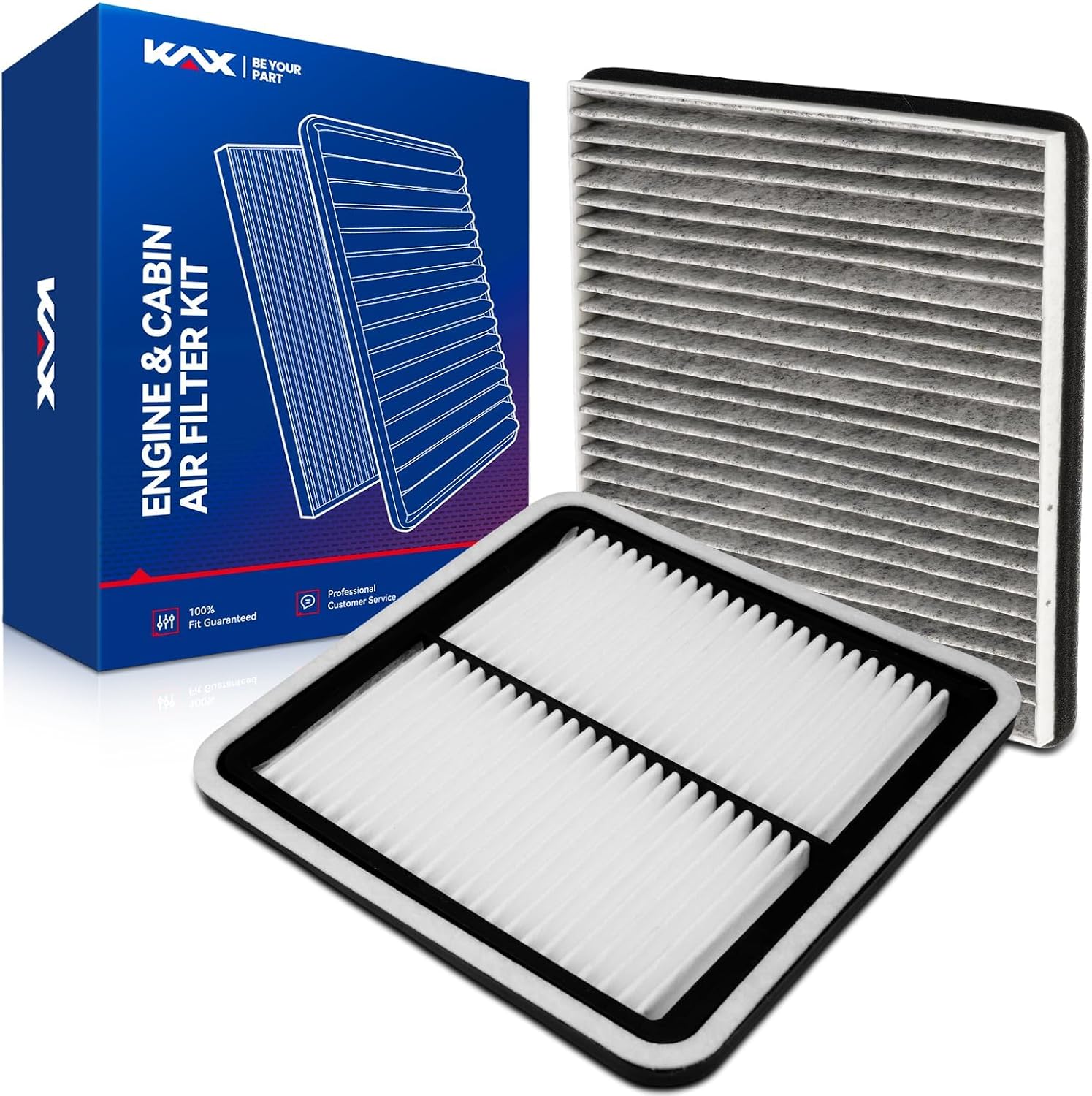
1. KAX Engine and Cabin Air Filter Kit (CA9997+CF9846A) for Subaru Outback 2005–2009
| Unit Count | 2 Count |
|---|---|
| Included Components | Engine and Cabin Air Filter Kit |
| Fit Type | Vehicle Specific Fit |
| Manufacturer Warranty Description | 1 YEAR |
This KAX kit bundles a replacement engine air filter and a cabin air filter made to fit 2005–2009 Subaru Outback models, so you can service both systems in one stop. The cabin element uses coconut shell activated charcoal and a multi-layer media to reduce odors and trap fine particles, while the engine filter offers standard multi-layer filtration to protect the intake and maintain engine breathing. The kit is marketed as a vehicle-specific fit which simplifies installation and should take about five minutes for each filter on most vehicles. The main benefits are convenience and coordinated maintenance timing since both filters are included, and the charcoal cabin media provides noticeably fresher air compared with a basic paper cabin filter. Limitations are typical for aftermarket replacements: you may not get the exact same materials or long-term fit characteristics as factory-quality parts, and longevity will depend on driving conditions so plan regular checks if you drive in heavy dust or high-pollen areas.
Best for: Drivers who want a convenient, coordinated maintenance solution and cleaner in-cabin air without hunting for separate parts, ideal for routine service on a 2005–2009 Outback.
Less Ideal for: Those seeking factory-brand parts with guaranteed identical materials and fit or drivers who require premium long-life filters for extreme off-road or heavy-dust use.
- Includes both engine and cabin filters so you can replace both at the same time
- Cabin filter uses coconut shell activated charcoal to reduce odors
- Vehicle-specific fit aimed at a straightforward, tool-light installation
- Multi-layer filtration media for improved particle capture over basic paper filters
- Aftermarket construction may differ from factory-quality parts and affect long-term fit or durability
Verdict: A practical two-filter kit that makes routine maintenance simple while improving cabin odor control for 2005–2009 Subaru Outback owners.
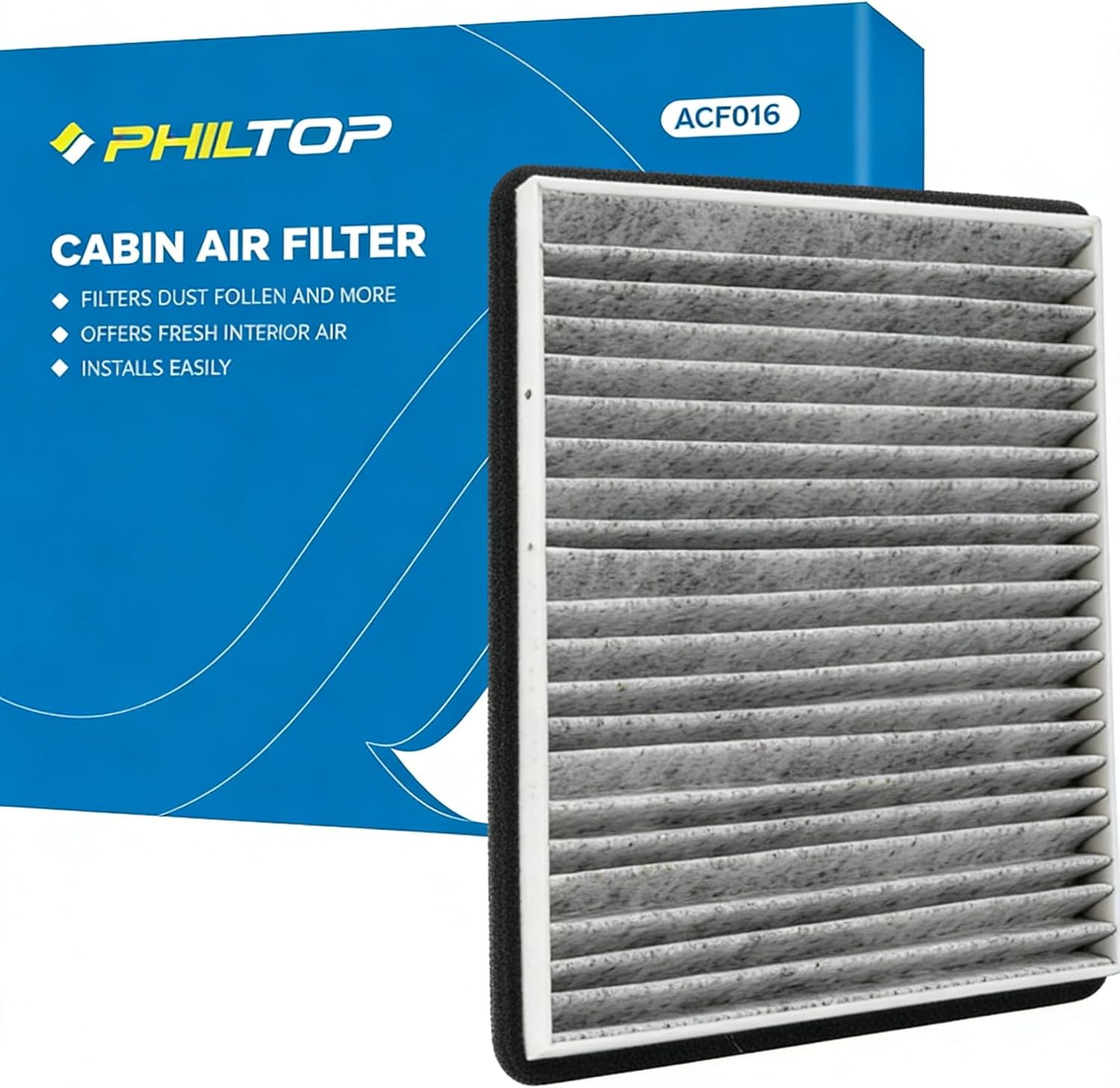
2. PHILTOP CF9846A HEPA Cabin Air Filter with Activated Carbon
| Compatible Devices | Replacement for Subaru Outback 2005-2009 |
|---|---|
| Material Type | Long-fiber Electrostatic Cotton with Activated Carbon |
| Air Filter Construction | Pleated |
| Product Grade | new |
The PHILTOP CF9846A is a multi-layer HEPA cabin filter intended to replace the factory cabin filter behind the glove box on compatible 2005–2009 Subaru Outback models. It combines long-fiber electrostatic cotton and activated carbon in a pleated, 20-fold construction to capture fine particles like dust, pollen and soot while also helping reduce odors. Installation is simple and typically tool-free for most vehicles, and the filter is sized to the OEM cavity so it sits flush and preserves blower airflow. The high filtration efficiency and increased dust-holding area can help HVAC performance and deliver cleaner, less dusty air during daily driving or longer trips. This is a disposable filter, so expect yearly or ~12,000-mile replacement intervals; it is not washable or reusable. If you need a true long-term reusable solution or premium allergy-certified medical filters, look elsewhere, but for a performance-minded driver who wants stronger particle removal and fresher cabin air on a budget, this performs as advertised.
Best for: Drivers who prioritize cleaner, lower-allergen cabin air in a 2005–2009 Outback and want a high-filtration disposable filter that balances particle capture with maintained HVAC airflow.
Less Ideal for: Owners seeking a washable or permanently reusable cabin filter or those who need medically certified allergy filtration should consider other specialized options.
- True HEPA-style multi-layer pleated media captures very small particles down to 0.1–0.3 microns per the listing
- Activated carbon layer helps reduce odors and VOCs for a fresher cabin
- Pleated 20-fold design increases dust-holding capacity while maintaining airflow
- Sized to fit the glove-box cabin filter cavity for straightforward, typically tool-free installation
- Disposable design is not washable or reusable so it must be replaced at recommended intervals
Verdict: If you want noticeably cleaner, less-odorous cabin air in a 2005–2009 Outback without changing HVAC performance, this high-efficiency disposable HEPA-style filter is a practical upgrade.
3. Femota MERV 13 Cabin Air Filter with Activated Carbon (CF9846A)

| MERV Rating | 13 |
|---|---|
| Compatible Devices | Air Conditioner |
| Product Grade | Replacement parts |
| Common Applications | Odor Reduction |
This Femota cabin air filter uses four-layer pleated MERV 13 media plus activated carbon to cut dust, pollen and many odor-causing gases while keeping airflow close to factory expectations. It installs like a direct replacement using the same dimensions and airflow markings, so swapping the cabin filter is quick during routine service. The MERV 13 rating and the brand test claim more than 99% average arrestance on larger particulates, which is useful for drivers who frequently encounter pollen, road dust, or city pollution. The activated carbon layer adds practical odor reduction for commuters and families. Expect the usual consumable behavior: performance declines as the filter loads, so follow the suggested 12-month or 12,000-mile replacement interval. This model is a simple, cost-effective way to upgrade cabin air quality without changing HVAC performance, but it does not provide HEPA-level filtration for ultrafine particles or allergens.
Best for: Buyers who prioritize measurable improvement in in-cabin air quality and low-maintenance, OEM-style replacements while keeping installation and HVAC impact minimal.
Less Ideal for: People needing medical-grade HEPA filtration or specialized allergen control should consider higher-grade or dedicated HEPA solutions.
- MERV 13 media captures a wide range of airborne particles while maintaining airflow balance
- Activated carbon layer helps reduce odors and volatile compounds
- Pleated, four-layer construction increases filter surface area for longer service life
- Direct-fit dimensions and airflow markings simplify installation
- Not certified as HEPA so smallest ultrafine particles may pass through
Verdict: A practical, direct-fit MERV 13 cabin filter with activated carbon that noticeably improves in-cabin air cleanliness and odor control for routine use in the 2005–2009 Outback.
4. Kurimup CF9846A Cabin Air Filter with Activated Carbon

| Brand | kurimup |
|---|---|
| Item model number | SCF9846AS |
| Filtration layers | 3-layer with activated carbon |
| Compatible vehicles (examples) | Includes 2005-2009 Subaru Outback |
The Kurimup CF9846A is a budget-focused replacement cabin air filter that combines a pleated filtration layer with an activated carbon layer to trap dust, pollen, and common odors. It is intended for direct-fit replacement in listed vehicles and installs without tools in a few minutes using the included instructions. In everyday use it improves in-cabin air quality and helps prevent musty smells while allowing adequate airflow so HVAC heating and cooling performance is not noticeably restricted. The activated carbon layer is useful for absorbing exhaust and interior odors, and the claimed three-layer construction increases dust-holding capacity compared with basic single-layer filters. As a lower-cost option the materials and long-term durability may not match premium OE-equivalent filters, so heavy pollutant environments or drivers wanting maximum filtration longevity may need to replace it more often. Still, for routine maintenance this filter offers a straightforward, inexpensive way to refresh cabin air on compatible vehicles.
Best for: Buyers who want an inexpensive, easy-to-install cabin filter to improve everyday air quality and remove odors on a budget-focused maintenance schedule.
Less Ideal for: Drivers who regularly face heavy dust, construction debris, or need maximum long-term particle capture should consider a higher-end or specialty filter with proven extended lifespan.
- Three-layer filtration captures dust, pollen and soot for noticeably cleaner cabin air.
- Activated carbon layer reduces common odors and light exhaust smells.
- Direct-fit design installs without tools in about five minutes.
- Construction balances filtration and airflow to avoid significant HVAC performance loss.
- Build materials are economy-grade and may need more frequent replacement than premium filters.
Verdict: An affordable, direct-fit cabin filter that improves air quality and odor control for routine maintenance on 2005–2009 Subaru Outback models.
5. Torchbeam CF9846A Cabin Air Filter

| Compatible Devices | Air Conditioner |
|---|---|
| Product Grade | Replacement Part |
| Material Type | Carbon Fiber |
| Unit Count | 1 Count |
The Torchbeam CF9846A is a replacement cabin air filter designed to restore cabin airflow and reduce dust, pollen and odors in compatible Subaru Outback models from 2005 to 2009. It uses layered media including activated carbon and electrostatic cotton to trap fine particles and adsorb odors, which helps the HVAC system deliver cleaner air and maintain visible cabin freshness. Installation is the same basic in-cabin swap as other factory-style filters and is intended as an annual or 12,000-mile service item to preserve fan performance and ventilation. Practical benefits include improved cabin air quality for allergy sufferers and reduced smells from outside sources, plus straightforward fitment where this part number matches factory references. Limitations are that long-term filtration efficiency and exact particle capture ratings are not listed, so buyers who need HEPA-level filtration or lab-certified performance should look for filters with documented filtration metrics.
Best for: Buyers prioritizing dependable, factory-style replacements to keep cabin air fresh and HVAC airflow consistent during routine maintenance cycles.
Less Ideal for: Users seeking certified HEPA-level filtration or documented lab-tested particle capture should consider specialized filters with published performance data instead.
- Activated carbon layer reduces odors and volatile compounds
- Electrostatic cotton layer helps capture fine dust and pollen
- Designed to match factory replacement fitment and referenced OEM part numbers
- Simple in-cabin replacement that supports regular HVAC maintenance
- Manufacturer does not publish specific particle filtration ratings or test standards
Verdict: Choose this filter if you want a straightforward, odor-reducing replacement that restores cabin air quality and HVAC performance for 2005–2009 Subaru Outback models.
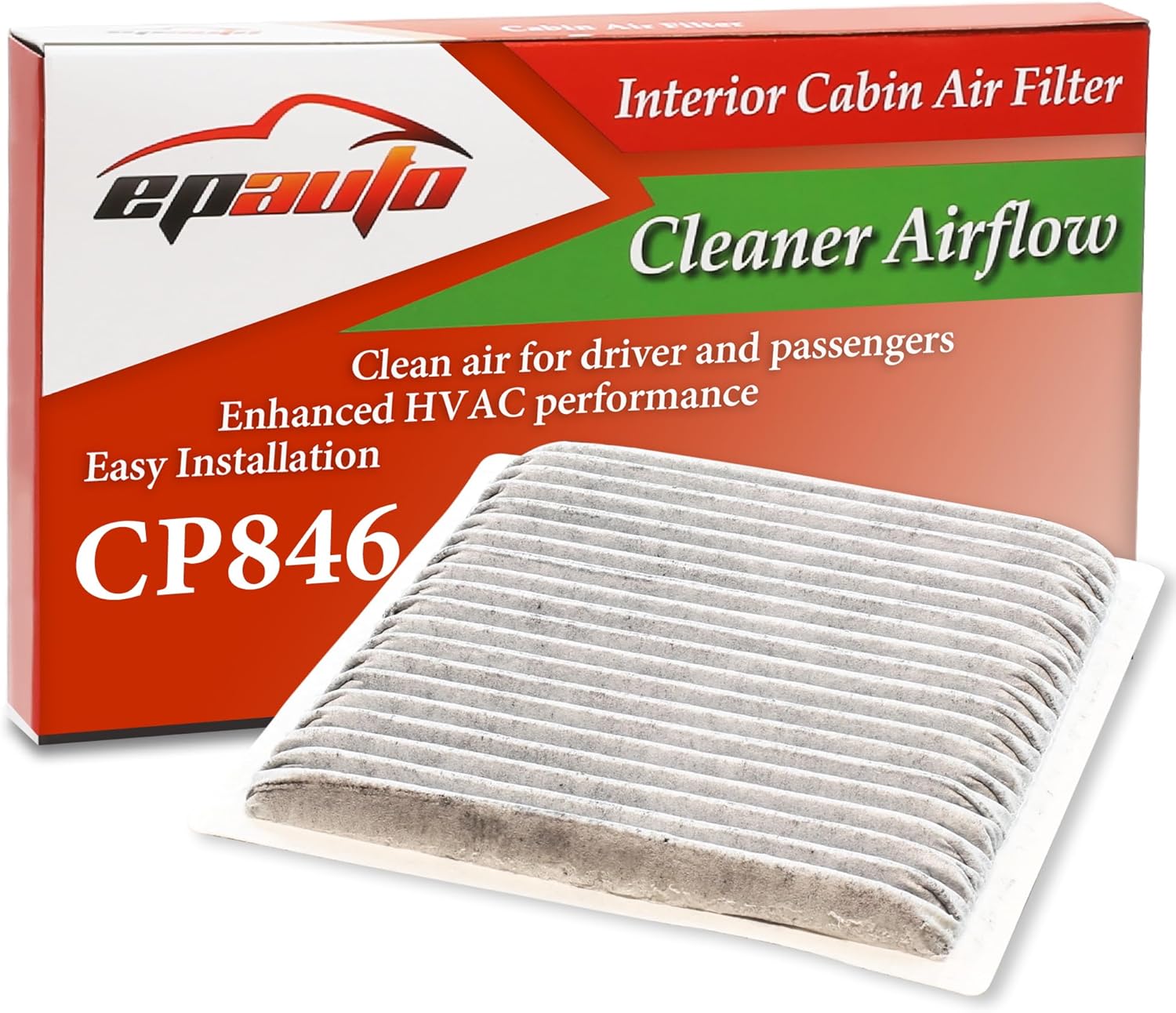
6. EPAuto CP846 Replacement Cabin Air Filter with Activated Carbon
| Brand | EPAuto |
|---|---|
| Item model number | AUTO-CF-005 |
| Manufacturer Part Number | AUTO-CF-005V2 |
| OEM Part Number | 72880-XA00A, 800005P |
The EPAuto CP846 is a direct-fit replacement cabin air filter that uses activated carbon to absorb odors and particulates from incoming HVAC air. It installs in the factory cabin filter location and is intended for routine maintenance to restore fresh-smelling, cleaner air inside the car. Notable features include activated carbon media and coverage for many Subaru and Toyota model years, including 2005–2009 Outback fitment listed by the manufacturer. Practical benefits are straightforward: it helps remove dust, pollen, and common odors and can slightly improve HVAC airflow compared with a heavily clogged old filter. The filter is light and inexpensive, so it is easy to swap at the recommended service interval of about 12 months or 12,000 miles. Limitations are typical for aftermarket carbon filters: it will not provide advanced allergen or pollutant removal comparable to HEPA-grade units, and long-term odor control depends on replacement frequency and exposure to heavy contaminants.
Best for: Buyers who prioritize proven user experience and want an affordable, easy-to-install cabin filter that reduces odors and restores HVAC performance in a 2005–2009 Subaru Outback.
Less Ideal for: Drivers seeking medical-grade allergen or ultrafine particle filtration or long-duration odor control without frequent replacements should consider higher-spec filtration options.
- Activated carbon layer reduces cabin odors and light VOCs
- Direct-fit design listed for 2005–2009 Subaru Outback models for easy installation
- Affordable and lightweight, making regular replacement practical
- Not a HEPA-level filter so it offers limited capture of very fine particles and allergens
Verdict: If you want a budget-friendly, user-approved cabin filter that reduces odors and fits the 2005–2009 Subaru Outback, this EPAuto carbon filter is a practical choice.
Choosing the Right 2005-2009 Subaru Outback Cabin Air Filter: Key Factors to Consider
Filtration Efficiency
Filtration efficiency determines how well a cabin air filter removes common contaminants like pollen, dust, and fine particulates. For the 2005-2009 Subaru Outback, look for filters that specify particle capture levels or reference MERV-like performance so you can compare how tightly they trap small particles. Higher-efficiency media reduce allergy triggers and visible dust accumulation inside the cabin.
Keep in mind that very dense media can increase resistance to airflow. That tradeoff affects heater and A/C performance, so choose a filter that balances particle capture with reasonable airflow for the Outback's HVAC blower. Efficiency claims without dimensional or material detail should be treated cautiously.
Fitment and Dimensions
Correct dimensions and a precise frame are essential for leak-free installation in the 2005-2009 Outback's filter housing. Filters that are slightly undersized or have thin, flexible frames can allow unfiltered air to bypass the media, defeating the purpose of replacement. Confirm the listed cabin air filter size and that the orientation markings match the vehicle's airflow direction.
Also check for positive retention features such as tabs or a snug gasket so the filter stays seated when the glove box or housing is closed. Proper fitment reduces vibration noise and ensures the filter maintains sealing under repeated HVAC cycling.
Airflow Resistance
Airflow resistance, often described as pressure drop, affects how easily the Outback's blower can move air through the HVAC system. Filters with excessive resistance can reduce heating and cooling efficiency and strain the blower motor over time. For the 2005-2009 Outback, pick a filter that offers improved particle capture without significantly restricting airflow.
Manufacturers sometimes provide pressure-drop data at given face velocities; when available, use that to compare options. If data are not available, favor filters designed for automotive HVAC systems rather than oversized home-style filters that may be too restrictive.
Material Construction and Durability
The media type, pleat spacing, and frame construction all influence how long a cabin air filter lasts and how well it retains performance. Multi-layer media with a mechanically bonded outer layer and a finer inner layer tend to trap large debris first and finer particles later, extending service life. Rigid frames resist collapsing or warping in high humidity or heat.
Durability matters for the Outback because replacement intervals can vary with driving conditions; a robust filter maintains shape and filtration performance across months of exposure to road dust, moisture, and temperature swings.
Odor and VOC Control
If you frequently drive in urban areas or through traffic, odor control can improve cabin comfort. Filters that include activated carbon or other odor-adsorbing layers help reduce exhaust fumes and organic odors. For the 2005-2009 Subaru Outback, this feature is optional but useful for owners sensitive to smells or who spend long hours commuting.
Bear in mind that carbon layers do not replace regular ventilation cleaning; they reduce odors but have limited effects on gas-phase pollutants compared with specialized air purifiers.
Ease of Installation and Maintenance
Ease of installation matters because many Outback owners will replace the cabin air filter themselves. Filters designed with clear orientation arrows, a stiff frame, and straightforward removal/insertion reduce installation time and the risk of incorrect placement. Also consider how often you will need to replace the filter based on your driving environment; dusty or pollen-heavy regions require more frequent service.
A filter that is easy to access and install encourages timely replacement, which keeps filtration performance consistent and protects the HVAC system from clogging.
When To Replace the Cabin Air Filter
Replacement intervals vary with driving conditions, but common signs indicate it is time to service the 2005-2009 Outback's cabin air filter. Reduced airflow from the vents, musty or stale smells after the car has been parked, or an increase in visible dust inside the cabin are practical signals that the filter is loaded.
For routine maintenance, inspect the filter at least once a year or every 12,000 to 15,000 miles, and more frequently if you drive on dirt roads, in heavy pollen season, or in urban areas with smoky or dusty air.
- Reduced HVAC airflow or slower defrost performance
- Persistent odors or mustiness from vents
- Increased dust on interior surfaces soon after cleaning
- Allergy symptoms while driving that improve after replacement
Access and Replacement Steps for the 2005-2009 Outback
The cabin filter on the 2005-2009 Subaru Outback is accessed behind the glove box. Basic steps include lowering the glove box, releasing the filter housing cover, and sliding out the old filter. Note orientation arrows and the airflow direction to ensure correct installation of the new filter.
Bring simple hand tools if needed and keep the housing free of loose debris before inserting the replacement. After installation, cycle the HVAC on both low and high settings to confirm normal airflow and to help seat the filter.
- Open the glove box and detach the damper arm if present
- Remove the housing cover and pull the old filter straight out
- Inspect the housing for debris and wipe clean before inserting new filter
- Install the new filter with the correct airflow arrow, reassemble glove box
How Different Media Types Perform
Synthetic and paper-blend medias are common in automotive cabin filters. Synthetic media often provides more consistent pleat structure and better resistance to moisture, which can be helpful in wet climates. Paper-blend media can be effective for larger particles but may collapse faster under humidity.
Activated carbon layers add odor adsorption but can slightly increase airflow resistance. For the 2005-2009 Outback, prioritize media that balance particle capture with breathability so the HVAC blower maintains efficient operation.
- Synthetic media: better moisture resistance and longevity
- Paper-blend media: cost-effective for general dust and pollen
- Activated carbon: reduces odors, slightly higher resistance
Seasonal and Regional Considerations
If you drive in high-pollen seasons or through construction zones, plan to inspect and possibly replace the cabin air filter more often. Conversely, drivers in low-dust suburban areas may lengthen intervals. For owners who experience frequent wildfire smoke or urban pollution, filters with higher fine-particle capture and carbon layers offer added value.
Also consider storing a spare filter during allergy season so you can replace it promptly when symptoms appear or after extended periods of dusty driving.
- Pollen-heavy spring months: more frequent checks
- Dusty or unpaved roads: shorten replacement interval
- Urban pollution or smoke: select filters with finer particulate control and carbon layer
Disposal and Environmental Notes
Used cabin air filters collect trapped particulates and should be handled as household waste in most jurisdictions, sealed in a bag to prevent dust dispersal. Check local regulations if you have concerns about particulate disposal.Some filter manufacturers offer recyclable components, but full media recycling is uncommon. When possible, choose products with recyclable packaging or remanufactured frames to reduce environmental impact.
- Bag used filters before discarding to contain dust
- Check manufacturer guidance for any recyclable parts
- Consider longer-lasting media to reduce overall waste
Still looking for the perfect fit?
Select your Subaru Outback configuration to see the most relevant Cabin Air Filters recommendations
How We Chose the Best 2005-2009 Subaru Outback Cabin Air Filter
We focused on filters that deliver consistent, verifiable performance for the 2005-2009 Subaru Outback and applied a set of practical editorial filters. Our evaluation emphasized filtration efficiency for common cabin pollutants such as pollen, dust, and soot; correct dimensions and clip/fit compatibility with the Outback's glove-box access; and airflow characteristics that maintain HVAC performance without excessive pressure drop. Durability and construction quality were judged by material layers, pleat count, and frame rigidity to withstand repeated cabin airflows and variable humidity. We also considered odor control media where relevant, especially for owners sensitive to exhaust and road odors. Installation ease and clear access to replacement parts were included so typical owners can complete the job with basic tools. We excluded any filters lacking clear dimensional specs or fitment data for 2005-2009 Outback, and we did not include items with inconsistent construction or unverified claims about particle-size capture. The final list balances real-world usability, measured filtration attributes, and reliable fitment for this specific Outback generation.
Our full evaluation process is outlined in our review methodology.
FAQ
How often should I replace the cabin air filter in my 2005-2009 Subaru Outback?
Typically inspect the filter annually or every 12,000 to 15,000 miles. Replace it sooner if you notice reduced airflow, musty odors, or if you frequently drive in dusty or pollen-heavy conditions.
What are common signs the cabin pollen filter is clogged?
Common signs include weaker airflow from vents, lingering smells from the HVAC system, increased interior dust, and worsening allergy symptoms while driving. These symptoms usually indicate the filter is loaded and needs replacement.
Can I replace the cabin air filter myself and how long does it take?
Yes. On the 2005-2009 Outback the filter is behind the glove box and a DIY replacement typically takes 10 to 20 minutes with basic tools. Follow orientation arrows and ensure the filter seats properly in the housing.
Does adding activated carbon to the filter affect airflow?
Activated carbon layers can slightly increase airflow resistance compared with plain particulate media. For most drivers the difference is minor, but if maximum HVAC airflow is a priority, choose a carbon layer explicitly designed for automotive use to minimize added pressure drop.
What cabin air filter size fits the 2005-2009 Outback?
The correct filter dimensions are specified for the 2005-2009 Subaru Outback and should be confirmed against the vehicle's replacement housing. Always match reported filter dimensions and orientation markings rather than assuming fit from visual comparison.
Are OEM cabin filters better than aftermarket options for the Outback?
OEM and aftermarket filters each have strengths. OEM parts are designed for known fitment and baseline performance, while reputable aftermarket filters can offer higher filtration efficiency or carbon layers. Evaluate media construction, fit accuracy, and documented specifications rather than assuming one source is always superior.
Final Verdict
Prioritize a cabin air filter that balances particle capture with correct fit and reasonable airflow for your 2005-2009 Subaru Outback. Filtration efficiency matters for allergy control and cabin cleanliness, while proper dimensions and a sturdy frame ensure the filter actually seals and performs over time. Consider activated carbon if odors are a frequent issue, but be mindful of minor increases in resistance. By focusing on verified fitment, media construction, and service interval needs based on your driving conditions, you can choose a filter that keeps the Outback's cabin cleaner and the HVAC system working efficiently.
Explore More:
- Check out all Subaru Outback parts & accessories
- Explore Cabin Air Filters Maintenance & Repair Guides
- Explore HVAC
- Browse all Auto Parts
