

Note: This article contains affiliate links. If you click on these links and make a purchase, I may earn a small commission at no extra cost to you. This helps support my research and content. Read my full affiliate disclosure here.
Choosing the right Hyundai Elantra brake master cylinder affects braking performance and pedal feel every time you drive. A properly selected unit restores hydraulic integrity, prevents fluid loss, and helps maintain consistent stopping distances. This guide covers the top shortlisted master cylinders for the Hyundai Elantra, chosen for reliability and fitment, along with the key criteria used to evaluate them. Read on to understand the practical differences and which features matter most before you replace the component.
Looking for other parts? See all Hyundai Elantra parts & accessories.
Top Picks at a Glance
| Best overall The best all-around choice for most situations | Mando HL Mando Brake Master Cylinder (585103X400) for 2011-2013 Hyundai Elantra |  |
| Best quality Built to a higher standard if you want something more solid | A-Premium Brake Master Cylinder with Reservoir and Sensor for Hyundai Elantra |  |
| Best Value The sweet spot between price and what you get | TUCKBOLD Brake Master Cylinder with Reservoir for Hyundai Elantra 2011–2013 |  |
| Best Budget The cheapest option that still gets the job done reliably | Hihaha Brake Master Cylinder with Reservoir for Hyundai Elantra 2006-2008 |  |
| Highest Rated A top-rated pick with lots of positive feedback | Dorman Brake Master Cylinder M630907 |  |
| Best Seller A high-volume bestseller chosen again and again | PHILTOP Brake Master Cylinder Assembly for Hyundai Elantra (2011–2015) |  |
1. Mando HL Mando Brake Master Cylinder (585103X400) for 2011-2013 Hyundai Elantra

| Manufacturer | HL Mando |
|---|---|
| Manufacturer Part Number | 17A1139 |
| OEM Part Number | 585103X400 |
| Compatible Models | 2011-2013 Hyundai Elantra |
This Mando HL Mando brake master cylinder is a direct replacement intended for 2011–2013 Hyundai Elantra applications and installs where the factory unit sits to restore solid brake pedal feel. It is produced by a global Tier-1 supplier and supplied as a ready-to-install unit with the necessary O-ring included in the package, so it is typically used when a worn or leaking master cylinder produces a spongy pedal or sinking under pressure. The part claims factory-equivalent fit and is manufactured in Korea under the brand that supplies many Hyundai parts, which helps reduce fitment guesswork and simplifies installation for a mechanically confident DIYer or a professional technician. Practical benefits include returning original braking responsiveness and eliminating pedal travel caused by internal leaks. Limitations to be aware of are that installation requires proper bench bleeding and brake system bleeding, and one reported installation failure indicates occasional quality variance may occur, so confirm sealing and operation before finishing the job.
Best for: Practical, balanced buyers who want a factory-quality replacement to restore safe, predictable brake feel on a Hyundai Elantra and prefer matching OEM-sourced parts over budget or generic options.
Less Ideal for: Buyers who need a universal or multi-vehicle solution or those unwilling to perform or pay for professional brake bleeding and verification after installation.
- Factory-quality direct replacement from a Tier-1 supplier for Hyundai vehicles
- Includes O-ring in the package for correct installation
- Designed to restore original brake pedal feel and eliminate sponginess
- Ships ready to install which simplifies replacement for shops and experienced DIYers
- Requires proper bench bleeding and full brake system bleeding at installation
- Some users reported at least one defective unit, indicating possible quality variance
Verdict: A factory-equivalent master cylinder choice for Elantra owners who want OEM-like fit and restored brake pedal feel but expect to perform proper bleeding and inspection during installation.
2. A-Premium Brake Master Cylinder with Reservoir and Sensor for Hyundai Elantra

| Vehicle Fitment | Hyundai Elantra 2017-2019 (Automatic) |
|---|---|
| Includes | Brake master cylinder, removable reservoir, sensor |
| Manufacturer Part Number | APBMC992TW |
| OEM Reference Numbers | 58510F2400, 58511F2000, MC391592 |
This A-Premium brake master cylinder is a direct replacement assembly built for Hyundai Elantra 2017–2019 automatic transmissions and includes a removable reservoir and brake fluid level sensor. It installs in place of the factory unit and is intended for use when the existing master cylinder is leaking, failing to build pressure, or triggering brake warnings. The included sensor simplifies reconnection to the vehicle harness and the removable reservoir helps with filling and bench bleeding during installation. In practice this unit aims to match factory mounting points and hydraulic connections so a competent DIYer or a professional shop can swap it without modifying brake lines. The practical benefits are straightforward: replacement of a failed master cylinder restores pedal feel and braking system integrity, and the one-year unlimited-mileage guarantee provides added confidence. Limitations are that you must bench bleed and torque fittings correctly, and some buyers may prefer an OEM-branded unit for factory part-number continuity or dealer-level sourcing.
Best for: Performance-oriented buyers who prioritize restoring precise pedal feel and reliable braking on a Hyundai Elantra 2017–2019 and expect a high-quality aftermarket replacement.
Less Ideal for: Shoppers seeking an exact factory-sourced branded part or those uncomfortable performing brake system bleeding and installation without professional help should consider alternatives.
- Direct-fit replacement for Hyundai Elantra 2017–2019 automatic models with matching mounting and hydraulic connections
- Includes removable reservoir which eases filling and bench bleeding during installation
- Built-in brake fluid level sensor included for plug-and-play connection to the vehicle harness
- Backed by a one-year unlimited-mileage guarantee for added post-installation peace of mind
- Not an OEM-branded part so exact factory material sourcing and finish may differ
- Requires proper bench bleeding and correct torque during installation to avoid air in the brake system
Verdict: A high-quality aftermarket master cylinder assembly that restores braking performance on Elantra 2017–2019 automatics while including a reservoir and sensor for easier installation.
3. TUCKBOLD Brake Master Cylinder with Reservoir for Hyundai Elantra 2011–2013

| Fitment | Hyundai Elantra 2011-2013 |
|---|---|
| Material | Aluminum Alloy, Plastic |
| Position | Inner / front of brake pedal |
| OE Number | 585103X400/17A1139 |
This TUCKBOLD brake master cylinder replaces the factory unit on Hyundai Elantra 2011–2013 models and includes the plastic fluid reservoir pre-mounted. It converts pedal force into hydraulic pressure for the braking system and is intended as a direct replacement in the engine compartment ahead of the brake pedal. The unit is aluminum alloy with corrosion-resistant surfaces and is supplied ready to install, so a competent DIYer or technician can swap it without modifying the brake lines. Practical benefits include restoring firm pedal feel after a failing master cylinder and avoiding the expense of a dealer part. Limitations are that it is a non-OEM aftermarket part and fitment is vehicle-specific so confirm compatibility before buying; buyers should also plan for proper bench bleeding and professional brake bleeding after installation to ensure safe operation.
Best for: Buyers who prioritize practical, cost-effective repairs and want a ready-to-install replacement to restore braking performance on a Hyundai Elantra 2011–2013 without paying dealer premiums.
Less Ideal for: Those seeking a factory-manufactured part with guaranteed OEM provenance or buyers unwilling to handle brake-system bleeding and installation should consider alternatives.
- Designed as a direct replacement for Hyundai Elantra 2011–2013 for straightforward swap-in installation
- Integrated plastic reservoir included, reducing parts and assembly steps
- Aluminum alloy body offers corrosion resistance and long-term durability
- Aftermarket unit rather than factory-manufactured so finish and tolerances may differ from OEM
- Requires proper bleeding and handling of brake fluid during install to ensure safe braking performance
Verdict: A budget-friendly, direct-replacement master cylinder that restores braking function on 2011–2013 Elantras but requires proper bleeding and acceptance of an aftermarket unit.
4. Hihaha Brake Master Cylinder with Reservoir for Hyundai Elantra 2006-2008

| Fitment | Hyundai Elantra 2006-2008 |
|---|---|
| Material | Aluminum Alloy and Plastic |
| Position | Inner |
| Included | 1 Pc Brake Master Cylinder with Reservoir |
This Hihaha brake master cylinder replaces a failed unit on Hyundai Elantra models from 2006 to 2008 and includes the plastic fluid reservoir pre-attached for a one-piece swap. It increases hydraulic pressure to feed the brake booster and restore normal pedal feel, so it is used when the original master cylinder leaks, has a failing seal, or no longer builds pressure. Construction pairs an aluminum-alloy body with plastic reservoir components to balance corrosion resistance and cost. The unit is sold as a vehicle-specific direct replacement and is intended for a straightforward bolt-in installation without modifying the brake lines beyond standard reconnection and bleeding. Expect a budget-friendly option that covers the basic function and fit without premium finishes or extended testing certification. Important limitations are that it is a non-OEM aftermarket part and the listing provides minimal performance validation and support details, so buyers should be prepared to bench-test fit and bleed the system during installation.
Best for: Budget-conscious owners looking to restore braking function on a 2006–2008 Hyundai Elantra quickly and inexpensively, prioritizing low cost and basic fit over brand-name OEM parts.
Less Ideal for: Those who want factory-certified or performance-grade brake components or who need extended support and formal warranties should consider higher-end or OEM replacements.
- Direct replacement fit specified for Hyundai Elantra 2006–2008, simplifying installation
- Integrated reservoir supplied pre-attached for easier swap and fewer loose parts
- Aluminum-alloy body offers corrosion resistance compared with all-plastic alternatives
- Aftermarket unit with limited manufacturer validation and no detailed performance testing provided
- Listing lacks extensive installation support or warranty information
Verdict: An affordable, vehicle-specific direct-replacement master cylinder that restores basic brake hydraulic function on 2006–2008 Hyundai Elantras.
5. Dorman Brake Master Cylinder M630907

| Manufacturer | Dorman Products |
|---|---|
| Model | Brake Master Cylinder |
| Item model number | M630907 |
| Fits vehicle years | Hyundai Genesis Coupe 2010-2016 |
This Dorman master cylinder is a new, direct-replacement hydraulic unit engineered to replicate the original master cylinder's casting, function, and performance on compatible Hyundai vehicles. It is used to restore proper brake pedal feel and hydraulic pressure after a failed or leaking master cylinder; installation follows normal brake-system replacement steps and requires bleeding the system afterward. Notable features include a painted housing to resist corrosion and EPDM rubber components that are formulated to withstand glycol-based brake fluids for long-term durability. Because it is made entirely of new materials rather than remanufactured parts, the unit aims to provide consistent sealing and reliability out of the box. Limitations are that fitment is vehicle-specific so verification against year and trim is required, and installers should expect to perform a standard brake bleed and inspection of related components since the part does not include auxiliary items like new reservoir caps or hoses.
Best for: Reliability-focused owners who prioritize a factory-style, new replacement to restore safe brake operation and long-term dependability on their Hyundai Elantra.
Less Ideal for: Buyers looking for a universal or heavily upgraded performance master cylinder should consider purpose-built performance units or vehicle-specific OEM options instead.
- Direct-fit replacement engineered to match original design and function
- All-new construction rather than remanufactured for consistent sealing and reliability
- EPDM rubber components resistant to glycol-based brake fluid extend service life
- Painted housing provides corrosion resistance
- Meets SAE specifications for manufacturing consistency
- Fitment covers specific Hyundai models and years so you must confirm compatibility before purchase
- Does not include extra hardware such as reservoir hoses or caps which may need replacement separately
Verdict: A factory-style, all-new master cylinder built to provide dependable, long-lasting hydraulic performance as a direct replacement.
6. PHILTOP Brake Master Cylinder Assembly for Hyundai Elantra (2011–2015)
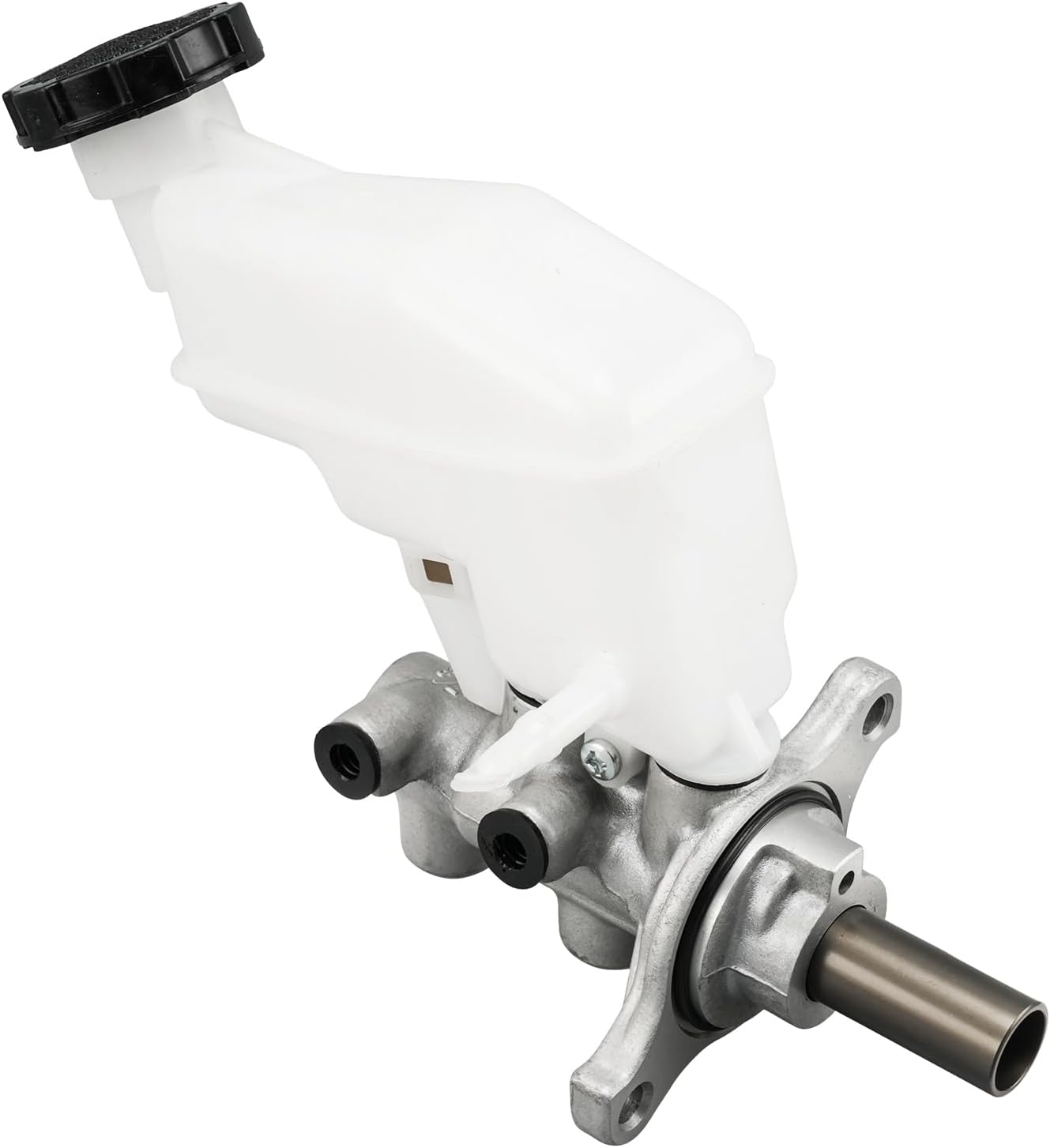
| Reservoir Included | Yes |
|---|---|
| Material | Aluminium |
| Master Cylinder Bore Diameter | 0.875(IN) |
| Number of Outlets | 2 |
| Rearward Outlet Size | M12 x 1.0 |
This PHILTOP master cylinder assembly replaces the factory brake master cylinder on Hyundai Elantra 2011–2015 1.8L vehicles and arrives as a complete unit with reservoir and sensor. It is made from new materials with an aluminum housing and comes with two outlets, a rearward M12 x 1.0 outlet, and a 0.875 inch bore diameter, so it should bolt in and restore proper hydraulic pressure without needing core exchange. Typical use is a direct replacement during brake system overhauls or when the original unit leaks, fails, or produces a spongy pedal. The included reservoir and sensor simplify installation and reduce parts sourcing. Practical benefits include matching casting material to the factory design for similar performance and avoiding remanufactured components. Limitations to note are that fitment is limited to the specified Elantra years and engine, and any installation requires proper bench bleeding or professional installation to ensure safe brake operation.
Best for: A risk-averse mainstream buyer who wants a ready-to-install, new replacement that mirrors factory design and reduces uncertainty during a brake repair on a Hyundai Elantra.
Less Ideal for: People looking for a universal or multi-vehicle solution or those who prefer rebuilt core exchanges to save cost should consider other options.
- Complete assembly with reservoir and sensor included for fewer missing parts during installation
- Constructed from new materials with aluminum housing to match factory casting and performance
- Designed specifically for Hyundai Elantra 2011–2015 1.8L fitment to simplify compatibility
- Two outlets and a standard M12 x 1.0 rear outlet that align with factory brake lines
- Fitment is limited to Elantra 2011–2015 1.8L and will not work on other models or engines
- Requires proper bleeding and correct installation to avoid brake performance issues
Verdict: A factory-style, all-new master cylinder assembly that makes a straightforward, low-risk swap for Hyundai Elantra 2011–2015 1.8L owners seeking a direct replacement.
Choosing the Right Hyundai Elantra Brake Master Cylinder: Key Factors to Consider
Vehicle Fitment and Port Layout
Correct fitment is essential because the master cylinder must align with the Elantra's brake booster, reservoir, and hydraulic lines. Mismatch in mounting flange, pushrod length, or port locations can complicate installation and create stress on brake lines, increasing leak risk. Always confirm the unit's flange pattern and port thread types match the vehicle's factory specifications.
Port orientation also affects hose routing and the ability to bleed the system properly. Choosing a component with the correct layout reduces the need for adaptors or rerouting that can introduce failure points.
Seal Design and Leak Resistance
Seals are the primary defense against brake fluid leaks, which can rapidly degrade braking performance. Look for robust internal seals and a reservoir-to-body interface designed to maintain a secure, vibration-resistant connection. Materials and machining tolerances influence seal longevity and resistance to fluid deterioration.
A design that minimizes crevices and uses durable elastomers helps prevent master cylinder seal leak issues. Proper sealing reduces maintenance needs and preserves pedal firmness.
Bore Size and Pedal Feel
Bore diameter determines hydraulic pressure characteristics and is a key factor in how the brake pedal feels under normal and emergency braking. A larger bore can lower pedal travel but may require more force, while a smaller bore increases travel but can give a softer initial feel. Matching the bore size or the effective displacement to the Elantra's braking system maintains original brake balance and avoids unintended changes in pedal response.
Consider how bore size interacts with the rest of the brake system, including caliper piston area and brake booster specification, to preserve predictable braking behavior.
Material Quality and Corrosion Resistance
Master cylinders operate in a harsh under-hood environment where moisture and road salt can accelerate corrosion. Units made from corrosion-resistant alloys or featuring protective coatings tend to last longer and maintain sealing surfaces in better condition. Internal finishes and plating on moving parts reduce wear and the risk of contamination that can damage seals.
Higher material quality translates to greater long-term reliability and lowers the chance of sudden failures that would necessitate urgent repairs.
Installation Hardware and Instructions
Complete, vehicle-specific installation hardware simplifies the replacement process and reduces the chance of errors. Properly sized gaskets, mounting bolts, and bleed fittings designed for the Elantra help ensure a correct, leak-free installation. Clear instructions that explain bleed sequence and pushrod adjustment are particularly valuable for DIYers and technicians.
When hardware or guidance is missing, installers may substitute parts that compromise fit or sealing, increasing the likelihood of brake fluid leak master cylinder issues after installation.
Serviceability and Rebuild Options
Some master cylinders are designed to be serviced or rebuilt using seal kits, which can be a cost-effective option over full replacement under the right circumstances. Availability of rebuild kits, clear guidance on which components are replaceable, and the accessibility of wear-prone parts matter for long-term ownership.
If you prefer repair over replacement, check whether the design supports rebuilding without specialized tools and whether replacement seals are readily available.
How We Chose the Best Hyundai Elantra Brake Master Cylinder
We narrowed the field to components that directly address common failure modes and maintain the vehicle's original brake function. Our editorial filters prioritized correct vehicle fitment for Hyundai Elantra models, hydraulic port and reservoir compatibility, and verified sealing design to reduce leak risk. We evaluated build quality, corrosion-resistant materials, and the completeness of mounting and hardware provisions that affect installation. Brake pedal feel and internal bore sizing were considered because they influence braking response and proportioning. Units lacking clear fitment data, missing essential installation hardware, or with known sealing design weaknesses were excluded. The result is a focused list emphasizing functional compatibility, durable construction, and aspects of design that reduce maintenance frequency.
Our full evaluation process is outlined in our review methodology.
FAQ
What are common master cylinder symptoms I should watch for?
Common symptoms often include a spongy or soft brake pedal, a pedal that gradually sinks under constant pressure, or visible brake fluid around the firewall or under the master cylinder. Any of these signs usually indicate internal seal wear or external leakage and should be inspected promptly to avoid reduced braking performance.
How does a brake fluid leak at the master cylinder affect braking?
A leak at the master cylinder reduces hydraulic pressure and can introduce air into the system, both of which degrade pedal firmness and stopping ability. Even small leaks can worsen quickly, so addressing a suspected leak early helps maintain safe braking and prevents more extensive repairs.
Can I replace the master cylinder myself on a Hyundai Elantra?
Many mechanically inclined people can perform the replacement if they have the correct tools and understand brake bleeding procedures. Replacement requires proper fitment, careful sealing of hydraulic connections, and a thorough bleed to remove air. If you are not confident in those steps, professional installation is advisable.
Is it worth rebuilding a master cylinder instead of replacing it?
Rebuilding can be worthwhile when the cylinder body and bore are in good condition and only the seals or soft parts have failed. Availability of a rebuild kit and your comfort with disassembly determine feasibility. If corrosion or bore damage is present, a full replacement usually offers more reliable long-term performance.
How will bore size changes affect the brake pedal on my Elantra?
Altering bore size changes hydraulic displacement, which affects pedal travel and required force. A different bore can make the pedal feel firmer or softer and can influence brake balance. It is important to match or closely approximate the original bore size to preserve expected pedal behavior and braking performance.
What should I check after installing a new master cylinder?
After installation, verify all hydraulic connections are tight and free of leaks, refill the reservoir with the correct fluid, and bleed the system thoroughly to remove air. Confirm pedal firmness through several controlled stops at low speed before normal driving, and recheck for leaks after a short test drive.
Conclusion
When choosing a Hyundai Elantra brake master cylinder, prioritize correct fitment, reliable sealing, and appropriate bore sizing to preserve pedal feel and braking balance. Consider material quality and the presence of complete installation hardware to reduce the chance of post-installation leaks and simplify the job.Weigh the tradeoffs between a serviceable design and a full replacement: rebuildable units can save cost if the bore is in good condition, while fully assembled replacements reduce installation uncertainty. Focus on the criteria above to make a decision that supports safe, consistent braking.
Explore More:
- Check out all Hyundai Elantra parts & accessories
- Explore Brake Master Cylinders Maintenance & Repair Guides
- Explore Brake System
- Browse all Auto Parts
