

Note: This article contains affiliate links. If you click on these links and make a purchase, I may earn a small commission at no extra cost to you. This helps support my research and content. Read my full affiliate disclosure here.
If your Chevrolet Colorado is showing heavier pedal effort or inconsistent braking, the brake booster is often the culprit. Replacing it can restore proper power-assist, improve pedal feel, and reduce stopping distances under normal driving conditions. This guide covers the top shortlisted brake boosters that fit the Colorado and explains the key reasons owners choose each option.We evaluated candidates for fitment, diaphragm and valve integrity, and installation complexity so you can pick a unit that matches your comfort level with DIY work or professional service. Below are the top picks followed by the factors that matter for Colorado owners and practical guidance for installation and diagnosis.
Looking for other parts? See all Chevrolet Colorado parts & accessories.
Top Picks at a Glance
| Best Overall The best all-around choice for most situations | A-Premium Vacuum Power Brake Booster for Chevrolet Colorado/GMC Canyon (2009–2012) — Without Master Cylinder |  |
| Best Quality Built to a higher standard if you want something more solid | GM Genuine Parts Power Brake Booster Assembly (19371355) |  |
| Best Budget The cheapest option that still gets the job done reliably | Psrorkeu Vacuum Power Brake Booster for Chevrolet Colorado and GMC Canyon (2009–2012) |  |
| Highest Rated A top-rated pick with lots of positive feedback | A-Premium Vacuum Power Brake Booster (without Master Cylinder) |  |
| Most Popular A crowd favorite that many people choose with confidence | Cardone Remanufactured Power Brake Booster |  |
1. A-Premium Vacuum Power Brake Booster for Chevrolet Colorado/GMC Canyon (2009–2012) — Without Master Cylinder

| Vehicle fitment | Chevrolet Colorado 2009-2012, GMC Canyon 2009-2012 |
|---|---|
| Diaphragm style | Single |
| Diaphragm diameter | 9.635 in (244.73 mm) |
| Master cylinder stud thread | M8 x 1.25 |
| Material | Steel |
This A-Premium vacuum power brake booster is a direct-replacement style unit intended to restore power-assist braking on 2009–2012 Chevrolet Colorado and GMC Canyon trucks. It installs in place of the factory booster and is delivered without a master cylinder, so you will reuse the original master cylinder or purchase a compatible one separately. The unit features a single diaphragm design, a 9.635-inch (244.73 mm) diaphragm and includes the push rod and M8 x 1.25 master cylinder stud threads for straightforward bolt-in fitment. Steel construction with an anti-rust coating aims to improve durability compared with untreated units. Practical benefits include renewed pedal assist and consistent brake feel when fitted correctly, and the included push rod reduces parts needed at installation. Important limitations are that it does not include the master cylinder and fitment is specific to the listed model years, so confirm compatibility before ordering. Installation may require moderate mechanical skill and basic brake line handling if the master cylinder is replaced.
Best for: Buyers who want a balanced, reliable factory-style replacement to restore power-assist braking on a 2009–2012 Colorado or Canyon and prefer a ready-to-install booster without unnecessary performance modifications.
Less Ideal for: Drivers seeking a complete brake overhaul kit that includes a new master cylinder or those wanting performance-oriented boosters for racing or heavy towing situations should look elsewhere.
- Direct replacement fit for 2009–2012 Chevrolet Colorado and GMC Canyon for straightforward swapping
- Includes push rod and correct M8 x 1.25 stud thread to match factory mounting
- Single diaphragm and specified diameter support consistent vacuum assist and pedal feel
- Steel body with anti-rust coating for improved corrosion resistance and longevity
- Sold without the master cylinder so additional part or reuse of the old master cylinder is necessary
Verdict: A practical, factory-style replacement booster that restores power-assist braking on 2009–2012 Colorado/Canyon trucks without unnecessary extras.
2. GM Genuine Parts Power Brake Booster Assembly (19371355)

| Brand | GM GENUINE PARTS |
|---|---|
| Model | GM Original Equipment |
| Manufacturer Part Number | 19371355 |
This GM Genuine Parts power brake booster is a direct replacement assembly intended to bring back factory pedal assist and consistent braking response. It installs in place of the original booster and works with the vehicle's master cylinder and vacuum system to reduce pedal effort while improving stopping control under everyday and heavier loads. As a genuine GM part, it matches factory specifications for fit and mounting, which simplifies installation for DIY mechanics and professional shops. The machined exterior suggests durable construction and the part number alignment helps ensure correct fitment for specified Chevrolet Colorado applications. Limitations to note are that this is a vehicle-specific replacement so confirm fitment before ordering and installation may require brake system bleeding and basic mechanical tools; it is not a performance-enhancing aftermarket booster for track use. For owners seeking reliable, factory-like braking feel and straightforward replacement, this booster is a practical option.
Best for: Buyers who prioritize restoring factory brake feel and reliable stopping performance on their Chevrolet Colorado and want a direct, OEM-matching replacement.
Less Ideal for: Drivers looking for an aftermarket performance booster or track-focused upgrade should consider performance-specific options instead.
- Factory-quality fit and mounting that simplifies replacement
- Restores proper brake pedal assist and consistent braking feel
- Durable machined exterior aligned with OEM standards
- Vehicle-specific part that requires fitment verification before purchase
- Installation requires brake system bleeding and basic mechanical skill
Verdict: Choose this GM Genuine Parts booster when you want a direct factory-match replacement to restore original brake pedal assist and consistent stopping performance.
3. Psrorkeu Vacuum Power Brake Booster for Chevrolet Colorado and GMC Canyon (2009–2012)
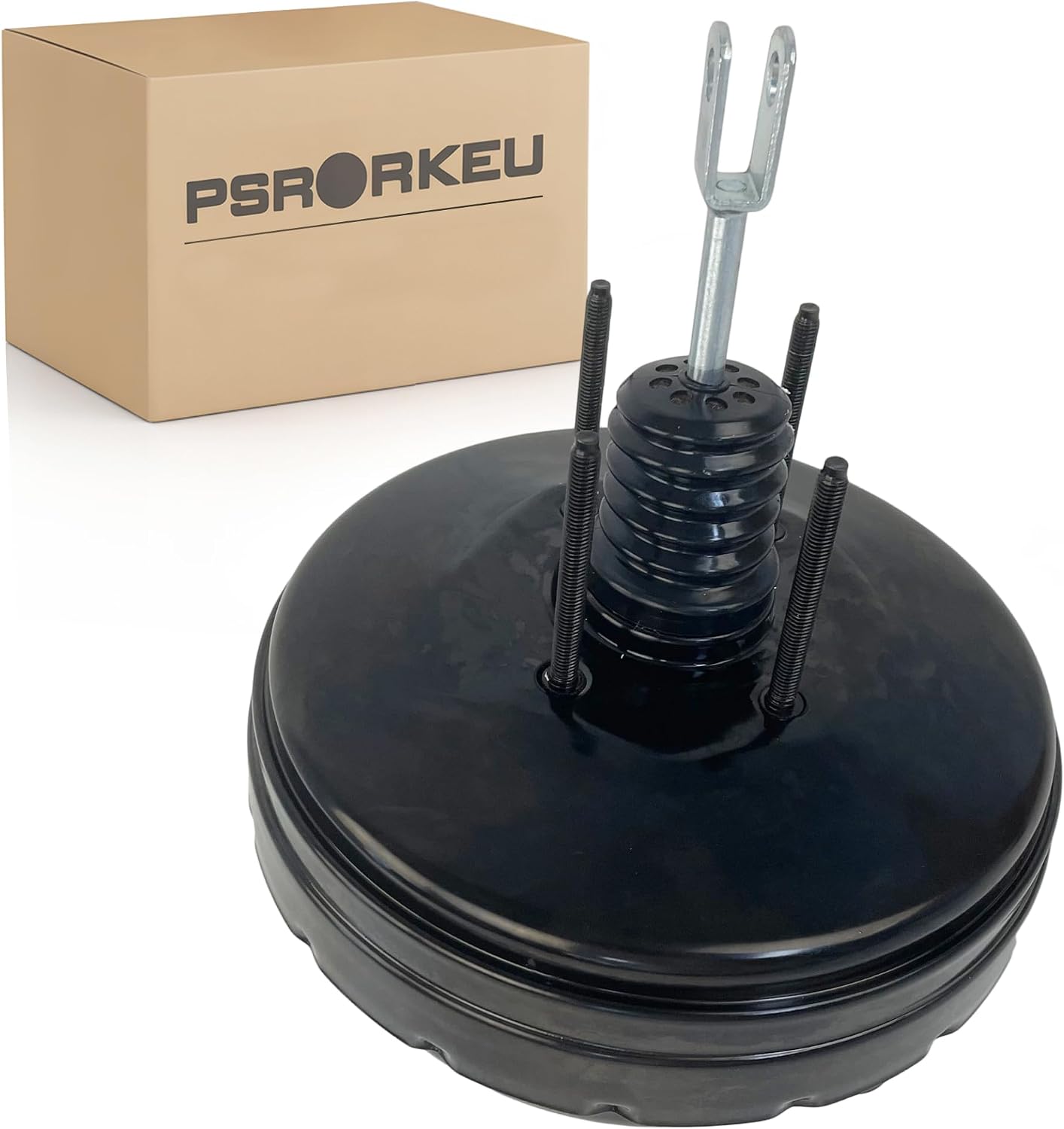
| Vehicle compatibility | Chevrolet Colorado 2009-2012 and GMC Canyon 2009-2012 (2.9L, 3.7L, 5.3L) |
|---|---|
| Manufacturer | Psrorkeu |
| Manufacturer Part Number | PK912571 |
| OEM Reference Numbers | 54-77086, 25858329 |
This Psrorkeu vacuum power brake booster is a budget-friendly, direct-replacement unit for 2009–2012 Chevrolet Colorado and GMC Canyon trucks with 2.9L, 3.7L, or 5.3L engines. It replaces the factory booster to restore power-assist braking by maintaining vacuum pressure through internal diaphragms and tight seals, which reduces pedal effort and helps preserve consistent stopping feel. The housing uses heavy-duty steel with a corrosion-protected surface to resist road salt and grime, and each unit is vacuum and pressure tested to verify there are no leaks before shipment. Installation is typical for brake booster swaps and should suit DIYers with basic mechanical skills or a professional installer. Limitations are that this is a direct-fit aftermarket unit rather than an OEM-branded part, so finish details and exact mounting hardware may differ slightly from factory originals. For budget-focused buyers who need a functional, tested booster to return braking assist without paying OEM premiums, this is a practical option.
Best for: Buyers looking to restore reliable power-assist braking on a 2009–2012 Colorado or Canyon without paying OEM prices, and who prioritize a tested, functional replacement over brand-new factory labeling.
Less Ideal for: Owners seeking a branded factory-original booster for exact cosmetic match or collectors who require original equipment provenance.
- Direct-fit design for 2009–2012 Chevrolet Colorado and GMC Canyon 2.9L, 3.7L, 5.3L engines
- Heavy-duty steel housing with corrosion-protected surface for improved durability
- Vacuum and pressure leak-tested before shipment to verify functionality
- Internal diaphragms and tight seals help maintain stable vacuum and consistent pedal feel
- Aftermarket unit rather than factory-brand part so cosmetic details or hardware may differ from the original
Verdict: A cost-conscious, tested direct-replacement brake booster that restores power-assist braking for 2009–2012 Colorado and Canyon trucks without the OEM price tag.
4. A-Premium Vacuum Power Brake Booster (without Master Cylinder)

| Compatible models | 2004-2008 Chevrolet Colorado; 2004-2008 GMC Canyon; select 2006-2008 Isuzu models |
|---|---|
| Brake Booster Diaphragm | Dual |
| Diaphragm Diameter | 9.69 in (246.13 mm) |
| Master Cylinder Stud Thread | M8 x 1.25 |
| Material | Steel |
This vacuum power brake booster replaces the factory unit to restore power-assisted braking on compatible Chevrolet Colorado, GMC Canyon, and select Isuzu trucks. It uses a dual diaphragm design and a steel construction with an anti-rust coating to resist corrosion and provide long-term service life. The part is supplied without a master cylinder, so installation requires transferring the existing master cylinder or purchasing one separately. Fitment details and OEM reference numbers are provided to help confirm compatibility and the booster uses standard M8 x 1.25 master cylinder studs for mounting. In practice this booster gives the same pedal feel and boost function you expect from a factory-style replacement while simplifying swap-in installation for experienced DIYers or technicians. The main limitations are that the master cylinder is not included and buyers must verify exact year and engine combinations before ordering, but the one-year unlimited-mileage guarantee adds reassurance for reliability-minded buyers.
Best for: Buyers who prioritize restoring reliable, factory-quality braking on the specified mid-2000s Colorado and Canyon trucks and who want a durable, corrosion-resistant replacement part.
Less Ideal for: If you need a complete brake assembly or prefer plug-and-play units that include the master cylinder, choose a kit that ships with both components or seek professional installation with the matching master cylinder.
- Direct-fit replacement for specified Chevrolet Colorado, GMC Canyon, and Isuzu models
- Dual diaphragm design for consistent vacuum assist and pedal feel
- Steel construction with anti-rust coating to improve durability
- Includes OEM reference numbers and standard M8 x 1.25 stud size for easier fit confirmation
- Master cylinder is not included, requiring transfer or separate purchase
Verdict: Choose this steel, dual-diaphragm booster when you want a durable, factory-style replacement to restore reliable power braking on mid-2000s Colorado and Canyon trucks.
5. Cardone Remanufactured Power Brake Booster

| Item model number | 54-71008 |
|---|---|
| Position | Center |
This Cardone remanufactured power brake booster replaces the factory vacuum booster to restore pedal feel and power assist. It is rebuilt with 100 percent vacuum testing, OE-quality seals and check valves, and inspected or replaced diaphragm plates so it should deliver near-new braking response. The unit comes with new mounting nuts and washers and features a rust-resistant finish intended to extend service life. In practice this booster is installed in place of a worn or leaking booster to eliminate hard brake pedal or reduced assist; pre-adjusted master cylinder output rods where applicable speed up installation. Being remanufactured means you get components revived to factory performance rather than a brand-new casting, so longevity depends on the quality of the rebuild and proper installation. For buyers who prioritize proven parts and documented rebuild steps, Cardone’s on-car testing and upgraded seals offer a confidence boost, but installers should verify fitment for the specific Chevrolet Colorado year and engine configuration before purchase.
Best for: Buyers looking to restore reliable brake assist on a Chevrolet Colorado who prefer a professionally remanufactured part with documented testing and included installation hardware.
Less Ideal for: Drivers who want a brand-new factory-manufactured booster or who prefer a direct dealer replacement should consider alternatives from their dealer.
- Rebuilt and vacuum tested to confirm proper sealing and function
- Uses OE-quality seals and check valves to reduce leakage risk
- Includes new mounting nuts and washers for a complete install
- Rust-prohibitive finishing process aimed at longer service life
- Remanufactured unit rather than new, so long-term durability depends on rebuild quality
Verdict: Choose this Cardone remanufactured booster if you want a tested, factory-performance replacement that arrives ready for install on your Chevrolet Colorado.
Choosing the Right Chevrolet Colorado Brake Booster: Key Factors to Consider
Fitment and Compatibility
Correct fitment is critical because the booster must bolt to the firewall and mate to the master cylinder and pedal pushrod with precise alignment. A mismatched booster can cause pushrod bind, incorrect pedal travel, or an inability to secure hydraulic lines. When choosing for the Chevrolet Colorado, verify the booster diameter, mounting stud pattern, and pushrod length to match factory specifications.
Compatibility extends to vacuum source design. Some Colorado models use engine manifold vacuum while others route vacuum through check valves and hoses; the replacement booster must accept the same vacuum hose connection size and orientation. Incorrect hose fittings or differing vacuum port positions can complicate installation and increase the risk of vacuum leaks.
Diaphragm and Internal Valve Quality
The diaphragm and internal check valve are the heart of a brake booster. A robust diaphragm made from durable elastomers resists tearing and deformation under repeated vacuum cycles and heat exposure. The internal valve assembly controls vacuum hold and release; inferior valve components are common failure points that lead to reduced assist or intermittent braking feel.
Choose boosters that specify high-quality diaphragm materials and sealed valve assemblies to minimize the chance of slow vacuum leaks or sudden loss of assist. For Colorado drivers who tow or frequently carry heavy loads, diaphragm resilience under higher-duty cycles is an important consideration.
Vacuum Port and Hose Interface
A secure vacuum connection prevents loss of power assist. The vacuum port must match the OEM hose diameter and incorporate a dependable check valve to maintain vacuum when the engine is off. A poor seal at the port or using the wrong hose size can produce a vacuum leak that manifests as a hard brake pedal or uneven assist.
Inspect replacement boosters for clear instructions on hose routing and whether a new check valve is included. Consider whether adapters are needed for the Colorado vacuum hose and how easily the check valve can be tested or replaced during installation.
Installation Complexity and Required Tools
Installation ranges from straightforward bench swaps to jobs that require pedal support, master cylinder removal, or brake line handling. For the Colorado, removing the booster often involves working in the engine bay and under the dash to access pushrod retaining clips and firewall studs. Expect to bench-bleed the master cylinder and possibly bleed the braking system after reassembly.
Factor in whether you are comfortable supporting the brake pedal during removal, using flare wrenches for brake lines, and torquing mounting hardware to specification. Some boosters include all required hardware which reduces trip time and risk of missing components. If you plan a DIY replacement, ensure you have a backup method to verify proper pedal travel and vacuum integrity after installation.
Durability and Corrosion Resistance
Brake boosters sit in the engine bay where they are exposed to heat, moisture, and road grime. Corrosion-resistant mounting plates, protective coatings, and sturdy welds extend service life, especially in regions with road salt or frequent moisture. A booster that uses plated studs and sealed seams will better resist rust and maintain a reliable seal at the firewall.
Consider units with durable external finishes and reinforced mounting flanges for long-term reliability on the Colorado. Durability also ties into warranty and expected service intervals; a more rugged assembly can reduce the frequency of replacements in heavy-use scenarios like towing or off-pavement driving.
Serviceability and Replacement Parts
Some boosters are easier to service or repair than others. Units that allow replacement of the check valve, vacuum fitting, or external grommets without full unit replacement can be more economical over time. For Chevrolet Colorado owners, the ability to obtain compatible replacement check valves or grommets locally is helpful for quick fixes.
Look for boosters that come with clear parts diagrams and replacement component availability. If you prefer a one-time swap, a fully assembled direct-fit unit with included hardware minimizes follow-up parts sourcing and reduces downtime.
Common Symptoms of a Failing Booster on the Colorado
Recognizing early signs of booster failure helps you decide whether to diagnose vacuum issues or plan for replacement. Common symptoms include a hard or heavy brake pedal, longer pedal travel before the brakes engage, or a spongy feel that returns when the engine is off. On the Colorado, intermittent loss of assist under load or after extended idling is also a telltale sign.
Other indicators are hissing noises from the firewall area that point to vacuum leaks, or fluctuating idle when the brake pedal is applied due to escaping vacuum. Note the conditions when symptoms occur, such as after long highway drives, during towing, or following engine stalls, because these patterns guide which tests to run next.
- Hard brake pedal at startup that eases after several pumps
- Hissing from the engine bay or firewall area
- Increased pedal travel or delayed brake engagement
- Brake feel returns to normal when engine is off
How to Diagnose Vacuum Leaks and Booster Function
Start with a visual inspection of the vacuum hose and check valve for cracks, loose clamps, or disconnected fittings. On the Chevrolet Colorado, follow the hose from the booster to the intake manifold area and look for signs of deterioration or oil contamination that can cause leaks.
A simple functional test is to pump the brake pedal several times with the engine off to evacuate residual vacuum, then hold the pedal down and start the engine. If the booster is working, the pedal should move down slightly as the engine builds vacuum. For persistent doubts, use a hand-held vacuum pump or a dedicated vacuum gauge at the booster port to verify vacuum levels under idle and load conditions.
- Visual hose and check valve inspection
- Pedal hold test during engine start
- Vacuum gauge measurement at booster port
- Listen for hissing during pedal application
Preparing for a Booster Replacement on the Colorado
Before ordering parts, confirm the exact booster specifications for your Colorado model year and engine so the mounting pattern and pushrod length match. Gather tools including a vacuum pump or gauge, flare wrenches for brake lines, torque wrench, and a support method for the brake pedal while the master cylinder is unbolted.
Drain or contain any brake fluid that may leak when the master cylinder is loosened and have supplies ready for bench bleeding the master cylinder. Plan for a system bleed after installation. If you are uncomfortable with brake line handling or bench bleeding, schedule time with a competent technician to avoid introducing air into the braking system.
- Verify booster mounting pattern and pushrod length
- Have a vacuum gauge and bench-bleeding supplies
- Use flare wrenches and torque to spec
- Prepare for brake system bleeding after installation
When to Repair Instead of Replace
Minor vacuum hose damage or a failed in-line check valve can sometimes be repaired without replacing the entire booster. If diagnostics show the diaphragm and internal valves are intact, replacing the vacuum hose and check valve often restores full assist. This can be an economical short-term fix for Colorado owners who find the booster otherwise serviceable.
However, once the booster shows signs of diaphragm failure, intermittent assist, or internal corrosion, repair is typically not recommended because internal seals and valves are not easily serviced in the vehicle. In those cases, a direct-fit replacement booster ensures consistent performance and reduces downtime.
- Replace hose or check valve for isolated vacuum leaks
- Consider replacement when diaphragm integrity is compromised
- Serviceability depends on access and internal component condition
Post-Installation Checks and Road Test
After installing a replacement booster and reconnecting the master cylinder and vacuum hose, bench bleed the master cylinder and then bleed the brake lines according to recommended procedures. Verify pedal height, free play, and that pedal travel is consistent with factory specifications before taking the vehicle on the road.
Perform a cautious road test in a low-traffic area, checking for firm, consistent pedal response from light to firm braking. Re-inspect the vacuum hose and check valve for any signs of escaping air and listen for hissing from the firewall. If you detect soft spots or inconsistent feel, recheck bleed procedures and mounting hardware torque.
- Bench-bleed master cylinder before installation
- Bleed the brake system after reassembly
- Confirm pedal travel and feel to factory specs
- Road test in a safe area and recheck for leaks
How We Chose the Best Chevrolet Colorado Brake Booster
We prioritized units that match Chevrolet Colorado mechanical and vacuum specifications, focusing on components designed to interface correctly with the factory master cylinder and vacuum system. Key evaluation criteria included fitment accuracy, diaphragm and check-valve quality, build materials and corrosion resistance, and the presence of necessary mounting hardware and grommets.Functional durability was assessed via reported longevity and resistance to vacuum leaks, while user-facing considerations included installation complexity, necessary bench or vehicle tests, and compatibility with factory brake lines and booster assembly mounts. We also considered how easily the unit integrates with routine maintenance tasks like master cylinder bench bleeding and pedal travel adjustment.Excluded from consideration were units that required extensive vehicle modifications, nonstandard mounting adapters, or had recurring reports of fitment failures. We filtered out parts that lacked clear vehicle-specific fit data or that did not provide adequate replacement hardware for a direct swap. The resulting shortlist balances longevity, correct fitment for the Colorado, and straightforward installation for owners who opt to replace the booster themselves or with a shop.
Our full evaluation process is outlined in our review methodology.
FAQ
What are the most common brake booster symptoms on a Chevrolet Colorado?
Typical symptoms include a hard or heavy brake pedal, increased pedal travel, hissing from the firewall area, and reduced assist during idle or under load. These signs often point to vacuum loss or internal diaphragm issues.
How do I test the brake booster on my Colorado at home?
Pump the pedal several times with the engine off, hold the pedal down, then start the engine; the pedal should move slightly downward if the booster holds vacuum. For more certainty, use a handheld vacuum gauge at the booster port to confirm vacuum under idle and varying engine loads.
Can a vacuum leak make the brakes feel hard on the Colorado?
Yes. A vacuum leak between the engine and booster reduces available assist, producing a harder pedal. Inspect the vacuum hose and check valve for cracks or loose connections before assuming internal booster failure.
Is it worth repairing the booster assembly instead of replacing it?
If the issue is an external vacuum hose or a failed check valve, repairing those components is often sufficient. Internal diaphragm or valve failures are harder to service reliably, and replacement is usually the more dependable solution.
Will replacing the booster require bleeding the brakes on a Colorado?
Yes. Because the master cylinder is typically loosened or removed during booster replacement, you should bench-bleed the master cylinder and then bleed the brake lines to remove any air introduced during the procedure.
How can I tell if a hard pedal is caused by the booster or the master cylinder?
A pedal that is hard only when the engine is running usually indicates booster or vacuum issues. If the pedal is hard both with the engine on and off or if there is leakage at the master cylinder, the master cylinder or hydraulic components may be the cause.
Final Verdict
When selecting a brake booster for the Chevrolet Colorado, prioritize correct fitment, diaphragm and valve quality, and a sealed vacuum interface. These factors most directly affect pedal feel, safety, and long-term reliability. Consider installation complexity and whether you will perform the swap yourself or leave it to a professional, since proper bleeding and pushrod adjustment are essential.Ultimately, choose a booster that matches the Colorado's mounting and vacuum characteristics and offers durable materials and corrosion resistance. That approach balances reliable braking performance with peace of mind on the road.
Explore More:
- Check out all Chevrolet Colorado parts & accessories
- Explore Brake Boosters Maintenance & Repair Guides
- Explore Brake System
- Browse all Auto Parts
