

Note: This article contains affiliate links. If you click on these links and make a purchase, I may earn a small commission at no extra cost to you. This helps support my research and content. Read my full affiliate disclosure here.
If your 2011-2021 Jeep Grand Cherokee is showing reduced brake assist or a hard pedal, swapping the brake booster can restore predictable stopping performance. For WK2-generation Grand Cherokees, the booster is a central component that affects pedal travel, vacuum delivery, and integration with the master cylinder and ABS hardware. This guide covers the five shortlisted brake boosters that fit the 2011-2021 Grand Cherokee, explaining why each made the list and which driving priorities they address. We evaluate fitment, vacuum reliability, and durability so you can pick the option that best matches your maintenance plan or repair budget.
Looking for other parts? See all Jeep Grand Cherokee parts & accessories.
Top Picks at a Glance
| Best Quality Built to a higher standard if you want something more solid | Mopar Brake Booster 68306573AA |  |
| Best Value The sweet spot between price and what you get | HOLDWELL Power Brake Booster (54-77200) |  |
| Best Budget The cheapest option that still gets the job done reliably | MOTOKU Power Brake Vacuum Booster for Dodge Durango and Jeep Grand Cherokee (2011–2015) |  |
| Highest Rated A top-rated pick with lots of positive feedback | WildGear Vacuum Power Brake Booster Replacement for Jeep Grand Cherokee/Dodge Durango | 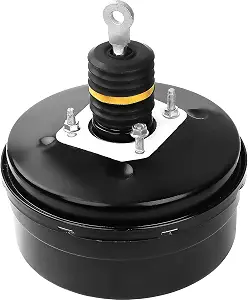 |
| Most Popular A crowd favorite that many people choose with confidence | A-Premium Vacuum Power Brake Booster for Jeep Grand Cherokee & Dodge Durango (2011–2015) — Without Master Cylinder |  |
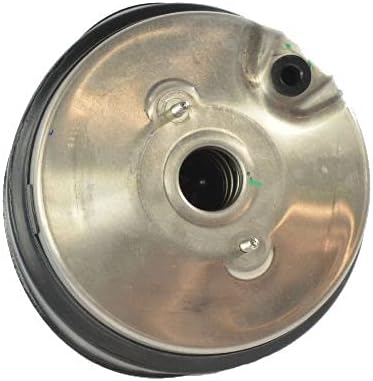
Mopar Brake Booster 68306573AA
| Manufacturer | MOPAR |
|---|---|
| Brand | Mopar |
| Manufacturer Part Number | 68306573AA |
This Mopar brake booster is a factory-style replacement unit intended to restore power-assisted braking feel on compatible vehicles. It installs between the master cylinder and the brake pedal assembly to provide vacuum-assisted force, reducing pedal effort and returning a firmer, more consistent brake pedal compared with a failed or weakened booster. As an OEM-branded part it mirrors factory mounting points and vacuum port locations, simplifying fitment and minimizing the need for modifications during installation. For drivers focused on performance, the booster delivers predictable pedal response useful for spirited driving or towing where consistent brake modulation matters. Limitations include no performance-enhancing features beyond restoring factory assist and the item listing provides minimal technical detail such as internal check valve type or exact vehicle fitment notes, so confirm compatibility with your Grand Cherokee model year and engine before purchasing.
Best for: Buyers who want a genuine factory-style replacement to restore original brake pedal feel and consistency on their Grand Cherokee and prioritize correct fit and predictable performance.
Less Ideal for: Drivers seeking a performance booster with increased assist, adjustable bias, or race-oriented features should consider aftermarket performance units instead.
- Factory-brand replacement for direct-fit mounting and vacuum port alignment
- Restores factory power-assist for firmer, more consistent pedal feel
- Simple swap-in design reduces installation complexity when matching vehicle fitment
- No upgraded boost characteristics for enhanced stopping power beyond stock
- Listing lacks detailed fitment and technical specs such as check valve orientation or vacuum specifications
Verdict: Choose this Mopar brake booster when you want a factory-quality replacement that restores original power-assist and pedal feel on compatible Grand Cherokee models.
HOLDWELL Power Brake Booster (54-77200)

| Manufacturer | HOLDWELL |
|---|---|
| Model | Power Brake Booster |
| Item model number | 54-77200 |
| Manufacturer Part Number | 5C-477200 |
This HOLDWELL power brake booster is a replacement vacuum-assisted booster intended to restore firm, low-effort braking on compatible 2011–2015 Jeep Grand Cherokee and Dodge Durango models. It installs in place of a worn or failing booster and connects to the master cylinder and vacuum source like a factory unit. Notable features from the listing include multiple manufacturer part references for matching and a machined exterior that suggests a finished housing. In use it should return pedal feel and vacuum assist to factory-like performance, helping reduce pedal effort and improve stopping confidence. Practical benefits are straightforward fit matching and a ready-to-install unit for routine brake-system repairs. Limitations are that fitment is limited to the stated year and engine combinations and buyers should verify part numbers against their vehicle build; no claims about included hardware or bench testing are provided. Expect a standard aftermarket replacement experience: proper fit when matched correctly, with installation requiring basic brake-line and booster removal steps.
Best for: Buyers who want a practical, direct-replacement brake booster to restore factory-style pedal feel on 2011–2015 Grand Cherokee or Durango vehicles and prefer matching by part number to avoid fitment guesswork.
Less Ideal for: If you need a booster for vehicles outside the listed years or nonstandard engine configurations, or you want a performance-oriented or rebuilt unit with documented bench testing, look elsewhere.
- Sold as a direct-fit replacement for specified 2011–2015 Grand Cherokee and Durango engines
- Machined exterior finish that may resist corrosion and look factory-quality
- Multiple listed part numbers to help confirm compatibility during purchase
- Compatibility strictly limited to the listed model years and engine options so it is not universal
- Listing does not specify included mounting hardware or whether vacuum check valve is supplied
Verdict: Choose this HOLDWELL booster when you need a straightforward, part-number-matched replacement to restore factory-style brake assist on 2011–2015 Grand Cherokee or Durango models.
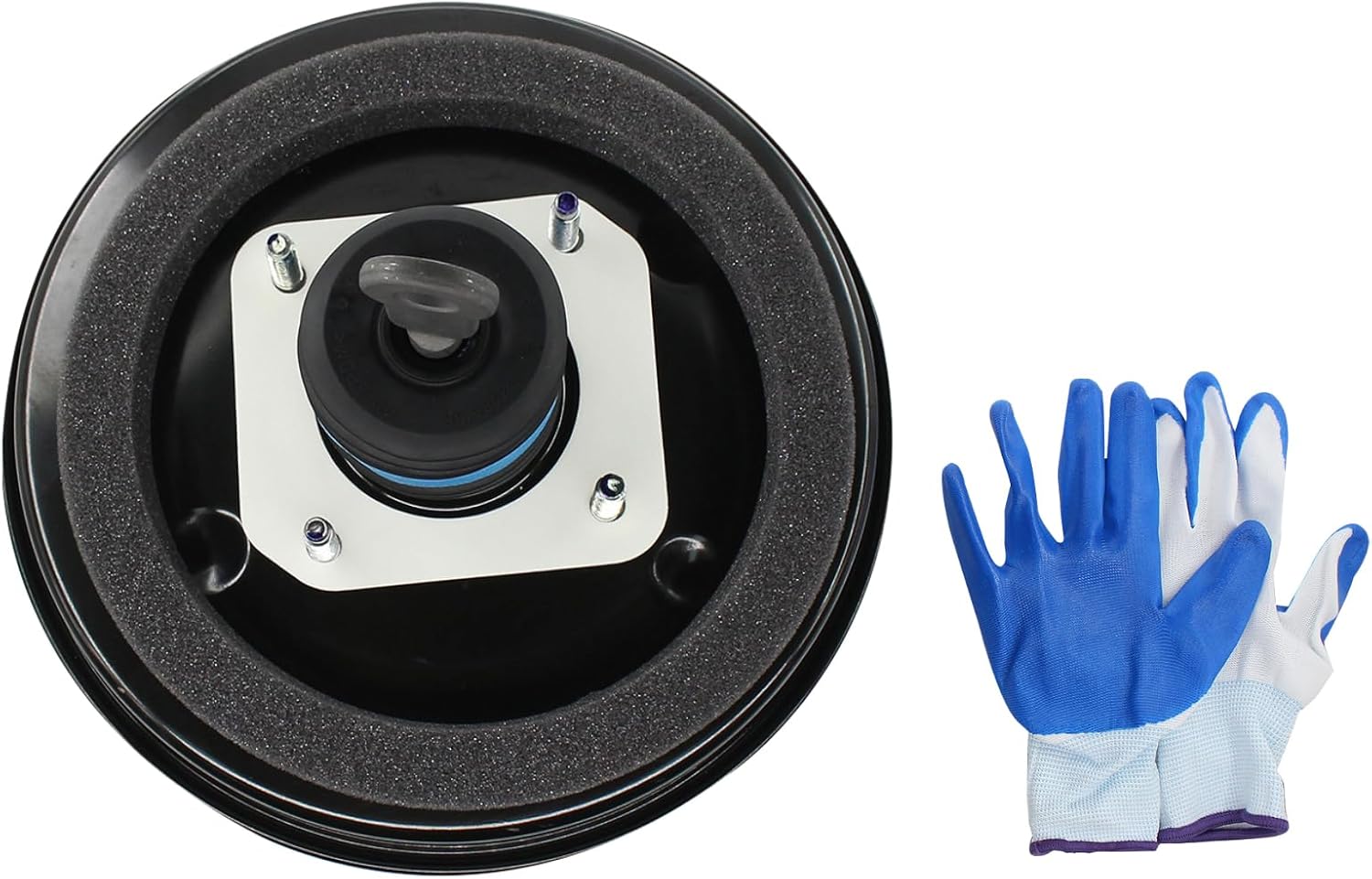
MOTOKU Power Brake Vacuum Booster for Dodge Durango and Jeep Grand Cherokee (2011–2015)
| Compatible vehicles | Dodge Durango 2011-2015; Jeep Grand Cherokee 2011-2015 |
|---|---|
| Manufacturer | MOTOKU |
| Model | 4560182AE |
This MOTOKU power brake vacuum booster replaces a failed booster to restore pedal effort and braking assist on 2011–2015 Jeep Grand Cherokee and Dodge Durango models. It installs in place of the factory booster and is used when the original unit develops a hard pedal or loss of brake assist. The unit is painted and supplied as a single booster assembly matching the vehicle fitment listed. For budget-focused repairs it offers a straightforward swap that can return normal braking feel without replacing the entire master cylinder or hydraulic components. Buyers should expect a basic aftermarket build rather than a premium or performance-grade part, and professional installation is recommended because proper vacuum and pedal linkage alignment matter for safe operation. Availability of vehicle-specific mounting hardware and exact connector fitment can vary, so confirm compatibility before installation and be prepared for minor adjustments during fitment.
Best for: Buyers repairing brake assist on a 2011–2015 Grand Cherokee who prioritize an affordable, direct-replacement part to get the vehicle back on the road quickly.
Less Ideal for: Drivers seeking an OEM-matching unit for longevity or those who want a performance upgrade to braking feel should consider factory replacement or upgraded options.
- Direct-fit replacement for 2011–2015 Dodge Durango and Jeep Grand Cherokee listed by the manufacturer
- Restores brake assist and normal pedal effort when the original booster fails
- Painted finish reduces immediate corrosion concerns during installation
- Aftermarket construction may not match factory materials or long-term durability of OEM parts
Verdict: A cost-focused direct-replacement booster that gets 2011–2015 Grand Cherokee and Durango brakes back to normal without an expensive OEM unit.
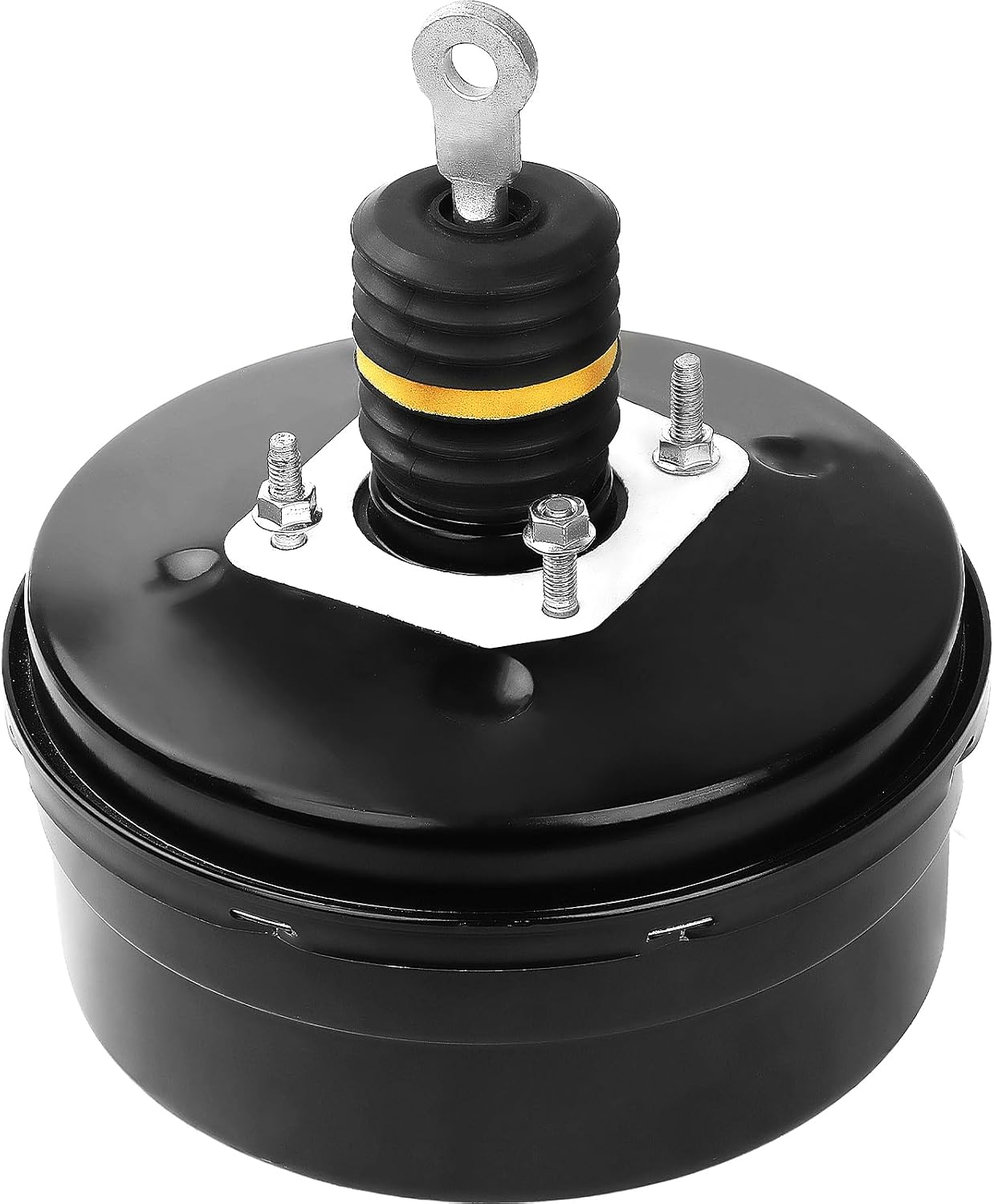
WildGear Vacuum Power Brake Booster Replacement for Jeep Grand Cherokee/Dodge Durango
| Manufacturer | WildGear |
|---|---|
| Manufacturer Part Number | 4560182AA |
| Vehicle Replacement | Jeep Grand Cherokee 2011-2015; Dodge Durango 2011-2015 |
| Date First Available | March 27, 2024 |
This WildGear vacuum power brake booster is offered as a direct replacement for specific Jeep Grand Cherokee and Dodge Durango models and is built to match the performance of the original unit. It uses engine vacuum to amplify pedal force, reducing the effort needed to stop and restoring the intended brake feel after a failed or worn booster. The unit is precision-matched to the listed OE numbers and is tested at the factory to help ensure fit and reliable operation. Installation is typical for a booster swap and requires brake line and pedal linkage reconnection, so it is best suited for DIY mechanically comfortable buyers or professional installation. The practical benefits are predictable pedal assist and compatibility with the braking system on the covered vehicles, which improves safety and driving confidence. Limitations include the need to verify the exact OE part number before purchase and that it only fits the stated model years and applications, so it is not a universal replacement.
Best for: Buyers who prioritize a reliable, factory-style replacement for a failing brake booster on the listed Jeep Grand Cherokee or Dodge Durango model years and want a tested unit that restores expected braking performance.
Less Ideal for: Drivers looking for a universal or multi-vehicle booster or those who prefer an upgraded performance booster beyond factory-spec should consider other options.
- Built to match original part numbers for a direct fit on listed Jeep and Dodge applications
- Factory performance testing claimed to promote consistent brake feel and operation
- Restores vacuum assist to reduce pedal effort and improve braking safety
- Multiple product images available to verify configuration before installation
- Compatibility limited to the specified model years and OE numbers so requires careful verification
- No explicit warranty details listed in the product information
Verdict: Choose this booster when you need a factory-style, precision-matched replacement to reliably restore brake pedal assist on the specified Grand Cherokee and Durango model years.
A-Premium Vacuum Power Brake Booster for Jeep Grand Cherokee & Dodge Durango (2011–2015) — Without Master Cylinder

| Compatible Models | Jeep Grand Cherokee 2011–2015; Dodge Durango 2011–2015 |
|---|---|
| Diaphragm Style | Dual |
| Diaphragm Diameter | 9.48 in (240.79 mm) |
| Master Cylinder Included | No |
| Master Cylinder Stud Thread | M8 x 1.25 |
This A-Premium vacuum power brake booster replaces the factory booster on compatible 2011–2015 Grand Cherokee and Durango V6 and V8 models and is intended for owners repairing a failing booster or restoring pedal assist. It installs in place of the original unit and includes the push rod and mounting hardware but does not include the master cylinder, so you will reuse the factory master cylinder or install a separate replacement. Notable features include a dual diaphragm design and an anti-rust coating on the steel body aimed at longer life and consistent vacuum assist. In normal use it restores firm, responsive brake pedal feel and is a direct-fit option for the listed engines and years, which simplifies installation for experienced DIYers or mechanics. Limitations are that the master cylinder is not supplied and fitment is limited to the stated Grand Cherokee and Durango years and engine options, so confirm reference numbers before buying. The product comes with a manufacturer part number and several user reports indicating good fit and function on the supported models.
Best for: Owners who want a factory-style replacement booster to restore original brake pedal feel on supported 2011–2015 Grand Cherokee or Durango models and who prioritize proven fitment backed by other buyers.
Less Ideal for: Buyers seeking a complete brake assembly or a universal performance upgrade should look for options that include the master cylinder or are designed for broader vehicle fitment.
- Direct-fit replacement for specified 2011–2015 Grand Cherokee and Durango V6/V8 engines
- Dual diaphragm design intended to deliver consistent pedal assist
- Steel construction with anti-rust coating for improved durability
- Includes push rod and necessary mounting studs and hardware
- Ships without a master cylinder, requiring reuse or separate purchase
Verdict: A practical, factory-style replacement booster for supported 2011–2015 Grand Cherokee and Durango models when you need dependable, direct-fit braking performance.
Choosing the Right 2011-2021 Jeep Grand Cherokee Brake Booster: Key Factors to Consider
Fitment and Mounting Pattern
Correct fitment is essential because the booster must align precisely with the firewall studs, master cylinder, and brake pedal pushrod on the 2011-2021 Jeep Grand Cherokee (WK2). A direct-fit booster reduces the need for modifications and minimizes installation time.
Improper mounting or an incorrect flange pattern can lead to misaligned pushrod travel, excessive pedal free play, or binding that affects safety. Verify the booster registers to the correct firewall aperture, matches bolt spacing, and provides the same pushrod length or an easily adjustable range. For WK2 owners, small differences in mounting orientation or vacuum port placement can interfere with the factory vacuum hose routing or ABS harnesses, so choose units that replicate OEM geometry.
Vacuum Integrity and Leak Resistance
Brake boosters rely on an airtight diaphragm and robust housing seals to maintain vacuum assist. For a Grand Cherokee that spends time in humid or salty environments, corrosion around clamps and ports can cause slow vacuum leaks and reduced assistance.
Look for units with high-quality diaphragms and well-sealed vacuum fittings. Check that vacuum ports accept the same hose sizes as the factory plumbing and that the check valve location matches the original to avoid routing issues. A booster with proven vacuum integrity reduces the chance of intermittent hard-pedal symptoms and improves consistency during repeated stops.
Pedal Feel and Assist Ratio
Different boosters can deliver subtly different assist levels and pedal travel. Owners who tow, carry heavy loads, or prefer a firmer pedal should consider how a replacement affects assist ratio and feedback. A booster with an assist level close to OEM expectations preserves familiar pedal modulation and braking feel on the WK2 Grand Cherokee.
Excessively high assist can make the pedal too light and reduce driver control, while too little assist leads to fatigue and longer stopping distances. Choose a unit engineered for matching the vehicle's master cylinder stroke and required pedal force to keep braking predictable across normal driving conditions.
Compatibility With ABS and Brake Sensors
The Grand Cherokee's ABS and stability systems depend on consistent hydraulic pressure response. While the booster itself is not electronic, any differences in pushrod geometry or mounting stiffness can change how quickly pressure builds at the calipers during ABS events.
Select boosters that maintain the same interface to the master cylinder and do not require reconfiguration of brake pressure sensors. Units that simplify bleeding and ensure consistent pressure rise times help keep ABS intervention consistent with OEM behavior.
Durability and Corrosion Protection
Booster longevity is influenced by materials, coatings, and seam construction. The booster sits in the engine bay where moisture, road salt, and temperature cycles cause corrosion over time. A unit with corrosion-resistant finishes, sealed seams, and durable mounting hardware will last longer and reduce the risk of vacuum leaks and bracket failure.
Consider whether the booster uses plated steel or coated housings and whether the rod and clevis use stainless or treated metals. Strong weather resistance reduces the frequency of replacement and the likelihood of roadside failures.
Ease of Installation and Serviceability
Installation complexity affects labor time and the chance of installation errors. A direct-fit booster that retains original vacuum check valve placement and matches pushrod length simplifies reassembly and reduces the need for additional parts.
Look for designs that allow straightforward master cylinder reattachment and provide clear access to the pushrod clevis and retaining hardware. Units that include new gaskets, mounting hardware, or clear torque specs improve the DIY experience and lower the risk of leaks after installation.
Common Symptoms of a Failing Booster on WK2 Grand Cherokee
Recognizing early signs helps prevent unsafe braking. Typical symptoms include a hard or heavy brake pedal, increased pedal travel before engagement, or a hissing sound that suggests a vacuum leak near the firewall. These signs are often intermittent at first and worsen under conditions that demand repeated braking.
Some failures mimic problems with the master cylinder, so checking booster-specific indicators is important before replacing other components. Verifying vacuum at the booster check valve, listening for hissing at the booster seam, and noting changes in pedal effort when the engine is off are useful diagnostic steps.
- Hard pedal requiring more force than usual
- Hissing noise from the firewall area when brakes are applied
- Longer pedal travel or delayed brake engagement
- Brake assist returns after engine restart but then fades
How to Test the Brake Booster Safely
A few simple tests can help you isolate the booster as the root cause. With the engine off, pump the brake pedal several times to remove residual vacuum. Hold firm pressure on the pedal and start the engine. If the pedal sinks slightly as the engine starts, the booster is supplying vacuum assist. No change suggests a vacuum supply or internal booster failure.
Also inspect the vacuum hose and check valve for splits or blockage and perform a vacuum hold test with a handheld gauge if available. If you find a vacuum leak at the booster housing seam or at a port, replacing the booster is typically the correct remedy rather than attempting partial repairs.
- Engine-start pedal test for basic confirmation
- Visual inspection of vacuum hose, check valve, and fittings
- Use vacuum gauge to confirm steady vacuum under load
Brake Booster Replacement Considerations for DIYers
Replacing a booster on a WK2 Grand Cherokee is a moderate-difficulty job that requires careful attention to pushrod adjustments and proper torque on mounting bolts. You will disconnect the vacuum line, remove the master cylinder, and access the booster fasteners from the engine bay and inside the cabin at the pedal clevis. Keeping the master cylinder supported to avoid stressing brake lines is important.
After installation, bleeding the brake system and confirming correct pedal free play are critical. Some boosters include alignment shims or adjustable pushrod features that speed setup. If you plan a DIY replacement, prepare the right tools, a torque wrench, and a clear workspace to avoid contaminating the brake fluid.
- Support and secure master cylinder before unbolting
- Transfer or replace pushrod clevis with care to maintain pedal geometry
- Bleed brakes thoroughly after installation
Common Causes of Vacuum Leaks and How to Address Them
Vacuum leaks reduce assist and can cause inconsistent pedal feel. Common sources include degraded vacuum hoses, failed check valves, or seam corrosion on the booster body. On WK2 vehicles, routing and clamp quality matter because misrouted hoses can chafe and develop slow leaks over time.
Address leaks by inspecting and replacing brittle hoses, installing a new in-line check valve if the original fails, and replacing boosters with visible seam corrosion. Ensuring hose clamps are secure and using compatible hose sizes prevents future leaks and restores consistent vacuum flow to the booster.
- Inspect hoses for cracks and replace aged vacuum lines
- Replace faulty check valves to maintain one-way vacuum
- Replace boosters with visible corrosion or damaged diaphragms
Preparing for Service: Tools and Parts to Have Ready
Before attempting a booster swap, gather a torque wrench, appropriate socket set, line wrenches for brake fittings, and a vacuum gauge if you plan to test before and after. New mounting gaskets and replacement brake fluid will save time and reduce the risk of contamination.
If you are replacing the check valve or vacuum hose, have OEM-compatible hose clamps and a replacement check valve sized for the factory vacuum line. Having a friend to assist with supporting the master cylinder makes the job safer and faster.
- Torque wrench and metric socket set
- Vacuum gauge and replacement vacuum hose
- Brake fluid and bleeding kit
Still looking for the perfect fit?
Select your Jeep Grand Cherokee configuration to see the most relevant Brake Boosters recommendations
How We Chose the Best 2011-2021 Jeep Grand Cherokee Brake Booster
We selected candidates using technical fitment checks and service-focused performance considerations specific to 2011-2021 Jeep Grand Cherokee (WK2) vehicles. Our editorial filters prioritized correct mounting patterns, vacuum port orientation, and compatibility with the factory master cylinder pushrod and brake pedal geometry. We also evaluated construction quality such as diaphragm material, seam sealing, and corrosion-resistant finish because these affect long-term vacuum integrity and failure modes.Key evaluation criteria included mechanical fit and ease of installation for standard Grand Cherokee brake systems, vacuum hold and leak resistance under load, compatibility with factory ABS and brake pressure sensors, and overall durability in typical service conditions. We also considered whether the unit simplifies brake bleeding and pedal free-play adjustment during installation.Excluded items: units that require custom master cylinder modifications, non-WK2 generation-specific adapters, or units lacking documented fitment for the 2011-2021 Grand Cherokee were not included. We focused on boosters intended as direct-fit replacements or clear direct-replacement assemblies to limit unexpected installation issues.
Our full evaluation process is outlined in our review methodology.
FAQ
What are typical brake booster symptoms on a Grand Cherokee?
You will often notice a hard pedal, longer pedal travel, or a hissing sound near the firewall. Symptoms can be intermittent and may worsen when the engine is idling or after repeated stops.
Can I test the brake booster without special tools?
Yes. The engine-start pedal test and a visual inspection of vacuum hoses and the check valve are effective initial checks. A handheld vacuum gauge provides more conclusive results but is not strictly required for a basic diagnosis.
Is a hard brake pedal always the booster or could it be the master cylinder?
A hard pedal often points to booster or vacuum supply issues, but master cylinder problems can produce similar effects. Confirm vacuum at the booster and check for leaks before replacing the master cylinder.
How difficult is brake booster replacement for a DIYer with moderate skills?
Difficulty is moderate. The job requires supporting the master cylinder, disconnecting vacuum and brake lines, and adjusting the pushrod. With the right tools and clear steps, many owners can complete the replacement themselves.
What maintenance helps prevent brake booster vacuum leaks?
Regular inspection of vacuum hoses, replacing aged or cracked lines, and checking the in-line check valve for proper operation helps prevent leaks. Addressing surface corrosion early also reduces the chance of seam failures.
Will replacing the brake booster affect ABS performance?
When the booster maintains correct pushrod geometry and interfaces properly with the master cylinder, ABS behavior should remain unchanged. Deviations in mounting or pushrod adjustment can alter pressure build-up timing, so correct installation is important.
Final Verdict
When servicing a 2011-2021 Jeep Grand Cherokee (WK2), prioritize a booster that matches OEM fitment and preserves vacuum integrity. Focus on units that replicate the original mounting and pushrod geometry, offer robust corrosion protection, and simplify bleeding and installation. Tradeoffs typically involve balancing long-term durability against ease of installation. Choose the option that best aligns with how you use the vehicle and how comfortable you are with DIY work to restore confident, consistent braking.
Explore More:
- Check out all Jeep Grand Cherokee parts & accessories
- Explore Brake Boosters Maintenance & Repair Guides
- Explore Brake System
- Browse all Auto Parts
