

Note: This article contains affiliate links. If you click on these links and make a purchase, I may earn a small commission at no extra cost to you. This helps support my research and content. Read my full affiliate disclosure here.
When a Toyota Tundra blower motor starts failing, cabin airflow, heating, and cooling performance can become inconsistent and noisy. Selecting the right blower motor matters because fit, airflow capacity, and electrical durability directly affect how well your truck circulates air and how long the repair lasts. This guide presents seven shortlisted blower motor options chosen for fit and performance specifically for the Toyota Tundra, with attention to airflow output, motor longevity, electrical compatibility, and noise levels. Read on to understand the key criteria we used and what to look for when replacing the blower motor in your Tundra.
Looking for other parts? See all Toyota Tundra parts & accessories.
Top Picks at a Glance
| Best overall The best all-around choice for most situations | GVPART4U Front HVAC Blower Motor for Toyota and Lexus (direct replacement) |  |
| Best quality Built to a higher standard if you want something more solid | SZKAIDAG HVAC Heater Blower Motor with Fan Cage (Fits Toyota Tundra 2007–2018) |  |
| Best Value The sweet spot between price and what you get | KAX 700215 Blower Motor — Direct-Fit Heater Blower for Toyota Tundra (2007–2021) |  |
| Best Budget The cheapest option that still gets the job done reliably | ECCPP Heater Blower Motor with Fan Cage for Toyota Tundra/Sequoia (fit 2001–2007) |  |
| Highest Rated A top-rated pick with lots of positive feedback | Marsflex Front Blower Motor (APAC04003-MM) for Toyota Tundra and Other Toyota Models | 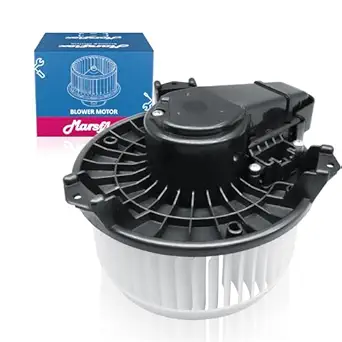 |
| Most popular A crowd favorite that many people choose with confidence | OAW Blower Motor for Toyota Tundra and Compatible Toyota/Lexus Models |  |
| Best Seller A high-volume bestseller chosen again and again | POHILA HVAC Blower Motor for Toyota Tundra and Select Toyota Models |  |
1. GVPART4U Front HVAC Blower Motor for Toyota and Lexus (direct replacement)

| Application | Front HVAC blower motor for select Toyota Tundra and Toyota/Lexus models |
|---|---|
| Replace part numbers | PM9351, 75830, 87103-0E040, 87103-60400, 700215, 87103-0C040 |
| Service life | At least 80,000 hours (manufacturer claim) |
| Includes | 1 AC blower motor with fan cage |
This GVPART4U front blower motor replaces the factory blower motor on compatible Toyota and Lexus models to restore heating, ventilation, and air conditioning airflow. It is installed in the vehicle's HVAC housing and connects to the factory wiring and mounting points; owners report straightforward installs that typically require removing a glovebox panel, unbolting the old unit, and plugging in the connector. The motor is advertised as energy efficient and tested for long life with improved fan geometry to reduce dust buildup and increase airflow compared with failing originals. In practice it delivers strong airflow across all fan speeds and is generally quieter than worn OEM units. Not every unit is perfect out of the box—some buyers reported fitment tweaks to the electrical connector and a few DOA cases—so careful inspection at installation is wise. The part includes the fan cage and a one year warranty, making it a practical replacement when the factory blower fails and you want good airflow without paying OEM prices.
Best for: Buyers seeking a balanced, cost-conscious replacement that restores HVAC performance on a Toyota Tundra without paying OEM prices and who prioritize reliable airflow and straightforward installation.
Less Ideal for: Those who only accept factory-branded parts or need a guaranteed lifetime performance spec should consider purchasing directly from the vehicle manufacturer or an authorized dealer instead.
- Direct-fit replacement for specified Toyota and Lexus front HVAC systems using factory mounting points
- Delivers strong airflow across all blower speeds, improving cabin ventilation
- Quieter and more energy-efficient motor design compared with many worn original units
- Includes fan cage and passes mechanical and electrical testing for long service life
- Occasional units arrive DOA or require extra force to seat the electrical connector properly
- Not a branded OEM part so long-term durability can vary between individual units
Verdict: A practical, cost-effective direct-replacement blower motor that restores strong, quiet airflow for Tundra owners but occasionally requires connector attention or replacement under warranty.
2. SZKAIDAG HVAC Heater Blower Motor with Fan Cage (Fits Toyota Tundra 2007–2018)
| Speed | 2600 RPM |
|---|---|
| Voltage | 12 Volts |
| Power | 280 Watts |
| Number of Ports/Pins | 3 |
| Rotation | Clockwise |
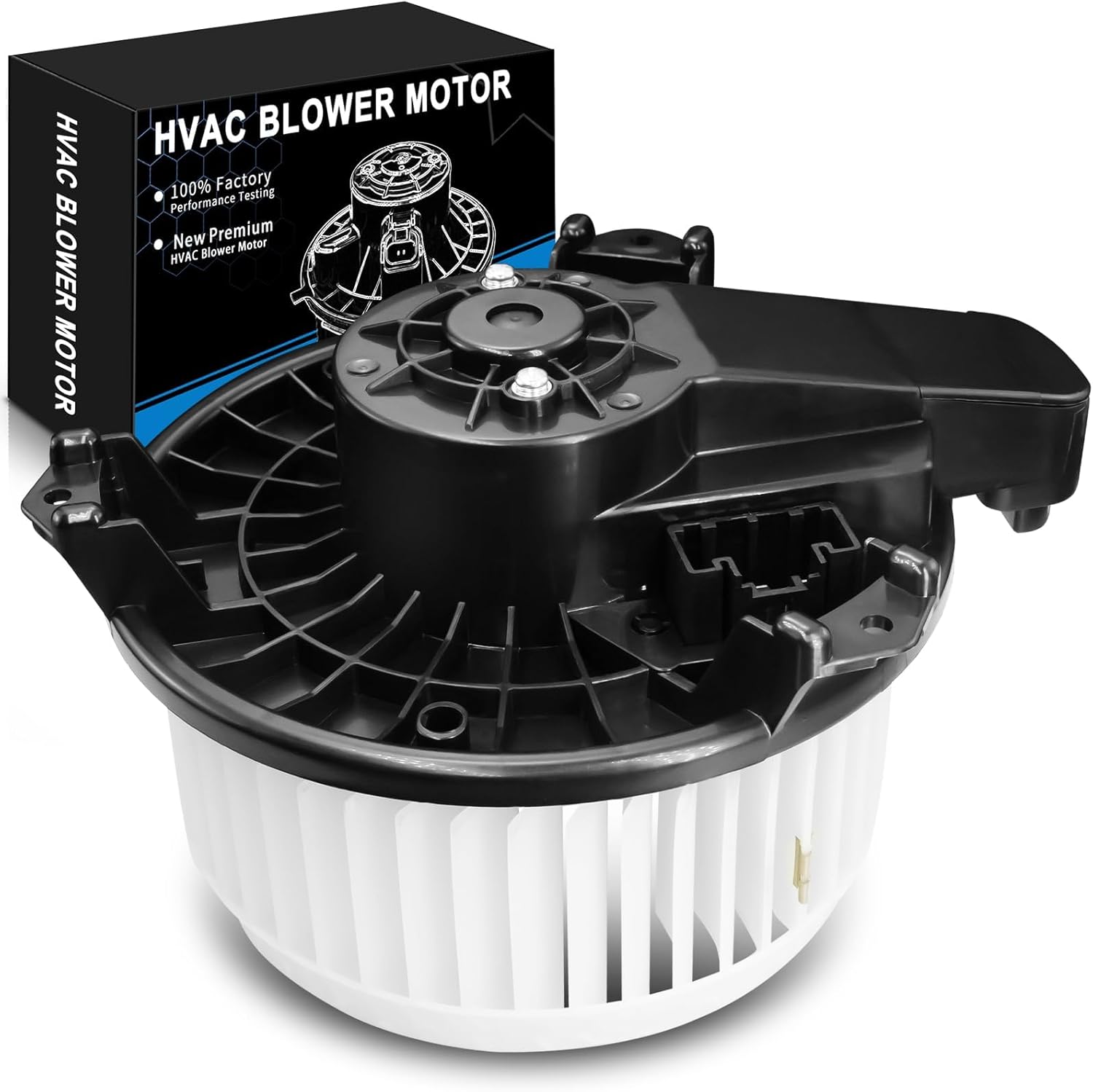
This SZKAIDAG blower motor is a direct-fit replacement intended to restore heating and A/C airflow in Toyota Tundra cabins. It includes the fan cage and mounts into the factory blower housing in the front position, so installation follows the same steps as the original part and typically requires unplugging the harness, removing the retaining screw, and rotating the unit into place. The unit is rated at about 2600 RPM and 280 watts, which delivers strong airflow across all speed settings and helps the HVAC system heat or cool the cabin faster. Notable practical features are the preinstalled gasket for sealing, a three-pin connector, and seller-stated balance and noise testing to reduce vibration. Many owners report straightforward, three-bolt installs and restored HVAC function. Limitations to consider are occasional reports of higher-than-expected noise on some vehicles and the need in a few cases to add a chassis ground for reliable operation, so verify electrical fit and listen for bearing noise after installation.
Best for: Performance-oriented owners who prioritize restoring factory-level airflow and quick HVAC response in a Toyota Tundra and expect a robust replacement part that emphasizes function and airflow performance.
Less Ideal for: Buyers who need an ultra-quiet, premium OEM-silent motor or who prefer units backed by a long manufacturer warranty should consider higher-end or dealer-sourced options instead.
- Direct-fit replacement with included fan cage simplifies swap-in for the blower assembly
- Preinstalled gasket and metal housing improve sealing and perceived durability compared with lightweight aftermarket units
- Rated for strong airflow (2600 RPM, 280 W) so it moves cabin air effectively across speeds
- Simple installation pattern reported by users—typically three bolts and plug-in connector
- Some users report noticeable noise at medium speeds that may indicate bearing or balance variation
- A small number of installs required adding a ground to the housing for reliable operation
Verdict: A strong, direct-fit blower motor built for restoring airflow and HVAC performance in Toyota Tundra trucks, with solid airflow but occasional noise variability.
3. KAX 700215 Blower Motor — Direct-Fit Heater Blower for Toyota Tundra (2007–2021)

| Fitment | Toyota Tundra 2007-2021 |
|---|---|
| Material | ABS Plastic |
| Manufacturer Part Number | 4707BLM014BUS |
| Reference Numbers | Includes 700215 and multiple Toyota reference numbers |
This KAX blower motor replaces a failing HVAC blower in Toyota Tundra (2007–2021) and restores air flow for heating and air conditioning. It is built to match factory fit and form so installation is straightforward for someone comfortable accessing the under-dash blower housing. The unit draws cabin air through the heater or evaporator core and forces it through the vents, returning passenger comfort and defrost function. Practical benefits include OEM-style compatibility and reportedly solid fitment, with many owners noting quick swaps and quiet operation. The part is ABS-plastic bodied and intended as a direct replacement, so you do not need to modify mounting points or connectors on properly equipped Tundras. Limitations to expect are the usual life-span uncertainty with aftermarket motors compared with dealer new parts and occasional wiring orientation differences on non-factory harnesses that require attention during installation. Also the product listing does not include extras such as balancing hardware, so minor vibration can occur if the blower wheel is not perfectly seated.
Best for: Practical optimizers who want a cost-effective, factory-compatible replacement that gets their Tundra HVAC working again without fuss and without paying dealer premiums.
Less Ideal for: Buyers seeking a guaranteed long-term dealer replacement or those who prefer a part with an extended manufacturer warranty should consider dealer or premium-brand options instead.
- Direct-fit design for Toyota Tundra 2007–2021 for straightforward replacement
- Matches factory mounting and connector layout to simplify installation
- Restores cabin airflow and HVAC function quickly after swap
- Reportedly quiet operation and improved blower performance compared with some worn originals
- No balancing hardware included which can lead to slight vibration if the fan is not perfectly installed
- Aftermarket longevity can vary compared with dealer-sourced new motors
Verdict: A budget-friendly, direct-fit blower motor that restores HVAC airflow in Tundras quickly, ideal for owners prioritizing value and ease of replacement.
4. ECCPP Heater Blower Motor with Fan Cage for Toyota Tundra/Sequoia (fit 2001–2007)

| Brand Name | ECCPP |
|---|---|
| Model Name | Heater Blower Motor |
| Material Type | HVAC |
| Part Number | 058383-5211-1606223 |
This ECCPP blower motor replaces the factory blower assembly to restore cabin airflow and HVAC function on compatible Toyota Tundra and Sequoia models. It is supplied with the fan cage and built to match factory form and fit so installation is typically a direct swap under the dash. Buyers report easy installs in many Tundra/Sequoia configurations and noticeably improved airflow compared with worn originals. The unit uses common motor construction and enamelled copper windings and is positioned as a cost-saving alternative to factory parts. Practical benefits include rapid restoration of cabin ventilation, a quieter operation on many units, and widely available fit references for this model range. Limitations are variable noise between individual units and unknown long-term durability compared with OEM parts, so expect occasional units that run louder or may not match factory longevity. Overall it is a sensible budget replacement when you need to get air moving again without paying OEM prices.
Best for: Budget-conscious owners looking to restore or maintain cabin HVAC function on Toyota Tundra/Sequoia models without paying factory prices; ideal for DIYers who prioritize cost savings and quick fixes.
Less Ideal for: If you need a guaranteed long-term OEM-equivalent lifetime or require a perfectly silent blower on the lowest fan settings, consider higher-end or factory replacements.
- Direct-fit design for 2001–2007 Sequoia and 2004–2006 Tundra reduces installation time
- Includes fan cage so you receive a complete blower assembly rather than motor-only
- Reportedly quieter than many worn originals on medium and high speeds
- Much lower cost than factory replacement while restoring HVAC function
- Noise and vibration vary between individual units so some may be louder at low speeds
- Long-term durability is less certain compared with factory replacements
Verdict: An affordable, direct-fit blower motor and fan cage that gets Tundra and Sequoia HVAC airflow working again without the OEM price tag.
5. Marsflex Front Blower Motor (APAC04003-MM) for Toyota Tundra and Other Toyota Models

| Speed | 3250 RPM |
|---|---|
| Voltage | 12 Volts |
| Horsepower | 204 Watts |
| Wattage | 204 watts |
The Marsflex APAC04003-MM front blower motor replaces the factory blower motor to restore heating, ventilation, and air conditioning performance in compatible Toyota vehicles such as the Tundra. It is a direct-fit replacement that installs under the dash and connects to the existing wiring harness, so most replacements are straightforward for a DIYer with basic tools. Notable features listed include a 12 volt rating and a 3250 RPM motor that delivers strong airflow at full speed, and multiple customer reports highlight quiet operation at low and medium fan settings. Practical benefits include improved airflow and faster recovery of cabin heat or A/C without modifying ducting or controls. Limitations to consider are variable quality control reported by some users where a unit arrived slightly unbalanced or noisier at high fan speeds, and mounting hardware is not always included so you may need to reuse factory screws. For a reliability-focused buyer seeking a cost-effective factory-quality replacement, this unit offers strong value but watch for occasional outliers and verify balance on arrival.
Best for: Owners prioritizing a reliable, cost-conscious factory-quality replacement who want to restore HVAC performance themselves and prefer a proven aftermarket option over dealer service.
Less Ideal for: Drivers who need a guaranteed factory-sourced unit with full supplied hardware or who require a perfectly silent high-speed operation may want to consider alternative suppliers or professional remanufactured parts.
- Direct-fit replacement for Toyota blower motor locations that restores airflow without wiring changes
- 12 V, 3250 RPM motor provides strong airflow at full speed
- Many buyers report quiet operation at low and medium fan settings and straightforward installation
- Mounting screws may not be included with the unit
- Some units have shown balance or noise issues at high fan speeds in a minority of reviews
Verdict: A cost-effective, direct-fit blower motor that restores HVAC performance on Toyota Tundra models for buyers focused on practical, reliable replacements.
6. OAW Blower Motor for Toyota Tundra and Compatible Toyota/Lexus Models

| Manufacturer | OAW |
|---|---|
| Made in | Taiwan |
| Item Weight | 3.96 pounds |
This OAW blower motor is a factory-replacement style unit intended to replace a failed blower under the passenger dash in Toyota Tundra models listed in the fitment. It installs in the same location and uses the factory connector, so you typically remove the old motor, drop the new unit into the housing, and secure it with the original fasteners. The motor is factory-balanced to reduce vibration and the fan wheel is pre-mounted to avoid additional adjustments, which helps keep noise low in everyday driving. Buyers report straightforward installation and OEM-like fit and function, making it a practical swap when the original motor fails. Limitations include mixed long-term durability reports and occasional early failures reported by some users, so some buyers may prefer a higher-end or dealer unit for maximum longevity. There is also a one year warranty from the manufacturer which covers early defects.
Best for: Convenience-driven buyers who want a straightforward, quick repair that restores cabin heating and cooling without extensive modifications or extra parts.
Less Ideal for: Buyers who need an extended-life or heavy-duty aftermarket motor for high-mileage or intensive-duty vehicles should consider premium or dealer options instead.
- Direct-fit replacement that uses the factory electrical connector for plug-and-play installation
- Factory-balanced fan assembly to minimize vibration and reduce runtime noise
- Designed to match factory fit and function for straightforward drop-in replacement
- Some customers report short service life on a minority of units
- Quality and longevity can vary compared with higher-cost dealer parts
Verdict: A practical, plug-and-play replacement for Tundra blower failures that balances easy installation and factory-like performance, though longevity can vary.
7. POHILA HVAC Blower Motor for Toyota Tundra and Select Toyota Models

| Speed | 2750 RPM |
|---|---|
| Voltage | 12 Volts |
| Wattage | 264 watts |
| Model Name | HVAC Heater Blower Motor |
This POHILA blower motor is a direct-fit replacement intended to restore heating and A/C airflow in compatible Toyota vehicles, including the Tundra. It installs by removing a few mounting screws and plugging into the factory electrical connector, so most mechanically competent owners or technicians can complete the swap without modification. The motor is advertised with permanently lubricated self-aligning bearings and a relatively high rated speed, which should deliver strong airflow and quieter operation compared with a failing original unit. Construction uses motor-specific silicon steel and enameled copper windings to match factory-quality electrical behavior. Practical benefits include straightforward installation, strong wind power for better cabin heating and cooling, and compatibility with factory mounting points. Important limitations to note are mixed user reports about fitment and sealing on some vehicles and a few reviews reporting early noise development, so check fit carefully and be prepared to address small alignment or sealing issues during install.
Best for: Risk-averse mainstream buyers who prioritize restoring reliable cabin airflow with a direct-fit, factory-replacement style part and want a straightforward install that a technician can verify.
Less Ideal for: Drivers seeking a performance upgrade beyond factory airflow or those unwilling to tolerate potential minor fitment tweaks should consider other options or professional installation.
- Direct-fit design for straightforward installation into compatible Toyota models
- Permanently lubricated bearings for reduced maintenance and longer service life
- Motor-grade silicon steel and enameled copper windings to match factory electrical performance
- Higher speed rating intended to restore strong HVAC airflow
- Some customers report fitment or sealing issues that can require minor trimming or adjustment
- A minority of reviews mention early whining or noise developing over time
Verdict: A practical, factory-style blower motor replacement for Toyota Tundra owners that restores airflow reliably for most installs but may need minor fitment attention in some cases.
Choosing the Right Toyota Tundra Blower Motor: Key Factors to Consider
Airflow Volume and Speed Control
Airflow volume determines how quickly the cabin reaches the desired temperature and how well vents distribute air. A motor that delivers consistent airflow across low to high settings helps avoid weak air on low fan speeds and overly harsh blasts on high. Consider motors with tested flow rates or clear specifications so you can match the performance to your Tundra's HVAC ducting. Also evaluate how the motor performs with the existing fan wheel, since mismatches can reduce efficiency. Motors that maintain steady revolutions per minute under load will preserve blower speed control accuracy and improve comfort.
Electrical Compatibility and Connector Fit
Correct electrical compatibility avoids installation headaches and prevents intermittent operation or failure. Confirm the motor is designed for the vehicle voltage and for the factory connector type to minimize wiring changes. Proper matching reduces the risk of overheating at terminals and ensures the blower responds correctly to the vehicle's fan switch or climate control module. Motors engineered to accept the original wiring harness make installation faster and lower the chance of electrical faults after replacement.
Noise and Vibration Performance
Cabin noise can be a major annoyance, especially at certain fan speeds. Look for motors and blower wheels that are balanced and include quality bearings or bushings to reduce hums and rattles. Lower vibration means less strain on mount points and fewer vibration-transmitted noises through the dash. Noise performance is often affected by both the motor and the blower wheel, so consider the assembly as a whole. Reduced noise contributes directly to perceived quality and makes heating and cooling more pleasant on long drives.
Durability and Bearing Design
Durability relates to how well the motor tolerates continuous duty cycles and exposure to dust, debris, and intermittent wetness under the dash area. Bearings play a pivotal role; sealed or higher-quality bearings typically last longer and require less maintenance than simple bushings. A motor designed for sustained HVAC use will resist wear from frequent speed changes and provide longer service life. When planning repairs, prioritize units with robust internal parts to lower the likelihood of a repeat replacement.
Ease of Installation and Access
Installation difficulty affects how quickly you can return the vehicle to service and whether you can do the job yourself. Motors that accept the original mounting points and fit the same blower housing will reduce time and complexity. Clear instructions, labeled connectors, and included mounting hardware all make the process smoother. Also consider how easily the motor can be accessed under the dash or behind panels; units that simplify alignment and reassembly reduce the chance of installation errors.
Resistance to Contaminants and Moisture
Under-dash blower motors are exposed to dust, pollen, and occasional moisture from HVAC system condensation or road conditions. Motors with protective coatings, sealed terminals, or drainage features better resist corrosion and shorting. Contaminant-resistant designs help preserve electrical contacts and reduce bearing wear from abrasive particles. Choosing a motor with considerations for environmental exposure increases reliability and reduces service frequency in real-world conditions.
How We Chose the Best Toyota Tundra Blower Motor
We focused on blower motors that meet the specific fit and electrical requirements of the Toyota Tundra and that offer dependable airflow across fan speeds. Key evaluation criteria included airflow volume and consistency across speed settings, motor durability and bearing design, electrical compatibility with factory connectors and voltage, noise and vibration performance, and ease of installation using existing cabin mounting points. We also considered resistance to dust and moisture that commonly affect under-dash components and the availability of clear installation documentation or wiring guidance. Exclusions: we did not include universal-fit or untested motors that require extensive wiring changes or structural modification. The shortlist reflects components that balance straightforward installation, reliable electrical behavior, and the airflow characteristics Tundra owners need for heating and cooling comfort.
Our full evaluation process is outlined in our review methodology.
FAQ
What are common symptoms of a failing Toyota Tundra blower motor?
Common signs include weak airflow at all fan settings, unusual noises such as squealing or grinding, and intermittent operation where the fan cuts out. You may also notice reduced performance in heating or air conditioning even though the system cycles normally. These symptoms often indicate a worn motor, damaged blower wheel, or electrical issues in the blower circuit.
How can I tell if the problem is the blower motor or the resistor?
If the fan works on some speeds but not others, the resistor or speed control module is often at fault. If the fan does not run at all or makes loud mechanical noise, the motor is more likely the issue. It usually helps to check for voltage at the motor connector and listen for motor noise when power is applied. Diagnostics that isolate the motor from the speed control clarify the source of the problem.
Is blower motor installation something I can do myself?
Many owners with basic mechanical skills can replace a blower motor, since most replacements involve removing a few panels and unplugging the original unit. However, access can be tight and may require specific tools and patience. If you are uncomfortable working with vehicle electrical connectors or removing dash trim, professional installation is a reasonable choice to ensure a proper fit and secure mounting.
Will replacing the blower motor fix blower motor noise?
Replacing a worn or unbalanced motor often reduces or eliminates noise caused by bad bearings or a damaged wheel. However, noise can also come from the blower wheel, mounting hardware, or nearby components. Inspecting the entire blower assembly and mounting structure can help ensure the source is addressed rather than replacing only one component and retaining the noisy element.
How long should a replacement blower motor last in regular use?
Lifespan varies with usage patterns and environmental exposure, but a well-made blower motor can typically last many years under normal driving conditions. Frequent heavy use, dusty environments, or moisture exposure can shorten service life. Choosing a motor with durable bearings and protective features can improve longevity.
Conclusion
When replacing a Toyota Tundra blower motor, prioritize electrical and mechanical compatibility, airflow performance, and noise characteristics. Balance ease of installation with durability features like quality bearings and contaminant resistance to reduce the chance of repeat repairs. Focus on the factors that most affect your driving comfort, such as steady low-speed airflow or quiet operation, and choose a unit that aligns with those priorities.
Explore More:
- Check out all Toyota Tundra parts & accessories
- Explore Blower Motors Maintenance & Repair Guides
- Explore HVAC
- Browse all Auto Parts
